Vienna Through the Lens: A Local's Guide to the Best Photography Spots
Written by
Nils Johansson | Founder
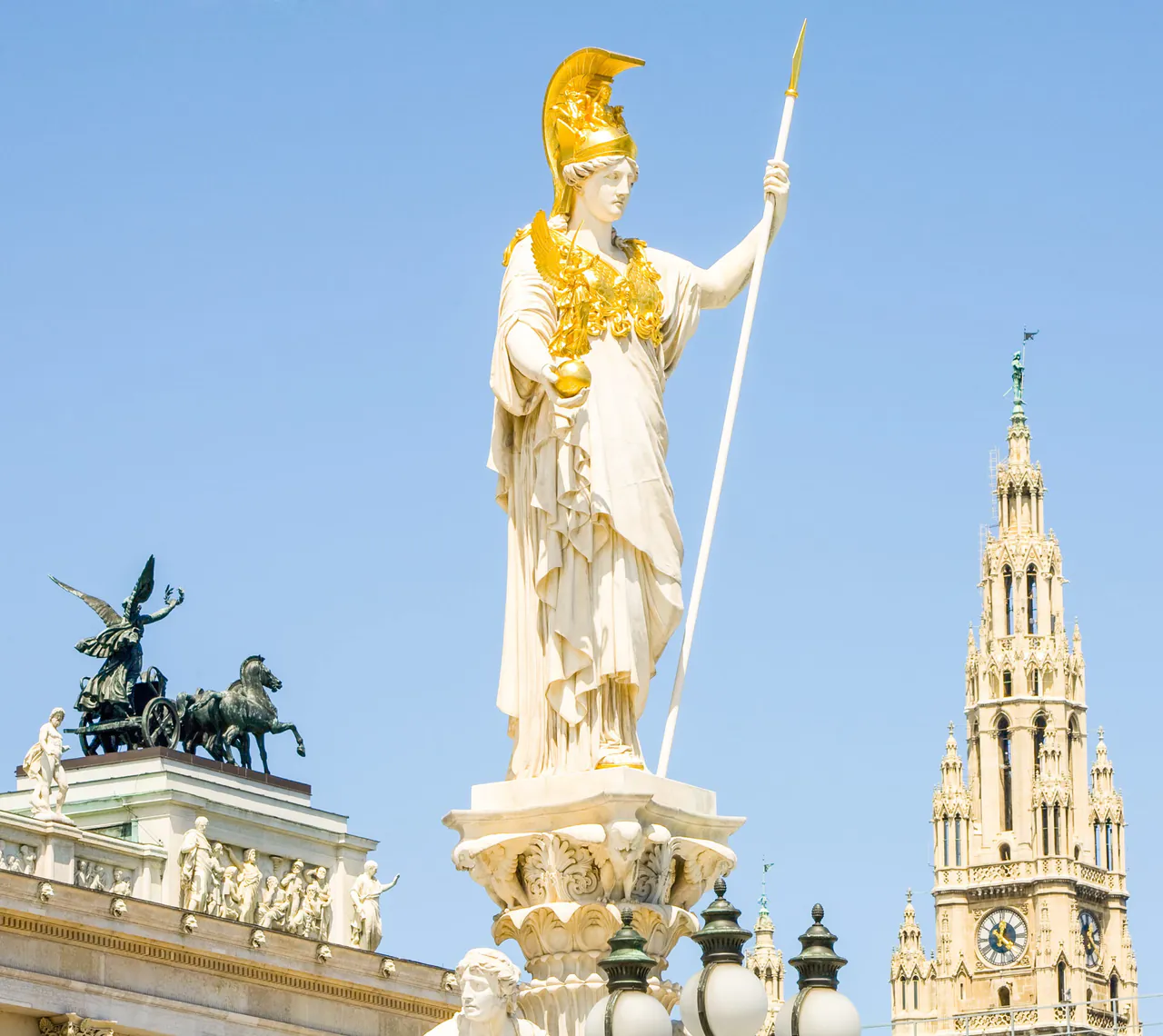
Vienna doesn't just sit there; it poses. From the imperial weight of the Habsburg palaces to the narrow, moody cobblestones of the Innere Stadt, the Austrian capital is built for the camera. But a great shot here takes more than just pointing a lens at a baroque facade. You need to understand the shifting light, the brutal tour group schedules, and where to find the high-ground vantage points. I've spent years chasing the blue hour across these rooftops. This guide helps you skip the generic postcards and find the exact angles where the city's architectural rhythm actually clicks. You'll learn how to nail the Belvedere reflections, where to plant your tripod for the State Opera, and how to talk your way into a working courthouse for a view most tourists never see. Grab your wide-angle and clear your cards. It's time to work.
Photos
The Imperial Classics: Schönbrunn and Belvedere Palaces
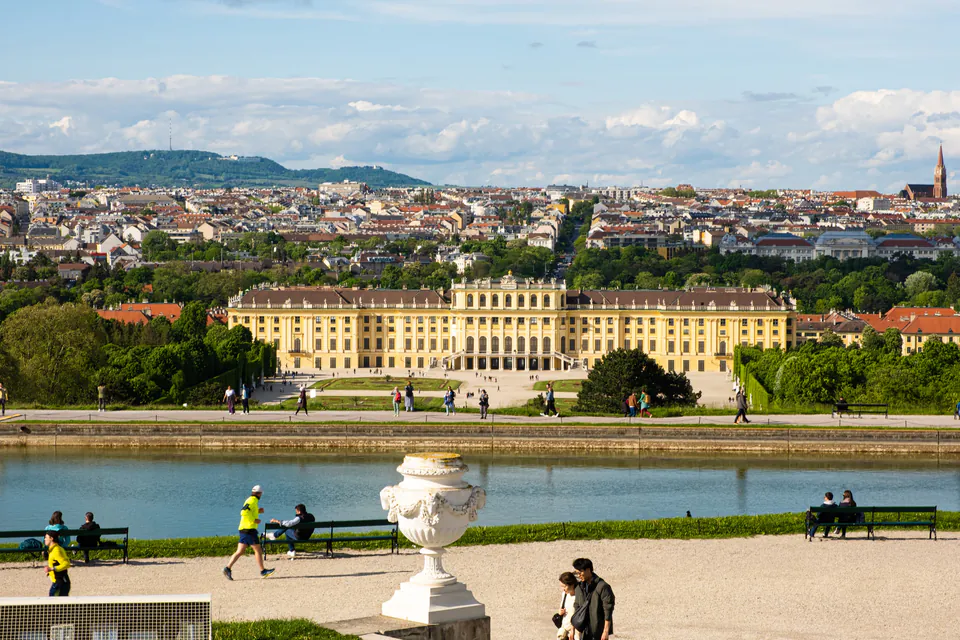
Schönbrunn at dawn is a different beast. The gardens open at 6:30 AM. Be there. You'll get a massive head start before the tour buses descend. Head past the main gate toward the Neptune Fountain. If you're there just as the sun clears the horizon, the Habsburg-yellow facade glows like a film set. Use a telephoto lens to squash the distance between the flowers and the palace. The gardens are free, but the Gloriette's rooftop terrace costs about €5.50 ($6). Honestly? The view from the grass hill right in front of it is just as good and costs nothing. Belvedere Palace is about the water. The Upper Belvedere has massive reflection pools that are gold during the late afternoon. If the wind stays down, you'll get a perfect mirror of the baroque masonry. Don't bother bringing a tripod inside. They're banned, along with flash. Focus on the sphinx statues and the geometric hedges instead. Pro tip: if you're here in winter, the Christmas market in the Ehrenhof creates fantastic evening bokeh. In summer, duck into the shaded Roman Ruin to escape the glare of the white gravel.
Elevated Perspectives: St. Stephen's Cathedral and the Graben
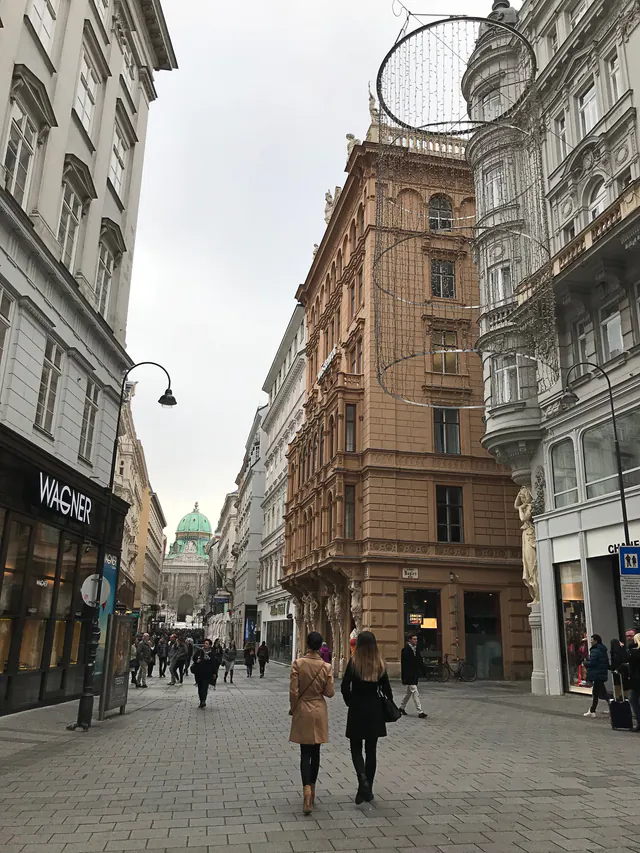
Photographing St. Stephen’s Cathedral (Stephansdom) from the ground is a nightmare of tight angles and crowds. To see the zig-zag tiled roof, go up. The South Tower, or 'Steffl,' is a 343-step spiral climb. It’s a workout, but the views are unobstructed. If you’re hauling heavy gear, take the North Tower elevator for €7 ($7.50). You'll stand right next to the 20-ton Pummerin bell. The mosaic tiles are right there, though you'll have to shoot through some safety netting. At blue hour, walk to the Graben. The Plague Column (Pestsäule) looks like a golden spike against the darkening sky. If it rains, look for puddles on the stones. The reflection of the shop lights and spires is a mood most people miss. Later, set up at the corner of Graben and Kohlmarkt. Line up your shot down toward the green dome of the Hofburg at Michaelerplatz. It's a classic leading line. Tripods are fine in these pedestrian zones, but watch your back for the fiacres. Those horse-drawn carriages won't stop just because you're hunting a low-angle perspective.
Baroque Grandeur: The State Hall of the National Library
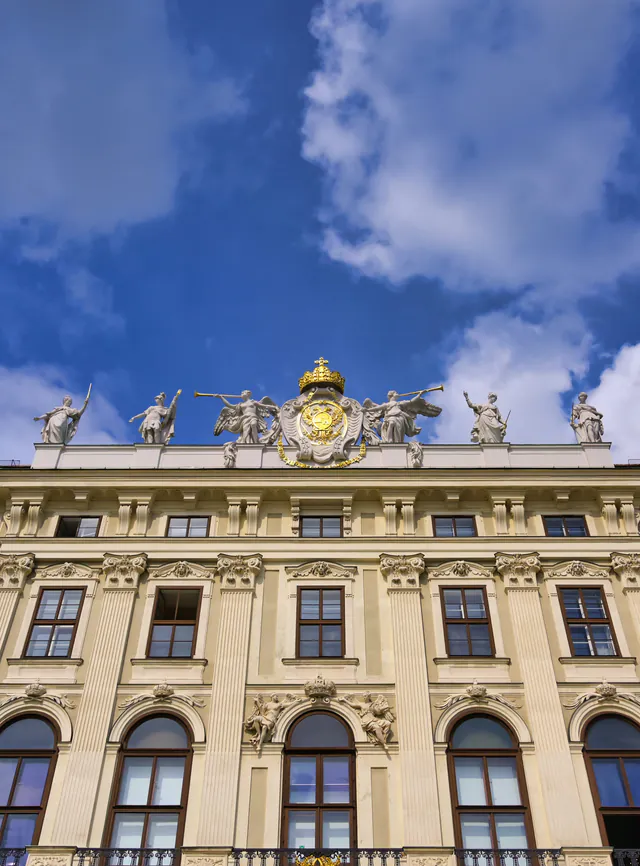
The State Hall (Prunksaal) at Josefsplatz 1 is the closest you'll get to a movie set. It’s an 80-meter stretch of 18th-century baroque ego. We’re talking 200,000 leather-bound books and massive Venetian globes. Entry is €11 (about $12) and worth every cent. Just know the constraints. No flash, no tripods, and low light. You’ll need a fast lens, ideally f/1.8, and a camera that handles high ISO without falling apart. Use a wide-angle lens at the very end of the hall to capture the perspective of the shelves pulling toward the center. Look up. The 30-meter dome fresco by Daniel Gran is the highlight. Midday light is great for the gold leaf on the book spines, but the crowds are thick. Book your ticket online to skip the line and arrive at 10:00 AM sharp. Use the velvet ropes as leading lines to guide the viewer’s eye down the center aisle while you wait for a gap in the tourists.
Cinematic Vienna: The Albertina Terrace and State Opera
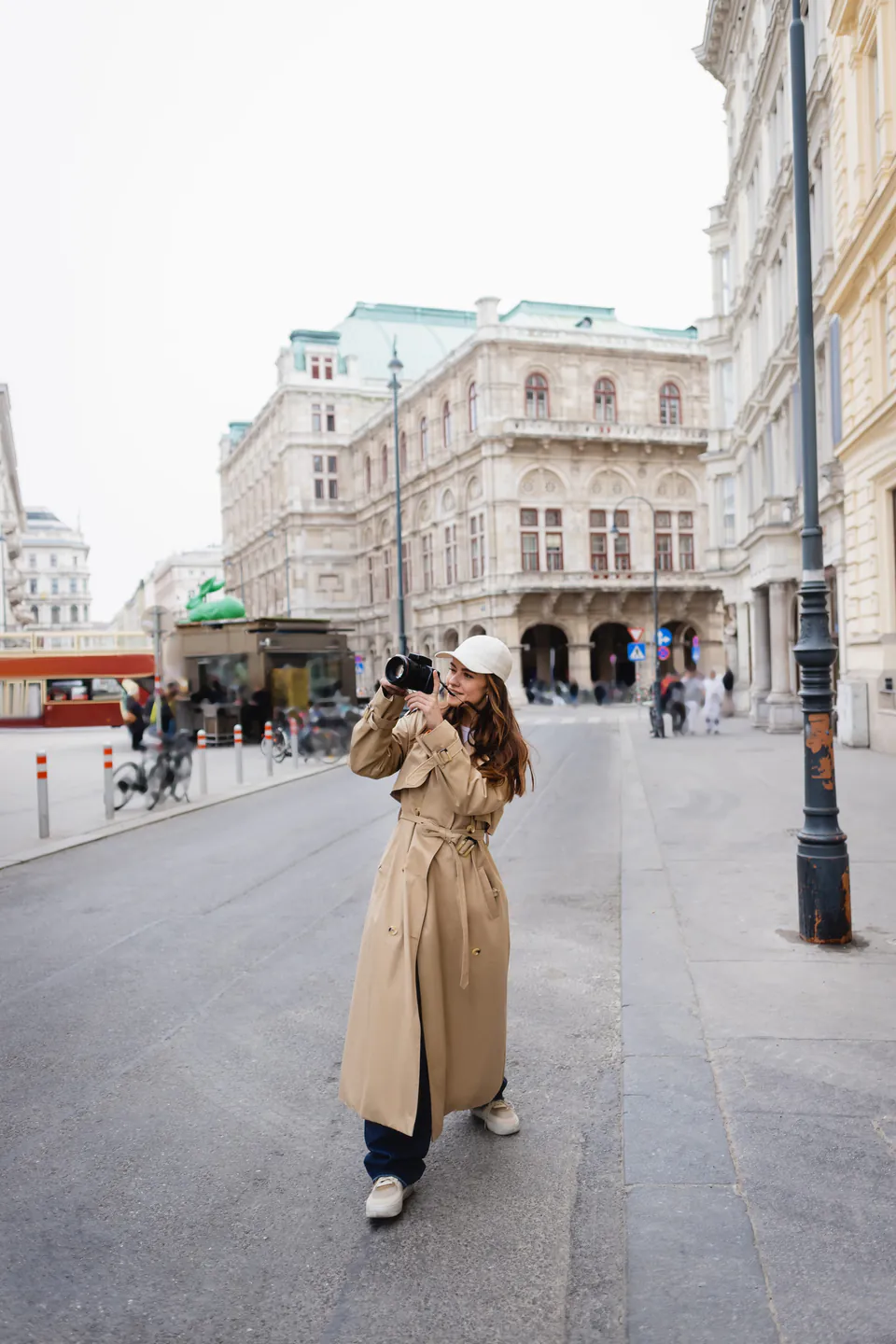
For the big, cinematic Vienna shot, go to the Albertina Terrace. This platform sits right above street level and looks directly at the Vienna State Opera (Wiener Staatsoper). It’s a local favorite for a reason. Even the stairs up to the terrace are usually covered in art, making them a subject in their own right. Blue hour is the time to be here. When the sky turns cobalt and the Opera house lights kick in, the contrast is incredible. You can actually use a tripod here since it’s a public square. Use a long exposure to turn the Ringstrasse trams into red and white light streaks. It adds motion to the old-world architecture. Afterward, walk down to the Opera Arcades. The diffused light in these stone walkways is perfect for portraits. Look for reflections of the lamps in the polished floors. The terrace is open 24/7. If you want a moody, empty version of this vista, come back at 3:00 AM. It’s the soul of the city in one frame.
Practical Tips
- 1Carry cash for the heights. The rooftop Justizcafé doesn't take cards. Keep €20 on you.
- 2Forget the tripod for interiors. You'll be turned away at the Prunksaal and the palaces. Pack a fast f/1.8 lens instead.
- 3The 6:30 AM rule. Schönbrunn's gardens are free and empty at dawn. Be there before the first tour bus.
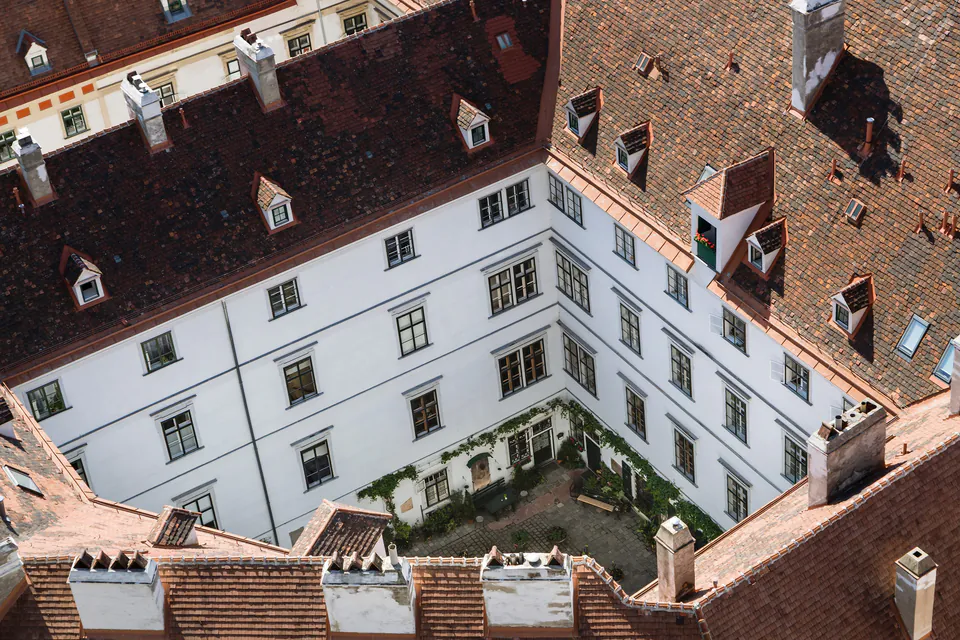
- 4Play the numbers at the Palace of Justice. They only allow 25 guests per hour. Show up at 7:30 AM with a small bag.
- 5Take the easy route at the cathedral. Pay the €7 for the North Tower elevator. It's better for roof photos than the 343-step South Tower climb.
- 6Wait for the blue hour. Vienna's white buildings look fine at noon, but they glow 20 minutes after sunset. That's when you shoot.
- 7Buy tickets online. Pay your €11 for the State Hall library in advance. Don't waste the best morning light standing in a queue.
Top Attractions
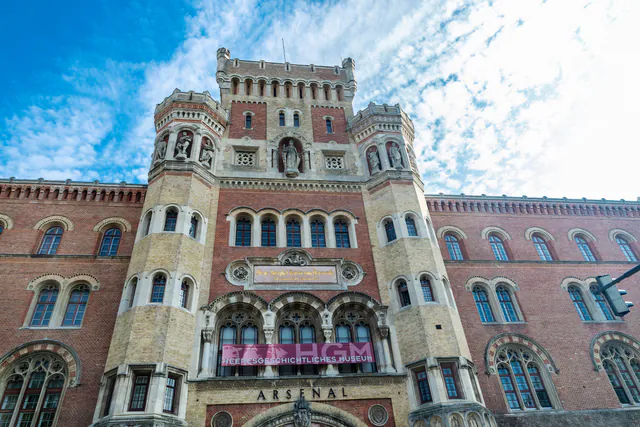
Museum of Military History
Forget the gilded ballrooms of the Hofburg for a second. If you want to understand how the Habsburg Empire actually functioned, head to the Arsenal in the 3rd D
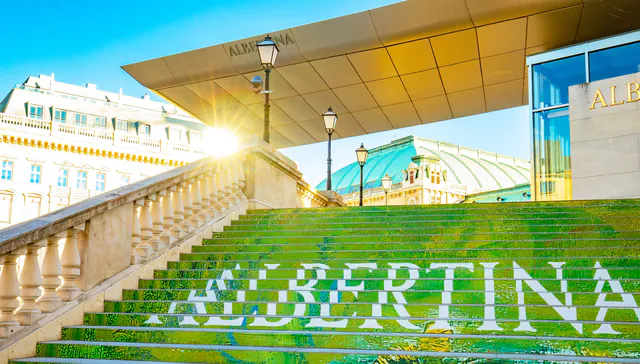
Albertina
Perched on a surviving stretch of Vienna's old city walls, the Albertina is where imperial history and heavy-hitting modern art collide. You'll find it in the I
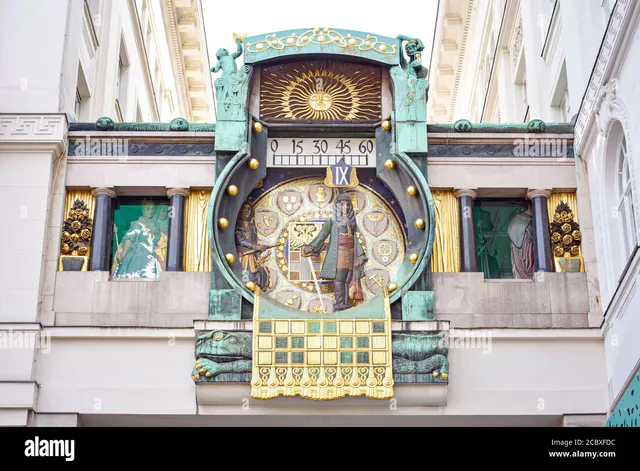
Ankeruhr Clock
Don't just look for a way to tell the time in Vienna’s oldest square. Look up. Spanning an alleyway in the Hoher Markt, the Ankeruhr clock Vienna is a 10-meter-
Frequently Asked Questions
Can I use a tripod at Schönbrunn Palace or Belvedere Palace?
Is the Palace of Justice (Justizpalast) open to the public?
Which tower of St. Stephen's Cathedral is best for photography?
How much does it cost to enter the State Hall (Prunksaal) library?
Where can I get the best view of the Vienna State Opera?
Are drones allowed in Vienna for photography?
Related Guides
- Vienna on the Water: The Ultimate Guide to Danube River Cruises & Waterfront Recreation
- Vienna Heuriger Wine Taverns Guide: Experiencing Austria's Urban Vineyards
- The Ultimate Vienna Shopping Guide: From Imperial Boulevards to Indie Boutiques
- The Ultimate Local's Guide to the Spanish Riding School & Lipizzaner Stallions
- Vienna Woods (Wienerwald) Guide
- The Perfect 24 Hours in Vienna: An Insider's 1-Day Itinerary
- The Ultimate 3-Day Vienna Itinerary: Imperial Grandeur to Hidden Heurigen
- Beyond the Ringstrasse: The Ultimate 5-Day Vienna Itinerary for Deep Explorers
Tags
Places in Vienna
Related attractions, hotels, and more.