Burggarten
Park
About the Experience
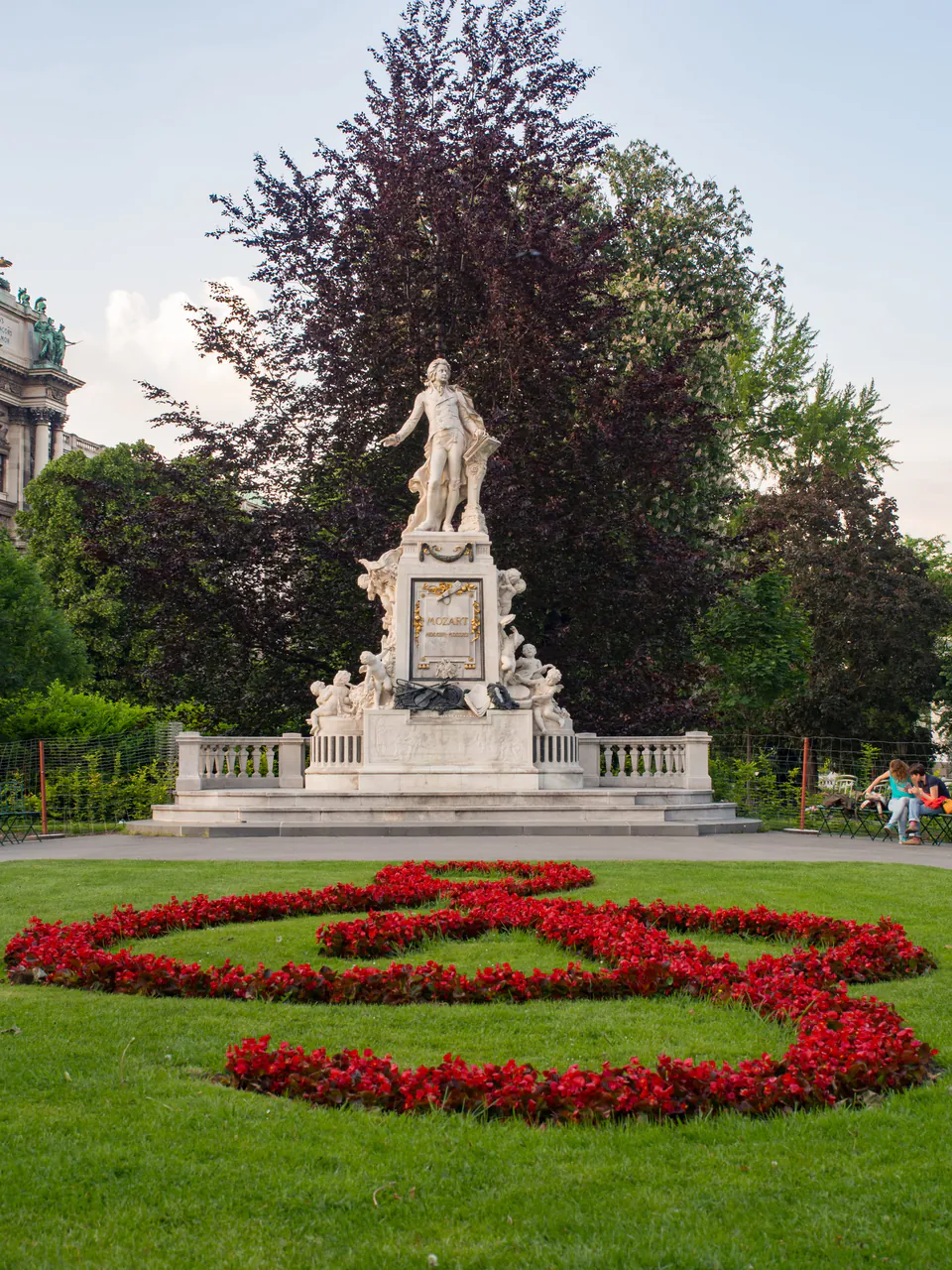
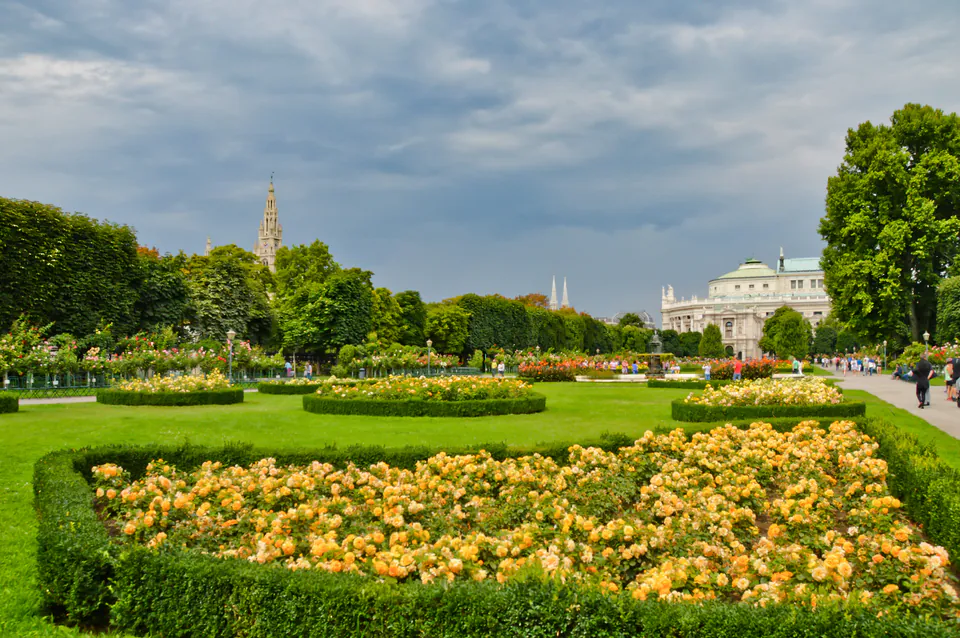
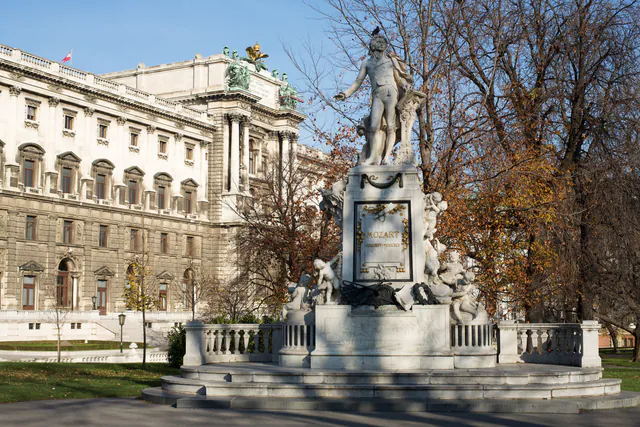
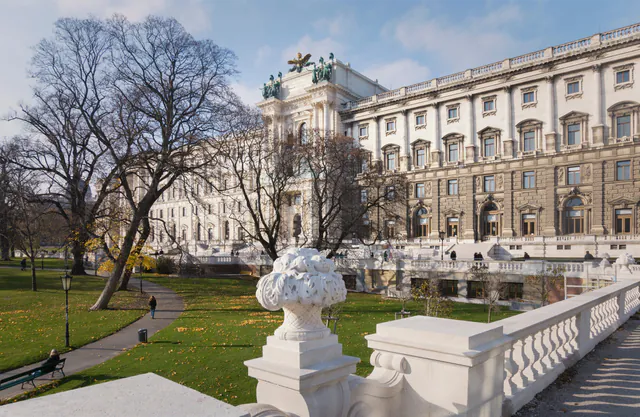
You'll find this green retreat tucked behind the Hofburg Palace, just a short walk from the Vienna State Opera. Originally the private backyard for the Habsburg royals, the Burggarten vienna is now a favorite spot for locals to stretch out on the grass. It feels less stiff than the manicured Volksgarten nearby. Think rolling lawns, massive old-growth trees, and winding paths that invite a slower pace. The park perfectly balances nature with grand architecture. At the northern edge, the Palmenhaus glass conservatory stands as a masterclass in Art Nouveau design. Inside, a lively brasserie shares space with the Schmetterlinghaus, where tropical butterflies fly free. Don't miss the Mozart Monument. It is a marble tribute to the composer that usually features a treble clef made of bright flowers. If you're lucky, you might even see the white Lipizzaner stallions from the Spanish Riding School grazing in their outdoor paddock. It is a quintessential slice of Vienna where imperial history meets a lazy afternoon picnic.
Photos
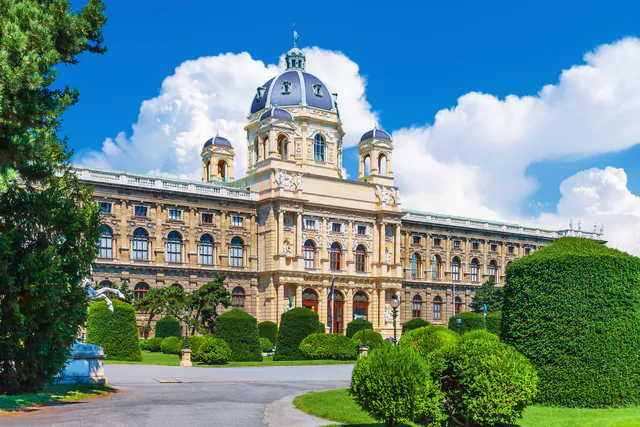
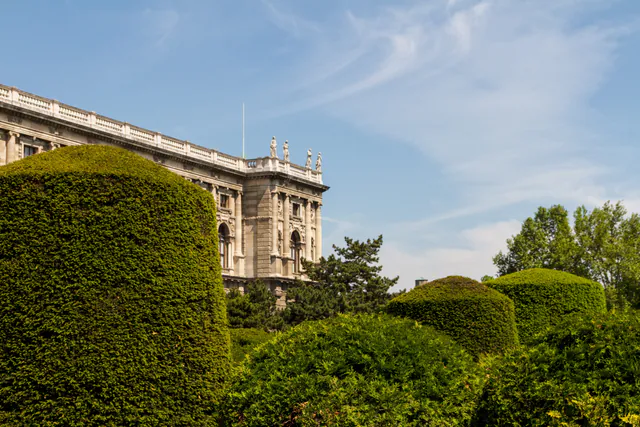
History & Significance
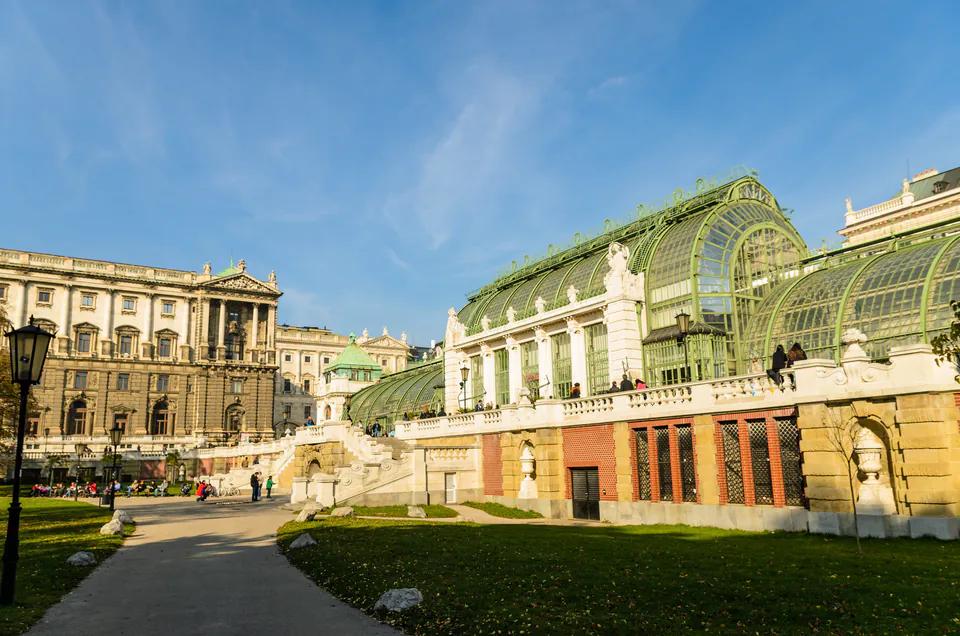
Napoleon is the reason this park exists. After his troops blew up the Augustinian bastion in 1809, Emperor Franz I decided against rebuilding the walls. Instead, he used his passion for botany to create a private sanctuary between 1818 and 1820. Architects Ludwig Gabriel von Remy and Franz Antoine the Elder laid it out in the English landscape style, strictly for royal use. A secret tunnel even linked it to the palace. The current Art Nouveau Palmenhaus arrived in 1901, replacing an older glasshouse. Once the Austro-Hungarian Empire collapsed in 1918, the state took over. They renamed it Burggarten and opened the gates to the public in 1919. The famous Mozart statue didn't actually move here until 1953.
What to See & Do
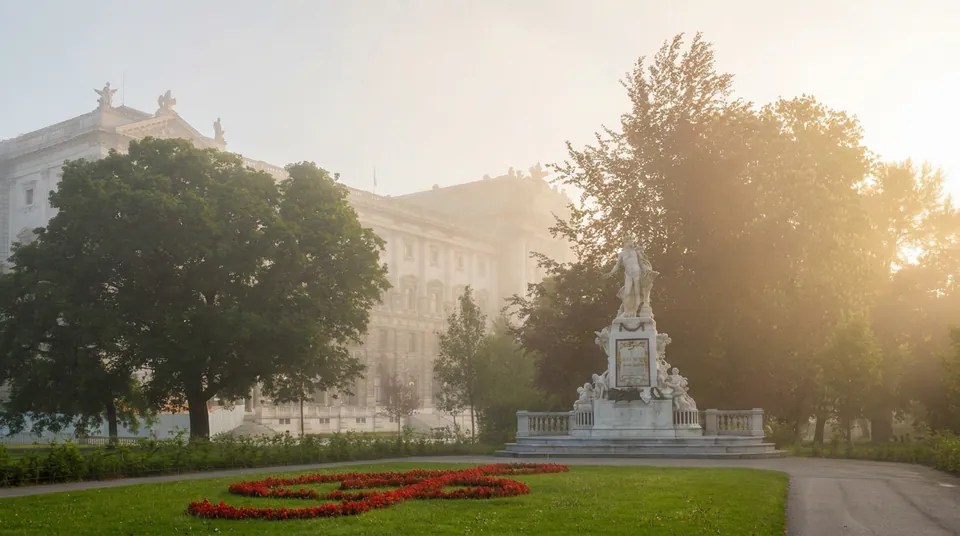
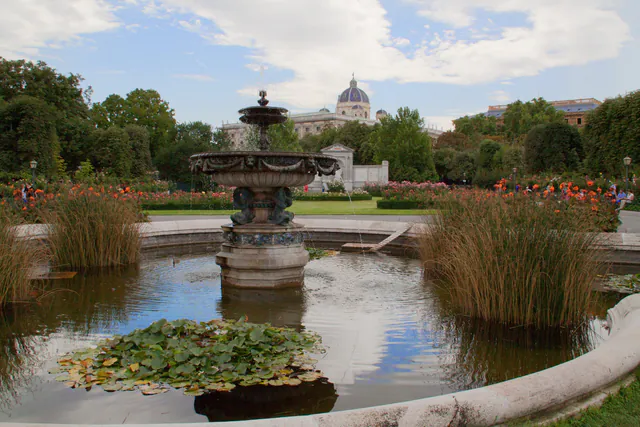
Walking through the Burggarten feels like browsing a high-end outdoor gallery. The big draw is the Mozart Monument. It's a 1896 Viktor Tilgner original that moved here in the fifties, showing the composer at his music stand. Look for the bronze Emperor Franz Joseph I nearby, standing tall in his uniform, or the 1781 equestrian statue of Franz I. The northern border is dominated by the Palmenhaus. This 180-meter-long steel and glass marvel was finished in 1905. Today, you can grab a Melange and a slice of cake at Brasserie Palmenhaus while sitting under towering palms. It's a sharp spot to refuel. For something different, duck into the left wing. This is the Schmetterlinghaus. For about 10 Euro, you can enter a 26°C jungle filled with waterfalls and exotic butterflies. If you'd rather stay outside, find the pond in the center. The 18th-century Hercules Fountain sits here, depicting the hero's struggle with the Nemean Lion. It's a quiet corner, perfect for watching ducks and avoiding the Ringstraße noise.
Seasonal Highlights
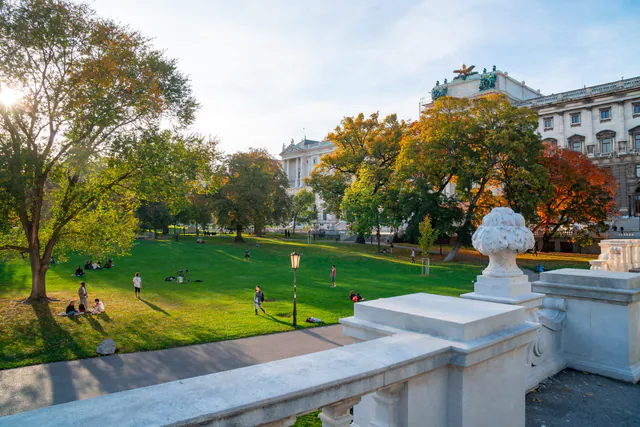
Spring is when the park really wakes up. The gardeners go all out on the flowerbeds, especially the floral treble clef at Mozart's feet. Massive linden and beech trees fill out with fresh leaves, creating pockets of shade over the gravel paths. Come summer, the vibe shifts. Since a 2007 public protest, sitting on the grass is finally allowed. You'll see students napping and families sharing picnics across the central lawn. The Brasserie Palmenhaus sets up its outdoor terrace, making it the spot for a glass of Grüner Veltliner with a view of the Neue Burg. Autumn turns the park gold and amber. It is a romantic, slightly moody backdrop for the white marble statues. When the Viennese winter hits, the park goes silent. That's the time to head inside the Butterfly House. Stepping from the freezing air into 26°C tropical humidity is a total reset. It’s a humid, green escape from the grey city streets.
Tours & Experiences Nearby
Top-rated tours and experiences starting near Burggarten.
 walking tour
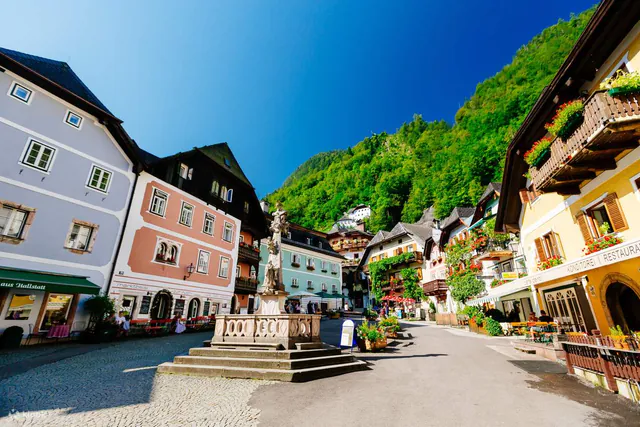 day trip
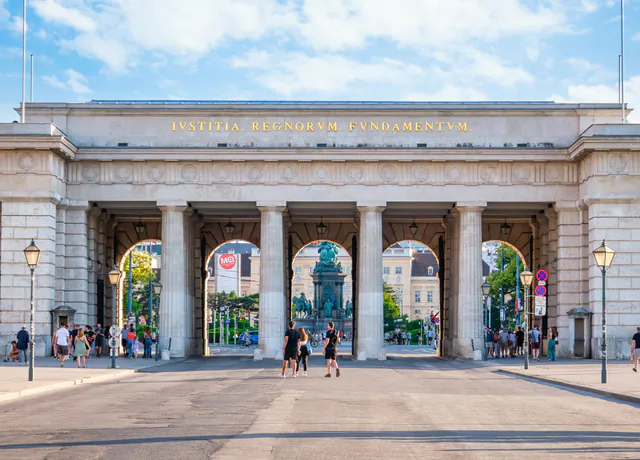 walking tour
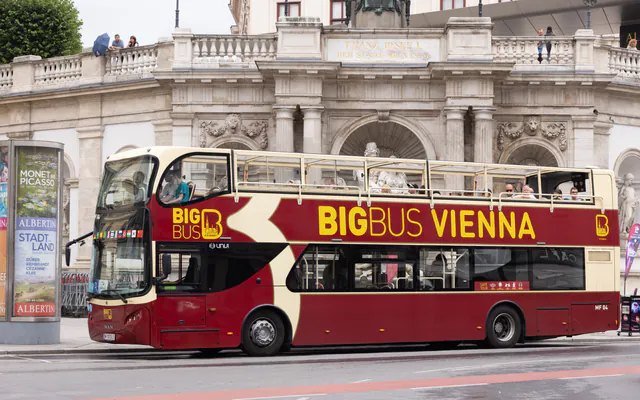 bus tour
Essential Visitor Tips
Spread out a blanket. Unlike many Viennese parks, you're actually allowed to sit on the grass here. It's perfect for a cheap lunch.
Pair it with the Albertina. Use the southeast exit and you're right at the museum. It's the best place to decompress after an art binge.
Warm up in the Schmetterlinghaus. If the wind is biting, the tropical Butterfly House in the Palm House wing is a humid sanctuary.
Locate the hidden Hercules. Seek out the 18th-century fountain tucked away by the pond for a bit of peace and quiet.
Watch for horses. Stroll by early in the morning. You might catch the Lipizzaner stallions from the Spanish Riding School getting some air.
Best Time to Visit
"Go in late spring or summer. The lawns are lush and the flowers are in peak form. Aim for the morning if you want to dodge the crowds and hunt for burggarten tickets at the Butterfly House without the queue."
Nearby Hotels
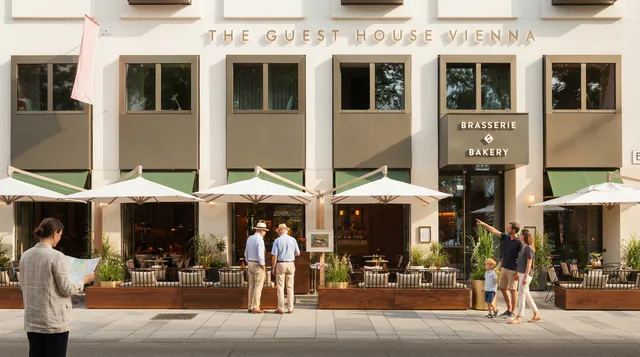
1 min walk (45m)
Complimentary in-room wine fridge stocked with four premium Austrian wines · Iconic bay window reading nooks overlooking the State Opera or Albertina Museum
Price From €299/night
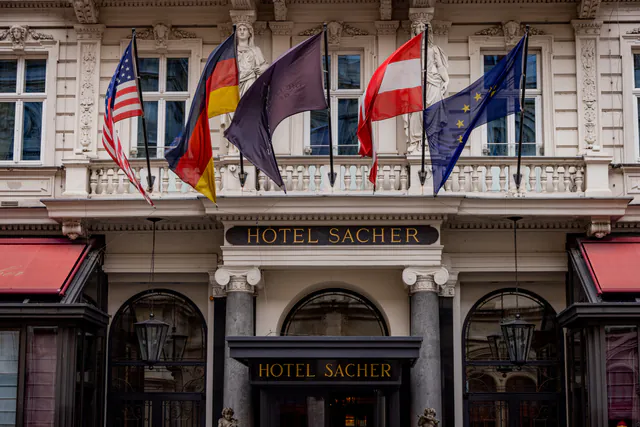
1 min walk (94m)
The legendary Original Sacher-Torte served in the historic Café Sacher · Exclusive Sacher Boutique Spa featuring signature 'Time to Chocolate' treatments
Price From €600/night
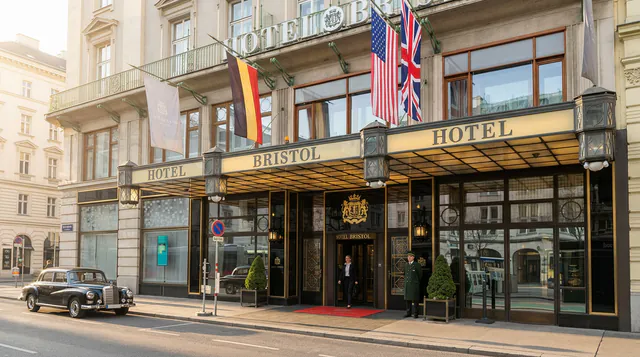
4 min walk (289m)
Unobstructed, panoramic views of the Vienna State Opera from select suites · Vienna's first and oldest American Bar dating to the early 20th century
Price From €331/night
Nearby Restaurants
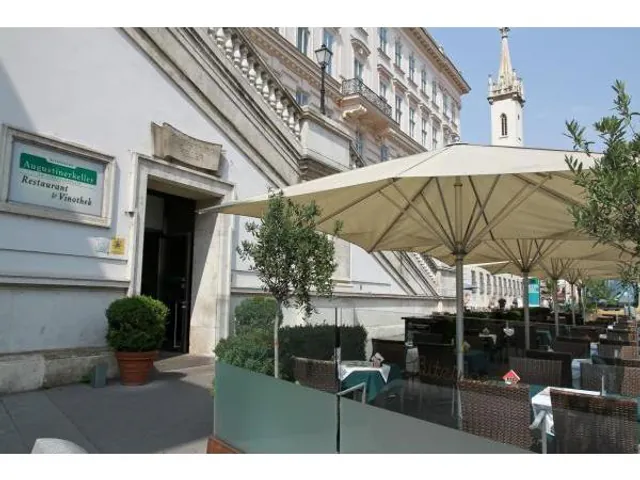
Bitzinger Augustinerkeller
International Casual • Moderate
Forget the sterile museum cafes. Duck beneath the Albertina in Vienna's 1st dist...
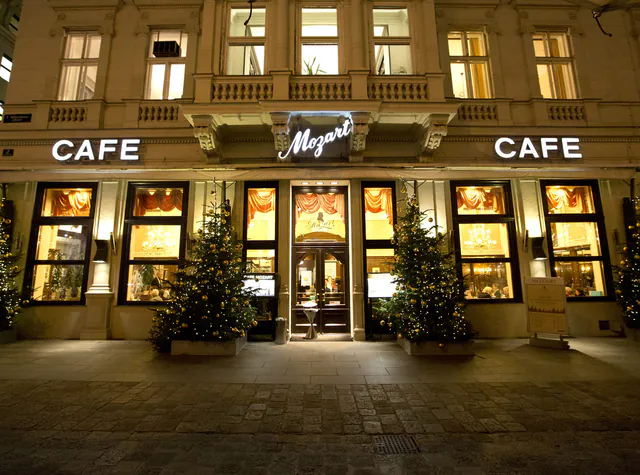
Café Mozart
International Café • Upscale
Parked directly behind the Vienna State Opera and across from the Albertina, Caf...
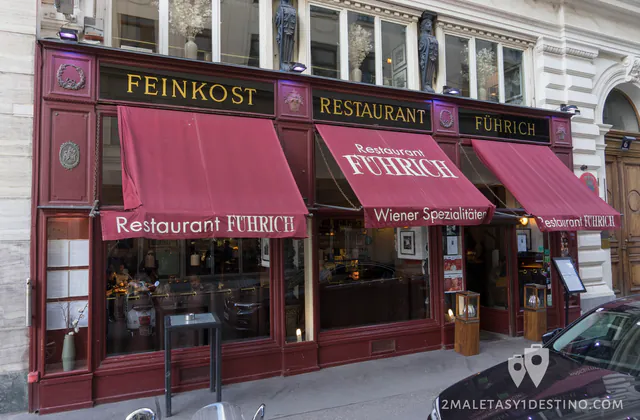
Restaurant Führich
International Casual • Moderate
Don't let the 1st District location fool you. While most spots near the State Op...
Frequently Asked Questions
How do I get to the Burggarten by public transport?
Where is the best photo spot in the Burggarten?
Are there any places to eat inside the Burggarten?
Can you see the Lipizzaner horses at the Burggarten?
What is the Schmetterlinghaus in the Burggarten?
What is the history behind the Burggarten?
What attractions are within walking distance of the Burggarten?
What is the best time of day to visit the Burggarten?
What are the opening hours of Burggarten?
How much does it cost to visit Burggarten?
How long should I spend at Burggarten?
Is Burggarten wheelchair accessible?
Quick Facts
The Neighborhood
1st District: Innere Stadt
Read Guide