Ringstraße
Landmark
About the Experience
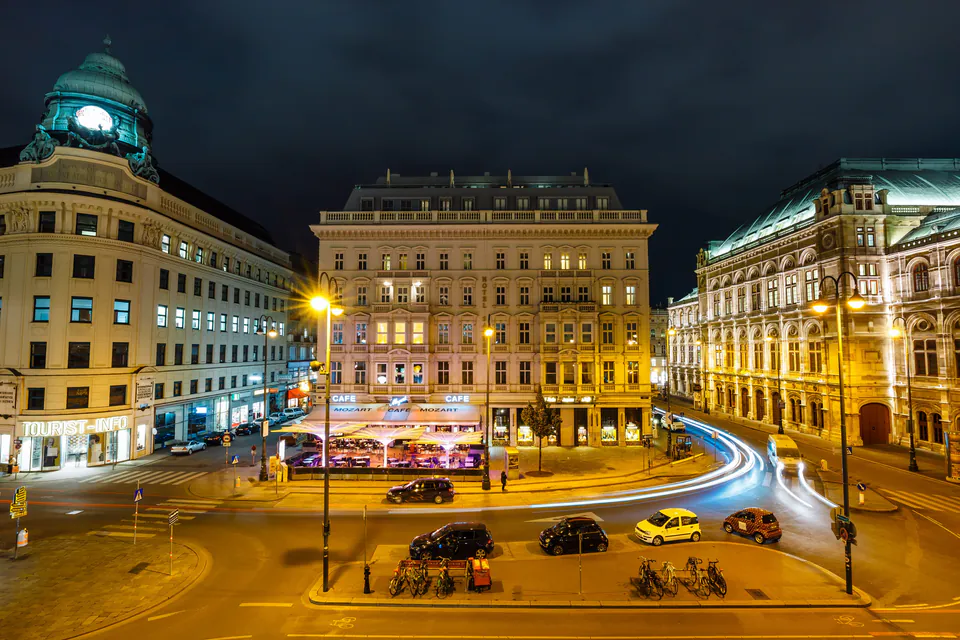
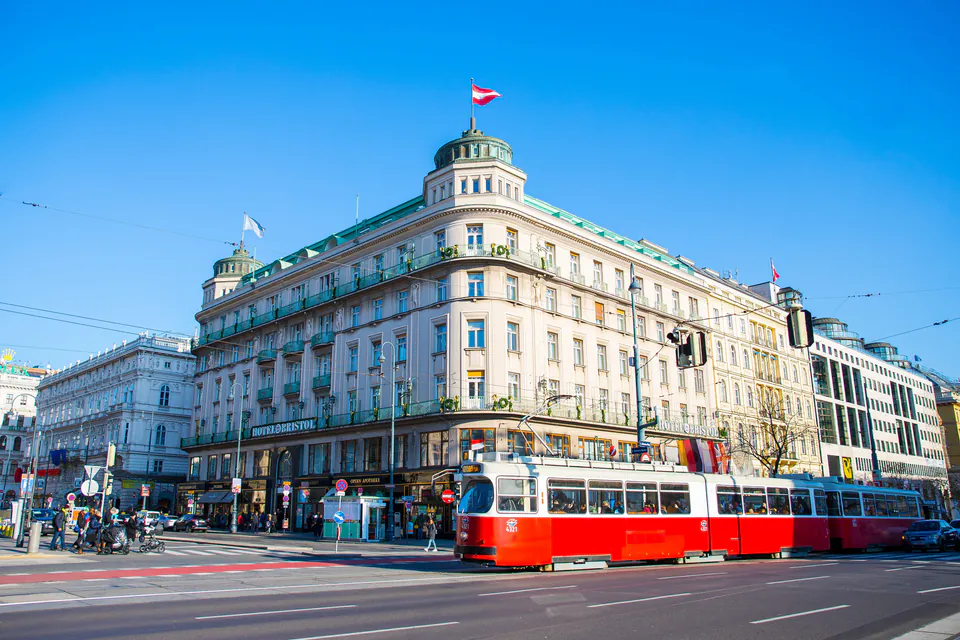
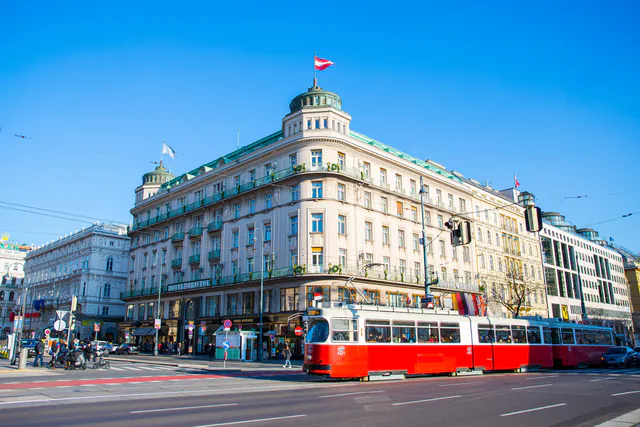
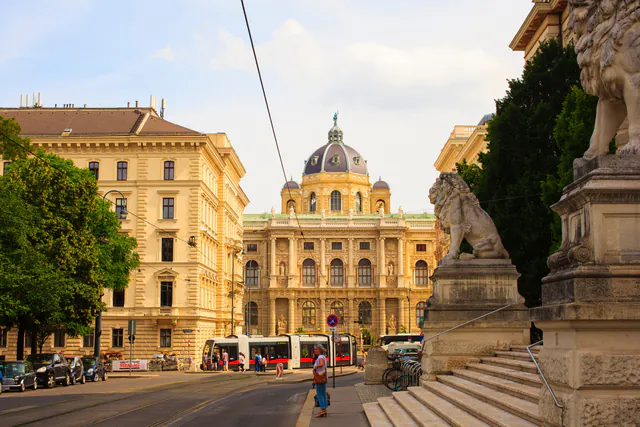
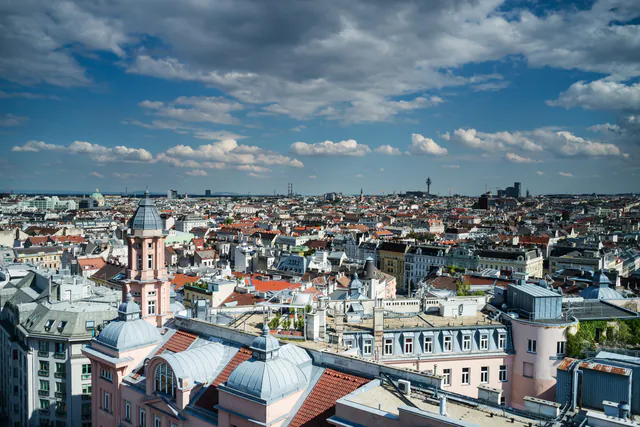
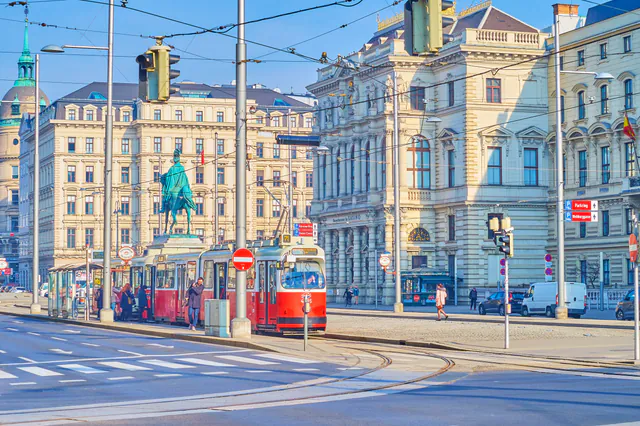
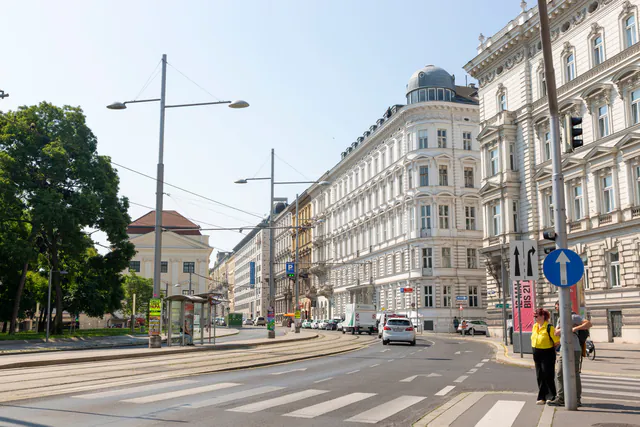
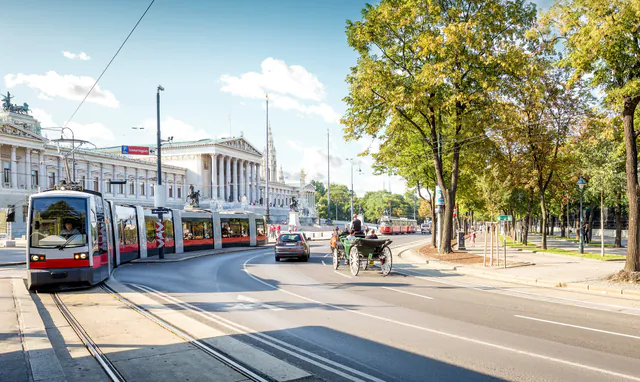
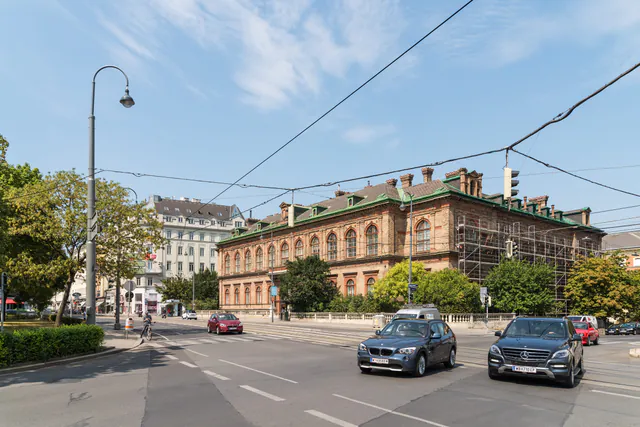
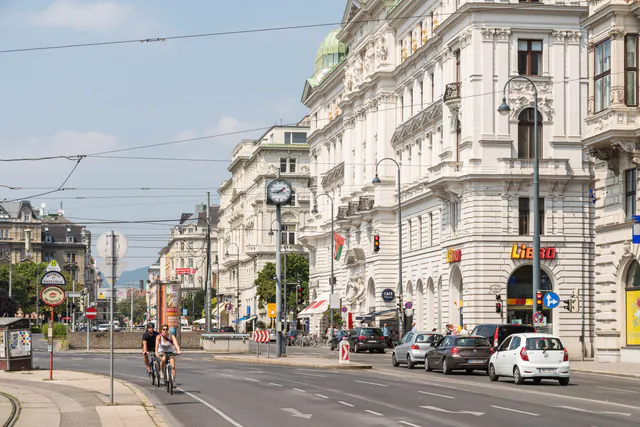
Think of the Ringstrasse as Vienna’s 5.3-kilometer victory lap. This circular boulevard follows the ghost of the city’s medieval walls, which Emperor Franz Joseph I famously ordered to be leveled in 1857. Walking it is like browsing an architectural lookbook of the 19th-century Austro-Hungarian Empire. You'll see the "Ringstraßenstil" in full effect, where every building borrows a style from the past to signal its purpose. The Parliament looks like a Greek temple because that’s where democracy started. The Rathaus goes full Flemish Gothic to mimic the power of medieval trade hubs. It isn't just about the state, though. Wealthy banking dynasties like the Ephrussis and Epsteins built private palaces here to flex their status. Today, it’s a living part of the city. You’ll find over two thousand lime and maple trees providing a green roof over the sidewalks, and grand parks like the Volksgarten or the Stadtpark tucked right against the asphalt. Walk the loop in three hours if you’ve got the stamina, or just grab a seat on the red-and-white trams to see the imperial scale without the blisters.
Photos
History & Significance
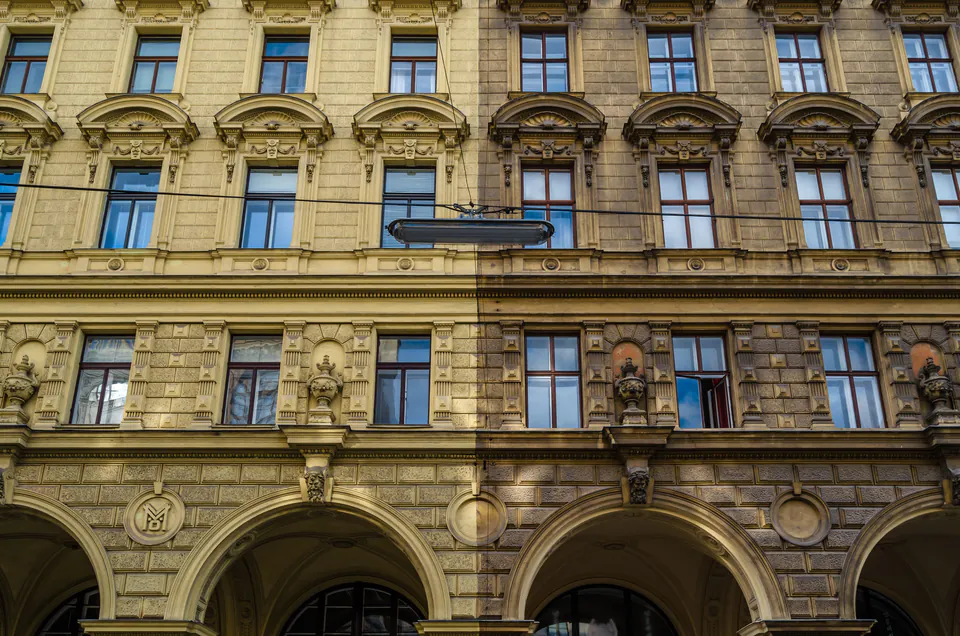
On December 20, 1857, Emperor Franz Joseph I signed a decree starting with "Es ist Mein Wille" (It is my will), effectively ending Vienna’s medieval era. He ordered the 13th-century walls and the wide, empty defensive glacis to be torn down to make room for a modern showcase of Habsburg power. Construction kicked off in March 1858. By May 1, 1865, the Emperor officially opened the boulevard, though the scaffolding stayed up for decades. Heavyweights of the era like Theophil von Hansen and Gottfried Semper spent years crafting the museums and theaters that now define the skyline. The final piece of the puzzle, the Ministry of War, wasn't finished until 1913. Now a UNESCO World Heritage site, the Ring stands as a permanent monument to the era just before the Empire collapsed.
The Architecture
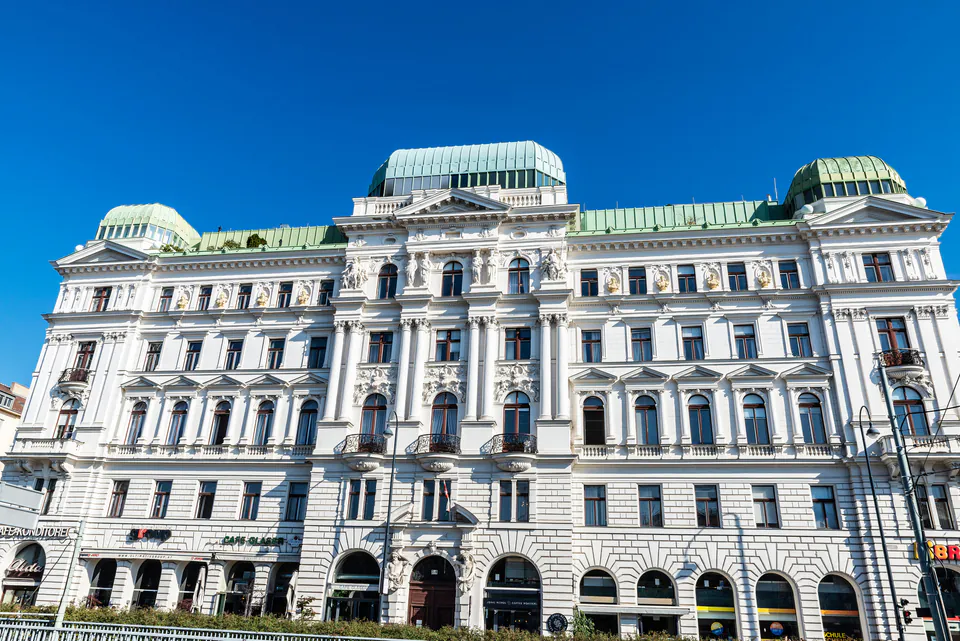
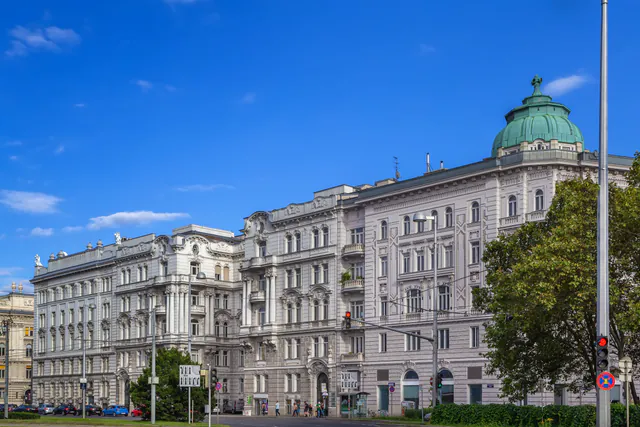
The Ringstrasse is a masterclass in Historicism. Instead of sticking to one look, the architects of the 1800s cherry-picked styles from history to match a building's vibe. Take the Austrian Parliament. Theophil von Hansen chose Neo-Classical Greek because it’s the original look of democracy. A few blocks over, Friedrich von Schmidt went with Flemish Neo-Gothic for the Rathaus (City Hall) to channel the independent spirit of medieval merchants. The State Opera and the University keep things elegant with Neo-Renaissance facades. But the grand public buildings are only half the story. The "Ringstraßenpalais," like Palais Epstein and Palais Ephrussi, were private mansions built by the city's new money. These industrialist and banking families wanted to live among the emperors, so they hired the same starchitects to build homes that were every bit as imposing as the government offices next door.
The Surrounding Area
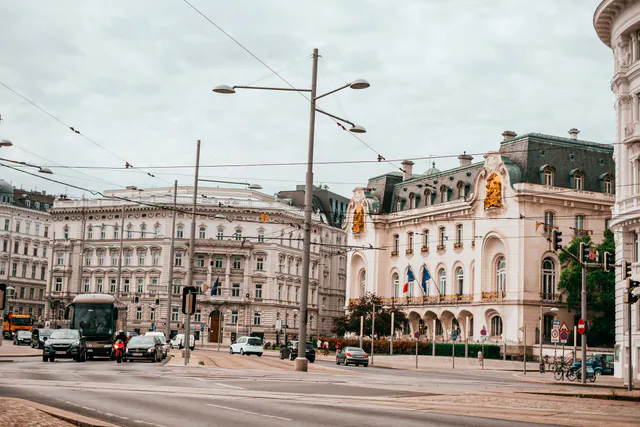
The Ring serves as the 1st District’s sturdy border. Almost every major street in the center spills out onto this loop, making it the perfect North Star for navigation. One minute you’re in a cramped, cobblestone alleyway from the middle ages, and the next you’re standing on a massive, 57-meter-wide boulevard. It’s remarkably green, too. The Volksgarten sits right across from the Burgtheater and hides a massive collection of roses and the Theseus Temple. If you need a break, the Burggarten offers a quiet lawn behind the Hofburg, or you can join the selfie-takers at the golden Johann Strauss monument in the Stadtpark. For a real Viennese pause, duck into Café Landtmann. It’s been a Ringstrasse fixture since 1873. Order a Melange, grab a newspaper, and watch the trams rattle past from a window seat.
Photography Guide
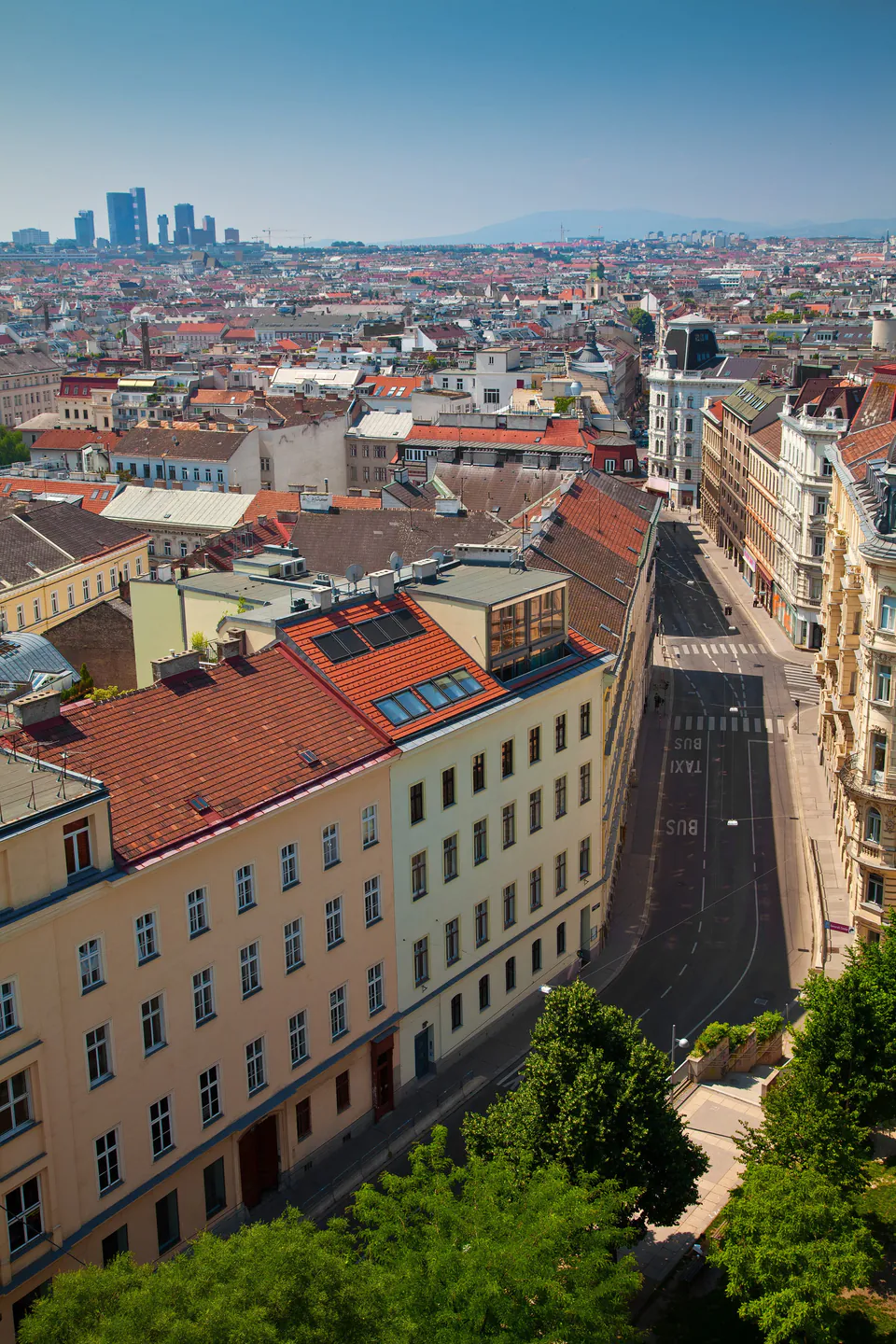
Don't bother with a portrait lens here. You need a wide-angle to stand any chance of fitting the Parliament or the Kunsthistorisches Museum into a single frame. Timing is everything. Get there for the golden hour when the setting sun hits the pale stone and turns the whole street honey-colored. For a classic shot, stand near the curve at Opernring. You can time your shutter to catch a red-and-white tram blurring past a monument. It adds a sense of motion to the static imperial history. If you want a cleaner composition, use the trees in Rathauspark to frame the spires of the City Hall. You can also play with the symmetry of the fountains at Maria-Theresien-Platz. Just wait for the tourist crowds to thin out at dusk when the evening lights kick in. That’s when the Ring looks its most cinematic.
Tours & Experiences Nearby
Top-rated tours and experiences starting near Ringstraße.
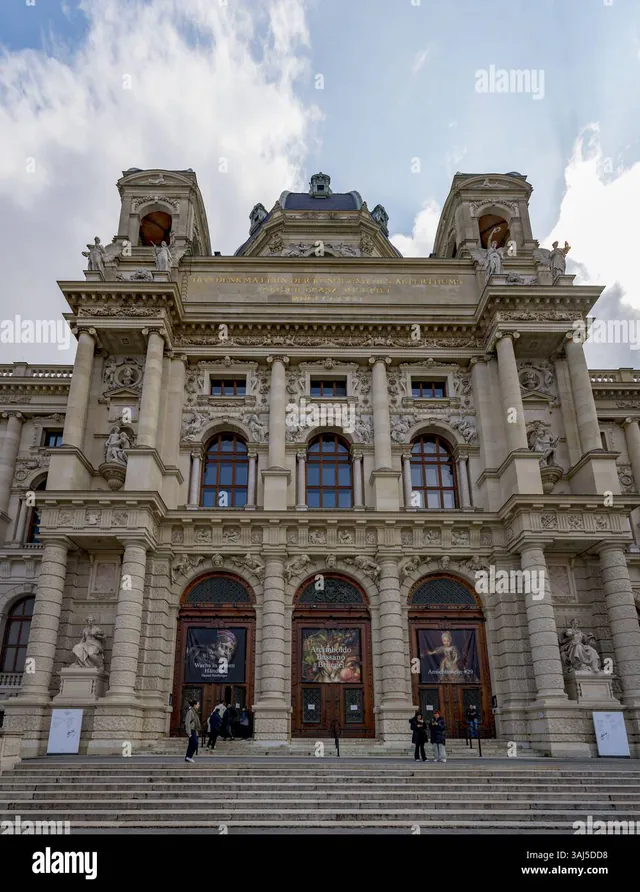 experience
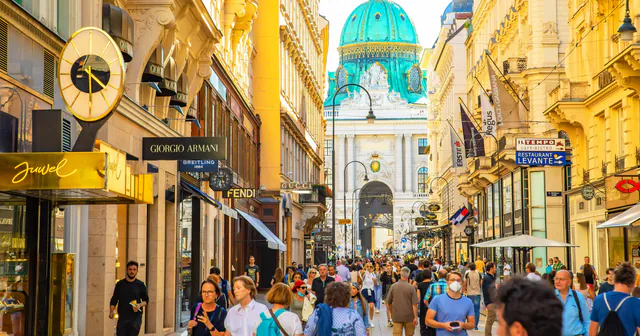 walking tour
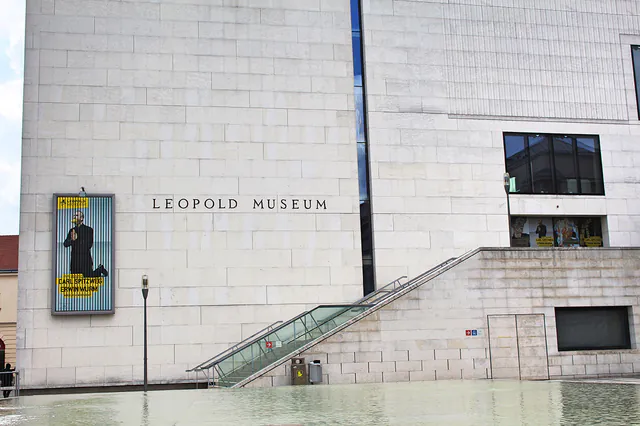 experience
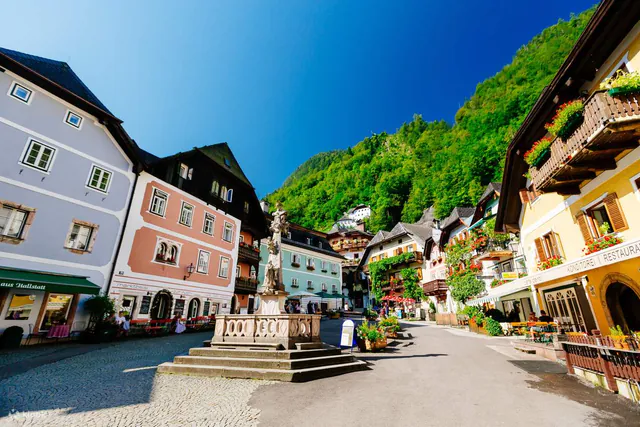 day trip
Essential Visitor Tips
Don't do the whole loop on foot. Focus your walking on the stretch between the State Opera and the Votivkirche where the density of monuments is highest.
The Ring Tram is a tourist trap. Skip the expensive yellow car and use a standard transit ticket on regular Trams 1 and 2 to see the same views for a fraction of the price.
Go at dusk. The golden hour light on the stone is great, but the way they illuminate the buildings after dark is the real show.
Stop and smell the roses. Literally. The Volksgarten has hundreds of varieties in bloom during summer and it’s the best spot to rest your legs.
Look for free tours. The Rathaus and Parliament offer guided walks on specific days. Check their websites before you go to save a few euros.
Best Time to Visit
"Late afternoon is the sweet spot. You get the golden light hitting the stone facades, followed by the evening when the monuments are lit up like a movie set."
Nearby Hotels
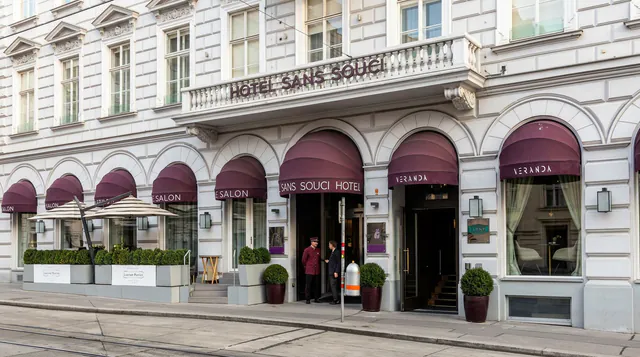
6 min walk (460m)
Vienna's longest indoor hotel pool at 20 meters, illuminated by crystal chandeliers · Interiors envisioned by London's Yoo Studio with original pop art by Roy Lichtenstein
Price From €380/night
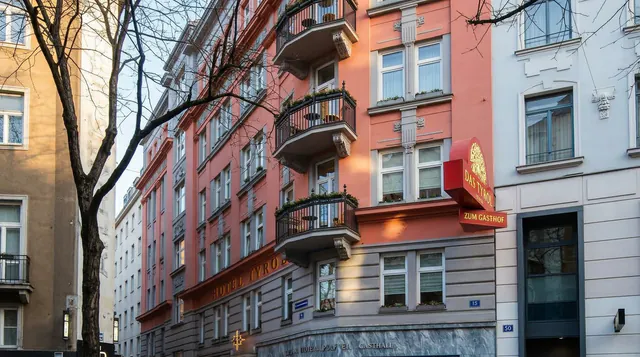
6 min walk (482m)
Private collection of original contemporary art in every room and public space · Exclusive Private Spa with sauna and color-therapy steam bath
Price From €280/night
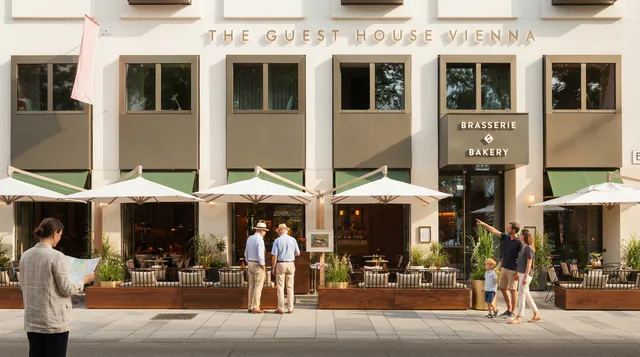
6 min walk (489m)
Complimentary in-room wine fridge stocked with four premium Austrian wines · Iconic bay window reading nooks overlooking the State Opera or Albertina Museum
Price From €299/night
Nearby Restaurants
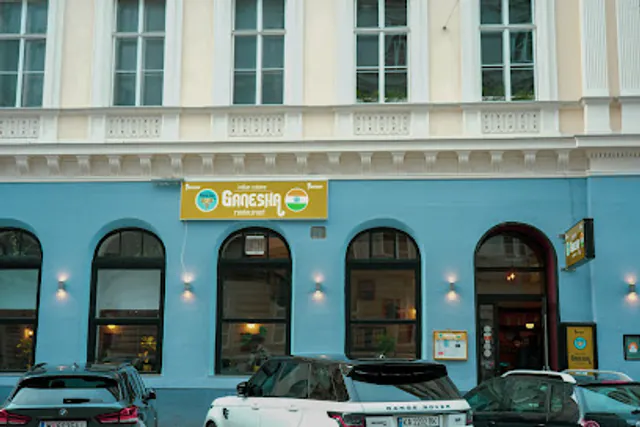
Ganesha Indian Cuisine
Asian Casual • Moderate
Walk off Eschenbachgasse and you'll hit a wall of toasted cumin and simmering gh...
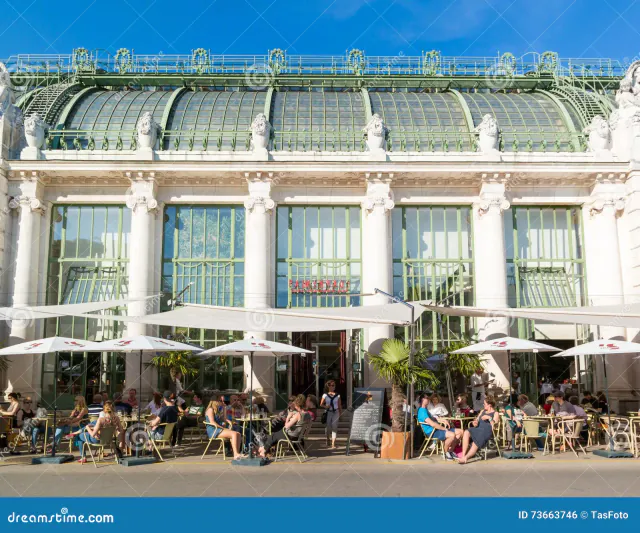
Brasserie Palmenhaus
International Casual • Upscale
Drop into the Burggarten and you cannot miss it. Brasserie Palmenhaus is a massi...
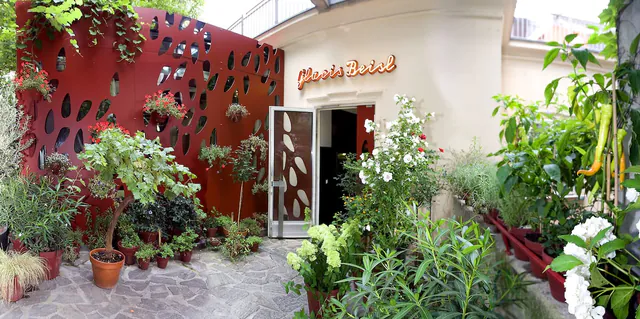
Glacis Beisl
International Bistro • Moderate
Don't let the museum crowds fool you. Tucked behind the MuseumsQuartier on a qui...
Frequently Asked Questions
How can I see all of the Ringstraße quickly?
Where are the best photo spots on the Ringstraße?
Why was the Ringstraße built?
Are there places to eat along the Ringstraße?
Which famous landmarks are located on the Ringstraße?
When is the best season to walk the Ringstraße?
Can I visit the interiors of buildings along the Ringstraße?
Is the Ringstraße safe for a night walk?
What are the opening hours of Ringstraße?
How much does it cost to visit Ringstraße?
How long should I spend at Ringstraße?
Is Ringstraße wheelchair accessible?
Quick Facts
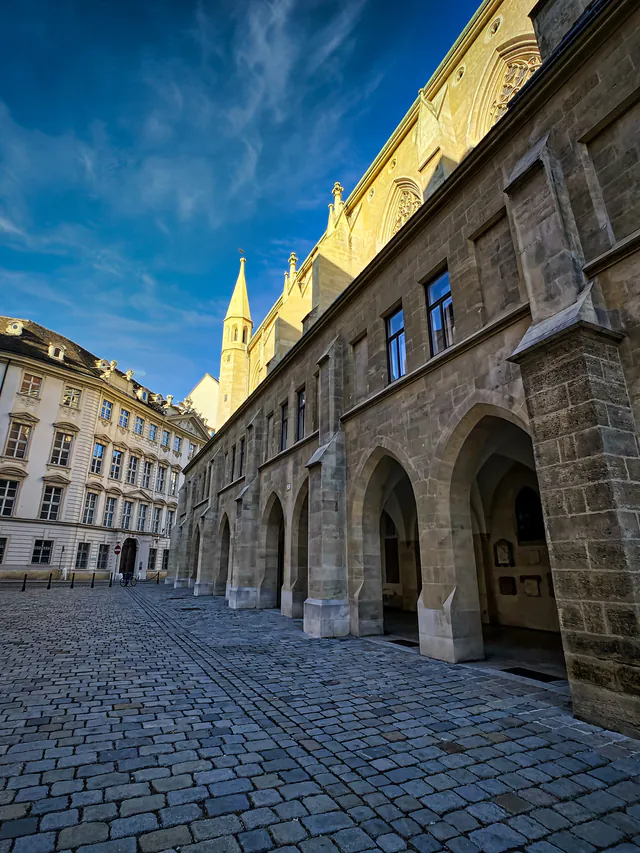
The Neighborhood
1st District: Innere Stadt
Read Guide