Innere Stadt
1st District
Written by
Nils Johansson | Founder
About the District
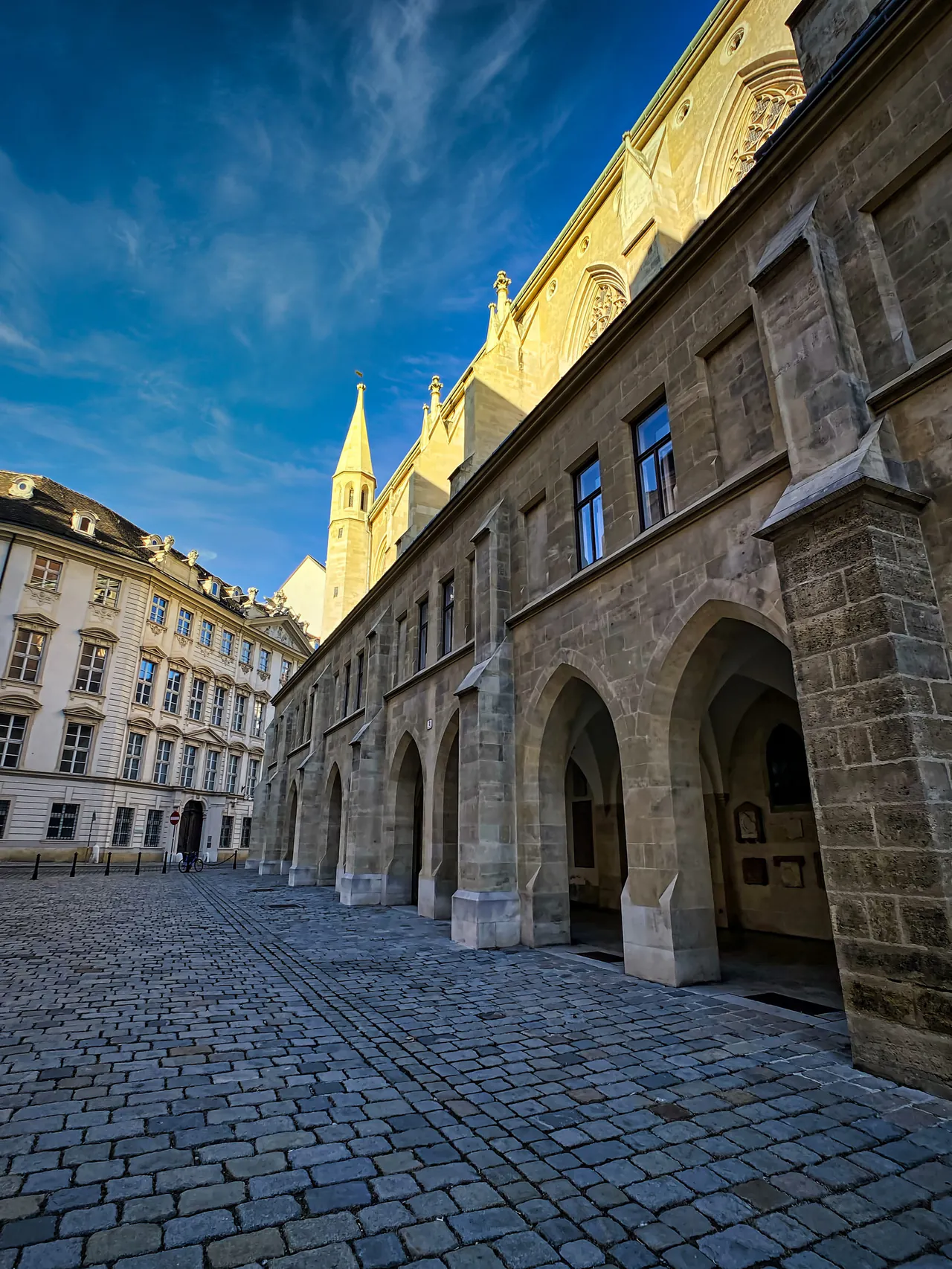
Welcome to the Innere Stadt, the imperial engine of Vienna. Living in the 1st District feels like moving into a museum. Encircled by the grand Ringstraße boulevard, this UNESCO site blends Habsburg grit with caffeine-fueled coffeehouse culture. From the sharp Gothic spires of Stephansdom to the strings echoing out of the Vienna State Opera, the density of high culture here is unmatched. It is the absolute epicenter of the city. You can walk from the window displays of Kohlmarkt to the massive courtyards of the Hofburg Palace in five minutes. Sure, it is the most tourist-heavy patch of pavement in Austria. But duck into a quiet side street like Bäckerstraße and you will drop back three centuries in an instant. It is the essential base for any first-timer who wants the icons at their doorstep. It is built for history buffs, luxury shoppers, and travelers who don't mind trading a few extra Euros for the best walkability in Europe.
1st District in Vienna
1st District highlighted — click other districts to explore
Photo Gallery
Overview & Character
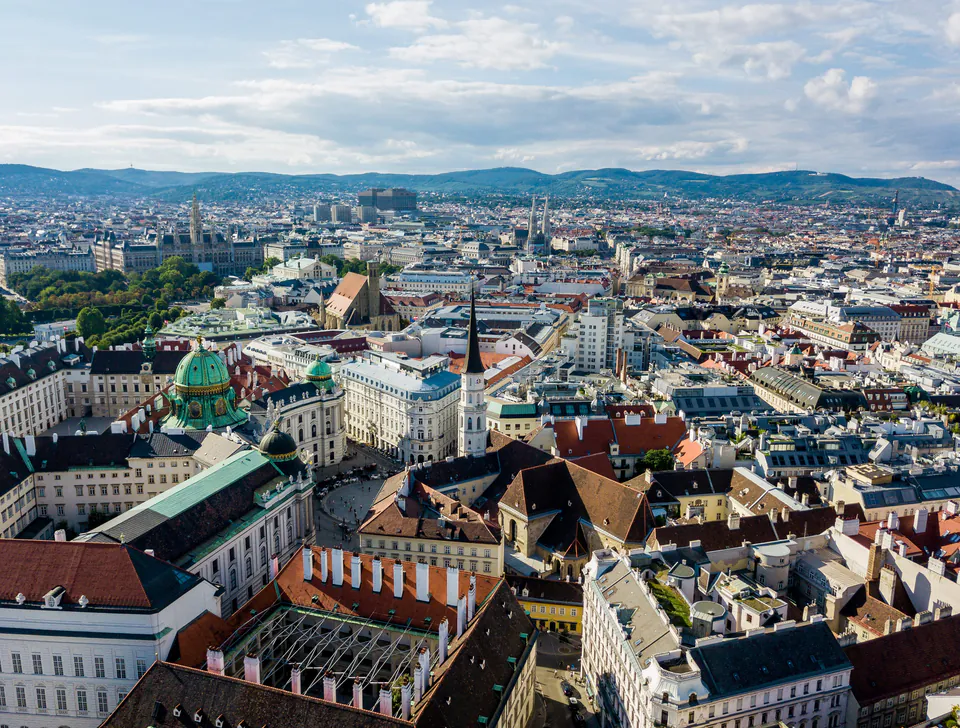
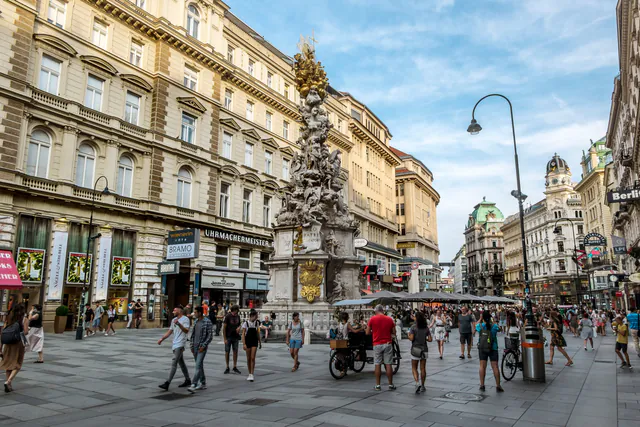
There is no place quite like the Innere Stadt. As the Vienna 1st District, this is where imperial ghosts meet a fast-moving modern reality. The Ringstraße boulevard defines the boundary, replacing the old city walls with a parade of Gothic and Baroque facades. Walking here feels like flipping through a textbook. But you will share these sidewalks with suited bankers and students. The neighborhood has a split personality. By day, the pedestrian zones of Kärntner Straße and Graben swarm with visitors. They photograph the gilded Plague Column and peer into luxury boutiques. By night, the vibe shifts. As the day-trippers vanish, you can find quiet in the alleys near Fleischmarkt or Blutgasse. This is where Mozart and Beethoven actually lived. Look up at the architecture. Also peek into the quiet courtyards, known as Innenhöfe. They hide the best local secrets. Living here means accepting the crowds for the sake of the grandeur. It is energetic and unapologetically elegant. It is the only place to start if you want to understand the soul of old town Vienna.
Top Attractions & Landmarks
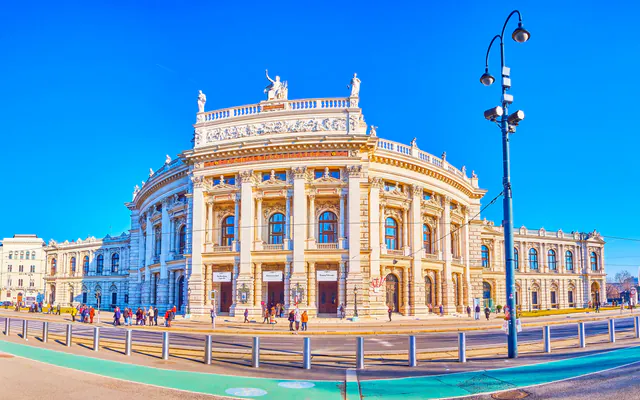
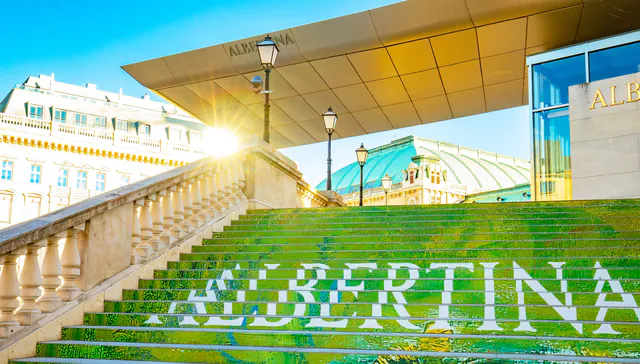
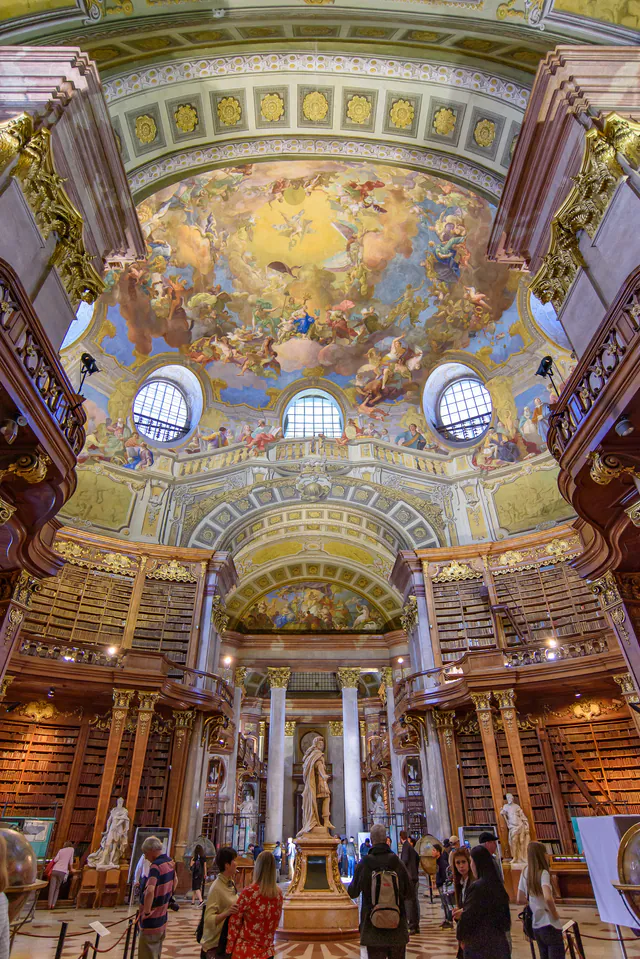
Start at Stephansdom. It is the geographic and spiritual anchor of the city. The zigzag roof tiles and massive Gothic frame are mandatory viewing. Skip the elevator to the North Tower. Instead, pay 7 EUR (roughly 7.50 USD) to sweat your way up the 343 spiral steps of the South Tower. The 360-degree sweep of the city is worth the leg burn. The Hofburg Palace complex is just a short walk away. It houses the Spanish Riding School and the Sisi Museum. If you like art, the Albertina Museum is essential. It sits at the southern tip of the Hofburg. You will find everything from Monet to Picasso inside those Habsburg state rooms. Standard entry is 19.90 EUR. If you are under 26, it is only 15.90 EUR. Buy a combination ticket online to dodge the queue. The Wiener Staatsoper sits right next door. You don't need to be rich to see a show there. While prime seats cost a fortune, locals go for the standing room tickets. These go on sale online at 10 AM on performance days for just 13 to 18 EUR. Grab a spot in the Parterre section for the best acoustics.
Where to Eat & Drink
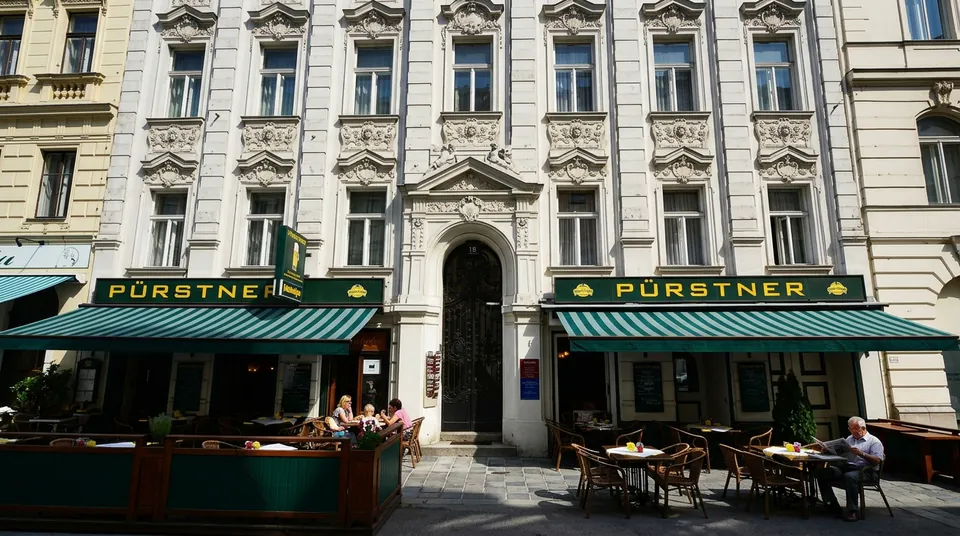
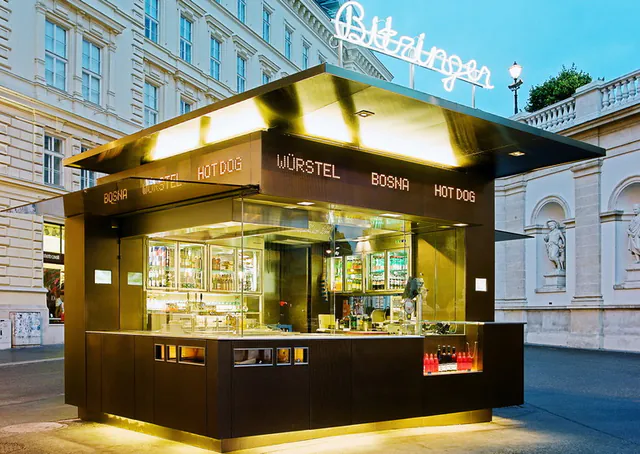
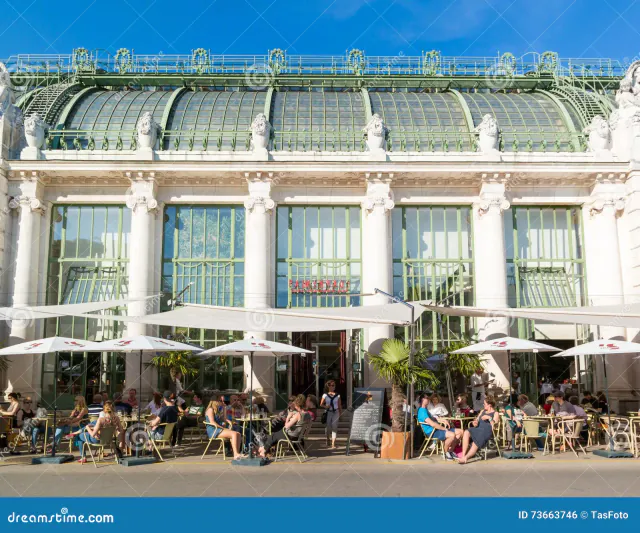
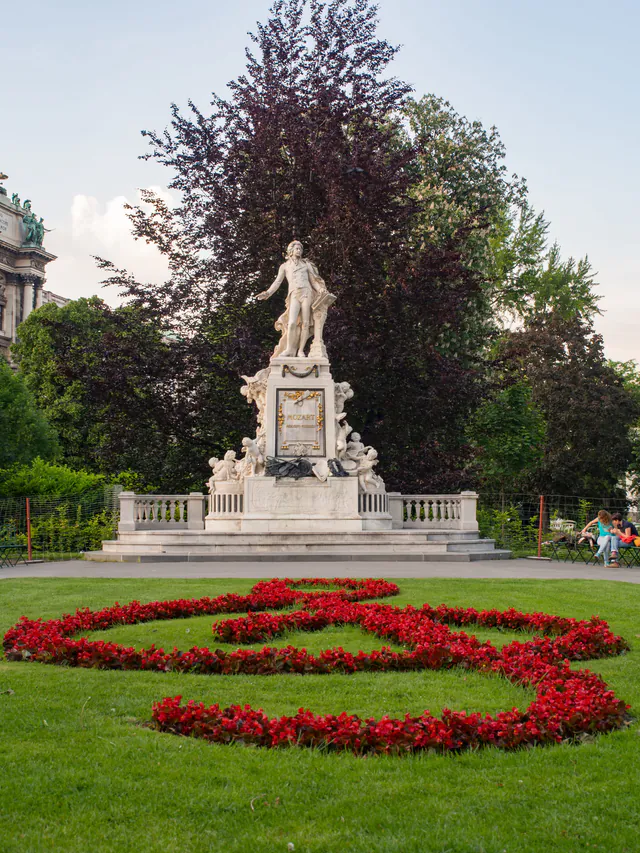
The 1st District is a culinary heavyweight. For a real experience, go to a traditional coffee house. Café Frauenhuber on Himmelpfortgasse has been running since 1824. It is the oldest in town. Grab a Wiener Melange for about 6 EUR. If you want the full imperial treatment, Café Landtmann or Café Sacher are the big names. Expect a line for the Sachertorte. For brunch, try the Brasserie Palmenhaus. It is a massive glass greenhouse overlooking the Burggarten. If you have deep pockets, Steirereck in Stadtpark has three Michelin stars. Tasting menus run between 225 and 245 EUR. It is modern Austrian cooking at its peak. For a classic Wiener Schnitzel, Figlmüller on Bäckerstraße is the local legend. You must book ahead. If it is full, try Lugeck for a modern spin on the same classics. Don't overlook the street food. Würstelstand Bitzinger sits between the Albertina and the Opera. It is normal to see people in tuxedos eating a Käsekrainer sausage with a glass of champagne here. For drinks, hit the Blue Bar at Hotel Sacher or explore the bars of the Bermuda Dreieck near Schwedenplatz.
Where to Stay
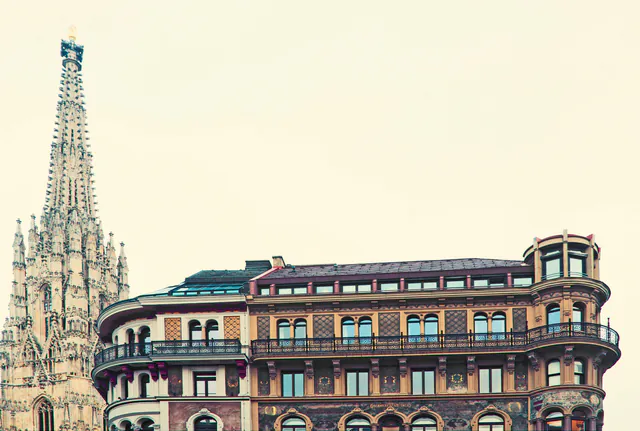
Sleeping in the innere stadt vienna means paying for the location. Average rates sit around 300 to 350 EUR per night. It is the most expensive dirt in the city. The convenience is the payoff. For five-star gold, look at the Grand Hotel Wien or Hotel Sacher. If you want modern style inside old walls, Le Méridien Vienna is a solid choice. Rates there swing from 200 to 430 EUR. Boutique options like Hotel Kaiserin Elisabeth or Hotel Palais Mailberger Hof offer more quiet for 250 to 340 EUR. The Mercure Wien Zentrum is a reliable mid-range pick for around 180 EUR. True budget beds are rare here. However, Motel One Wien-Staatsoper is the best value play in the district. It is stylish and sits right by the Opera with rooms from 130 EUR. Aparthotel Adagio Vienna City is another smart move for families needing kitchenettes for 120 to 150 EUR. Book months in advance if you are coming for the December Christmas markets.
Getting Around
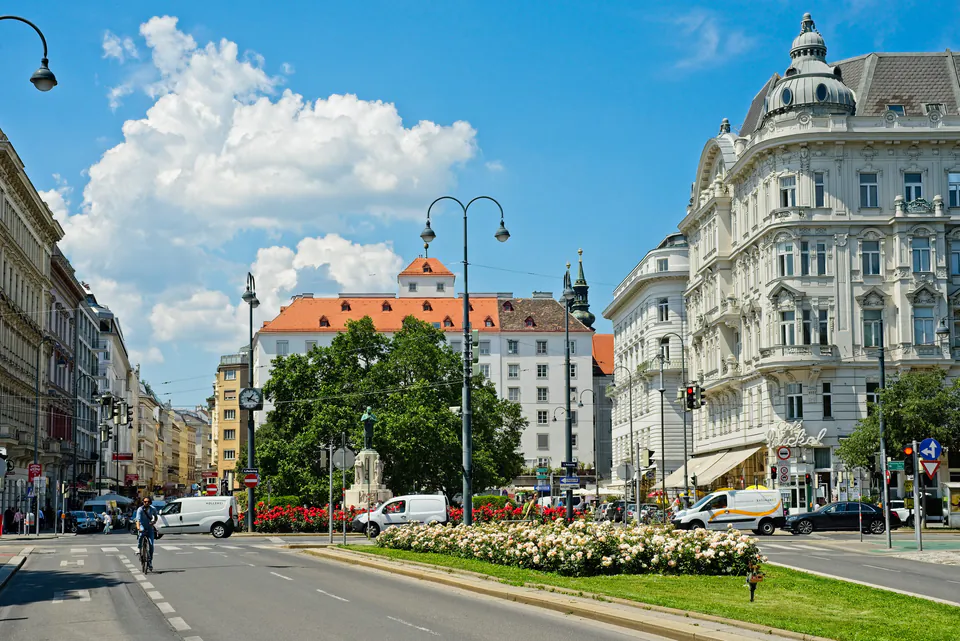
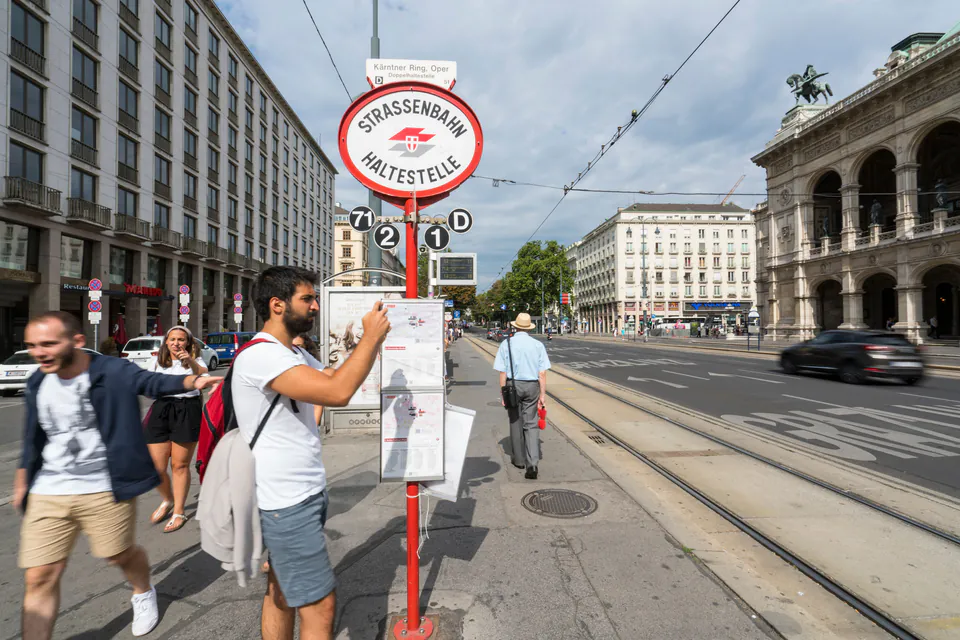
The district is compact. Explore it on foot. Most of the area around Stephansplatz and Kohlmarkt is for pedestrians only. Wear comfortable shoes for the cobblestones. When you need to go further, the Wiener Linien transit system is fast and clean. The U-Bahn is your primary tool. Stephansplatz connects the U1 and U3 lines. Karlsplatz serves as a massive hub for the U1, U4, and various trams. Note that the U2 and U5 lines are currently under construction. The U2 is back running between Karlsplatz and Schottentor, but expect detours near the Rathaus. The new U5 line won't arrive until 2026. Trams circle the perimeter. Lines 1, 2, 71, and D follow the Ringstraße. It is a cheap way to see the Parliament and the Burgtheater. Download the WienMobil app for tickets and real-time transit updates.
Shopping & Markets
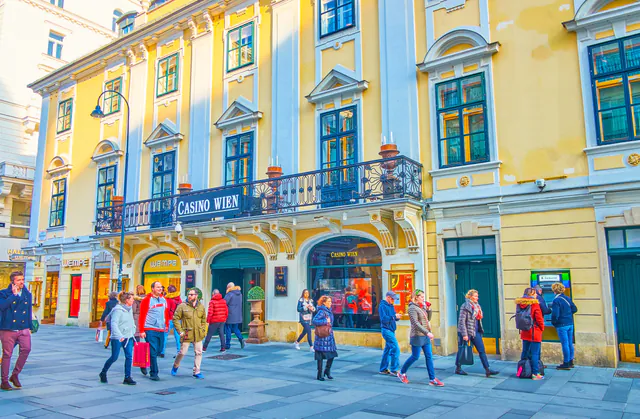
Shopping here centers on the Golden U. This is the loop formed by Kärntner Straße, Graben, and Kohlmarkt. Kohlmarkt is for the big spenders with Chanel and Gucci. Graben features local heavyweights like Augarten porcelain. Kärntner Straße has the flagship department stores like Steffl. For something different, wander the side streets. Spiegelgasse and Dorotheergasse are perfect for antiques. Visit the Dorotheum auction house just to look at the history. For food souvenirs, go to Julius Meinl am Graben. It is a three-story gourmet temple. Buy the pumpkin seed oil or local wines there. The district lacks a giant daily produce market like the Naschmarkt. But it excels at seasonal events. The Christkindlmarkt at Rathausplatz is world-famous. There is also an antique market at Am Hof on weekends from March to November. It is the best place to find vintage Viennese trinkets.
Safety & Practical Tips
Vienna is one of the safest cities on the planet. The Innere Stadt is secure even at 3 AM. Violent crime is basically non-existent. However, watch your pockets in crowds at Stephansplatz or inside the U-Bahn. Professional pickpockets work the tourist zones in summer. Dining etiquette matters here. In a coffee house, you are paying for the right to linger. Order one Melange and read the paper for three hours. No one will bother you. When you want the bill, catch the waiter's eye and say 'Zahlen, bitte.' Cards are common now, but keep 20 to 50 EUR in cash. You will need it for small shops and tips. Most locals just round up the bill by 5 to 10 percent. Remember that Sunday is for resting. Almost every shop and supermarket will be closed. Museums and cafes stay open, but do your grocery shopping by Saturday. If you get stuck, the shops at Wien Mitte station are your only Sunday option.
Top Attractions
Where to Stay
Curated hotels and accommodation.
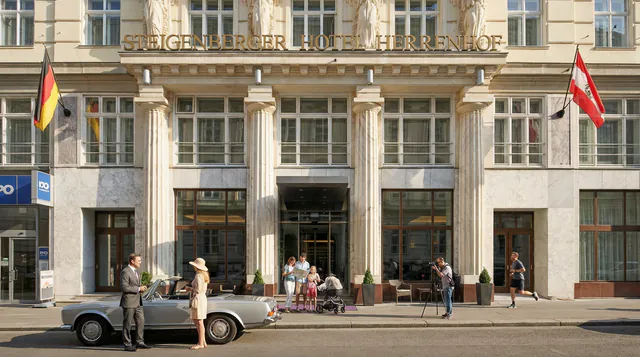
Steigenberger Hotel Herrenhof
Built in 1913, this neoclassical landmark once served as the meeting ground for Vienna’s sharpest literary minds. Today, the Steigenberger Hotel Herre...
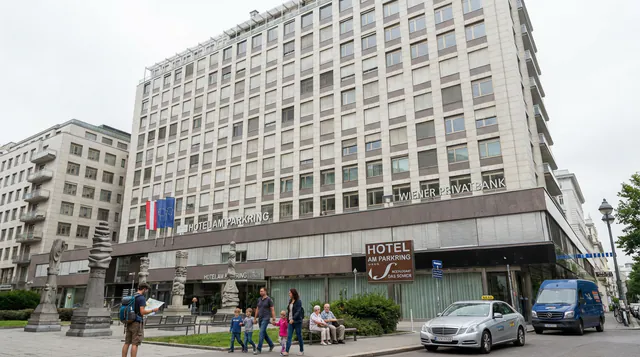
Hotel Am Parkring
If you want a view of Vienna that doesn't involve fighting crowds at a cathedral tower, go to Hotel Am Parkring. It sits on the 11th, 12th, and 13th f...
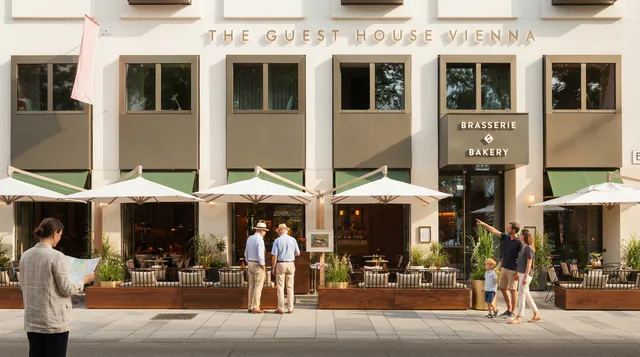
The Guesthouse Vienna
Forget the gilded ballrooms and stiff white-glove service usually found in the First District. The Guesthouse Vienna feels like the private apartment ...
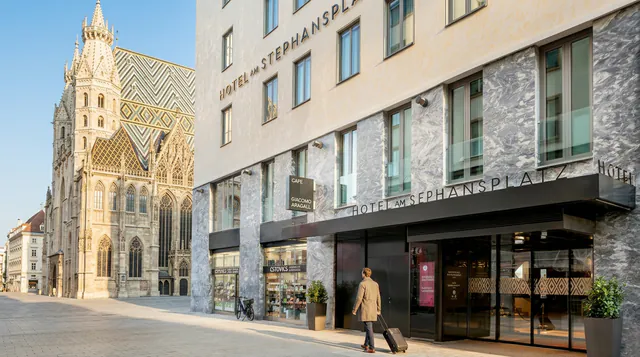
Boutique Hotel Am Stephansplatz
You can't get more central than this. Boutique Hotel Am Stephansplatz sits directly across from the massive, tiled roof of St. Stephen's Cathedral. Ow...
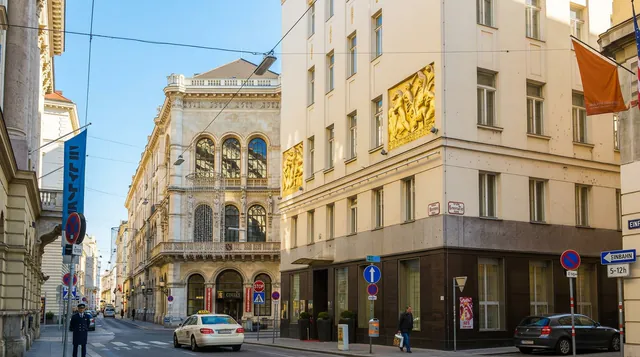
Radisson Blu Style Hotel, Vienna
The Radisson Blu Style Hotel Vienna isn't just another central stay. It's a sharp, 78-room boutique hotel carved out of a 1914 bank building in the Fi...
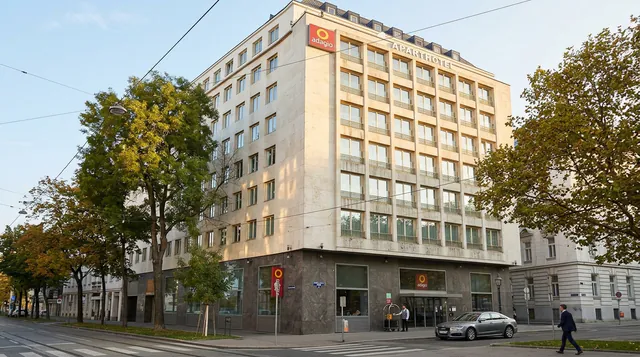
Aparthotel Adagio Vienna City
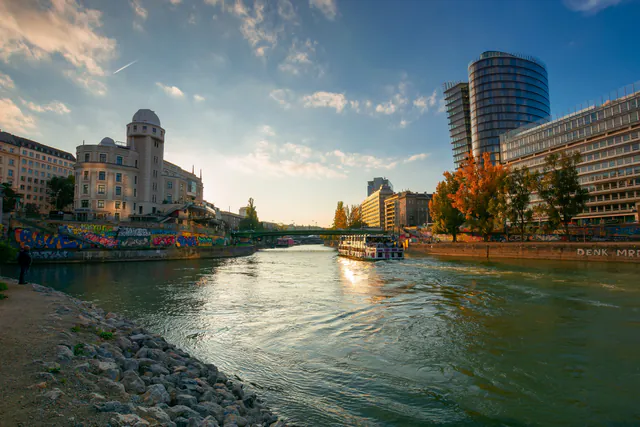
Perched on the Ringstraße with a direct view of the Danube Canal, Aparthotel Adagio Vienna City is for travelers who hate feeling like tourists. You g...
Top Tours & Experiences
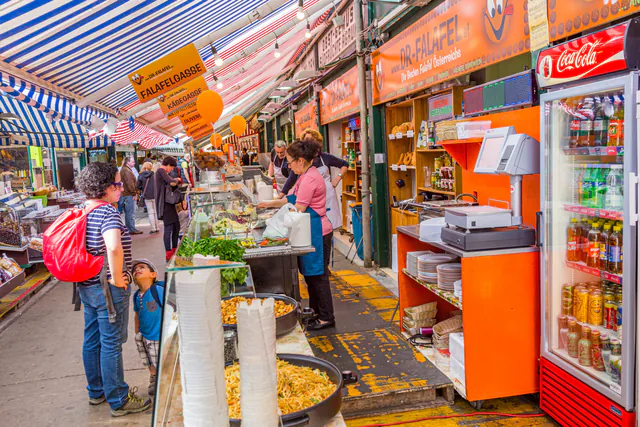
Authentic Vienna Food Tour
Forget the overpriced museum cafes and Sacher Torte queues. Vienna eats differently when the tourists aren't looking. This five-hour deep dive into th...
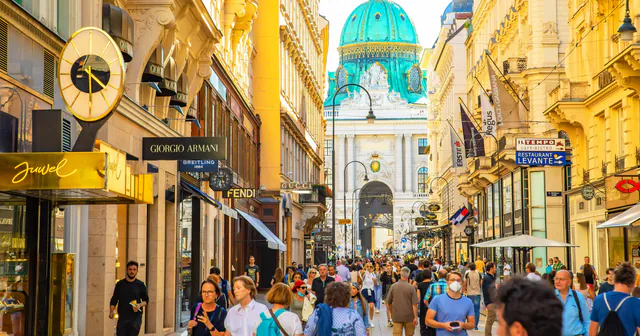
Best of Vienna: Historic Center Walking Tour
Ditch the generic bus tours and hit the pavement. This 2.5-hour Vienna walking tour traces the rise and fall of the Habsburg Empire through the street...
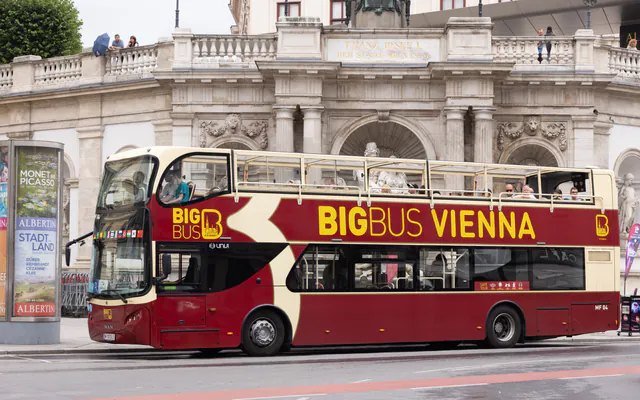
Big Bus Vienna Hop-On Hop-Off Sightseeing Tour
Don't waste your limited time navigating the U-Bahn when you can see the city from a double-decker's top deck. This Vienna hop on hop off tour is the ...
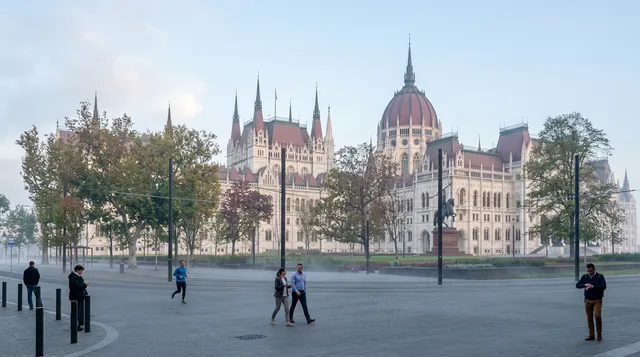
Budapest Small-Group Day Trip from Vienna
Ditch the Viennese coffee houses for a day and head east. This Budapest small-group day trip from Vienna cuts out the headache of train schedules and ...