Colonna della Peste (Pestsäule)
Landmark
About the Experience
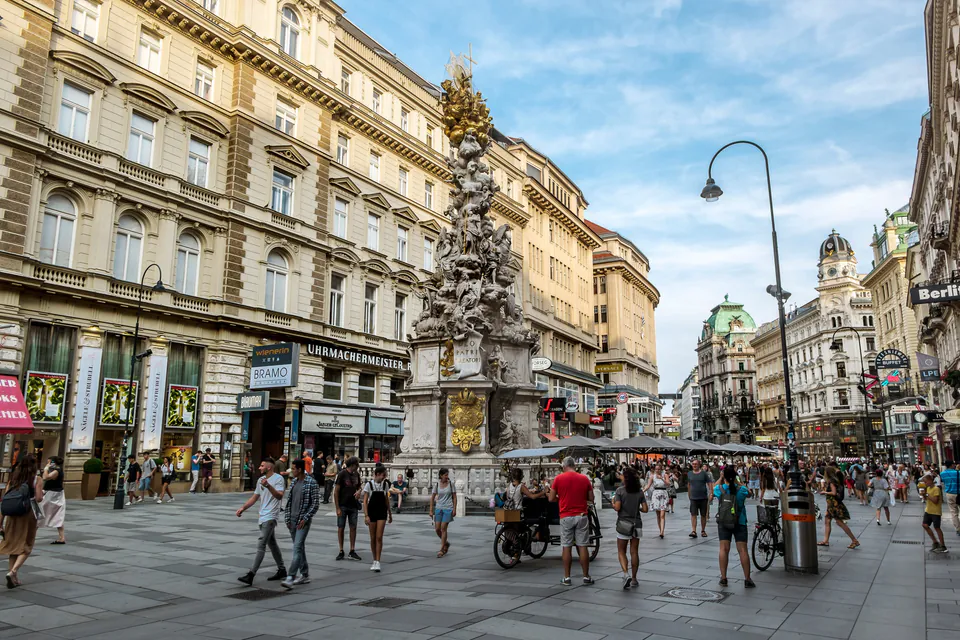
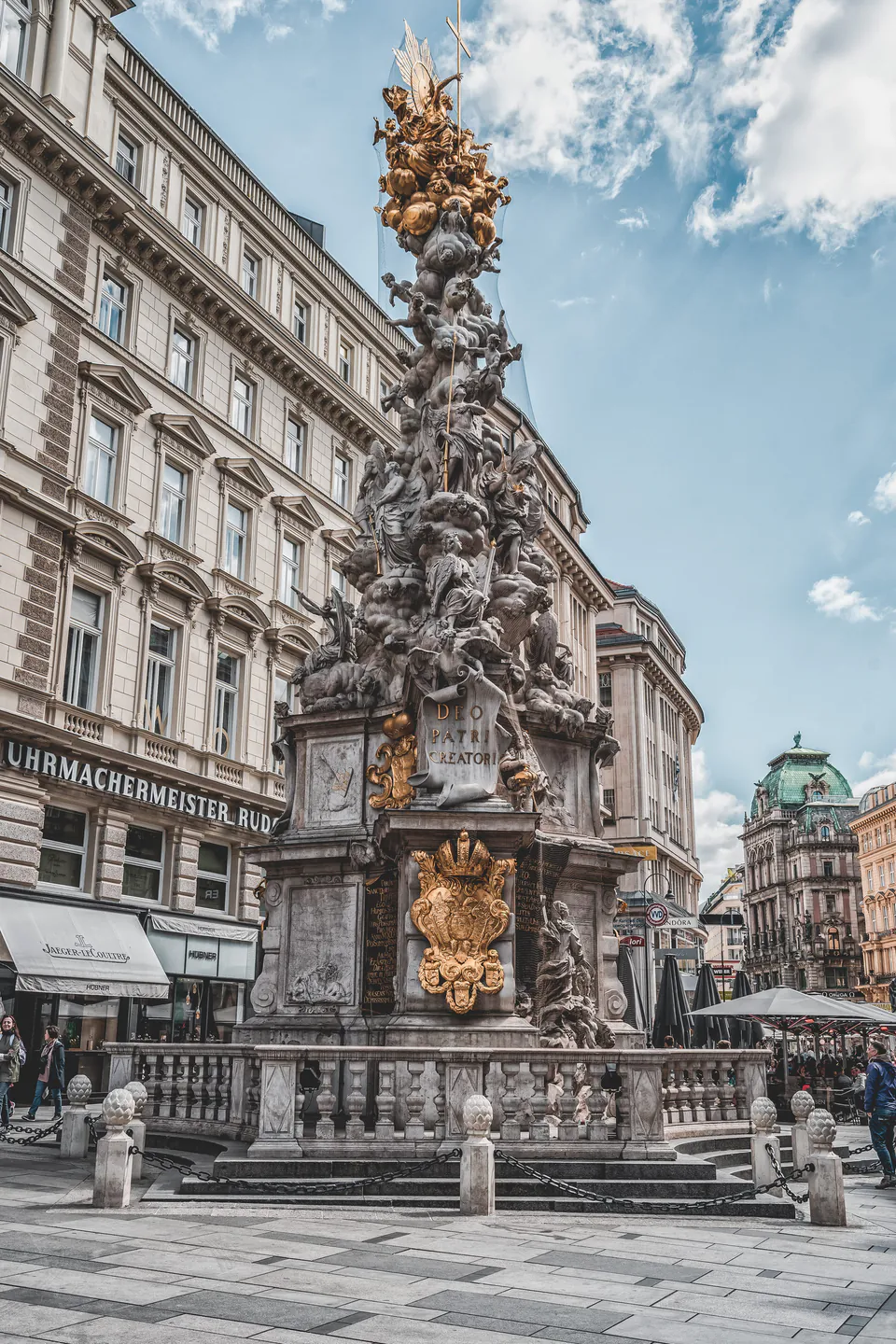
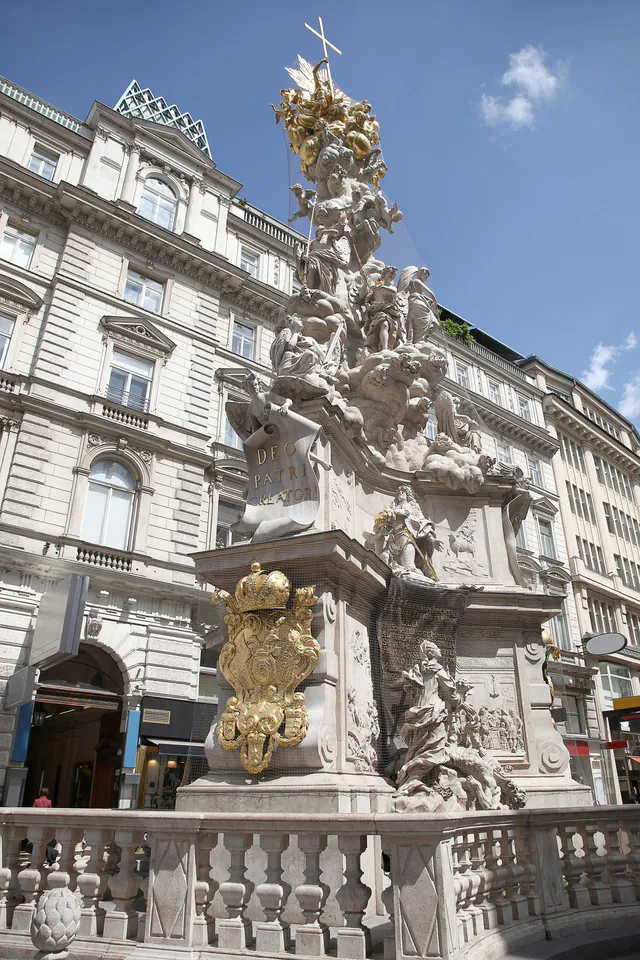
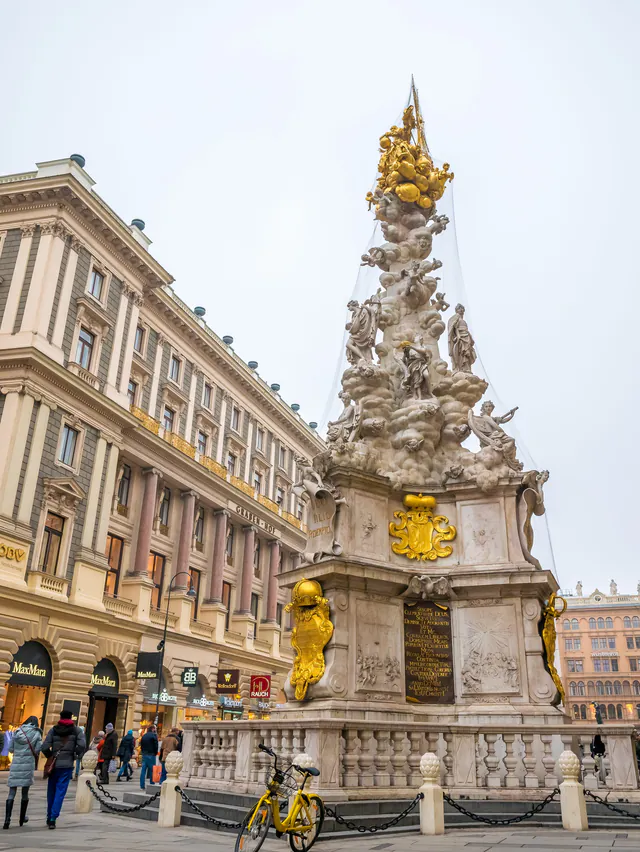
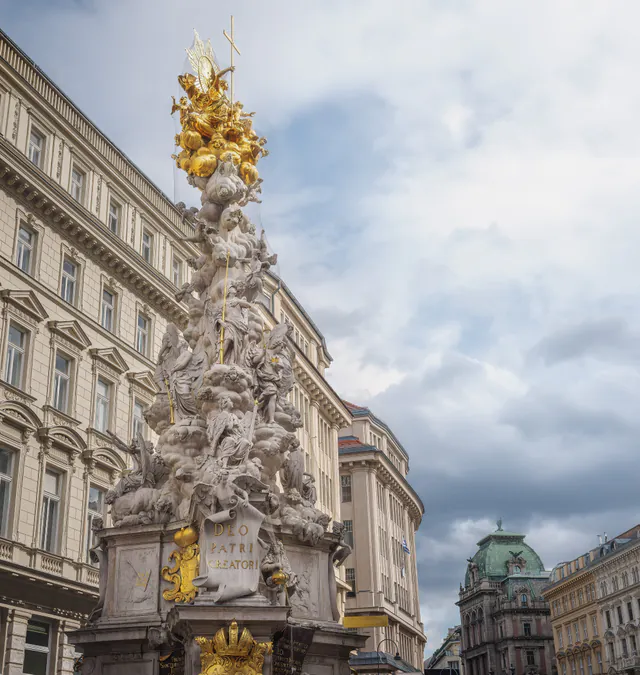
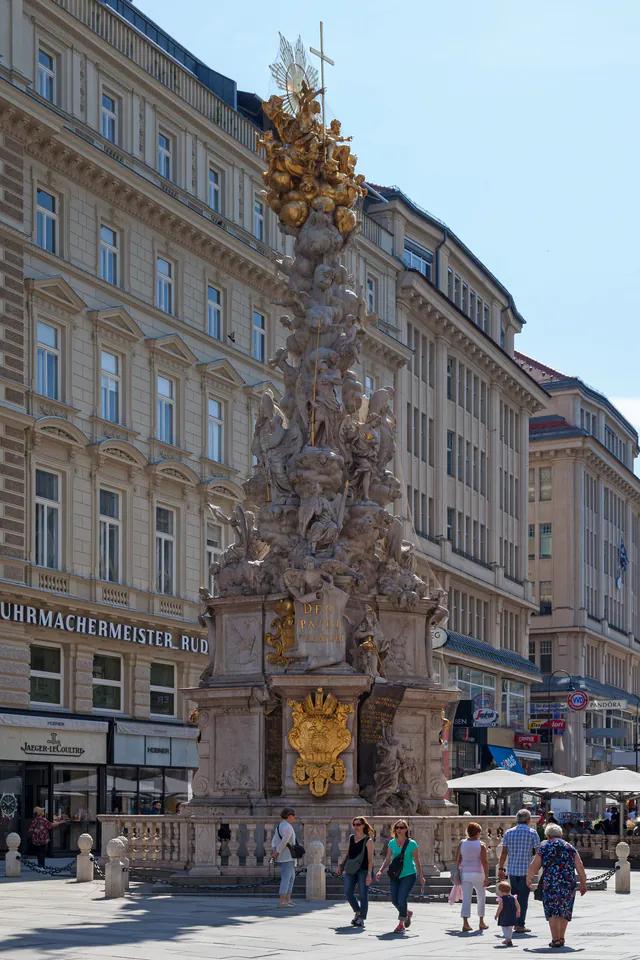
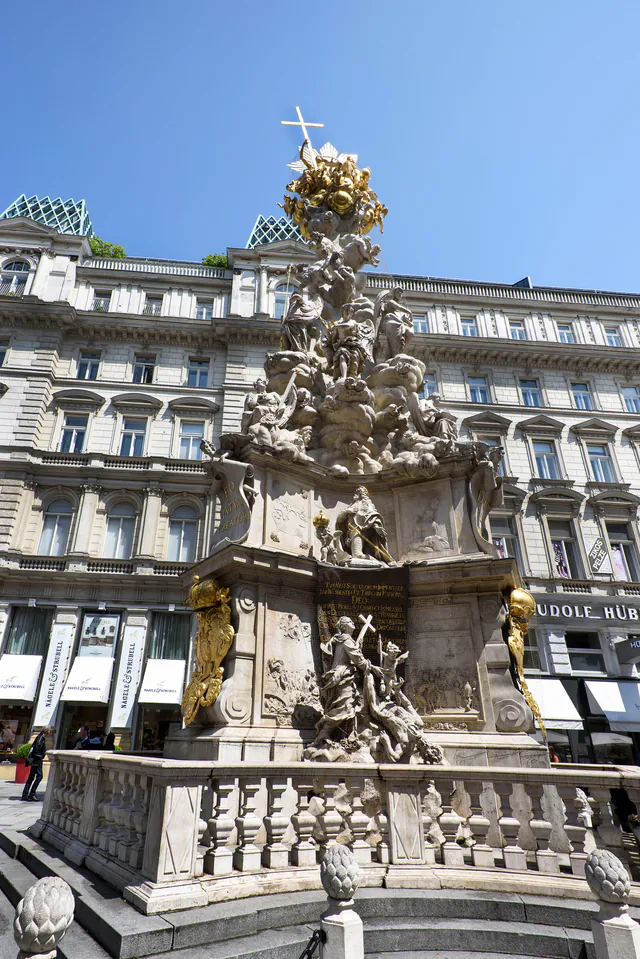
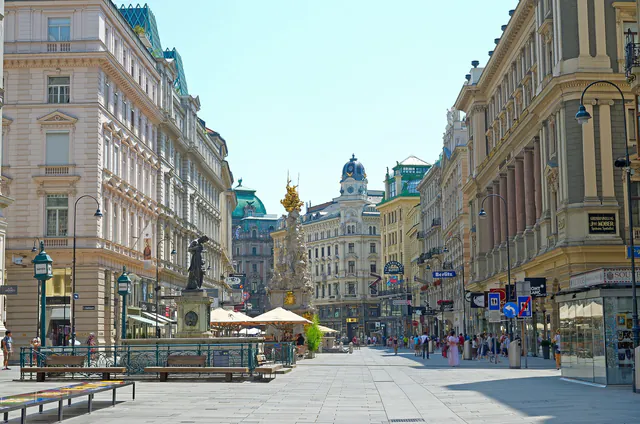
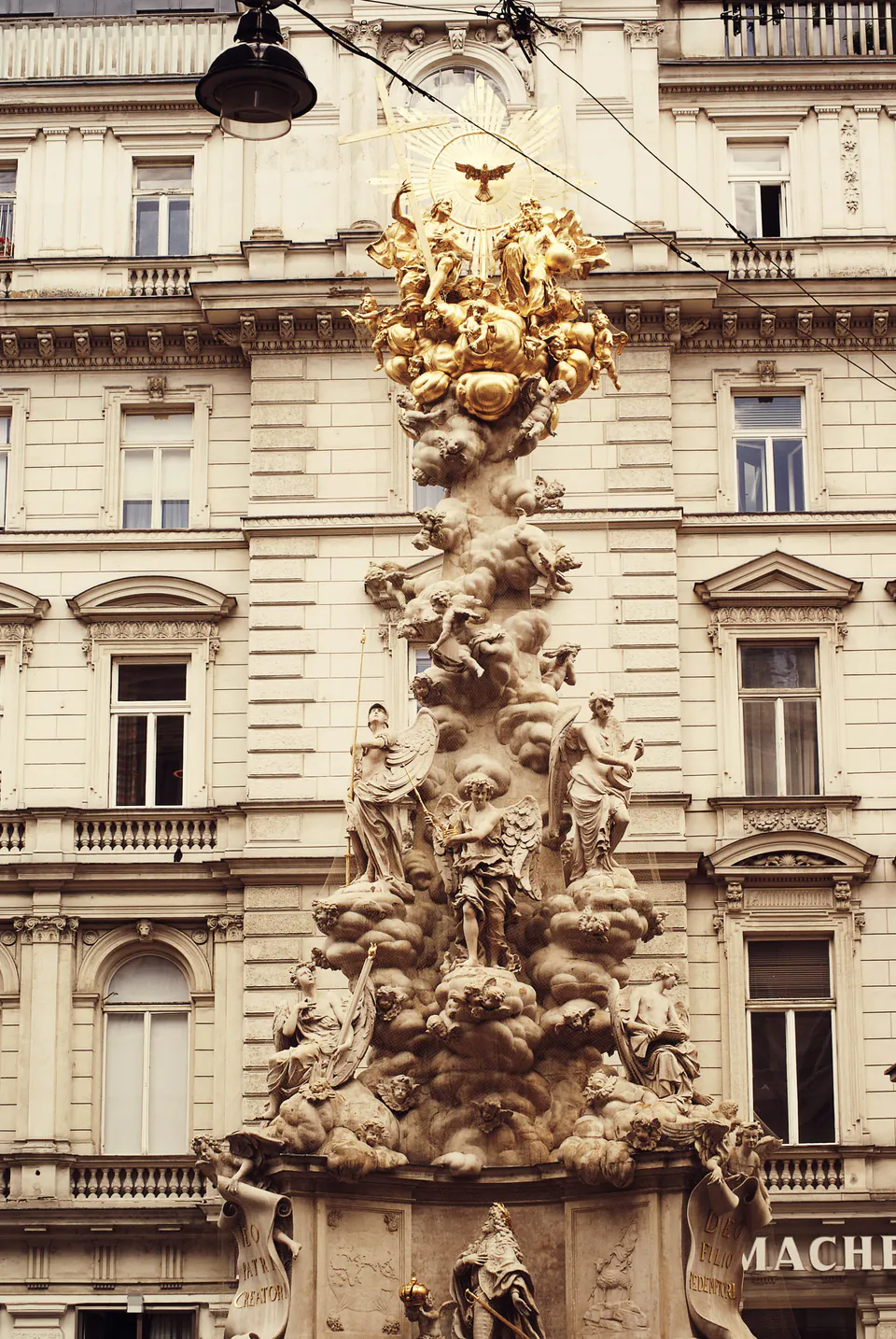
Locals call it the Pestsäule, and you can't miss it. Right in the middle of the Graben's high-end shopping chaos, this High Baroque explosion of marble and gold stands as a grim reminder of Vienna's darkest year. It isn't your standard, stiff memorial. Instead, it’s a chaotic, swirling pyramid of clouds and angels that seems to melt toward the sky. Look closely at the base. You'll see a grotesque witch representing the bubonic plague being kicked into oblivion by an angel. Above that, nine choirs of angels lead your eye up to a gilded Holy Trinity. It’s theatrical, over-the-top, and a bit strange. But it perfectly captures the Habsburg mindset: when the world is ending, build something magnificent. Whether you’re cutting through the first district to reach the Hofburg or just window shopping, stop here. It’s the soul of the city rendered in stone.
Photos
History & Significance
The colonna della peste vienna owes its existence to the Great Plague of 1679, a nightmare that killed roughly 76,000 people. Emperor Leopold I didn't stick around to watch; he fled the city, promising a grand monument if the sickness ever stopped. A cheap wooden version went up first, but by 1683, the heavy hitters of the Baroque world were called in. Renowned names like Fischer von Erlach and Paul Strudel took over the project. They ditched the traditional pillar design for an innovative cloud pyramid inspired by theater sets. When it finally opened in 1693, it didn't just celebrate the end of the plague. It also gave a nod to the 1683 victory over the Ottomans. Look for Leopold I kneeling in prayer at the base. His prominent lower lip is the famous Habsburg jaw in all its glory.
The Architecture
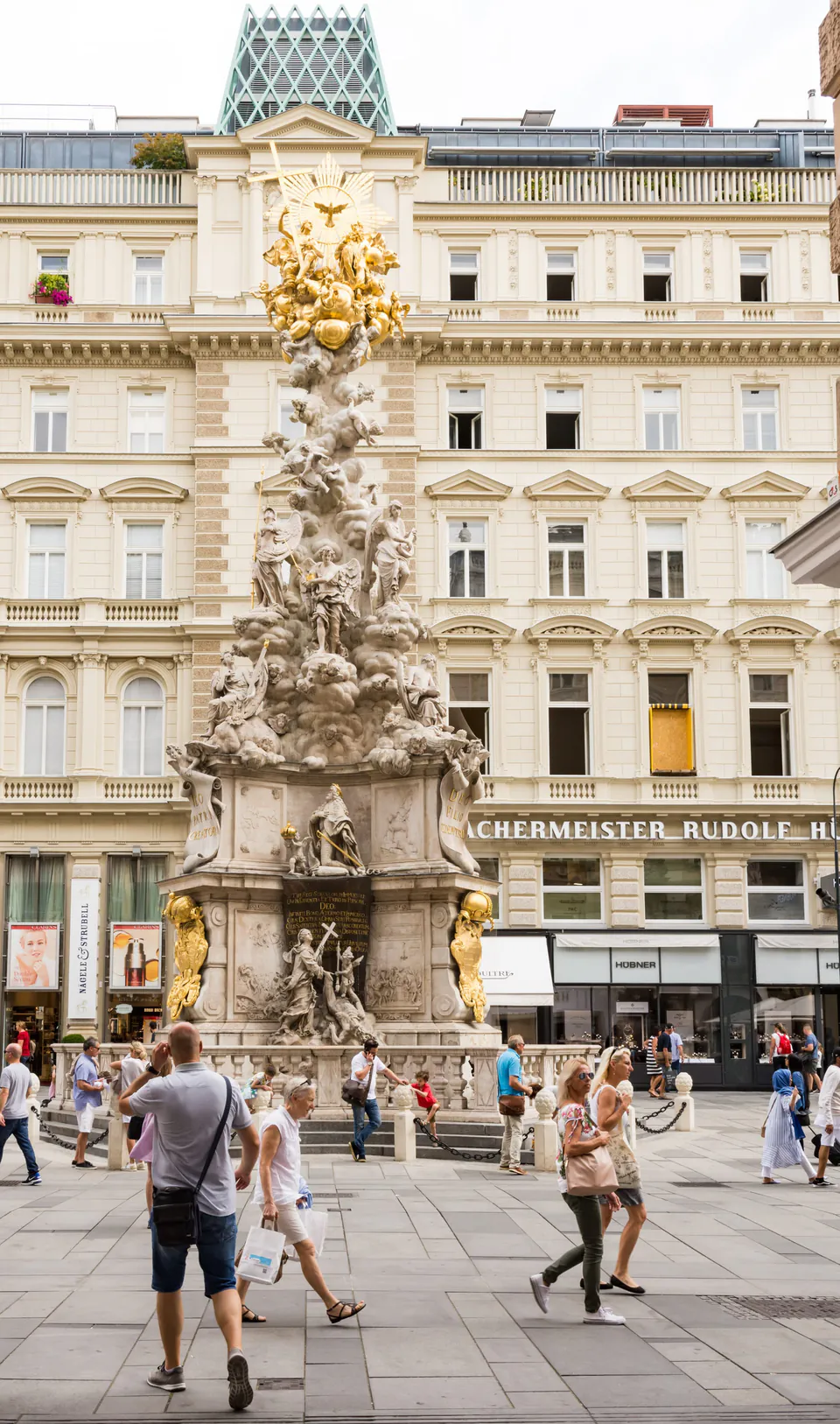
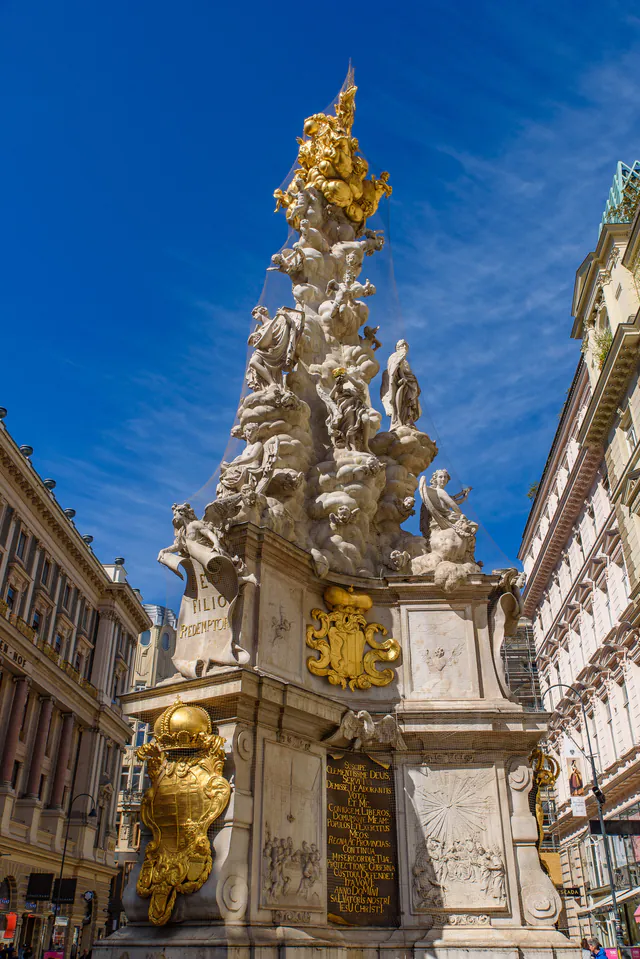
This isn't your typical boring stone pillar. The Colonna della Peste broke all the rules of 17th-century art. It’s a 'cloud pyramid' that trades stiff lines for constant movement. Designers like Fischer von Erlach and Paul Strudel leaned into the drama of the High Baroque. Everything here comes in threes to honor the Holy Trinity. You've got three vertical stages, three wings, and nine angels representing the heavenly choirs. Most of it's carved from Salzburg’s Untersberg marble, but the Emperor’s statue uses finer Lasa marble from South Tyrol. The way the light hits the deep recesses makes the whole thing look like it's shifting. It’s a masterpiece of theatrical engineering that proved Vienna was the new center of European style.
The Surrounding Area
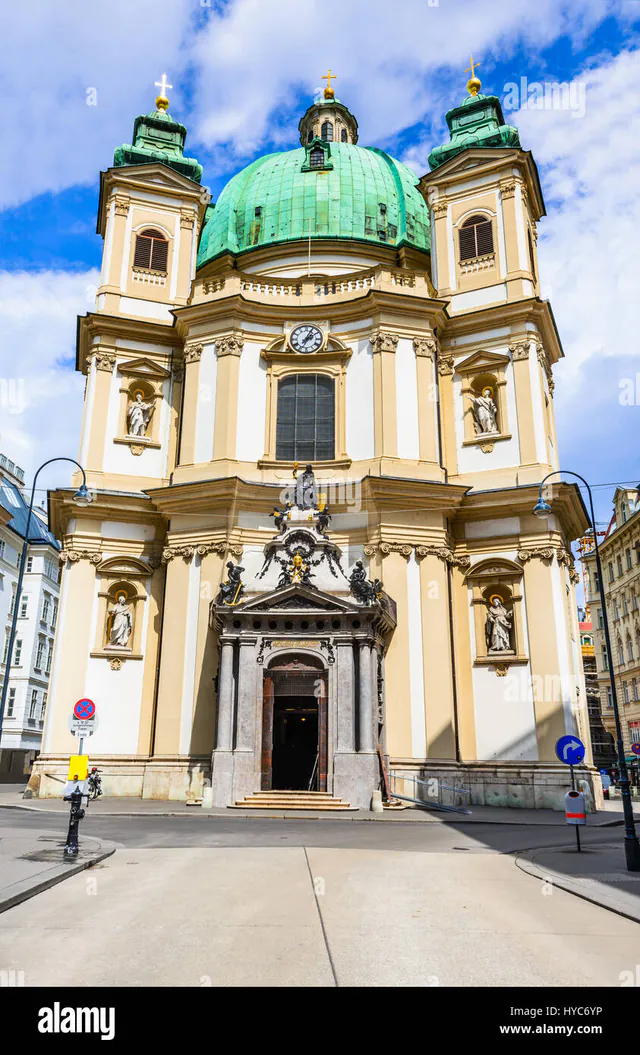
The monument sits on the Graben, a street that started as a Roman ditch. Today, it’s where the city’s old money spends its cash. You’re surrounded by 19th-century giants and high-end boutiques. Don't just look at the shops, though. Duck into Peterskirche just around the corner to see a Baroque interior that rivals the column. If you’re into modernism, check out the Ankerhaus by Otto Wagner. It sits right nearby, showing how the city moved from Baroque excess to sleek Art Nouveau. When your feet give out, grab a coffee at Julius Meinl am Graben. It’s expensive, but the people-watching is unbeatable. From here, you’re a five-minute walk to either the Hofburg or the cathedral, making it the perfect pivot point for your day.
Photography Guide
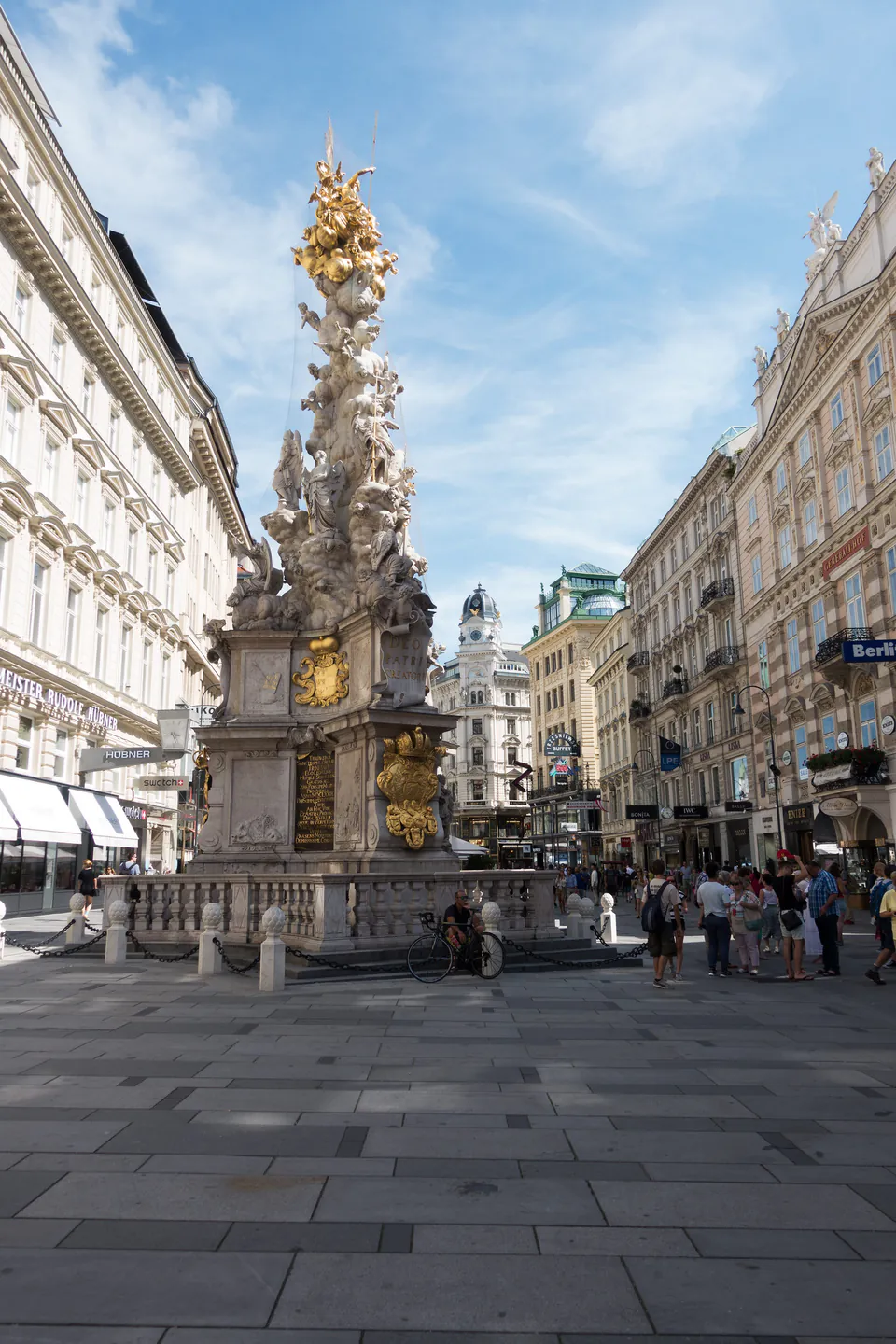
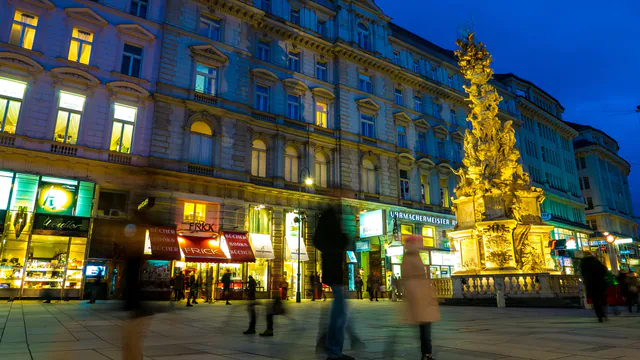
Photographing this thing is a nightmare during the day because of the crowds. To get the whole height, you’ll need to arrive early and stand back toward the shop fronts. But the real shots are in the details. Use a zoom to catch the agony on the face of the plague witch at the base. Or focus on the golden Trinity against a deep blue sky. In the late afternoon, the sun drops between the buildings and creates heavy shadows in the marble folds. It’s moody and perfect for black-and-white shots. If you're here in December, the giant chandelier lights of the Graben frame the column perfectly. It’s pure kitsch, but it looks incredible on camera.
Tours & Experiences Nearby
Top-rated tours and experiences starting near Colonna della Peste (Pestsäule).
 concert
 experience
 food tour
 food tour
Essential Visitor Tips
- Spot the Habsburg Jaw
Check out the kneeling statue of Leopold I. His heavy lower lip is a textbook example of the royal family’s famous genetic trait.
- Beat the crowds
The Graben turns into a mosh pit of tour groups by 11:00 AM. Get here before 9:00 AM if you want a clean shot of the marble.
- Look up for the gold
On a clear day, the gilded Trinity at the peak catches the light brilliantly. It's the best detail on the whole monument.
- Pair it with a hidden gem
Once you're done, walk thirty seconds to Peterskirche. It’s free to enter and has some of the best Baroque interiors in Austria.
- Walk the line
Use the column as your halfway marker. It sits perfectly between the spire of St. Stephen's and the gates of the Hofburg Palace.
Best Time to Visit
"Get here at sunrise to see the gold leaf glow without a thousand tourists in your shot. If you can't make the morning, come after dark. The spotlights turn the white marble and gold into a dramatic stage set against the night sky."
Nearby Hotels
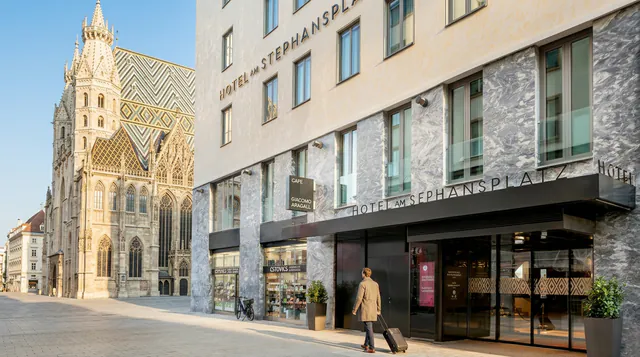
2 min walk (178m)
Directly facing St. Stephen's Cathedral with unobstructed Steffl views from the rooms and café · Over 100 original wooden sculptures by Romanian artist Daniel Bucur displayed throughout the property
Price From €250/night
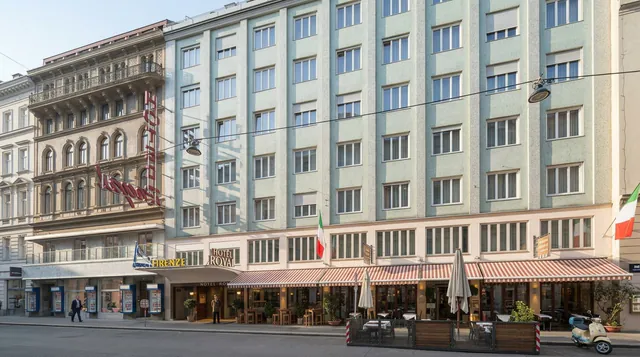
3 min walk (204m)
Rooftop restaurant Settimo Cielo offering panoramic views of St. Stephen's Cathedral · Ristorante Firenze Enoteca featuring Vienna's largest Chianti-Classico wine collection
Price From €180/night
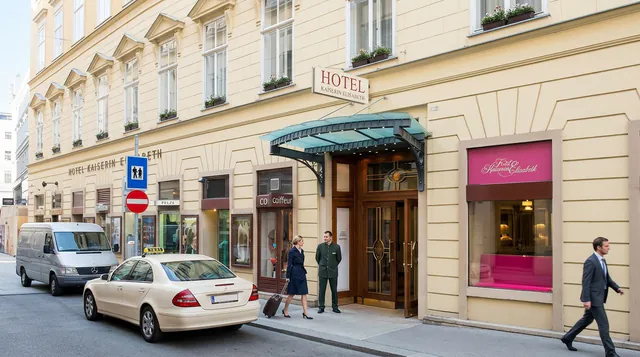
3 min walk (246m)
Unbeatable location steps from St. Stephen's Cathedral and Kärntner Straße · Historic 14th-century footprint named after Empress Sisi by 1860 imperial decree
Price From €215/night
Nearby Restaurants
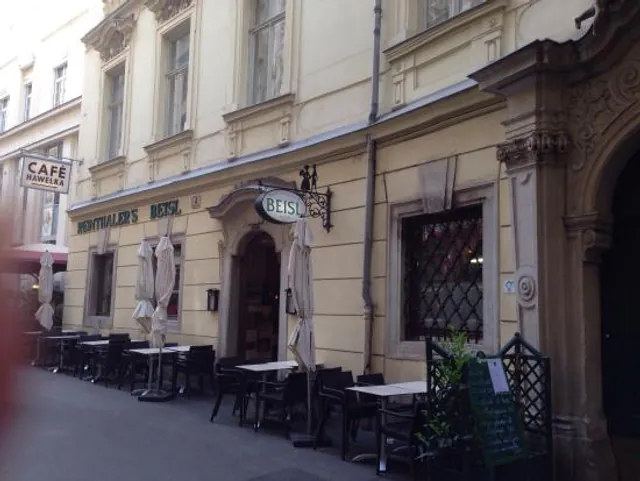
Reinthaler's Beisl
International Casual • Moderate
Forget the overpriced tourist traps lining the Graben. Walk two minutes down Dor...
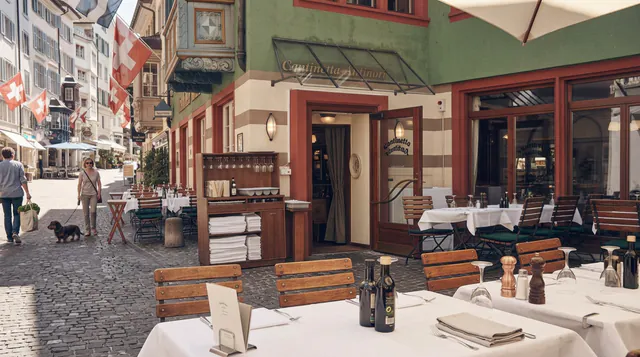
Cantinetta Antinori
Italian Fine Dining • Fine Dining
Step off the cobblestones of the 1st district and into a slice of Florence. Sinc...
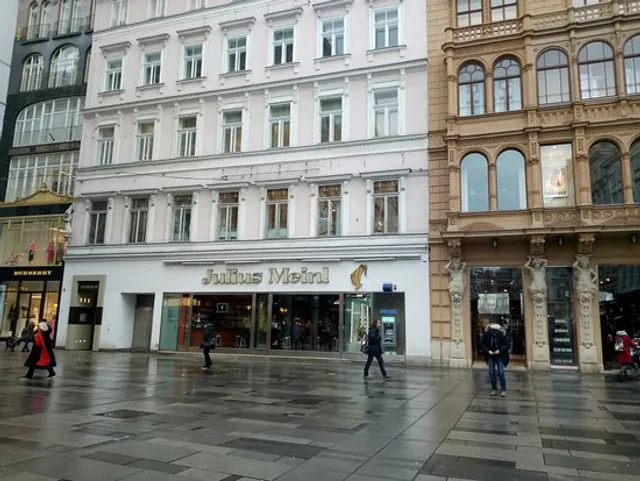
Julius Meinl Am Graben
International Fine Dining • Fine Dining
Don't just walk past the red fez logo. While the ground floor is a high-end deli...
Frequently Asked Questions
Why was the Vienna Pestsäule originally built?
How do I get to the Colonna della Peste using public transport?
What are the best photography tips for the Colonna della Peste?
What other landmarks are located near the Colonna della Peste?
Is it worth seeing the Colonna della Peste during the winter?
Are there good places to eat near the Colonna della Peste?
What makes the architecture of the Colonna della Peste unique?
Is there a specific dress code for visiting the Pestsäule?
How long should I spend at Colonna della Peste (Pestsäule)?
Is Colonna della Peste (Pestsäule) wheelchair accessible?
Quick Facts
Find Hotels Nearby
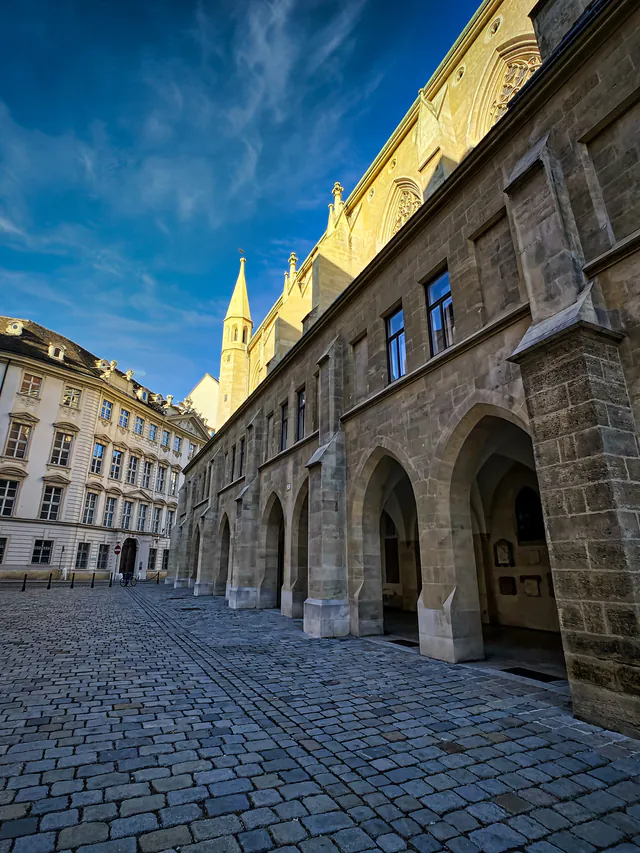
The Neighborhood
1st District: Innere Stadt
Read Guide