The Hofburg
Palace
About the Experience
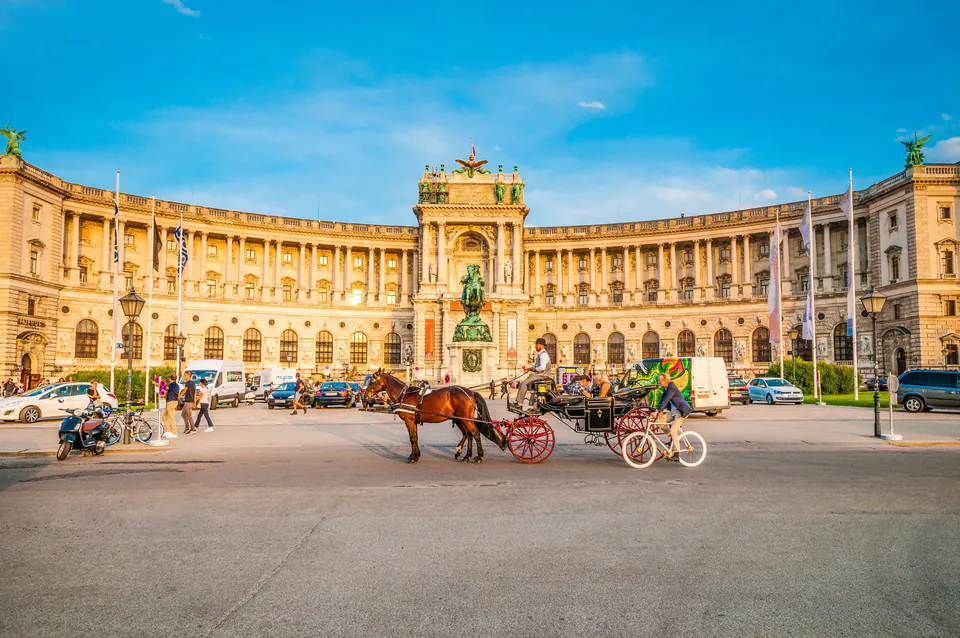
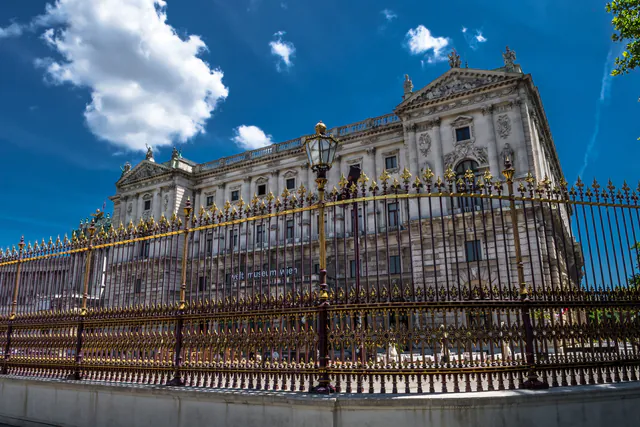
Drop any ideas of a single, tidy palace. The Hofburg is a 24-hectare imperial city-within-a-city that served as the Habsburg power base for over 600 years. It’s a massive architectural sprawl of 18 wings and 19 courtyards stitched directly into Vienna’s streets. You aren't just visiting a building here. You're walking through the gears of an empire that once ruled half of Europe. With 2,600 rooms, it’s easy to get lost, but the main draw for most is the Sisi Museum and the Imperial Apartments. Forget the sugary movies. These rooms show the grim, stiff reality of 19th-century court life. You'll see Emperor Franz Joseph’s surprisingly simple iron bed and the private exercise room where Empress Elisabeth obsessed over her fading youth. Beyond the bedrooms, the complex holds the Spanish Riding School, the glitter of the Imperial Treasury, and the Austrian National Library. It isn't a museum frozen in time, either. The President of Austria still works in the Leopoldine Wing. One minute you’re dodging tourists at the Silver Collection, the next you’re watching diplomats sweep past toward the state offices.
Photos
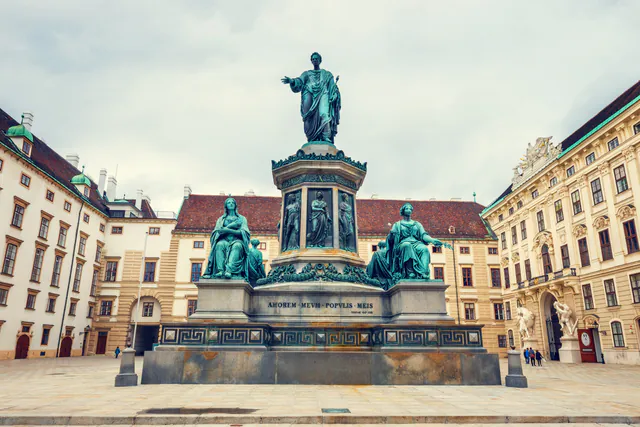
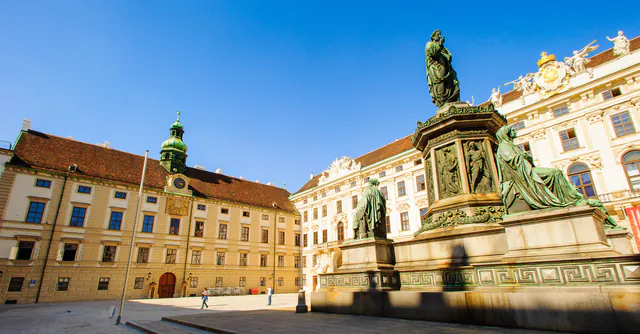
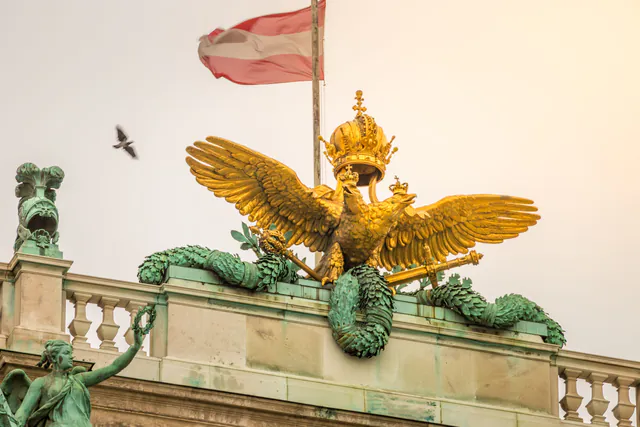
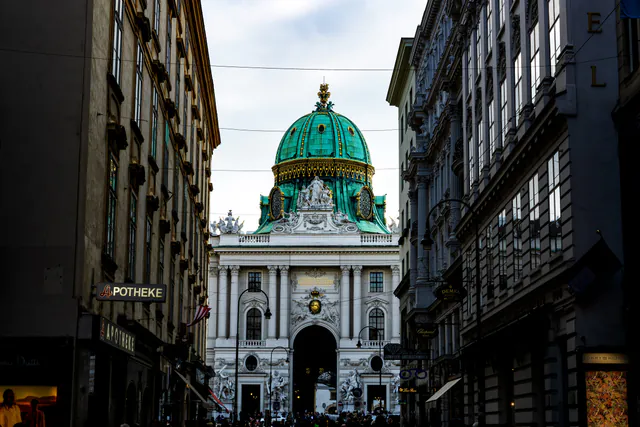
History & Significance
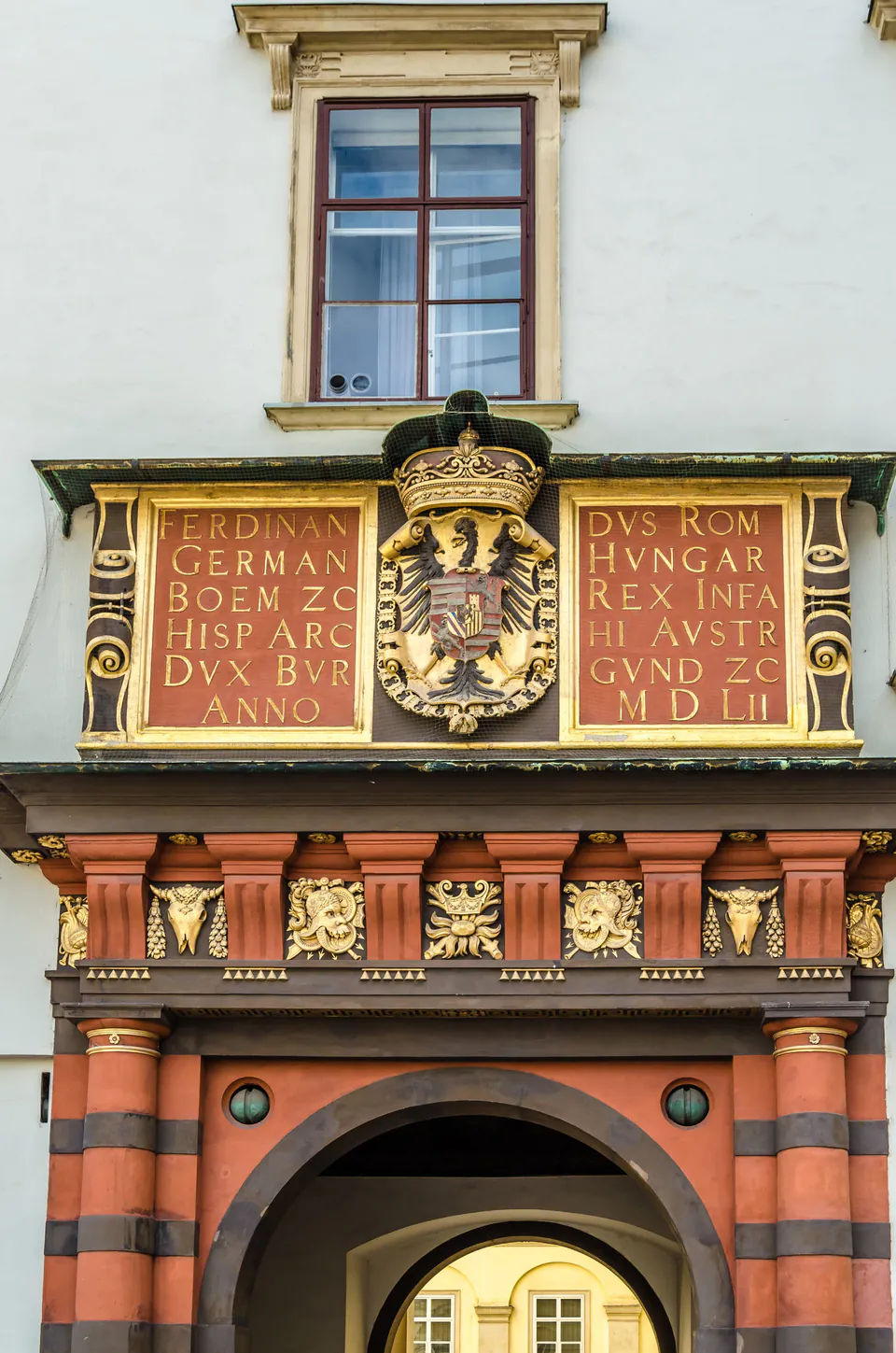
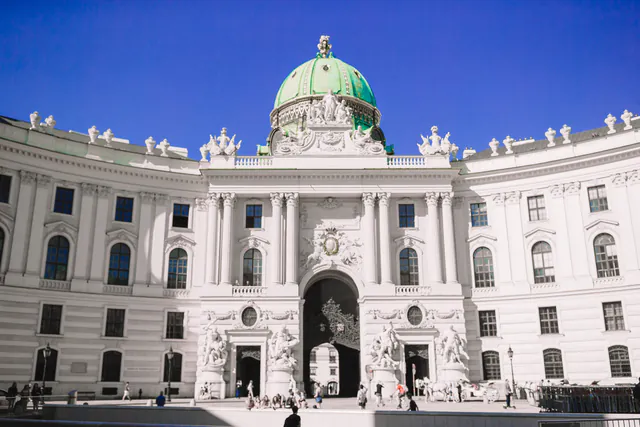
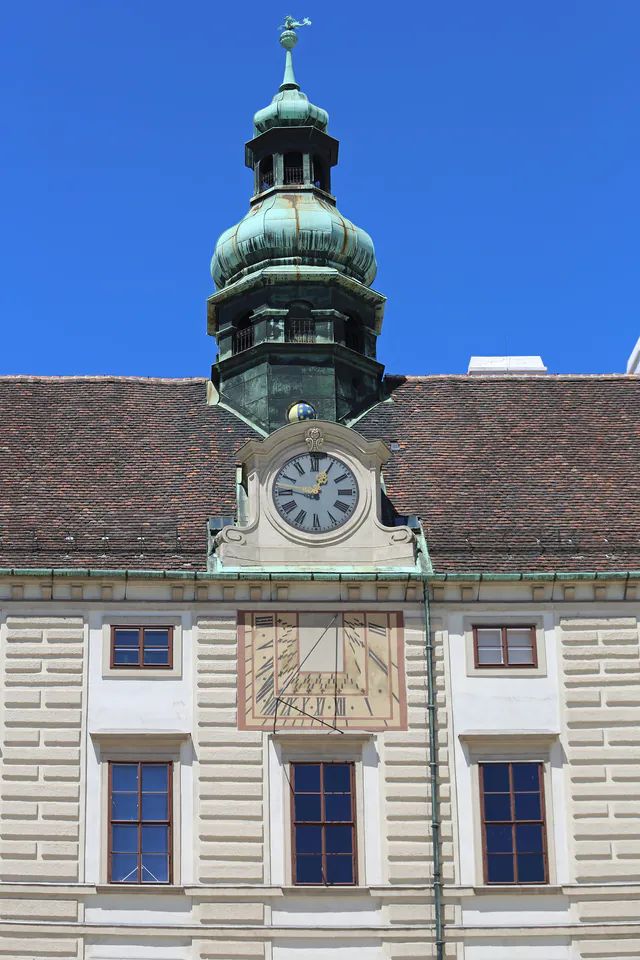
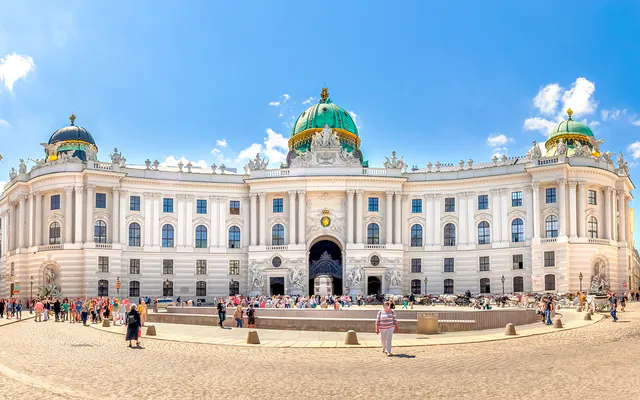
Power took root here in 1279. What started as a medieval fortress for the Babenbergs quickly became the Habsburgs' permanent construction site. They didn't tear things down; they just kept adding. Each monarch wanted to outdo the last. The Schweizerhof keeps its 13th-century bones, while the Stallburg added Renaissance flair in the 1500s. By the late 1800s, they finished the Michaelertrakt with its massive green dome. The final piece, the Neue Burg, wasn't even done until 1913. That's just five years before the empire collapsed and the family was kicked out. Since 1946, it’s been the official seat of the Austrian President.
The Architecture
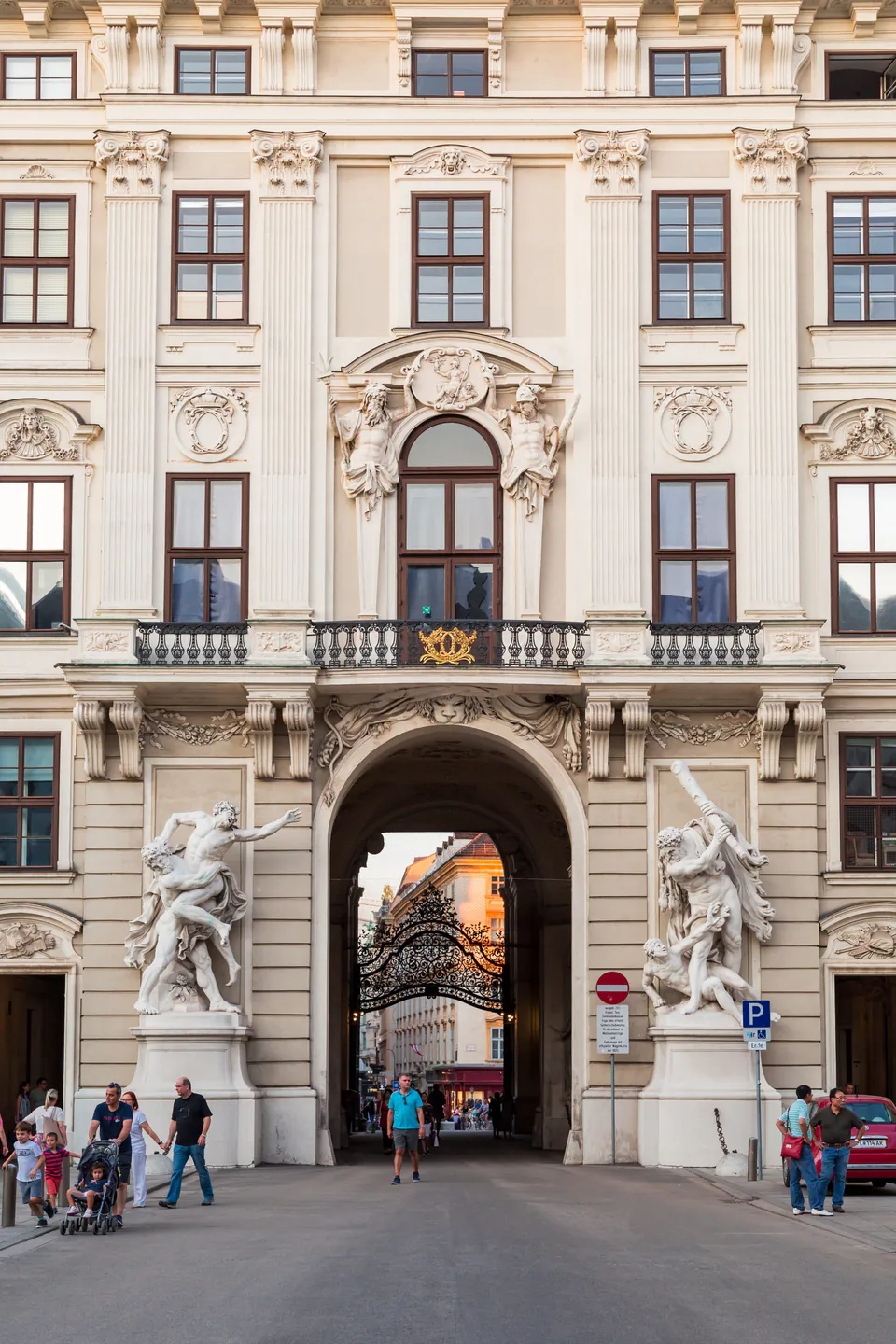
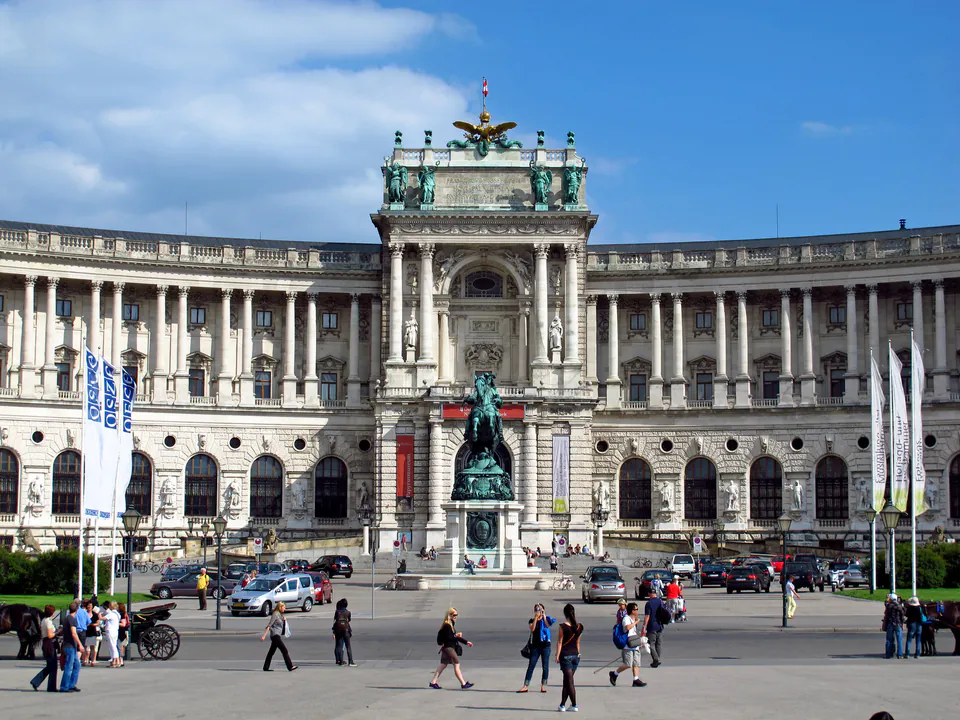
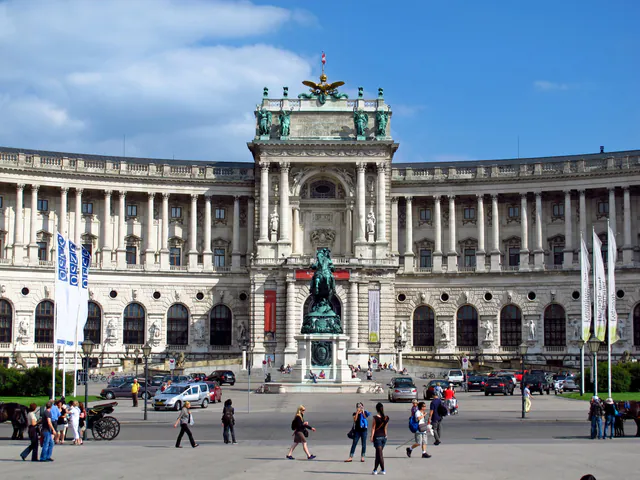
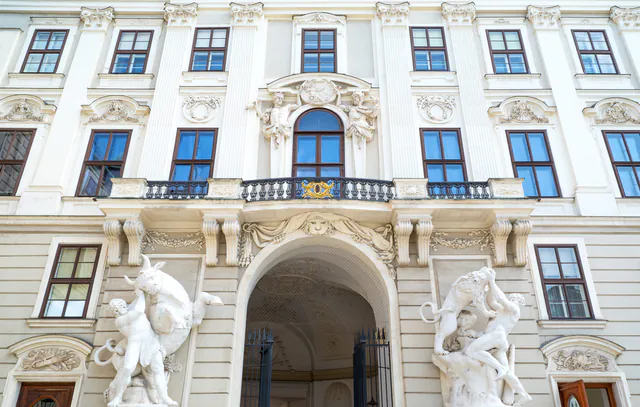
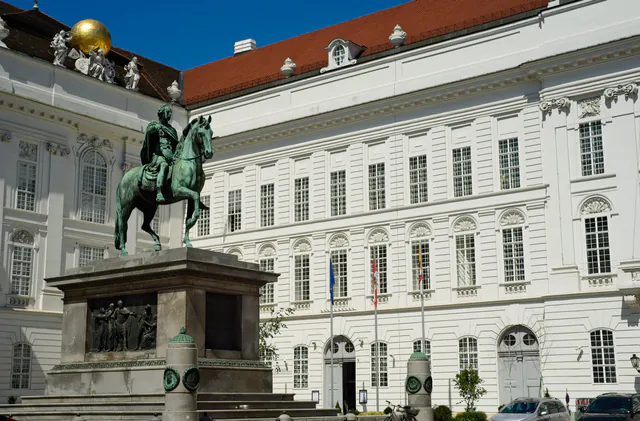
The Hofburg is an architectural Frankenstein in the best way possible. Because no one ever bothered to level the old wings, you get Gothic, Baroque, and Rococo styles all smashed together. Start at the Michaelertrakt. It’s the main gate, capped with a green dome and flanked by statues of Hercules doing his heavy lifting. It’s pure drama. Then head south to the Neue Burg. This curved, ornate crescent was the monarchy’s last-gasp attempt at looking invincible in the early 20th century. For something older, find the Schweizerhof. The red-and-black Swiss Gate there dates back to 1552 and still looks like it could withstand a siege. The whole place flows right into public squares like Josefsplatz. You don't feel fenced out. It feels like the city grew around the palace, which is exactly what happened.
Visiting the Interior
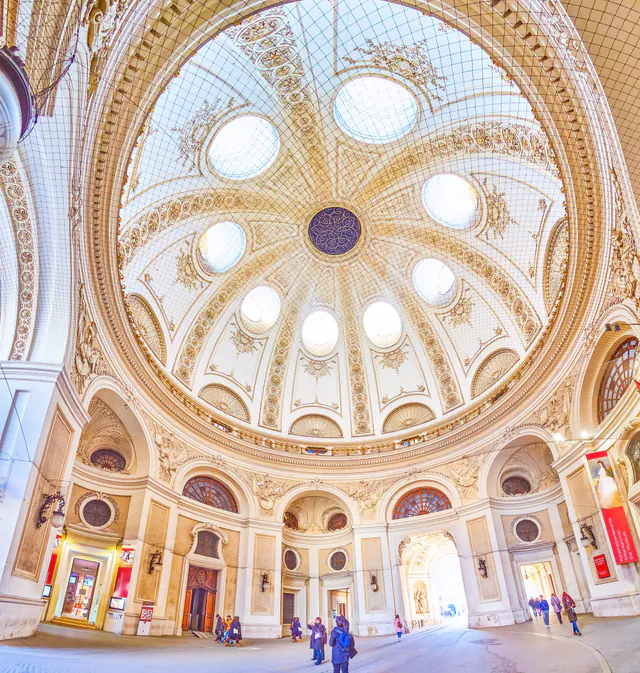
Go inside to see how the other half lived (and suffered). The Sisi Museum is the big one. It ditches the fairy tales to show you 300 personal items from Empress Elisabeth. You’ll find her beauty recipes, her mourning jewelry, and the original black coat used to hide her face from the public. It’s moody and fascinating. Next door, the Imperial Apartments show the stark contrast between the couple. Franz Joseph’s rooms are almost military in their plainness. He was at his desk by 4:00 AM. Then you hit the Silver Collection. It’s a mountain of porcelain and gold. Some centerpieces are 30 meters long. It’s excessive, sure, but it shows you exactly how much effort went into a single imperial dinner. Don't leave without seeing the National Library’s State Hall. It’s a Baroque masterpiece of walnut bookshelves and marble that makes every modern library look like a basement.
The Surrounding Area
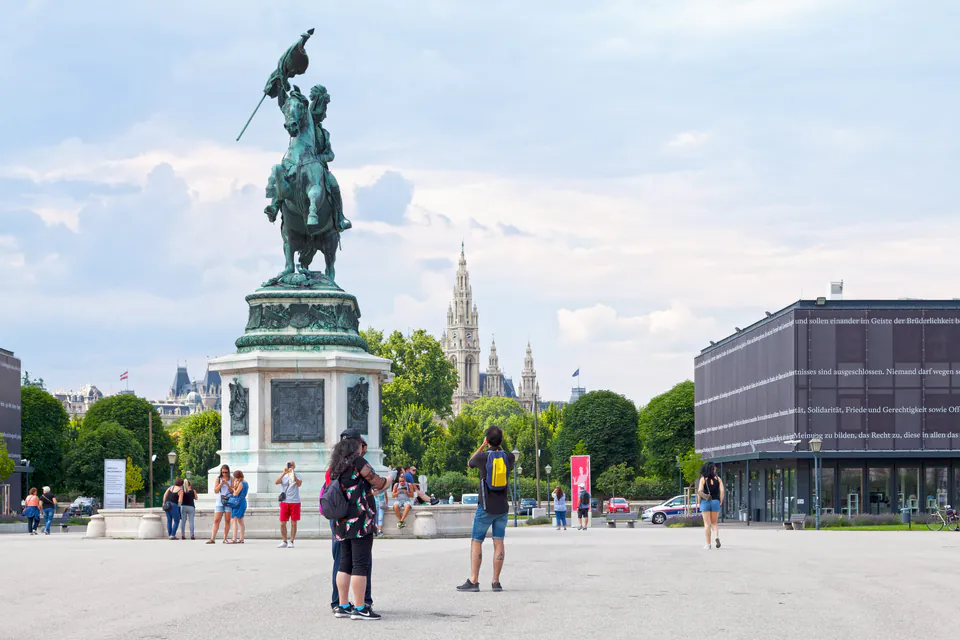
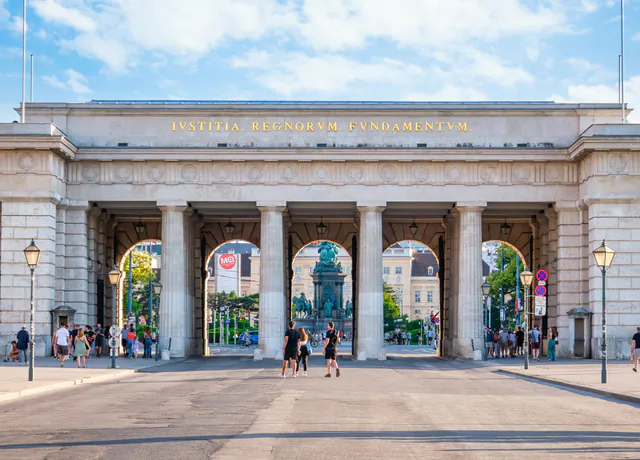
Walk out the back and you’re in Heldenplatz. It’s a massive paved square dominated by two huge bronze guys on horses (Archduke Karl and Prince Eugene). This is where the big rallies happened. It offers the best views of the Parliament and the Rathaus spire across the Ringstraße. If you need a break from the stone and marble, duck into the Burggarten or the Volksgarten. These were once the Emperor's private lawns, but now they’re yours. The Burggarten has the famous Mozart statue and the Palmenhaus glass house for a quick coffee. In the summer, the Volksgarten rose garden is the place to be. When you’re done with history, walk through the Michaelertor. You’ll pop out right at the top of Kohlmarkt. It’s a three-minute walk from the Habsburg throne to the window displays at Chanel and the cake counters at Café Demel.
Tours & Experiences Nearby
Top-rated tours and experiences starting near The Hofburg.
 walking tour
 day trip
 experience
 walking tour
Essential Visitor Tips
- Arrive at 9
00 AM sharp. You'll get through the Sisi Museum before the bus tours clog the hallways.
Don't treat it like one building. Use the 3D model at the Hofburg Info-Center in the Neue Burg to figure out where you actually are.
Travel light. They don't have lockers for big bags or backpacks, and you won't get past security with them.
Grab the free audio guide. It’s available in 13 languages and actually makes the rooms make sense.
Keep your phone in your pocket. Flash photography and selfie sticks are banned inside the museum areas.
Best Time to Visit
"Get there at 9:00 AM on a Tuesday or Wednesday. If you hate crowds, visit in January or February. The courtyards look better with a bit of snow anyway."
Nearby Hotels
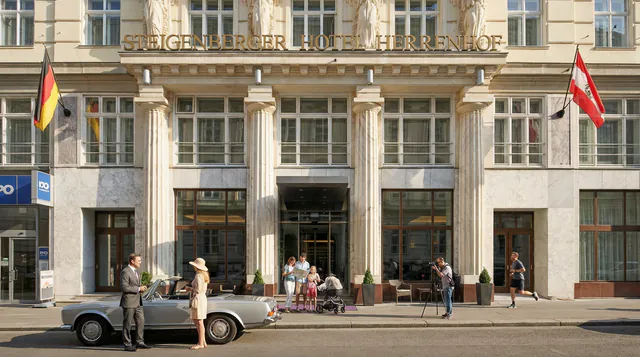
4 min walk (358m)
250-square-meter Spa World Comfort with Finnish sauna and bio-sanarium · 21st-century Baroque and Art Déco interiors reimagined by studio Einwaller
Price From €260/night
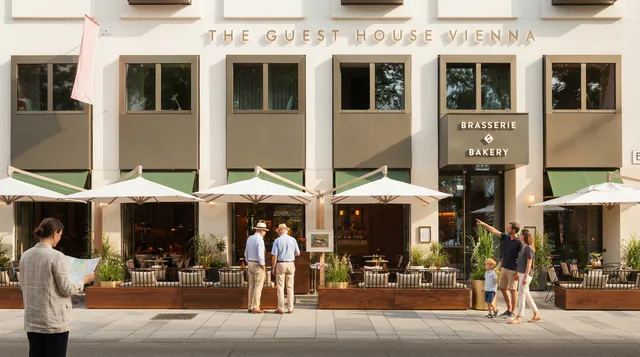
5 min walk (364m)
Complimentary in-room wine fridge stocked with four premium Austrian wines · Iconic bay window reading nooks overlooking the State Opera or Albertina Museum
Price From €299/night
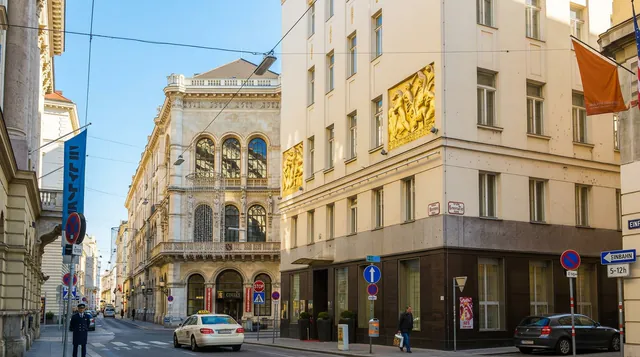
5 min walk (412m)
Housed in a meticulously restored 1914 bank building with a preserved vault · Exclusive Die Zwölf restaurant and bar serving authentic Austrian cuisine
Price From €220/night
Nearby Restaurants
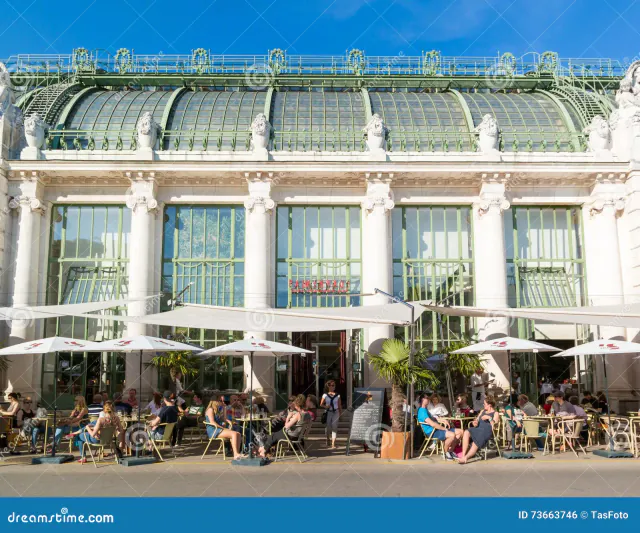
Brasserie Palmenhaus
International Casual • Upscale
Drop into the Burggarten and you cannot miss it. Brasserie Palmenhaus is a massi...
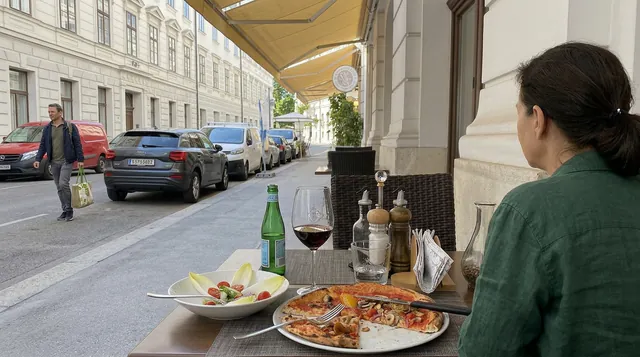
Ristorante La Sosta
Italian Casual • Moderate
Drop the heavy Austrian schnitzel for a moment and duck into Ristorante La Sosta...
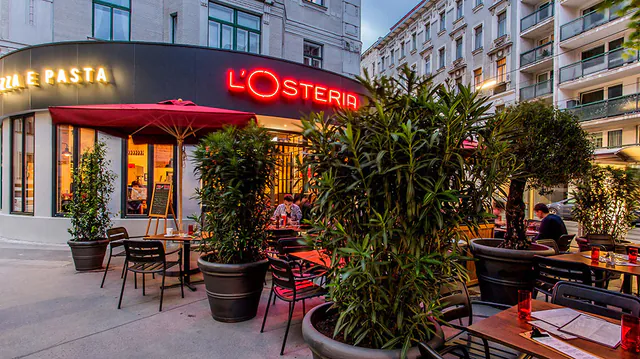
L'Osteria Wien Bräunerstraße
Italian Casual • Moderate
Drop into L'Osteria Wien Bräunerstraße for a loud, unapologetic slice of Italy i...
Frequently Asked Questions
How do I get to the Hofburg by public transport?
Where is the best spot to photograph the Hofburg?
Is the Hofburg just one single building?
What else is there to see near the Hofburg?
When is the best time of year to visit the Hofburg?
Is there a dress code for visiting the Hofburg?
Are there places to eat inside the Hofburg complex?
Is the Hofburg a good activity for a rainy day in Vienna?
What are the opening hours of The Hofburg?
How much does it cost to visit The Hofburg?
How long should I spend at The Hofburg?
Is The Hofburg wheelchair accessible?
Quick Facts
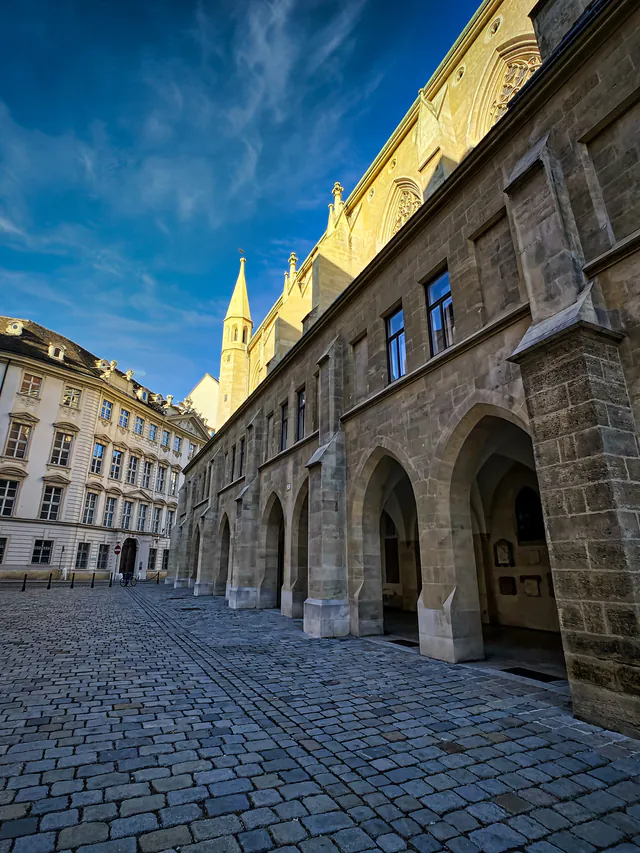
The Neighborhood
1st District: Innere Stadt
Read Guide