Volksgarten
Park
About the Experience
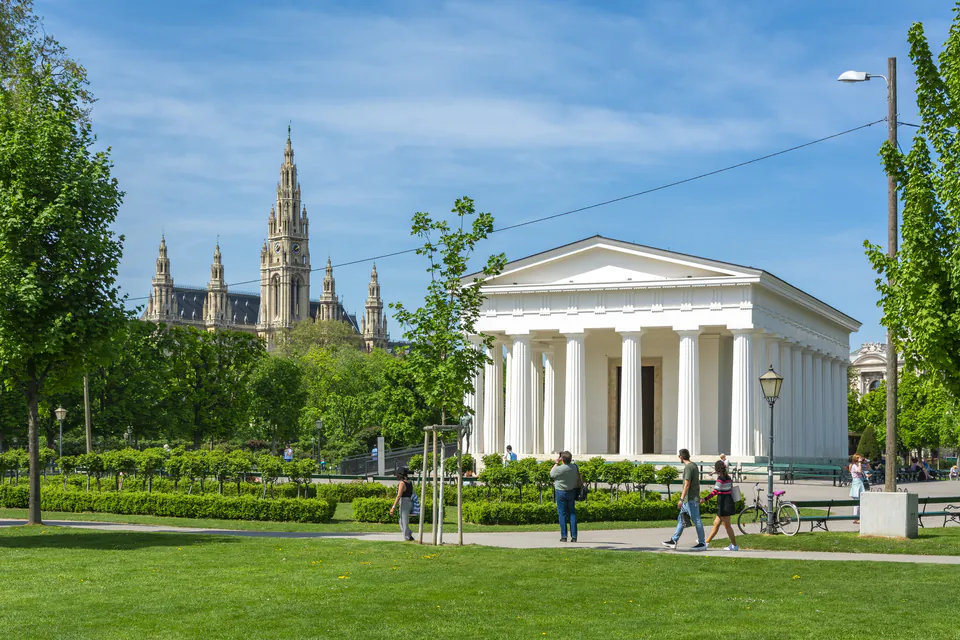
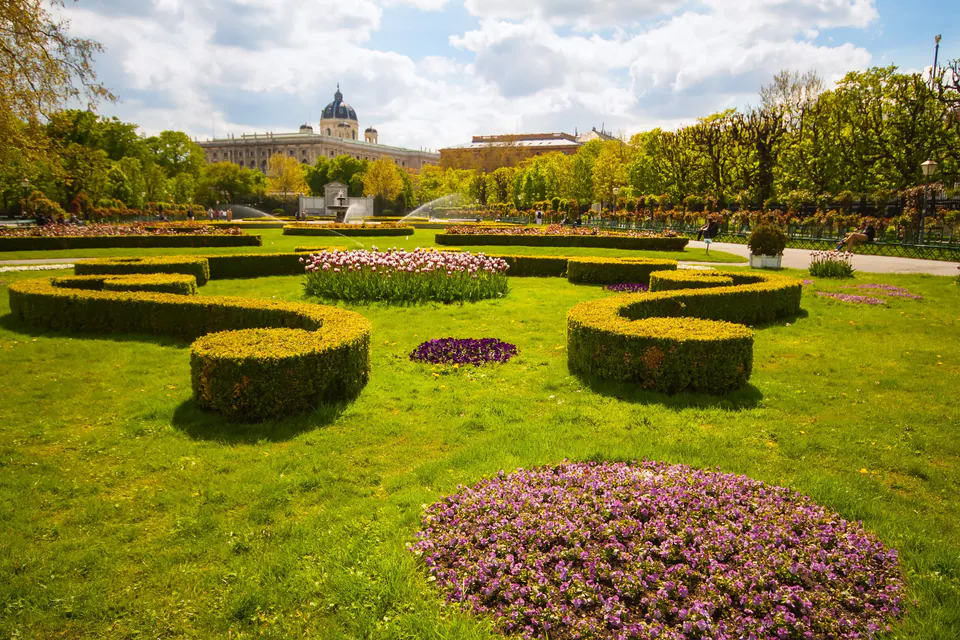
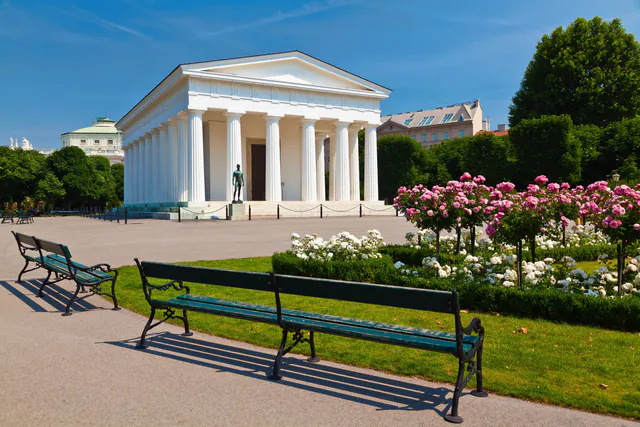
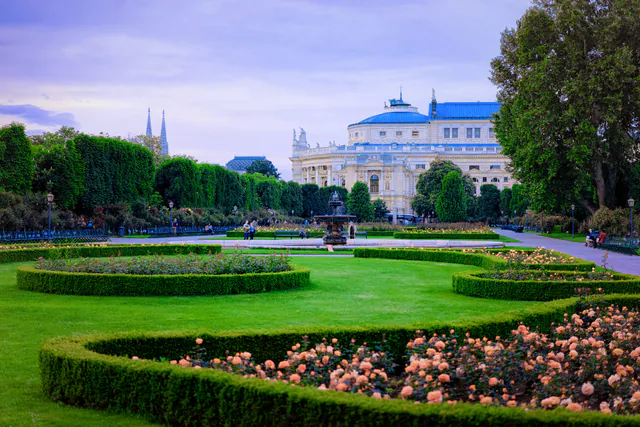
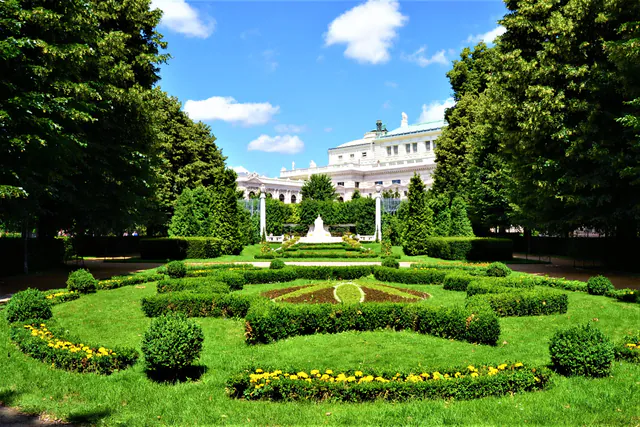
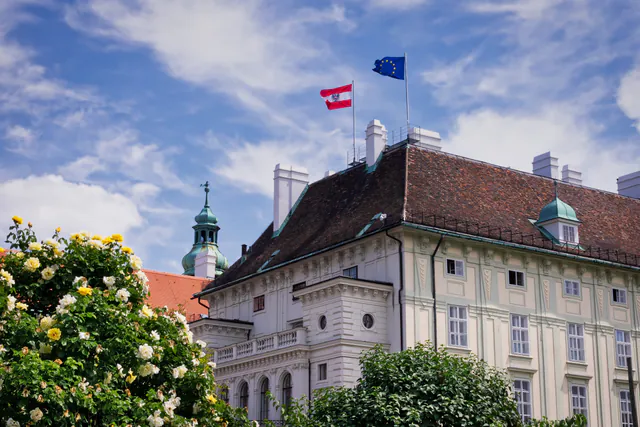
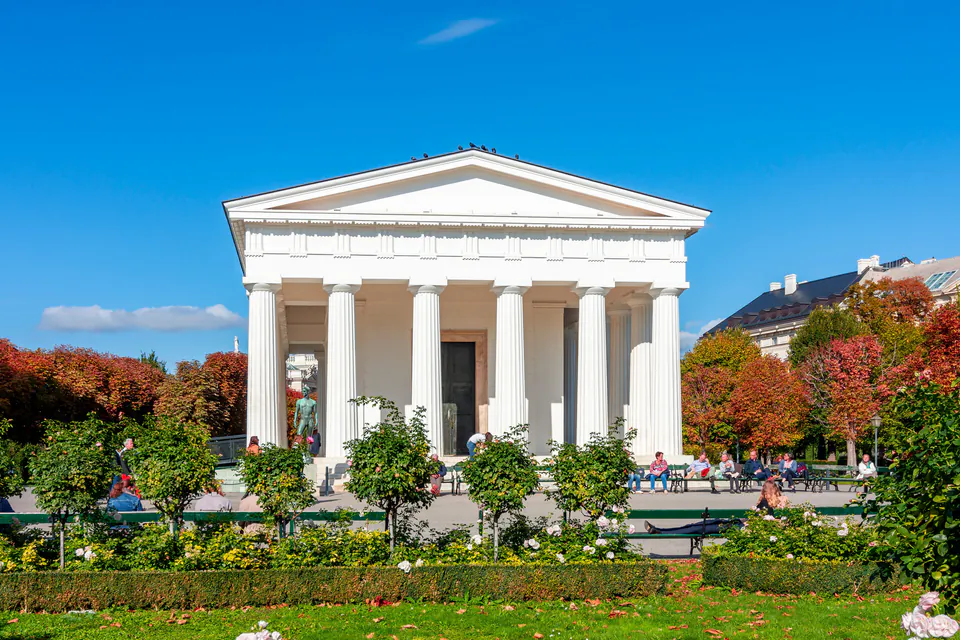
Drop into the Volksgarten on the Ringstraße and you'll find a rare thing in Vienna: a patch of imperial grandiosity that was actually built for the people. Opened in 1823, it sits right against the Hofburg Palace, offering a 180-degree contrast between rigid French Baroque hedges and the shaggy, relaxed curves of an English garden. The big draw here is the rose garden. We're talking 3,000 bushes and 400 varieties that turn the air thick with scent every May and June. Look closely at the stems. You'll see small plaques with handwritten dedications from locals, a quiet, human touch in a city of stone monuments. At the center sits the Theseus Temple, a snow-white neoclassical replica of Athens' Temple of Hephaestus. It used to house a massive Canova sculpture (now in the Kunsthistorisches Museum), but today it's a backdrop for sharp contemporary art. If the crowds at the temple get too thick, duck into the northern corner. There, the Sisi Memorial captures Empress Elisabeth in a seated, brooding pose above a mirror-still water basin. Grab a spot under a 250-year-old Oriental plane tree and just breathe. It’s the best free seat in the First District.
Photos
History & Significance
Napoleon is the reason this park exists. In 1809, his troops blew up the old Burgbastei fortifications, leaving a hole in the city's defenses. Emperor Francis I decided against rebuilding the walls, opting instead for a green lung. While the nearby Burggarten stayed private for the royals, the Volksgarten opened to the public on March 1, 1823. Designers Ludwig Gabriel von Remy and Franz Antoine the Elder laid out the original bones, which grew significantly in the 1860s when the Ringstraße replaced the city walls. The rose garden came much later, hitting its stride after the world wars. Since then, the 1823 Theseus Temple and the 1907 Empress Elisabeth Memorial have anchored the park as a space where high history meets daily life.
What to See & Do
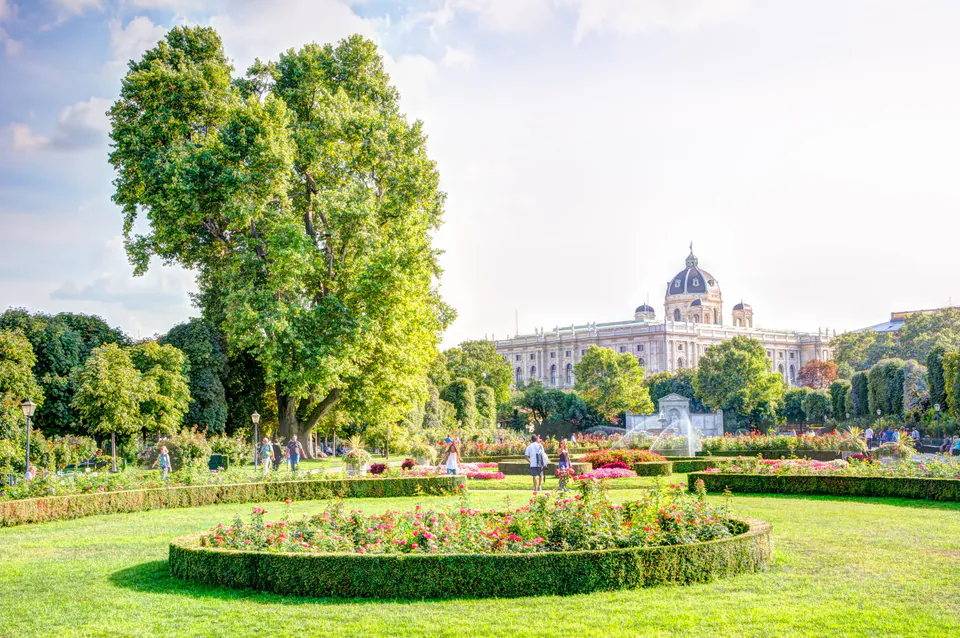
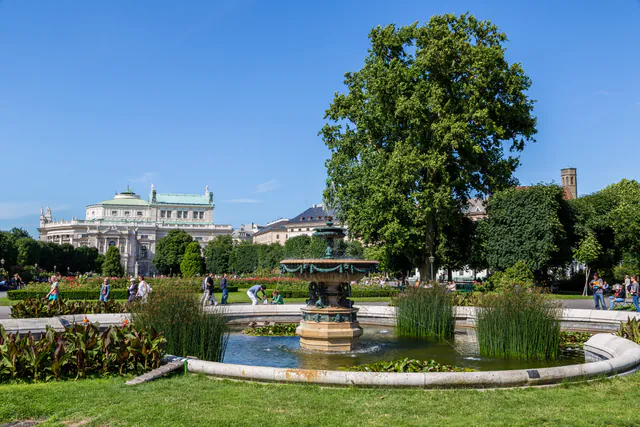
Start at the rose garden. It isn't just a flower bed, it's a horticultural map of the world. Walking the symmetrical paths puts you face-to-face with rare breeds and an incredible spectrum of color. If you need a break from the flora, head for the Theseus Temple. This stark, white structure feels like a slice of ancient Greece dropped into Central Europe. It was modeled directly on the Temple of Hephaestus in Athens and remains one of the city's most photographed spots. Inside, the Kunsthistorisches Museum hosts rotating art shows that look fantastic against the classical columns. Don't leave without finding the Sisi Memorial in the north. It’s a quiet, melancholic tribute to Empress Elisabeth, set in a private-feeling enclave with its own reflecting pond. Nearby, look for the monument to writer Franz Grillparzer and the ornate Triton and Nymph Fountain. These spots give the park its layers, blending 19th-century sculpture with the easy pace of a modern city park. Since there are no volksgarten tickets required for entry, you can come and go as you please.
Seasonal Highlights
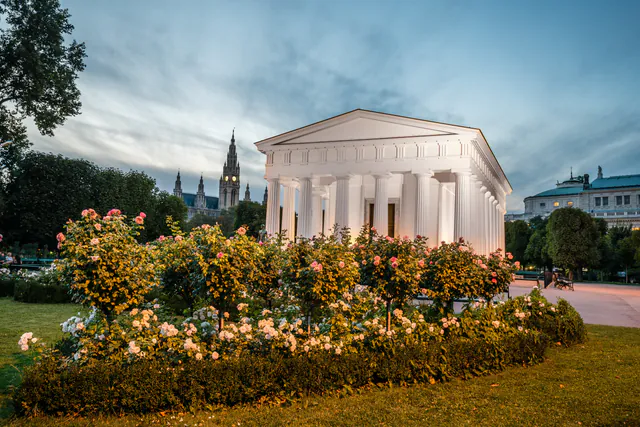
Every season changes the mood here. Spring is the headliner. By late May, those 3,000 rose bushes go into overdrive. It's a heavy, floral experience that draws every photographer in the city. When summer heat hits the pavement, move toward the English garden section. The trees there are massive, including an Oriental plane tree that has been standing for two and a half centuries. It provides a deep, cool shade that beats any air-conditioned museum. In the evenings, the Volksgarten Pavilion brings a different energy as the terrace fills up and the historic club nearby gets moving. Autumn is for the quiet types. The gold and amber leaves frame the white columns of the Theseus Temple perfectly. And don't write off winter. When the roses are pruned back and snow covers the geometric hedges, the park feels like a private, monochrome world. It's a sharp, cold beauty that makes the city feel a thousand miles away. Even during the off-season, volksgarten vienna remains a essential stop for a quick hit of history.
Tours & Experiences Nearby
Top-rated tours and experiences starting near Volksgarten.
 walking tour
 walking tour
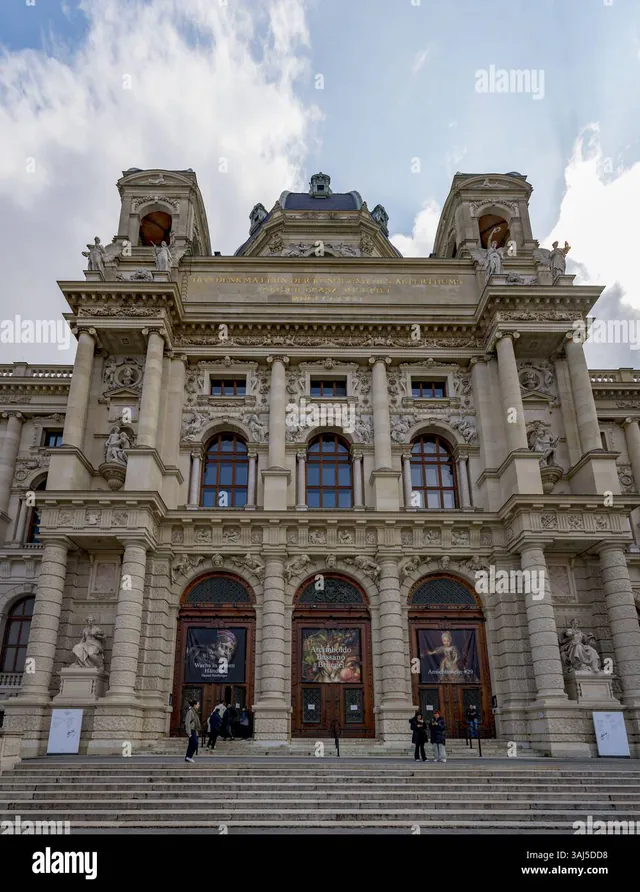 experience
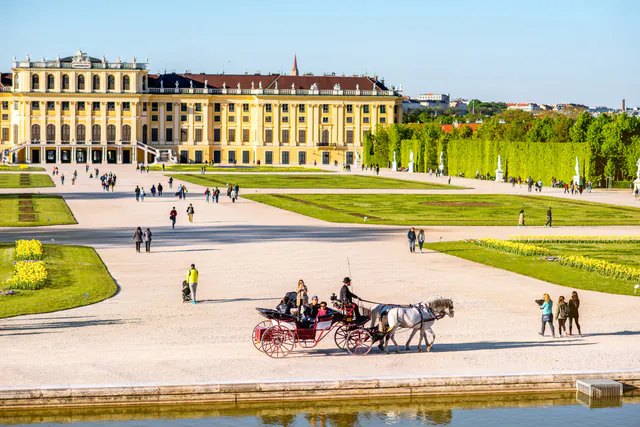 experience
Essential Visitor Tips
Time your arrival for the morning. You'll catch the low light hitting the Theseus Temple and the roses before the mid-day tour groups swarm the gravel paths.
Hunt down the Sisi Monument. It’s tucked away in a sunken, tree-heavy avenue on the north side, making it easy to walk right past if you aren't looking.
Read the rose plaques. These aren't just names of flowers. They're personal messages and memorials paid for by Viennese citizens.
Check out the nightlife. The park's pavilion and club evolved from the old Corti coffeehouse. This is exactly where Johann Strauss once played his waltzes.
Use the benches. Find the one by the Triton and Nymph Fountain to escape the hum of the Ringstraße traffic for twenty minutes.
Best Time to Visit
"Late May to late June is the only time to go if you want the full sensory hit of 400 rose varieties in peak bloom."
Nearby Hotels
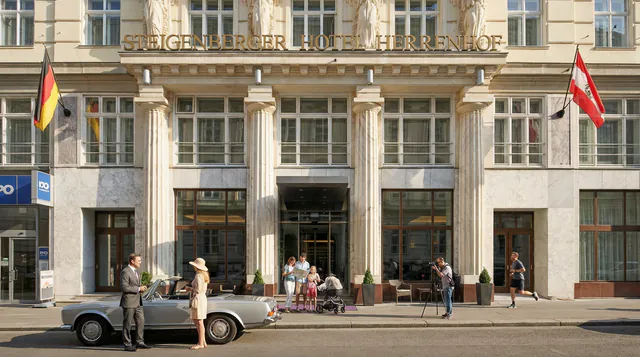
5 min walk (371m)
250-square-meter Spa World Comfort with Finnish sauna and bio-sanarium · 21st-century Baroque and Art Déco interiors reimagined by studio Einwaller
Price From €260/night
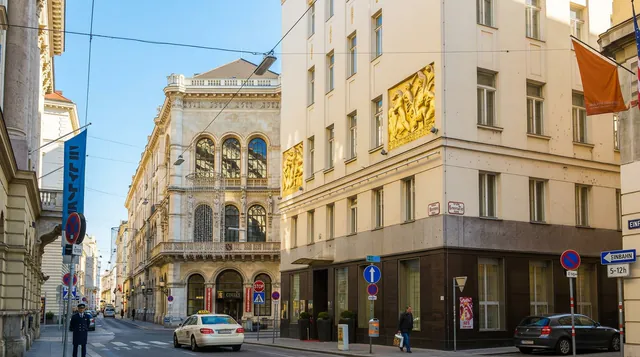
5 min walk (389m)
Housed in a meticulously restored 1914 bank building with a preserved vault · Exclusive Die Zwölf restaurant and bar serving authentic Austrian cuisine
Price From €220/night
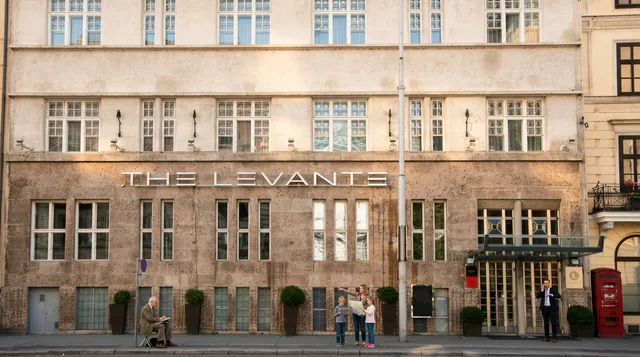
6 min walk (498m)
Original 1908 modernist architecture designed by Robert Oerley · Extensive contemporary art gallery featuring Ioan Nemtoi's vibrant glassworks
Price From €130/night
Nearby Restaurants
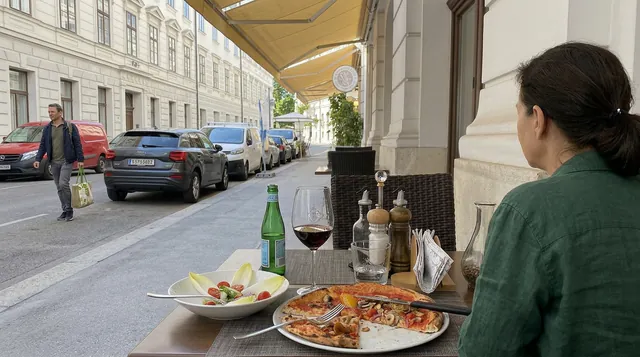
Ristorante La Sosta
Italian Casual • Moderate
Drop the heavy Austrian schnitzel for a moment and duck into Ristorante La Sosta...
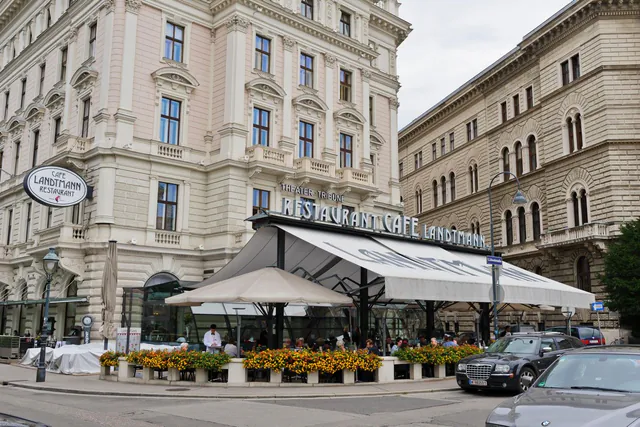
Café Landtmann
International Café • Upscale
Walking into Café Landtmann feels like claiming your seat in Vienna’s 1873 histo...
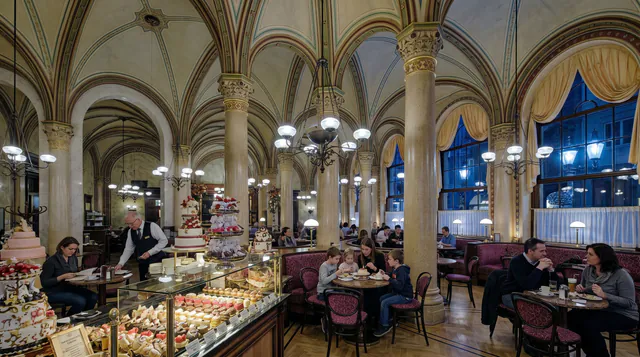
Café Central
International Café • Upscale
Don't just call it a coffeehouse. Café Central is a Viennese institution that's ...
Frequently Asked Questions
What is the best way to get to the Volksgarten by public transport?
When is the best time of year to see the roses in the Volksgarten?
What are the top photography spots within the Volksgarten?
What other Vienna landmarks are located near the Volksgarten?
Can I find food or drinks inside the Volksgarten?
Is the Volksgarten a good place for a picnic?
What is the historical significance of the Volksgarten?
What should I wear or bring for a visit to the Volksgarten?
What are the opening hours of Volksgarten?
How much does it cost to visit Volksgarten?
How long should I spend at Volksgarten?
Is Volksgarten wheelchair accessible?
Quick Facts
Find Hotels Nearby
The Neighborhood
1st District: Innere Stadt
Read Guide