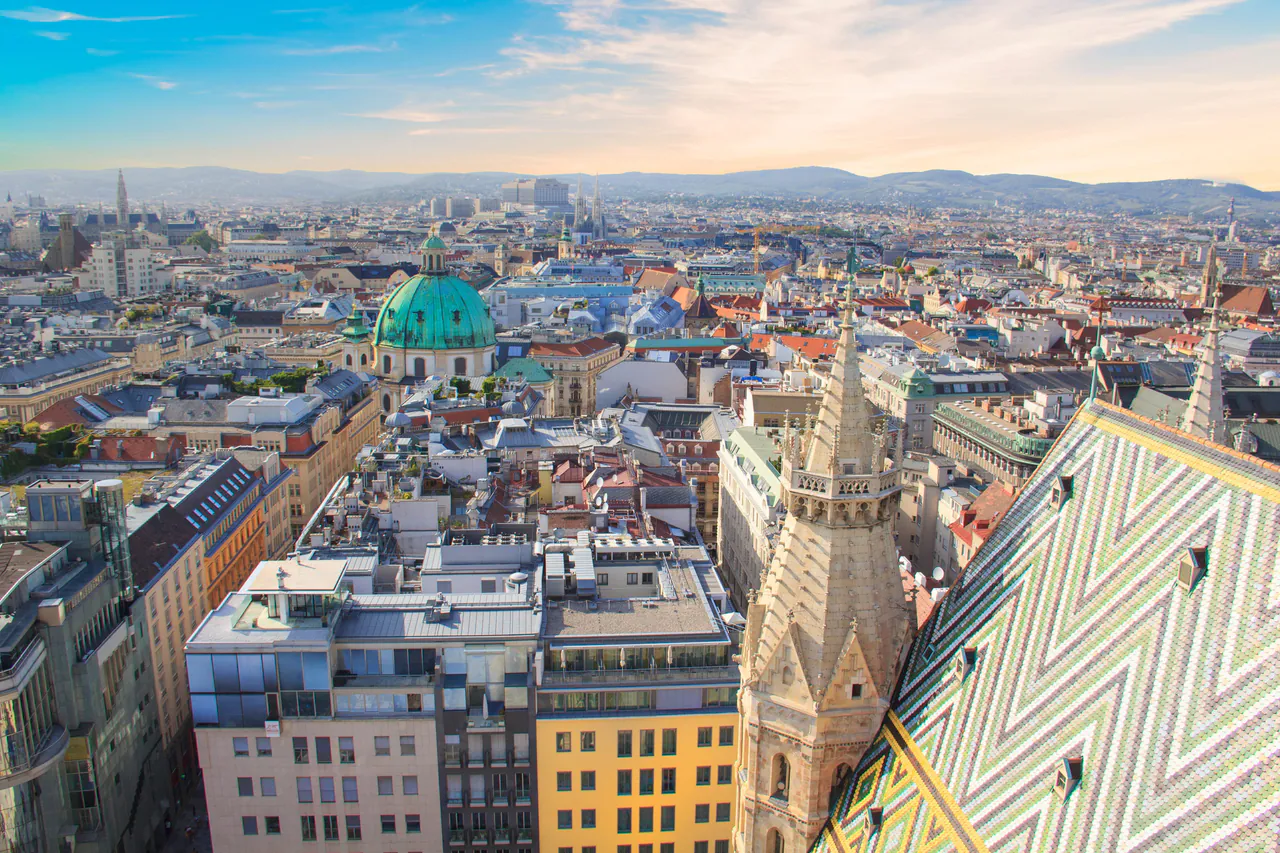
Where to Stay in Vienna: The Ultimate Local's Guide to Neighborhoods & Hotels
Written by
Nils Johansson | Founder
Vienna radiates out from the Ringstrasse in a series of numbered districts. If you want to master the Austrian capital, you have to understand this layout. The city is carved into 23 districts (Bezirke), each with its own pulse and architectural shorthand. Most tourists stick to the imperial gloss of the 1st District (Innere Stadt), but they miss out. You'll find better coffee in the bohemian corners of Neubau and sharper energy at the markets in Wieden. As a local who has lived the U-Bahn lines for years, I'll tell you straight: choosing where to stay in Vienna isn't about safety—the whole city is secure—it's about matching a neighborhood to your personality. Do you want the shadow of St. Stephen’s Cathedral or a quiet courtyard in Leopoldstadt? This guide cuts the marketing fluff to help you decide. Whether you're chasing five-star luxury, a budget base near the Hauptbahnhof, or a family-sized flat near the Prater, we have the breakdown. We also cover the essential logistics, from Wiener Linien transit passes to the local city tax, so your trip starts right.
Photos
The Accommodation Landscape & What to Expect
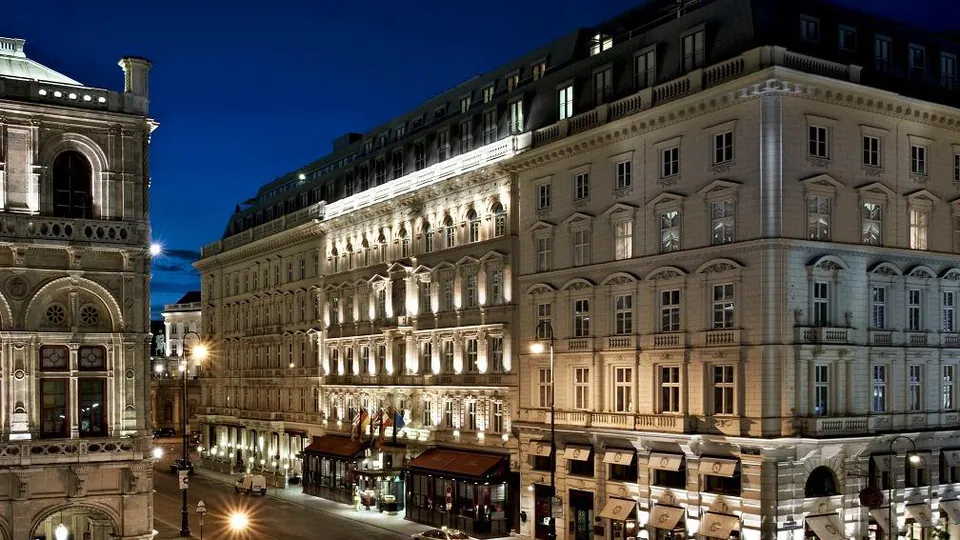
Vienna’s hotel scene is a mix of heavy imperial history and functional modernism. To figure out where to stay in vienna, look at the map. The Innere Stadt (1st District) sits at the center, wrapped by the Ringstrasse. The inner suburbs (Districts 2 through 9) are where the real life happens. These spots offer the best balance of local character and quick access to the sights. Further out, areas like Favoriten (10th District) have turned into strategic wins for budget travelers, specifically the new zone around the Hauptbahnhof (main train station). Budgeting is simple if you know the peaks. A mid-range room in central districts usually costs between €85 and €120. Good hostels or design spots sit around €50 to €65. But prices aren't fixed. Expect a 200% spike during the New Year’s Concert or the Opera Ball in February. The April marathon adds about 40% to your bill. Don't forget the Ortstaxe (local tourist tax). It is currently 3.2% of your net room price and usually included in the total. Just a heads-up: it's scheduled to hit 5% in July 2026. If you're looking at apartments, remember that Vienna limits short-term rentals to 90 days a year unless the owner is on-site. This keeps neighborhoods authentic, but it means the Airbnb supply is smaller than in Paris or Berlin. Traditional pensions and boutique hotels often offer a more reliable, truly Viennese vibe.
Innere Stadt (1st District): Historic Heart & Unapologetic Luxury
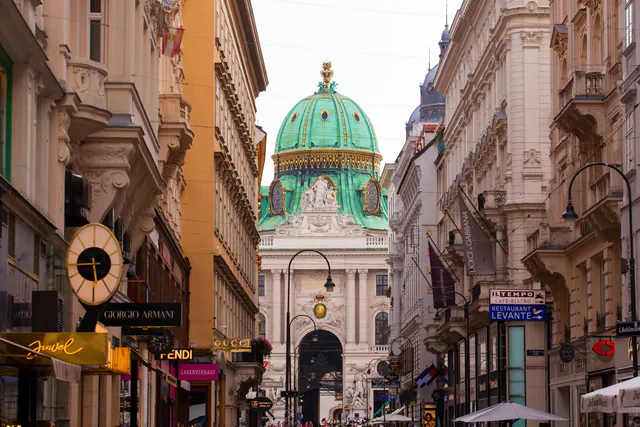
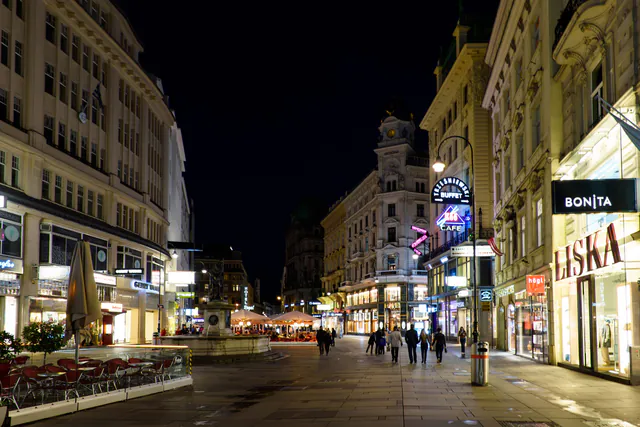
If you want to hear the clip-clop of horse-drawn Fiakers on cobblestones outside your window, stay in the 1st District. This is the UNESCO-listed core. It's cinematic. It's expensive. Staying here puts you a ten-minute walk from the Hofburg Palace, the Albertina, and St. Stephen’s Cathedral. For a quick 48-hour hit or a splurge, the convenience is massive. But you'll pay for it. The 1st is dominated by five-star icons and high-end boutiques. The Leo Grand at Bauernmarkt 1 offers eccentric design right by Stephansplatz. For the full imperial experience, the Hotel Sacher Wien is the classic choice. Even basic rooms here cost more than a suite a mile away. The downside? The 1st can feel like a museum. Real estate is so pricey that few locals actually live here. Pedestrian zones like Graben and Kohlmarkt get choked with tour groups. You'll need to be picky with dining to avoid the tourist menus, though a meal at the centuries-old Griechenbeisl is still a classic move. My advice: wake up at 6:00 AM. Walk the alleys before the crowds arrive. That's when the history feels real.
Leopoldstadt (2nd District): Local Charm, Parks & Family Appeal
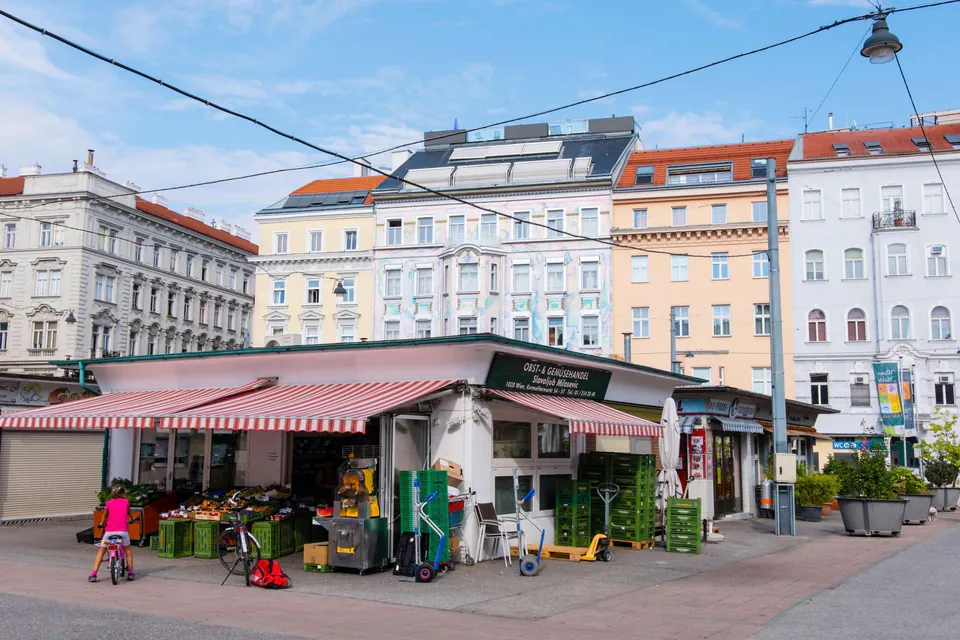
Cross the Donaukanal (Danube Canal) and you’re in Leopoldstadt. Once the city's Jewish quarter, it is now one of the most livable corners of the city. You get a great deal here. You're a 15-minute walk from the center but surrounded by actual Viennese residents and quiet streets. In summer, the canal banks turn into a long strip of beach bars and street art. Families should head straight here. The 1,500-acre Prater park is the backyard, featuring the Wiener Riesenrad (Giant Ferris Wheel) and a vintage amusement park. It's the perfect relief after a morning of museums. Don't miss the Karmelitermarkt for local produce and sharp coffee. The hotels offer better value and more space. Hotel Stefanie at Taborstraße 12 has been around since 1600. It is Vienna's oldest hotel. If you want something modern, Der Wilhelmshof on Kleine Stadtgutgasse is a design-heavy, eco-friendly spot near the Praterstern hub. Stay in the 2nd if you want bigger rooms, quieter nights, and a taste of how modern Vienna actually lives.
Neubau & Mariahilf: Bohemian Energy, Art & Shopping
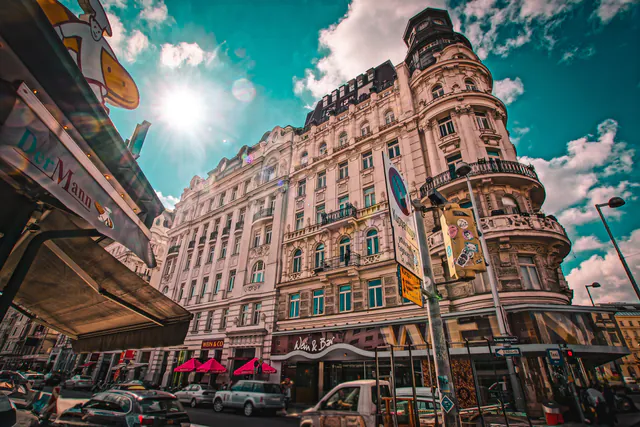
While the 1st District is about the past, the 6th (Mariahilf) and 7th (Neubau) are about the present. Located west of the MuseumsQuartier, these districts are the creative engine of the city. Think narrow streets, indie boutiques, vinyl shops, and dim cocktail bars. If you want to be where the action is, this is it. Mariahilf centers on Mariahilfer Strasse, the city's massive shopping spine. It's great for big brands and side-street finds. Neubau is more intimate. The Spittelberg quarter has Biedermeier buildings and a Christmas market that isn't a total tourist trap. It's also the best place to eat. You'll find organic bistros next to old-school Beisls (Austrian pubs). Hotels here are stylish. The Hotel Sans Souci Wien is a luxury art-filled choice near the museums. There are also plenty of affordable guesthouses. Since you're just outside the Ringstrasse, your money goes further. You're still only 15 minutes from the Kunsthistorisches Museum. It’s unpretentious and cool. When people ask me for a local recommendation, I send them to the border of the 6th and 7th.
From Trendy Markets to Budget Hubs: Wieden & Favoriten
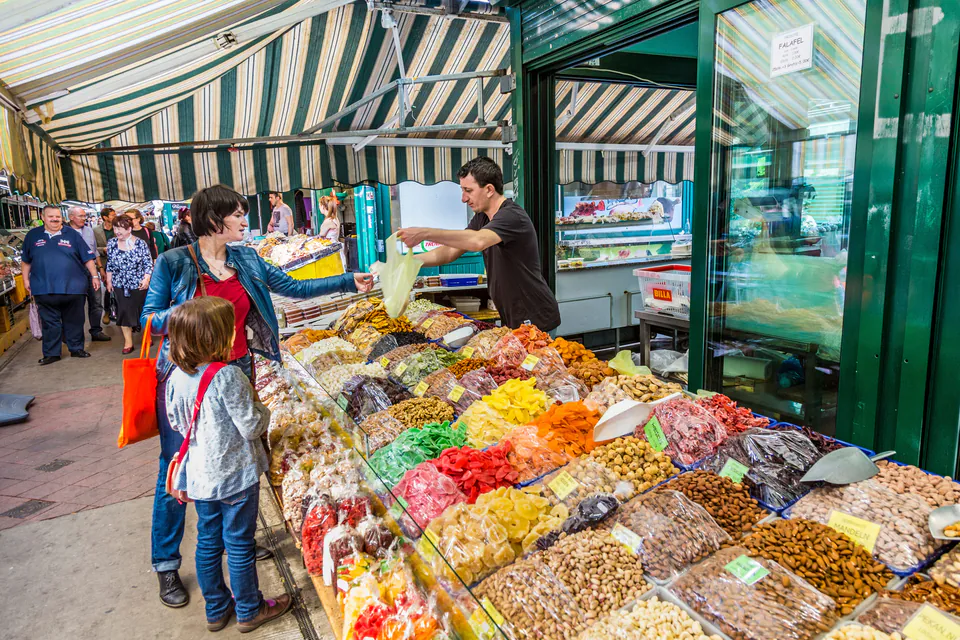
If you care about food or your bank account, look south. Wieden (the 4th District) borders the center and has become one of the most desirable spots in town. The Naschmarkt is the big draw (a mile-long food market with spice stalls and oyster bars). Wieden is anchored by the Karlskirche, but the vibe is edgy and young thanks to the university nearby. Further south is Favoriten (the 10th District). It used to be industrial, but the new Wien Hauptbahnhof (Central Station) changed everything. The area around the station is now a purpose-built hub for travelers. If you're on a budget or just passing through by train, stay here. You'll find modern chains like ibis Wien Hauptbahnhof, Leonardo Hotel, and the A&O hostel. Prices often stay under €100. It’s all glass and steel rather than baroque charm, but the transit is perfect. The U1 subway gets you from the Hauptbahnhof to Stephansplatz in under 10 minutes. You trade the old-world aesthetic for cold, hard cash savings.
Mastering Logistics: Transit, Timing & City Hacks
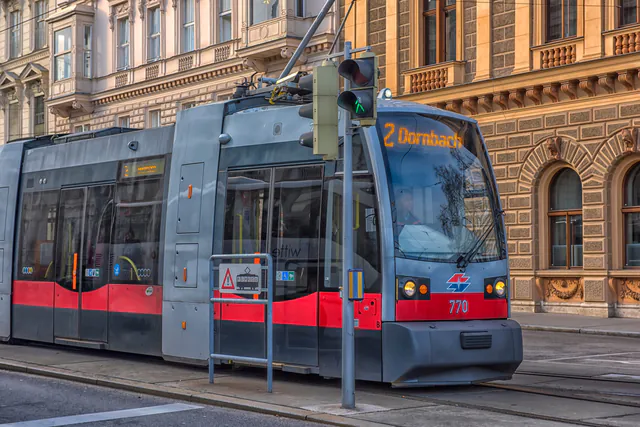
Picking the neighborhood is only half of it. You need to move like a local. Vienna’s transit system, run by Wiener Linien, is clean and incredibly reliable. Whether you're in a central hotel or the suburbs, the U-Bahn, trams, and buses make it easy. Trains run every few minutes. On Friday and Saturday nights, the U-Bahn goes 24 hours. Buy a pass. A 48-hour pass is €14.10 and a 72-hour pass is €17.10. It’s unlimited and cheaper than single tickets. But don't mess up the validation. There are no turnstiles. You must punch your ticket in the blue machines before you hit the platform. Inspectors in plain clothes are everywhere, and the fine is a non-negotiable €105. For the airport, skip the ride-sharing apps. Uber pickups at VIE require a long walk to a specific zone. Take the City Airport Train (CAT) to Wien Mitte (16 minutes, about €14) or pre-book a private car. A private transfer is usually a flat €38. Having a driver meet you in the arrivals hall is worth the small extra cost.
Practical Tips
- 1Buy a transit pass: A 48-hour pass is €14.10 and 72 hours costs €17.10. Always validate physical tickets in the blue boxes before your first trip. If you don't, plainclothes inspectors will hit you with a €105 fine.
- 2Watch the Ortstaxe: Vienna's 3.2% city tax is usually in your booking total, but check the fine print. It jumps to 5% in July 2026.
- 3Read the zip codes: Look at the middle digits of any Vienna zip code to find the district. 1010 is the 1st (Innere Stadt), 1020 is the 2nd (Leopoldstadt), and so on.
- 4Save in the 10th: For cheap, modern rooms, look near the Hauptbahnhof in Favoriten. Leonardo and Novotel are solid bets. The U1 line reaches the center in 10 minutes.
- 5Book a private transfer: Skip the Uber at the airport; the walk to the pickup zone is a pain. Pre-book a car for a fixed €38 and meet your driver at arrivals.
- 6Avoid the spikes: Hotel rates triple during the New Year’s Concert and February’s Opera Ball. The Vienna City Marathon in April also bumps prices by 40%.
- 7Shop on Saturday: Most supermarkets and shops are closed on Sundays. If you're in an apartment in Neubau, get your groceries before Saturday night.
Where to Stay
Our top hotel picks in Vienna
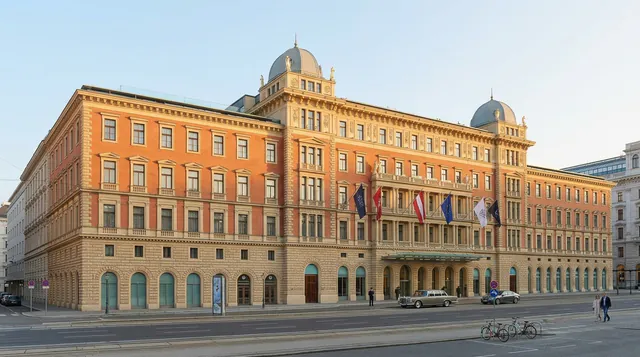
Anantara Palais Hansen Vienna Hotel
Don't just stay in Vienna. Inhabit it. The Anantara Palais Hansen Vienna Hotel sits on the grand Ringstrasse, occupying a Neo-Renaissance palace built for the 1
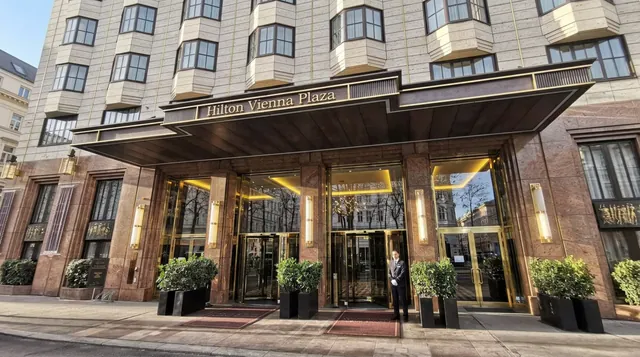
Hilton Vienna Plaza
Don't expect the usual Habsburg gold and velvet here. Set right on the Ringstraße, the Hilton Vienna Plaza swaps imperial kitsch for 1920s sharp-edged glamour.
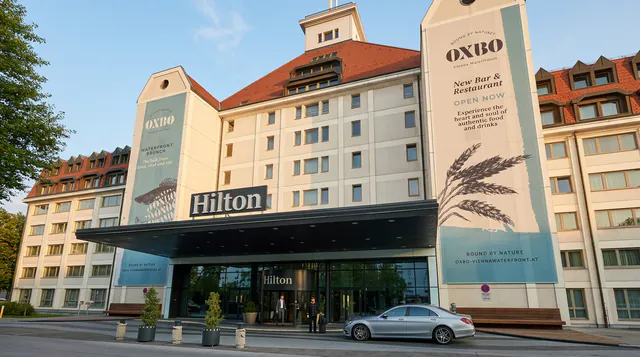
Hilton Vienna Waterfront
Don't expect the usual gilded Viennese opulence here. Set inside a massive 1911 grain silo on the banks of the Danube, the Hilton Vienna Waterfront trades baroq
Tours & Experiences
Book popular tours in Vienna

Top Attractions
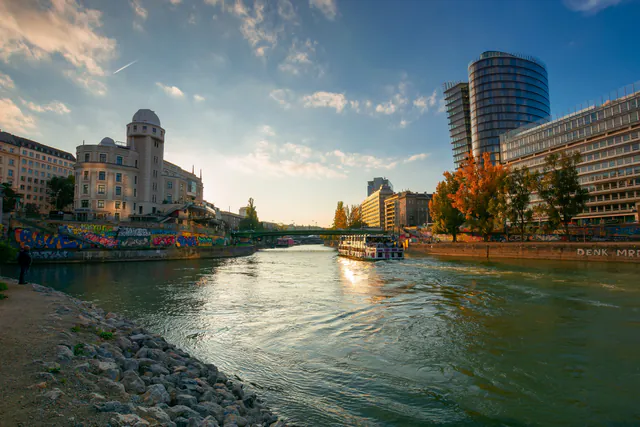
Danube Canal (Donaukanal)
Don't mistake the Danube Canal for the wide, blue river of the same name. This 17.3-kilometer waterway is the city's gritty, creative pulse. It slices right pas
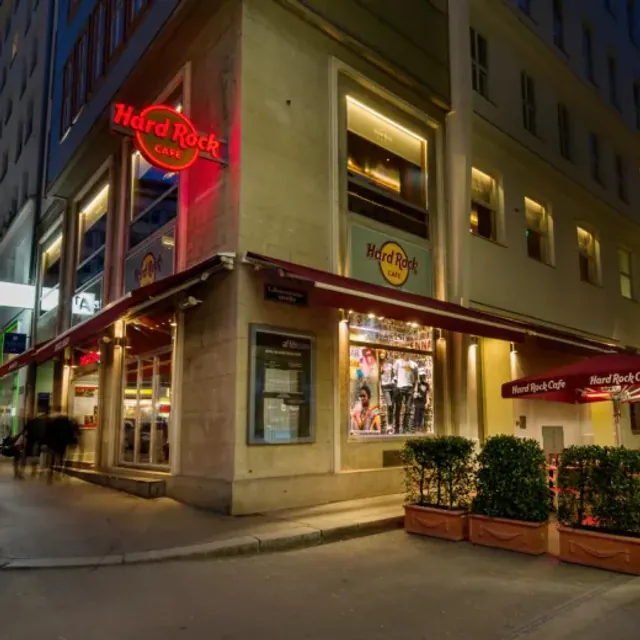
Hard Rock Cafe Vienna
Drop into the First District and you'll find the Hard Rock Cafe Vienna parked on Rotenturmstraße, a short walk from the spikes of St. Stephen’s Cathedral. It's
Vienna Nights Pub Crawl
Forget the waltzes and the gilded opera houses for one night. Vienna has a gritty, high-energy side that stays off the average tourist map, and this crawl is yo
Frequently Asked Questions
Is it better to stay in the city center (Innere Stadt) or outside?
What is the cheapest area to stay in Vienna?
Which neighborhood is best for families staying in Vienna?
How does the Vienna city tax (Ortstaxe) work?
Is Vienna walkable from the main hotels?
Which district has the best nightlife and dining?
Related Guides
- The Perfect 24 Hours in Vienna: An Insider's 1-Day Itinerary
- The Ultimate 3-Day Vienna Itinerary: Imperial Grandeur to Hidden Heurigen
- Beyond the Ringstrasse: The Ultimate 5-Day Vienna Itinerary for Deep Explorers
- Vienna Accessible Travel Guide: Navigating the 2025 Access City Award Winner
- Vienna Airport to City Center: The Complete Local's Guide
- Autumn in Vienna: Wine Harvests, Fall Foliage, and Roasted Goose
- Vienna on a Shoestring: The Ultimate Local's Budget Itinerary
- Vienna on a Shoestring: The Ultimate Budget Travel Guide
Find Your District
5 quick questions. 11 districts. One perfect match.
Try itTags
Places in Vienna
Related attractions, hotels, and more.