Vienna Accessible Travel Guide: Navigating the 2025 Access City Award Winner
Written by
Nils Johansson | Founder
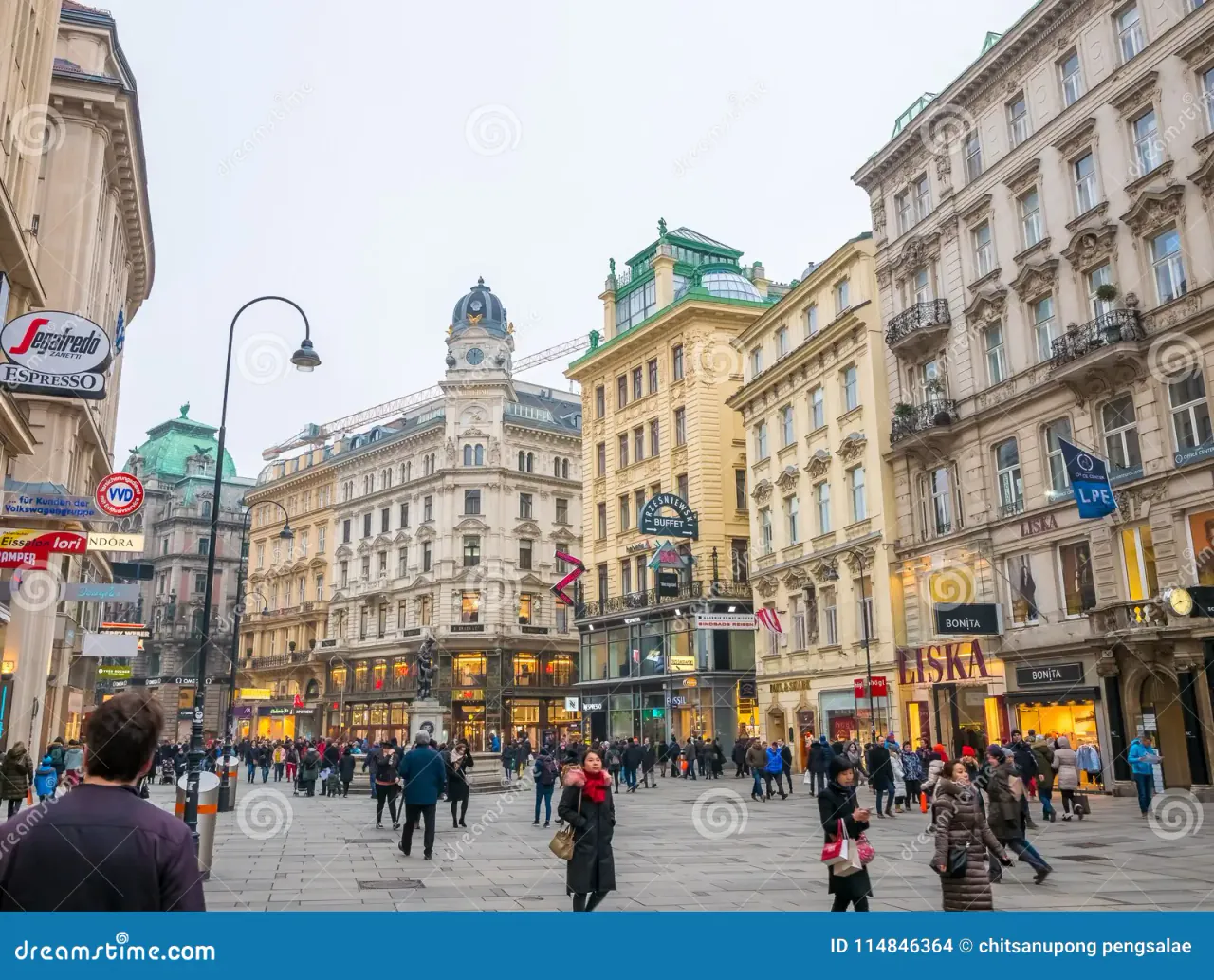
Vienna isn't just an imperial relic, it's a global leader in inclusive design. Winning the European Commission's 2025 Access City Award wasn't a fluke. Whether you're navigating with a chair, a white cane, or a hearing aid, this city proves that 18th-century opulence and 21st-century accessibility can play nice. Centuries-old architecture usually means stairs and tight corners, but Vienna is systematically gutting those barriers through its "Inclusive Vienna 2030" strategy. The transit stats alone are a dream: every single subway station is step-free, and over 95% of trams and buses follow suit. You'll find tactile guides at the Albertina and smooth ramps at Schönbrunn Palace, often at a steep discount. Just don't forget to order a Euro-key before you land. It's your golden ticket to thousands of locked public restrooms. You'll still find some bone-rattling cobblestones in the First District, but from the AIRA-equipped airport to the "Toilet for All" at the new Wien Museum, Vienna treats accessibility as a right, not an afterthought.
Public Transportation: A Model of Inclusive Mobility
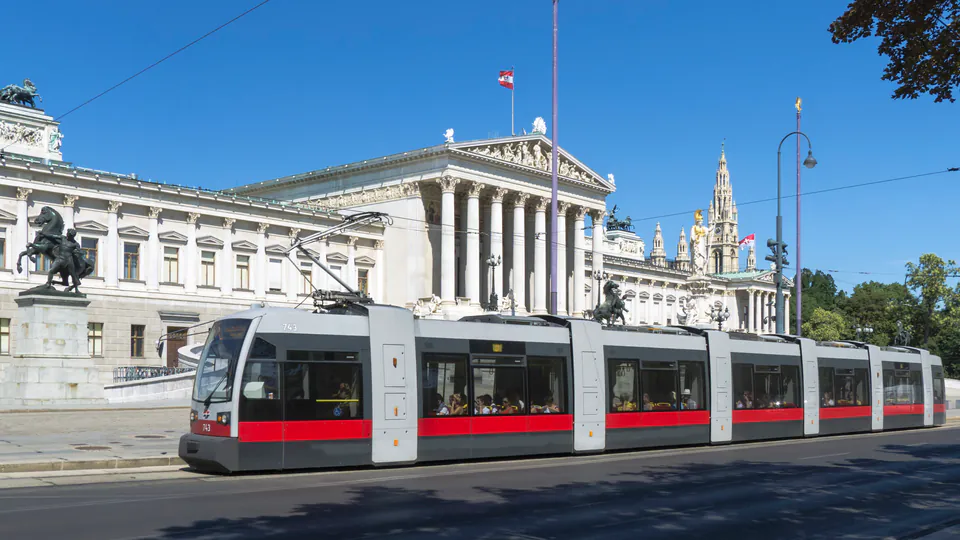
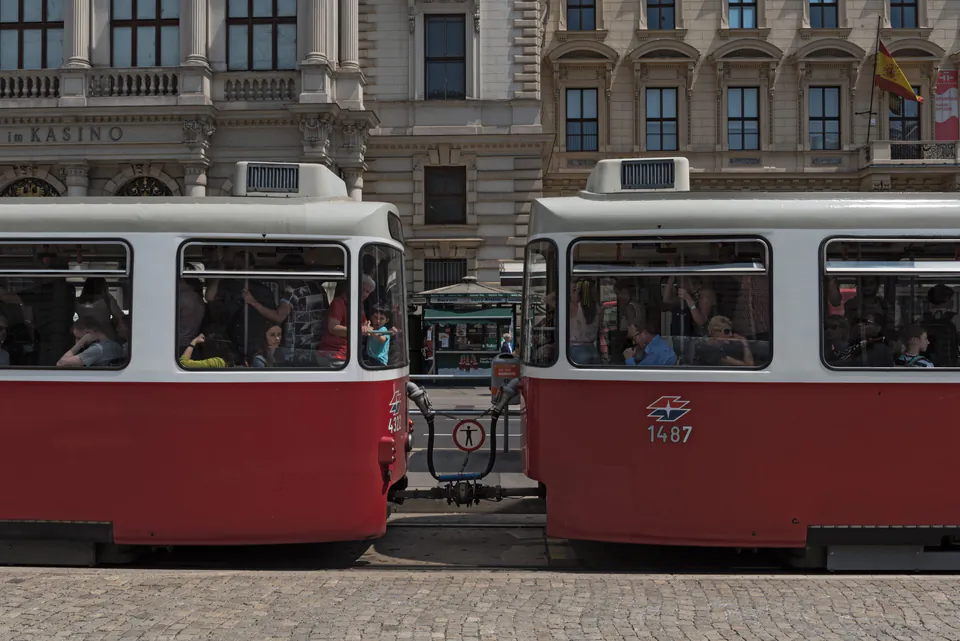
Navigating a new city's transit is usually a headache, but Wiener Linien is the gold standard. It's simple. Every U-Bahn station has elevators or ramps. Over 95% of bus and tram stops are fully accessible. If you're in a wheelchair or scooter, these vehicles use low-floor tech with ramps that actually work. Watch the digital boards at the stop; a blinking wheelchair icon tells you exactly when the next low-floor tram pulls up. When the U-Bahn arrives, savvy locals in chairs head for the very first or last car. Why? Those cars have a mechanical metal bridge that snaps out to cover the gap. If you're catching a tram, wait at the front car and catch the driver's eye. They'll hop out and manually deploy the ramp for you. Blind travelers can rely on the POPTIS audio system and tactile floor markings. If you're heading to the 22nd or 23rd districts, look for the WienMobil Hüpfer. These electric minibuses are fully accessible and bridge the gap to suburban spots. And here's the best part: if your disability pass says you need a companion, your plus-one travels for free on the entire network. No questions asked.
Navigating Imperial Palaces and Museums
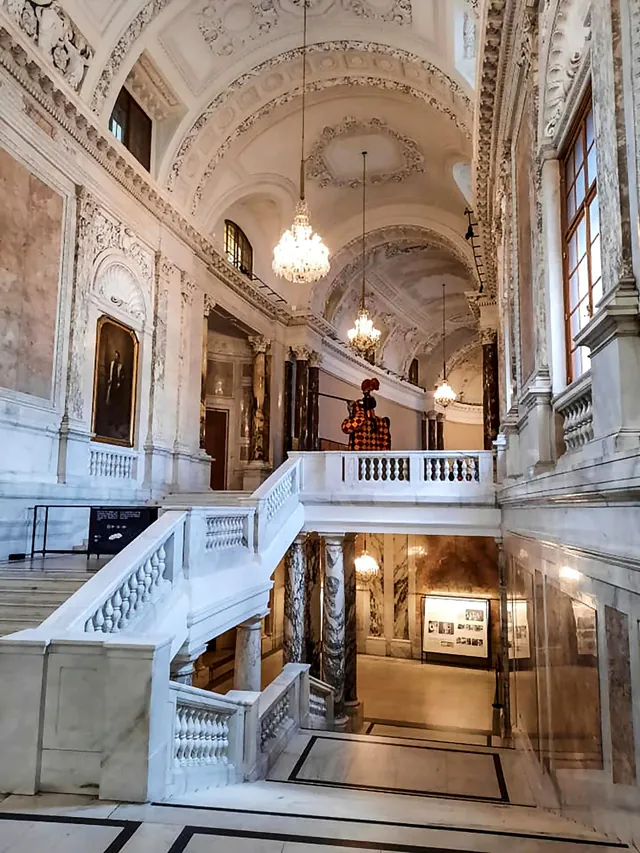
Habsburg history is grand, and in Vienna, it's mostly barrier-free. Take Schönbrunn Palace. You can roll through the imperial state rooms without hitting a single step. They've even installed a heavy-duty freight elevator (160 cm wide, 220 cm deep) for those with massive electric chairs. You can even borrow a manual wheelchair at the turnstile if you leave your ID. But be warned: the view from the Gloriette terrace and the Privy Garden platforms is strictly for those who can handle stairs. Back in the center, the Albertina is a masterclass in access. Large elevators connect every gallery from Monet to Picasso. If you have an official disability pass, you'll pay a flat EUR 7.00, and your companion gets in free. At the Upper Belvedere, blind guests can feel tactile reliefs of Klimt’s "The Kiss" while everyone else admires the gold leaf. The real star, though, is the renovated Wien Museum at Karlsplatz. Reopened in late 2023, it's a triumph of universal design. The permanent exhibition is free and packed with tactile lines, Braille, and Sign Language guides. Want a night at the opera? The Vienna State Opera has specific wheelchair spots with perfect acoustics. Book them early. They don't compromise on the experience.
Street-Level Reality: Cobblestones, Taxis, and the Euro-Key
Vienna's sidewalks are mostly smooth with plenty of curb drops, but the historic First District is a different beast. You will hit cobblestones. They're heritage-protected and rough. If you're in a chair, look for the modern pavement corridors or just cross to the other side of the plaza where the stones are flatter. Your most important piece of gear is the Euro-Key. It's a universal lock system for 12,000 facilities in Central Europe. In Vienna, it unlocks clean, private restrooms in subway stations, the Prater, and the Augarten. If you're coming from the UK or US, buy one online before you leave home; your radar key won't work here. For those with complex needs, the Wien Museum has Austria's first "Toilet for All," featuring a ceiling hoist and adult changing table. No key or ticket needed. If transit isn't cutting it, UberWAV is available at standard UberX prices. But it's hit or miss on timing. For a guaranteed ride to the airport or a dinner reservation, use the Taxi 31300 or Taxi 40100 apps. Add a note for a "WAV" (Wheelchair Accessible Vehicle) and a properly equipped van will show up.

Local Insider Picks and Practical Planning
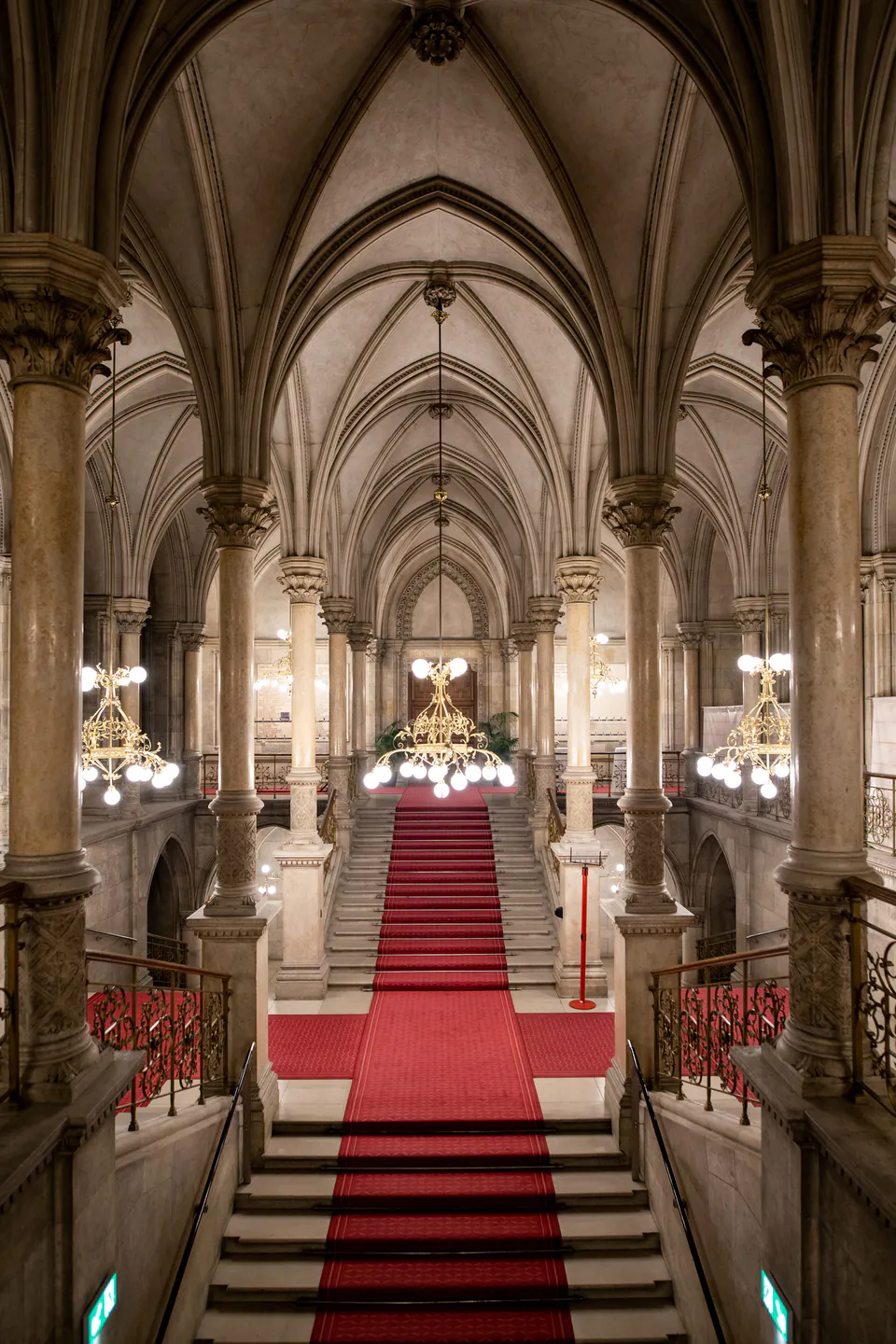
A smooth Vienna trip requires a bit of strategy. Get the Vienna City Card. It covers your transit and slashes prices at museums and restaurants. Don't pay full price at state museums; show your government-issued disability ID and you'll usually get in for about EUR 7.00. For a break from the crowds, head to the Museumsquartier (MQ). The courtyards are flat and paved, the Leopold Museum has easy ramps, and the bathrooms are accessible. It's the best spot in town for a barrier-free melange. When you're hungry, check the BIZEPS "Dining with few obstacles" guide. It's a local database that filters for flat entrances so you don't get stuck in front of a schnitzel joint with three steps and no ramp. Finally, watch the clock. Vienna's transit is great, but trying to squeeze a power chair onto a tram during the 8:00 AM or 5:00 PM rush is a nightmare. Aim for the mid-morning or early afternoon when the cars are empty. Use the Euro-Key, lean on the tech, and you'll find that Vienna's beauty is open to everyone, not just the able-bodied.
Practical Tips
- 1**Get the Euro-Key:** Buy this before you arrive. It's the only way to open over 12,000 accessible toilets in parks and transit stations across the city.
- 2**Know your car:** On the U-Bahn, wait at the very front or very back of the platform for the gap-bridging ramp. For trams, flag the driver at the front car.
- 3**Bring a friend for free:** If your disability pass marks you as needing assistance, your companion rides the entire Wiener Linien network for free.
- 4**Flash your ID:** Don't pay full price. Use your official disability ID for EUR 7.00 tickets at the Albertina and free wheelchair rentals at Schönbrunn.
- 5**Wear the Sunflower:** Grab a free Sunflower lanyard at the airport info desk for non-visible disabilities. It's a signal for staff to provide extra patience and help.
- 6**Skip Uber for vans:** UberWAV exists but can be scarce. Use the Taxi 40100 app and request a "WAV" for a reliable, ramp-equipped van.
- 7**Check the Gloriette:** Enjoy the Schönbrunn palace interior via the heavy-duty lifts, but skip the Gloriette terrace if you can't manage stairs.
Top Attractions

Albertina
Perched on a surviving stretch of Vienna's old city walls, the Albertina is where imperial history and heavy-hitting modern art collide. You'll find it in the I
Ankeruhr Clock
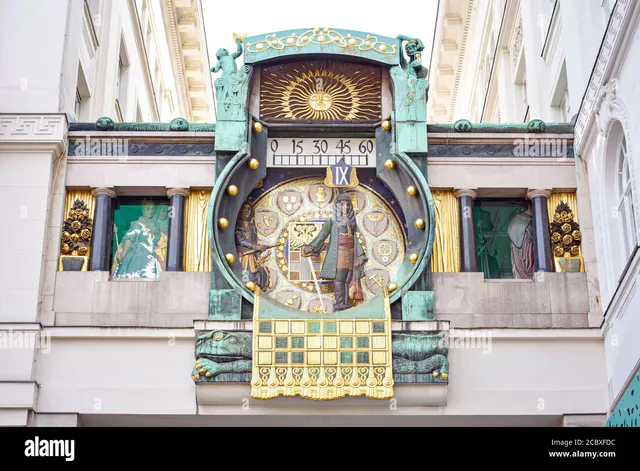
Don't just look for a way to tell the time in Vienna’s oldest square. Look up. Spanning an alleyway in the Hoher Markt, the Ankeruhr clock Vienna is a 10-meter-

Austrian National Library
Walking into the Austrian National Library vienna feels less like visiting a museum and more like stepping into a Baroque fever dream. It sits right in the Hofb
Frequently Asked Questions
Is Vienna public transport wheelchair accessible?
Do I need a Euro-Key in Vienna?
Is Schönbrunn Palace wheelchair friendly?
Does Uber have wheelchair-accessible vehicles in Vienna?
Are there cobblestones in Vienna?
Is there an accessible toilet with a hoist in Vienna?
Related Guides
- Vienna on a Shoestring: The Ultimate Budget Travel Guide
- Vienna Emergency Contacts & Services: A Complete Guide for Travelers
- Entering Austria: A Comprehensive Guide to Visas, Customs, and Vienna Airport Logistics
- Navigating Healthcare & Pharmacies in Vienna: A Practical Guide
- The Vienna Connectivity Guide: eSIMs, Local SIMs, and Free WiFi
- Vienna Language Guide: Essential Phrases, Local Slang & Etiquette
- The Ultimate Guide to Luggage Storage in Vienna: Lockers, Apps, and Insider Tips
- Money & Currency in Vienna: A Local's Guide to Cash, Cards, and Tipping
Trip Budget Calculator
Get a realistic cost estimate for your {city} trip in seconds.
Try it