Money & Currency in Vienna: A Local's Guide to Cash, Cards, and Tipping
Written by
Nils Johansson | Founder
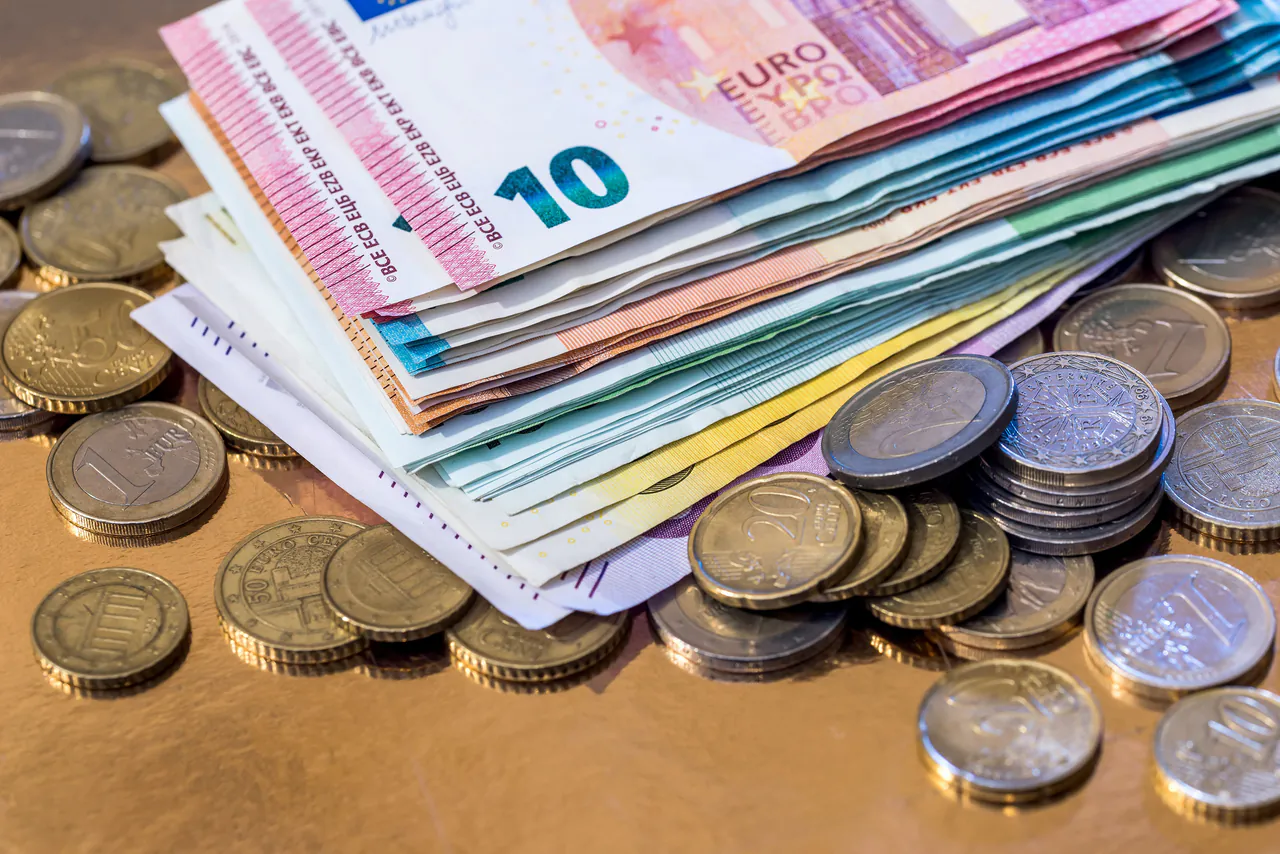
Vienna is a city of high-wire acts. It balances imperial grandeur with a stubborn, old-school devotion to paper money. You'll need Euros for that post-opera Käsekrainer at a street stall, even if you just tapped your phone for a front-row seat at the State Opera. While contactless payments are now standard at supermarkets and high-end boutiques, the phrase "Nur Bares ist Wahres" (only cash is true) still carries weight in historic coffeehouses and wood-paneled wine taverns. Don't get caught short. This guide cuts through the noise to help you navigate Vienna's specific money culture. We'll show you how to outsmart predatory exchange rates, master the subtle art of the Austrian "round-up" tip, and ensure your budget goes toward a perfect slice of Sachertorte instead of bank fees. Get your wallet ready.
Photos
The Austrian Currency Landscape: Euro Basics & Exchange Rates
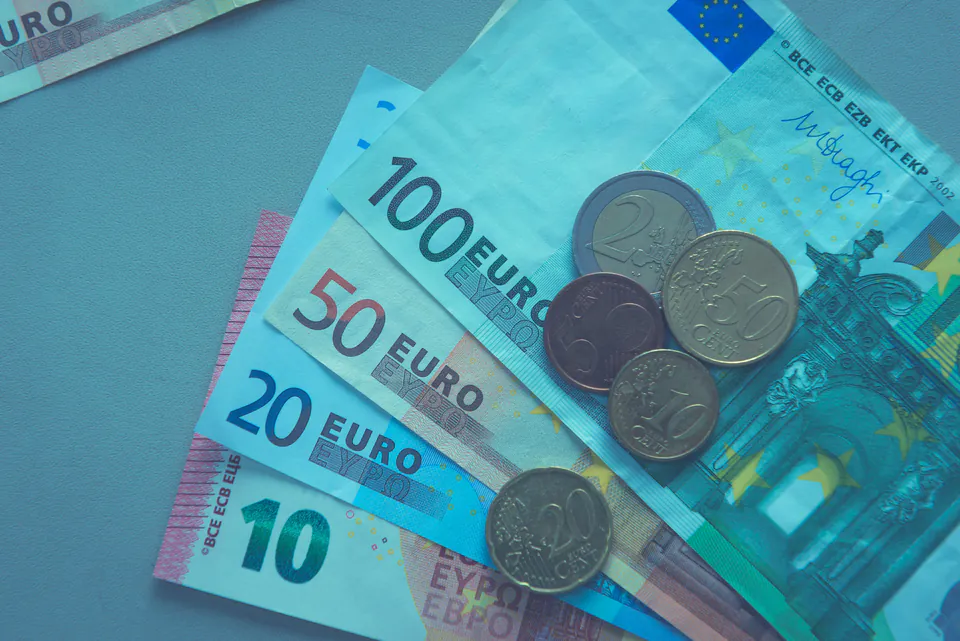
Austria uses the Euro (€). Your goal is simple: get your cash at the mid-market rate and ignore the rest. Avoid the tempting currency exchange kiosks at Vienna International Airport (Schwechat). Firms like Interchange may bark about 'zero commission,' but they'll bleed you dry with pathetic exchange rates. If you have physical USD or GBP that you must swap, head to the 1st District. Bankhaus Schelhammer & Schattera at Goldschmiedgasse 3 is a solid, local choice near Stephansplatz. But be warned. Many private banks now refuse to exchange cash for anyone without a local account. If you're carrying over €10,000 in cash, you have to declare it at customs. Save yourself the headache and use a travel card like Wise or Revolut. They offer the live mid-market rate for a tiny, transparent fee. Use them to tap-to-pay or pull Euros directly from a local bank's ATM. It's the difference between a wasted fee and a ticket to a concert at the Musikverein's Golden Hall.
Cards vs. Cash: Navigating Vienna's Payment Culture
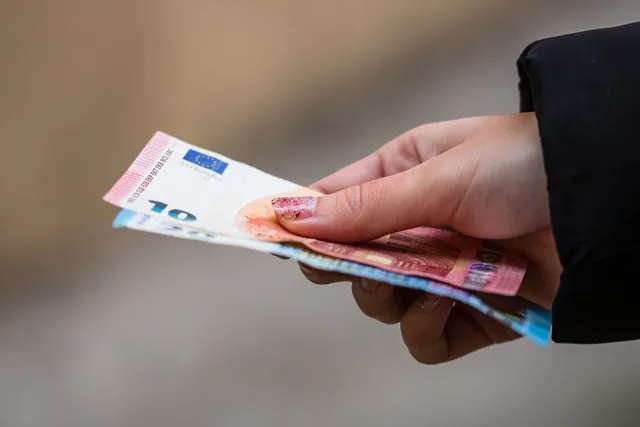
Vienna has a financial split personality. You can tap your Visa or smartphone at Billa, Spar, or the shops on Mariahilfer Straße without a second thought. But don't expect the same at a neighborhood Beisl or a Maroni vendor. Cash is still the boss here. Carry a mix. Visa and Mastercard are fine, but leave the American Express at home (merchants hate the high fees). You’ll need coins for the essentials. A cheese-filled Käsekrainer at Bitzinger Würstelstand by the Albertina costs about €4.90. Add mustard, bread, or a drink, and you're looking at €7. Trying to pay for a sausage with a credit card will earned you a legendary Viennese eye-roll. Some old-world spots are finally catching up, though. The 1880s-era Café Sperl on Gumpendorfer Straße now takes cards for their Apfelstrudel. Still, keep €50 in your pocket. It's the golden rule for small bakeries and hidden pubs.
Tipping Etiquette: Navigating Restaurants, Taxis, and Tours
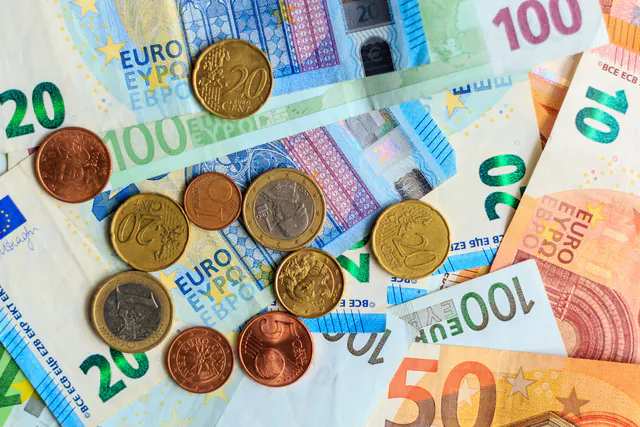
Austrian 'Trinkgeld' isn't the high-pressure sport it is in America. Service is legally included in menu prices, but rounding up is expected. Aim for 5% to 10%. Don't leave money on the table; it's considered sloppy. Instead, tell the waiter your total as you pay. If the bill is €18.50 at a cozy tavern, hand over a €20 bill and say 'Stimmt so' (keep the change) or 'Zwanzig, bitte' (twenty, please). This applies to cards, too. You must tell the waiter the final amount *before* they punch it into the terminal. They can't add a tip after the card is swiped. For taxis, round up or add 10% for airport runs. At luxury hotels, give the bellhop €1 to €2 per bag. If you take a 'free' walking tour, pay up. The guides work for tips alone. €10 to €20 per person for a two-hour walk is the standard.
Budgeting for Vienna: Costs of Schnitzels, Melanges, and More
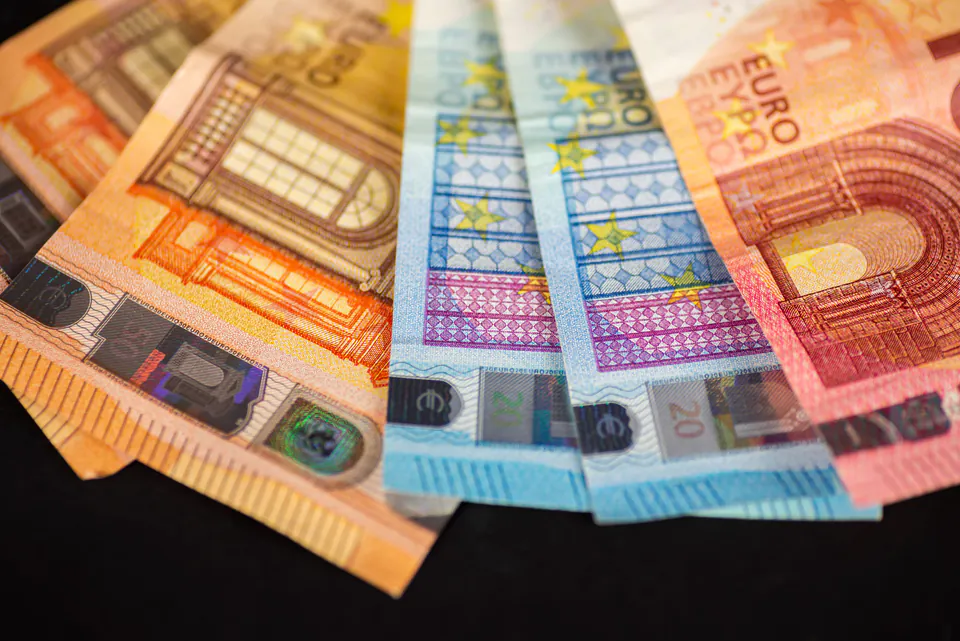
Vienna isn't cheap, but it's fair. A real Wiener Schnitzel must be veal. At Plachutta Wollzeile, expect to pay €28.90 plus €7.10 for potato salad. If it's pork, it must be labeled 'vom Schwein' and will usually cost around €15. Coffeehouse culture is an investment in atmosphere. A Wiener Melange at the opulent Café Imperial costs €8.50, but you're paying for the velvet booth and the right to sit there for three hours. Standard cafes charge €4 to €6 for coffee and roughly the same for a slice of cake. For a cheap fix, hit a bakery like Ströck or Anker for a €5 sandwich. Your best bet for a proper meal is the 'Mittagsmenü.' Many high-end restaurants serve two-course lunch specials for €10 to €15 on weekdays. It's the smartest way to eat well without the dinner price tag.
Practical Tips
- 1Look for the 'Bankomat' sign: Don't search for 'ATM.' Follow the blue and green signs to find legitimate bank-run machines that won't rip you off.
- 2Use the 'Stimmt So' rule: Tell the waiter your total (including tip) while handing over cash. It's the local way to say 'keep the change.'
- 3Kill the conversion: Never let an ATM or card reader do the math for you. Always choose to pay in Euros (EUR) to get the best possible rate.
- 4Dump the Amex: Most Austrian businesses loathe American Express fees. Stick to Visa, Mastercard, or cold hard cash.
- 5Budget for extras: That €4.90 sausage at Bitzinger Albertina will hit €7 once you add bread and mustard. Those 'extras' aren't free.
- 6Carry 50-cent coins: Vienna's public toilets are spotless but usually cost €0.50 to €1.00. Don't get stuck with a full bladder and no change.
- 7Speak your tip: Tell the waiter the total amount you want charged to your card before they activate the reader. You can't add it later.
- 8Skip airport exchange: The rates at Schwechat are daylight robbery. Use a card for the train or taxi and find a real bank ATM in the city.
Where to Eat
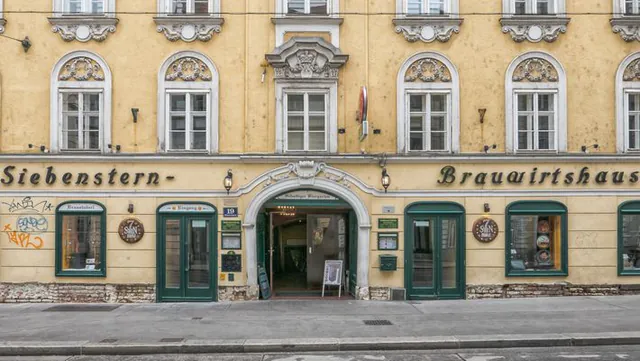
Siebensternbräu
Don't expect white tablecloths or hushed whispers at Siebensternbräu. Since 1994, this Neubau powerhouse has functioned as the 7th district’s unofficial living
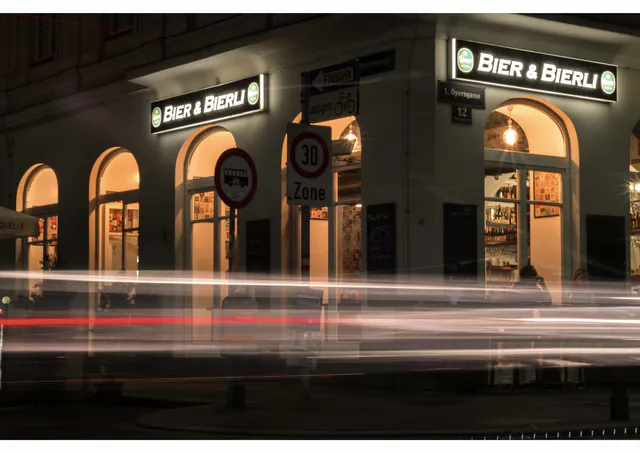
Bier & Bierli
Don't let the tuxedoed crowds at the State Opera across the street fool you. Bier & Bierli is the antithesis of stiff Viennese formality. It's a glorious, beer-
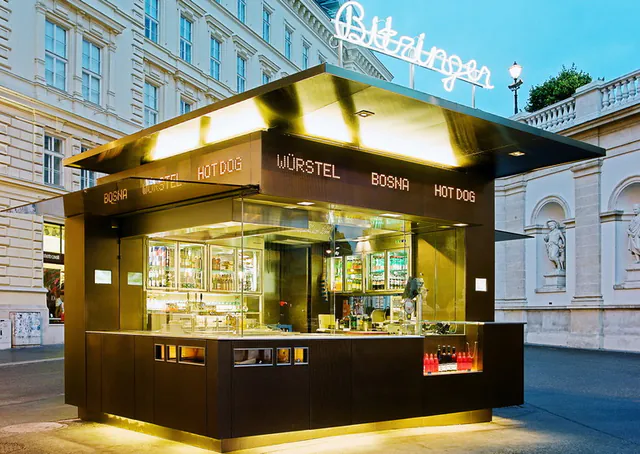
Bitzinger Würstelstand Albertina
Parked between the Albertina Museum and the State Opera in the 1st District, Bitzinger isn't just a snack stand. It's a Viennese landmark. You'll spot it by the
Frequently Asked Questions
Is Vienna a cash-only city?
Do I need to tip in Vienna if service is included?
Can I use US Dollars or British Pounds in Vienna?
What is the best way to get Euros in Vienna?
How much does a real Wiener Schnitzel cost?
How much should I tip a free walking tour guide in Vienna?
Related Guides
- Vienna Accessible Travel Guide: Navigating the 2025 Access City Award Winner
- Vienna on a Shoestring: The Ultimate Budget Travel Guide
- Vienna Emergency Contacts & Services: A Complete Guide for Travelers
- Entering Austria: A Comprehensive Guide to Visas, Customs, and Vienna Airport Logistics
- Navigating Healthcare & Pharmacies in Vienna: A Practical Guide
- The Vienna Connectivity Guide: eSIMs, Local SIMs, and Free WiFi
- Vienna Language Guide: Essential Phrases, Local Slang & Etiquette
- The Ultimate Guide to Luggage Storage in Vienna: Lockers, Apps, and Insider Tips
Trip Budget Calculator
Get a realistic cost estimate for your {city} trip in seconds.
Try it