
Entering Austria: A Comprehensive Guide to Visas, Customs, and Vienna Airport Logistics
Written by
Nils Johansson | Founder
Touching down in Vienna is a thrill, but don't let the imperial skyline distract you from the paperwork. Getting into Austria used to be a simple passport stamp affair. Not anymore. Whether you're a visa-exempt traveler from the US, UK, or Canada, or a visitor navigating the complex Austria visa requirements for a Type C Schengen visa, the rules are tightening. New biometric systems like the Entry/Exit System (EES) and the upcoming ETIAS are turning Vienna International Airport (VIE) into a high-tech frontier. You'll need to prove you have the funds, the insurance, and the right registration papers. This guide cuts through the bureaucratic noise to get you from the tarmac to a Ringstraße coffee house without the headaches.
Photos
The Schengen Visa: Requirements and Financial Proofs
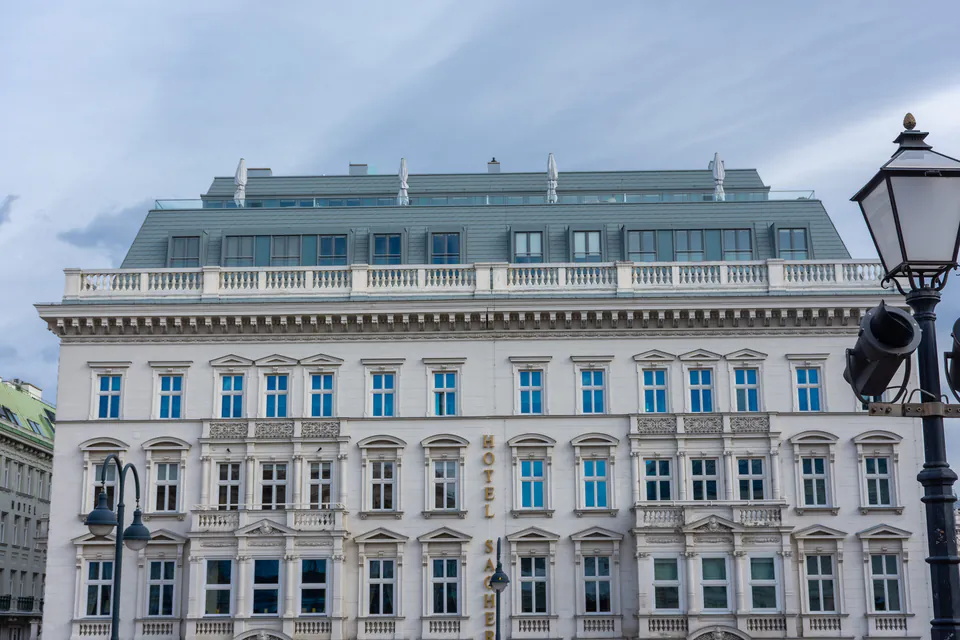
If you need a Type C Schengen Visa, precision is your best friend. Austria doesn't do 'vague.' You'll likely deal with VFS Global or an embassy, where the standard fee is €90 for adults and €45 for kids aged 6 to 12. Under 6? It's free. Don't wait until the last minute. While 15 days is the norm, the rush for Vienna’s December Christmas markets can push wait times to 45 days. Austrian officials are obsessed with your bank balance. Expect to prove you have at least €70 for every day you're here. For a 10-day trip, show original, bank-stamped statements with a balance of €1,500 to €2,000. You'll also need payslips and a formal work letter. Don't forget travel medical insurance with €30,000 coverage. Keep physical A4 printouts of everything in a folder. Border guards at Schwechat (VIE) often ask for them even after your visa is approved.
ETIAS 2026: The New Electronic Travel Authorization
By late 2026, the rules change for the currently visa-free crowd. If you hold a passport from the US, UK, or Canada, you'll need an ETIAS authorization before you can even board a flight to Vienna. It’s a digital security check that costs €20 and lasts for three years (or until your passport expires). Travelers under 18 or over 70 get it for free. Most approvals will hit your inbox in minutes after a quick cross-reference with Interpol databases. Use the official travel-europe.europa.eu portal and nothing else. Plenty of shady third-party sites will try to upcharge you for this simple €20 form. Don't bite. It still limits you to the standard 90 days in a 180-day window, so keep a calendar handy.
Austrian Customs: Allowances and Border Declarations
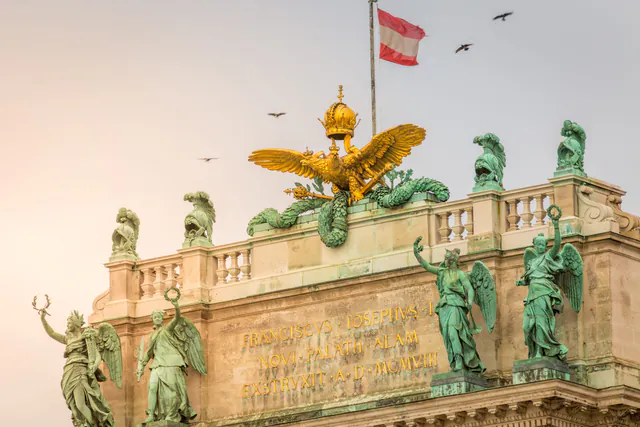
Customs at VIE isn't a suggestion. If you're flying from outside the EU, your duty-free limit is €430. Go over that and you'll need to walk through the Red Channel to pay VAT and duties. Tobacco and booze limits are tight. You're allowed 200 cigarettes or 50 cigars. For alcohol, you can bring 1 liter of the hard stuff (over 22% ABV) or 2 liters of fortified wine, plus 4 liters of still wine and 16 liters of beer. Coming from another EU country? You're in luck. The limits jump to 800 cigarettes and 110 liters of beer. But keep the meat and dairy out of your bags if you're coming from overseas. Customs will seize and incinerate your snacks without a second thought. And if you're carrying €10,000 or more in cash, declare it. They check.
Local Logistics: The Meldezettel and Tourist Registration
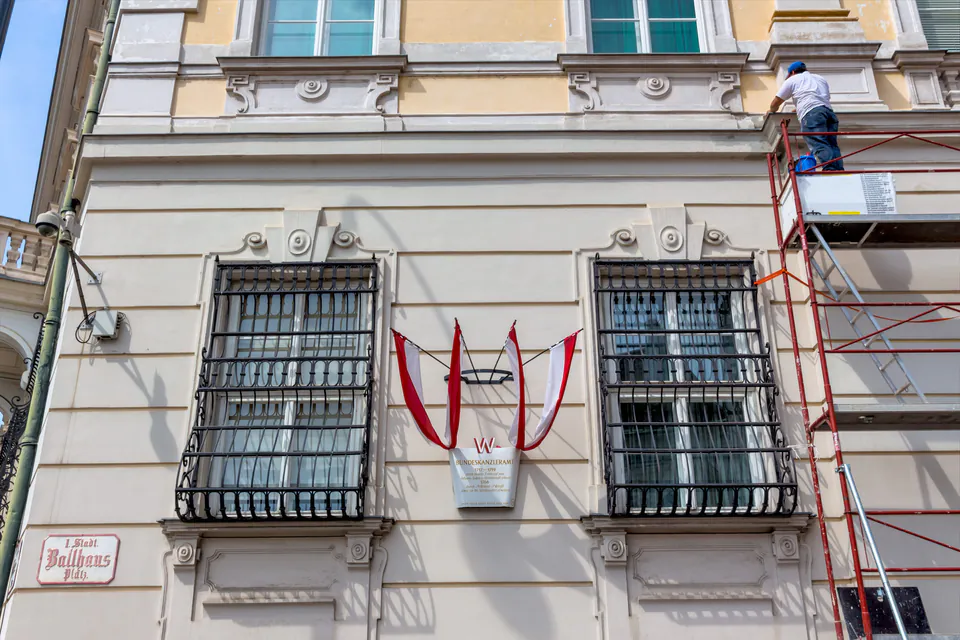
Austria loves its registries. The Meldepflicht law says everyone must be registered with the police. If you're a tourist in a hotel or an Airbnb for a week or two, don't sweat it. Your host handles the paperwork via the Gästeverzeichnis (guest book) when you sign in at check-in. But if you're a digital nomad staying over two months, the game changes. You officially become a resident. You have three working days to get a Meldezettel from the local District Office (Magistratisches Bezirksamt). You'll need your passport, your visa, and a form signed by your landlord. Skip this and you're looking at a €726 fine. It’s a boring administrative errand, but it's part of the Vienna experience for long-termers.
Airport to City Center: Seamless Transit Options
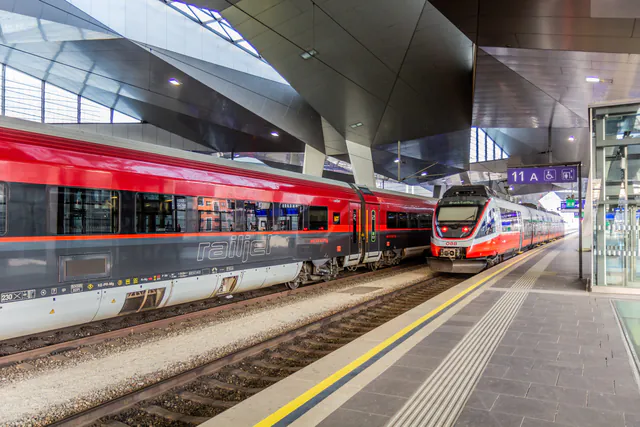
Getting into town is easy if you know which train to pick. The ÖBB Railjet and S7 S-Bahn are your best bets. For €5.40, they'll get you to Wien Hauptbahnhof or Wien Mitte in about 20 minutes. If you already have a Vienna City Card, you only need a €2.20 extension ticket for the outer zone. Grab the ÖBB Scotty app to buy tickets on your phone and skip the lines at the red machines. Then there's the City Airport Train (CAT). It's the bright green one. It's non-stop and takes 16 minutes to reach Mitte, but it costs €14.90. It's comfy and lets you check your bags at the station on your way out, but for most travelers, the standard Railjet is more than enough. Worth every cent.
Practical Tips
- 1Submit your visa application 6 months out if you're visiting for the Christmas markets. The December rush is real.
- 2Keep paper copies of your insurance and return flights. Border guards still love a physical A4 document.
- 3Ignore ETIAS 'agency' websites. Use travel-europe.europa.eu to avoid paying more than the €20 fee.
- 4Don't accidentally buy a €14.90 CAT ticket if you want the cheap train. Look for the red ÖBB machines, not the green ones.
- 5Get the €2.20 airport extension ticket if you're already using a Vienna City Card. It covers the gap to the city limits.
- 6Declare any cash over €10,000. The Ministry of Finance does not play around with money laundering checks.
- 7Leave the beef jerky at home. Customs will toss any non-EU meat or dairy products straight into the bin.
Where to Stay
Our top hotel picks in Vienna
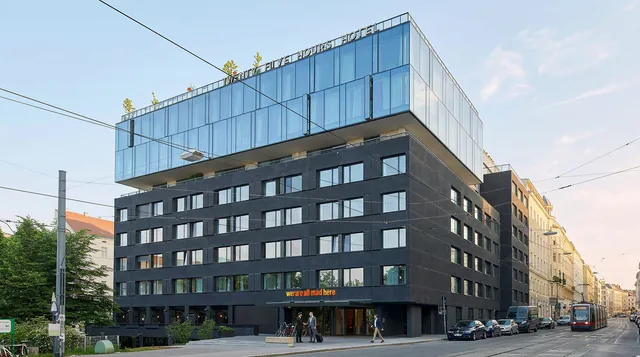
25hours Hotel Vienna at MuseumsQuartier
Forget the stiff white gloves and gilded moldings of old-world Austria. The 25hours Hotel Vienna at MuseumsQuartier is a loud, proud middle finger to traditiona
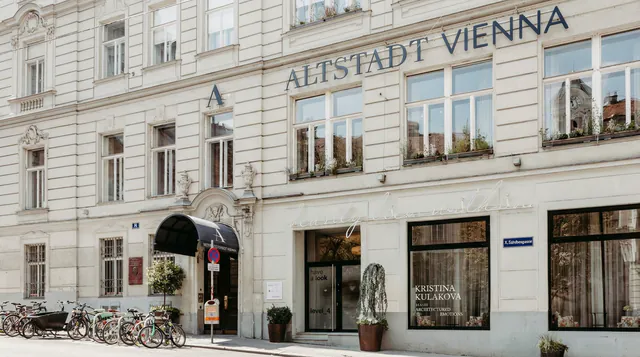
Hotel Altstadt Vienna
Don’t expect a standard lobby or a corporate script at Hotel Altstadt Vienna. This 1902 patrician townhouse in the 7th district is more like a private collector
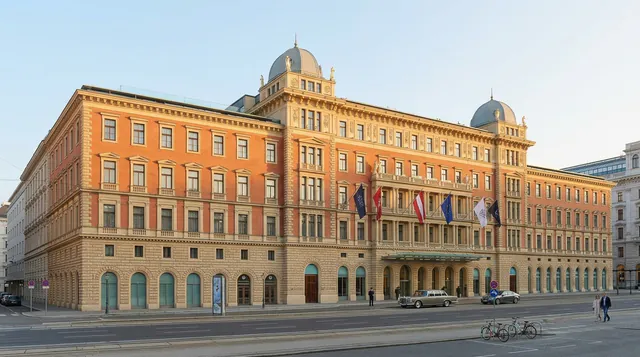
Anantara Palais Hansen Vienna Hotel
Don't just stay in Vienna. Inhabit it. The Anantara Palais Hansen Vienna Hotel sits on the grand Ringstrasse, occupying a Neo-Renaissance palace built for the 1
Frequently Asked Questions
Do US, UK, or Canadian citizens need a visa to enter Austria?
How much bank balance is required for an Austrian Schengen Visa?
Can I use the automated eGates at Vienna Airport?
What is the alcohol limit for duty-free entry into Austria?
Do I need to get a Meldezettel if I stay in an Airbnb?
Related Guides
- Vienna Accessible Travel Guide: Navigating the 2025 Access City Award Winner
- Vienna on a Shoestring: The Ultimate Budget Travel Guide
- Vienna Emergency Contacts & Services: A Complete Guide for Travelers
- Navigating Healthcare & Pharmacies in Vienna: A Practical Guide
- The Vienna Connectivity Guide: eSIMs, Local SIMs, and Free WiFi
- Vienna Language Guide: Essential Phrases, Local Slang & Etiquette
- The Ultimate Guide to Luggage Storage in Vienna: Lockers, Apps, and Insider Tips
- Money & Currency in Vienna: A Local's Guide to Cash, Cards, and Tipping
Trip Budget Calculator
Get a realistic cost estimate for your {city} trip in seconds.
Try itTags
Places in Vienna
Related attractions, hotels, and more.