Navigating Healthcare & Pharmacies in Vienna: A Practical Guide
Written by
Nils Johansson | Founder
Vienna is more than imperial fluff and expensive coffee. It also happens to run one of the most efficient healthcare systems on the planet. Whether you have developed a nagging cough at the Christkindlmarkt or lost a vital prescription, getting help is simple if you know the ground rules. Residents use the public system, but you'll likely deal with private doctors (Wahlärzte). Don't panic. Private care here is high quality and surprisingly affordable, with a standard GP visit usually costing between €100 and €150. You'll need to pay upfront, but it beats waiting hours in a public ward. From calling the 1450 hotline to finding a late-night vienna pharmacy, here is how to handle a medical hiccup without losing your cool.
The First Step: Vienna's 1450 Health Hotline

If you feel unwell but it isn't a life-or-death situation, dial 1450 first. It's the city's brilliant triage line. Locals know the slogan "Wenn's weh tut, 1450 anrufen!" and you should too. The service is 24/7 and completely free. You'll speak with trained nurses who use a scientific query system to judge your symptoms. And yes, they speak English. Whether you have a weird rash from the Innere Stadt cobblestones or a sudden fever in your hotel, they'll tell you what to do. They might suggest a specific over-the-counter fix or send you to a nearby doctor. It keeps the ERs clear for real emergencies. But if they hear something truly concerning, they'll dispatch an ambulance or tell you to hit 144 immediately. It's a massive stress-saver.
Navigating Doctors & Private Clinics
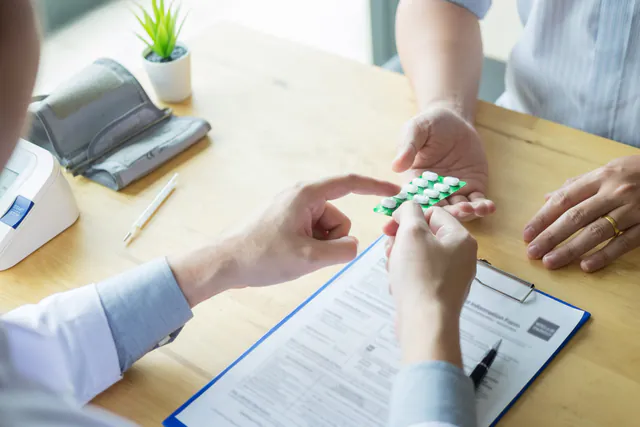
You'll see two types of doctors: Kassenarzt (public) and Wahlarzt (private). As a visitor, go private. These clinics aren't bogged down by public insurance quotas. You get longer appointments and faster service. Expect to pay €80 to €150 for a standard General Practitioner. Some reputable GPs charge €145 for the first visit and €95 for follow-ups. A house call to your hotel will run you about €210 to €220. Bring your credit card. You pay on the spot and get a receipt to send to your insurance later. Finding an English-speaking doc is easy since most train in it. Use the Air Doctor app for vetted locals or check the U.S. Embassy list for specialists like dermatologists. It's straightforward medicine.
Hospitals and the Emergency Room (Notaufnahme)
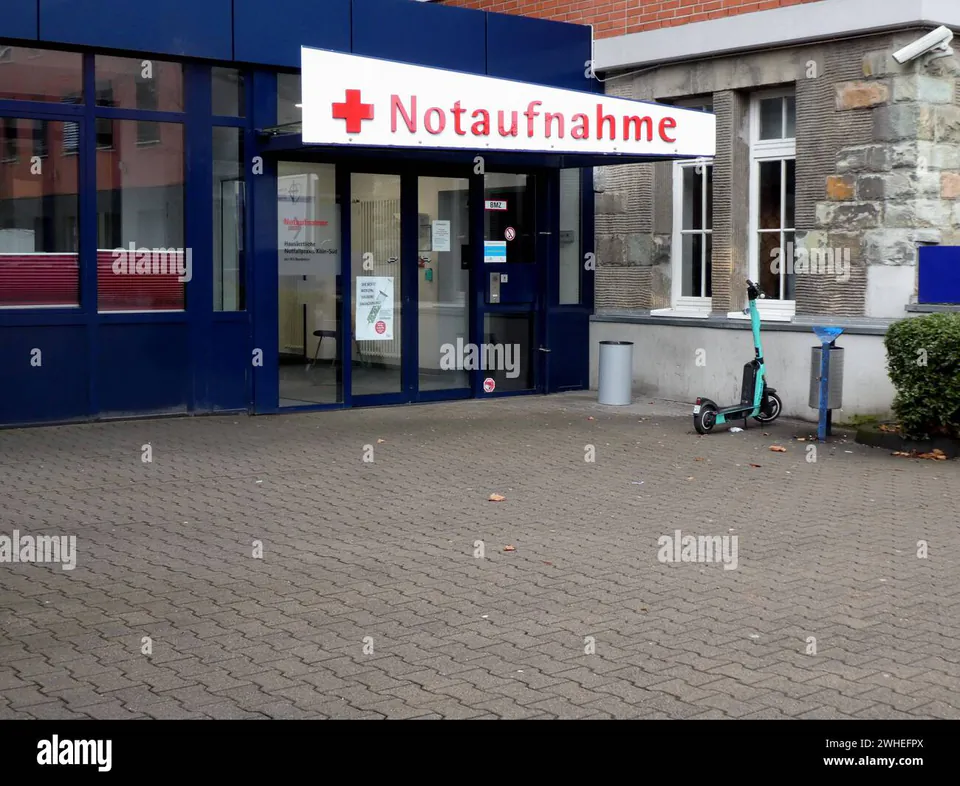
For a real crisis, dial 144 for an ambulance. Or use 112, the standard European emergency line. Only call if it's a genuine emergency (otherwise, you're paying for the ride). If you can move but need urgent care, head to the "Zentrale Notaufnahme" at Klinik Landstraße. It's at Juchgasse 25 in the 3rd district, right off the U3 at Kardinal-Nagl-Platz. This place is open 24 hours. No referral needed. Walk in, show your passport, and be ready to pay. Austrian public hospitals don't bill international insurance directly. You are a private payer here. Settle the bill before you leave. The care is elite, but the vibe is strictly clinical. Don't expect a mint on your pillow.
The Pharmacy System and Night Fees
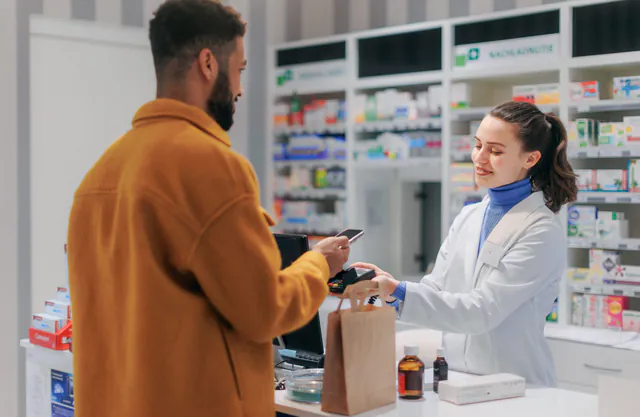
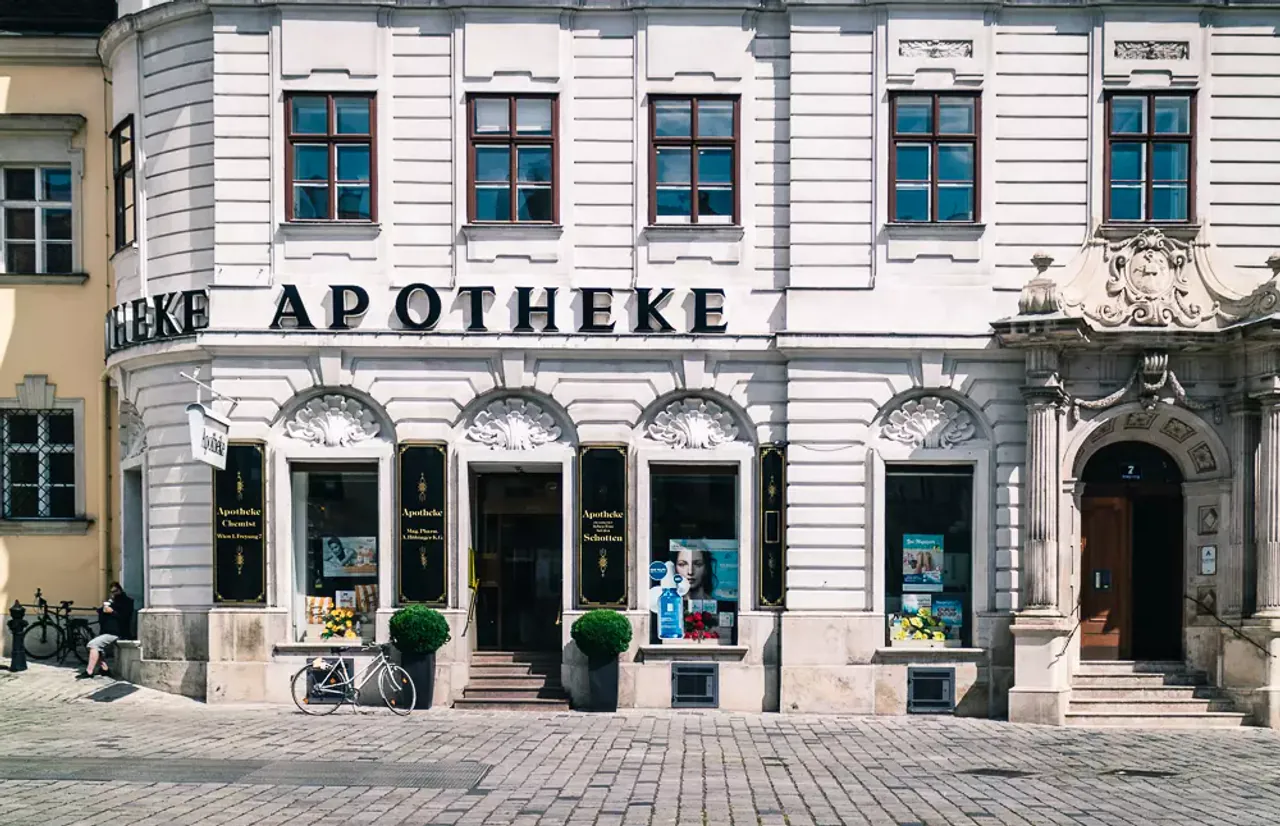
Look for the big red "A" sign. That's your vienna pharmacy (Apotheke). These aren't just shops; the staff are medical experts who can recommend serious remedies. For a bit of history with your aspirin, go to Alte Hofapotheke at Habsburgergasse 11. It's right by the Hofburg and looks like a movie set with its dark wood cabinets. Standard hours end at 6:00 PM on weekdays and noon on Saturdays. If you need help at 2:00 AM, use the "Nachtdienst" system. One pharmacy in each area stays open all night on a rotating basis. Find the open one at nachtapotheke.wien or by calling 1455. Note the "Nachtdienstgebühr" surcharge. It's €3.80 after 8:00 PM or €1.30 on Sundays. Use the night window and bring cash. Some small windows won't take cards for a €5 purchase.
Travel Insurance & Essential Prescriptions
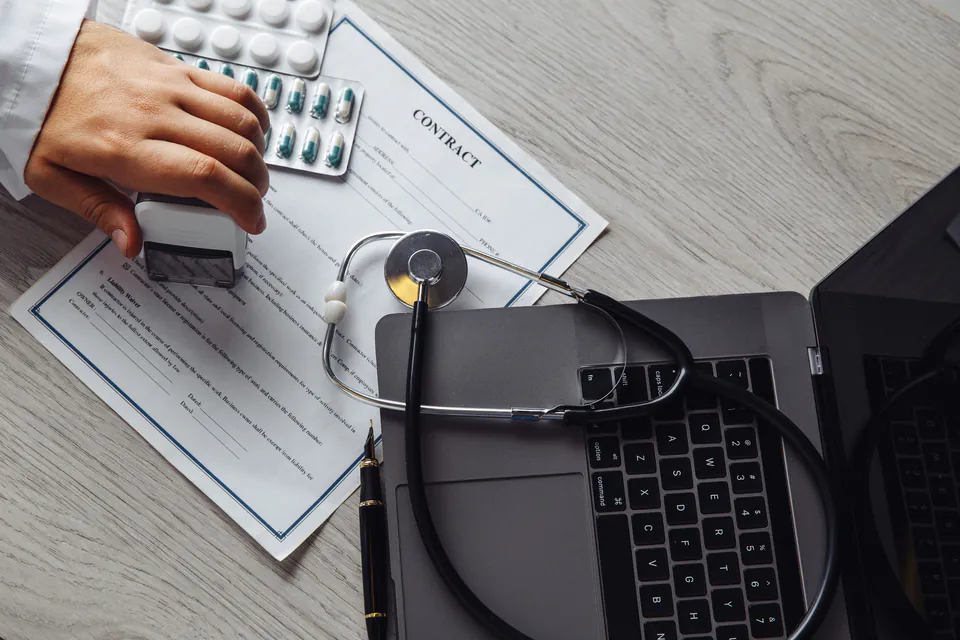
Get travel insurance. Seriously. The U.S. Embassy warns that Medicare and most domestic plans are useless here. If you need a medevac flight home, you're looking at $100,000 out of pocket. Also, Austrian pharmacists are strict. They won't honor a foreign prescription. If you lose your meds, you must pay a local doctor (usually €80 to €140) just to write a new one. Skip the hassle. Pack an extra week of pills in your carry-on, not your checked bag. Keep them in the original bottles. Don't expect to find high-dose ibuprofen or melatonin in a supermarket aisle either. Those are strictly behind the counter here. Bring your own basic first-aid kit and save your cash for the Schnitzel.
Practical Tips
- 1Memorize the numbers: 144 for an ambulance, 133 for police, and 1450 for 24/7 medical advice.
- 2Keep cash for the night pharmacy. A mandatory €3.80 fee applies after 8:00 PM at any Nachtapotheke.
- 3Try the Air Doctor app. It's roughly €150 for an English-speaking private doctor to visit your hotel room.
- 4Pay upfront. Austrian clinics don't bill foreign insurance providers. Get an itemized receipt for reimbursement later.
- 5Carry your meds. Replacing lost pills requires an Austrian doctor's signature and a fee of up to €140.
- 6Check the pharmacy door. Every closed Apotheke posts a sign directing you to the nearest open 24-hour location.
- 7Call 141 for the Ärztefunkdienst. This connects you to on-call doctors for non-emergencies during nights or weekends.
Where to Stay
Our top hotel picks in Vienna
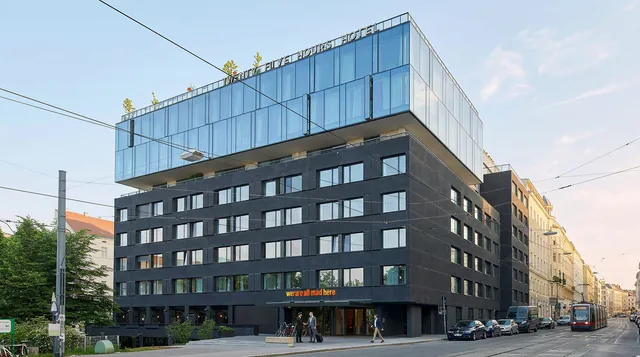
25hours Hotel Vienna at MuseumsQuartier
Forget the stiff white gloves and gilded moldings of old-world Austria. The 25hours Hotel Vienna at MuseumsQuartier is a loud, proud middle finger to traditiona
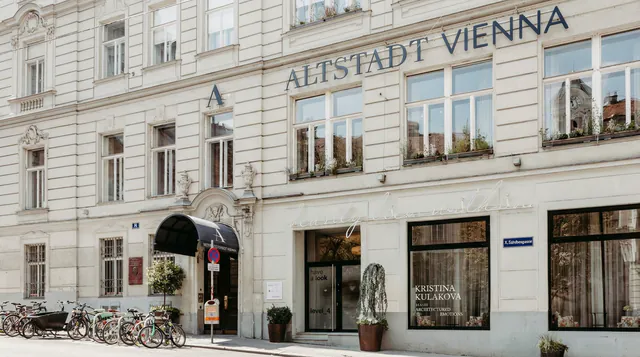
Hotel Altstadt Vienna
Don’t expect a standard lobby or a corporate script at Hotel Altstadt Vienna. This 1902 patrician townhouse in the 7th district is more like a private collector
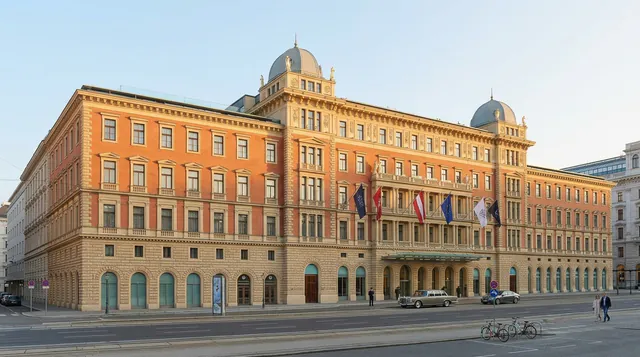
Anantara Palais Hansen Vienna Hotel
Don't just stay in Vienna. Inhabit it. The Anantara Palais Hansen Vienna Hotel sits on the grand Ringstrasse, occupying a Neo-Renaissance palace built for the 1
Frequently Asked Questions
Is healthcare free for tourists in Vienna?
Do doctors and nurses in Vienna speak English?
How much does a doctor visit cost in Vienna?
Can I use my home prescription at a Vienna pharmacy?
What number do I call for a medical emergency in Vienna?
Are pharmacies open on Sundays in Vienna?
Related Guides
- Vienna Accessible Travel Guide: Navigating the 2025 Access City Award Winner
- Vienna on a Shoestring: The Ultimate Budget Travel Guide
- Vienna Emergency Contacts & Services: A Complete Guide for Travelers
- Entering Austria: A Comprehensive Guide to Visas, Customs, and Vienna Airport Logistics
- The Vienna Connectivity Guide: eSIMs, Local SIMs, and Free WiFi
- Vienna Language Guide: Essential Phrases, Local Slang & Etiquette
- The Ultimate Guide to Luggage Storage in Vienna: Lockers, Apps, and Insider Tips
- Money & Currency in Vienna: A Local's Guide to Cash, Cards, and Tipping
Trip Budget Calculator
Get a realistic cost estimate for your {city} trip in seconds.
Try itTags
Places in Vienna
Related attractions, hotels, and more.