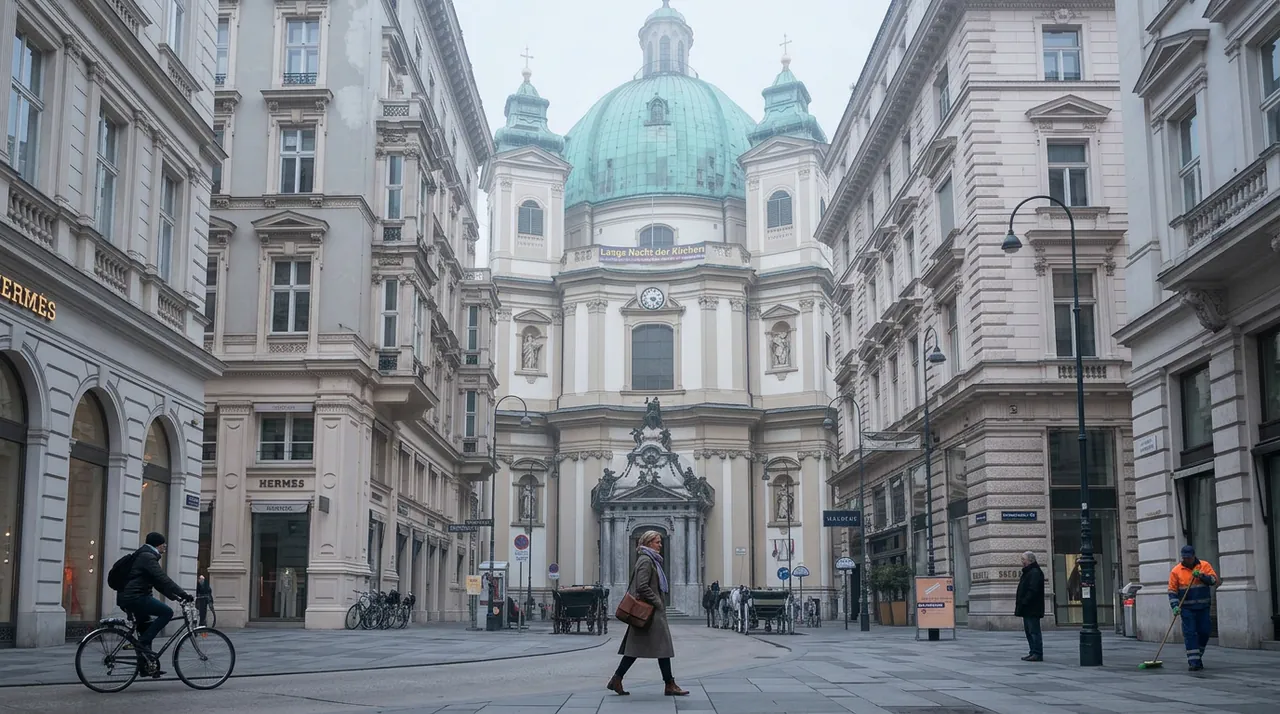
Vienna Language Guide: Essential Phrases, Local Slang & Etiquette
Written by
Nils Johansson | Founder
Don't let the sharp consonants fool you. While Standard German is the official tongue, Vienna's soul lives in 'Wienerisch,' a melodic, occasionally grumpy dialect. You'll get by fine with English in the 1st district (Innere Stadt), but a few local phrases are the skeleton key to the city's guarded charm. Walking into a coffeehouse and barking an English order might earn you an icy glare from a tuxedo-clad Herr Ober. This guide covers the survival phrases and sarcastic slang you need to navigate the capital. From ordering a Melange to deploying a perfectly timed 'Oida,' you'll learn to blend in and earn some rare local respect.
Photos
The Language Landscape: What to Expect
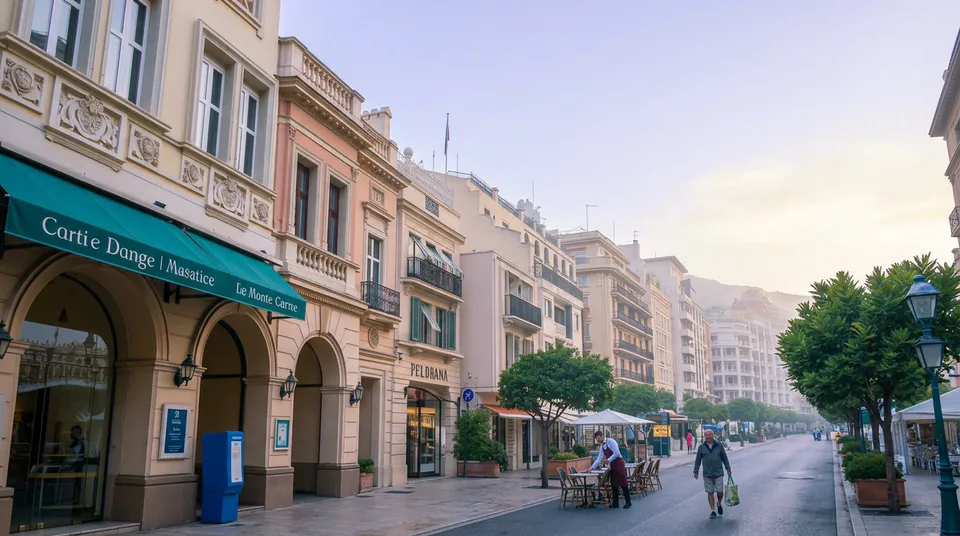
Austria sits high on the EF English Proficiency Index, and it shows in Vienna. Wander the historic center or the Hofburg Palace and you'll find fluent English everywhere. Museums, ticket machines, and major sites all have English options. Many younger locals even prefer it. But this safety net thins once you cross the Gürtel (the outer ring road) into neighborhoods like Ottakring (16th district) or Favoriten (10th district). In a local Beisl (pub), the menu might be a handwritten German scrawl on a chalkboard. Never assume everyone speaks English. Striding up to a shopkeeper and launching into English is seen as presumptuous. Start with 'Sprechen Sie Englisch?' (Do you speak English?). It's a small olive branch that warms up the famously reserved Austrian demeanor. Usually, they'll say 'a little bit' before speaking near-perfect English.
Decoding Wienerisch: The Soul of the City
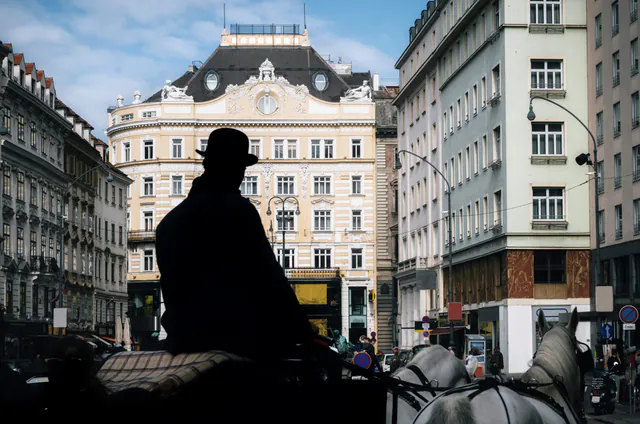
Duolingo won't prepare you for 'Wienerisch.' This dialect swaps crisp German for softened consonants and lazy, long vowels. A local says 'Wean' instead of 'Wien.' A school (Schule) becomes a 'Schui.' It sounds more relaxed than the staccato German heard in Berlin. The vocabulary is different, too. It's 'Jänner' here, not Januar. If you're at a Billa or Spar supermarket, ask for a 'Sackerl' (bag), not a 'Tüte.' Ordering a dessert with quark? Look for 'Topfen.' Using these terms earns you an immediate nod of approval. Then there's 'Schmäh.' It's a specific brand of dark, self-deprecating sarcasm. It's the language of the 'Grantler,' the archetypal grumpy local. When a waiter gives you a sarcastic quip, don't take it as an insult. It's just the Schmäh in action.
Essential Greetings & Social Etiquette
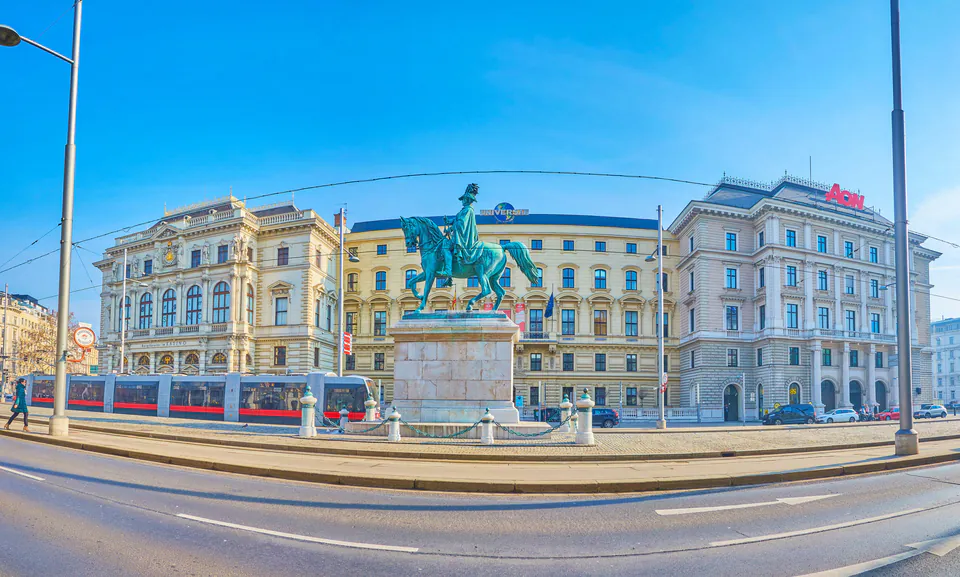
Vienna clings to its imperial formality. The big one is 'Grüß Gott' (Greet God). It's secular now and mandatory for daytime greetings. Say it when entering a boutique, a small cafe, or even an elevator. Silence is considered rude. Forget 'Guten Tag' unless you're a visiting businessman. For casual spots in the 7th district, use 'Servus.' It works for hello and goodbye. When leaving, use 'Auf Wiedersehen' or the local 'Auf Wiederschauen.' You'll also hear 'Baba' or 'Pfiat di.' Avoid 'Tschüss,' which locals view as a northern German import. Stick to 'Sie' (formal you) with staff and strangers. Austrians also revere titles. If you meet a Herr Professor, use the title. Even calling a waiter 'Herr Ober' instead of shouting 'excuse me' will get you much better service.
Coffeehouses & Taverns: Ordering Like a Local
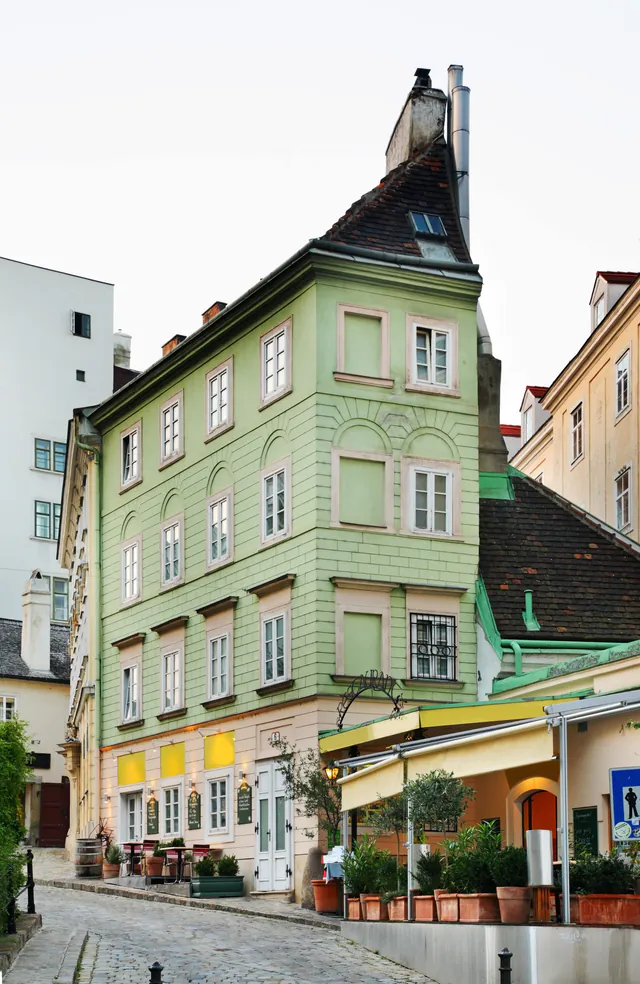
Don't just order 'ein Kaffee' at Café Sperl. You'll look like an amateur. Ask for a 'Melange' (around €4.50 to €6.00), which is espresso and steamed milk topped with foam. For black coffee, get a 'Mokka' or an 'Einspänner' (black coffee with whipped cream in a glass). At a Beisl (pub) or Heuriger (wine tavern), size matters. A 'Krügerl' is a half-liter draft beer (€4.50 to €5.50). A 'Seidel' is the smaller 0.3-liter pour (€3.50 to €4.00). In summer, order a 'Spritzer,' white wine mixed with sparkling water. When you're ready to leave, say 'Zahlen, bitte.' The waiter will ask if you're paying 'Zusammen' (together) or 'Getrennt' (separate). Don't leave coins on the table. Tell the waiter the total including a 5-10% tip. If the bill is €18.50, hand over a €20 note and say 'Stimmt so' (Keep the change).
Slang Survival Guide: Oida and Beyond
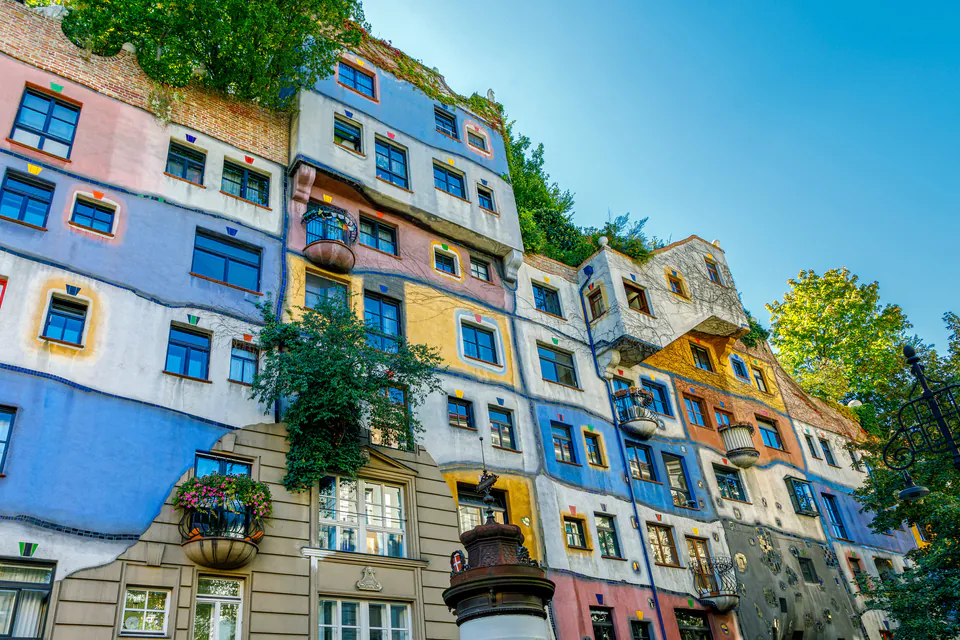
Master 'Oida' and you've mastered Vienna. It literally means 'old man' but functions like 'dude.' It has massive emotional range. A long 'Oidaaaa' means you're annoyed by a late U-Bahn. A sharp 'Oida!' means 'Wow!' It's the ultimate street word. Another winner is 'Leiwand' (awesome). Tell a local 'Es ist echt leiwand!' to win them over instantly. If someone calls you 'deppat,' they think you're being stupid. You'll hear it whispered behind slow tourists. Then there's 'Heast,' a filler used to get attention, like 'Hey' or 'Listen up.' A classic expression of peak frustration is 'Heast, Oida!' Use these at a Würstelstand (sausage stand) and you'll get a chuckle from the locals. Worth the effort.
Digital Survival: Apps & Transportation
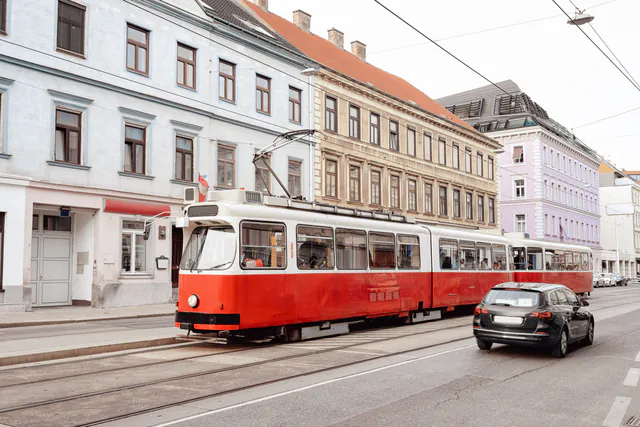
Get 'WienMobil' on your phone immediately. It's the official transit app. Locals call the tram the 'Bim.' A single ticket is €2.40, but expect it to hit €3.20 in 2026 (or €3.00 if you buy it digitally). Avoid 'Schwarzfahren' (riding without a ticket). The 'Schwarzkappler' (plainclothes inspectors) will hit you with a €135 fine. For menus, use Google Lens. Point your camera at a chalkboard and it'll translate 'Schweinefleisch' (pork) or 'Rindfleisch' (beef) in real-time. Duolingo is fine for basics, but Babbel or Pimsleur handle the tricky Austrian pronunciation better. If you're staying long-term and need a cheap bike, use 'Willhaben.' It's the local Craigslist. Great for practicing your everyday German reading skills.
Practical Tips
- 1Always lead with 'Grüß Gott' in shops and elevators. Silence is seen as rude here.
- 2Order a 'Krügerl' for a 0.5L beer or a 'Seidel' for 0.3L. 'Großes Bier' is for tourists.
- 3Skip the generic coffee order. Get a 'Melange' or 'Einspänner' and expect to pay €4.50 to €6.00.
- 4Tipping is a verbal transaction. Round up 5-10% and tell the waiter 'Stimmt so' when paying.
- 5Use the WienMobil app for transit. Paper tickets are jumping to €3.20 in 2026. Digital is cheaper.
- 6Ask for a 'Sackerl' at the grocery store. Saying 'Tüte' marks you as a visitor immediately.
- 7Use Google Lens to decode handwritten tavern menus. It's a lifesaver for identifying specific meats.
- 8Listen for 'Oida.' This versatile slang is the heartbeat of Viennese street culture and local frustration.
Where to Eat
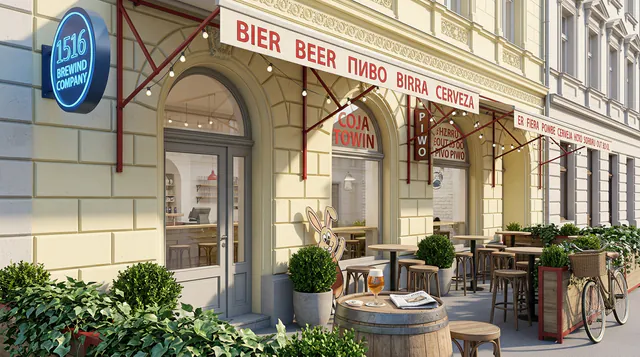
1516 Brewing Company
Forget the starched tablecloths and quiet violins. Since 1999, 1516 Brewing Company has been the rowdy antidote to Vienna’s formal coffeehouse culture. It is na
Siebensternbräu
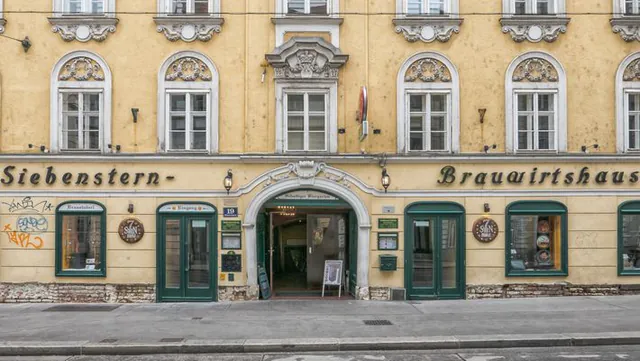
Don't expect white tablecloths or hushed whispers at Siebensternbräu. Since 1994, this Neubau powerhouse has functioned as the 7th district’s unofficial living
Restaurant Al Borgo
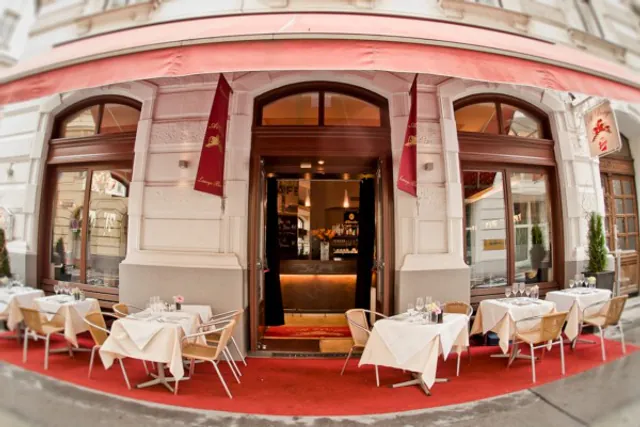
You'll find Al Borgo on a quiet side street in the 1st District, just a short walk from the crowds at St. Stephen's Cathedral and the Stadtpark. While Vienna is
Frequently Asked Questions
Do I need to speak German to visit Vienna?
Is Austrian German different from the German spoken in Germany?
How do I ask for the bill in a restaurant in Vienna?
What is the fine for riding the train without a ticket in Vienna?
What does 'Schmäh' mean in Vienna?
What is the best language app to use in Vienna?
Related Guides
- Vienna Accessible Travel Guide: Navigating the 2025 Access City Award Winner
- Vienna on a Shoestring: The Ultimate Budget Travel Guide
- Vienna Emergency Contacts & Services: A Complete Guide for Travelers
- Entering Austria: A Comprehensive Guide to Visas, Customs, and Vienna Airport Logistics
- Navigating Healthcare & Pharmacies in Vienna: A Practical Guide
- The Vienna Connectivity Guide: eSIMs, Local SIMs, and Free WiFi
- The Ultimate Guide to Luggage Storage in Vienna: Lockers, Apps, and Insider Tips
- Money & Currency in Vienna: A Local's Guide to Cash, Cards, and Tipping
Trip Budget Calculator
Get a realistic cost estimate for your {city} trip in seconds.
Try it