Graben and Kohlmarkt
Landmark
About the Experience
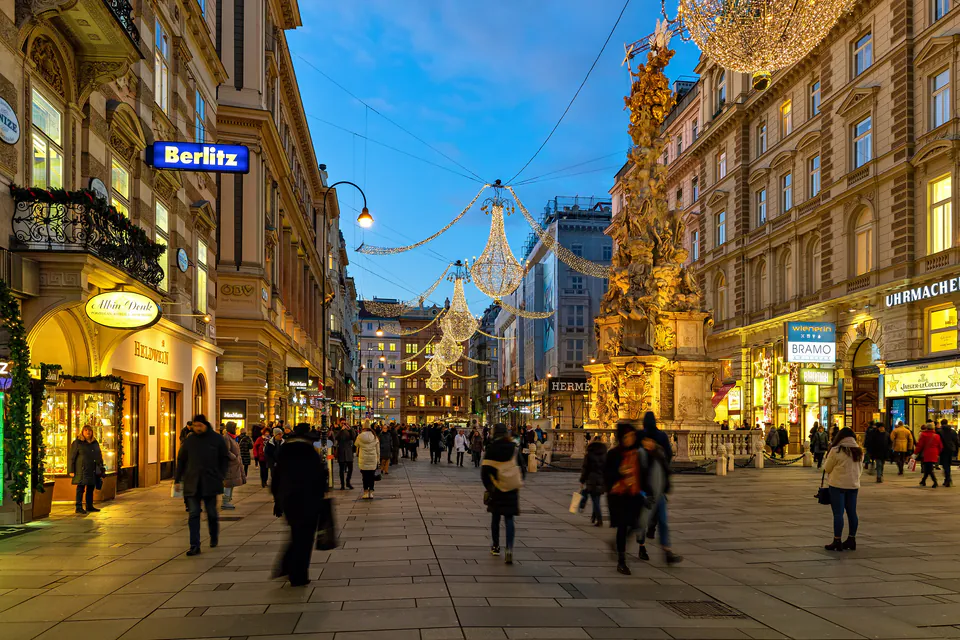
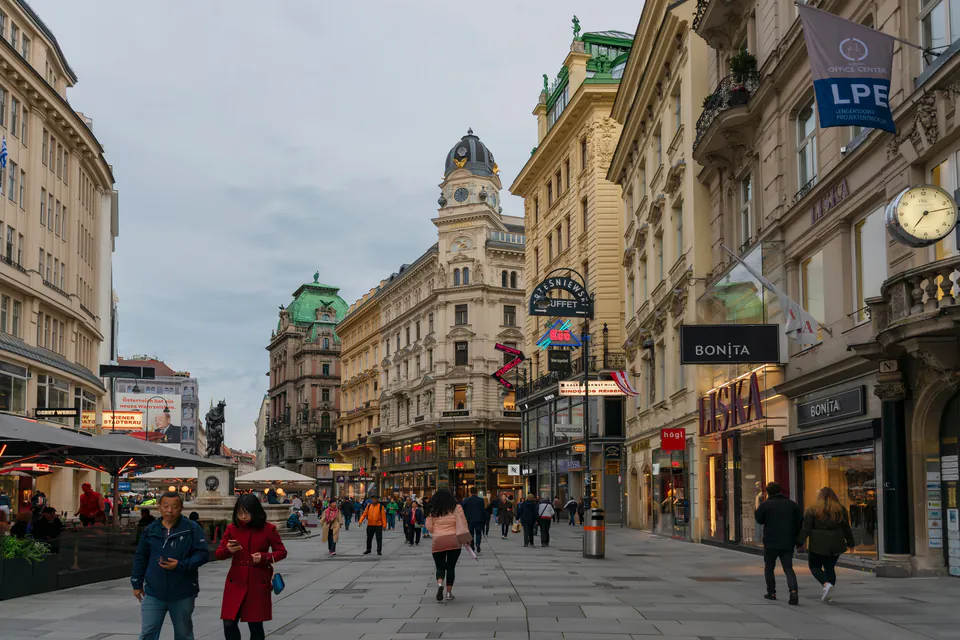
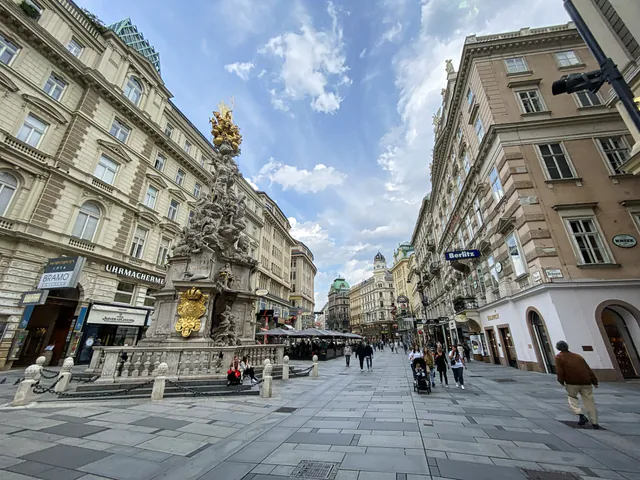
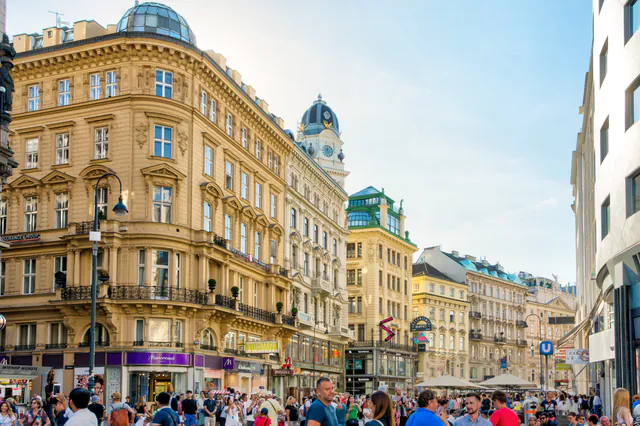
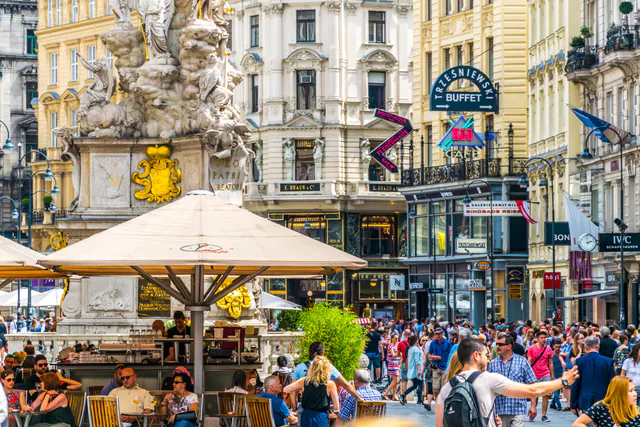
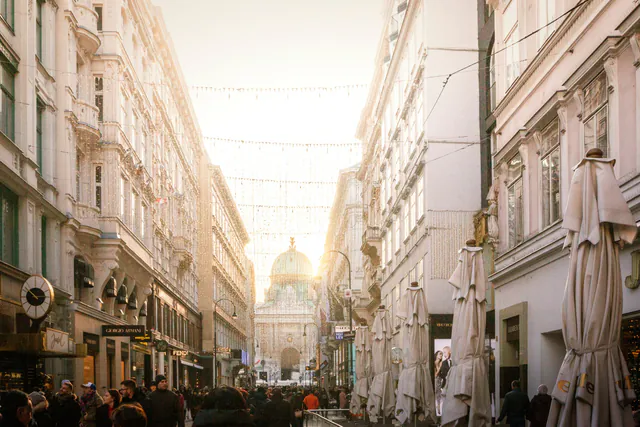
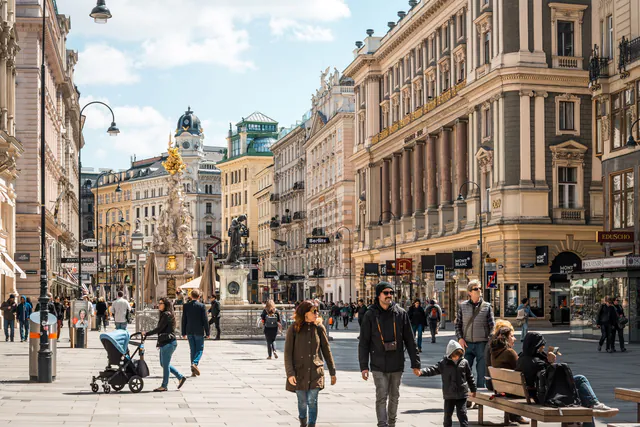
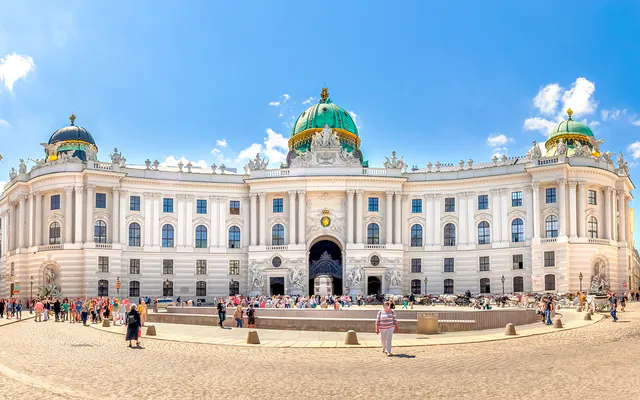
Don't call it a shopping trip. Walking the pedestrian spine of Graben and Kohlmarkt is a dive into the DNA of imperial Vienna. This isn't your average high street. It's the "Golden U," a limestone-paved stretch where the Habsburgs once paraded and luxury brands now jostle for the most ornate storefronts. Start on Graben. The name means "ditch," a nod to its Roman roots as a literal moat, but there's nothing murky about it now. It's a wide, sun-drenched stage flanked by 19th-century giants and the gold-leafed Pestsäule (Plague Column) at its heart. Sit at an outdoor table, order a Melange, and watch the world go by. It’s expensive, but the people-watching is top-tier. When you hit the intersection, turn onto Kohlmarkt. This was once a gritty charcoal market. Now, it's a glittering corridor of high-fashion boutiques that leads your eye straight to the green dome of the Hofburg Palace. You'll see the "K.u.K." signs everywhere. They mark the former Imperial and Royal Court Suppliers. Whether you're here to drop four figures on a watch or just to gawk at the Art Nouveau facades, these streets are the city's living room. They're free, they're open 24/7, and they're essential.
Photos
History & Significance
Graben and Kohlmarkt started as the rough edges of a Roman camp called Vindobona. In the 12th century, Duke Leopold V used a massive ransom from kidnapping England's King Richard the Lionheart to fill in the Roman moat, creating the broad street we see today. By 1255, Kohlmarkt was a hub for wood and charcoal traders. But as the Hofburg Palace grew, the neighborhood cleaned up its act. The charcoal sellers were replaced by elite jewelers and tailors vying for the Emperor's business. Graben eventually became Vienna's first pedestrian-only zone in 1974. It set the standard for the city's modern, walkable core.
The Architecture
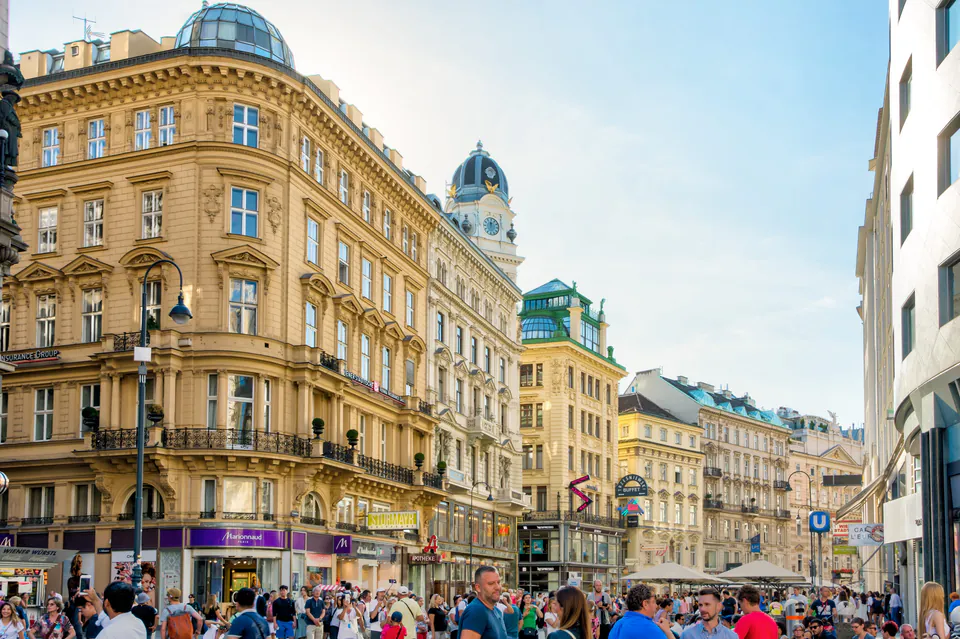
This isn't just a pretty walk. It's a crash course in European design. Look at the Pestsäule on Graben. It's a wild, swirling Baroque monument commissioned by Emperor Leopold I after the 1679 plague. It’s gilded, chaotic, and brilliant. Nearby, the Ankerhaus at Graben 10 shows off Otto Wagner’s early Art Nouveau style with its glass-topped attic. But don't miss the Looshaus at the end of Kohlmarkt on Michaelerplatz. When Adolf Loos built it in 1910, its lack of window decorations horrified the city. Emperor Franz Joseph hated it so much he reportedly kept his palace curtains closed to avoid looking at the "house without eyebrows." It’s now considered a masterpiece of modernism. Between these landmarks, you'll find everything from 16th-century fountains to the Palais Bartolotti-Partenfeld at Graben 11. It's a high-density mix of Baroque drama and 20th-century rebellion.
The Surrounding Area
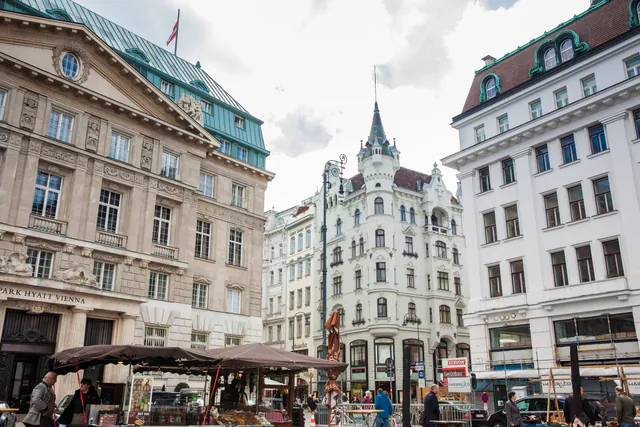
You’re in the First District, the bullseye of Vienna. If you walk southeast down Graben, you’ll run right into the jagged Gothic spires of St. Stephen's Cathedral (Stephansdom). It’s the city’s anchor. In the opposite direction, Kohlmarkt acts as a grand driveway for the Hofburg Palace. This is where you find the Sisi Museum and the Spanish Riding School. Don't just stick to the main drag. Duck into Jungferngässchen to find Peterskirche. It’s a Baroque church modeled after St. Peter's in Rome and the organ concerts inside are often free. The side streets here are a maze of wine cellars and old-school coffee houses. They offer a quiet escape when the main crowds on the graben and kohlmarkt vienna routes get too thick.
Photography Guide
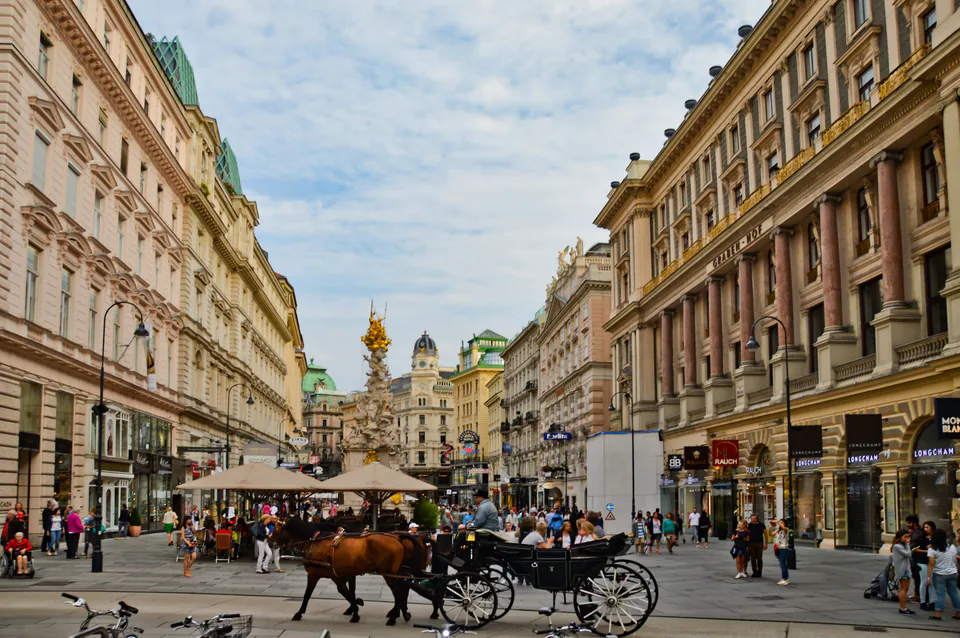
Get here early. By 10:00 AM, the delivery trucks and tour groups will clutter your frame. For the money shot, stand at the junction of Graben and Kohlmarkt and point your lens toward the Hofburg dome. It’s the perfect imperial vista. The Plague Column is trickier. Midday sun flattens the details. Wait for the golden hour when the light hits the gold leaf at the top. If it’s raining, don’t hide. The wet cobblestones reflect the shop lights beautifully. During December, the game changes. Graben hangs massive crystal chandeliers over the street, and Kohlmarkt glows under a canopy of white lights. Use a tripod and capture the motion of the crowds against the sharp, festive displays. Even the luxury window displays at shops like Demel are worth a close-up.
Tours & Experiences Nearby
Top-rated tours and experiences starting near Graben and Kohlmarkt.
 experience
 concert
 walking tour
 food tour
Essential Visitor Tips
- Cafe Demel
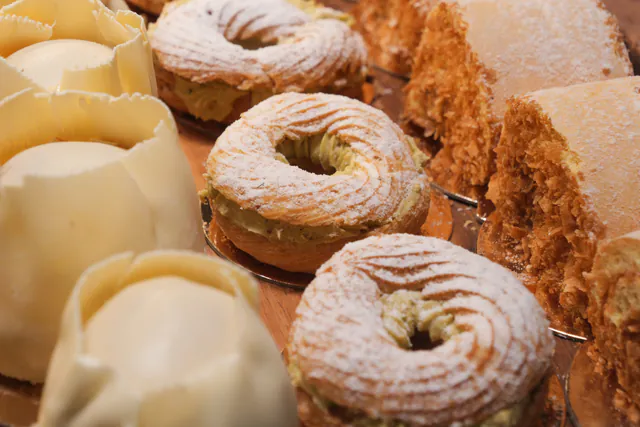
This isn't just a bakery. It's a landmark. Go inside to watch the pastry chefs work behind glass. Order the Sachertorte.
- Look Up
The ground floors are all modern glass, but the upper stories are pure history. Search for Otto Wagner’s golden motifs.
- Holiday Magic
Arrive after dark in December. The giant chandeliers over Graben are the best holiday lights in Europe.
- Hidden Courtyards
Poke your head into the archways. Many lead to quiet spots like the courtyard at Graben 30.
- Early Morning Strolls
If you want the architecture to yourself, be there by 8:00 AM. The city is still waking up.
Best Time to Visit
"Morning is for photographers and quiet walks. Evening is for the atmosphere. Go at dusk when the shop windows and the Hofburg dome light up."
Nearby Hotels
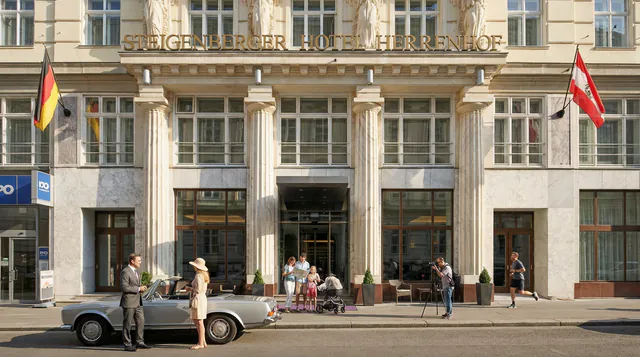
2 min walk (165m)
250-square-meter Spa World Comfort with Finnish sauna and bio-sanarium · 21st-century Baroque and Art Déco interiors reimagined by studio Einwaller
Price From €260/night
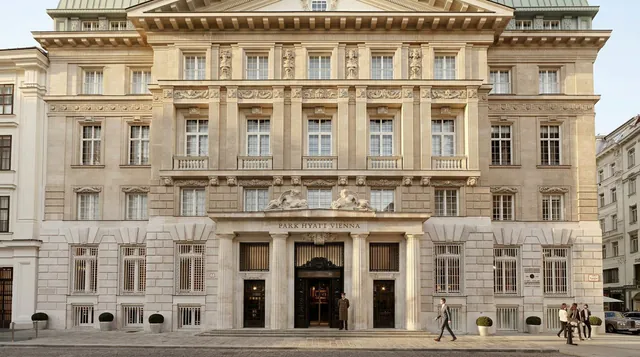
2 min walk (178m)
15-meter indoor swimming pool located in the former bank vault · The Bank Brasserie & Bar housed in the monumental historic cashier hall
Price From €700/night
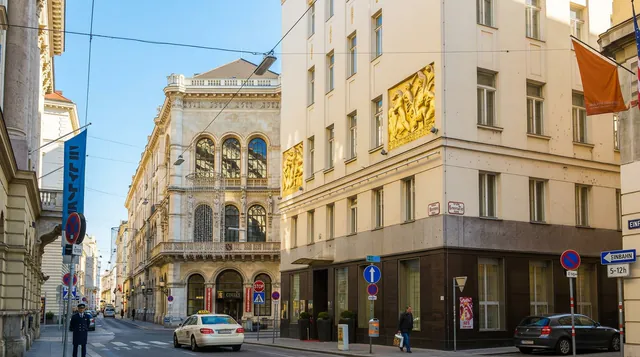
3 min walk (203m)
Housed in a meticulously restored 1914 bank building with a preserved vault · Exclusive Die Zwölf restaurant and bar serving authentic Austrian cuisine
Price From €220/night
Nearby Restaurants
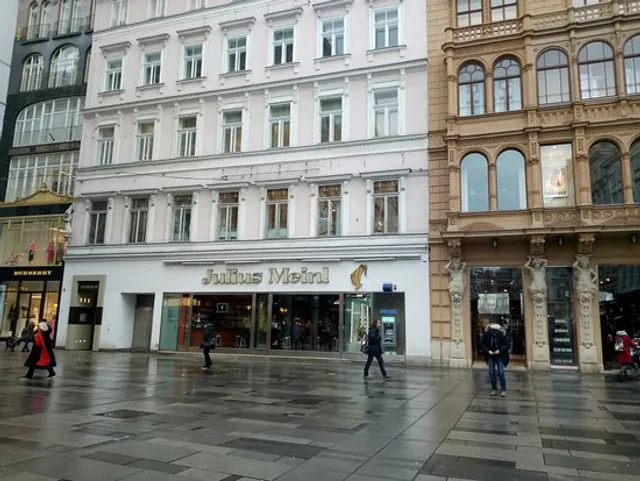
Julius Meinl Am Graben
International Fine Dining • Fine Dining
Don't just walk past the red fez logo. While the ground floor is a high-end deli...
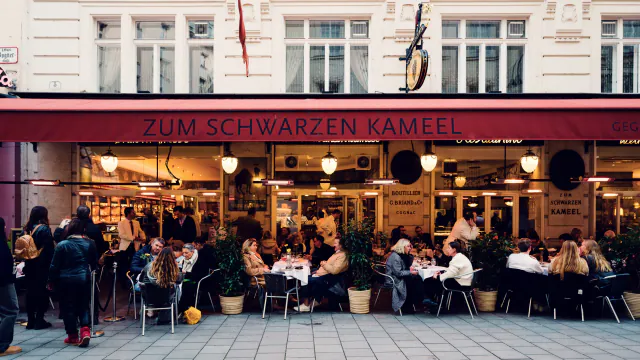
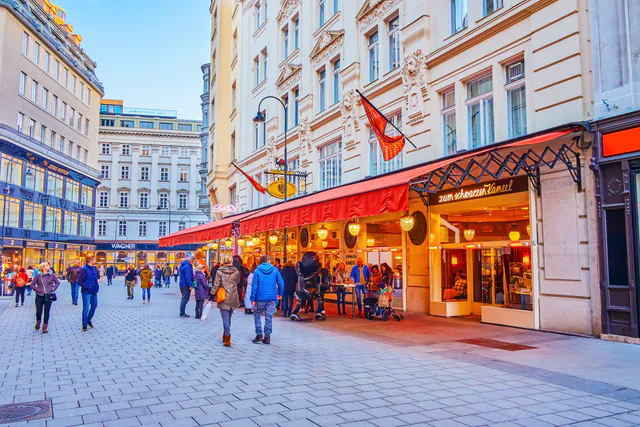
Zum Schwarzen Kameel
International Fine Dining • Fine Dining
Forget the stuffy museums. If you want to taste Vienna's history, head to Bogner...
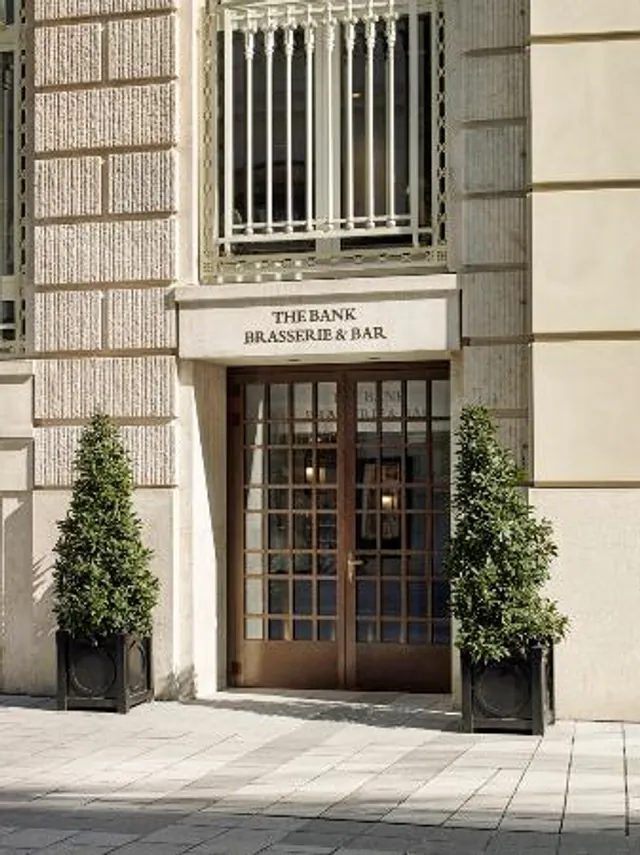
The Bank Brasserie & Bar
International Fine Dining • Upscale
Don't just come for the food. Come to eat inside a vault of Viennese history. Lo...
Frequently Asked Questions
How do I get to Graben and Kohlmarkt using public transport?
What is the best spot for photography at Graben and Kohlmarkt?
Are there any famous coffee houses located on Graben or Kohlmarkt?
What attractions are located near Graben and Kohlmarkt?
Is it worth visiting Graben and Kohlmarkt during the Christmas season?
What is the history behind the name Kohlmarkt?
Can I enjoy Graben and Kohlmarkt if I am not interested in shopping?
Are there public restrooms available around Graben and Kohlmarkt?
What are the opening hours of Graben and Kohlmarkt?
How much does it cost to visit Graben and Kohlmarkt?
How long should I spend at Graben and Kohlmarkt?
Is Graben and Kohlmarkt wheelchair accessible?
Quick Facts
Find Hotels Nearby
The Neighborhood
1st District: Innere Stadt
Read Guide