Museum of Military History
Museum
About the Experience
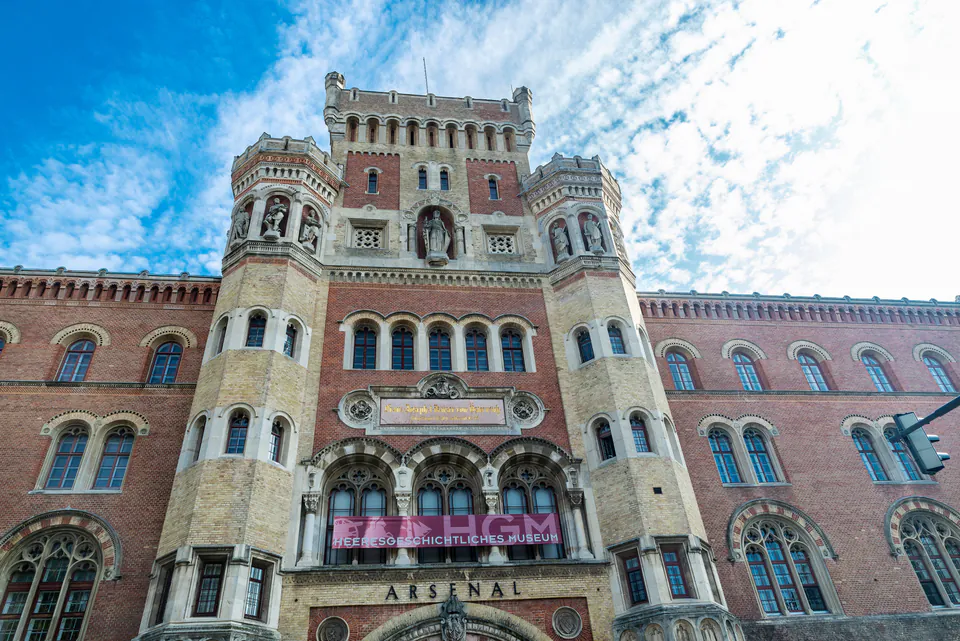
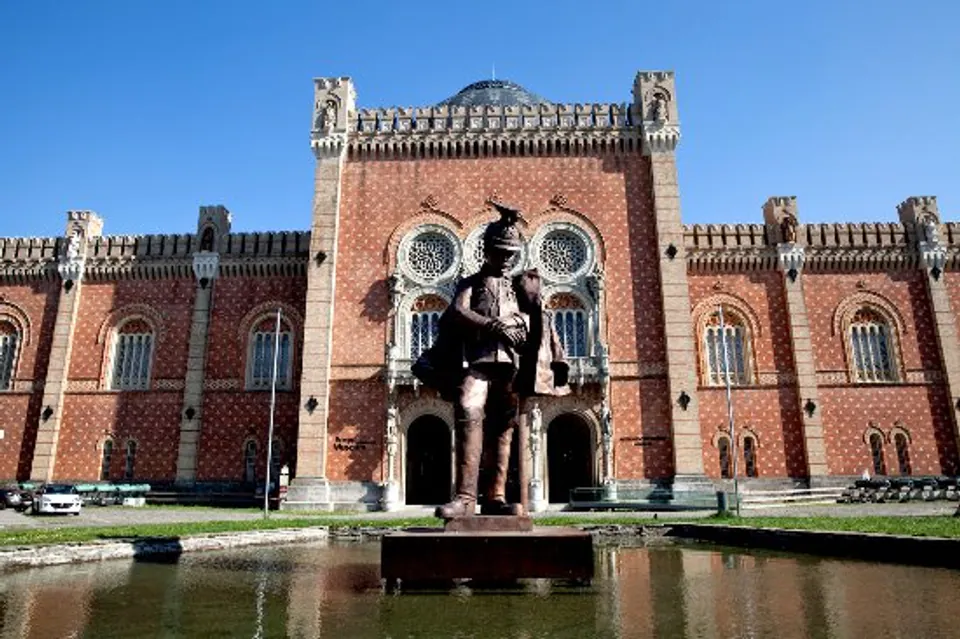
Forget the gilded ballrooms of the Hofburg for a second. If you want to understand how the Habsburg Empire actually functioned, head to the Arsenal in the 3rd District. This massive red-brick fortress houses the Museum of Military History (Heeresgeschichtliches Museum). It is a gritty, essential counterpoint to Vienna's usual Mozart-and-marzipan aesthetic. Here, the story of Austria isn't told through waltzes. It's told through the heavy clang of steel and the strategic shifts of centuries of conflict. Architect Theophil von Hansen didn't hold back on the design. He fused Byzantine and Moorish styles into a structure that feels like a temple to war. Before you look at a single tank, the interior grabs you. You'll walk through the Feldherrenhalle, lined with 56 marble statues of imperial commanders. Upstairs, the Ruhmeshalle is a knockout. Its massive dome and Carl von Blaas frescoes prove that even the business of battle had an eye for high art. You'll find everything from medieval armor to Ottoman banners and naval models. It is a chronological walk through the rise and crash of an empire. The curation is sharp. It celebrates victories but doesn't ignore the staggering human cost. It is a quiet, unhurried space. Perfect for a deep dive into the forces that built modern Europe.
History & Significance
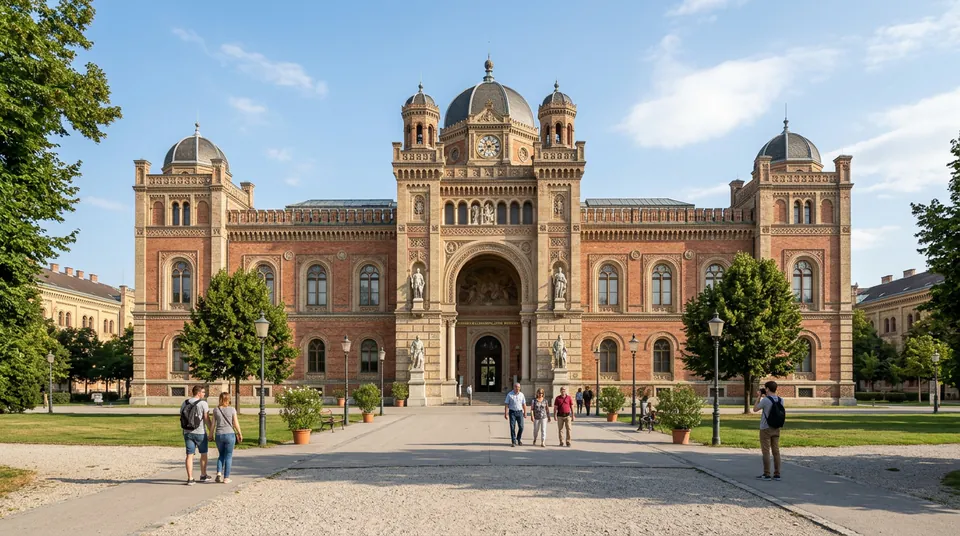
Built between 1850 and 1856, this is Vienna's oldest purpose-built museum. Emperor Franz Joseph I didn't build the Arsenal complex just for show. He commissioned it right after the 1848 revolutions to keep a tight imperial grip on the city. The architect, Theophil von Hansen, went all-in on a Neo-Byzantine style that looks more like a Mediterranean fortress than a Viennese gallery. It was designed to store imperial weapons and immortalize the army. The Emperor finally opened it to the public in 1891. It has survived the fall of the Monarchy in 1918 and heavy shelling during WWII. Today, the Ministry of Defence runs the place. It remains a massive archive of five centuries of Austrian military identity.
The Architecture
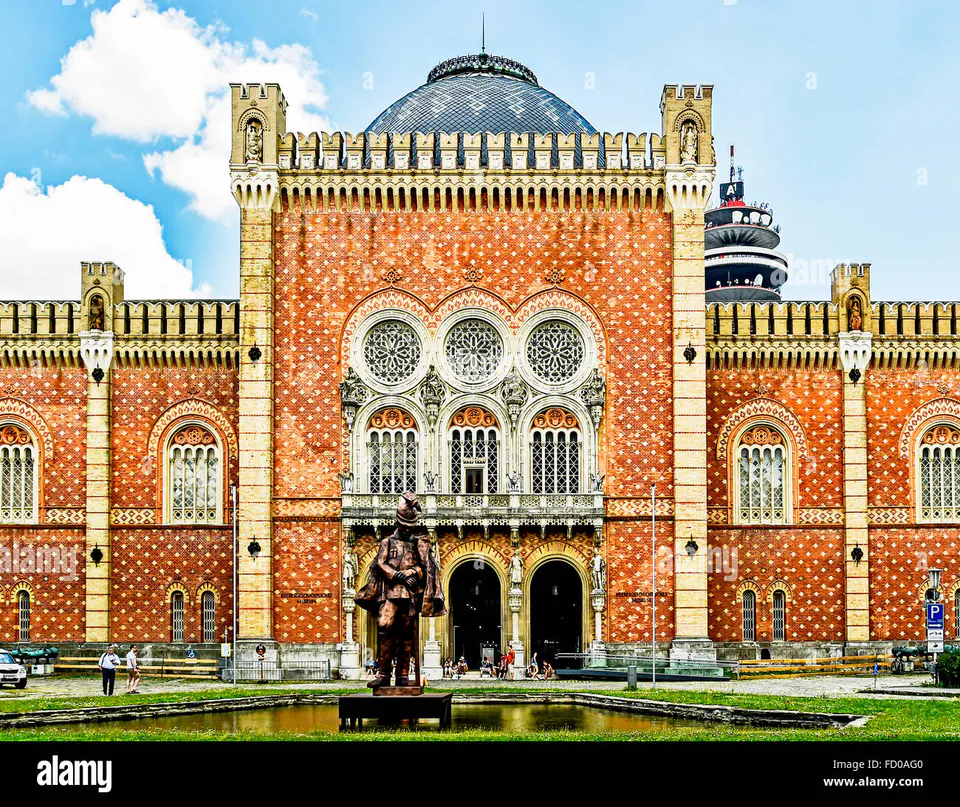
Vienna usually sticks to Baroque curves, but the Arsenal is a different beast. Theophil von Hansen, the man behind the famous Musikverein, built this as a military statement in the 1850s. He used red brick, crenelated walls, and a giant dome to create something that looks like an exotic palace-fortress. Walk inside and the Feldherrenhalle (Field Marshal's Hall) hits you immediately. It is a palatial hall held up by massive pillars and guarded by 56 life-sized Carrara marble statues. Every single commander stands exactly 186 centimeters tall. It is a rigid, imposing guard of honor. The real showstopper is the Ruhmeshalle on the first floor. This Hall of Glory is capped by a vaulted dome and covered in 45 frescoes by Carl von Blaas. The art acts as a giant storyboard for Austrian battles from antiquity through the 1800s. Don't just look at the floor. Look up. The building is as much of an exhibit as the guns and flags.
The Collections
The museum organizes its chaos chronologically. Start on the upper floor to trace the 16th and 17th centuries. This is the era of the Thirty Years' War and the long, bloody struggle with the Ottomans. Look for the authentic Turkish commander's tent and the massive banner snatched during the 1683 Siege of Vienna. These aren't replicas. They are original war booty. As you move through the rooms, you'll hit the Napoleonic Wars and the time of Field Marshal Radetzky. Expect plenty of gleaming swords and sharp imperial uniforms. The displays are clean and come with bilingual leaflets that explain the gear without getting bogged down in academic fluff. Downstairs, the tone shifts. The 20th-century galleries cover World War I and the end of the Habsburgs. The vibe is sobering. You'll see the transition from 19th-century gold braid to the mud-caked reality of the trenches. Don't skip the Marine Hall. It's a weird, fascinating look at Austria's lost life as a naval power on the Adriatic.
Must-See Exhibits
One object here changed the world. In the Sarajevo room, you'll find the Gräf & Stift convertible. This is the car Archduke Franz Ferdinand was riding in when he was shot in 1914. You can still see the bullet holes. His blood-stained uniform and the chaise longue where he died are right next to it. It is a heavy, visceral experience. For something less grim, head to the Austrian Naval Hall. It’s strange to think of landlocked Austria having a navy, but the massive dreadnought models and figureheads prove otherwise. If you like heavy metal, walk over to the Panzerhalle (Tank Hall) in the back of the complex. It’s usually open Thursday to Sunday. It’s packed with historic armored vehicles, from WWII tanks to modern troop carriers. If you're lucky enough to be here on the first Sunday of the month, grab a spot on a guided tour of the tanks. You'll get technical details you won't find on the placards.
Tours & Experiences Nearby
Top-rated tours and experiences starting near Museum of Military History.
 experience
Essential Visitor Tips
Start at the top. The museum is huge. Hit the Hall of Glory on the upper floor first and follow the timeline down.
Find the Sarajevo car. Seeing the actual bullet holes in the Archduke’s Gräf & Stift is a mandatory history lesson.
Check your neck. The frescoes in the Ruhmeshalle are incredible. Don't spend the whole time looking at the glass cases.
Go on the first Sunday. Admission is free every first Sunday of the month and on October 26. Save your cash.
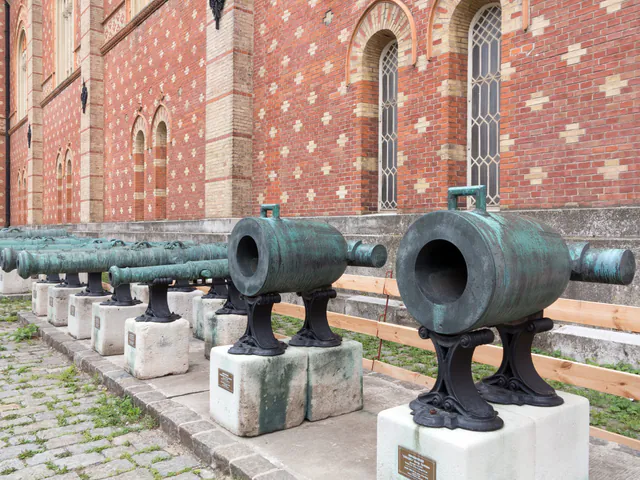
Walk the grounds. The Arsenal is a massive brick labyrinth. It's perfect for photography even if you don't go inside.
Best Time to Visit
"Show up on a weekday morning to have the galleries to yourself. If you're on a budget, the first Sunday of every month is free."
Nearby Hotels
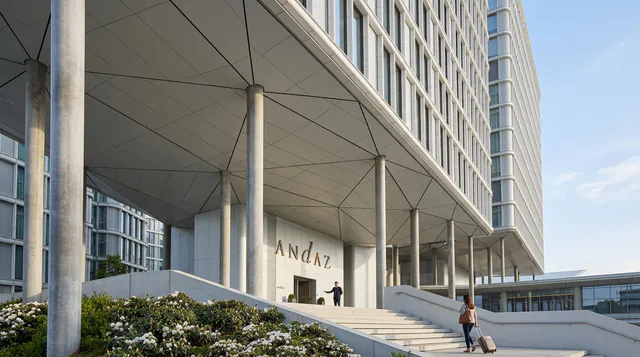
4 min walk (359m)
Aurora Rooftop Bar on the 16th floor with open fire pit and panoramic city views · Architectural design by Pritzker Prize winner Renzo Piano with striking interlocking buildings
Price From €246/night

5 min walk (430m)
Panoramic rooftop terrace and SkyBar overlooking the Vienna skyline · Unbeatable transit access positioned directly behind Vienna Central Station
Price From €65/night
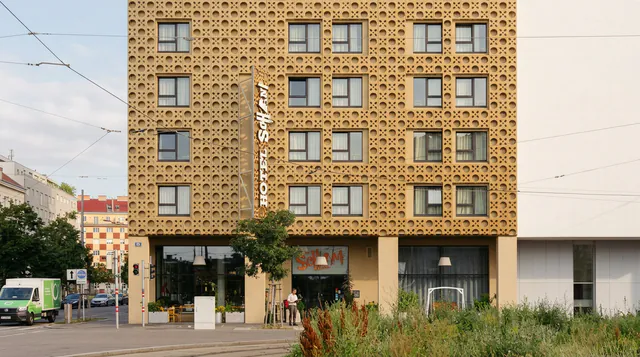
8 min walk (637m)
Innovative mobile check-in and smartphone room keys · Integrated free coworking space for all hotel guests
Price From €125/night
Frequently Asked Questions
How do I get to the Museum of Military History by public transport?
Are there food options near the Museum of Military History?
Can I take photos inside the Museum of Military History?
What other attractions are near the Museum of Military History?
Is the car from the Sarajevo assassination at the Museum of Military History?
Does the Museum of Military History have storage for bags?
Is the Museum of Military History a good activity for a rainy day?
What is special about the Museum of Military History building?
What are the opening hours of Museum of Military History?
How much does it cost to visit Museum of Military History?
How long should I spend at Museum of Military History?
Is Museum of Military History wheelchair accessible?
Quick Facts
The Neighborhood
3rd District: Landstraße
Read Guide