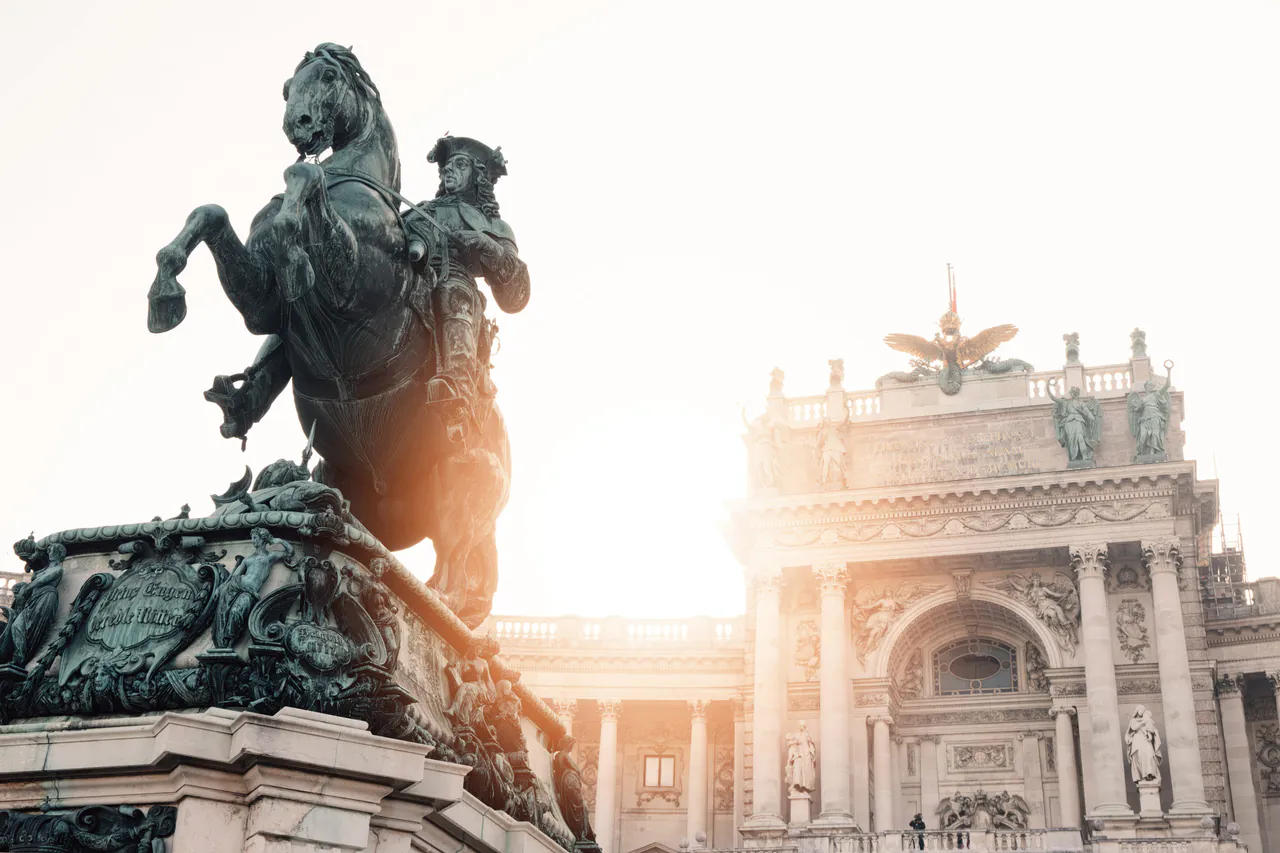
Vienna's Dark History: A Local's Guide to Macabre Museums & The Imperial Crypt
Written by
Nils Johansson | Founder
Forget the golden palaces and the Sachertorte for a second. To really get Vienna, you have to look at its obsession with the grave. We call it "Die Schöne Leich"—the beautiful corpse. It is a local fixation on dying with style that has shaped this city for centuries. You'll find it in the basement of a quiet church and inside a cylindrical tower once filled with the "insane." This guide skips the typical art galleries to show you the city's underbelly. We are talking 18th-century medical nightmares, imperial bronze sarcophagi, and a gift shop that sells coffin-shaped USB sticks. It's weird, it's blunt, and it's perfectly Viennese.
Photos
The Viennese Cult of Death: Understanding "Die Schöne Leich"
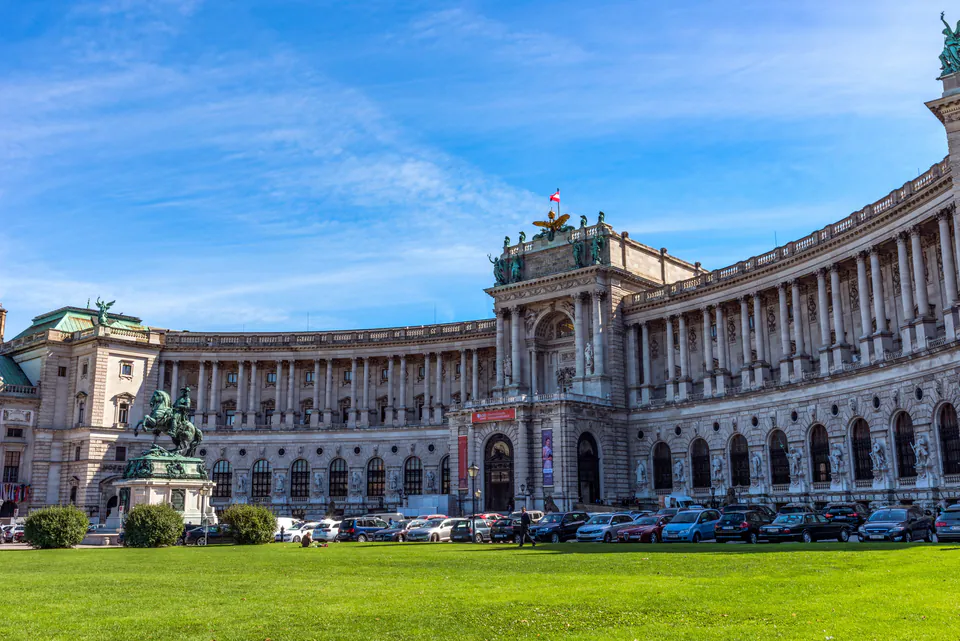
In Vienna, death isn't just an end. It's a final chance to show off. Locals used to save their whole lives just to ensure their funeral was a high-society spectacle. We call this "A schöne Leich" (a beautiful corpse). You'll even see the Pompfüneberer (the grim, black-clad undertakers) treating a burial like a choreographed opera. This isn't just history; it's our DNA. We have the Zentralfriedhof, a cemetery where the dead outnumber the living two-to-one. It's why you can eat a decadent cake at a coffee house and then immediately walk into a room of skeletal anomalies. We find the shadow just as vital as the light. Even Freud would have called it a classic case of the "Todestrieb" or death drive.
The Imperial Crypt: Sleeping with the Habsburgs
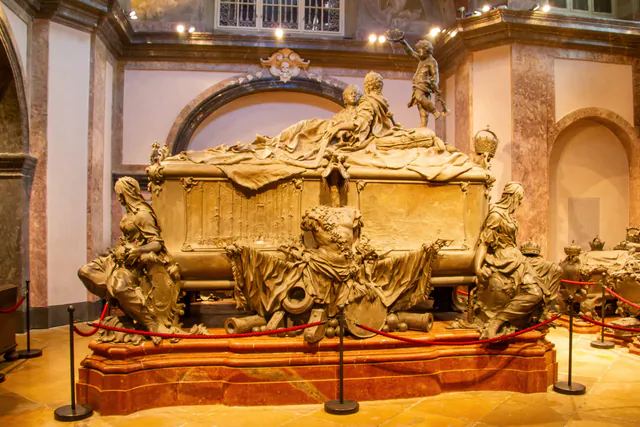
Duck into the unassuming Capuchin Church at Tegetthoffstraße 2. Below the floorboards lies the Imperial Crypt, holding 150 Habsburgs since 1633. The air gets thin and cold as you descend. It's a masterclass in ego and copper. Look for the massive, double-tomb of Maria Theresa and her husband, Franz I Stephan, covered in weeping statues. Then, look at the plain copper box at her feet. That's her son, Joseph II, a reformer who hated the fluff. Don't miss Sisi's tomb, which is always buried under fresh flowers. During the 1989 burial of Empress Zita, the monk inside only opened the door when she was introduced as a "mortal, sinful human." Adult tickets cost between €8.50 and €15. Use your Vienna Pass to get in for free. Doors stay open 10:00 AM to 6:00 PM daily.
Narrenturm: The "Fools' Tower" and Pathological Anatomy
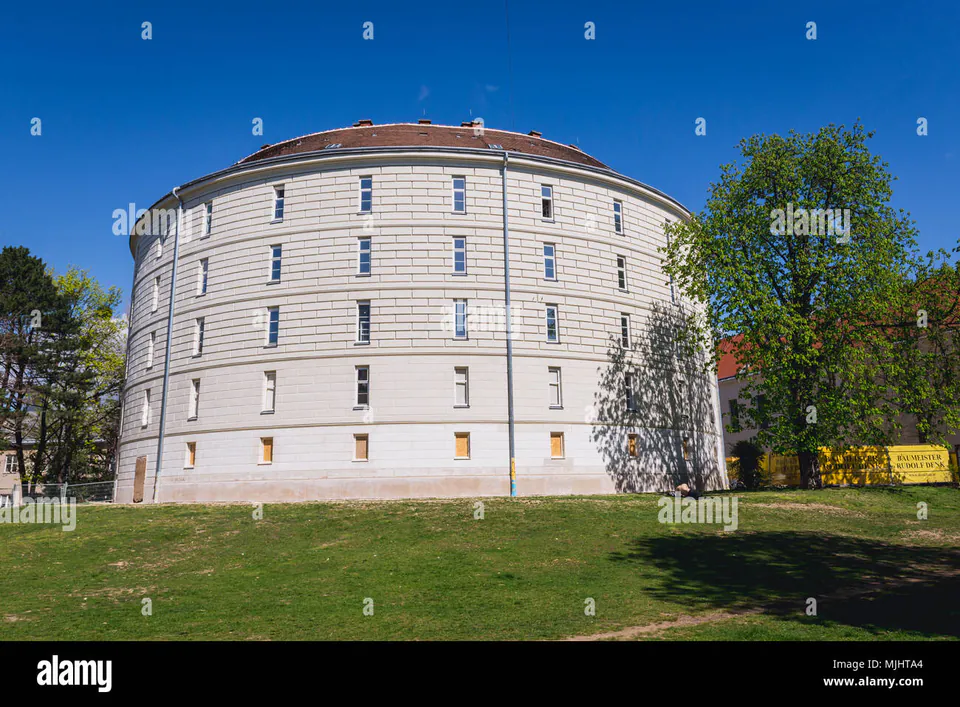
The Narrenturm is death without the bronze decorations. Find it in courtyard 13 of the Altes AKH at Spitalgasse 2. This round fortress was Europe’s first psychiatric hospital, built in 1784. Now, it houses 45,000 pathological specimens. It's a heavy, silent place. You'll walk curved hallways lined with wax models of skin diseases and skeletons warped by bone rot. It’s clinical and respectful, not a sideshow. Note that photography is strictly banned and the staff will watch you. It's not for anyone under 14. Entry is €8.00 for adults (free if you're under 19). Go Wednesday to Saturday from 10:00 AM to 5:00 PM. Pay the extra €5 for the guided tour to see the restricted collections.
Bestattungsmuseum: The Quirky Funeral Museum
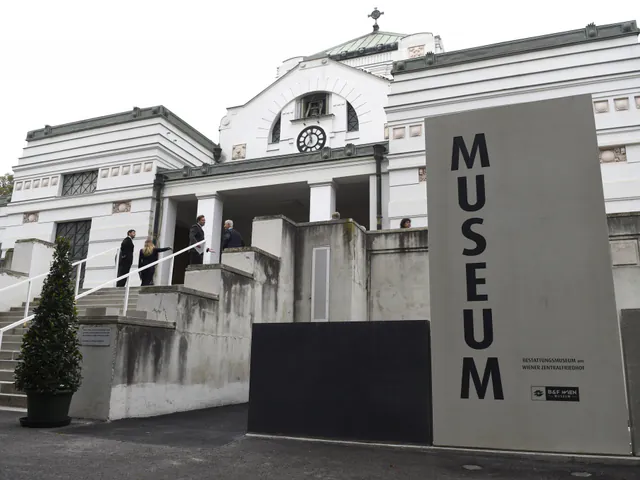
Take the 71 tram to the city limits for a dose of dark humor. The Bestattungsmuseum sits under Funeral Hall 2 at the Zentralfriedhof. This is a massive necropolis where Beethoven and Schubert rest, but the museum is the real draw. You'll find 250 artifacts, including "rescue alarm clocks" for those terrified of being buried alive. Check out the reusable coffin from the Joseph II era. It had a trap door to drop bodies into mass graves so the wood could be recycled. The public hated it. The museum is open Wednesday to Friday, 10:00 AM to 4:00 PM (plus Saturdays in summer). Grab a "Smoking Secures Jobs" cigarette case at the gift shop before you leave. It's pure Vienna.
Wiener Kriminalmuseum: Three Centuries of Dark Deeds
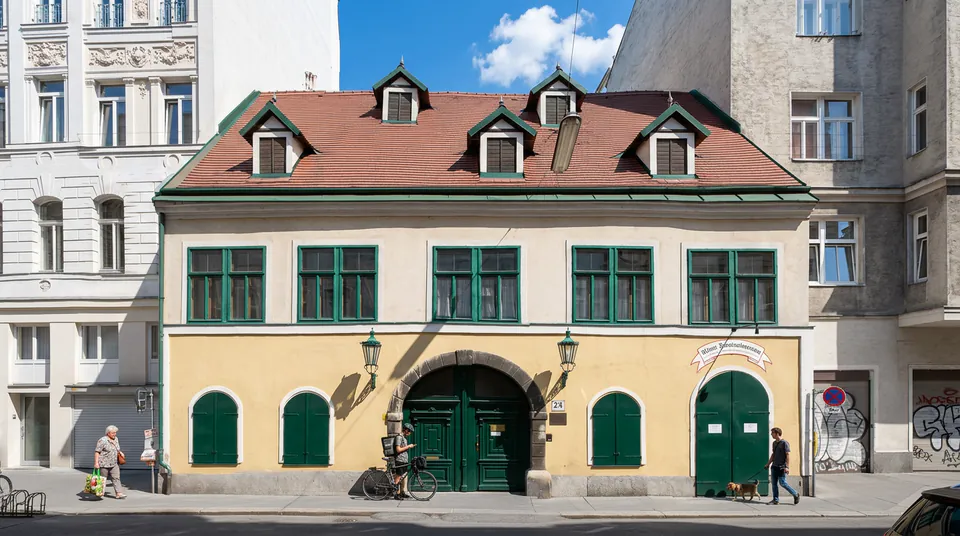
Located at Große Sperlgasse 24, the Vienna Crime Museum sits in a 1685 house that feels as old as the crimes it documents. It's a raw look at the city’s vice and violence. Skip the palace tours for this. You'll walk through multiple rooms filled with medieval torture tools and grainy crime scene photos. It covers everything from the hit on Emperor Franz Joseph to profiles of local serial killers. It's dense and requires a strong stomach. Doors are open Wednesday to Sunday, 10:00 AM to 5:00 PM. Admission is €12.50. Most signs are in German, so spend the €2.50 on the audio guide. You’ll need a stiff coffee in Leopoldstadt once you emerge.
Practical Tips
- 1No cameras in the Narrenturm: You can snap photos in the Crypt, but the Narrenturm is a hard no. Respect the specimens and keep your phone in your pocket.
- 2The Crypt stays cold: It's underground and damp even in July. Bring a sweater or you'll be shivering through the Habsburg history.
- 3Ride Tram 71 to the end: The Central Cemetery is a city of its own. Stay on the tram until Gate 2 (Zentralfriedhof 2. Tor) to land right at the Funeral Museum entrance.
- 4Pay for the Crime Museum audio guide: Unless your German is flawless, you'll miss the best details of the police reports. It's worth the €2.50.
- 5Leave the kids at home: The Narrenturm is graphic and unsettling. The museum staff recommends a minimum age of 14 for a reason.
- 6Check the calendar: These aren't the big state museums. The Funeral Museum is only open Wednesday through Friday (Saturdays in summer), and the Narrenturm shuts down Sunday to Tuesday.
- 7Flash your Vienna City Card: Show your transit card at the desk to shave a couple of euros off the price at the Kriminalmuseum and Narrenturm.
- 8Email for English tours: If you want the Narrenturm study collection tour, email pas@nhm.at early. English guides depend on who is working that day.
Top Attractions
Intrepid Urban Adventures - Vienna
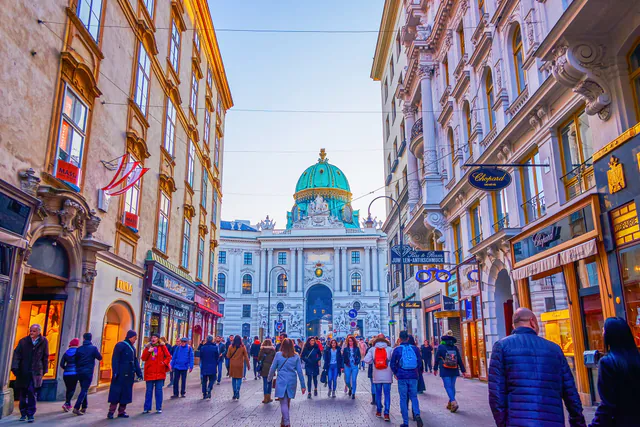
Forget the standard, dry sightseeing trudge. An Intrepid Urban Adventures tour in Vienna is more like grabbing a drink with a well-connected local friend who kn
Museum of Military History
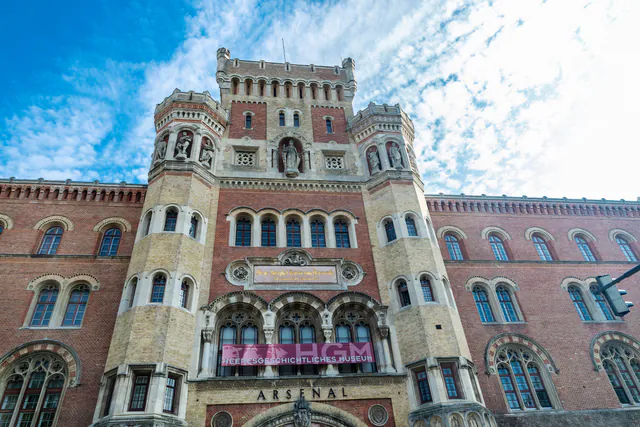
Forget the gilded ballrooms of the Hofburg for a second. If you want to understand how the Habsburg Empire actually functioned, head to the Arsenal in the 3rd D
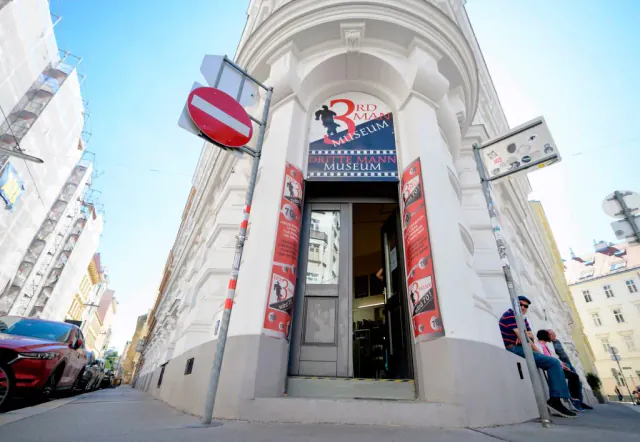
Third Man Museum
Don't expect a glossy, state-run gallery. The Third Man Museum is a gritty, private passion project in Vienna's 4th district. It's tucked away on Pressgasse nea
Frequently Asked Questions
Is the Narrenturm suitable for kids?
Where is the Funeral Museum located?
What does 'Die Schöne Leich' mean?
Can I take photos in the Imperial Crypt?
How much are tickets to the Vienna Crime Museum?
Who is buried in the Imperial Crypt?
How long does a visit to the Narrenturm take?
Related Guides
- Beyond the Ringstrasse: The Best Day Trips from Vienna
- Vienna Architecture & Hundertwasser Guide: From Imperial Elegance to Eco-Rebellion
- Vienna Imperial Palaces Guide: Unveiling the Habsburg Legacy
- The Perfect 24 Hours in Vienna: An Insider's 1-Day Itinerary
- The Ultimate 3-Day Vienna Itinerary: Imperial Grandeur to Hidden Heurigen
- Beyond the Ringstrasse: The Ultimate 5-Day Vienna Itinerary for Deep Explorers
- Vienna Accessible Travel Guide: Navigating the 2025 Access City Award Winner
- Vienna Airport to City Center: The Complete Local's Guide
Concert Venue Finder
From the Musikverein to hidden church concerts. Find your perfect performance.
Try it