Vienna Heuriger Wine Taverns Guide: Experiencing Austria's Urban Vineyards
Written by
Nils Johansson | Founder
Vienna is the world's only capital growing serious wine within city limits. You'll find 700 hectares of vines pumping out two million liters a year. The heart of this scene is the Heuriger (plural: Heurigen). These are rustic taverns where winemakers pour their own young bottles alongside massive Austrian buffets. The name literally means "this year's," referring to both the fresh wine and the spot serving it. It's a tradition dating back to Emperor Joseph II's 1784 decree. Look for a pine branch (Buschen) hanging over the door. That's your signal the place is open. Inside, you'll ditch the white tablecloths for shared wooden benches and cold glasses of Gemischter Satz. Whether you're in the cobbles of Grinzing or the dirt paths of Stammersdorf, it's the most honest way to drink like a local. This guide covers the best taverns, seasonal essentials like Sturm, and the etiquette you need to fit in.
Photos
The Heritage and Law of the Authentic Heuriger
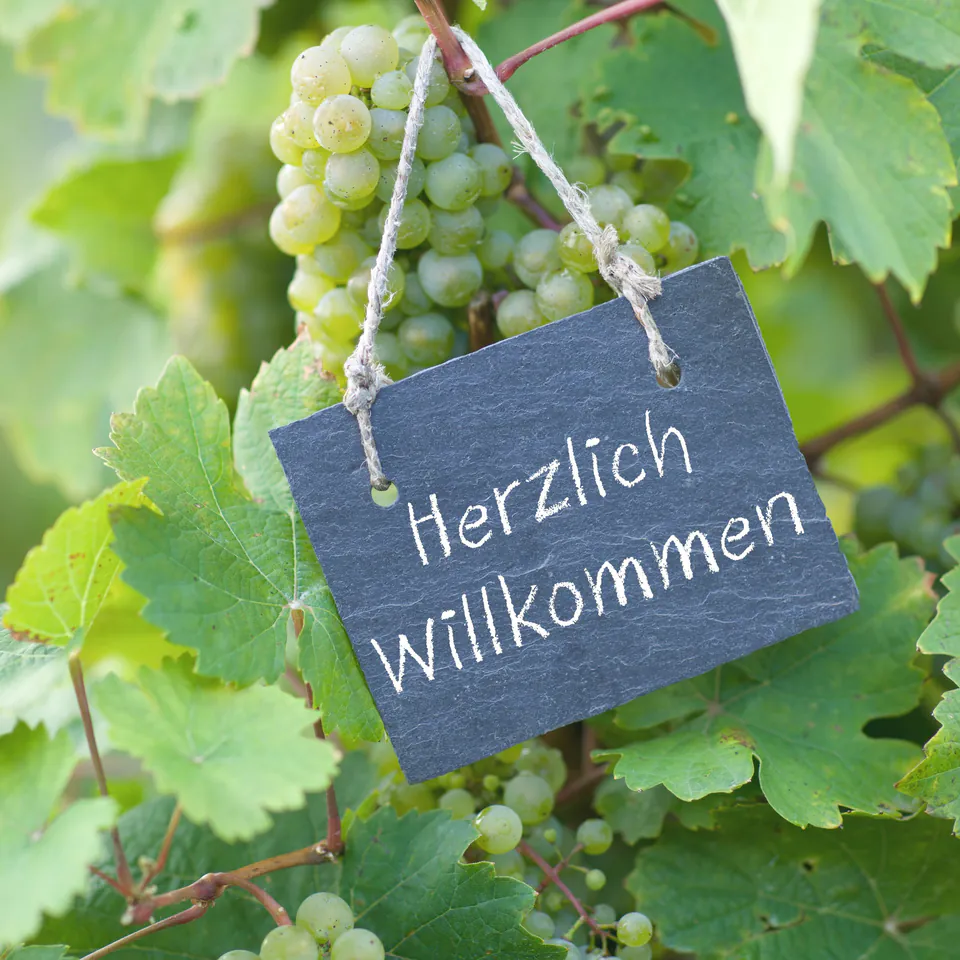
Don't be fooled by every restaurant calling itself a Heuriger. The real deal is a Buschenschank. These spots follow strict laws from a 1784 decree by Emperor Joseph II. By law, they can only serve wine and spirits made from their own grapes and orchards. You'll find them mostly in the outer districts like the 19th, 21st, and 23rd. The big giveaway is the Buschen, a bundle of pine twigs hanging above the door. If it's there, they're "ausgesteckt" (open). They don't run year-round. They open in shifts based on the harvest calendar. The vibe is intentionally rough. Forget reservations or host stands. You grab a spot at a shared table in a leafy courtyard or a stone cellar. It’s the rural answer to the city's coffeehouses. And while some now carry the "Vienna Top-Heuriger" seal for higher quality, the spirit remains simple. Just a vintner, a glass, and a patch of dirt.
Grinzing, Nussdorf, and the Legacy of Beethoven
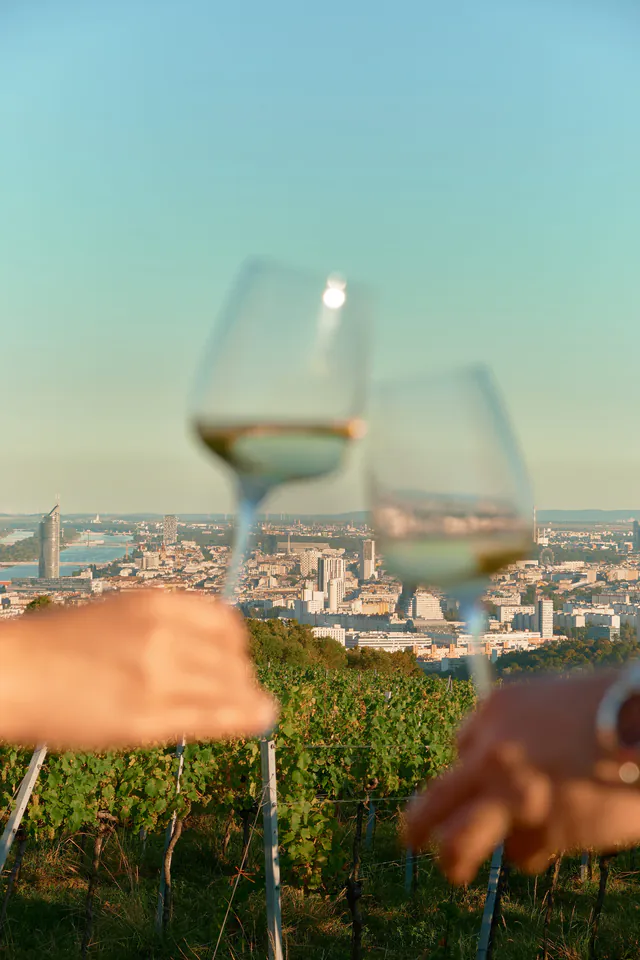
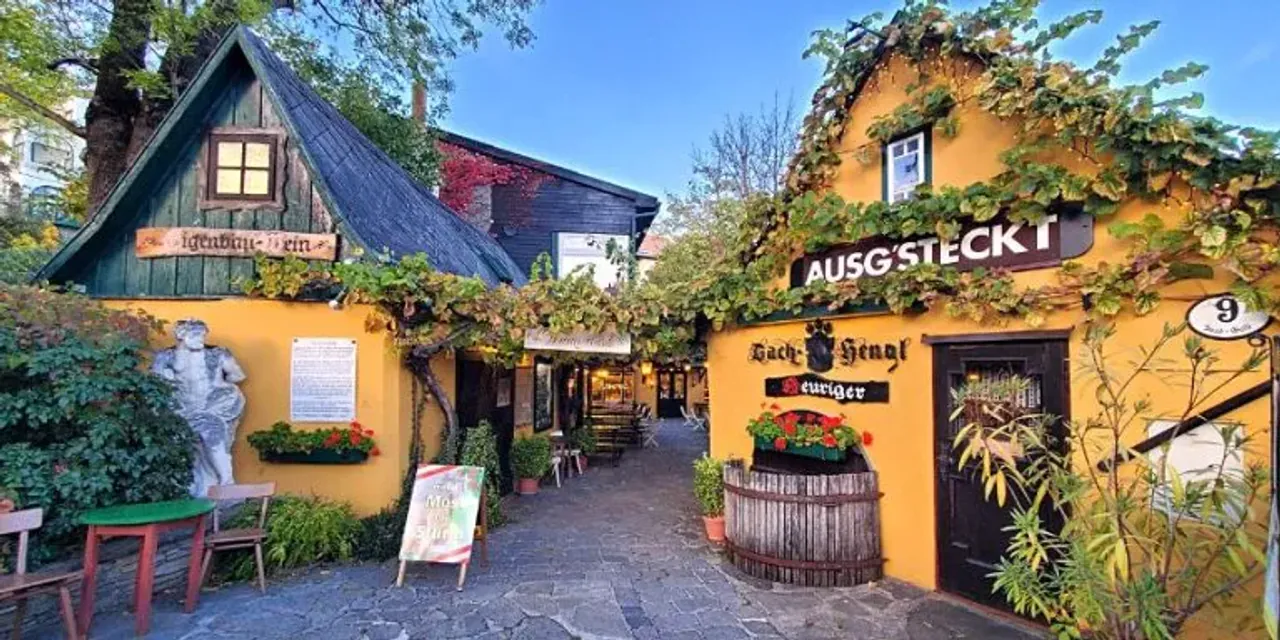
The 19th district is the heavyweight champion of Vienna wine. Grinzing is the famous one. Take Tram 38 from Schottentor to reach spots like Weingut-Heuriger Alter Bach-Hengl. Its yellow facade hides a courtyard where lanterns glow and Schrammel musicians squeeze accordions. It's a bit touristy, but the atmosphere works. For more weight, walk to Mayer am Pfarrplatz in nearby Nussdorf. This estate dates to 1683. Ludwig van Beethoven lived in this very house in 1817 while writing his 9th Symphony. You can drink their "Ried Preussen-Nussberg" Riesling in the same rooms where he worked. But if you want the best views, hike higher. The Nussberg slopes overlook the Danube and the whole city skyline. Duck into Weingut Wailand. Grab a deckchair and a Brettljause (snack platter) right in the middle of the vines. It feels a world away from the U-Bahn.
Stammersdorf and Mauer: The Local Gems
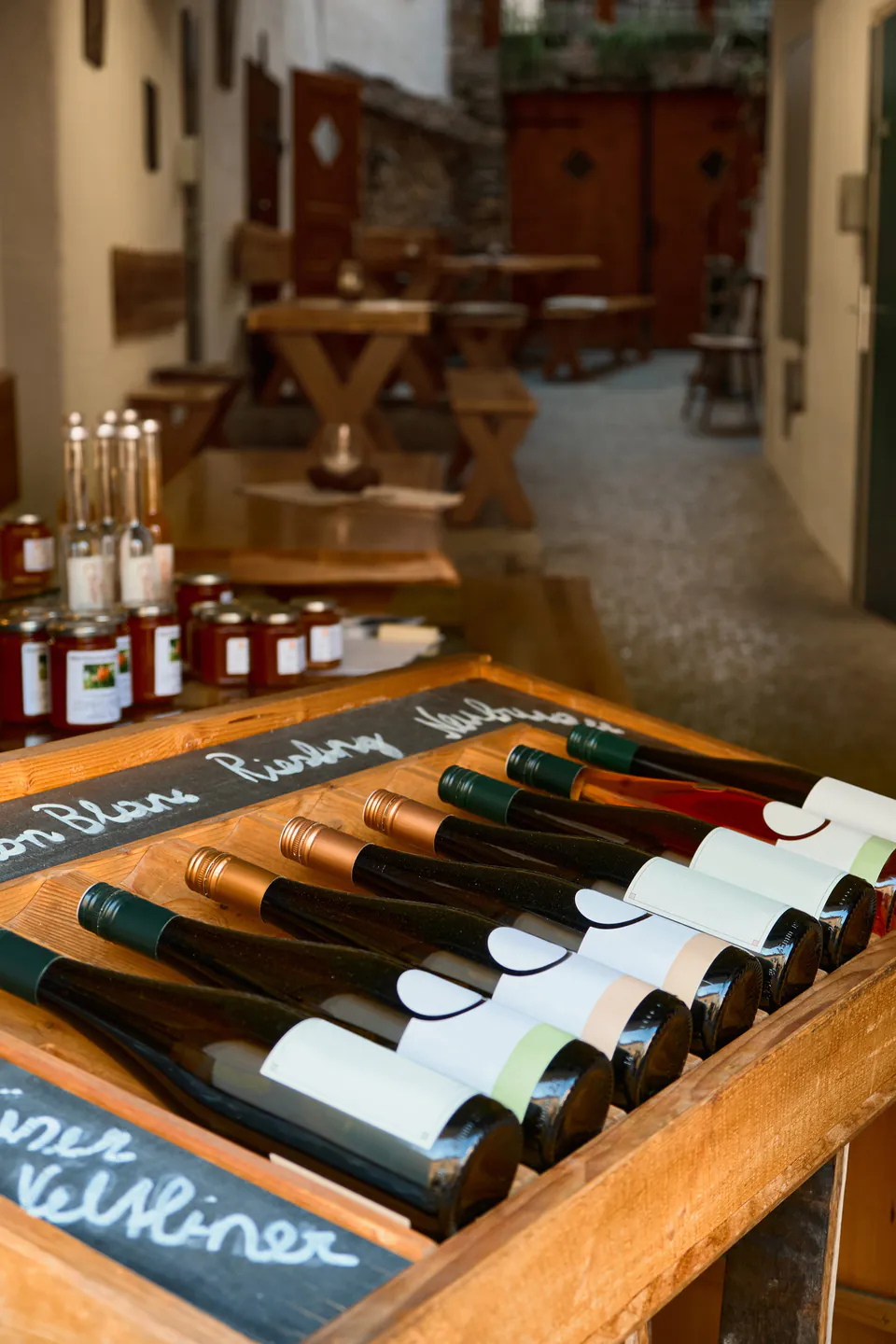
Skip the crowds in Grinzing and head across the river to Stammersdorf. The Stammersdorfer Kellergasse is a narrow lane lined with tiny, family-run cellars. It feels like a village frozen in time. Check out Helmut Krenek am Weingut Göbel. Krenek used to cook at the legendary Plachutta, so the food is leagues above standard tavern fare. Expect wild boar cheese kransky or lamb curry paired with organic wines. In the south, hit Mauer in the 23rd district. Heuriger Edlmoser sits in a 17th-century house on the edge of the Vienna Woods. It's quiet, sophisticated, and mostly free of tour groups. The prehistoric soil here makes for incredible whites. Getting here takes effort. You'll need Tram 31 for Stammersdorf or Tram 60 for Mauer. But the reward is a table full of locals and zero kitsch. These aren't museums. They're where the city actually eats.
Culinary Traditions: Gemischter Satz, Sturm, and the Buffet
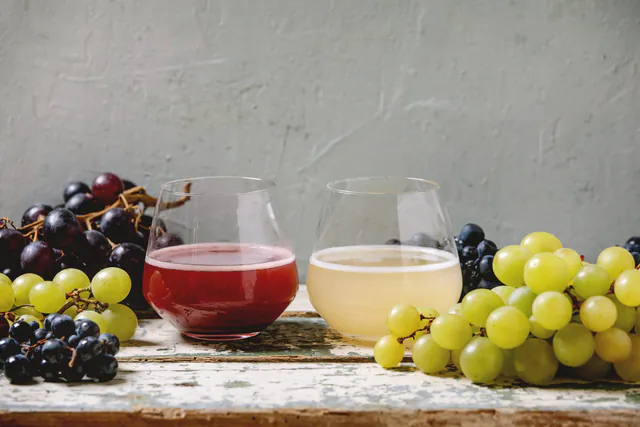
Drinking here means drinking terroir. The big name is Wiener Gemischter Satz DAC. It’s a field blend where at least three white grape varieties are grown, picked, and pressed together. It’s crisp, mineral, and cuts through fatty pork like a knife. If you visit in autumn, you’ll see everyone drinking Sturm. This is cloudy, half-fermented grape juice that’s still bubbling. It’s sweet, sneaky, and sold in bottles with loose caps so the gas doesn't explode. There’s a catch. Hold your glass in your left hand. Don’t clink. Say "Mahlzeit" instead of "Prost." As for food, most spots use a deli-style buffet. You walk up, point at what looks good, and pay by weight. Load up on Liptauer (spicy cheese spread), Kümmelbraten (roast pork with caraway), and dark bread. It’s heavy, salt-flecked, and the perfect partner for a sharp white wine.
Practical Etiquette and Navigating the Vineyards
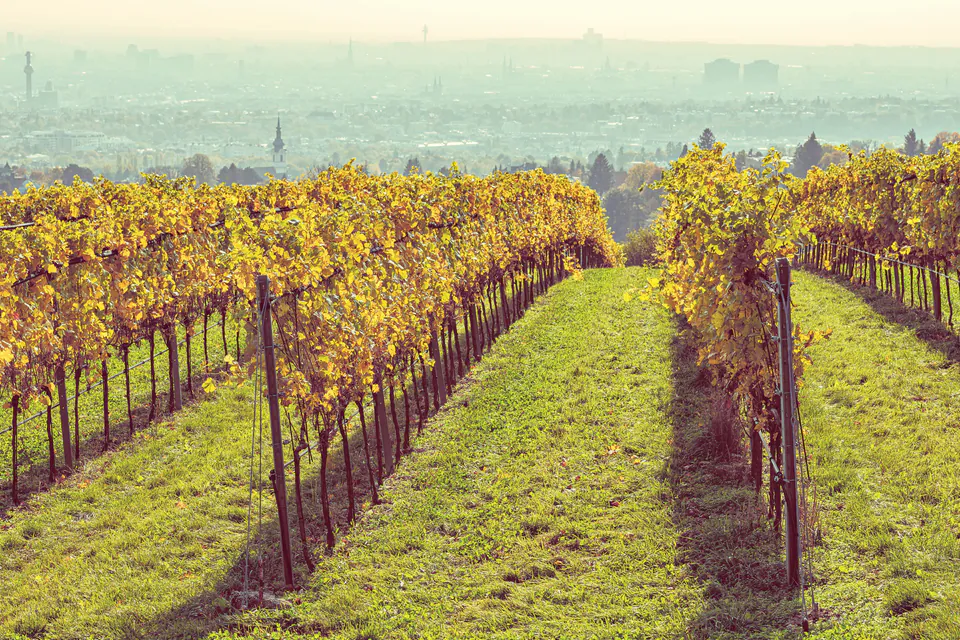
Don't just show up and hope for the best. Real Buschenschanken rotate their schedules. Check the online "Aussteckkalender" before you leave your hotel. And bring cash. Many smaller spots won't touch your credit card, especially at the food counter. Getting there is easy. Tram 38 hits Grinzing, Tram D goes to Nussdorf, and Tram 31 heads to Stammersdorf. In summer, walk the "Stadtwanderwege" (city hiking trails) through the vines. Or catch the Heurigen Express, a little train that climbs from Nussdorf up to the Nussberg taverns. When you arrive, just find an empty spot. It's all communal. Ask "Ist hier noch frei?" and slide in next to a stranger. That's the point. It’s a democratic space where everyone drinks the same wine from the same thick glasses. Savor the rhythm. Let the music play. Don't rush.
Practical Tips
- 1Spot the Pine Branch: Only go where you see a bundle of twigs hanging outside. This means the tavern is 'ausgesteckt' and pouring its own harvest.
- 2Learn the Sturm Rules: In autumn, order the cloudy 'Sturm' (approx. €3-€5). Use your left hand, skip the 'Prost', and don't clink your glasses.
- 3Carry Cash: While some big names take cards for wine, the buffet counters are almost always cash-only. Bring euros for your pork and spreads.
- 4Drink the Field Blend: Order a Wiener Gemischter Satz DAC (€4-€6). It’s the city’s signature wine and far more interesting than a basic Riesling.
- 5Use the Trams: Vienna’s transit is flawless. Take Tram 38 for Grinzing or Tram 31 for Stammersdorf. Don't drive. The wine is stronger than it tastes.
- 6Go North for the Real Deal: Head to Stammersdorf for a gritty, local vibe. Helmut Krenek am Weingut Göbel serves the best food in the 21st district.
- 7Wear Real Shoes: If you're heading to the Nussberg vineyards like Weingut Wailand, wear sneakers. It’s a paved climb, but your feet will thank you.
Where to Eat
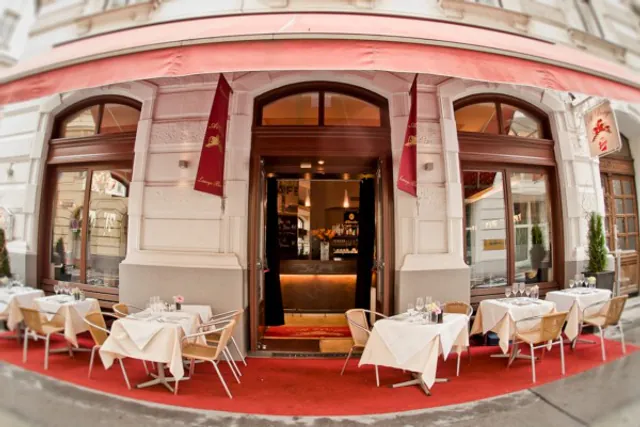
Restaurant Al Borgo
You'll find Al Borgo on a quiet side street in the 1st District, just a short walk from the crowds at St. Stephen's Cathedral and the Stadtpark. While Vienna is
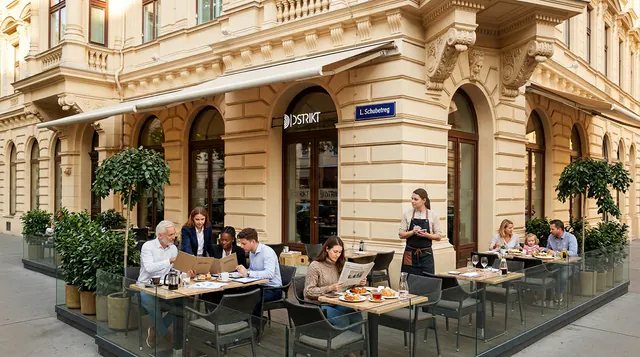
Dstrikt Steakhouse
Don't come here for a quick bite. Dstrikt Steakhouse at the Ritz-Carlton is a full-throttle commitment to Austrian beef and charcoal-fired intensity. Located ri
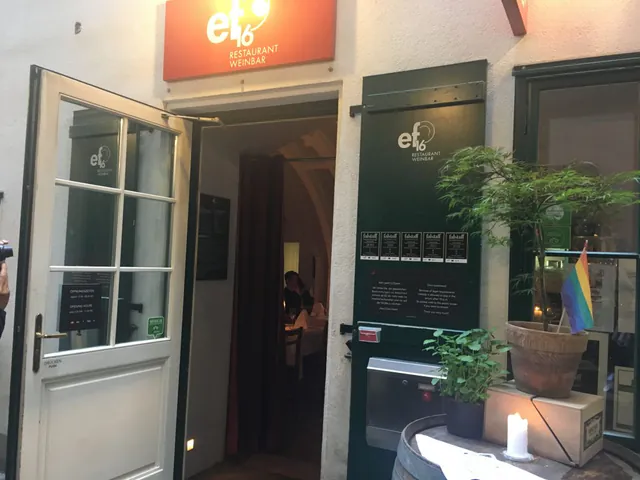
ef16 Restaurant Weinbar
Ditch the main drag of the First District and head for a quiet cobblestone courtyard off Fleischmarkt 16. You'll find ef16 Restaurant Weinbar tucked under 16th-
Frequently Asked Questions
What is the difference between a Heuriger and a Buschenschank?
When is the best time of year to visit a Vienna Heuriger?
Do I need to make a reservation for a Heuriger?
What kind of food is served at a Heuriger?
Can I just go for a drink without eating at a wine tavern?
Are Heurigen family-friendly?
Related Guides
- Vienna on the Water: The Ultimate Guide to Danube River Cruises & Waterfront Recreation
- Vienna Through the Lens: A Local's Guide to the Best Photography Spots
- The Ultimate Vienna Shopping Guide: From Imperial Boulevards to Indie Boutiques
- The Ultimate Local's Guide to the Spanish Riding School & Lipizzaner Stallions
- Vienna Woods (Wienerwald) Guide
- The Perfect 24 Hours in Vienna: An Insider's 1-Day Itinerary
- The Ultimate 3-Day Vienna Itinerary: Imperial Grandeur to Hidden Heurigen
- Beyond the Ringstrasse: The Ultimate 5-Day Vienna Itinerary for Deep Explorers