The Ultimate Local's Guide to the Spanish Riding School & Lipizzaner Stallions
Written by
Nils Johansson | Founder
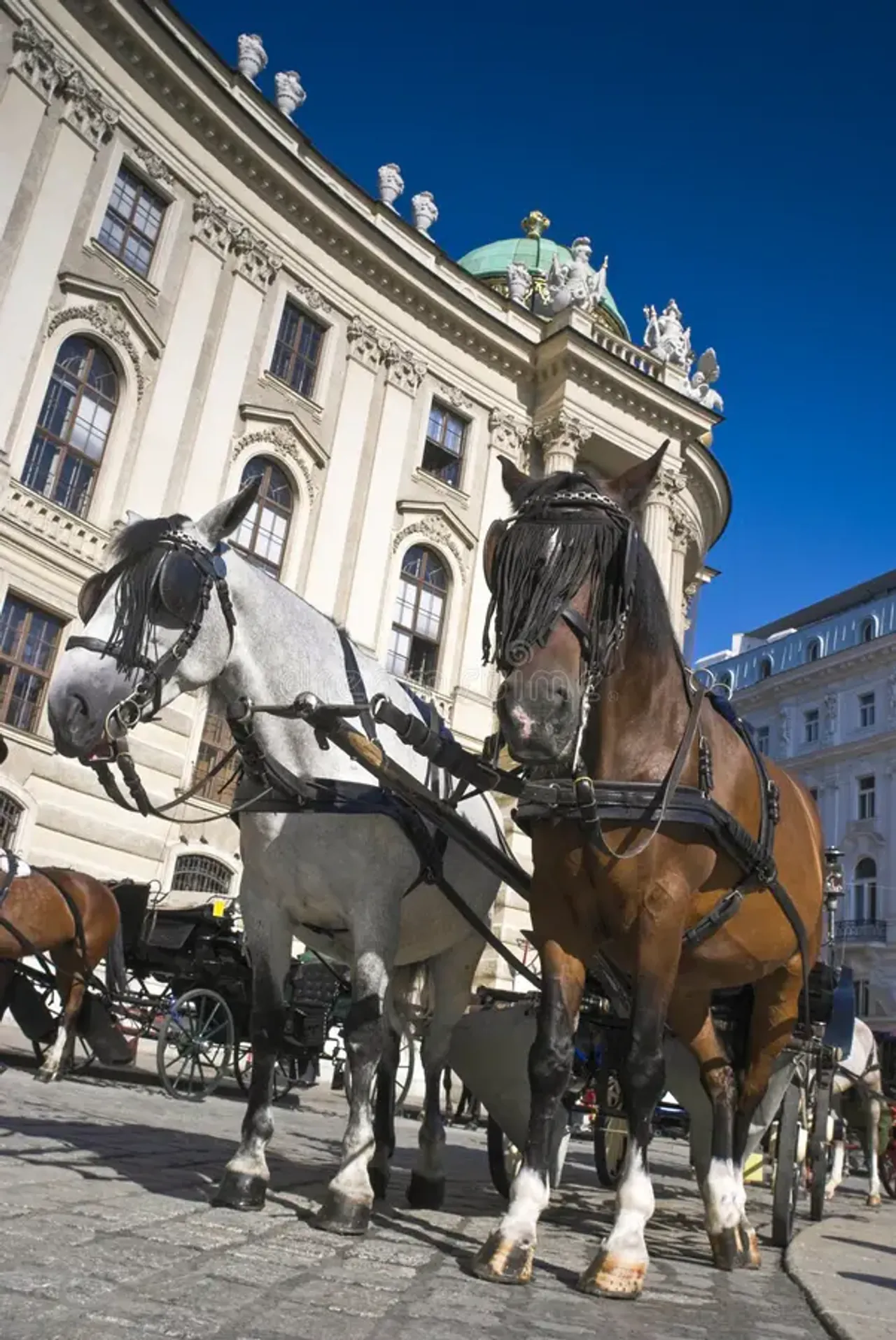
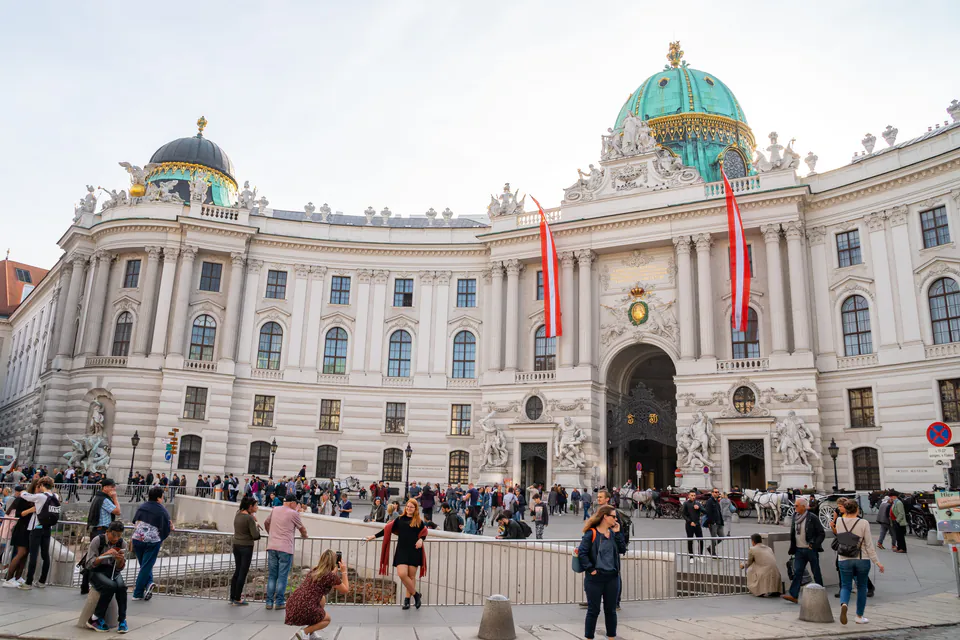
Step into the Spanish Riding School and you'll drop straight into a Hapsburg time warp. This isn't some dusty equestrian center. It's a living museum of horse artistry sitting right under the Michaelerkuppel dome in the Hofburg Palace complex. I've crossed the Michaelerplatz cobblestones a thousand times, but the 'Ballet of the White Stallions' still hits hard. For 450 years, this place has kept the Renaissance Haute École tradition alive. It's the oldest school of its kind on the planet. The stars are the Lipizzaners—brilliant, powerful animals with Spanish, Neapolitan, and Arab blood. Watching them move in sync with riders to classical Viennese music under Baroque chandeliers is a masterclass in patience. Whether you're a horse person or just a history buff, you need to see this. I'll show you how to snag cheap morning training tickets, avoid the tourist traps, and climb the palace rafters on a tour most people miss.
The Legacy of the Lipizzaners and the Winter Riding School
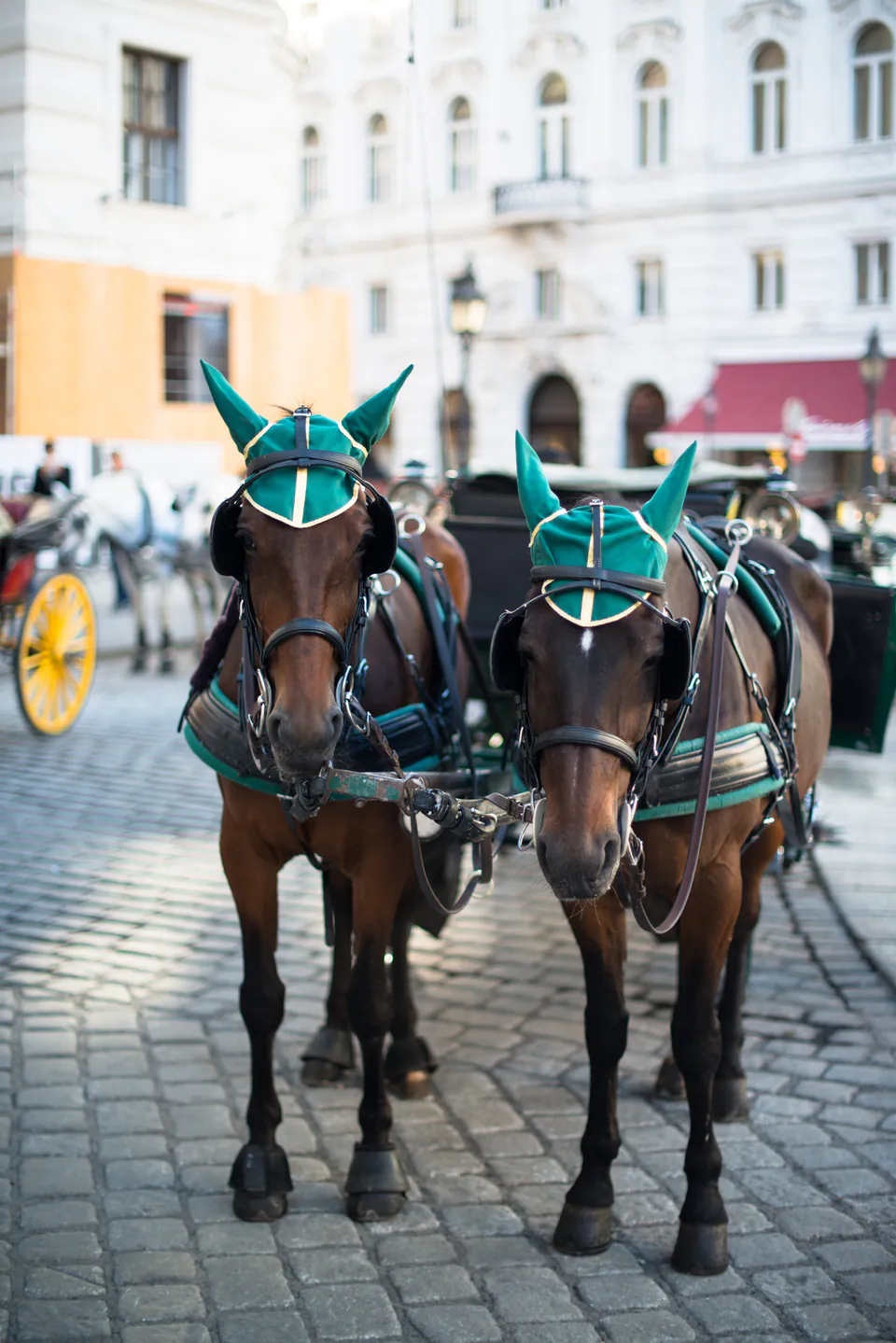
This school is the heart of Vienna's horse culture, dating back to the 1500s. Don't let the name 'Spanish' trip you up. It refers to the hardy Iberian horses Emperor Ferdinand I brought to court centuries ago. Those stallions bred with Neapolitan and Arab stock at the Lipica stud (in modern Slovenia) to create the Lipizzaner. Today, the Piber Stud in Styria acts as the nursery for these future stars. Most Lipizzaners start life with dark coats. They're black, brown, or mouse-grey as foals and only turn that signature porcelain white between ages four and eight. Look closely and you might spot one dark stallion in the mix. Tradition says the school must keep at least one as a lucky charm. It takes a decade for a horse and rider to master the telepathic bond required for classical dressage. They perform in the Winter Riding School, a Joseph Emanuel Fischer von Erlach masterpiece finished in 1735. Every pillar and stucco detail was designed to help aristocrats communicate subtle cues to their mounts. When you sit in those galleries, you're watching a craft officially protected by UNESCO.
Morning Exercise (Morgenarbeit): The Insider's Budget Option
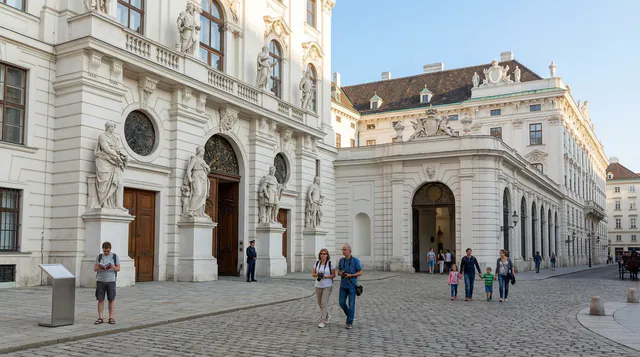
Skip the pricey gala tickets and head to the Morning Exercise (Morgenarbeit) instead. It runs most weeks from Tuesday to Friday between 10:00 AM and 11:00 AM. It's a raw look at the daily grind for both riders and stallions. Tickets are easy on the wallet, usually between €16 and €27. Just don't expect the explosive leaps you see on posters. The morning is for relaxation, muscle building, and refining movements. You'll see two groups: the rowdy grey colts learning the ropes and the seasoned 'white stars' polishing their footwork to classical tunes. Here is a pro tip: entry is free if you have a Vienna Pass. But the pass only covers standing room, so get there early to grab a spot against the rail. You won't get the dramatic lighting of a weekend show, but watching the quiet, repetitive communication between man and beast is arguably more impressive.
The Main Event: Gala Performances and the Haute École
If you want the full spectacle, you need a gala seat. This is where the Lipizzaners perform the 'Airs Above the Ground'—the acrobatic leaps used on Renaissance battlefields. Short 45-minute shows start around €26 for standing spots and hit €110 for seats. The full 90-minute Gala can cost you €188 for a Royal Box view. These happen on weekends and sell out months ahead. You'll see the Levade, where the horse crouches on its hind legs at a sharp 35-degree angle. Then there's the Courbette (hops on hind legs) and the Capriole, a massive vertical leap and kick. The highlight is the School Quadrille. Eight horses dance in perfect sync to Mozart and Strauss. The atmosphere is heavy. Chandeliers glow, riders wear traditional brown tailcoats and bicorne hats, and the crowd stays dead silent. If you can swing the price, front-row gallery seats offer the best view of the raw power these stallions possess.
Beyond the Arena: Stable Tours and the Architectural Climb
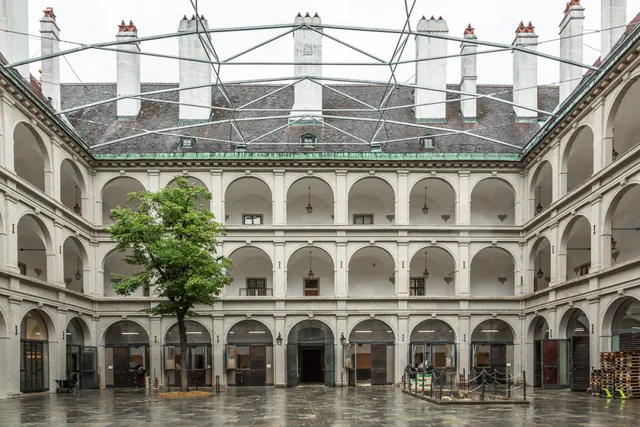
History nerds should look past the arena. A 60-minute Guided Tour (about €24) takes you across the street to the Stallburg. It's Vienna's oldest Renaissance courtyard and serves as the stallions' luxury home. You'll walk the aisles, see the horses in their boxes, and check out the historic tack room. But the Architectural Tour is the real win. It costs €26 and lasts 80 minutes. It's tough. You'll climb 170 steep steps into the Hofburg Palace attic. Up there, you'll find a Baroque roof made of 2,000 interlocking wooden beams. Not one iron nail holds it together. The tour ends with a panoramic view of the inner city from the roof. It's a perspective most tourists never see. Wear sturdy shoes and be fit. Also, leave the kids behind; children under 12 aren't allowed on this one for safety reasons.
Crucial Planning Logistics, Etiquette, and the Summer Break
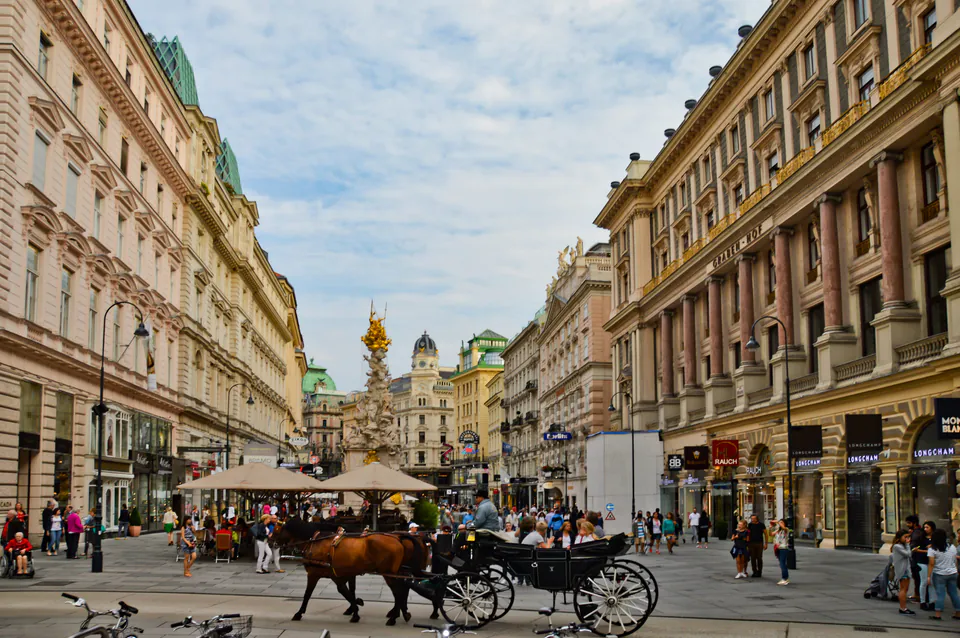
Planning is everything here because the horses' welfare comes first. Don't show up in July. From late June to mid-August, the stallions go on vacation to the Styrian countryside. No morning exercises or performances happen then, though you can still tour the empty stables. The child policy is also iron-clad. Kids under 3 are banned from everything because a screaming toddler can spook a high-strung stallion. Kids aged 3 to 6 get in free as 'lap children' (sitting on you), while 6 to 12-year-olds get a discount. Don't bring big bags or suitcases. There's no cloakroom and they won't let you in with them. And put your phone away. No photos. No videos. A camera flash can cause a horse to crash mid-leap, which is dangerous for everyone. If you're totally broke, head to Reitschulgasse 2. Stand by the vaulted entrance before or after training. You'll see the grooms walking the white stallions across the street for free.
Practical Tips
- 1Book your seat 2-3 months early. Weekend gala shows sell out fast on the official SRS website.
- 2Use a Vienna Pass for free standing-room entry to the Morning Exercise. Get there 30 minutes early for a rail spot.
- 3Leave the toddlers at the hotel. Kids under 3 are strictly banned from all events and tours.
- 4Ditch the heavy luggage. This is a historic monument with no elevators and zero storage for large bags.
- 5Put the phone in your pocket. Photography is banned to keep the horses from spooking.
- 6Try the Reitschulgasse trick. Stand at Reitschulgasse 2 in the morning to see the stallions walk across the street for free.
- 7Check the calendar for the summer break. The horses go on vacation from late June to mid-August.
- 8Wear comfortable shoes for standing tickets. You'll be on your feet for over 70 minutes.
Top Attractions
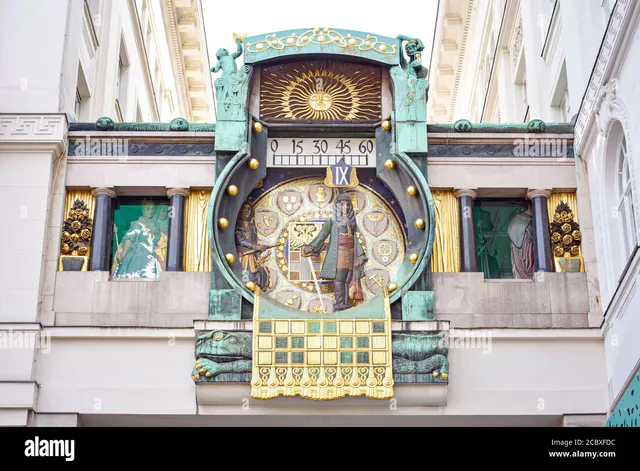
Ankeruhr Clock
Don't just look for a way to tell the time in Vienna’s oldest square. Look up. Spanning an alleyway in the Hoher Markt, the Ankeruhr clock Vienna is a 10-meter-
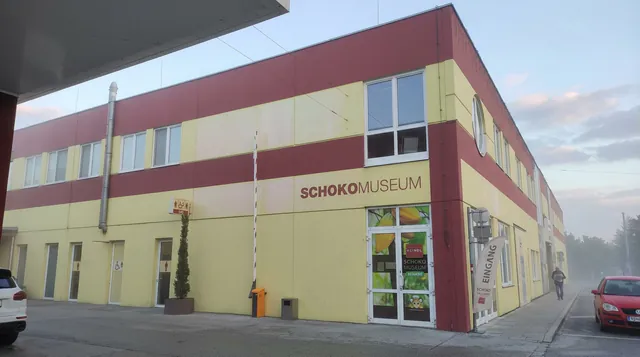
Chocolate Museum Vienna BO-YO
Don't expect a hushed, dusty gallery. Chocolate Museum Vienna BO-YO is a hands-on sugar rush in the Margareten district. While the city's classic coffeehouses h
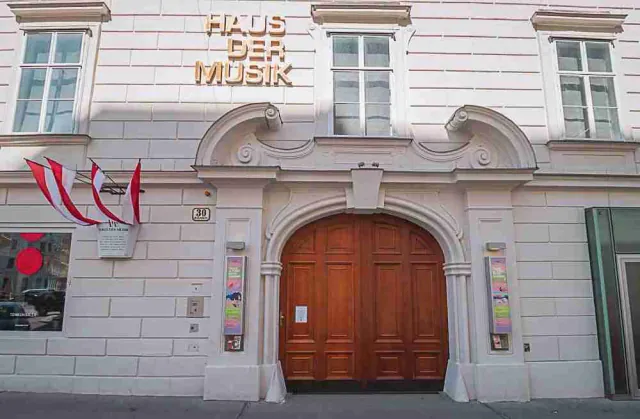
Haus der Musik
Don't expect a quiet afternoon of staring at dusty manuscripts. Haus der Musik is a loud, tactile, four-floor playground for your ears. Located in the former Pa
Frequently Asked Questions
Can I take photos during the Spanish Riding School performance?
Are children allowed at the Spanish Riding School?
What is the difference between Morning Exercise and a Performance?
Is the Spanish Riding School included in the Vienna Pass?
Are the Lipizzaner horses always white?
Is there a dress code for the Spanish Riding School?
Is the Spanish Riding School open in the summer?
Related Guides
- Vienna on the Water: The Ultimate Guide to Danube River Cruises & Waterfront Recreation
- Vienna Heuriger Wine Taverns Guide: Experiencing Austria's Urban Vineyards
- Vienna Through the Lens: A Local's Guide to the Best Photography Spots
- The Ultimate Vienna Shopping Guide: From Imperial Boulevards to Indie Boutiques
- Vienna Woods (Wienerwald) Guide
- The Perfect 24 Hours in Vienna: An Insider's 1-Day Itinerary
- The Ultimate 3-Day Vienna Itinerary: Imperial Grandeur to Hidden Heurigen
- Beyond the Ringstrasse: The Ultimate 5-Day Vienna Itinerary for Deep Explorers
Tags
Places in Vienna
Related attractions, hotels, and more.