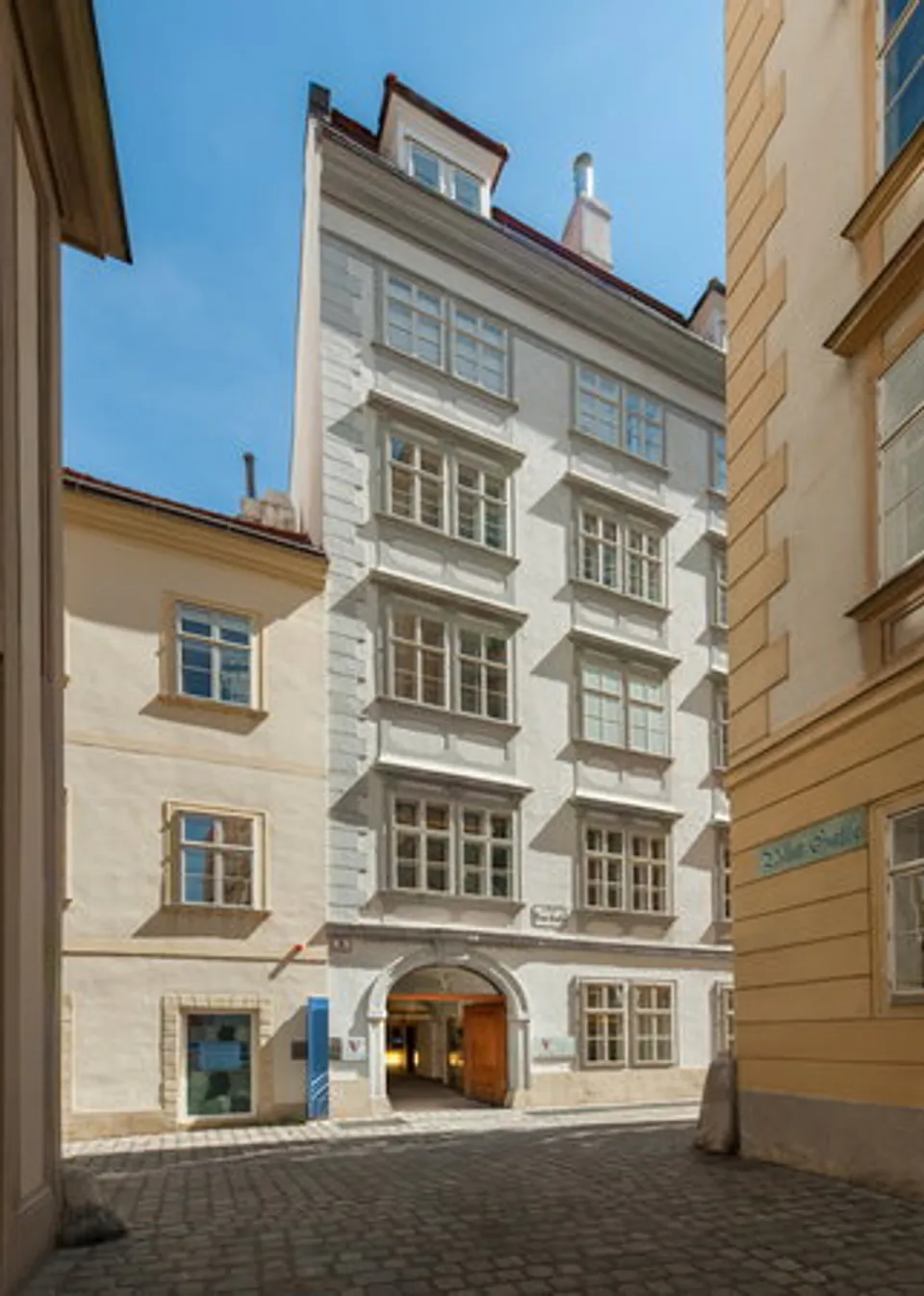
Mozarthaus Vienna
Museum
About the Experience
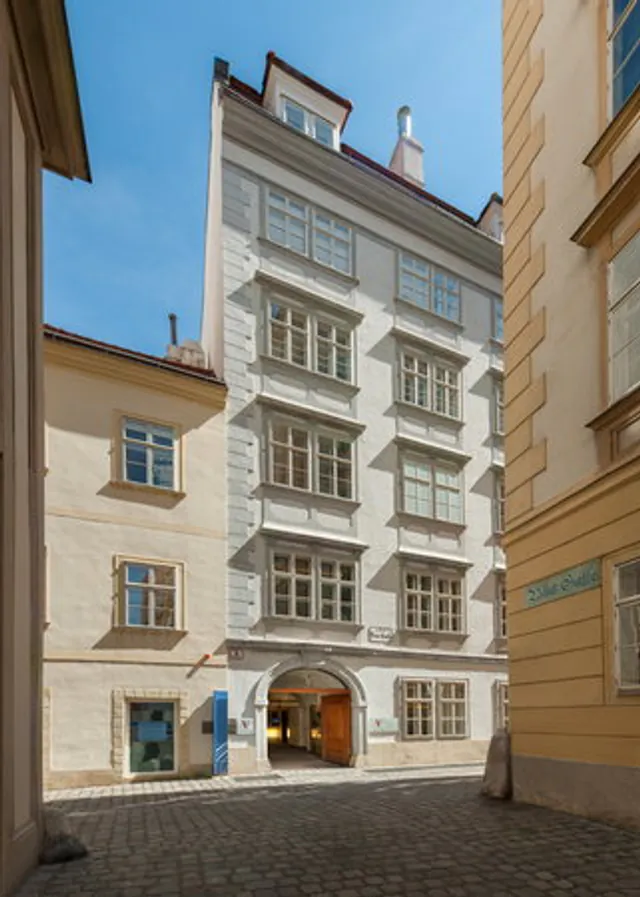
Duck off the crowded Stephansplatz into the narrow, stony hush of Domgasse 5. You're looking for the only one of Mozart's many Viennese apartments that didn't meet a wrecking ball. He lived in this 17th-century townhouse from 1784 to 1787. It was his golden era. He was flush with cash, famous, and prolific. The museum covers 1,000 square meters across three floors. Don't expect a dusty shrine. It's a sharp look at his social circle and the Enlightenment's grip on the city. The first floor is the prize. You'll walk through the actual rooms where he lived with Constanze and wrote The Marriage of Figaro. Look up at the original stucco ceilings. You can practically hear the scratch of his quill. The upper floors dive into his operas and his ties to the Freemasons. Head to the ground floor to find the Sala Terrena. It's a vaulted hall with frescoes where Mozart played for an archbishop in 1781. It remains the oldest concert space in the city. If you want to touch the hem of musical history, go here.
Photos
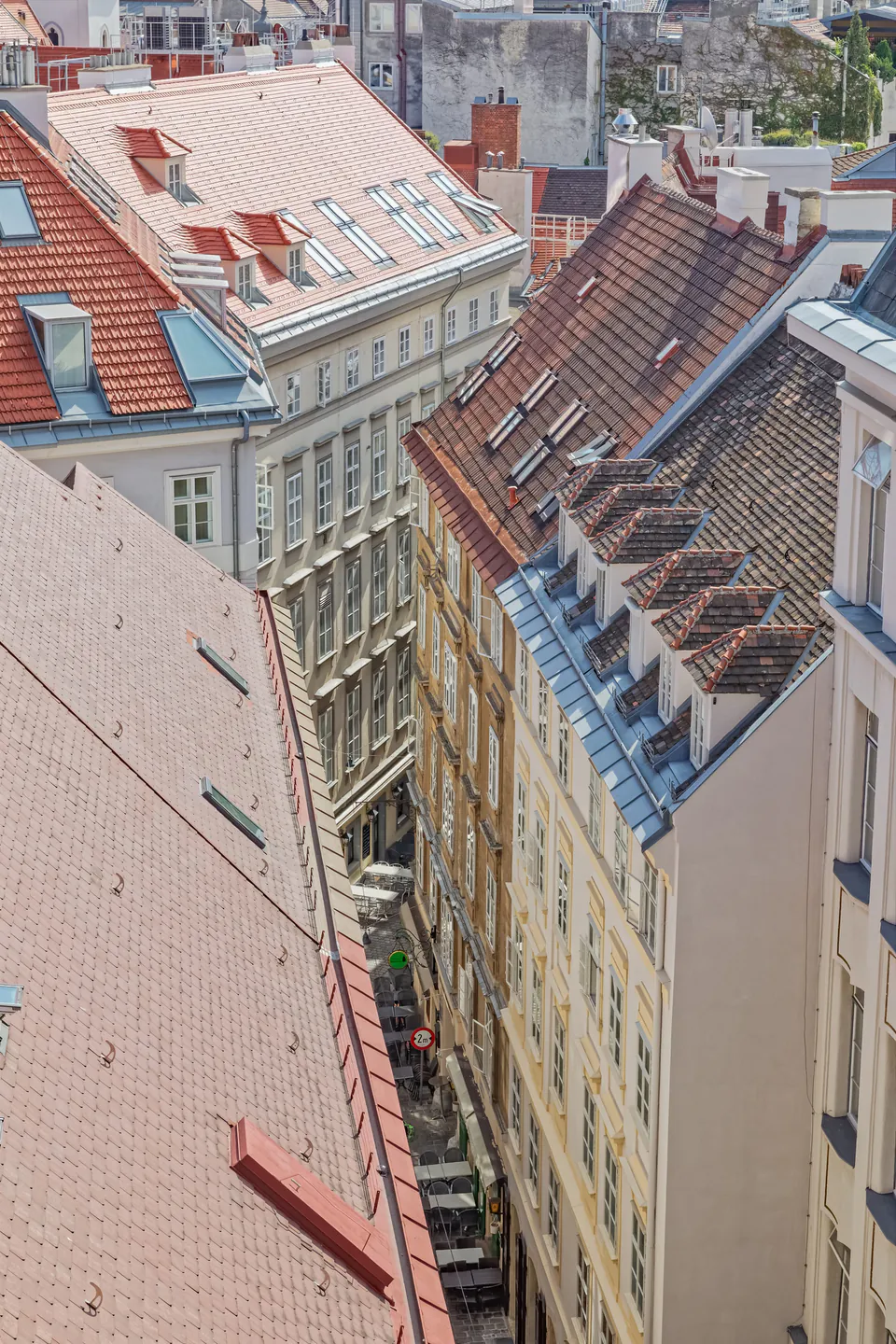
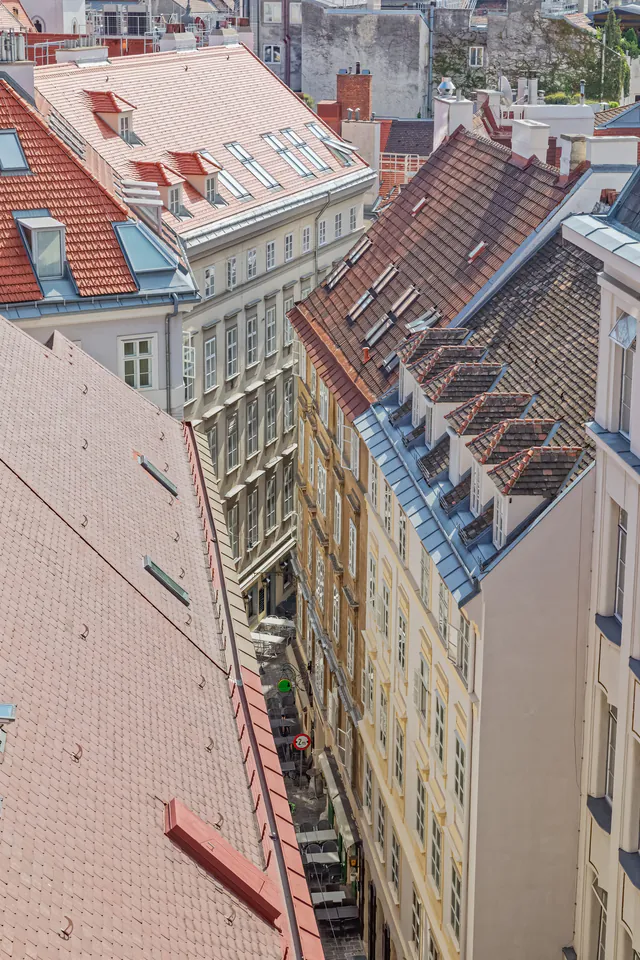
History & Significance
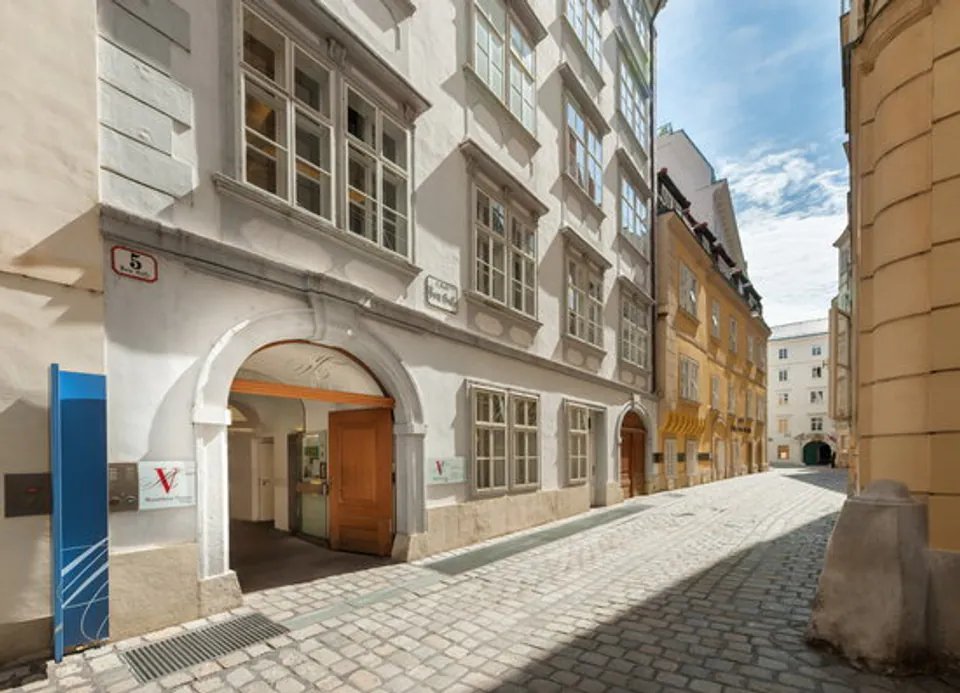
Master stonemason Andrea Simone Carove gave this 17th-century building its look in 1716. By 1784, Wolfgang Amadeus Mozart moved into the posh first-floor apartment. He paid top krone for four rooms, two cabinets, and a kitchen. He wrote The Marriage of Figaro here. In 1941, the Nazis opened it as the 'Figaro House' to mark 150 years since his death. The Vienna Museum took the reins after the war. For the 250th anniversary of his birth in 2006, Wien Holding renovated the whole place. They turned a single apartment into the three-story Mozarthaus Vienna you see today.
The Building
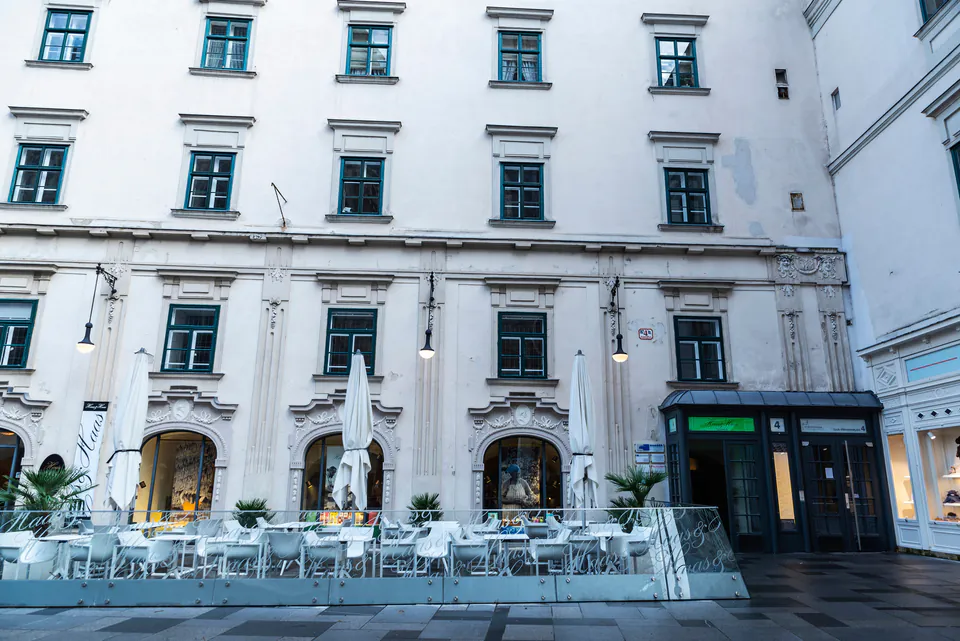
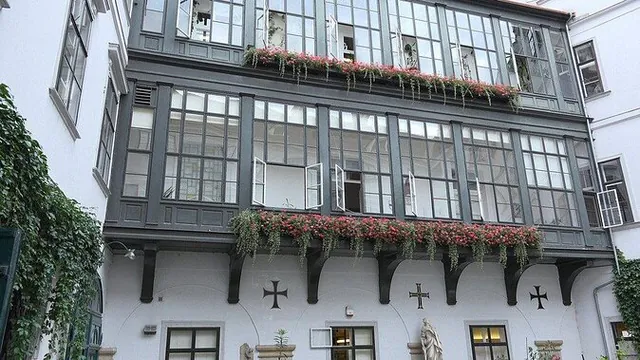
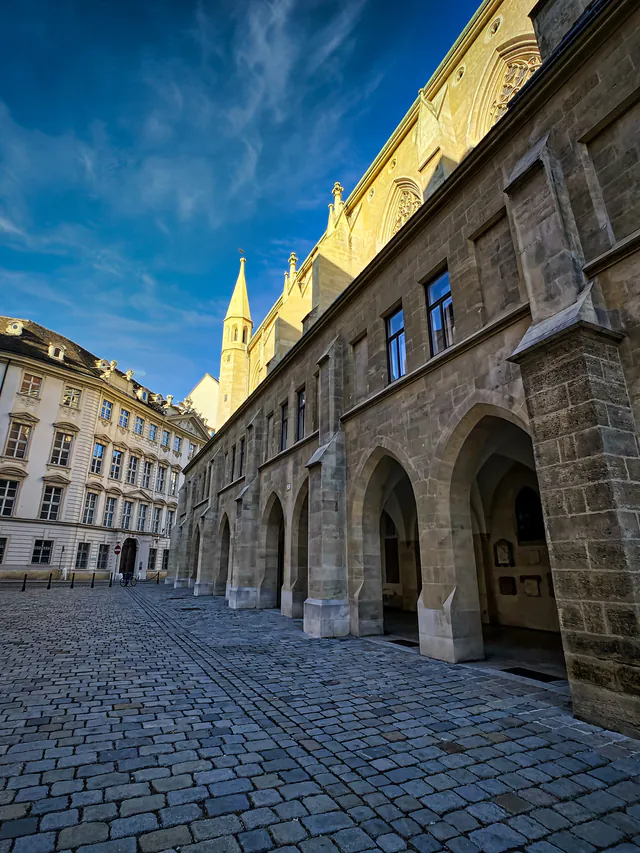
This place was a power move. In the 1780s, Domgasse 5 was a prestigious address owned by the Camesina family. Mozart's apartment was the largest and most expensive he ever rented. It signaled he'd arrived. Master stonemason Andrea Simone Carove handled the 1716 remodel, and the quality shows. You no longer enter through the old Schulerstraße door. Instead, you'll duck through a quiet rear courtyard. Inside, the 18th-century vibe is thick. Albert Camesina's ornate stucco ceilings still look sharp. They're a direct link to the wealthy, intellectual world of the Viennese Enlightenment. But the basement hides the real age. The Sala Terrena dates back to a 12th-century monastery. It was later updated with a Venetian-Renaissance style. Mozart played these very stones in 1781. It's still a working concert hall. It's rare to find a space that has kept its acoustic soul for centuries.
The Collections
Don't come here expecting a showroom of Mozart's old chairs. Most of his furniture is long gone. Instead, the museum uses artifacts and clever multimedia to build a world around him. Each floor has a job. The second floor gets into his head. You'll see original scores and letters that detail his partnership with Lorenzo Da Ponte. It's a deep dive into the 18th-century theater scene. Look for the 1790 flute clock. It still plays a melody Mozart wrote for a mechanical pipe organ. On the third floor, the focus shifts to the city. You'll find details on his rivalry with Salieri and his friendship with Haydn. It also explores his secret life with the Freemasons. It's a gritty, honest look at the man behind the genius. You'll see him as a husband, a gambler, and a citizen of a volatile, brilliant city.
Tours & Experiences Nearby
Top-rated tours and experiences starting near Mozarthaus Vienna.
 day trip
 wine tasting
 day trip
 concert
Essential Visitor Tips
Buy your mozarthaus vienna tickets online. It's the only way to skip the mid-day swarm during July and August.
Grab the free audio guide. The rooms are largely empty of furniture, so you need the narration to fill the blanks.
Catch a concert in the Sala Terrena. Sitting in the same room where Mozart performed in 1781 is a rare thrill.
Get the combo ticket. If you're heading to the Haus der Musik later, it'll save you a handful of euros.
Find the flute clock on the first floor. It's a 1790 original that plays a tune Mozart specifically composed for it.
Best Time to Visit
"Get there at 10:00 on a Tuesday. The rooms are small. If a tour group arrives, the intimacy vanishes instantly."
Nearby Hotels
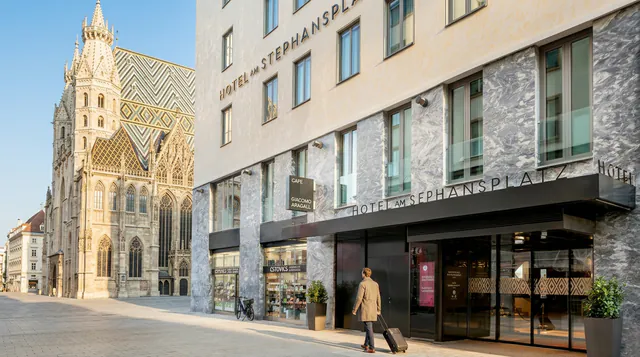
3 min walk (218m)
Directly facing St. Stephen's Cathedral with unobstructed Steffl views from the rooms and café · Over 100 original wooden sculptures by Romanian artist Daniel Bucur displayed throughout the property
Price From €250/night
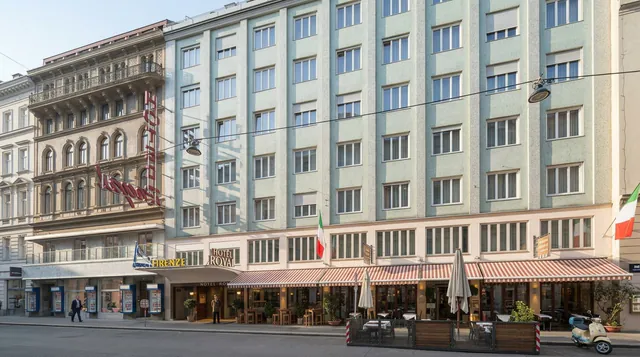
3 min walk (222m)
Rooftop restaurant Settimo Cielo offering panoramic views of St. Stephen's Cathedral · Ristorante Firenze Enoteca featuring Vienna's largest Chianti-Classico wine collection
Price From €180/night
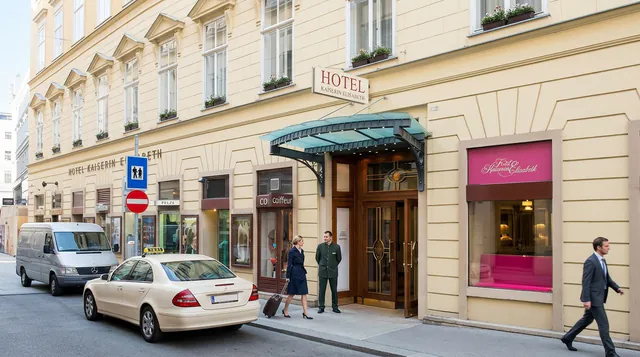
3 min walk (247m)
Unbeatable location steps from St. Stephen's Cathedral and Kärntner Straße · Historic 14th-century footprint named after Empress Sisi by 1860 imperial decree
Price From €215/night
Nearby Restaurants
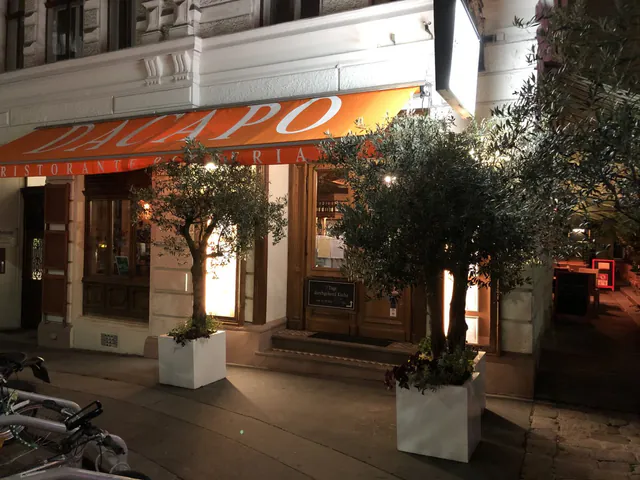
Da Capo
Italian Casual • Moderate
Duck off the crowded thoroughfares near St. Stephen's Cathedral and into Schuler...
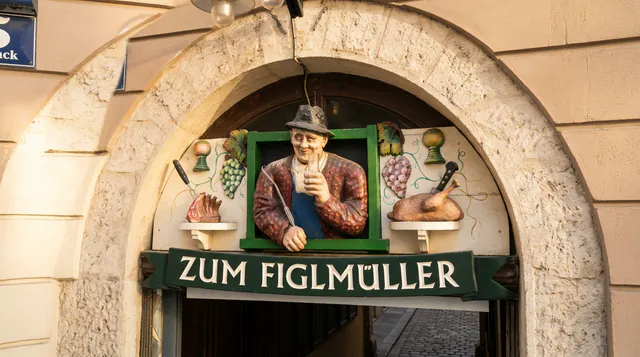
Figlmüller Wollzeile
International Casual • Moderate
Don't look for a flashy sign. Duck into the narrow passage off Wollzeile to find...
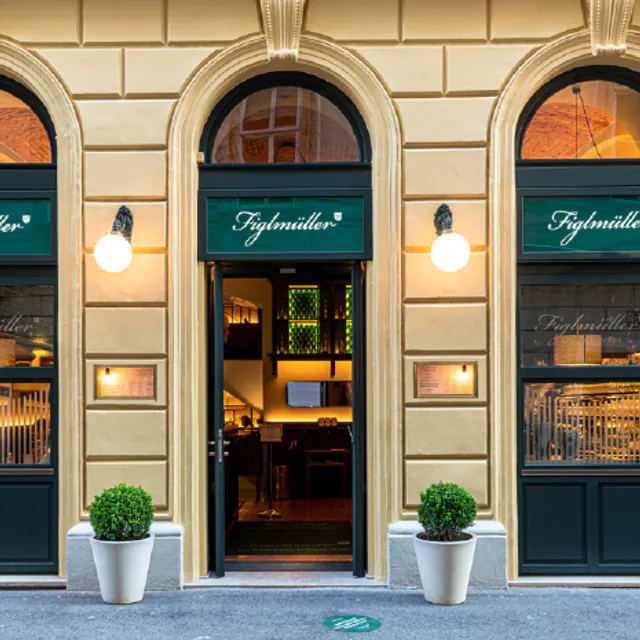
Figlmüller Bäckerstraße
International Casual • Moderate
Don't call it a backup. While the Wollzeile original gets the fame, the Bäckerst...
Frequently Asked Questions
How do I get to Mozarthaus Vienna?
Why is Mozarthaus Vienna significant?
Are there places to eat near Mozarthaus Vienna?
What other attractions are near Mozarthaus Vienna?
Is photography allowed at Mozarthaus Vienna?
When is the best time to visit Mozarthaus Vienna?
Is Mozarthaus Vienna suitable for families?
Is Mozarthaus Vienna a good rainy day activity?
What are the opening hours of Mozarthaus Vienna?
How much does it cost to visit Mozarthaus Vienna?
How long should I spend at Mozarthaus Vienna?
Is Mozarthaus Vienna wheelchair accessible?
Quick Facts
The Neighborhood
1st District: Innere Stadt
Read Guide