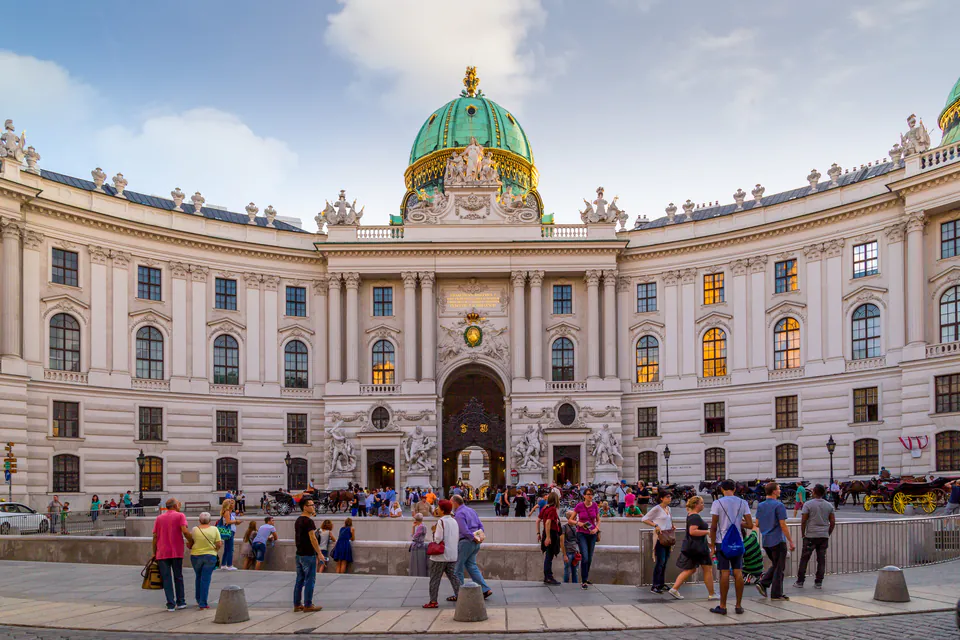
Historic Center of Vienna
Landmark
About the Experience
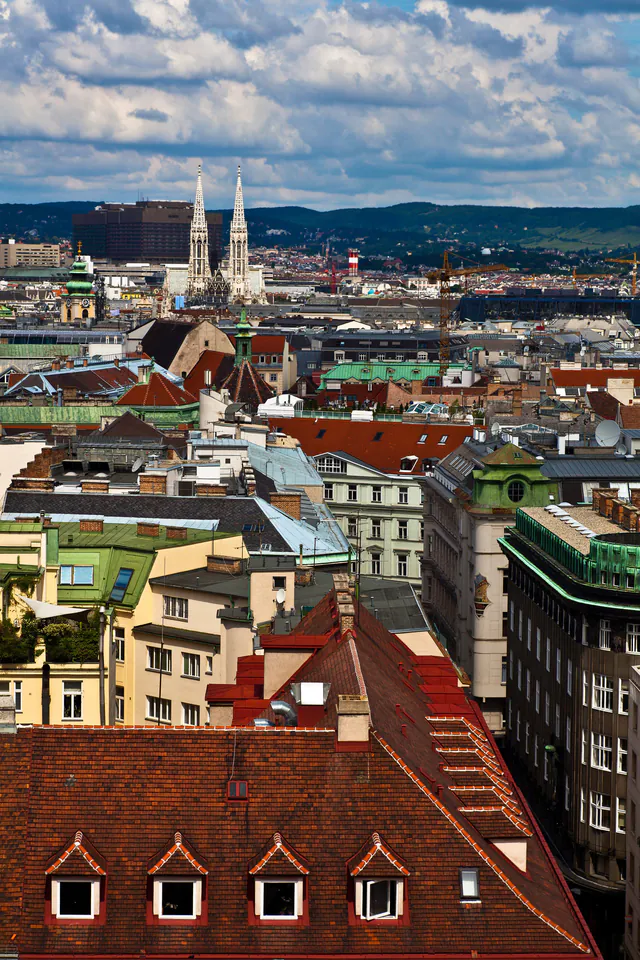
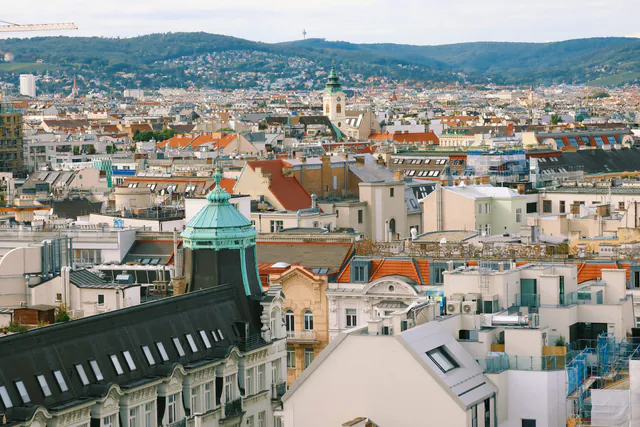
UNESCO-listed since 2001, Vienna’s Historic Center is no dusty relic. It is a living, breathing district known as the Innere Stadt where imperial ghosts meet high-end retail. You will find 2,000 years of ego and art packed into these streets. Walk five minutes and you will move from Roman ruins to Gothic spires and the heavy, gilded ornaments of the Baroque era. It is dense, expensive, and entirely essential.
The layout works in two speeds. Inside the core, you have a tangle of medieval alleys and cobblestones radiating from St. Stephen’s Cathedral. This is where you should get lost. But the outer edge is a different beast. The Ringstrasse, a massive circular boulevard built where the city walls once stood, is lined with 19th-century palaces and parks. It is grand, loud, and designed to impress.
This isn't just about stone and mortar. This is the world’s music capital. Mozart, Beethoven, and the Strauss family all lived and worked here. You can still feel that weight in the traditional coffeehouses. Don't rush your visit. Grab a Melange and a slice of Sachertorte, sit for an hour, and watch the city move. It is a local rite of passage that feels remarkably separate from the modern world.
Today, the area balances its past with a sharp, contemporary edge. You will find international fashion houses on the Graben and Kärntner Straße alongside street performers and modern art. It is a functioning city center, not a theme park. History is just the backdrop for daily life here.
Photos
History & Significance
Vienna started as Vindobona, a Roman military camp set up around 15 BC to keep Germanic tribes away from the Danube. By the 12th century, the Babenberg dynasty moved in and turned the settlement into a serious trading post. But the Habsburgs are the ones who truly built this place. They ruled from the Hofburg Palace from 1273 until 1918, turning Vienna into a powerhouse. The biggest change came in 1857. Emperor Franz Joseph I tore down the old city walls and built the Ringstrasse, a grand loop of monumental buildings that defined the modern city. UNESCO recognized this unbroken chain of history by naming it a World Heritage site in 2001.
The Architecture
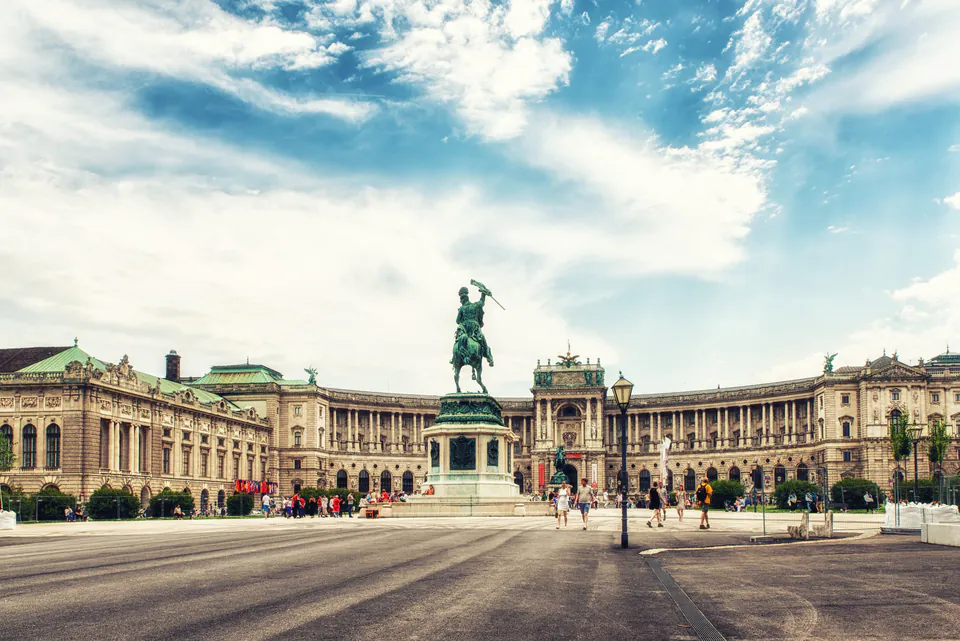
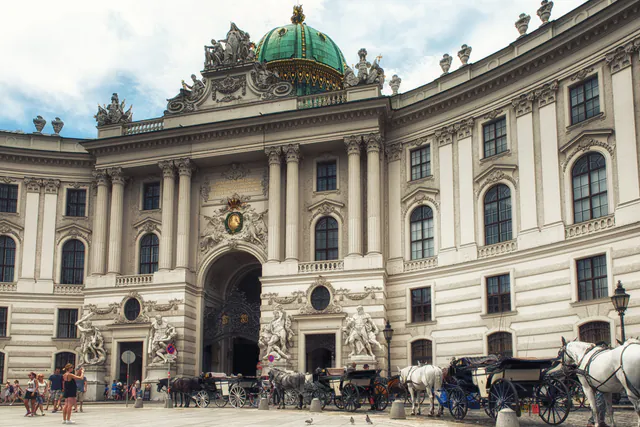
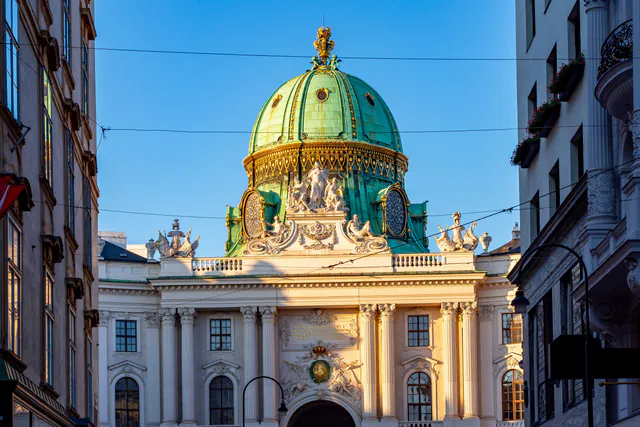
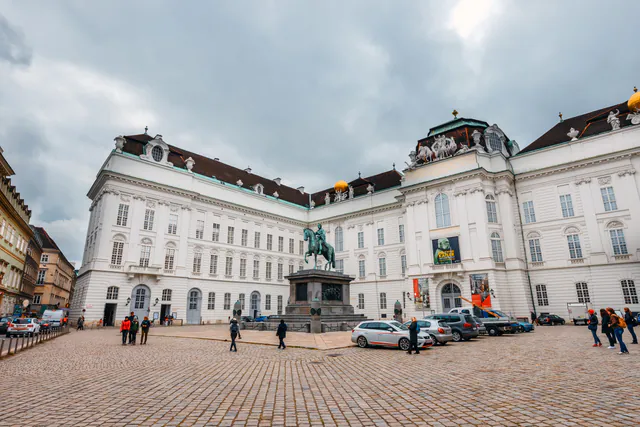
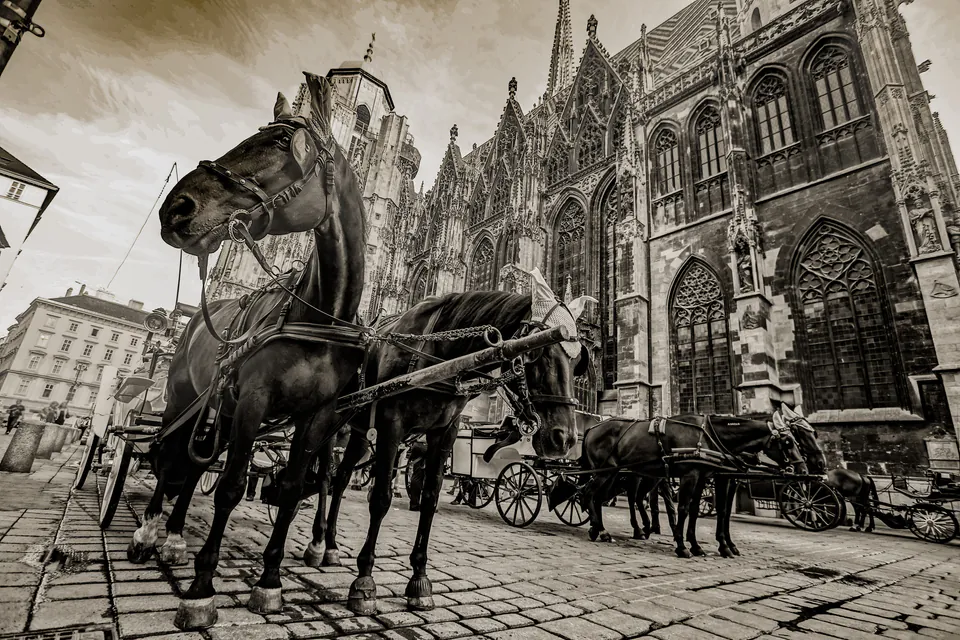
The buildings here tell the story of the Habsburg Empire's rise and long, slow fade. Start at St. Stephen's Cathedral (Stephansdom). Its zig-zag tiled roof and massive South Tower dominate the skyline. It is the city's Gothic heart. From there, the streets tighten into a medieval grid before opening up into squares filled with Baroque drama. The Hofburg Palace is the peak of this style. It was the winter home of the emperors (look for the massive domes and statues) and still feels like the center of power. If you look closely at Michaelerplatz, you can see Roman excavations right next to the palace gates. It is a 1,800-year jump in one glance.
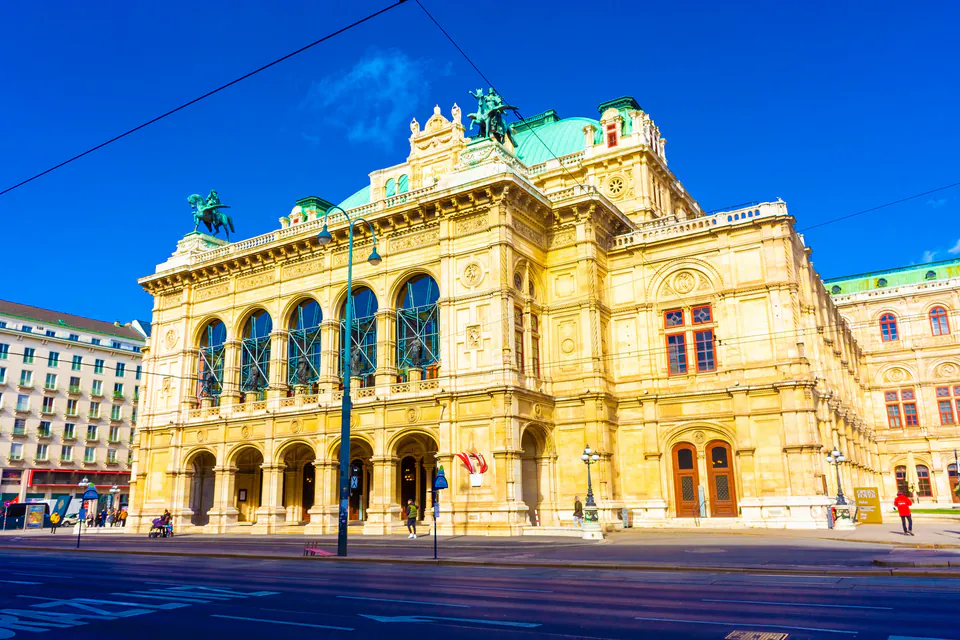
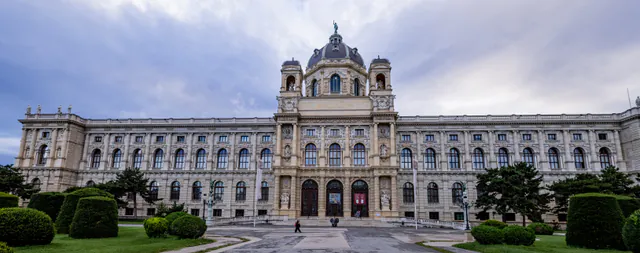
Then there is the Ringstrasse. When the walls came down in the late 19th century, the city went big. This circular road is a collection of Neo-Renaissance and Neo-Gothic hits. You have the Vienna State Opera, the Rathaus (City Hall), and the twin museums of Art and Natural History. It is architecture as an Olympic sport. It turned a cramped medieval fortress into a sprawling, light-filled capital.
The Surrounding Area
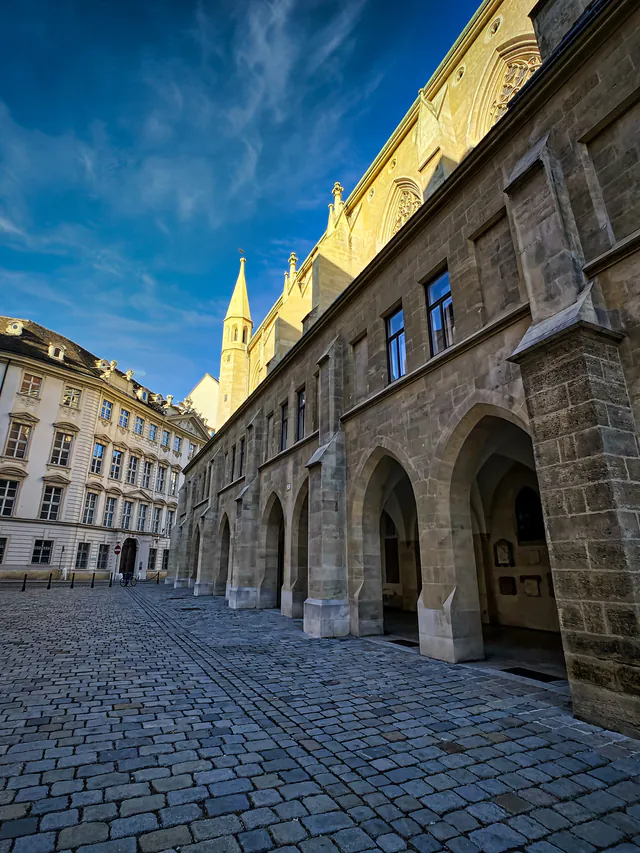
Step away from the crowds at Stephansplatz and the neighborhood vibe changes fast. Head east toward the Dominican Church and Schönlaterngasse. This is the quietest part of the old town. You will find tiny courtyards, artisan shops, and traditional taverns that feel like they haven't changed since the 1700s. It is the best place to escape the tour groups.
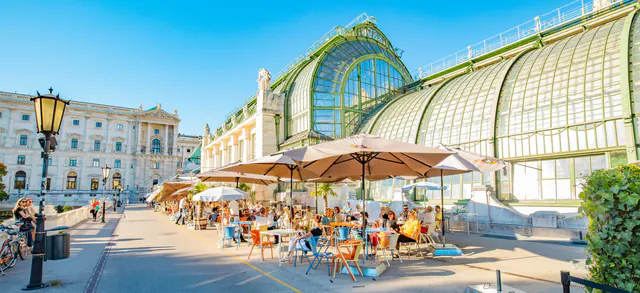
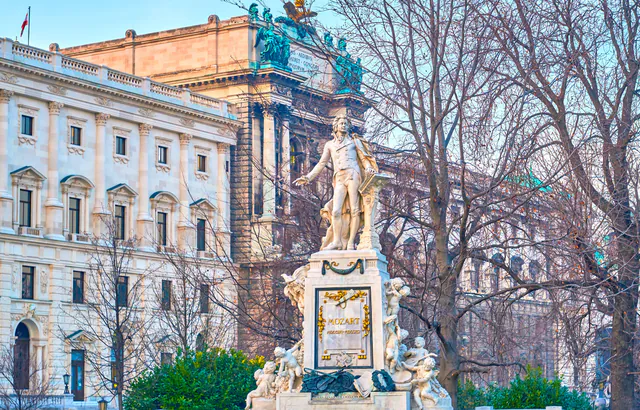
West of the center, the mood shifts to high culture and statecraft. This is the territory of the Albertina museum and the Spanish Riding School. You can catch your breath in the Burggarten, a park where the Mozart statue stands and the glass Palm House offers a caffeine fix in a tropical setting. These green spots are the perfect palate cleanser after a morning of heavy stone monuments.
The Ringstrasse acts as the border. Cross it and you hit the MuseumsQuartier or Karlsplatz. The transition is seamless. The 1st District isn't some isolated island; it flows directly into the rest of Vienna, keeping the historic core from feeling like a museum exhibit.
Photography Guide
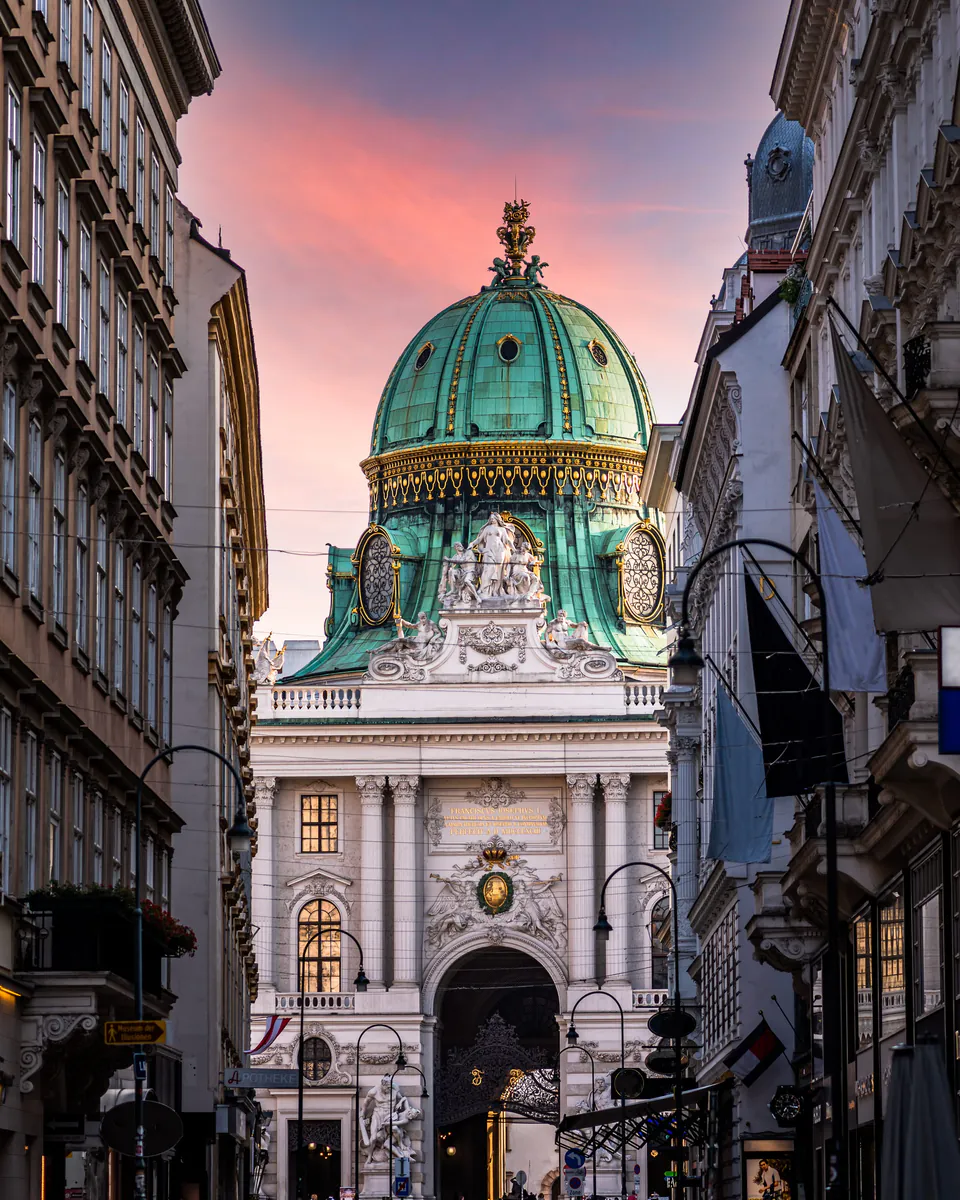
To shoot the Innere Stadt, you need to work around the light and the crowds. For St. Stephen's Cathedral, get to Stephansplatz at sunrise. The low light hits the stone perfectly, and you won't have 5,000 people in your frame. If you want a wide shot of the tiled roof, pay the fee to climb the North Tower. It is worth every forint.
The Hofburg offers endless angles, but the Volksgarten is the real prize in spring. The rose gardens there make a great foreground for shots of the Theseus Temple or the Burgtheater across the street. Stick around for the golden hour. The setting sun turns the Parliament and the State Opera a deep, warm orange that looks incredible on camera.
Don't just chase the big landmarks. Duck into Blutgasse or the passage by the Minoritenkirche. These narrow, moody spots are perfect for street photography. At night, head to the Albertina ramp. You get an elevated view of the State Opera lit up with the blur of yellow streetcars passing by. It is the definitive 'Vienna at night' shot.
Tours & Experiences Nearby
Top-rated tours and experiences starting near Historic Center of Vienna.
 day trip
 wine tasting
 day trip
 concert
Essential Visitor Tips
- Ditch the wheels
The center is compact and mostly pedestrian. Take the U1 or U3 to Stephansplatz and then just walk.
- Go through the houses
Look for 'Durchhäuser' (hidden passages) like the ones near Blutgasse. They connect courtyards and offer a shortcut through history.
- Take the coffee break seriously
Do not treat a coffeehouse like a fast-food joint. Go to Café Landtmann, order a Melange, and stay as long as you want.
- Add a soundtrack
Book a concert at Peterskirche or the State Opera. Hearing Vivaldi in a Baroque church is the right way to experience this district.
- Ride the Ring
If your feet give out, hop on a tram and do a full loop of the Ringstrasse. It is the cheapest architectural tour in Europe.
Best Time to Visit
"Go in May or September. The weather is perfect for walking and the light is crisp. December is cold but the Christmas markets make the squares feel like a storybook."
Nearby Hotels
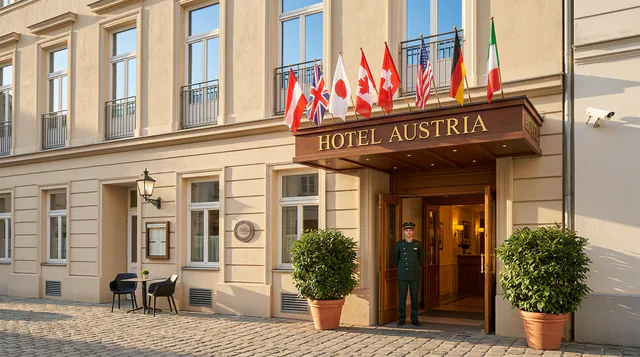
3 min walk (250m)
Tucked away in the traffic-free, cobblestone Wolfengasse cul-de-sac · Rich heritage dating back to 1457 as the historic 'Zum weißen Wolf' inn
Price From €130/night
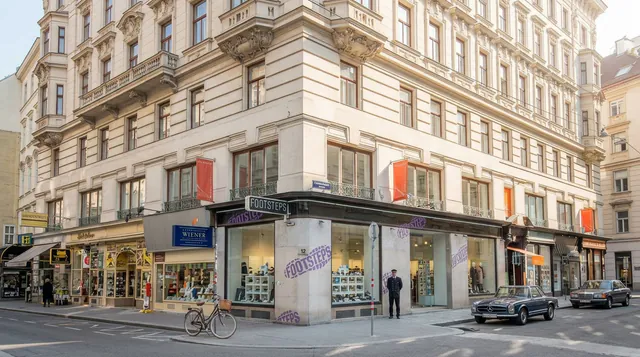
4 min walk (286m)
Spectacular à la carte breakfast featuring local, organic ingredients · Private in-house cinema for intimate guest screenings
Price From €220/night
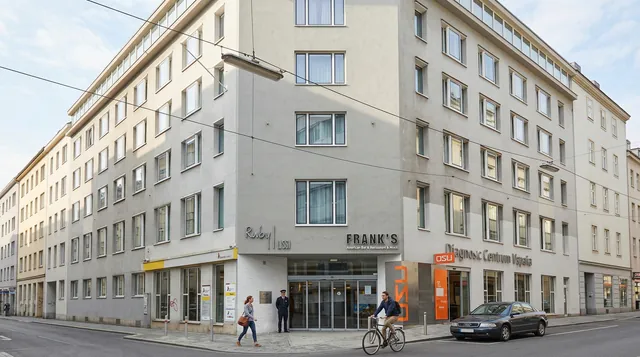
4 min walk (297m)
24/7 stylish lounge and bar frequently hosting live performances by local musicians · In-room Marshall guitar amps with electric guitars available to rent at reception
Price From €145/night
Nearby Restaurants
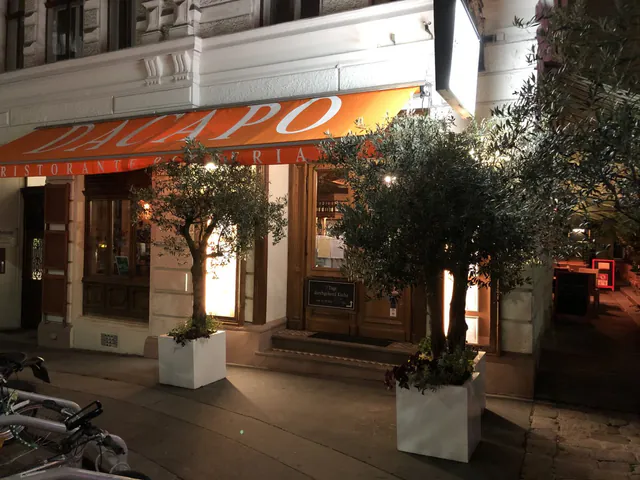
Da Capo
Italian Casual • Moderate
Duck off the crowded thoroughfares near St. Stephen's Cathedral and into Schuler...
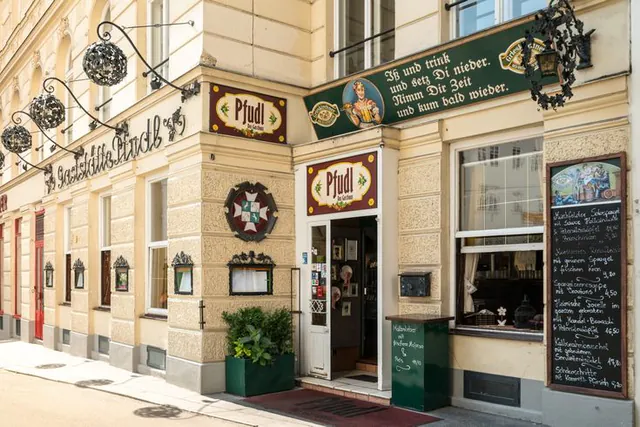
Gasthaus Pfudl
International Casual • Moderate
Don't expect a tourist trap on Bäckerstraße. Gasthaus Pfudl has occupied this co...
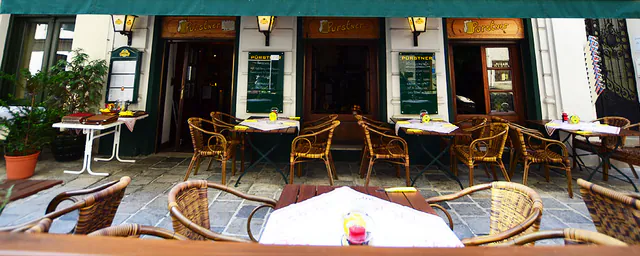
Gastwirtschaft Pürstner
International Casual • Moderate
Walking into Gastwirtschaft Pürstner feels like a handshake from an old friend. ...
Frequently Asked Questions
When is the best time of year to visit the Historic Center of Vienna?
Why is the Historic Center of Vienna a UNESCO World Heritage site?
What are the best spots for photography in the Historic Center of Vienna?
What should I wear when visiting the Historic Center of Vienna?
How do I reach the Historic Center of Vienna by public transport?
What are the dining options like within the Historic Center of Vienna?
What landmarks are close to the Historic Center of Vienna?
Are there any hidden gems in the Historic Center of Vienna?
What are the opening hours of Historic Center of Vienna?
How much does it cost to visit Historic Center of Vienna?
How long should I spend at Historic Center of Vienna?
Is Historic Center of Vienna wheelchair accessible?
Quick Facts
The Neighborhood
1st District: Innere Stadt
Read Guide