Kaiserliche Schatzkammer Wien
Museum
About the Experience
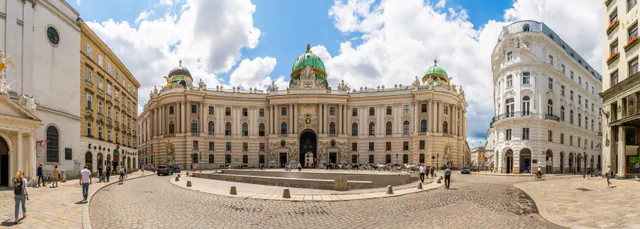
The Kaiserliche Schatzkammer Wien (Imperial Treasury) isn't just a museum. It's the ultimate Habsburg flex. Located in the Schweizerhof, the oldest corner of the Hofburg Palace, these 21 rooms house a staggering 1,000 years of European power and prayer. You'll find two main sections here: the Secular and the Ecclesiastical Treasuries. The Secular side is all about dynastic muscle. Its heavy hitter is the 10th-century Imperial Crown of the Holy Roman Empire, a gold and pearl octagon that legitimized rulers for centuries. Right next to it sits the 1602 Austrian Imperial Crown, commissioned by Rudolf II, plus the heavy gold collars of the Order of the Golden Fleece. The Ecclesiastical section shifts to the spiritual. You'll see the Holy Lance, which medieval kings thought made them invincible, and a massive agate bowl once touted as the Holy Grail. Don't miss the 2.5-meter narwhal tusk the Habsburgs claimed was a unicorn horn. It's compact, climate-controlled, and essential for anyone who wants to see what six centuries of absolute rule actually looks like.
Photos
History & Significance
The collection started in 1337 as a private stash of jewels and relics locked in the Hofburg royal chapel sacristy. By 1556, Emperor Ferdinand I got serious about the family wealth and hired Jacopo Strada, a Nuremberg antiquary, to manage it. The dedicated treasury wing went up in the early 1700s. Things got tense during the Napoleonic Wars, so between 1794 and 1800, the Holy Roman Empire regalia were smuggled out of Nuremberg and Aachen to Vienna to hide them from French troops. They never left. Empress Maria Theresa split the goods into Secular and Ecclesiastical piles in the mid-18th century. A massive four-year overhaul finished in 1987, bringing the 21 Schweizerhof rooms into the modern age with better lights and security.
The Collections
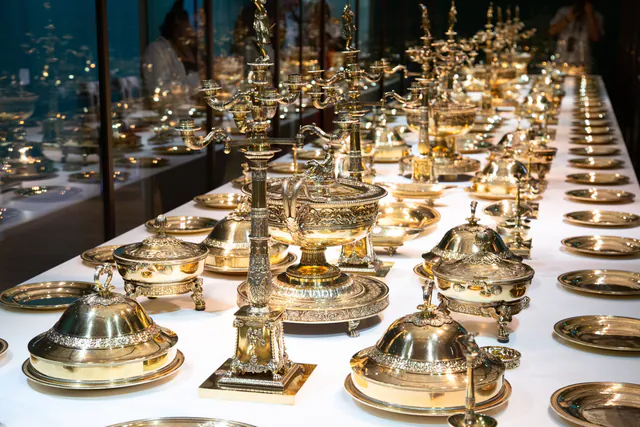
The museum splits neatly into two halves. The Secular Treasury is a 21-room timeline of Habsburg political ego. You'll see the literal tools of power used to run Europe for 600 years. It's not just about gold. It's about the strategic marriages and wars that built an empire. Every gem-encrusted orb was a signal of absolute authority. On the flip side, the Ecclesiastical Treasury shows the family's deep, often performative, religious life. It's packed with silver monstrances and silk vestments used in court masses. This is where the line between God and Emperor gets blurry. You'll see how these rulers used relics to prove they had a divine right to lead. The craftsmanship evolves as you walk. You move from chunky medieval gold to the refined, delicate Baroque work of the later centuries. It's a massive concentration of wealth in a very small space.
Must-See Exhibits
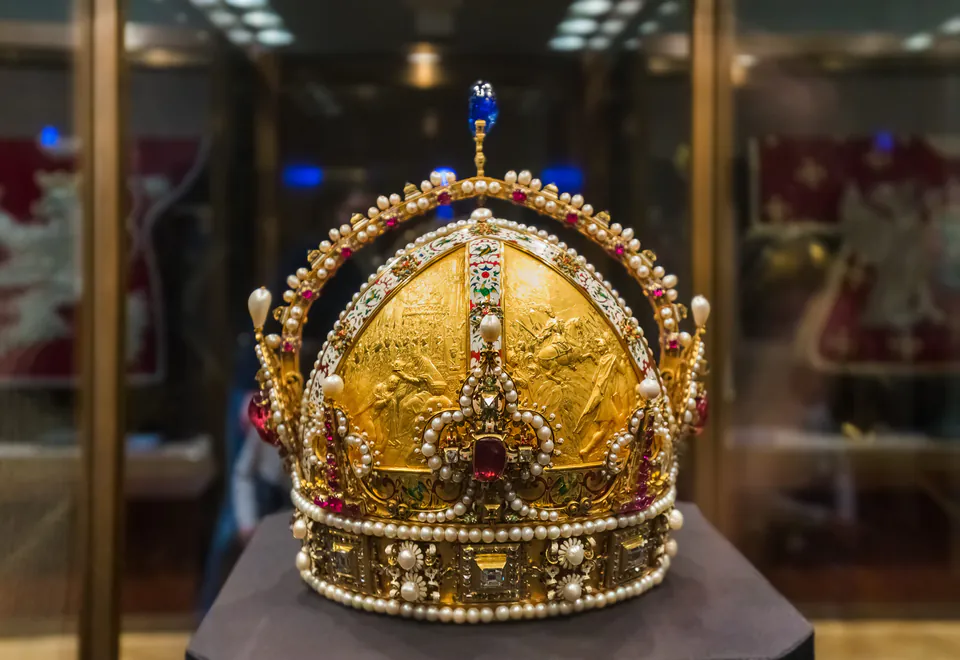
Don't leave without seeing the 10th-century Imperial Crown of the Holy Roman Empire. It's octagonal, awkward, and dripping with uncut sapphires. It's the most important crown in the world. Compare it to the 1602 Austrian Imperial Crown, a masterpiece of diamonds and rubies topped with a massive blue sapphire. If you like legends, find the Holy Lance. Rulers once believed this spearhead contained a nail from the True Cross and guaranteed victory in battle. Then there's the 2.5-meter narwhal tusk, which the family insisted was a unicorn horn for centuries. You'll also find a huge agate bowl that people once whispered was the Holy Grail. Look for the Order of the Golden Fleece robes. They're heavy with gold thread and history. For something more human, check out Empress Sisi’s personal jewelry or the silver-gilt cradle built for Napoleon’s son.
The Building
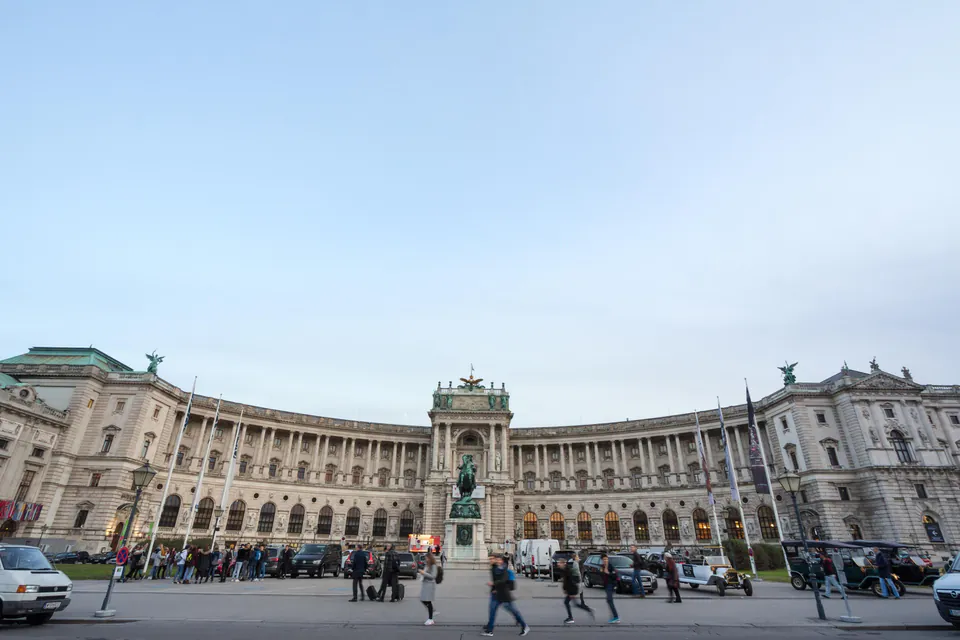
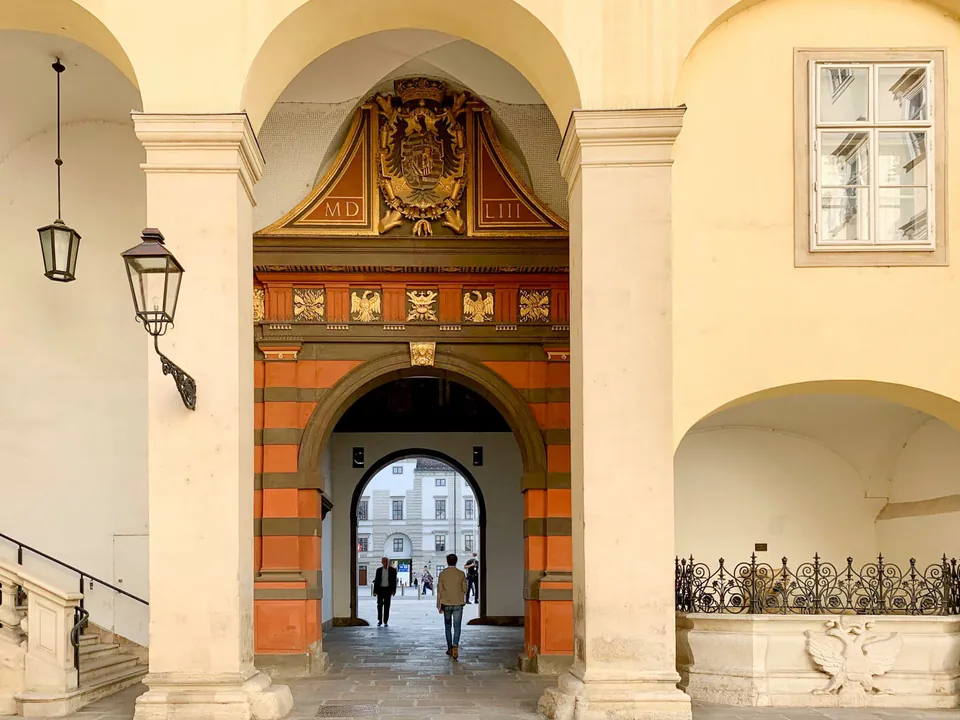
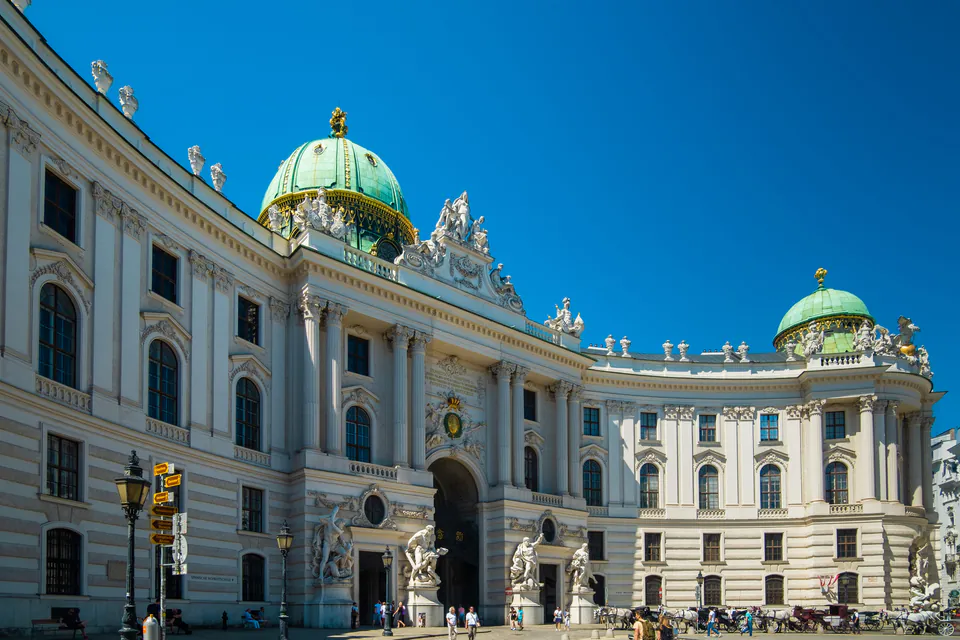
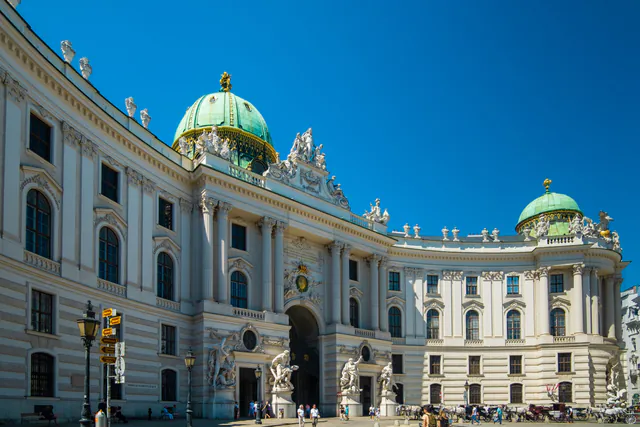
You'll find the museum inside the Schweizerhof. This is the oldest part of the Hofburg Palace. It still feels like a fortress. You enter through the red-and-black Swiss Gate, named for the guards who once stood watch here for Maria Theresa. There's even a dry moat and a drawbridge. Inside, the vibe changes. The 1980s renovation turned these ancient rooms into high-tech vaults. The galleries are dark and the lighting is focused only on the objects. It's minimalist and keeps your eyes on the gold. No distractions. Despite being in the middle of a modern capital, the thick stone walls cut out all the city noise. You're steps away from the Spanish Riding School and the Sisi Museum, but inside the treasury, it feels like the 16th century. It's a cold, quiet bridge to the heart of the Habsburg empire.
Tours & Experiences Nearby
Top-rated tours and experiences starting near Kaiserliche Schatzkammer Wien.
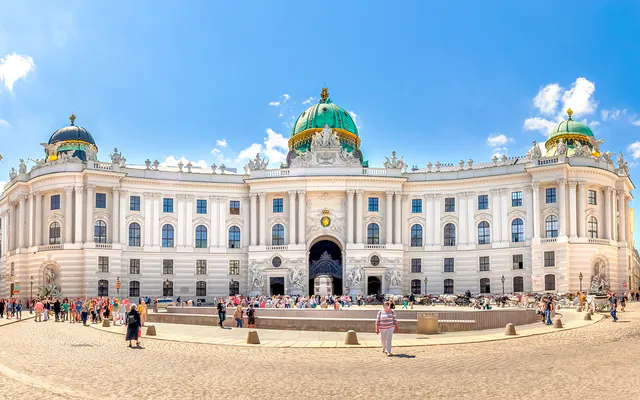 walking tour
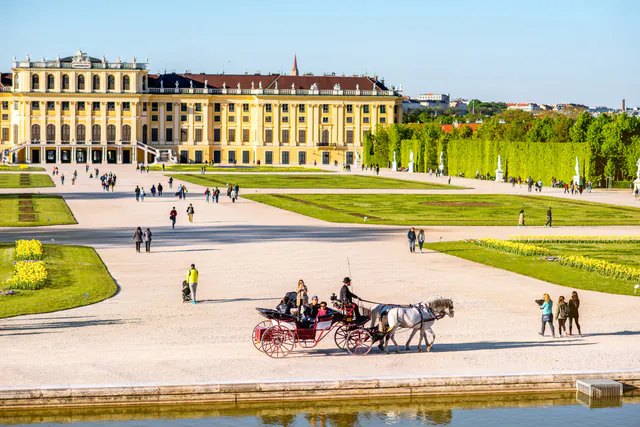 experience
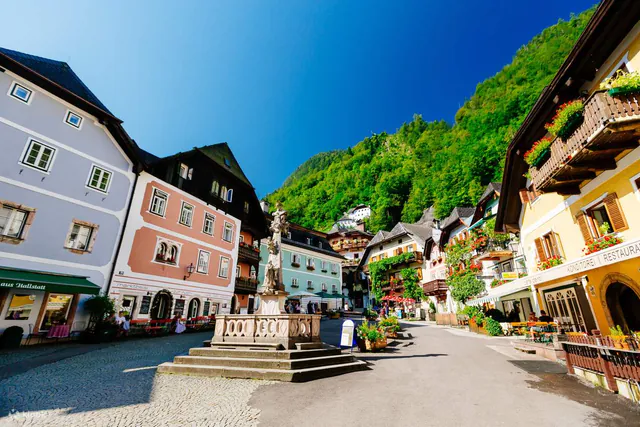 day trip
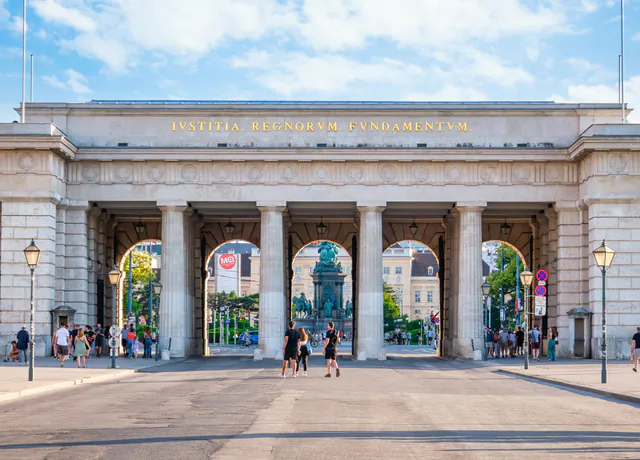 walking tour
Essential Visitor Tips
- Arrive at 9
00 AM sharp on a Tuesday or Wednesday to dodge the massive tour groups that clog the galleries by noon.
Grab the audio guide for €5. You'll need it to understand why a random piece of wood or a heavy robe actually changed the course of European history.
Find the 'Unicorn Horn' in the Secular Treasury. It's actually a 2.5-meter narwhal tusk, but the Habsburgs spent a fortune on it believing it was magical.
Buy a combo ticket for the Kunsthistorisches Museum across the Ringstraße. It's cheaper than paying twice and you'll see the rest of the imperial art collection.
Ditch the backpack before you enter. Security is tight and large bags aren't allowed inside the galleries. Use the lockers provided.
Best Time to Visit
"Get there at 9:00 AM on a weekday. The rooms are small and the crowds get thick by mid-afternoon, especially on weekends."
Nearby Hotels
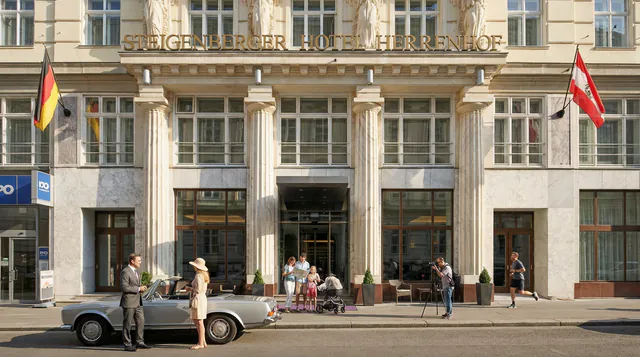
4 min walk (300m)
250-square-meter Spa World Comfort with Finnish sauna and bio-sanarium · 21st-century Baroque and Art Déco interiors reimagined by studio Einwaller
Price From €260/night
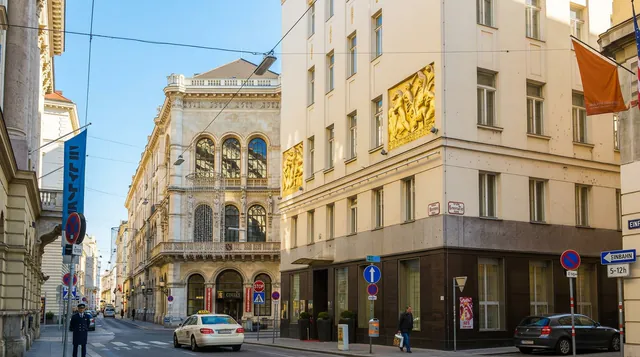
4 min walk (357m)
Housed in a meticulously restored 1914 bank building with a preserved vault · Exclusive Die Zwölf restaurant and bar serving authentic Austrian cuisine
Price From €220/night
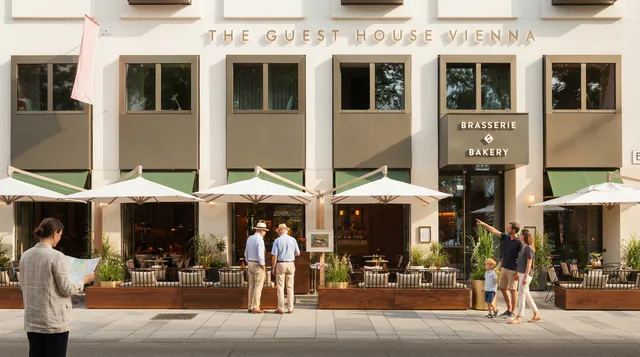
5 min walk (367m)
Complimentary in-room wine fridge stocked with four premium Austrian wines · Iconic bay window reading nooks overlooking the State Opera or Albertina Museum
Price From €299/night
Nearby Restaurants
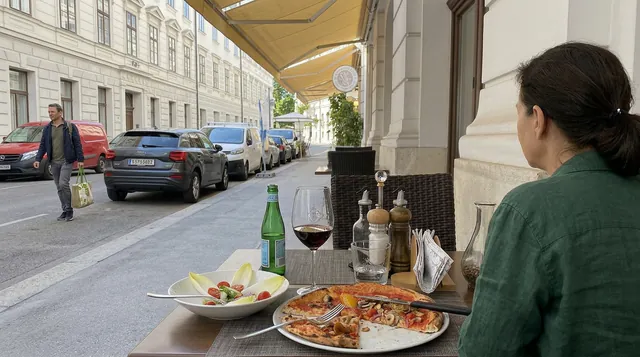
Ristorante La Sosta
Italian Casual • Moderate
Drop the heavy Austrian schnitzel for a moment and duck into Ristorante La Sosta...
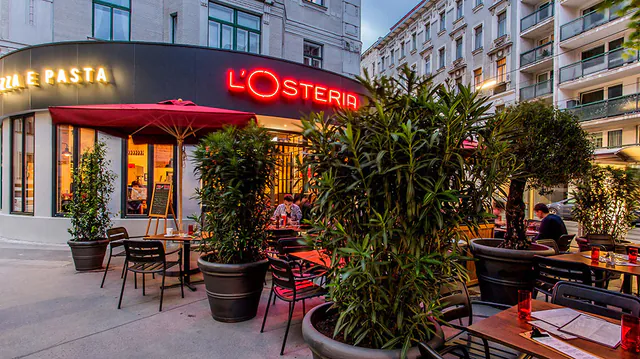
L'Osteria Wien Bräunerstraße
Italian Casual • Moderate
Drop into L'Osteria Wien Bräunerstraße for a loud, unapologetic slice of Italy i...
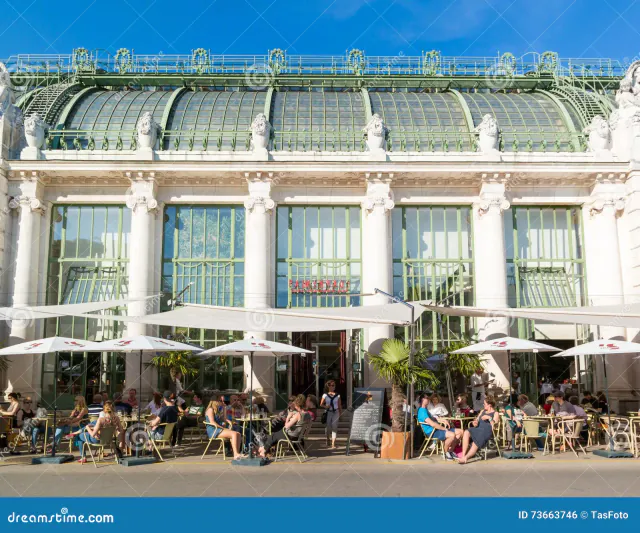
Brasserie Palmenhaus
International Casual • Upscale
Drop into the Burggarten and you cannot miss it. Brasserie Palmenhaus is a massi...
Frequently Asked Questions
Can I take photos inside the Kaiserliche Schatzkammer Wien?
Where is the entrance to the Kaiserliche Schatzkammer Wien located?
What is the most famous item to see at the Kaiserliche Schatzkammer Wien?
Are there any places to eat near the Kaiserliche Schatzkammer Wien?
What other attractions are near the Kaiserliche Schatzkammer Wien?
Is the Kaiserliche Schatzkammer Wien a good activity for a rainy day?
Is there a place to store bags at the Kaiserliche Schatzkammer Wien?
Does the Kaiserliche Schatzkammer Wien include religious artifacts?
What are the opening hours of Kaiserliche Schatzkammer Wien?
How much does it cost to visit Kaiserliche Schatzkammer Wien?
How long should I spend at Kaiserliche Schatzkammer Wien?
Is Kaiserliche Schatzkammer Wien wheelchair accessible?
Quick Facts
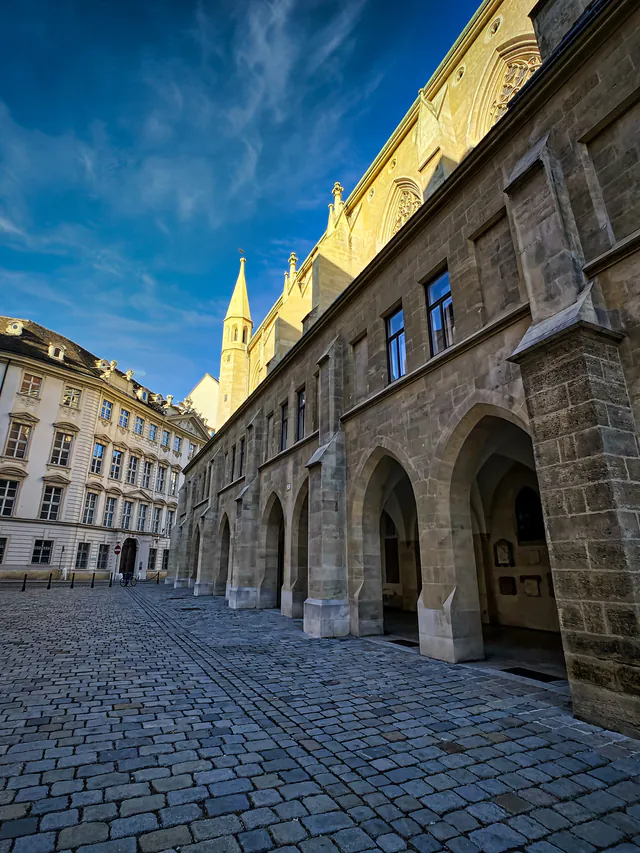
The Neighborhood
1st District: Innere Stadt
Read Guide