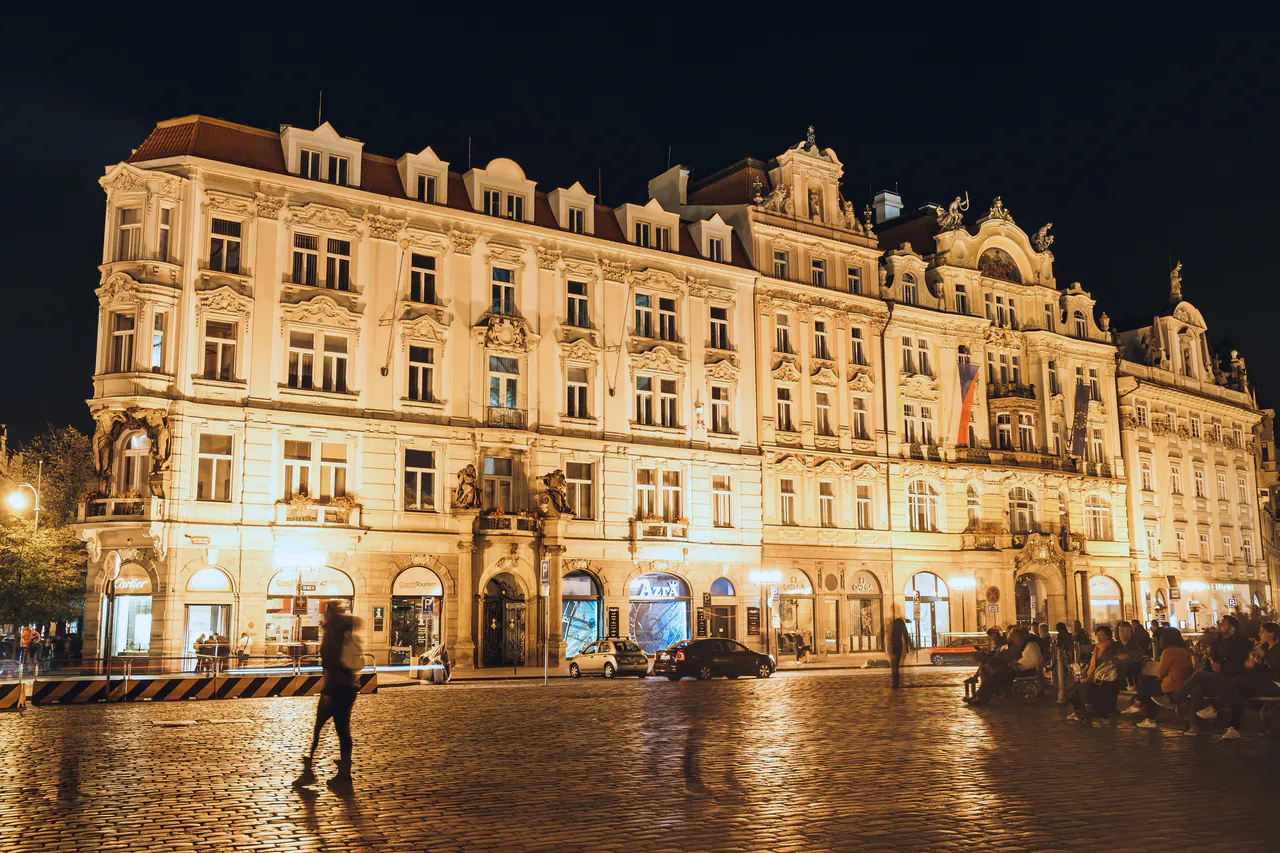
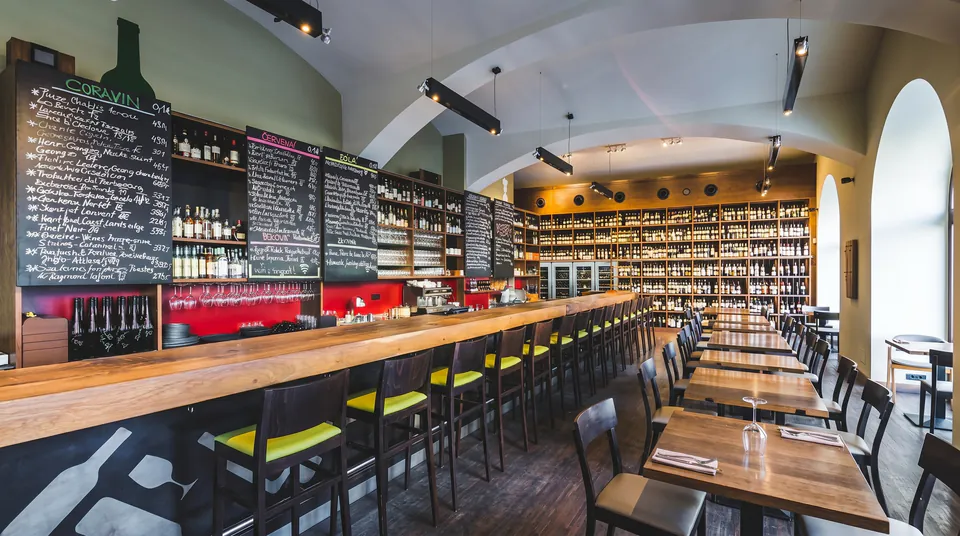
You’re in Prague, so you’re probably here for the beer. Most people are. But Vinograf Senovážné in New Town proves there’s more to the city than cheap pilsner. It’s a massive, sleek space where the walls hold over 700 bottles. This isn’t just a bar. It’s a crash course in the Czech wine comeback. You’ll see local Moravian bottles sitting right next to the best from around the world. It looks expensive, but it stays grounded.
Forget paper lists. You get a digital tablet to find your drink. Pick your region or grape profile. It’s fast. They use the Coravin system here too. This technology lets you try 50 high-end wines by the glass without buying the whole bottle. You can taste what indie legends like Milan Nestarec or Dobrá Vinice are doing for about six euros. The sommeliers actually know their stuff. They'll walk you through a glass of Pálava or Frankovka without the attitude. They’ll even help you find a snack from the kitchen, like local cheese or venison.
Grab a seat by the floor-to-ceiling windows. You can watch the red trams rattle through the square while you sip. It works for a quick afternoon glass or a full dinner. There’s an espresso bar and a shop if you want to take a bottle home. Don’t skip the outdoor patio in summer. Order some local cheese and settle in. It’s the best spot in the city to see why Czech wine is finally getting the respect it deserves. Worth every forint.
The Historical Tapestry of Bohemian and Moravian Viticulture
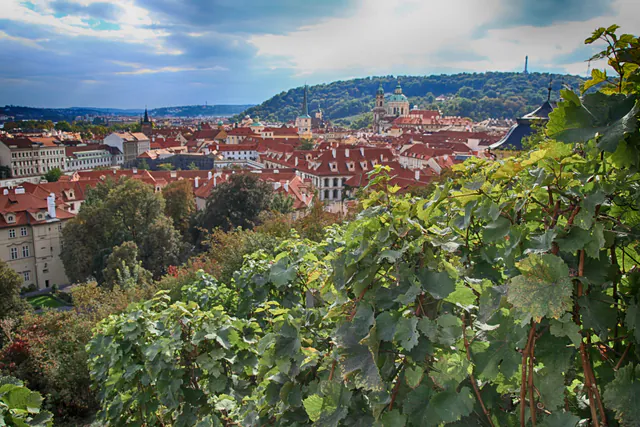
Wine isn’t new here. Romans were pruning vines in southern Moravia back in the 2nd century. Archaeologists found their actual pruning knives near Pasohlávky. These were left behind by the 10th Legion. But Charles IV really got things moving in the 14th century. In 1358, he ordered vineyards to be planted on every south-facing hill near Prague. He brought in French vines and turned the capital into a 'City of Wine.' Then came the communists in 1948. They took over the vineyards and picked volume over taste. Quality tanked for decades. It took the 1989 Velvet Revolution to fix the mess. Now, the country has nearly 20,000 hectares of vines. Vinograf is the result of that hard-won renaissance.
Terroir and Typicity: Decoding Indigenous Grape Varietals
Moravia does the heavy lifting. It produces 96% of the country's wine. Bohemia handles the rest. You'll hear names like Znojmo or Mikulov. Other key regions include Velké Pavlovice and Slovácko. These spots have the limestone and loess soils that make the wine pop. The cool climate keeps the acidity sharp. Try the Pálava. It's a local grape that’s aromatic and spicy. Or grab a Veltlínské zelené if you want something crisp with a bit of white pepper. The reds are catching up too. Svatovavřinecké has a bright plum flavor. But Frankovka is the star. It’s dark, peppery, and stays interesting. Ask for a glass grown in magnesium-rich soil. It tastes like the earth itself.
The Natural Wine Movement and Prague’s Evolving Vinotéka Culture
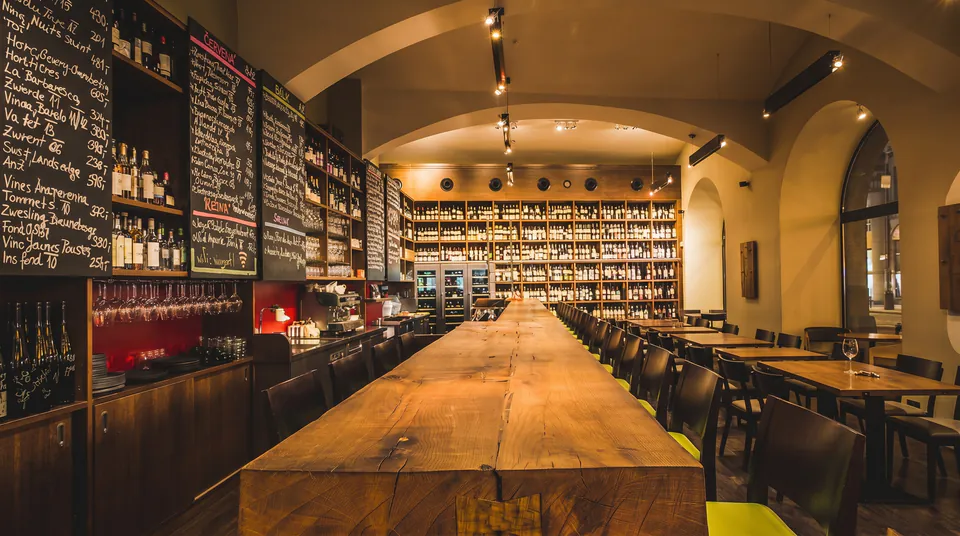
Prague isn’t stuck in dusty cellars anymore. Modern wine bars like Vinograf are the new standard. They mix old-school service with a clean, sharp look. Natural wine is the big trend here. Look for the 'Autentisté' label. These winemakers skip the chemicals and use wild yeast instead. They don't use herbicides. The wine is often unfiltered and a bit cloudy. It tastes like the actual ground it grew in. Vinograf pours a lot of this stuff. If you want more, head to Veltlin in Karlín or Autentista in the Old Town. They all show up for the Prague Drinks Wine festival. It’s a major scene that draws people from all over Europe.
Gastronomic Synergy: Culinary Pairings and Economics
You don’t have to live on fried cheese. The kitchen here focuses on Mediterranean flavors that actually work with wine. They still use Czech ingredients, though. Order the veal tartare with black truffles. It’s a perfect match for a skin-contact orange wine. Or go for the venison loin. Pair it with an aged Moravian Frankovka to cut through the meat. It’s worth it. Keep an eye on your budget. Beer is dirt cheap in Prague, but good wine costs more. Expect to pay 90 to 150 CZK for a glass. Rare bottles can top 1,500 CZK. That’s still a bargain compared to prices in London or Paris. You get what you pay for.
役立つヒント
- 1木曜日、金曜日、土曜日の夜に訪れる場合は、かなり早めにテーブルを予約してください。
- 2Moravianの異なるサブリージョンの対照的な味わいを試すには、degustační setをリクエストしてください。
- 3中価格帯のボトルを1本買う代わりに、Coravinシステムを利用して希少なワインをグラス1杯ずつ楽しむことに予算を充てるのが賢明です。
- 4文化的なマナー違反を避けるため、最初の乾杯のときは相手と目をしっかり合わせ、「Na zdraví」と言いましょう。
- 5カード決済をする前に、10%のチップを含めた支払総額をサーバーに伝えてください。
- 6普段好んで飲んでいる国際的なワインの好みをソムリエに伝え、それに近いMoravianの地場ワインを提案してもらいましょう。
おすすめのグルメ
アガベ・レストラン
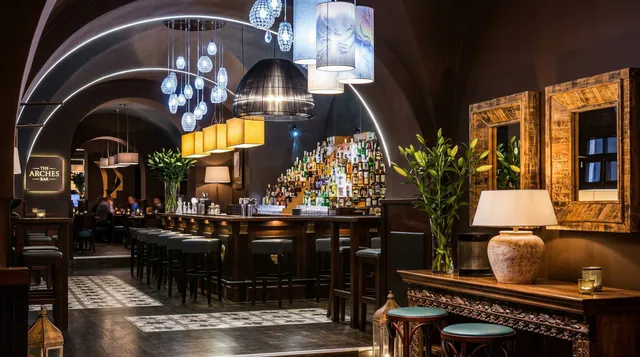
Agave Restaurant Pragueは、Staré Městoの入り組んだ路地裏、Masná通りに位置しています。外観のゴシック様式の石造りとは対照的に、一歩足を踏み入れればボヘミアの寒さは瞬時に消え去ります。ローストしたチリとじっくり煮込んだポークの香りに包まれ、まるでメキシコシティの高級な隠れ家にいるよう
アルリーゾ・リゾッテリア・イタリアーナ
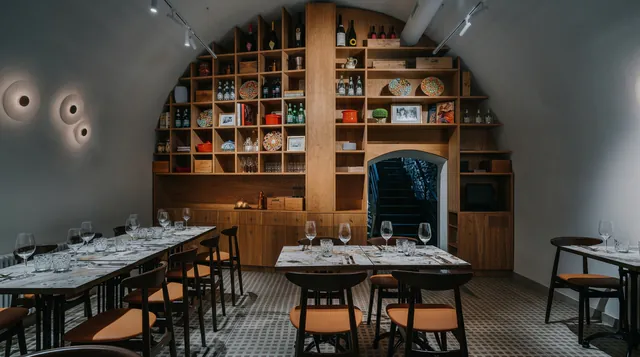
Alriso Risotteria Italiana Pragueは、Betlémské náměstíの石畳の広場にあります。ここは特別な場所です。よくある観光客向けの店ではなく、本格的な地中海料理を提供しています。普通のパスタ店ではありません。ここはまさにサンクチュアリです。Old Townの中心にありながら、静か
ビーフハウス グリル&バー
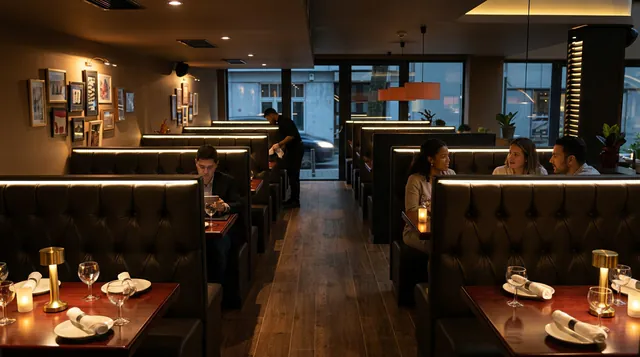
プラハの食シーンといえば、かつては重たいダンプリングや茶色いパブ飯ばかりでした。しかし、今は違います。現在のプラハは世界的な美食の舞台となりました。Beefhouse Grill & Barは、Old Townの喧騒から遠く離れた、New Townの静かな一角Petrská čtvrťにひっそりと佇んでいます。ここは、
よくある質問
夜の訪問には予約が必要ですか?
Moravianワインのグラス1杯の相場はどのくらいですか?
ボトルを1本買わずに、高級ヴィンテージを試飲することはできますか?
自宅用にボトルを購入したい場合はどうすればいいですか?
車椅子での入店は可能ですか?
地元のワイン文化を体験するのに最適な時期はいつですか?
関連ガイド
- U Kunštátů – Craft Beer Bar & Garden
- Prague Dining Etiquette, Tipping, and Historic Hospitality
- Lokál Dlouhááá
- The Definitive Guide to Prague Nightlife
- The Plant-Based Paradigm: Prague's Vegetarian & Vegan Dining Guide
- The Ultimate 1-Day Prague Itinerary: Navigating the Royal Route and Historic Centre
- Strategic 72-Hour Prague Itinerary
- Ultimate 5-Day Prague Itinerary
レストラン検索
料理、価格帯などでレストランを絞り込む
試してみる