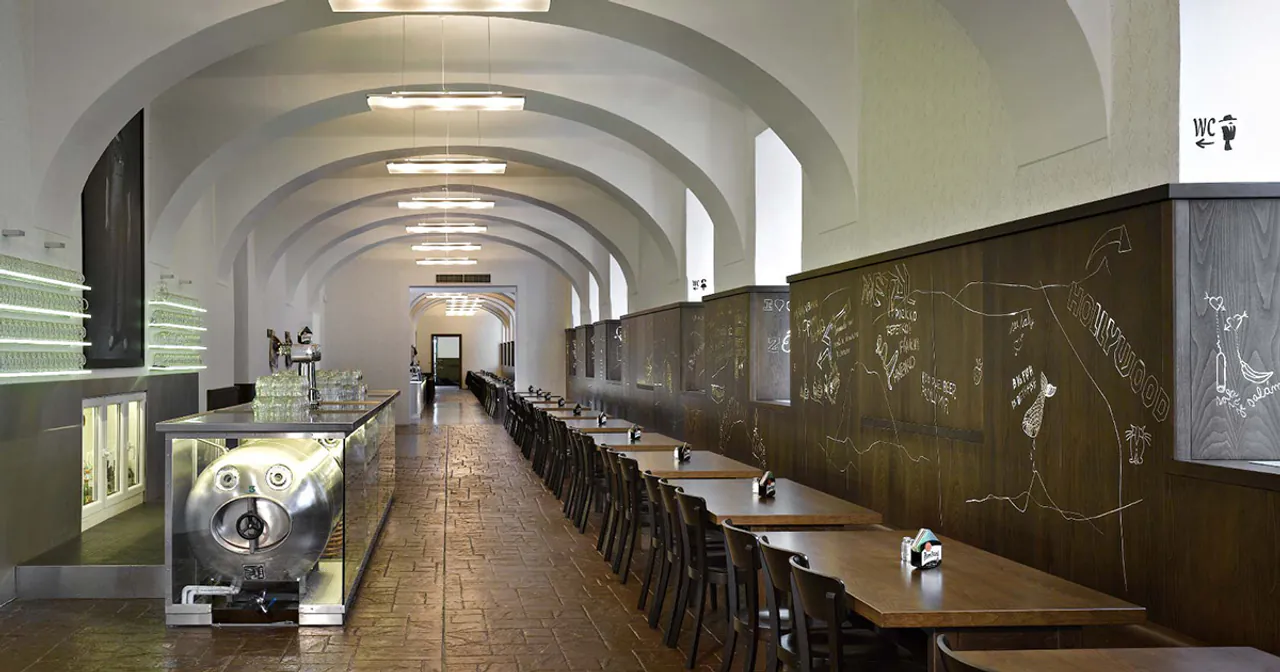
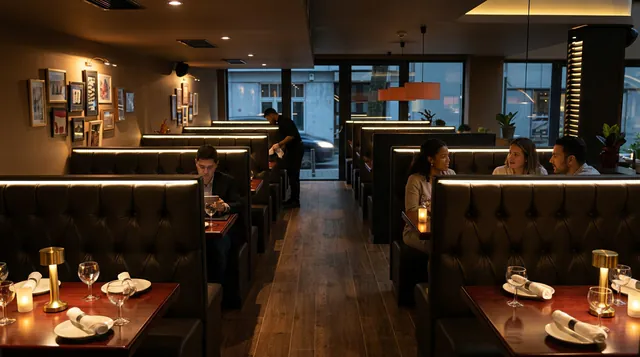
Walk into Lokál Dlouhááá and you'll immediately see why it's a Prague legend. At nearly 70 meters long, this isn't just a pub. It's a massive, industrial hallway dedicated to the art of the Czech beer hall. You won't find faux-historic clutter here. Just long wooden tables and minimalist lights. There are 1,300 people a day drinking tank beer and eating like their grandmothers taught them. It gets loud. It gets crowded. It's exactly where you want to be on a Tuesday night in Old Town.
The kitchen doesn't play games. There's no powdered gravy or cheap substitutes. They source meat from their own butcher, focusing on heritage breeds like Fleckvieh cattle and Přeštice pigs. You can taste the effort in the goulash. They don't cheat with flour to thicken it. Instead, they let it reduce slowly until it's deep and rich. Even the dumplings have that proper yellow hue from real egg yolks. It’s honest cooking for people who actually like to eat.
You’ll likely end up elbow-to-elbow with a local office worker or a group of students. Grab a seat at one of the shared tables. The language barrier usually disappears after a few rounds of Pilsner. It’s the raw, unfiltered social hub of the city. Forget the tourist traps with their overpriced menus. This is the real deal.
The Foundations of Czech Gastronomy: Soups, Starters, and the Charcuterie Tradition
Start with the soup. It's the backbone of any Czech meal. Order the Kulajda if you want a creamy mix of wild mushrooms and potatoes with plenty of dill. If you're feeling hungrier, go for the Zelňačka. It’s a thick sauerkraut soup packed with smoked meat. After that, look at the charcuterie. The Pražská šunka comes with a sharp, whipped horseradish that’ll clear your sinuses. You should also try the Utopenec (pickled sausage) and the Tlačenka (head cheese).
The meat quality is better than any standard pub. That's because the owners run their own butchery called Amaso. They use heritage Přeštice pigs to make sure everything from the ham to the sausages tastes like it should. It’s the same high-end meat you’d find at Kantýna or Naše Maso but served in a loud, rowdy beer hall.
The Imperial Legacy: Svíčková and the Evolution of Central European Guláš
The main courses are a crash course in the old Austro-Hungarian Empire. The heavy hitter is Svíčková na smetaně. You get tender beef swimming in a thick sauce of puréed root vegetables and heavy cream. It comes with a dollop of cranberry compote and bread dumplings to soak up every drop. It's a dish that shows how Bavarian and French styles eventually landed on Czech plates.
Then there’s the goulash. Don't expect the thin Hungarian version. Czech guláš is a thick, meat-heavy stew built to stand up to a bitter Pilsner. They use a spicier paprika and skip the flour entirely. The kitchen thickens the sauce the hard way through a long, slow reduction. It’s a massive, savory punch of flavor that hasn't changed in decades.
The Architecture of Bohemian Beer Culture and the Ambiente Vision
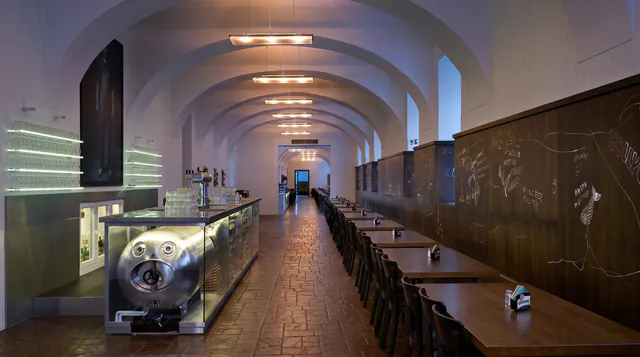
Everything here revolves around the beer taps. Forget standard kegs. Lokál uses a massive tank system to store unpasteurized Pilsner Urquell. Look up and you'll see the custom cooling pipes running along the ceiling. They keep the beer at a steady temperature until it hits your glass. It’s as fresh as it gets without visiting the brewery in Plzeň.
The bartenders take their pours seriously. Ask for a 'hladinka' for a standard beer with a thick head of foam. Or try a 'mlíko' (milk) pour if you want a glass of sweet, creamy micro-foam. It’s all part of the plan to bring back the quality of the traditional Czech pub. They’ve managed to ditch the bad habits of the socialist era and focus on great ingredients and a solid social vibe.
役立つヒント
- 1混雑する夕方の時間帯に食事をする予定がある場合は、数日前にテーブルを予約しておきましょう。
- 2大混雑を避けるには、火曜日か水曜日の午後2時30分から午後4時30分の間に訪れるのがおすすめです。
- 3ボリュームのある温かい料理を注文する前に、ホイップされたホースラディッシュを添えたPragueハムなどのコールド・ブッチャー・プレートを試してみてください。
- 4クレジットカードをかざす前に、10%のチップを含めた最終的な支払い総額を店員に伝えてください。
- 5予約なしで訪れ、より早くサービスを受けたい場合は、タップエリア(ビール注ぎ口の近く)で立ち飲みしても構わない旨を伝えてみましょう。
- 6天井を見上げてみてください。非加熱のタンクビールを冷たく保つための、特注の透明なパイプシステムを目にすることができます。
おすすめのグルメ
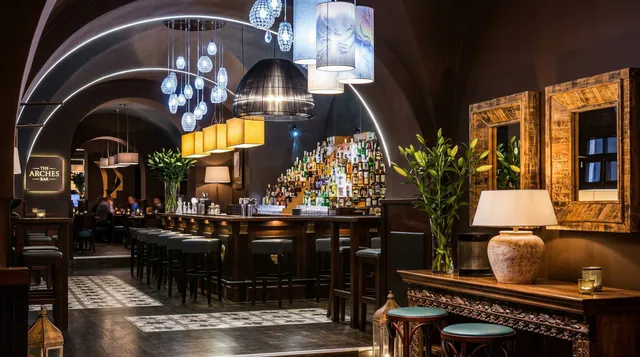
アガベ・レストラン
Agave Restaurant Pragueは、Staré Městoの入り組んだ路地裏、Masná通りに位置しています。外観のゴシック様式の石造りとは対照的に、一歩足を踏み入れればボヘミアの寒さは瞬時に消え去ります。ローストしたチリとじっくり煮込んだポークの香りに包まれ、まるでメキシコシティの高級な隠れ家にいるよう
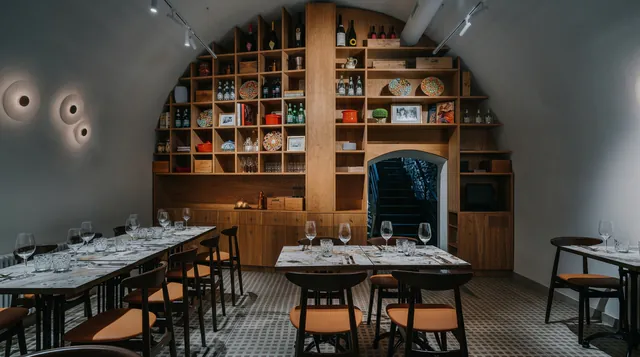
アルリーゾ・リゾッテリア・イタリアーナ
Alriso Risotteria Italiana Pragueは、Betlémské náměstíの石畳の広場にあります。ここは特別な場所です。よくある観光客向けの店ではなく、本格的な地中海料理を提供しています。普通のパスタ店ではありません。ここはまさにサンクチュアリです。Old Townの中心にありながら、静か
ビーフハウス グリル&バー
プラハの食シーンといえば、かつては重たいダンプリングや茶色いパブ飯ばかりでした。しかし、今は違います。現在のプラハは世界的な美食の舞台となりました。Beefhouse Grill & Barは、Old Townの喧騒から遠く離れた、New Townの静かな一角Petrská čtvrťにひっそりと佇んでいます。ここは、
よくある質問
ここでしっかり食事をした場合、予算はどのくらいですか?
予約なしでも席に座れますか?
車椅子を利用していても入店しやすいですか?
クレジットカードで支払う場合、チップはどうすればよいですか?
グループで個室を利用することはできますか?
ビールの注ぎ方の「mlíko(ムリーコ)」とは何ですか?注文すべきでしょうか?
関連ガイド
- U Kunštátů – Craft Beer Bar & Garden
- Prague Dining Etiquette, Tipping, and Historic Hospitality
- The Definitive Guide to Prague Nightlife
- The Plant-Based Paradigm: Prague's Vegetarian & Vegan Dining Guide
- Vinograf Senovážné
- The Ultimate 1-Day Prague Itinerary: Navigating the Royal Route and Historic Centre
- Strategic 72-Hour Prague Itinerary
- Ultimate 5-Day Prague Itinerary
レストラン検索
料理、価格帯などでレストランを絞り込む
試してみる
Socialist-Era Gastronomy and the Engineering of Smažený Sýr
Smažený sýr is the ultimate Czech comfort food. It started as a cheap alternative to veal schnitzel but became a national staple in the 1960s. Back then, the state pushed ready-made meals like fried Edam to get more people into the workforce. Most places serve a rubbery, frozen version. Not here.
At Lokál, they treat fried cheese with respect. They use a precise triple-coating technique to keep the molten center from leaking out in the fryer. You get it with a side of buttered potatoes and a bowl of house-made tartar sauce. It’s the best version of this nostalgic vegetarian classic you’ll find in the city. Skip the street food stalls and eat it here instead.