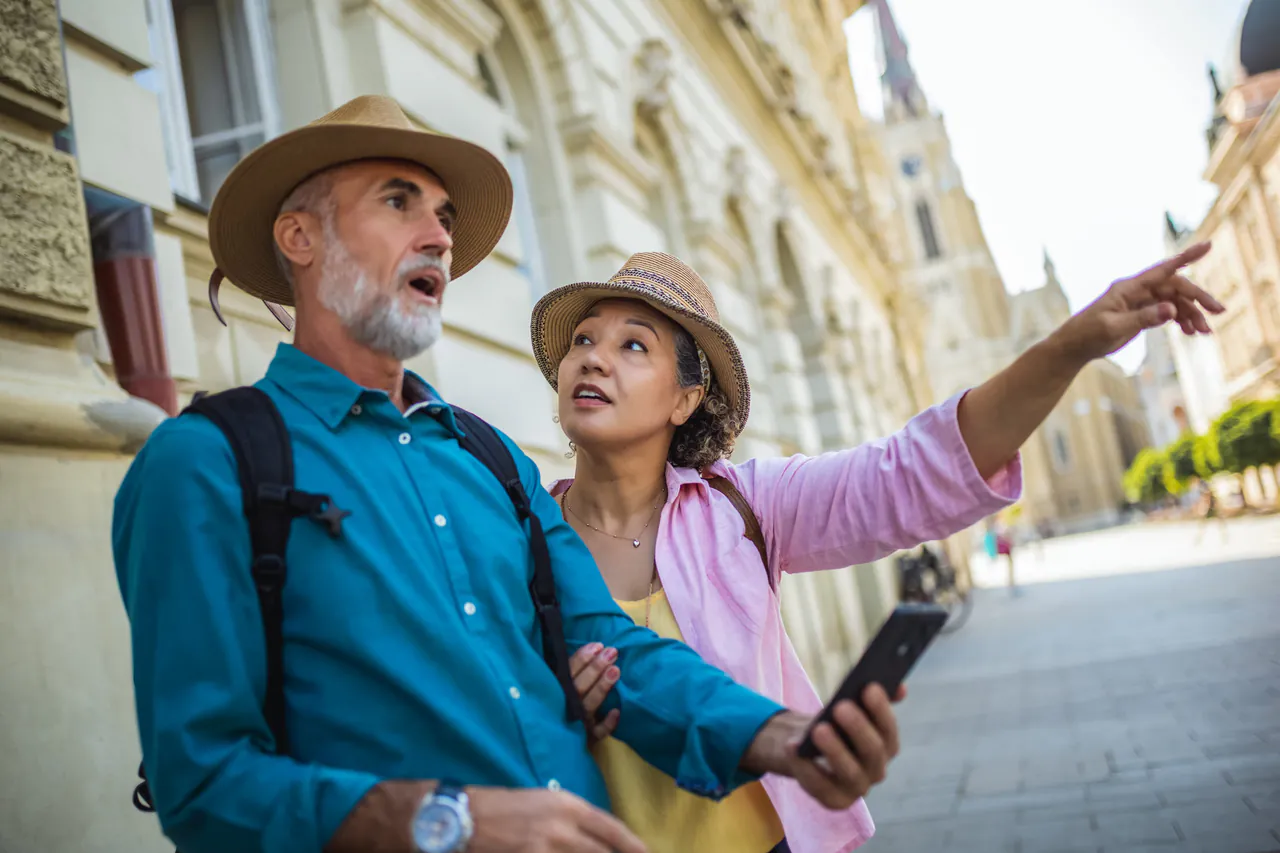
Vienna at Your Own Pace: The Ultimate Senior Travel Guide
Vienna doesn't just tolerate a slower pace. It invented it. This is a city of grand Ringstrasse boulevards, manicured Schönbrunn gardens, and velvet coffeehouse booths designed for lingering. It's easily one of Europe's most senior-friendly capitals. Forget the frantic rush. Here, the infrastructure actually works for you. Low-floor trams and elevators at every U-Bahn station make getting from the Hofburg to the Belvedere effortless. The culture respects your time, too. Spending three hours over a single Melange and a slice of Apfelstrudel isn't just allowed, it's the local law. Taking breaks is built into the Viennese DNA. This guide skips the fluff to focus on the practical. You'll learn how to navigate the transit system, where to find the real senior discounts, and which attractions offer elevators instead of grueling stone stairs. Whether you're a spry retiree or managing mobility gear, Vienna is ready with a seat and a world-class slice of Sachertorte.
Photos
Navigating the City with Ease
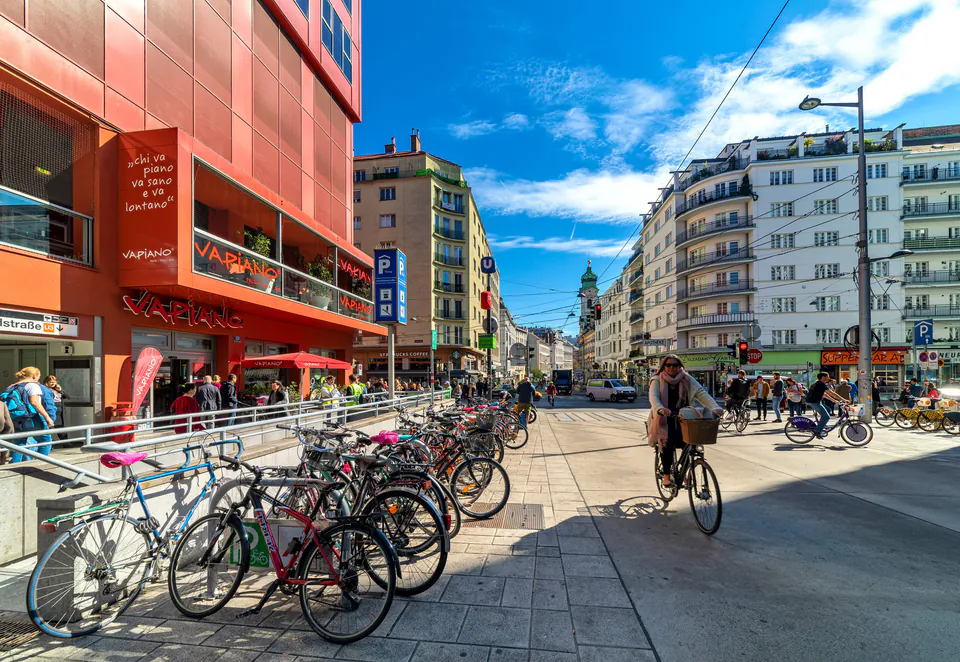
Zipping around Vienna is simple if you use the Wiener Linien network. Download the WienMobil app immediately. It's your digital navigator for finding barrier-free routes and elevator-accessible paths in real-time. Most buses and trams, including the scenic D line, use modern low-floor vehicles. No steep steps required. Just look for the wheelchair symbol on the platform displays; it confirms the next arrival is fully accessible. Watch the fares, though. If you're 65 or older, grab a discounted single-trip ticket for €1.50 instead of the usual €2.40. But heads up. As of January 2026, this senior discount vanishes, and standard digital singles jump to €3.00. Don't bother looking for senior rates on 24-hour or 7-day passes. They don't exist. Your best bet for frequent riding is the €25.20 digital 7-day pass. If you're tired, call a cab. Taxi 31300 is reliable and has adapted vehicles if you book ahead. Otherwise, stick to the Innere Stadt. It's flat and walkable, though you should mind the historic cobblestones. Use the trams when your feet need a break. They're everywhere.
Accessible Imperial Grandeur
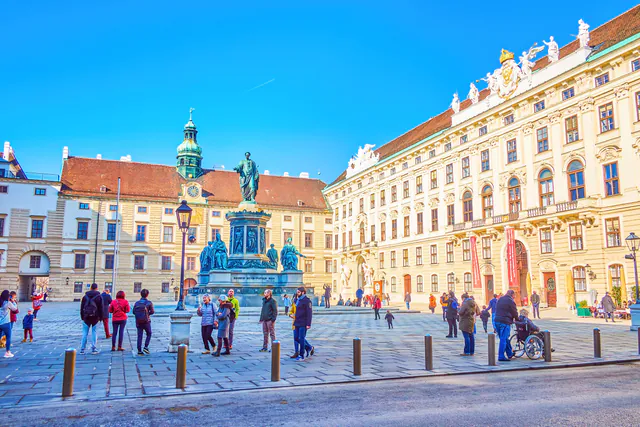
Habsburg palaces are massive, but you don't need to exhaust yourself to see them. Take Schönbrunn. The interior has elevators, but the gravel gardens are a trap for tired legs. Skip the uphill slog to the Gloriette. Buy a day ticket for the Panoramabahn Schönbrunn instead. This yellow electric train hits nine stops around the estate. It'll drop you right at the Gloriette for an elevator ride to the view and a coffee at Café Gloriette. At St. Stephen's Cathedral, avoid the South Tower. It's 343 claustrophobic steps with zero help from technology. Go for the North Tower (Nordturm). For €7, an attendant-operated elevator zips you 60 meters up to the Pummerin bell. You'll get better views of those famous mosaic roof tiles without the heavy breathing. The Hofburg Palace is just as easy. The Sisi Museum and Imperial Apartments use ramps and wide elevators throughout. My advice? Get there at 9:00 AM sharp. You'll beat the school groups and snag the best seats in the palace cafes for your mid-morning break.
The Art of the Viennese Coffeehouse
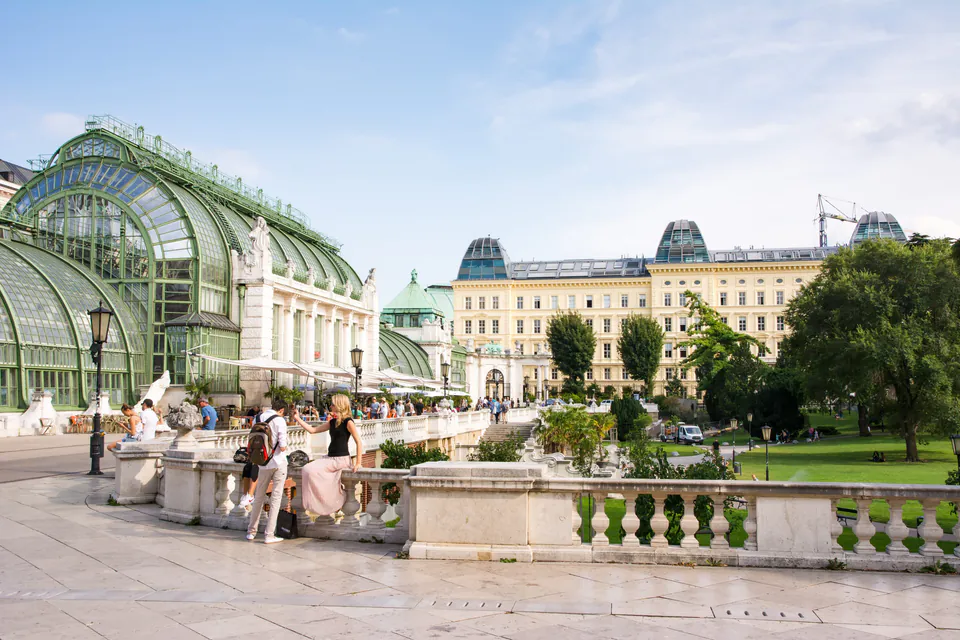
The traditional Kaffeehaus is a senior traveler's best friend. This isn't a quick caffeine fix. It's a second living room. Order a Melange and the table is yours until closing. Waiters in black waistcoats will bring a glass of tap water and then leave you alone. No rushing. No pressure. For pure physical comfort, hit Café Prückel on the Stubenring. The 1950s booths are padded and much kinder to your back than typical wooden chairs. It's right across from the MAK museum, making it the perfect post-gallery sanctuary. If you want something quieter, head to Café Jelinek on Otto-Bauer-Gasse in the 6th district. It's a local haunt with green velvet sofas and a wood-burning stove for winter. It lacks the crowds of Café Central but keeps the charm. Grab a slice of their homemade Gugelhupf marble cake, sink into the velvet, and watch the afternoon vanish. It's worth every cent.
Museums, Culture, and Senior Discounts
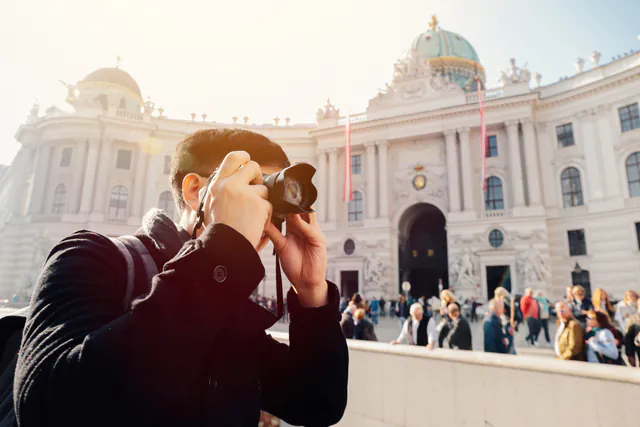
Vienna's art scene is world-class and surprisingly cheap if you're over 60 or 65. Most major museums offer a Seniorenticket, but they won't offer it if you don't ask. Bring your passport to the box office as proof. The renovated Wien Museum on Karlsplatz is the current star of the city. The permanent history exhibit is free for everyone, while special shows drop from €16 to €10 for seniors. The building is a dream for mobility, featuring smooth floors, fast elevators, and plenty of benches for gallery gazing. Pace yourself. Don't try to do the Kunsthistorisches Museum and the Belvedere in one day. You'll regret it. If you're heading to the Upper Belvedere for Klimt's "The Kiss," use their elevators and wide halls. Buy tickets online to avoid standing in line. Those queues are longer than they look and notoriously draining. Use the museum cafes for a mid-afternoon reset. They aren't just for tourists; they're part of the experience.
Restrooms and the Eurokey System
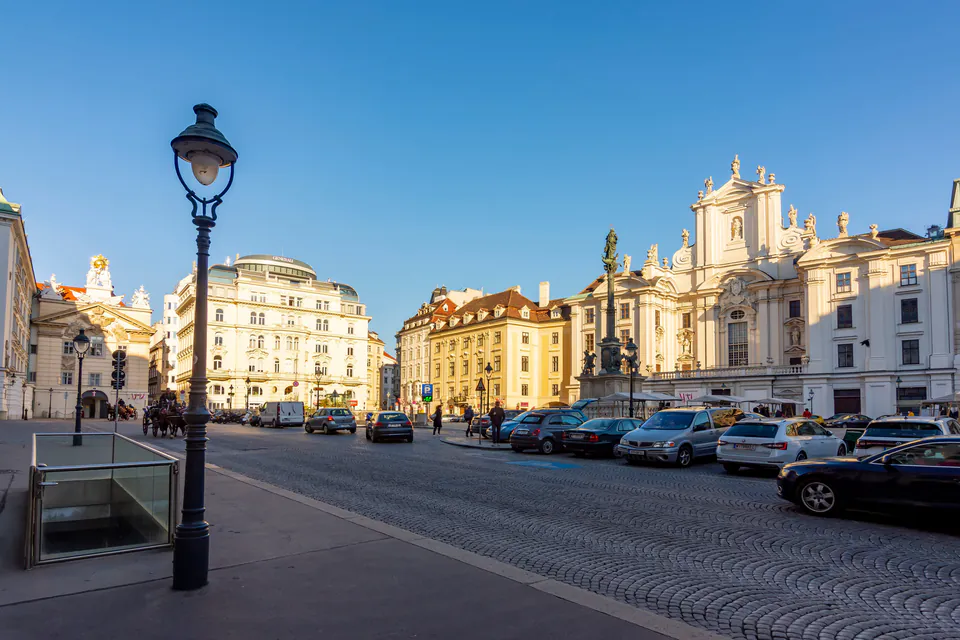
Finding a clean toilet shouldn't be a source of travel anxiety. Vienna has this covered. Download the "Public Toilets in Vienna" app by David Pertiller. It's free, English-language, and maps 260 spots. It shows you opening hours, fees (usually €0.50), and accessibility status. For those with significant mobility needs, look into the Eurokey (Euroschlüssel). This master key unlocks thousands of high-end disabled toilets across Europe, including those in train stations and museums. These spots stay pristine because they're locked to the general public. If you're eligible, buy one before your trip for about €23. If not, don't sweat it. Large shops like Gerngross on Mariahilfer Strasse and most coffeehouses have solid facilities. Just remember the etiquette. If you use a cafe restroom, order a coffee or at least a small water. Tipping the attendant a small coin on your way out is the local move. It's expected.
Practical Tips
- 1Get the WienMobil App for your phone. It filters transit routes for elevators and low-floor access so you never get stuck at a staircase.
- 2Pack your passport. You'll need it to prove your age for Seniorentickets at the Wien Museum and Hofburg box offices.
- 3Take the yellow Panoramabahn train at Schönbrunn. It costs a few Euros but saves you a brutal uphill walk to the Gloriette viewing deck.
- 4Skip the South Tower at the Cathedral. Use the North Tower elevator for €7 instead. It’s faster, easier, and the view of the roof tiles is superior.
- 5Install David Pertiller’s Public Toilets app. It maps 260 clean restrooms across the city and tells you which ones are wheelchair-accessible.
- 6Watch the calendar. The €1.50 senior transit fare ends in January 2026. After that, the €25.20 7-day digital pass is your best value.
- 7Don't rush your coffee. Places like Café Prückel and Café Jelinek expect you to linger for hours. Use the padded booths to recharge your batteries.
Top Attractions
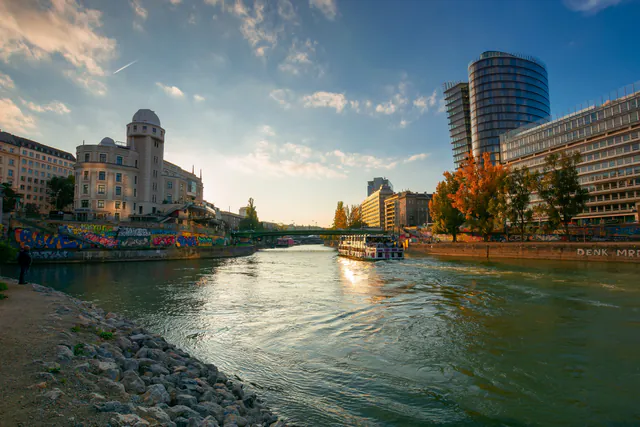
Danube Canal (Donaukanal)
Don't mistake the Danube Canal for the wide, blue river of the same name. This 17.3-kilometer waterway is the city's gritty, creative pulse. It slices right pas
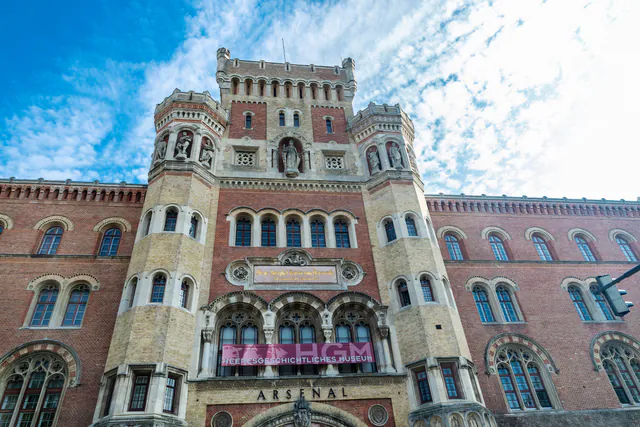
Museum of Military History
Forget the gilded ballrooms of the Hofburg for a second. If you want to understand how the Habsburg Empire actually functioned, head to the Arsenal in the 3rd D
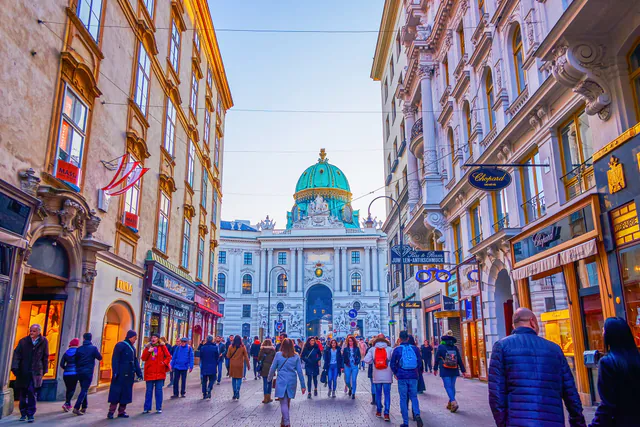
Prime Tours
Forget the stiff, rehearsed scripts of traditional bus tours. Prime Tours is a local movement launched in 2016 by Clemens Sengwein and Tobias Tomaschko, two Vie
Where to Eat
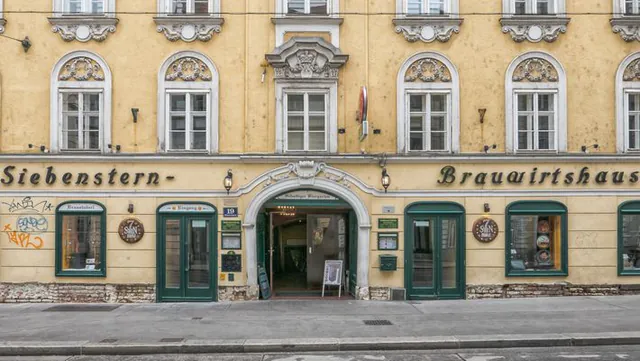
Siebensternbräu
Don't expect white tablecloths or hushed whispers at Siebensternbräu. Since 1994, this Neubau powerhouse has functioned as the 7th district’s unofficial living
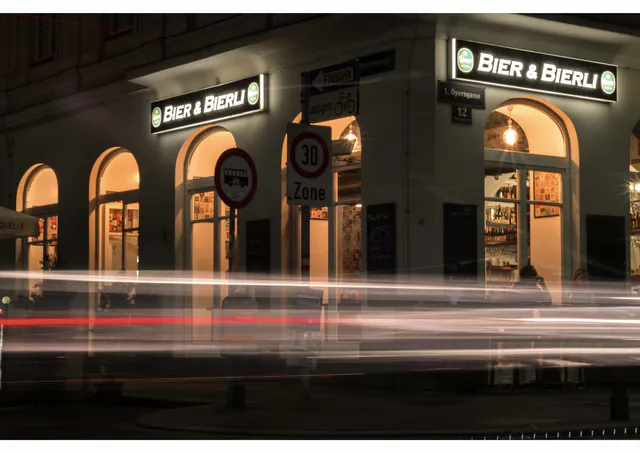
Bier & Bierli
Don't let the tuxedoed crowds at the State Opera across the street fool you. Bier & Bierli is the antithesis of stiff Viennese formality. It's a glorious, beer-
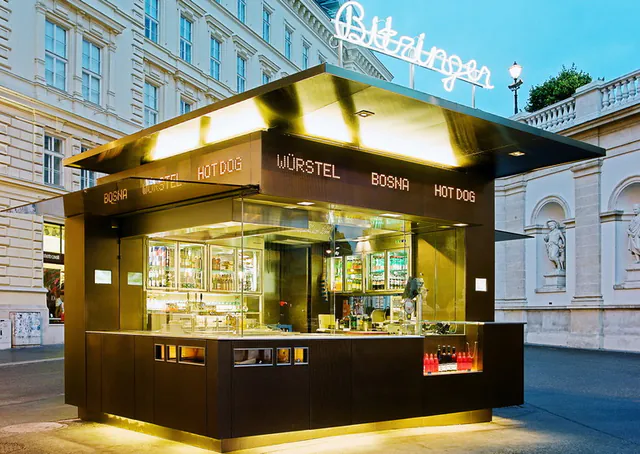
Bitzinger Würstelstand Albertina
Parked between the Albertina Museum and the State Opera in the 1st District, Bitzinger isn't just a snack stand. It's a Viennese landmark. You'll spot it by the
Frequently Asked Questions
Are Vienna's trams and buses accessible for older travelers?
Do seniors get a discount on public transport in Vienna?
Does St. Stephen's Cathedral have an elevator to the top?
How do I easily find public restrooms in Vienna?
What is the best way to see Schönbrunn Palace without walking too much?
Are coffeehouses in Vienna good places to rest during the day?
Related Guides
- Vienna Accessible Travel Guide: Navigating the 2025 Access City Award Winner
- Vienna on a Shoestring: The Ultimate Budget Travel Guide
- Vienna Emergency Contacts & Services: A Complete Guide for Travelers
- Entering Austria: A Comprehensive Guide to Visas, Customs, and Vienna Airport Logistics
- Navigating Healthcare & Pharmacies in Vienna: A Practical Guide
- The Vienna Connectivity Guide: eSIMs, Local SIMs, and Free WiFi
- Vienna Language Guide: Essential Phrases, Local Slang & Etiquette
- The Ultimate Guide to Luggage Storage in Vienna: Lockers, Apps, and Insider Tips
Trip Budget Calculator
Get a realistic cost estimate for your {city} trip in seconds.
Try it