Vinograf Senovážné
Geschreven door
Nils Johansson | Oprichter
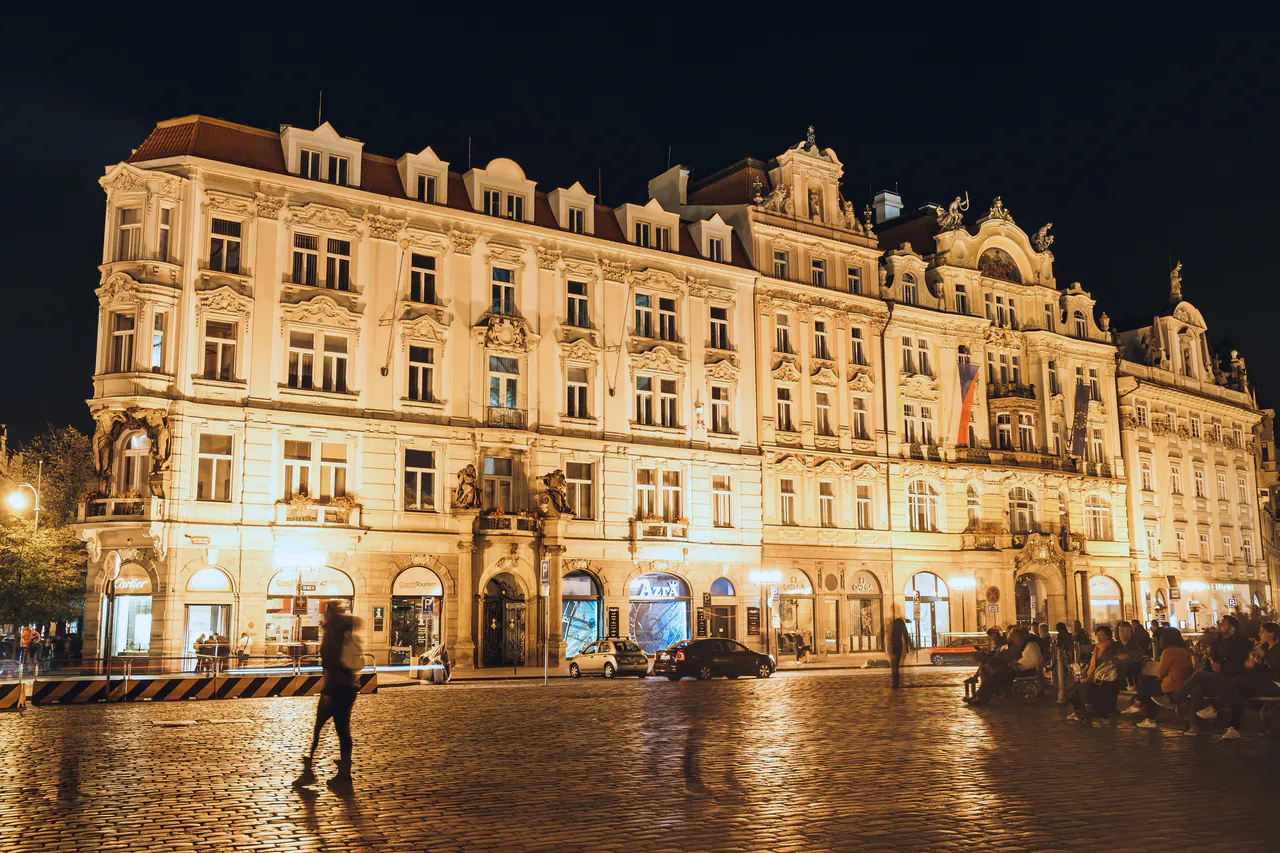
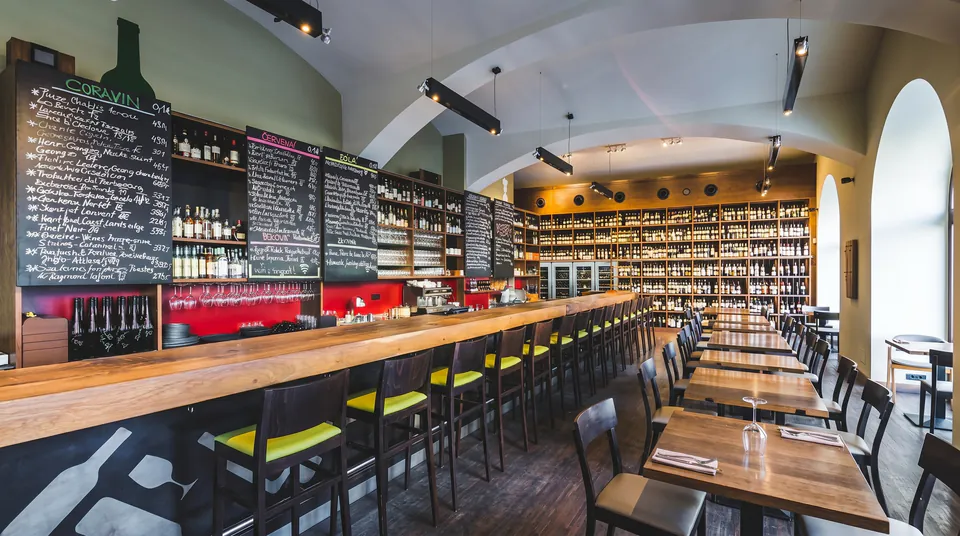
You’re in Prague, so you’re probably here for the beer. Most people are. But Vinograf Senovážné in New Town proves there’s more to the city than cheap pilsner. It’s a massive, sleek space where the walls hold over 700 bottles. This isn’t just a bar. It’s a crash course in the Czech wine comeback. You’ll see local Moravian bottles sitting right next to the best from around the world. It looks expensive, but it stays grounded.
Forget paper lists. You get a digital tablet to find your drink. Pick your region or grape profile. It’s fast. They use the Coravin system here too. This technology lets you try 50 high-end wines by the glass without buying the whole bottle. You can taste what indie legends like Milan Nestarec or Dobrá Vinice are doing for about six euros. The sommeliers actually know their stuff. They'll walk you through a glass of Pálava or Frankovka without the attitude. They’ll even help you find a snack from the kitchen, like local cheese or venison.
Grab a seat by the floor-to-ceiling windows. You can watch the red trams rattle through the square while you sip. It works for a quick afternoon glass or a full dinner. There’s an espresso bar and a shop if you want to take a bottle home. Don’t skip the outdoor patio in summer. Order some local cheese and settle in. It’s the best spot in the city to see why Czech wine is finally getting the respect it deserves. Worth every forint.
The Historical Tapestry of Bohemian and Moravian Viticulture
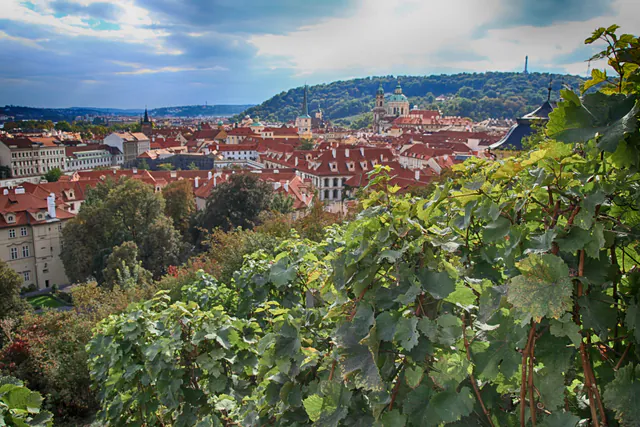
Wine isn’t new here. Romans were pruning vines in southern Moravia back in the 2nd century. Archaeologists found their actual pruning knives near Pasohlávky. These were left behind by the 10th Legion. But Charles IV really got things moving in the 14th century. In 1358, he ordered vineyards to be planted on every south-facing hill near Prague. He brought in French vines and turned the capital into a 'City of Wine.' Then came the communists in 1948. They took over the vineyards and picked volume over taste. Quality tanked for decades. It took the 1989 Velvet Revolution to fix the mess. Now, the country has nearly 20,000 hectares of vines. Vinograf is the result of that hard-won renaissance.
Terroir and Typicity: Decoding Indigenous Grape Varietals
Moravia does the heavy lifting. It produces 96% of the country's wine. Bohemia handles the rest. You'll hear names like Znojmo or Mikulov. Other key regions include Velké Pavlovice and Slovácko. These spots have the limestone and loess soils that make the wine pop. The cool climate keeps the acidity sharp. Try the Pálava. It's a local grape that’s aromatic and spicy. Or grab a Veltlínské zelené if you want something crisp with a bit of white pepper. The reds are catching up too. Svatovavřinecké has a bright plum flavor. But Frankovka is the star. It’s dark, peppery, and stays interesting. Ask for a glass grown in magnesium-rich soil. It tastes like the earth itself.
The Natural Wine Movement and Prague’s Evolving Vinotéka Culture
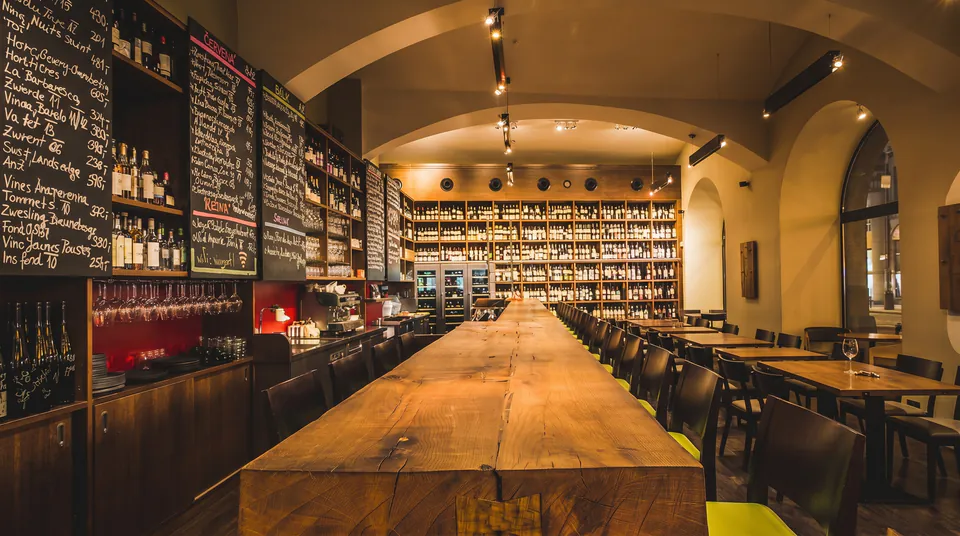
Prague isn’t stuck in dusty cellars anymore. Modern wine bars like Vinograf are the new standard. They mix old-school service with a clean, sharp look. Natural wine is the big trend here. Look for the 'Autentisté' label. These winemakers skip the chemicals and use wild yeast instead. They don't use herbicides. The wine is often unfiltered and a bit cloudy. It tastes like the actual ground it grew in. Vinograf pours a lot of this stuff. If you want more, head to Veltlin in Karlín or Autentista in the Old Town. They all show up for the Prague Drinks Wine festival. It’s a major scene that draws people from all over Europe.
Gastronomic Synergy: Culinary Pairings and Economics
You don’t have to live on fried cheese. The kitchen here focuses on Mediterranean flavors that actually work with wine. They still use Czech ingredients, though. Order the veal tartare with black truffles. It’s a perfect match for a skin-contact orange wine. Or go for the venison loin. Pair it with an aged Moravian Frankovka to cut through the meat. It’s worth it. Keep an eye on your budget. Beer is dirt cheap in Prague, but good wine costs more. Expect to pay 90 to 150 CZK for a glass. Rare bottles can top 1,500 CZK. That’s still a bargain compared to prices in London or Paris. You get what you pay for.
Praktische tips
- 1Reserveer je tafel ruim van tevoren voor avondbezoeken op donderdag, vrijdag en zaterdag.
- 2Vraag om een degustační set om contrasterende smaakprofielen uit verschillende Moravische subregio's te proeven.
- 3Besteed je budget aan losse glazen zeldzame wijnen via hun Coravin-systeem in plaats van een gemiddelde fles te kopen.
- 4Houd oogcontact en zeg 'Na zdraví' bij de eerste toast om een culturele faux pas te voorkomen.
- 5Vertel de bediening het totale bedrag dat je wilt betalen, inclusief 10% fooi, voordat ze je pas scannen.
- 6Vraag de sommeliers om je gebruikelijke internationale wijnvoorkeuren te vertalen naar inheemse Moravische equivalenten.
Eten & drinken
Agave Restaurant
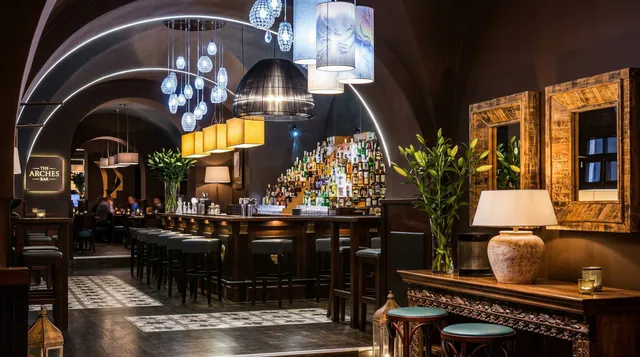
Je vindt Agave Restaurant Prague aan de Masná street, verscholen in de kronkelende steegjes van Staré Město. Het vormt een scherp contrast met de gotische stene
Beefhouse Grill & Bar
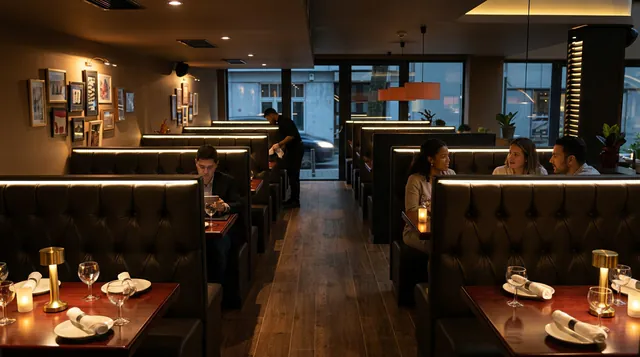
De eetcultuur van Prague bestond vroeger vooral uit zware knoedels en beige pubvoer. Dat is verleden tijd. Tegenwoordig is de stad een wereldspeler. Je vindt Be
Café Savoy
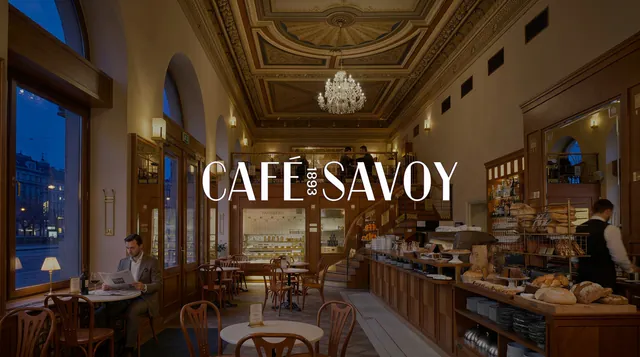
Stap over de drempel op Vítězná en je bevindt je in de Eerste Republiek. Het ligt op de westoever van de Vltava, op een steenworp afstand van de Legií-brug en h
Veelgestelde vragen
Moet ik reserveren voor avondbezoeken?
Wat kost een gemiddeld glas Moravische wijn hier?
Is het mogelijk om exclusieve jaargangen te proeven zonder de hele fles te kopen?
Wat als ik een fles wil kopen om mee naar huis te nemen?
Is de ingang toegankelijk voor rolstoelgebruikers?
Wat is de beste tijd van het jaar om de lokale wijncultuur te ervaren?
Gerelateerde gidsen
- U Kunštátů – Craft Beer Bar & Garden
- Prague Dining Etiquette, Tipping, and Historic Hospitality
- Lokál Dlouhááá
- The Definitive Guide to Prague Nightlife
- The Plant-Based Paradigm: Prague's Vegetarian & Vegan Dining Guide
- The Ultimate 1-Day Prague Itinerary: Navigating the Royal Route and Historic Centre
- Strategic 72-Hour Prague Itinerary
- Ultimate 5-Day Prague Itinerary
Restaurantzoeker
Filter restaurants op keuken, prijs en meer.
Probeer hetTags
Plekken in Prague
Gerelateerde bezienswaardigheden, hotels en meer.