Prague Weather Guide: Climatological Dynamics & Seasonal Strategies
Geschreven door
Nils Johansson | Oprichter
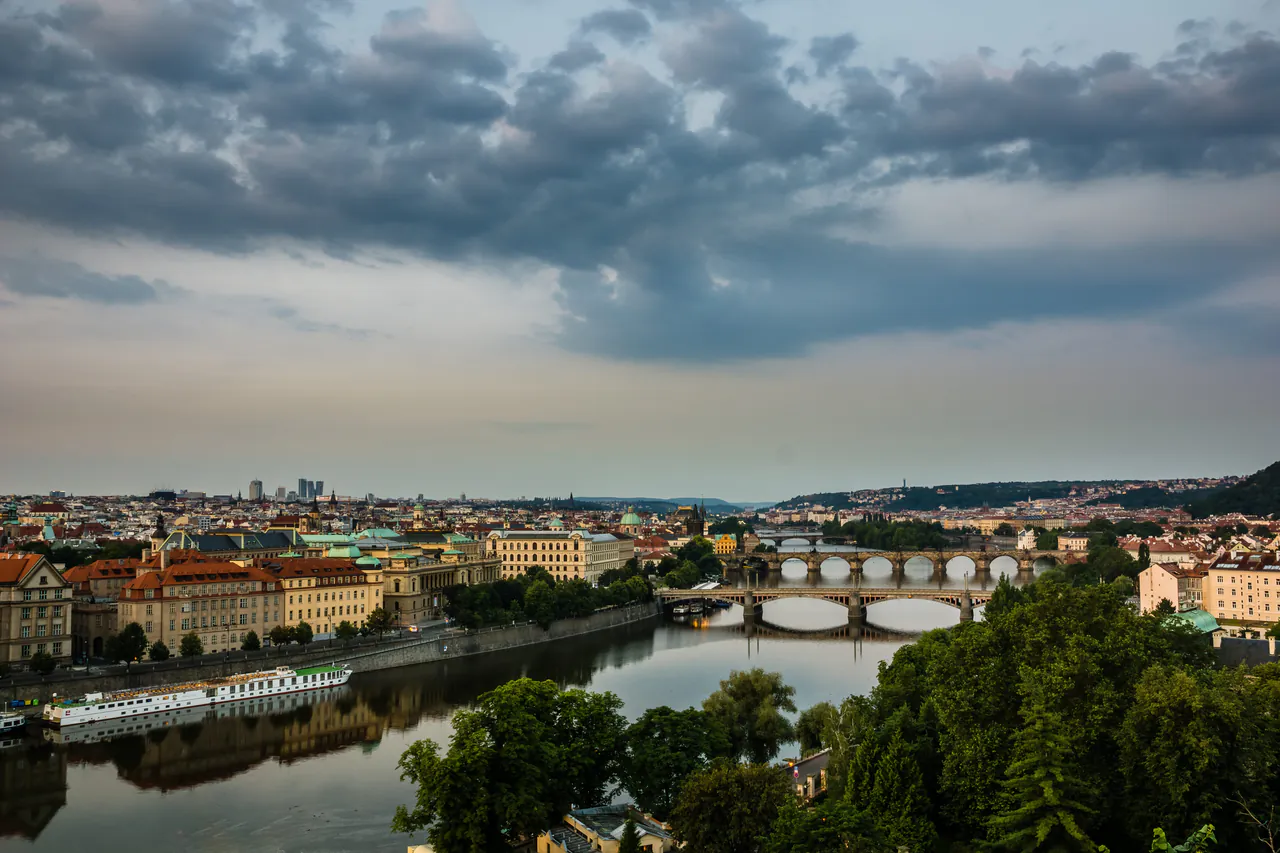
Prague sits in a shallow basin split by the Vltava River. You'll deal with a classic Central European climate here. Expect sharp seasons. One month, you're shivering through thick fog beneath Gothic spires. The next, you're nursing a cold pilsner in a shaded beer garden. Weather runs this city. It dictates the rhythm of the streets. In January, nights bottom out at -3°C. It's cold. But by May, the gloom breaks for cherry blossoms on Petřín Hill. June brings 16 hours of daylight. Watch for the afternoon storms. They hit hard and fast. Autumn is better. You get golden light, vineyard harvests, and fewer crowds. Walking is the only way to see the UNESCO core. But these are ancient cobblestones. They get slick in the rain. Pack solid waterproof shoes. Don't compromise on the soles. Whether you're here for the history or the beer, check the forecast first. It makes or breaks the trip. Strategic planning pays off here. Winter rates are low, but the wind bites. Summer is beautiful but packed. Pick your poison.
Foto's
Climatological Rhythms: The Seasonal Anatomy of Prague
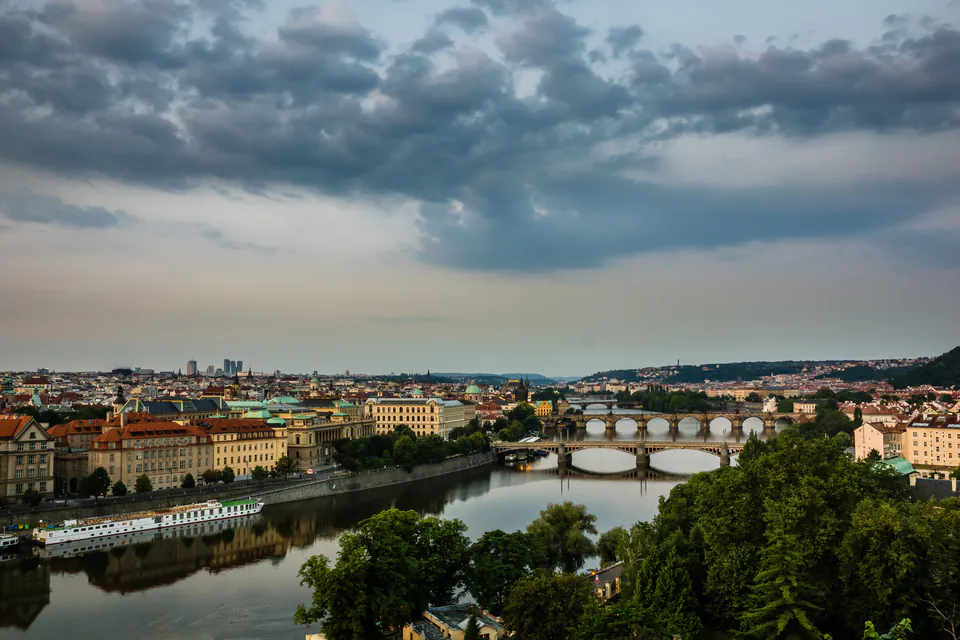
You need to plan for shifts. Prague doesn't do steady. Spring starts in March, but it's basically still winter then. By May, things heat up to 18°C. But don't get comfortable. May is actually the wettest month of the year with 69mm of rain. Carry a coat. Summer is when everyone shows up. It hits 25°C regularly. You'll have light until 21:00. It's great for long walks. But the storms are fierce. June averages ten days of rain. Most of it comes in heavy afternoon bursts. Then there's winter. January is the worst of it. Nights hit -3°C and days rarely pass 2°C. Pack your heaviest coat. Thermal insulation isn't optional. You'll need it when the damp wind comes off the Vltava.
Meteorological History: The Clementinum Legacy and Hydrological Resilience
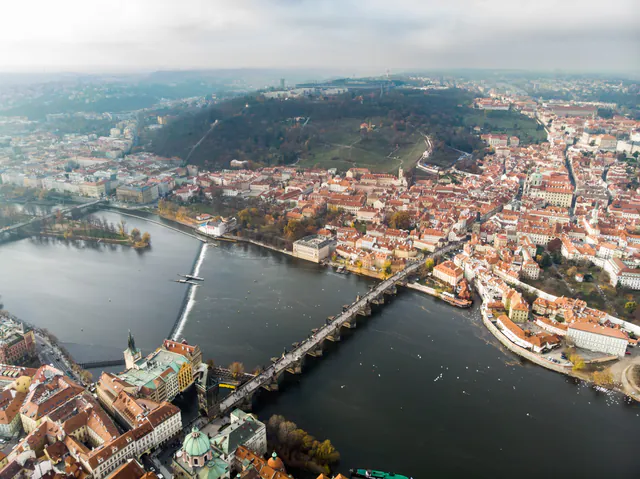
They've watched the sky here for a long time. The Clementinum has tracked weather since 1752. It’s one of the oldest records on earth. These logs show things are heating up. For instance, 2018 was the hottest year ever recorded in Prague. It beat records held for centuries. The river is the bigger threat. In August 2002, a massive flood wrecked the Karlín district. They had to move 50,000 people out fast. It was a disaster. Now, the city has 19 kilometers of defenses. They use clever mobile barriers in the center. This keeps the views clear but keeps the water out. It's smart engineering. They can put them up in hours based on river models. It keeps the history safe.
The Cultural Calendar: Aligning Travel with Seasonal Festivities
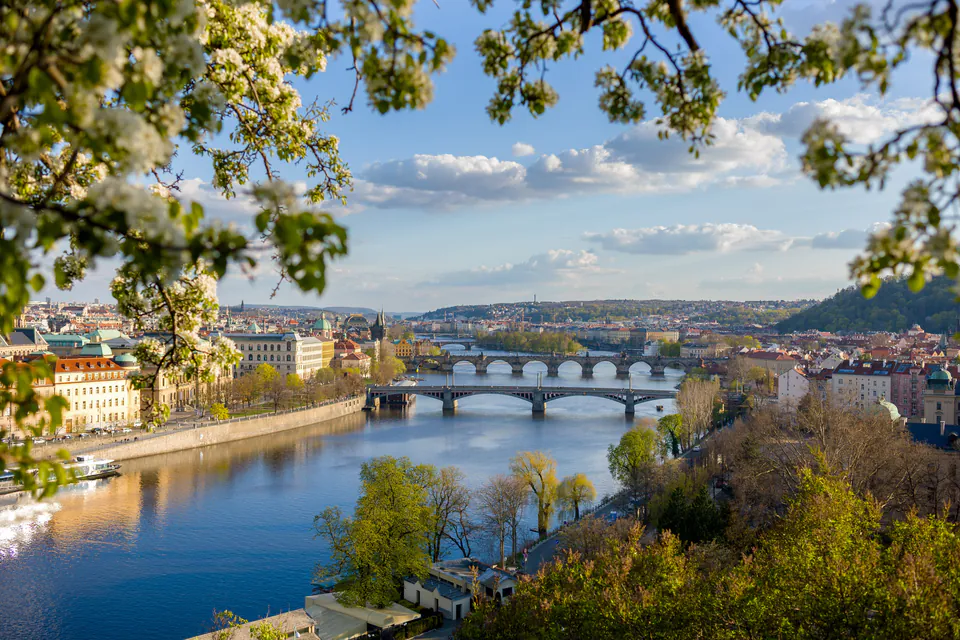
Time your trip right. Spring kicks off with Easter Markets in Old Town Square. You'll see hand-painted eggs and local street food. It's a good time to try woven willow whips. Then May brings the Prague Spring music festival. It’s the city's big cultural moment for classical fans. When the heat drops, the wine comes out. September is for Vinobraní. That's the harvest festival season. Go find some burčák (young wine) and listen to folk music. If you come in winter, it's all about the Christmas Markets. The air is freezing. But a cup of svařák (hot mulled wine) fixes that. Grab some roasted chestnuts and keep moving. The atmosphere is worth the cold.
Economic Seasonality: Strategic Budgeting and Accessibility Dynamics
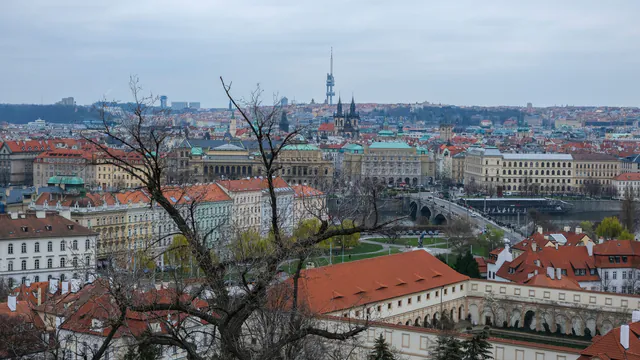
Summer is expensive. From June to August, prices skyrocket. Book your room two months early or you'll pay a premium. If you're on a budget, look for university dorms. They open up for cheap in the summer months. It's a smart move for backpackers. Winter is the real bargain. Come between January and March to save big. Prices drop by 40% compared to summer peaks. It’s cold, but your wallet will thank you. Get a Prague Visitor Pass if the weather turns. It gets you into museums and onto the heated trams. Use the transport to stay warm. It’s a solid value play. You'll see the same spires for a fraction of the cost.
Praktische tips
- 1Koop een OV-kaart voor 72 uur voor 330 CZK om vermoeiende lange wandelingen tijdens extreme weersomstandigheden te vermijden.
- 2Plan zware buitenactiviteiten, zoals de steile klim naar Prague Castle, vroeg in de ochtend tijdens de piekmaanden in de zomer.
- 3Geef de voorkeur aan waterdicht schoeisel met dikke zolen boven modieuze schoenen om veilig over de gladde, ongelijke kasseien te navigeren.
- 4Draag laagjes die je gemakkelijk uit kunt trekken om de plotselinge temperatuurverschillen tussen verwarmde historische gebouwen en de ijskoude winterstraten comfortabel op te vangen.
- 5Beklim de Old Town Hall Tower of de Charles Bridge torens voor de beste foto's en om de dichte toeristenmassa op straatniveau te ontvluchten.
- 6Zoek in juli en augustus naar accommodaties in studentenhuizen voor budgetvriendelijke zomertarieven vanaf slechts 550 CZK per nacht.
Topbezienswaardigheden
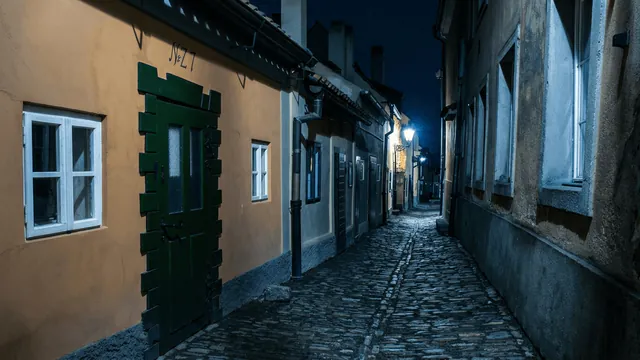
Golden Lane (Zlatá ulička)
Je vindt Golden Lane Prague tegen de noordelijke muren van de burcht aan. Het is een rij piepkleine, speelgoedachtige huisjes geschilderd in felle primaire kleu
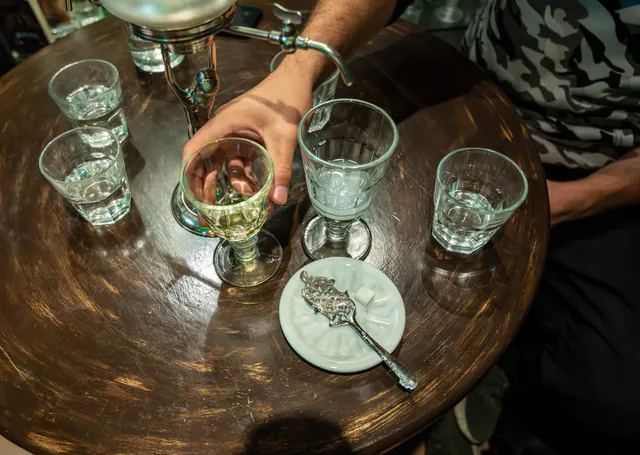
Absintherie Jilská
Sla de met neon verlichte vallen over die nep-vuurwater verkopen aan vrijgezellenfeesten. Je vindt Absintherie Jilská in een rustige zijstraat in de Oude Stad.
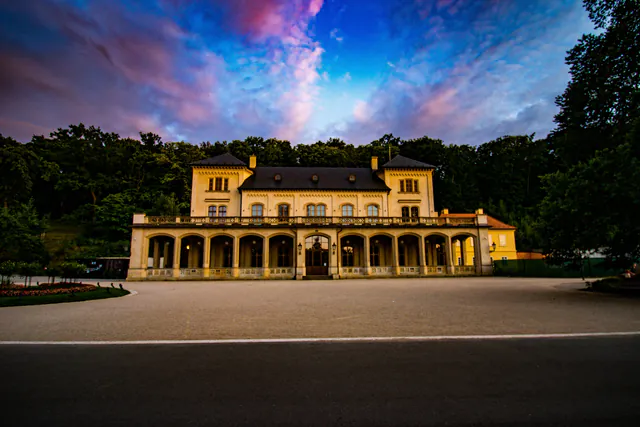
Spa Beerland Chateaux Praha
Je vindt Spa Beerland Chateaux Prague in de rustige, kronkelende straatjes van Nový Svět. Het is een wereld van verschil met de zwetende menigtes op Charles Bri
Veelgestelde vragen
Wanneer is de beste tijd van het jaar om Prague te bezoeken voor aangenaam weer en beheersbare drukte?
Wat kost accommodatie gemiddeld tijdens het hoogseizoen in de zomer vergeleken met het laagseizoen in de winter?
Wat moet ik doen als een ernstige thermische inversie in de winter smog boven de stad vasthoudt?
Is de uitgebreide Prague Visitor Pass een goede investering als ik tijdens de warme zomermaanden reis?
Zijn de historische kasseienstraten veilig en toegankelijk voor bezoekers met beperkte mobiliteit?
Waar kan ik directe verkoeling vinden voor het intense stedelijke hitte-eilandeffect tijdens een hittegolf in juli?
Gerelateerde gidsen
- Accessible Travel Guide to Prague: Old Town Hall & Beyond
- Prague Budget Travel & Old Town Hall Expert Guide 2026
- Emergency Contacts & Services in Prague: A Comprehensive Healthcare and Security Guide
- Prague Border Survival Guide: Visas, EES Biometrics, and Entry Requirements for 2026
- The Definitive Guide to Healthcare & Pharmacies in Prague
- Comprehensive Internet and Mobile Connectivity Guide: Prague
- Linguistic Immersion and Heritage at the Old Town Hall
- Luggage Storage Infrastructure and Urban Mobility Logistics in Prague
Budgetcalculator voor je reis
Krijg binnen enkele seconden een realistische schatting voor je reis naar Budapest.
Probeer hetTags
Plekken in Prague
Gerelateerde bezienswaardigheden, hotels en meer.