Vienna Weather & When to Visit: A Local’s Month-by-Month Guide
Written by
Nils Johansson | Founder
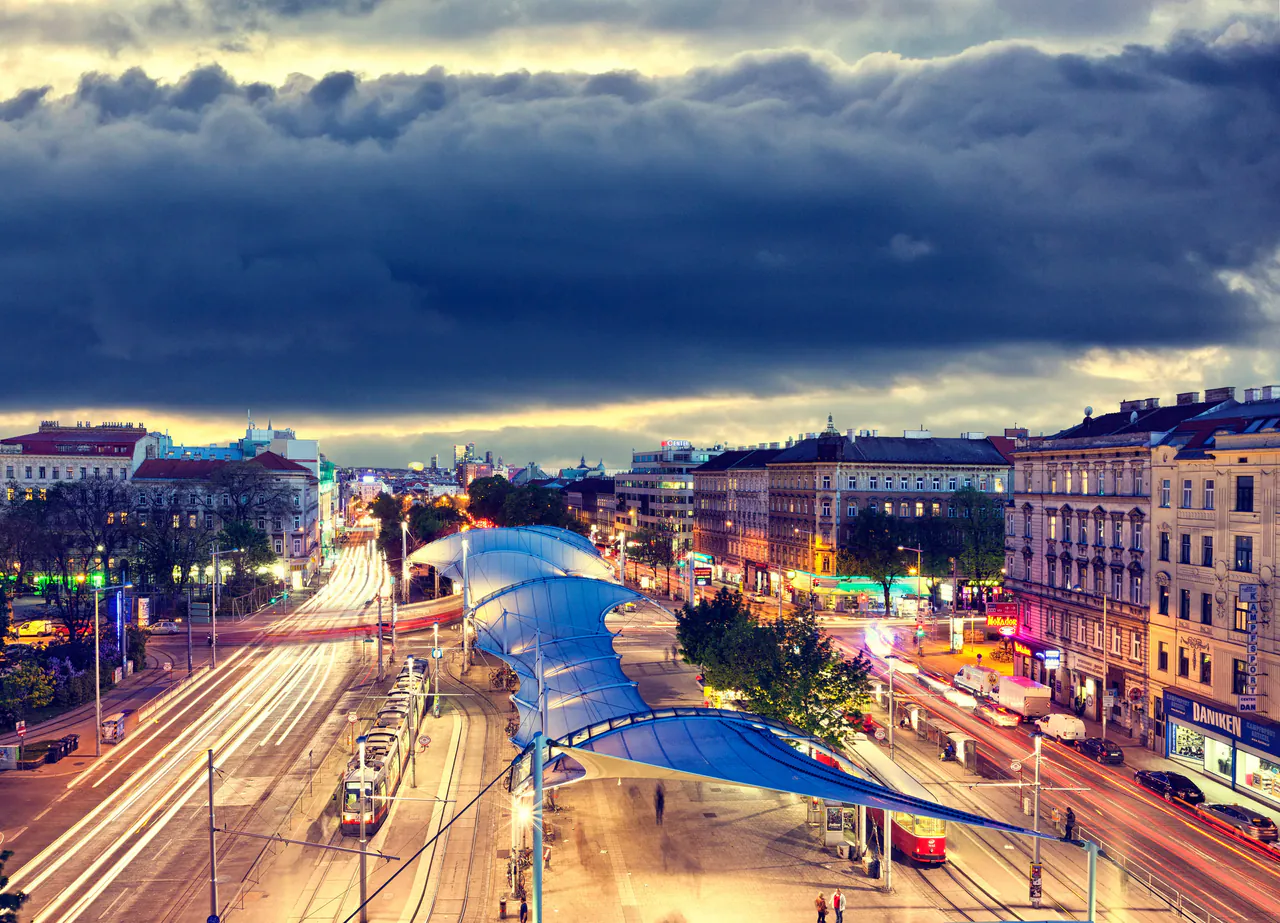
Vienna doesn't do mild. This is a city that fully commits to its seasons, sitting right on the edge of the Pannonian Basin. You'll get a real-deal continental climate here. Winters wrap the imperial palaces in a biting, festive frost while summers serve up Mediterranean-style heatwaves that drive everyone toward the Danube. Getting a handle on the Vienna weather is the most important part of your planning. It dictates the city's rhythm, the local mood, and even your daily budget. I see travelers get caught out every year. People show up in August with sweaters or shiver through early November in light denim. Every season unlocks a different version of the city. Spring paints the parks in pastel, summer turns the Donaukanal into a beach party, autumn belongs to the vineyards, and winter is all about the high-society ballrooms and spiced wine. This guide breaks down the monthly climate and the best festivals so you know exactly when to go and what to pack.
Photos
The Continental Climate: Overview & What to Expect
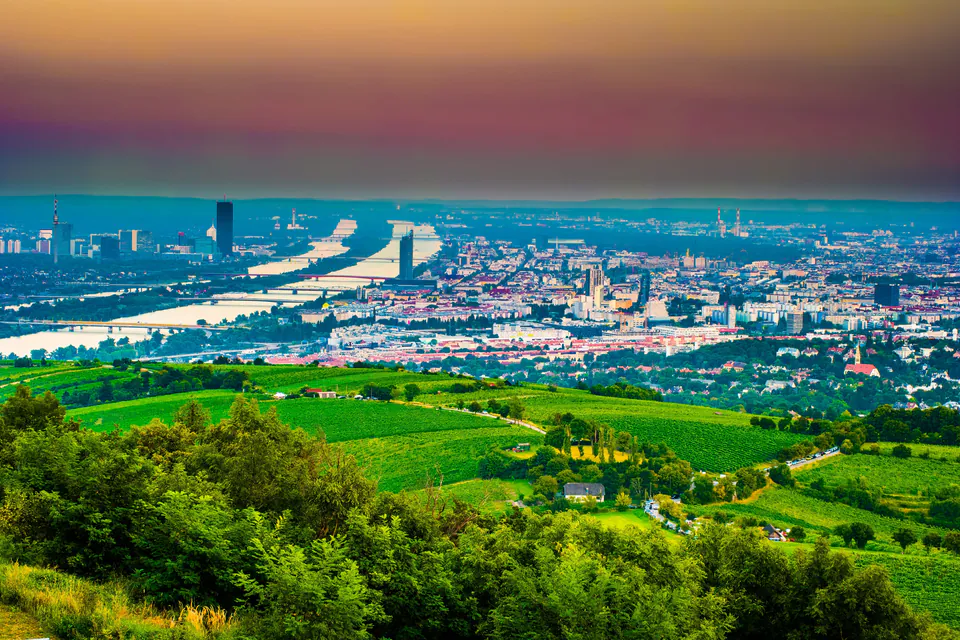
Geography is everything in Vienna. Located in Austria's northeastern corner, the city sits between Central Europe's oceanic influence and the dry, extreme continental air from the east. This means seasons are distinct and uncompromising. Don't expect a flatline. The temperature graph is a rollercoaster that drops below freezing in January and hits 30°C (86°F) in July. The real surprises are the humidity and the wind. Locals call it the 'Wiener Wind.' It sweeps through those wide imperial boulevards and makes a 2°C (35°F) afternoon feel like a deep freeze. In summer, the humidity turns the cobblestone center into an oven. This urban heat island effect is why the Viennese flee to the water and parks from June to August. Align your expectations early. If you want to linger at outdoor café tables or roam the gardens at Schönbrunn Palace, winter will disappoint you. But if you're here for the opera and cozy coffeehouses, the cold months are perfect. Check the forecast before you zip your suitcase. Grab the 'bergfex: Weather & Rain Radar' app. It uses data from thousands of alpine stations to give you 15-minute radar updates. It's the only way to track the temperamental Vienna weather accurately.
Spring: The City Awakens (March to May)
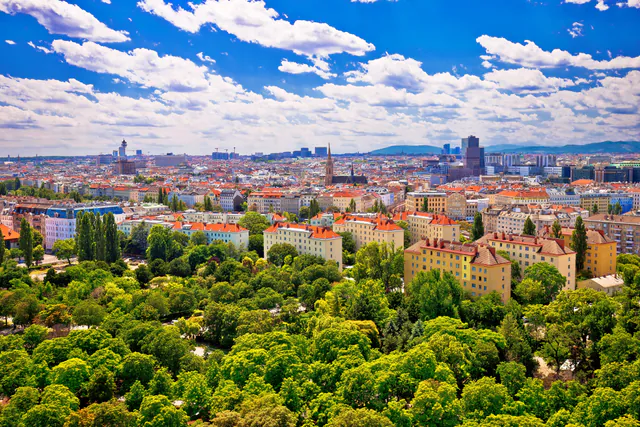
Spring is a season of unpredictable shifts. March usually stays gray and keeps its winter teeth. But by mid-April, the city wakes up. Cherry blossoms in Setagaya Park and magnolias by the Votivkirche pop, and the sidewalk tables come back out. The weather is famously volatile. Locals say 'April macht was er will' (April does what it wants). You might get warm sun, heavy rain, and a rogue snow flurry before dinner. By May, things stabilize. Temperatures settle in the high teens or low twenties (65°F–75°F). This is the best walking weather you'll get. It's also when the event calendar restarts. Don't miss the Genuss-Festival in the Stadtpark over Mother's Day weekend (May 8-10, 2026). Over 100 booths sell regional snacks and wine from every corner of Austria. Pack for layers. You'll need a water-resistant trench or a medium jacket and a light scarf for crisp mornings. Crowd levels are manageable before the summer surge and hotel rates stay fair. Bring a compact umbrella. You'll likely need it.
Summer: Heatwaves & Urban Beaches (June to August)
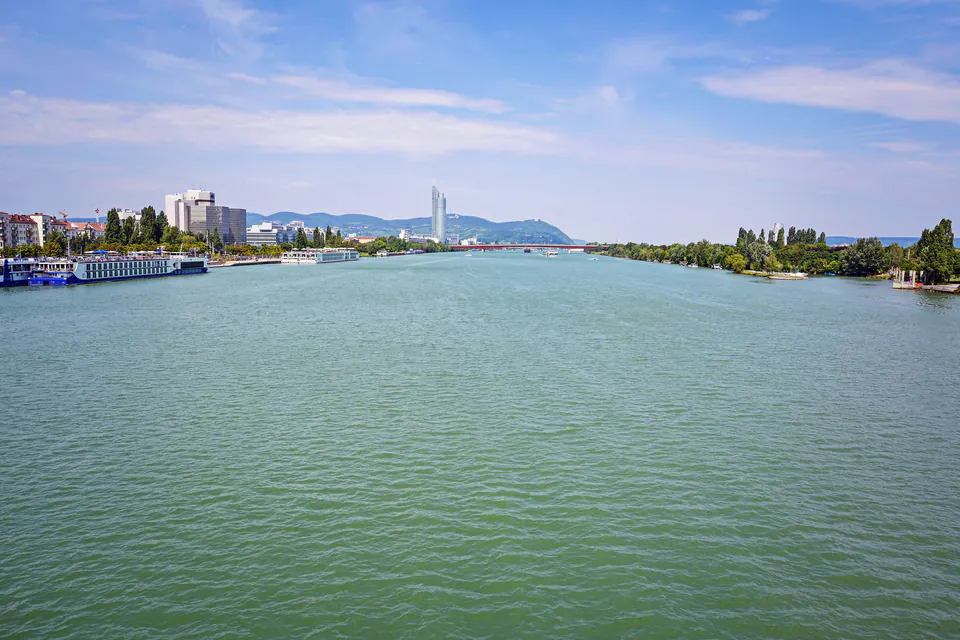
Summer in Vienna is hot and loud. June delivers golden evenings with sunsets after 9:00 PM. By July and August, temperatures frequently hit 35°C (95°F). The historic center gets stifling, so do what the locals do and head for the water. The Donaukanal (Danube Canal) becomes a graffiti-covered beach promenade with pop-up bars. Grab Israeli street food at Neni am Wasser or kick back at Strandbar Herrmann with your toes in the sand. The biggest summer draw is the Film Festival at Rathausplatz. It runs from late June through August (June 28 to August 31, 2025). Huge screens in front of the neo-Gothic City Hall show operas and pop concerts like Queen or Carmen for free. There's a massive food market nearby that stays open until midnight. Interestingly, August is the cheapest month for a hotel. Rates average $199 per night compared to the $269 yearly average. Business travel stops and locals head for the mountains. Just check for AC when you book. Many older buildings don't have it. Pack linen, cotton, and a swimsuit for the Alte Donau.
Autumn: Golden Foliage & The Wine Harvest (September to November)
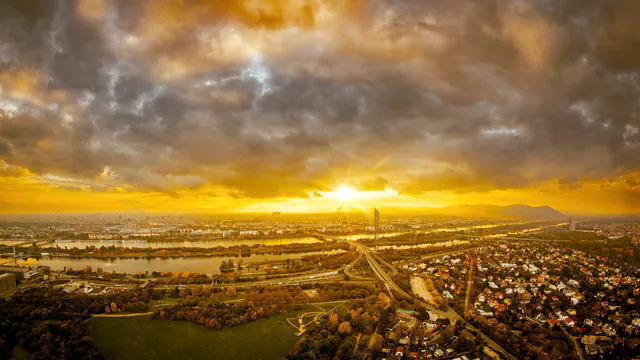
Autumn is the most romantic time to be here. September holds the warmth without the sweat. By October, the grounds of Schönbrunn and Belvedere turn gold and russet. This is wine season. Vienna is the only capital with 700 hectares of vineyards inside the city limits. Everything revolves around the Wiener Weinwandertag (Wine Hiking Day), usually the last weekend of September (Sept 27-28, 2025). You can hike through the hills of Grinzing and Nussdorf while vintners sell glasses of Riesling and Grüner Veltliner from pop-up stalls. This is the only time to try 'Sturm.' It's a cloudy, semi-fermented grape juice that tastes like soda but hits like wine (up to 8% alcohol). Don't say 'Prost' when drinking it. It isn't officially wine yet. Say 'Mahlzeit' instead. By November, the sky turns gray and the temperature drops. People move back inside the coffeehouses. Pack a windbreaker, sturdy shoes for the vineyard trails, and plenty of warm layers.
Winter: Festive Magic & Museum Escapes (December to February)
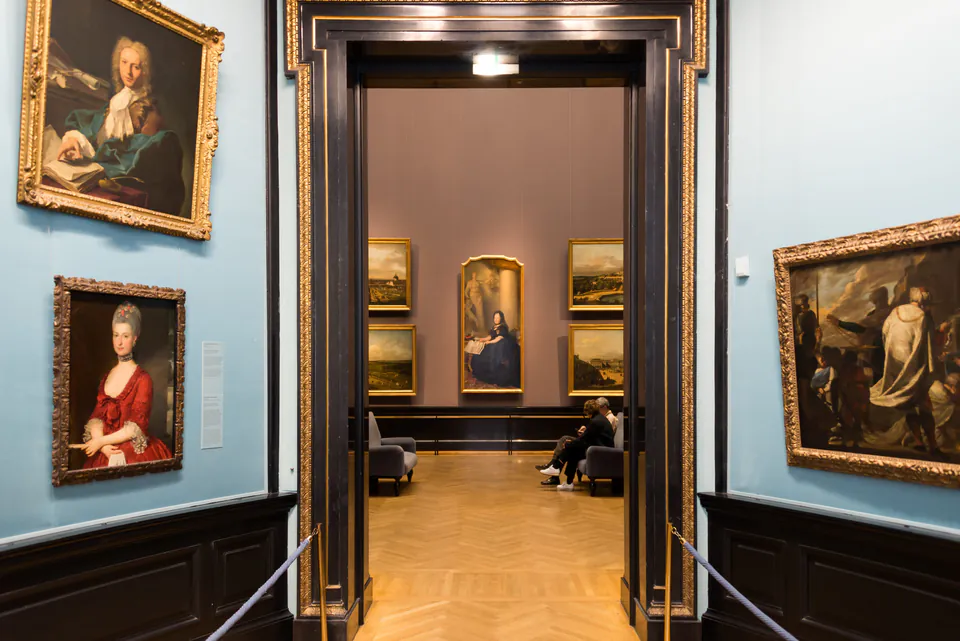
Winter comes in two parts. December is the peak. The city feels like a snow globe with massive chandeliers hanging over the Graben. Christkindlmarkts at the Rathaus and Karlskirche smell like roasted chestnuts and Glühwein. Because of the demand, December is the most expensive time to visit. Hotels hit $438 per night. January and February are different. They're quiet, gray, and bone-chilling. The wind makes it feel much colder than the thermometer says. But this is 'Ball Season.' High society takes over the palaces for a few glamorous weeks. It's the perfect time for museums. They're massive and warm. At the Kunsthistorisches Museum (KHM), the cloakroom is free. But at the Weltmuseum next door, you'll need a €1 or €2 coin for the lockers. Packing requires heavy-duty gear. Bring a down parka, thermal layers, and waterproof boots. If you're going to the opera or the Musikverein, bring your best clothes. Showing up in hiking boots will make you look like a lost tourist.
Practical Tips
- 1Get the 'bergfex: Weather & Rain Radar' app for the most accurate 9-day forecast and a 15-minute rain radar to avoid sudden soakings.
- 2Keep €1 and €2 coins handy for museum lockers. The KHM has free cloakrooms but places like the Weltmuseum require coin deposits for their mandatory storage.
- 3Book your stay in August to save cash. Rates drop to $199/night because business travel pauses, while December prices can spike to $438/night.
- 4Take it easy with 'Sturm' in the autumn. It tastes like sweet grape juice but packs an 8% punch. Remember: say 'Mahlzeit' instead of 'Prost.'
- 5Join the Wiener Weinwandertag in late September (Sept 27-28, 2025). Hike the 6-mile trail from Neustift am Walde to Nussdorf and drink wine in the vines.
- 6Watch your Spritz prices. You can find a €6 Aperol Spritz at Belushi's, but expect to pay €14 for the Champagne-based version at the iconic Loosbar.
- 7Eat at the Rathaus Film Festival from June to August. Entry is free and the international food stalls are often better than overpriced tourist restaurants.
Top Attractions
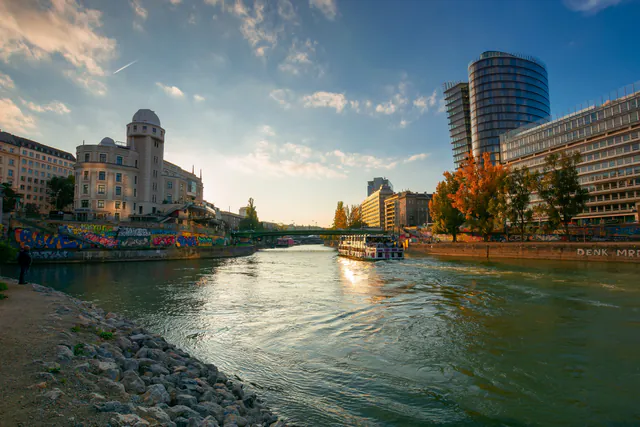
Danube Canal (Donaukanal)
Don't mistake the Danube Canal for the wide, blue river of the same name. This 17.3-kilometer waterway is the city's gritty, creative pulse. It slices right pas
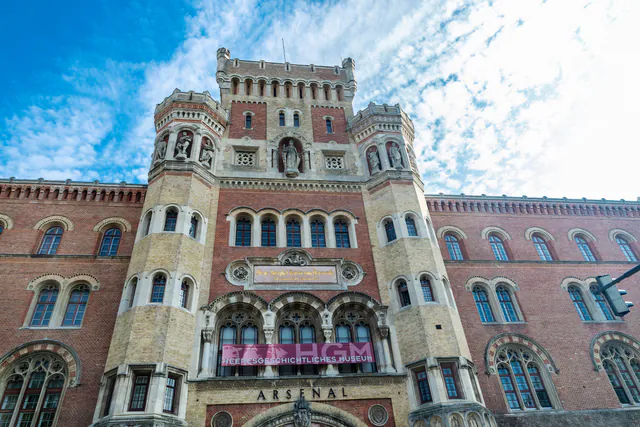
Museum of Military History
Forget the gilded ballrooms of the Hofburg for a second. If you want to understand how the Habsburg Empire actually functioned, head to the Arsenal in the 3rd D
Prime Tours
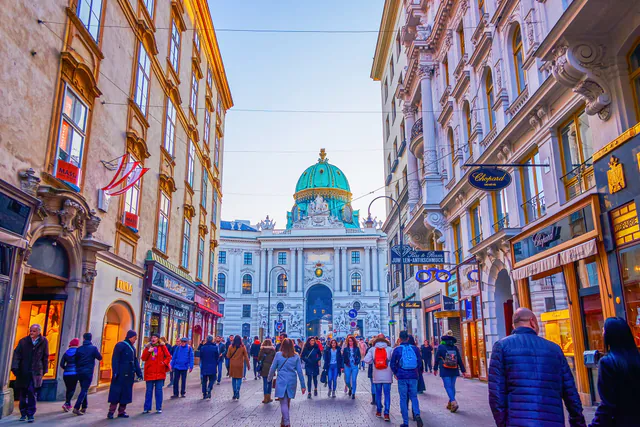
Forget the stiff, rehearsed scripts of traditional bus tours. Prime Tours is a local movement launched in 2016 by Clemens Sengwein and Tobias Tomaschko, two Vie
Where to Eat
Gmoakeller
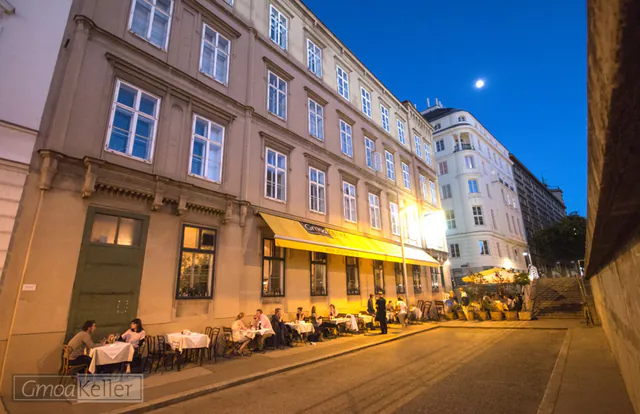
Don't come to Gmoakeller for a quiet, dusty museum experience. This spot on the edge of the 1st and 3rd districts has been the neighborhood's pulse since 1858.
Siebensternbräu
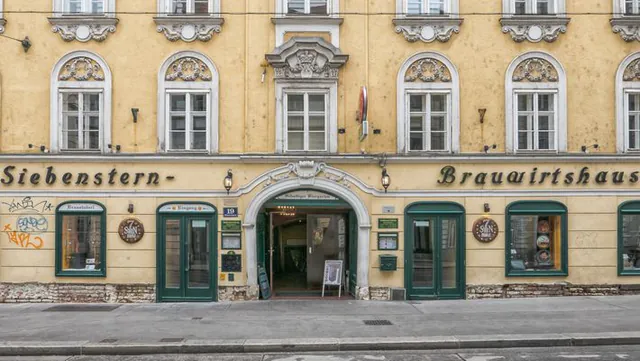
Don't expect white tablecloths or hushed whispers at Siebensternbräu. Since 1994, this Neubau powerhouse has functioned as the 7th district’s unofficial living
Restaurant Al Borgo
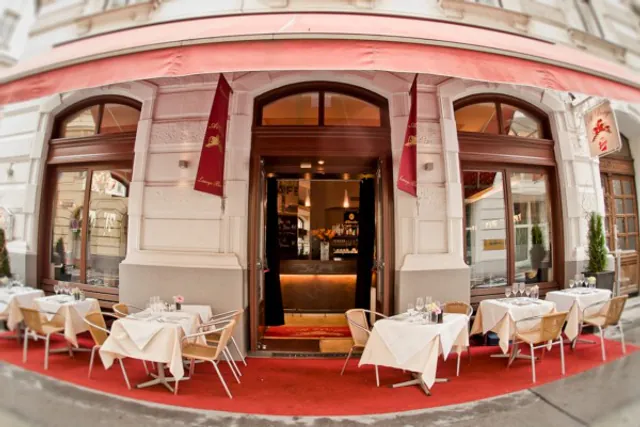
You'll find Al Borgo on a quiet side street in the 1st District, just a short walk from the crowds at St. Stephen's Cathedral and the Stadtpark. While Vienna is
Frequently Asked Questions
What is the best month to visit Vienna?
What is the cheapest month to go to Vienna?
Does it snow in Vienna during Christmas?
How hot does Vienna get in the summer?
Are Vienna's museums air-conditioned?
What is 'Sturm' and when can I drink it?
Related Guides
- Vienna Accessible Travel Guide: Navigating the 2025 Access City Award Winner
- Vienna on a Shoestring: The Ultimate Budget Travel Guide
- Vienna Emergency Contacts & Services: A Complete Guide for Travelers
- Entering Austria: A Comprehensive Guide to Visas, Customs, and Vienna Airport Logistics
- Navigating Healthcare & Pharmacies in Vienna: A Practical Guide
- The Vienna Connectivity Guide: eSIMs, Local SIMs, and Free WiFi
- Vienna Language Guide: Essential Phrases, Local Slang & Etiquette
- The Ultimate Guide to Luggage Storage in Vienna: Lockers, Apps, and Insider Tips
Trip Budget Calculator
Get a realistic cost estimate for your {city} trip in seconds.
Try it