Rathausplatz
Landmark
About the Experience
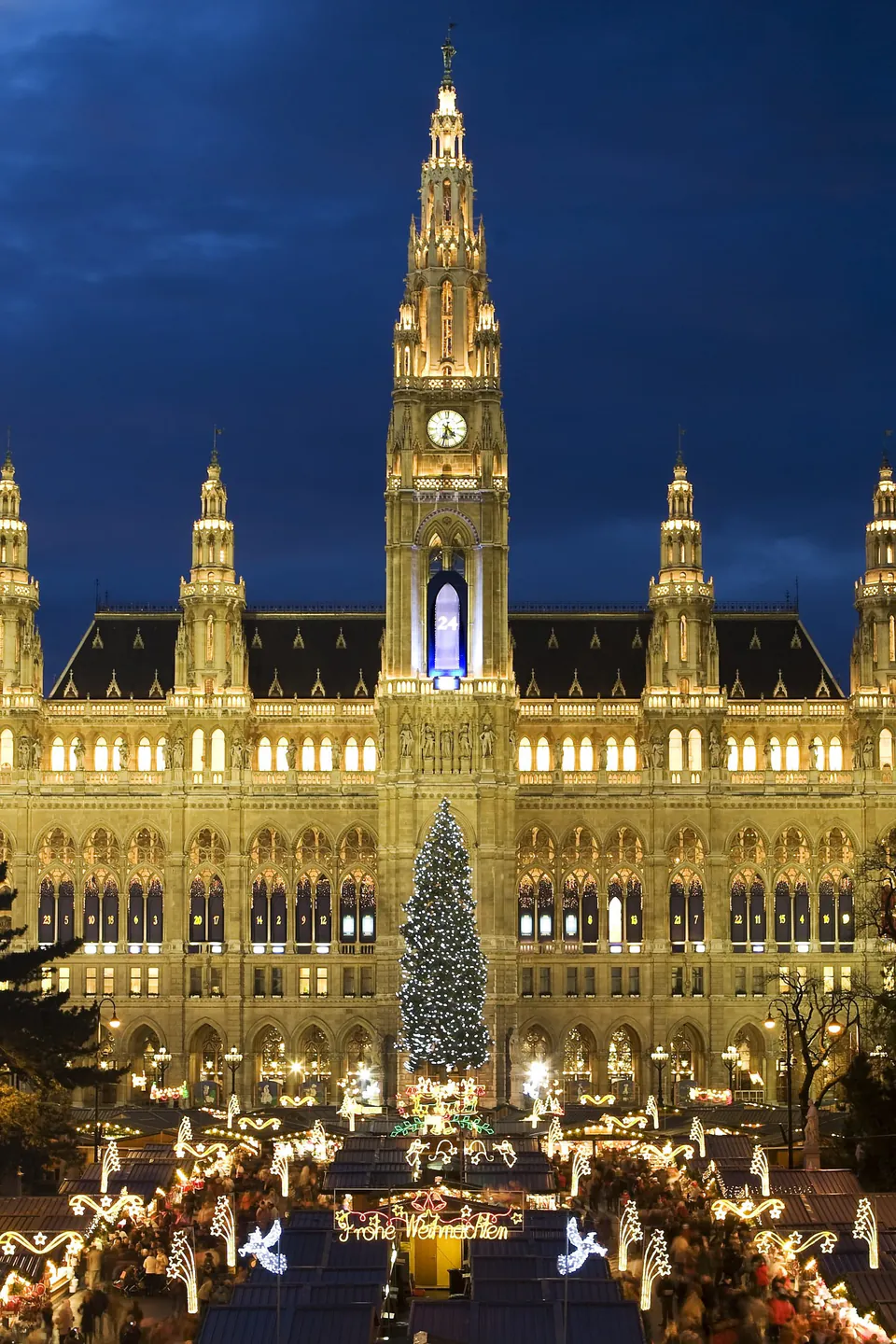
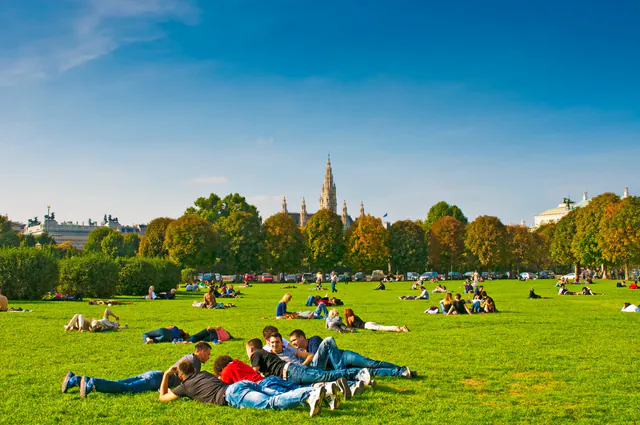
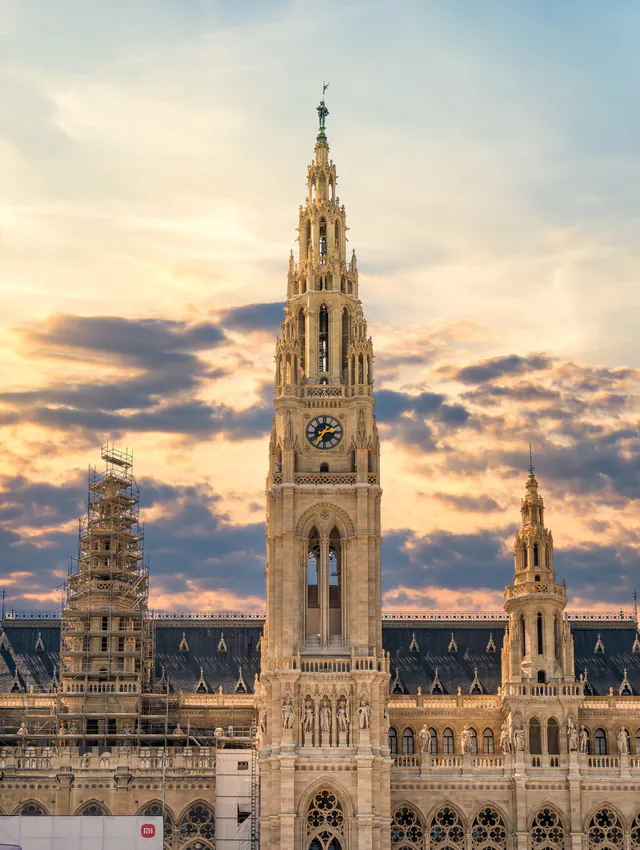
Sitting squarely in the First District, Rathausplatz is the city's frantic, neon-lit, or ice-covered heart. It's bounded by the sharp neo-Gothic spires of the Wiener Rathaus and the curved facade of the Burgtheater across the street. This isn't just a patch of pavement. It's a stage. One month it's a sprawling Christmas market, the next it's a multi-level ice rink, and by summer it's an open-air cinema with 20 different food stalls. If you want a quiet moment, head into the flanking Rathauspark to find a bench under the chestnuts. But you're likely here for the spectacle. Look up at the main tower to spot the Rathausmann, an iron knight holding a standard 98 meters above the ground. It's the best place in the city to feel the weight of imperial history while eating a bag of hot leberkäse. Whether it's the gold glow of the Parliament nearby or the sheer scale of the City Hall bricks, this square defines the Ringstraße experience.
Photos
History & Significance
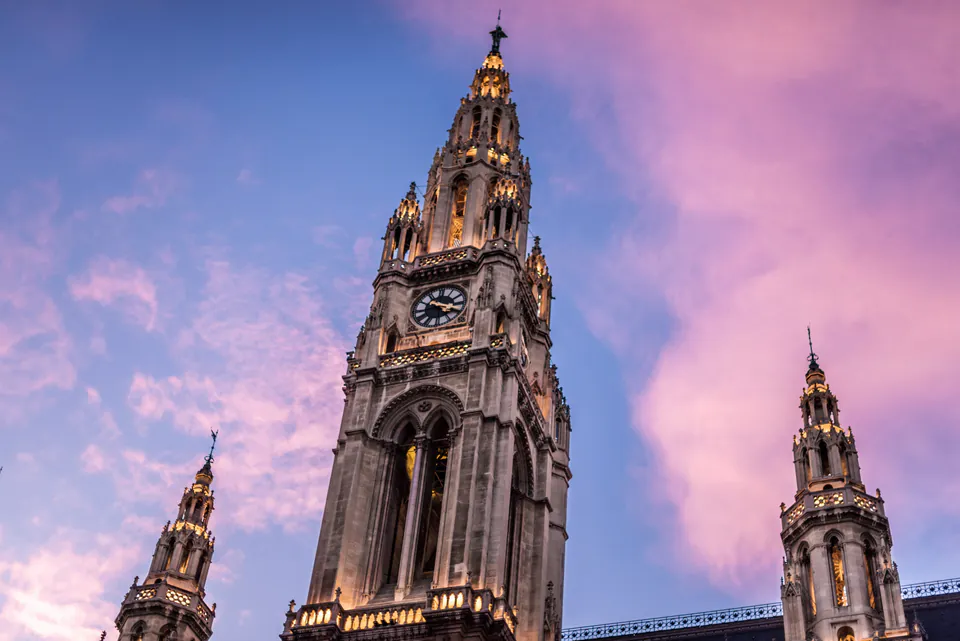
Before the architect Friedrich von Schmidt got his hands on it, this land was the Josefstädter Glacis. It was a flat, boring military parade ground where soldiers drilled outside the city walls. That changed in 1858 when the old fortifications came down to make way for the Ringstraße. Mayor Cajetan Felder spent years wrestling the land away from the military, finally winning the site in 1870. Construction on the City Hall started in 1873 and ate up some 30 million bricks before finishing a decade later. They added the park the same year to soften the edges of all that stone. It briefly took the name of a controversial mayor, Dr. Karl Lueger, in the early 20th century, but luckily reverted to Rathausplatz for good in 1926.
The Architecture
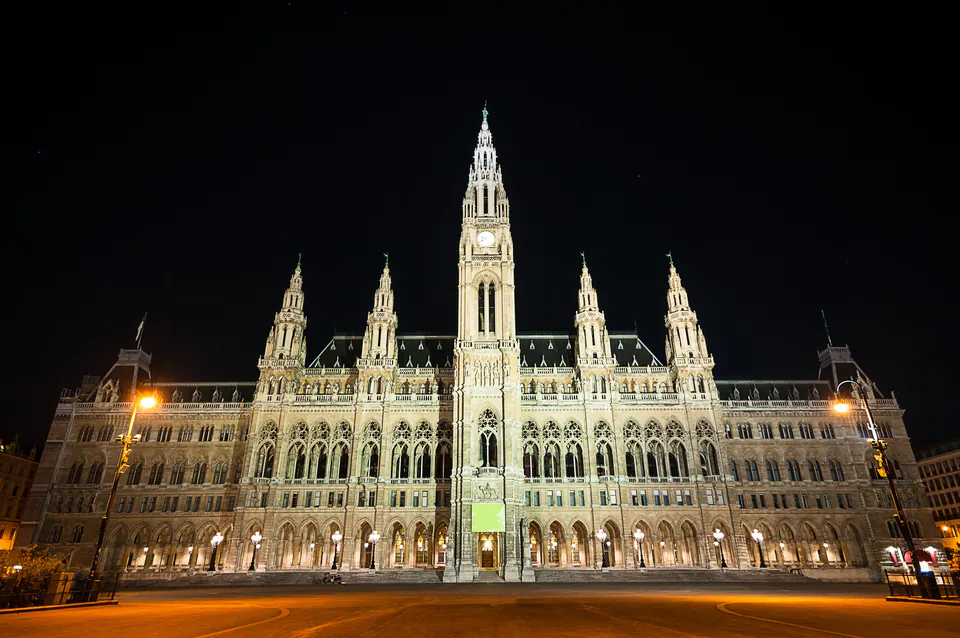
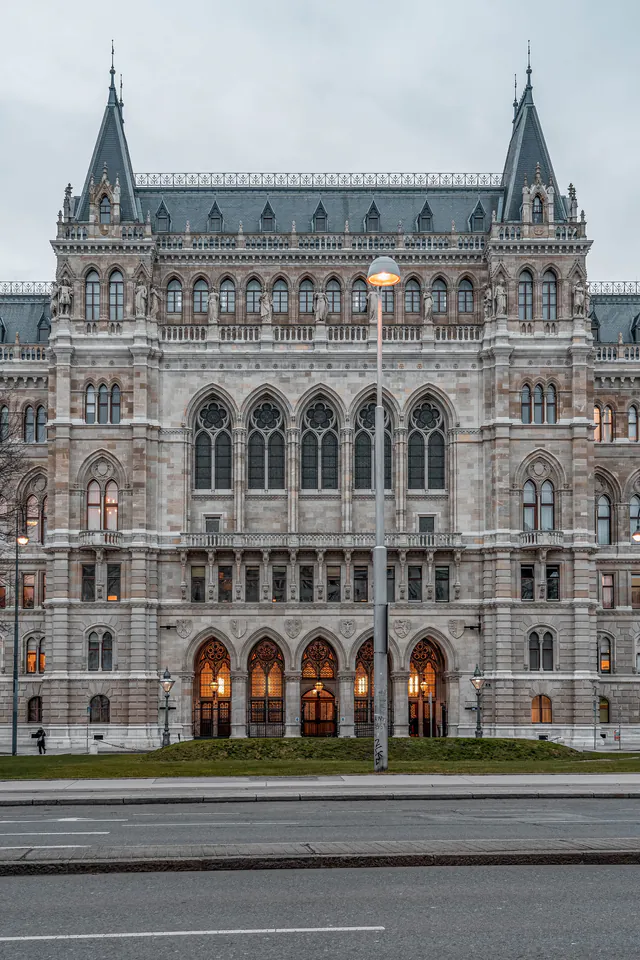
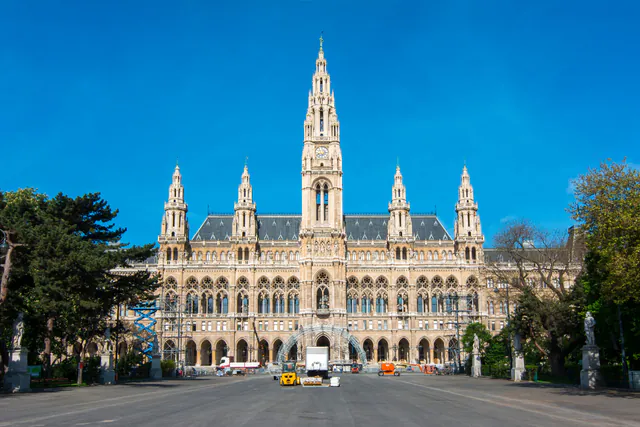
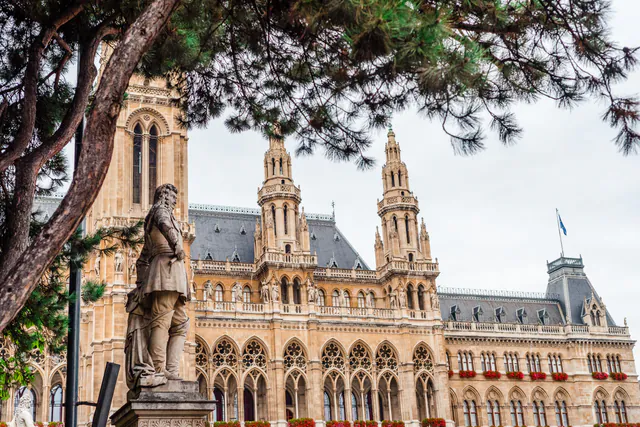
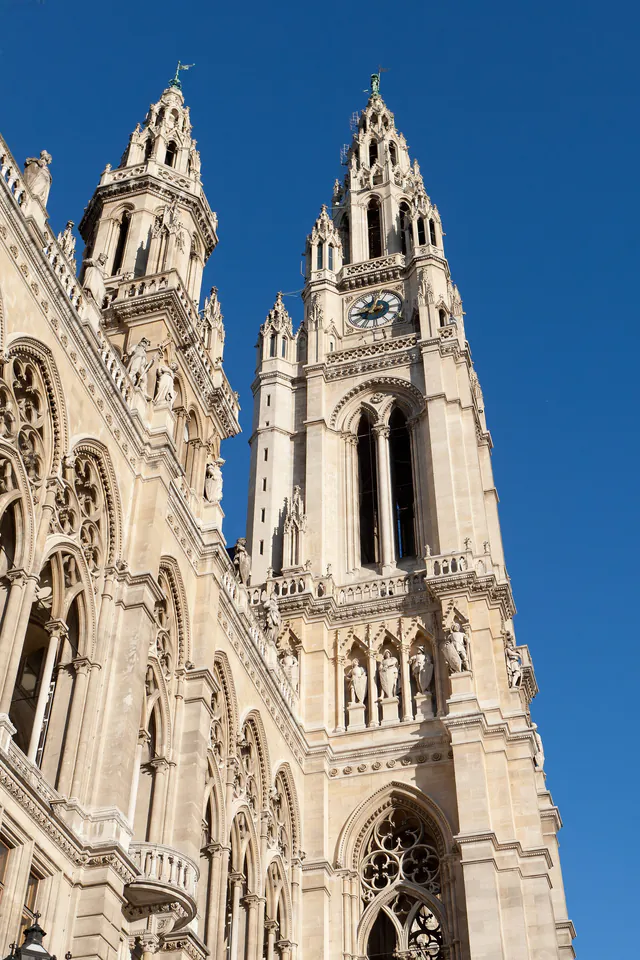
Rathausplatz is a masterclass in 19th-century ego. The layout is perfectly symmetrical, designed to pull your eyes straight from the Ringstraße to the City Hall's front door. It’s an aggressive piece of urban planning that screams civic confidence. The Wiener Rathaus itself is Friedrich von Schmidt’s neo-Gothic obsession, built between 1872 and 1883. It took 40,000 cubic meters of natural stone to finish the job. Look at the balconies and the stone tracery. They look more like a cathedral or a Flemish town hall than a local government office. Then there is the Rathausmann. Emperor Franz Joseph famously ruled that no secular building could be taller than the 99-meter Votivkirche nearby. Schmidt followed the letter of the law by making the tower 97.9 meters, then cheated by sticking a 3.4-meter iron knight on top. Including the standard, the knight stands at 103 meters. A classic Viennese loophole.
The Surrounding Area
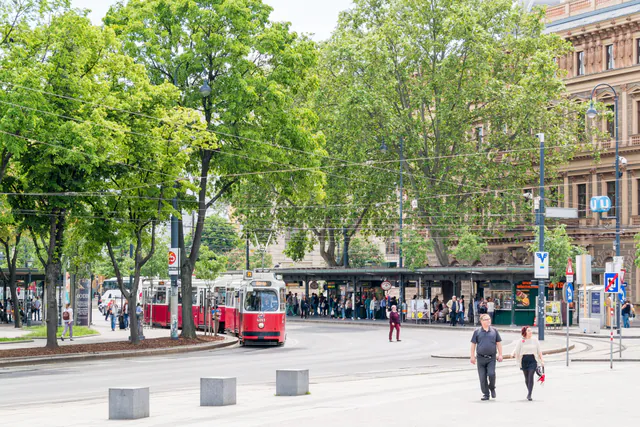
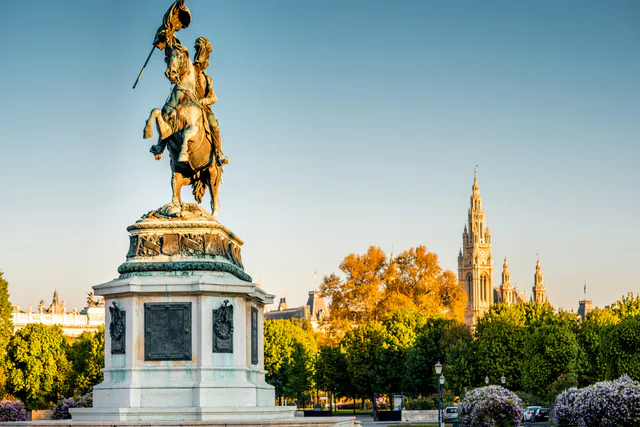
You are standing in the middle of Vienna’s power quadrant. Directly opposite the square sits the Burgtheater, the national theater that looks like a Renaissance palace. Turn south and you’ll see the Greek columns of the Austrian Parliament Building. It’s a jarring mix of styles that somehow works. The Rathauspark acts as a buffer on both sides of the square, offering a maze of fountains and statues for when the crowds get too thick. You'll find monuments to waltz kings like Johann Strauss Sr. and Joseph Lanner tucked away in the shade. It's a solid spot for a quick espresso break. Walk two minutes north and the University of Vienna appears, followed shortly by the twin spires of the Votivkirche. Everything is connected by the D, 1, and 71 trams, making this the easiest base camp for a day of heavy sightseeing.
Photography Guide
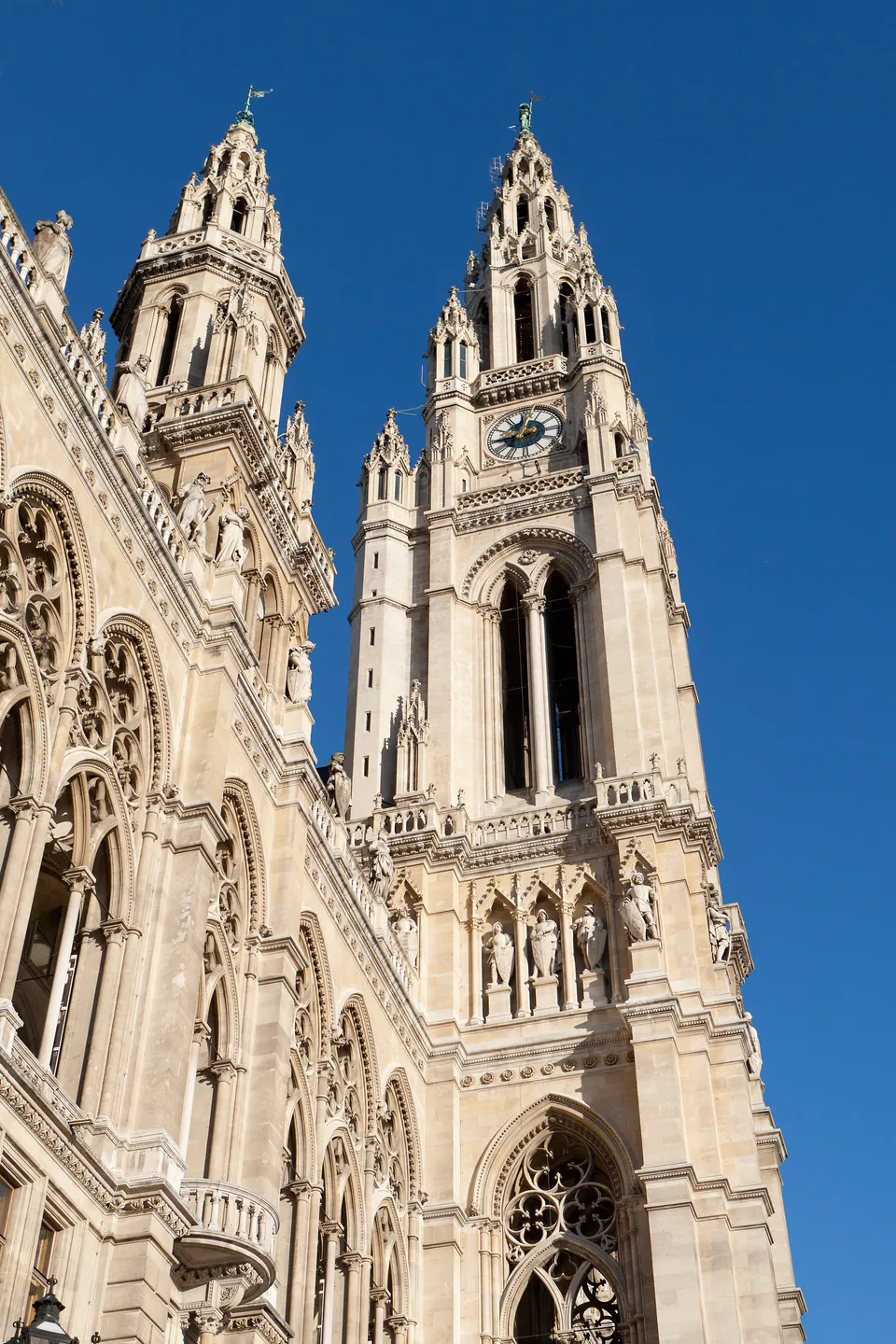
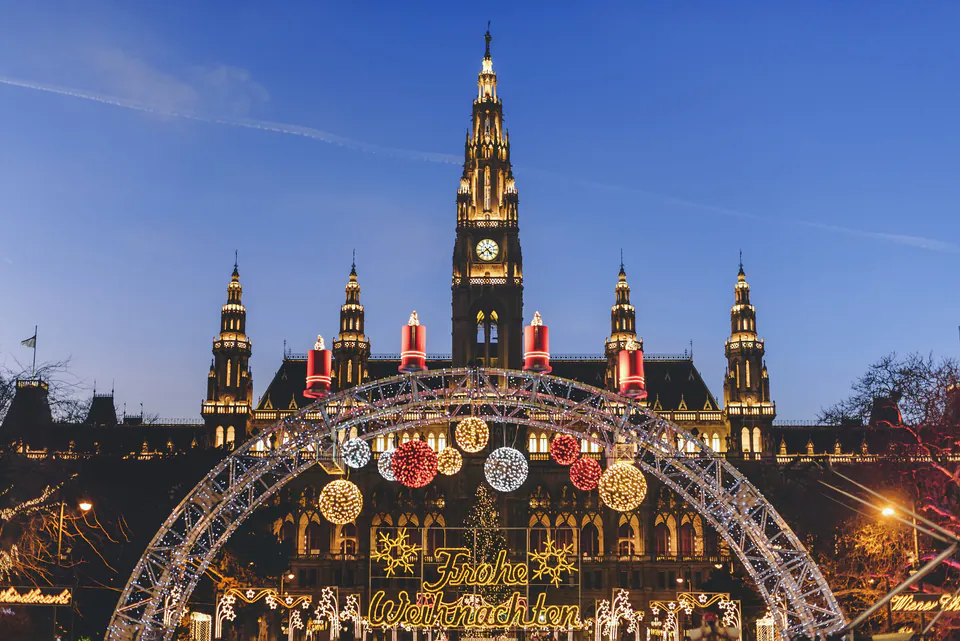
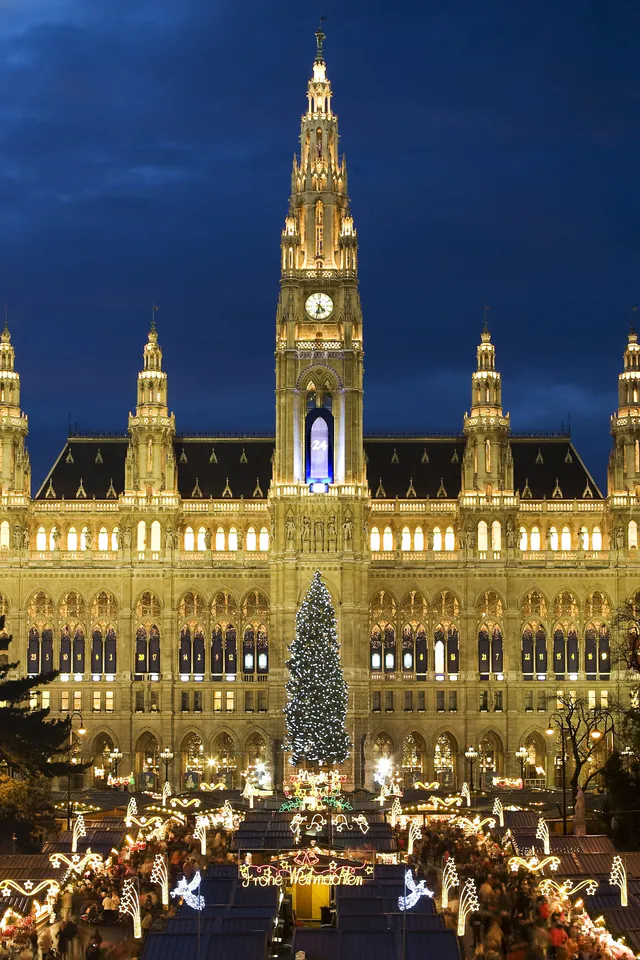
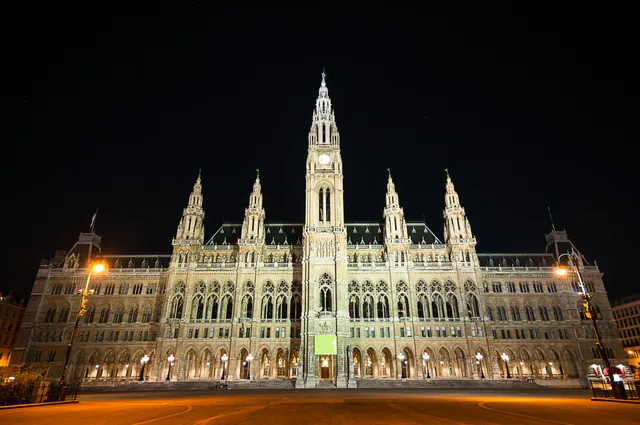
Don't bother with a selfie stick here. You need a wide-angle lens to stand a chance of fitting the City Hall’s wings into a single frame. The money shot is from the eastern edge of the square, right near the Burgtheater entrance. This aligns you perfectly with the central axis for a symmetrical view. Morning light hits the park well, but Rathausplatz vienna truly wakes up at the blue hour. That’s when the floodlights kick in, turning the gray stone into a gold-and-shadow masterpiece. Use a tripod if you have one (or a very steady hand) to catch the glow without the blur. In winter, aim for the bokeh effect with the thousands of fairy lights draped over the trees. If you’re here in January, use a long exposure on the ice skaters at the Wiener Eistraum to get those ghostly trails of movement against the static, illuminated facade.
Tours & Experiences Nearby
Top-rated tours and experiences starting near Rathausplatz.
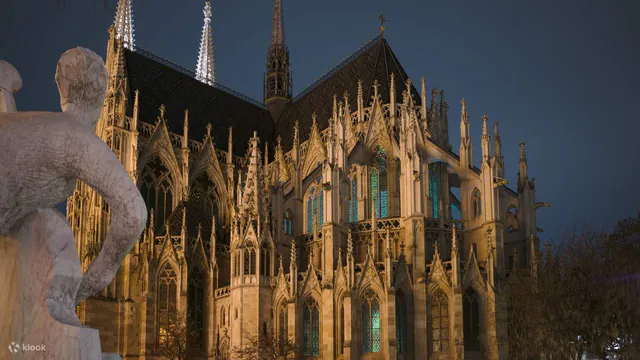 show
show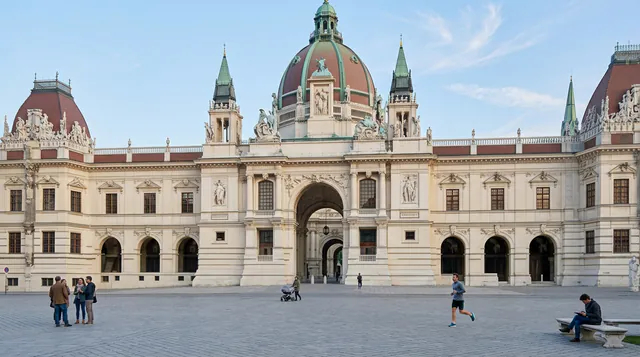 bike tour
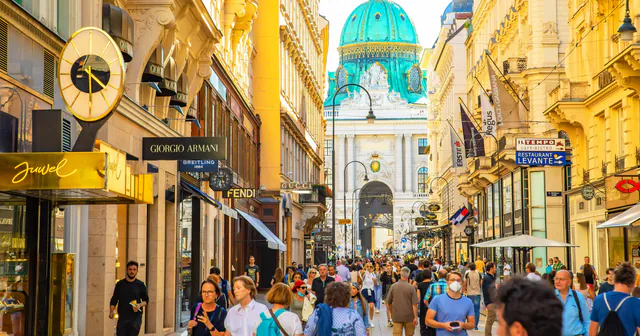 walking tour
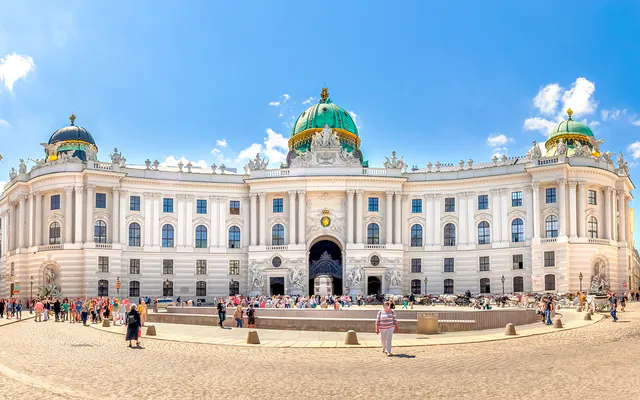 walking tour
Essential Visitor Tips
Wait for sunset. The Rathaus looks like a Gothic film set once the floodlights hit the facade at night.
Get inside for free. You can join guided tours of the staterooms on Monday, Wednesday, and Friday at 1:00 PM (except when the council is meeting).
Mind the calendar. Check the Rathausplatz opening hours for the summer Film Festival or the Christmas market so you aren't surprised by construction fences.
Skip the overpriced soda and hit the fountains. Vienna's tap water is mountain-fresh and free at the park's drinking stations.
Take the tram. Lines 1, 71, or D drop you right at the Rathausplatz/Burgtheater stop, saving you a long walk from the U-Bahn.
Best Time to Visit
"Show up at twilight. The transition from natural light to the orange glow of the City Hall floodlights is the best free show in the city."
Nearby Hotels
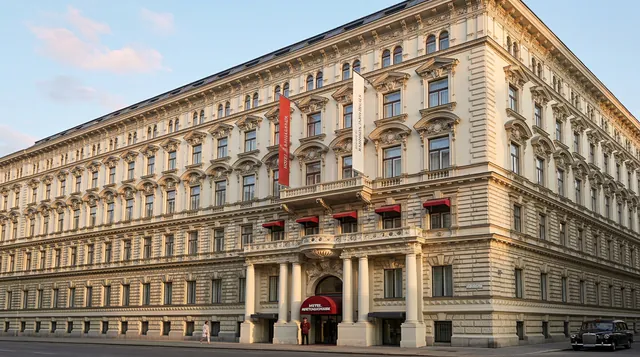
1 min walk (68m)
Former 19th-century residence of celebrated Austrian novelist Stefan Zweig · Cozy Platzl lounge featuring a curated library of Vienna-focused literature
Price From €145/night
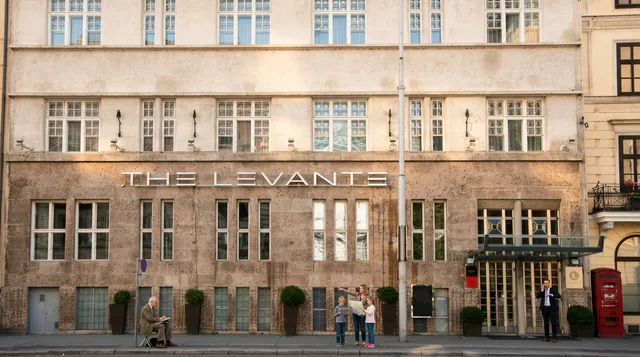
5 min walk (360m)
Original 1908 modernist architecture designed by Robert Oerley · Extensive contemporary art gallery featuring Ioan Nemtoi's vibrant glassworks
Price From €130/night
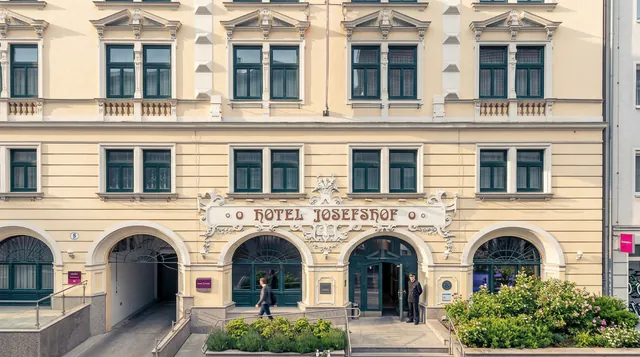
5 min walk (361m)
Lavish Viennese breakfast buffet served until noon daily · Tranquil interior courtyard garden for outdoor dining and relaxation
Price From €150/night
Nearby Restaurants
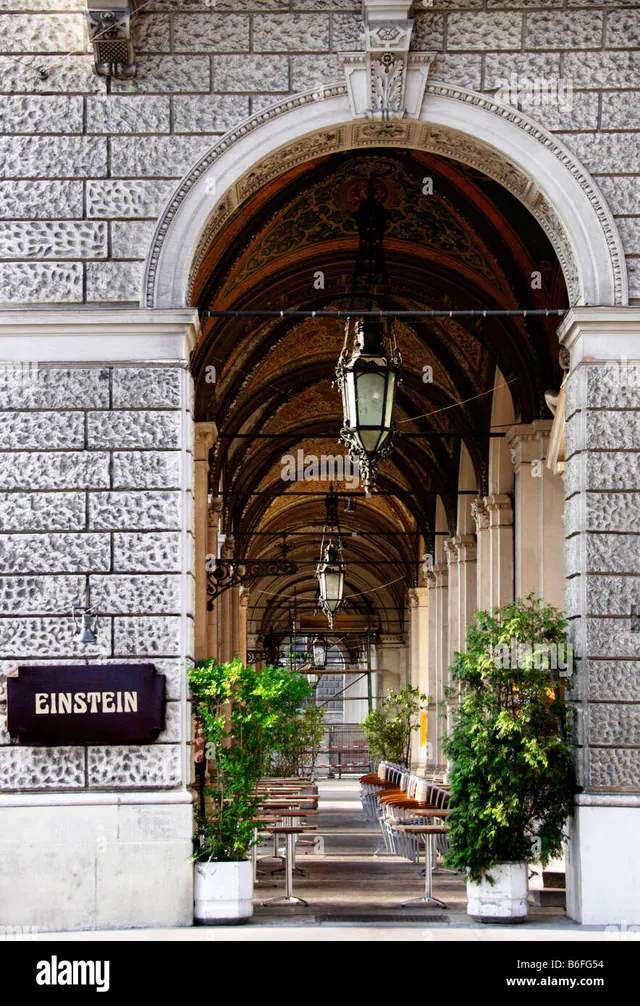
Café Einstein
International Casual • Budget
Café Einstein is a proper Viennese Bierbeisl that refuses to put on airs. You'll...
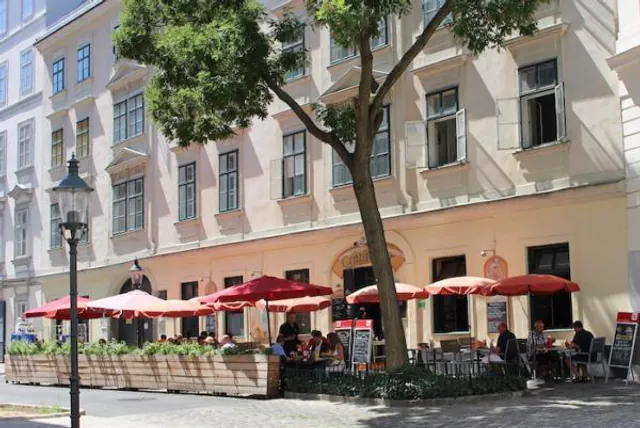
Centimeter I Beim Rathaus
International Casual • Moderate
Don't come to Centimeter I Beim Rathaus if you're looking for a delicate salad o...
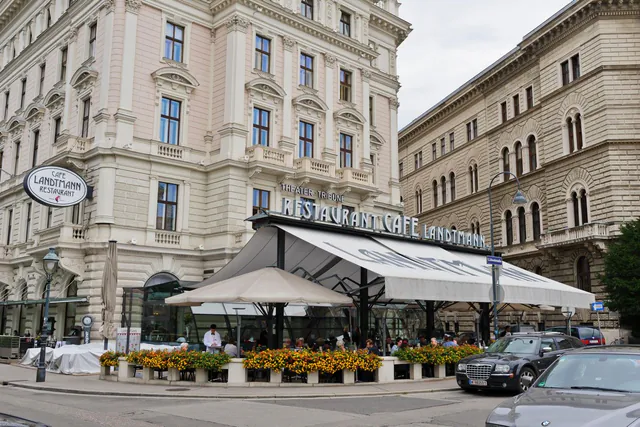
Café Landtmann
International Café • Upscale
Walking into Café Landtmann feels like claiming your seat in Vienna’s 1873 histo...
Frequently Asked Questions
How do I get to Rathausplatz using public transport?
Where is the best spot to take photos of Rathausplatz?
What happens at Rathausplatz during the winter months?
Is there anything special to do at Rathausplatz in the summer?
What other landmarks are within walking distance of Rathausplatz?
What was the original purpose of the land where Rathausplatz sits?
Is Rathausplatz worth visiting at night?
Are there places to eat near Rathausplatz?
What are the opening hours of Rathausplatz?
How much does it cost to visit Rathausplatz?
How long should I spend at Rathausplatz?
Is Rathausplatz wheelchair accessible?
Quick Facts
Find Hotels Nearby
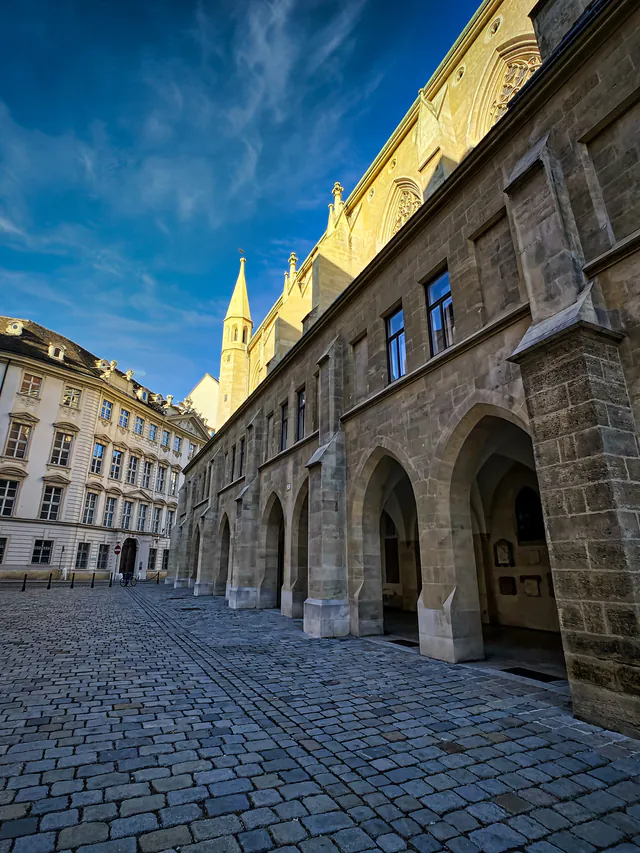
The Neighborhood
1st District: Innere Stadt
Read Guide