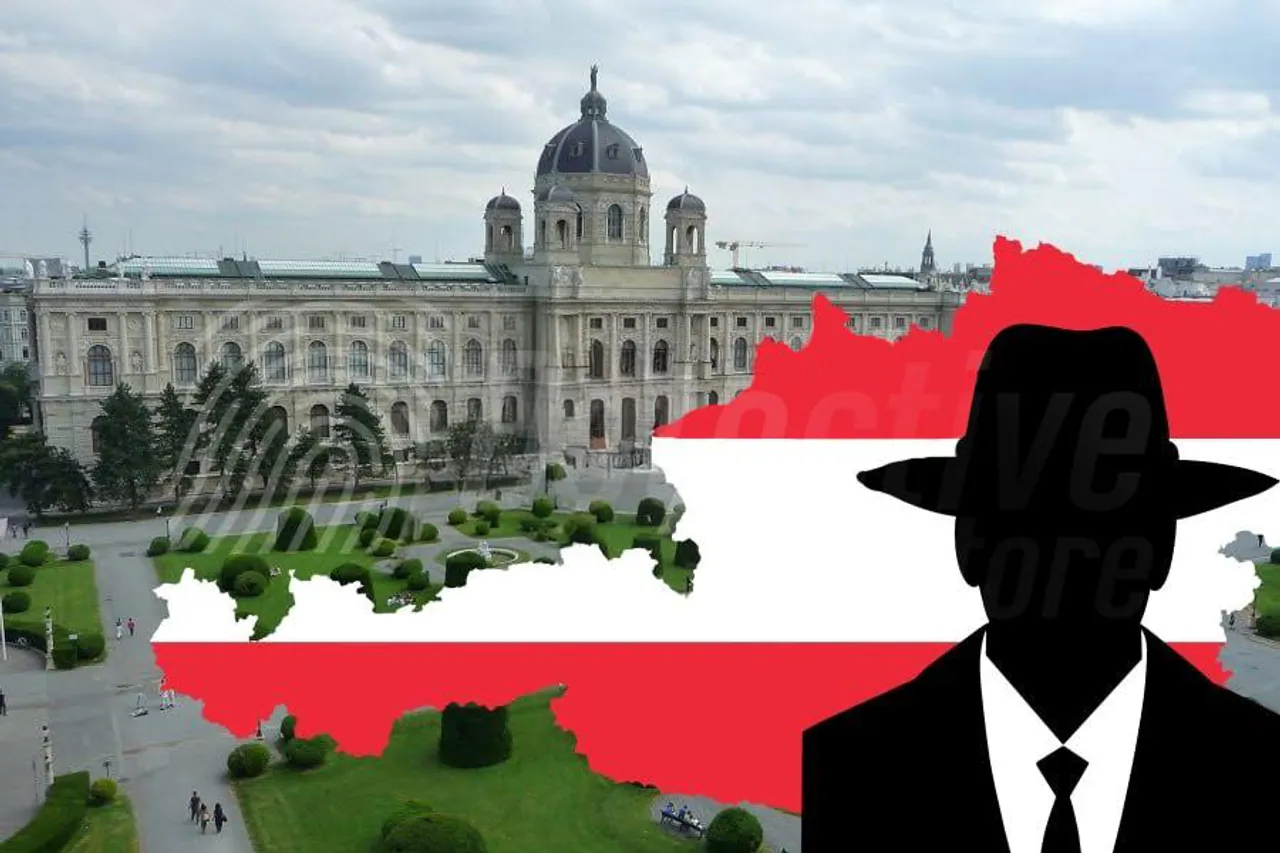
Vienna Espionage & Cold War History Guide
Written by
Nils Johansson | Founder
Vienna isn't just about waltzes, imperial palaces, and overpriced Sachertorte. Look beneath the refined surface and you'll find a darker, sharper history. This city is the undisputed spy capital of the world. It sits at the crossroads of East and West, a natural home for international intrigue and diplomatic lies. From the Habsburg surveillance networks to the foggy nights of the Cold War, notorious double agents have walked these streets for centuries. After WWII, the city was split into four Allied zones. It became a paranoid landscape of shadows. Graham Greene and Orson Welles immortalized this era in 'The Third Man'. It wasn't just movie magic. Dead drops in parks and sewer chases were daily realities for the CIA, MI6, and the KGB. The Cold War is over but the local espionage industry is thriving. Roughly 7,000 intelligence operatives work here today. Why? Because Austrian law only punishes spying if it's directed at the Austrian state. This guide takes you off the postcard trail to the historic cafes, cinematic sewers, and diplomatic hallways where the real business of global intelligence still happens.
Photos
The City of Spies: A Historical Overview
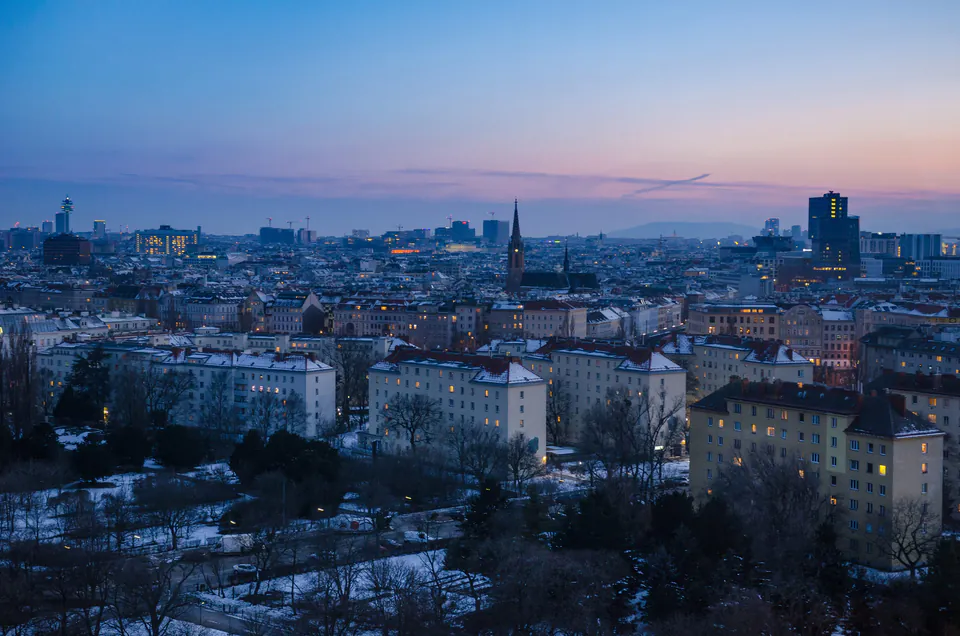
Vienna’s status as an intelligence hub isn't new. It goes back to the Habsburg Monarchy. Prince Klemens von Metternich set up the 'Evidenzbüro' in the mid-19th century to intercept mail and run surveillance. But the post-WWII era really sealed the city’s reputation. Like Berlin, Vienna was carved into four zones. The Americans, British, French, and Soviets each took a slice. The central Innere Stadt was an international zone where everyone rubbed shoulders. It was the perfect theater for spies. Informants flooded the city to steal tech secrets and monitor rivals. The 1955 Austrian State Treaty established permanent neutrality. Paradoxically, this made Vienna a safe haven for agents from both sides of the Iron Curtain. They could operate here without much interference. Even now, Section 256 of the Austrian criminal code only punishes espionage that targets Austrian secrets. Spying on a third party is a legal gray area. That's why foreign services maintain a massive presence. Of the 17,000 accredited diplomats in town, experts estimate 7,000 are actually spies. From the Old Town cobblestones to the Danube high-rises, the invisible war for information never stopped.
Chasing Harry Lime: The Third Man Experience
You can't understand Vienna’s shadow history without watching Carol Reed’s 1949 film, 'The Third Man'. Former MI6 officer Graham Greene wrote it. He captured the gritty, paranoid vibe of a city obsessed with the black market. Greene knew the world of double agents well. He even based characters on his own spy contacts. To feel the history, book the 'Third Man Tour' with Wien Kanal. It runs May to October, Thursday through Sunday. You'll go deep into the active sewer system where Orson Welles filmed his iconic escape. They give you a hard hat and headlamp at Karlsplatz-Girardipark. The 45-minute tour costs €18. Book it weeks ahead. The 3:00 PM English slot disappears fast. Afterward, hit the Dritte Mann Museum on Pressgasse. It costs €12 and holds 14 rooms of original props, including Anton Karas’s zither. Finish your night at Burg Kino on Opernring. It’s an old-school cinema that screens the movie in English every Tuesday, Friday, and Sunday for €10.50. Worth every cent.
Coffee, Cake, and Covert Operations: The Spy Cafés
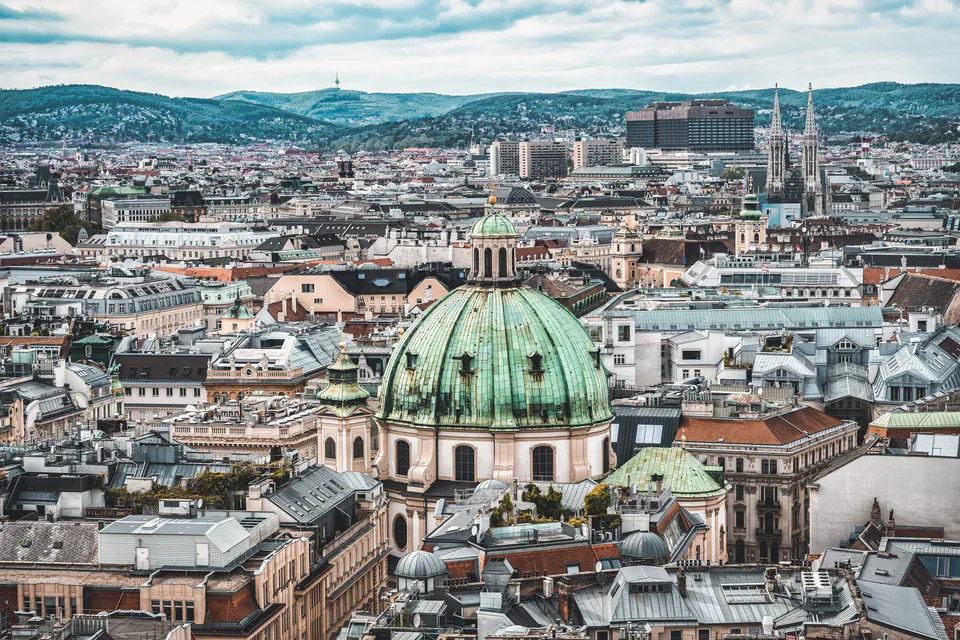
Viennese coffeehouses are the ultimate cover. You can sit for hours over one cup and no one asks questions. This made them perfect for dead drops and whispered secrets. Café Central on Herrengasse is the heavy hitter. It hosted Trotsky, Stalin, and Freud long before the Cold War. By the 1950s, it was a regular haunt for double agents like Kim Philby. Today, you can sit under those vaulted ceilings with a Melange and a slice of Apfelstrudel. But remember, the secret police used to bug these tables. Even your coffee order could be a code. The posh Hotel Sacher was another hub. During the four-power occupation, British officers lived and worked there. Skip the red velvet and chandeliers for a moment. Imagine these rooms thick with cigarette smoke. A newspaper left on a marble table wasn't just trash. It was often a set of encrypted instructions for a handler. These cafes were the beating heart of the espionage game.
Modern Espionage: UNO City and Diplomatic Intrigue
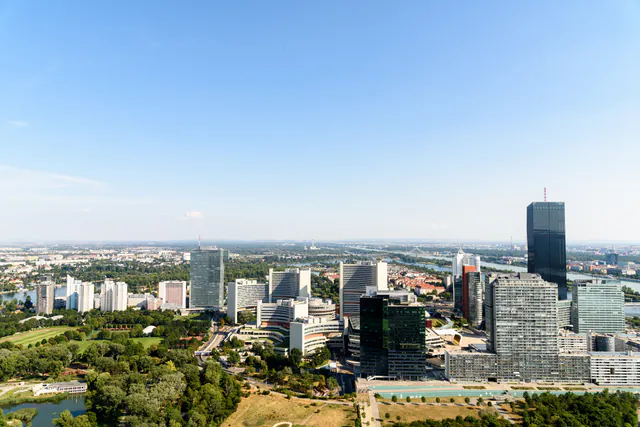
Modern spies don't wear trench coats. They wear tailored suits and carry diplomatic passports. In 1979, the city opened the Vienna International Centre, or 'UNO City'. The UN pays a symbolic 7 euro cents in rent each year for this massive complex. It houses the IAEA and the UN Office on Drugs and Crime. Combined with the OPEC headquarters, it makes Vienna a goldmine for nuclear and economic secrets. You can tour the complex, but bring your passport. You’re technically leaving Austria when you cross the threshold. The scene is still very active. In 2010, the airport tarmac hosted the biggest US-Russia spy swap since the Cold War. Fourteen agents, including Anna Chapman, were traded between parked jets. More recently, the 2024 arrest of Egisto Ott proved the game is still on. Ott allegedly cloned phones for the Russian FSB. It’s a chilling reminder. Vienna remains the Wild West of international spying.
Boots on the Ground: Spy Tours and Secret Walks
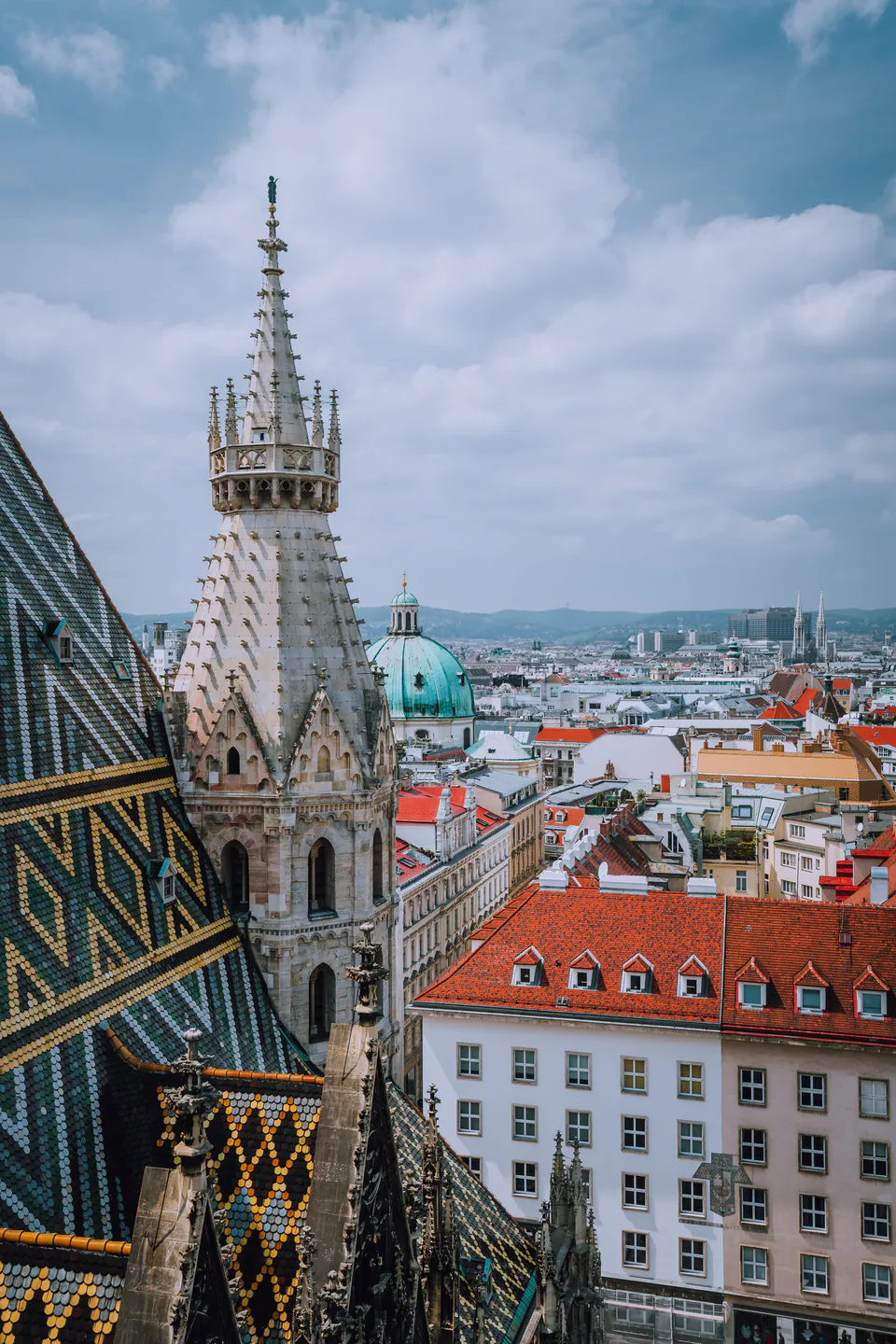
To really see the shadow world, hire an expert. The team at Secret Vienna runs the best niche walks in town. Their 'Mission TSA | Vienna Spy Tour' is essential. You’ll spend two hours ducking into hidden courtyards in the Innere Stadt. Guides like Christian-André Weinberger explain cases ranging from the Turkish Sieges to modern wiretapping scandals. Public tours cost between €35 and €49. You can also book a private group if you want to skip the crowd. Their 'Dark Side of Vienna' walk is another winner. It covers secret societies and political hits. Wear sturdy shoes. Those medieval cobblestones are brutal on your feet. Try to grab a late-afternoon slot. Walking down Blutgasse as the sun hits the gothic spires of St. Stephen's adds the right mood. It brings the stories of KGB betrayals to life. Don't miss it.
Practical Tips
- 1Book the Wien Kanal sewer tour early. It only runs May to October, Thursday through Sunday. The English tour starts at 3:00 PM and costs €18. It sells out weeks in advance.
- 2Don't forget your physical passport for UNO City. You are entering extraterritorial land. Security won't let you in for a tour without it.
- 3Bring cash to Burg Kino. Tickets for 'The Third Man' are €10.50. This historic theater doesn't always play nice with credit cards.
- 4Grab a Vienna City Card. You'll save 20% on the Sewer Tour and get €2 off at the Dritte Mann Museum on Pressgasse.
- 5Pack a jacket for the underground. The sewers stay around 15°C even in a heatwave. Wear closed-toe shoes with grip because the stone steps stay slick.
- 6Avoid the morning rush at Café Central on Herrengasse. Go later to skip the line. Grab a Melange and check out the portraits of former patrons linked to the spy world.
- 7Explore the 3rd District. While the center has the history, many embassies and modern spy hubs are in Landstraße. Secret Vienna offers specific tours for this area.
Top Attractions
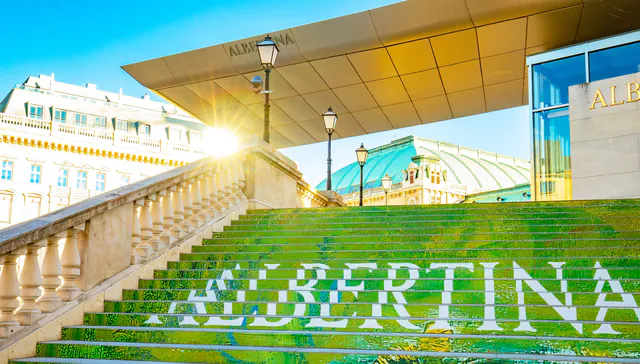
Albertina
Perched on a surviving stretch of Vienna's old city walls, the Albertina is where imperial history and heavy-hitting modern art collide. You'll find it in the I
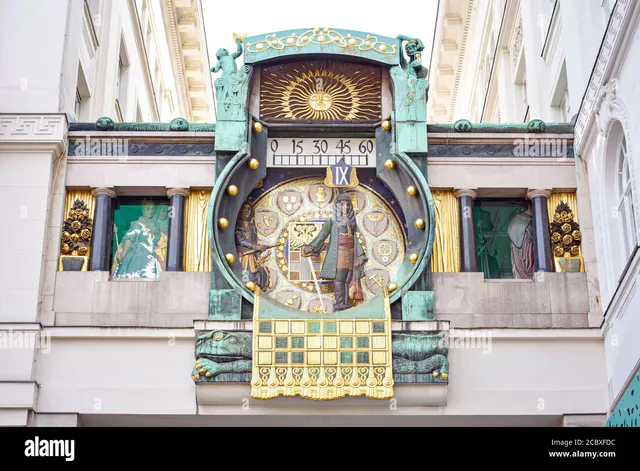
Ankeruhr Clock
Don't just look for a way to tell the time in Vienna’s oldest square. Look up. Spanning an alleyway in the Hoher Markt, the Ankeruhr clock Vienna is a 10-meter-
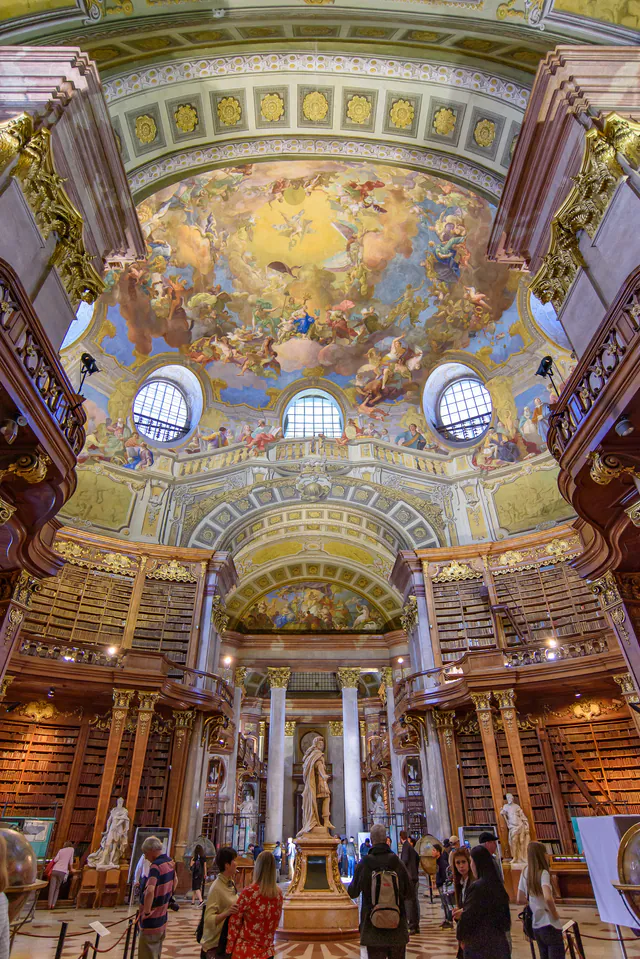
Austrian National Library
Walking into the Austrian National Library vienna feels less like visiting a museum and more like stepping into a Baroque fever dream. It sits right in the Hofb
Frequently Asked Questions
Why is Vienna known as the spy capital of the world?
How can I visit the sewers from The Third Man?
Where did the 2010 Russian-US spy swap take place?
Can tourists visit the UN headquarters in Vienna?
What is the Dritte Mann Museum?
Related Guides
- Vienna Classical Music & Opera Guide: Insider Tips & Hidden Harmonies
- Vienna Coffeehouse Culture Guide: A Local's Perspective
- Vienna Jewish Heritage Guide: Tracing a Profound Cultural Legacy
- The Perfect 24 Hours in Vienna: An Insider's 1-Day Itinerary
- The Ultimate 3-Day Vienna Itinerary: Imperial Grandeur to Hidden Heurigen
- Beyond the Ringstrasse: The Ultimate 5-Day Vienna Itinerary for Deep Explorers
- Vienna Accessible Travel Guide: Navigating the 2025 Access City Award Winner
- Vienna Airport to City Center: The Complete Local's Guide