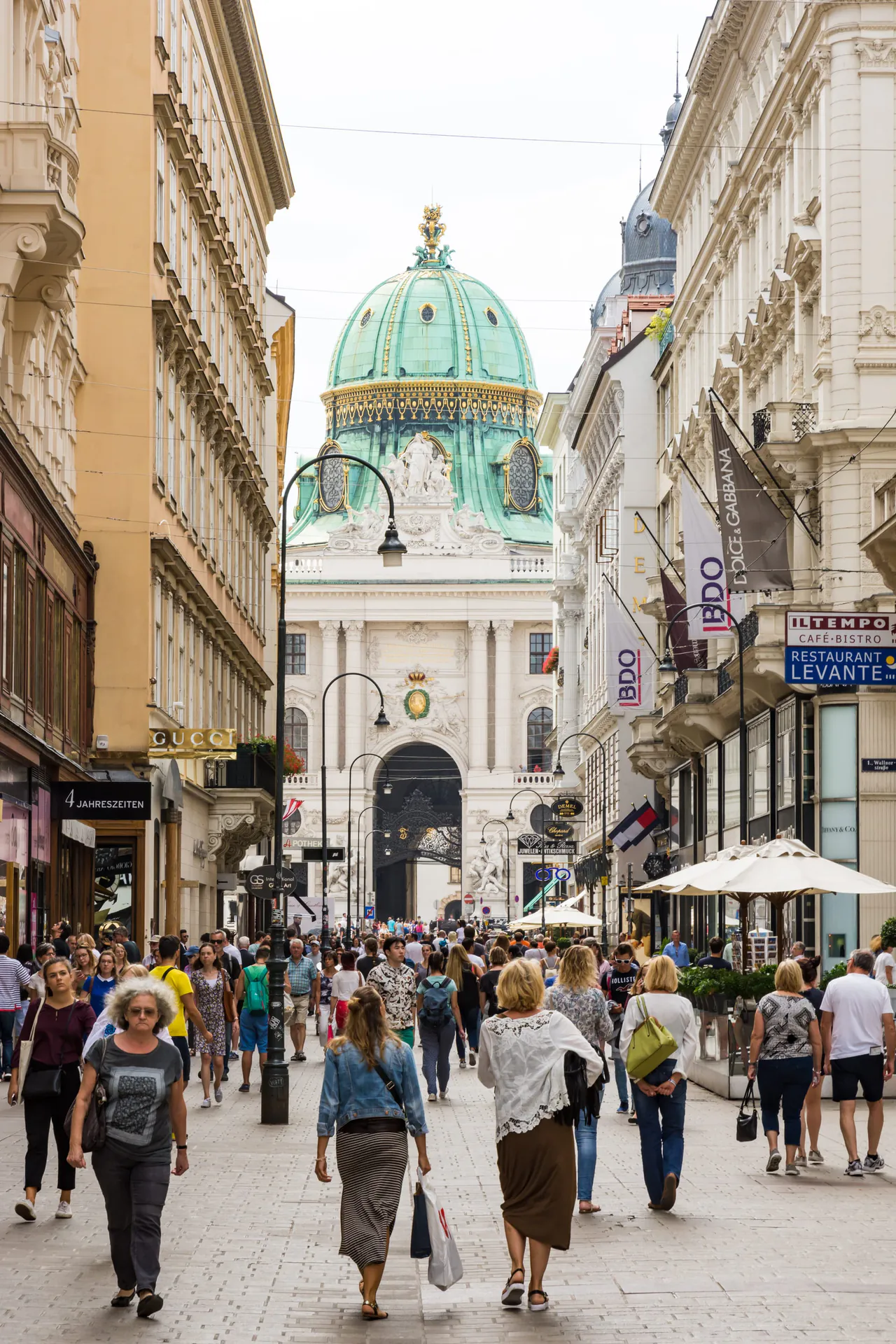
Vienna Coffeehouse Culture Guide: A Local's Perspective
Written by
Nils Johansson | Founder
Welcome to the slow rhythm of Vienna. Here, time isn't measured in minutes but in the deliberate sips of a Wiener Melange. A traditional Kaffeehaus isn't a caffeine pit stop; it's a centuries-old institution and a second living room. UNESCO recognized this as Intangible Cultural Heritage in 2011 for a reason. In a world of rushed to-go cups, these halls remain an anchor of Gemütlichkeit (Austrian coziness). You pay for the coffee, but you own the space. Legend says it started in 1683 when retreating Ottoman forces left bags of green beans behind. Since then, marble tables and velvet booths have hosted Mozart, Freud, and Trotsky. Waiters in tuxedos (Herr Ober) still glide across parquet floors. Bentwood Thonet chairs still creak under regulars. Order one cup and you've bought the right to sit for hours. You'll find me reading Der Standard in a corner booth, watching the world go by. Use this guide to decode the menu, master the tipping dance, and find the neighborhood spots away from the 1st district crowds. Grab a paper. Settle in. Let's start.
The History and UNESCO Heritage of the Kaffeehaus
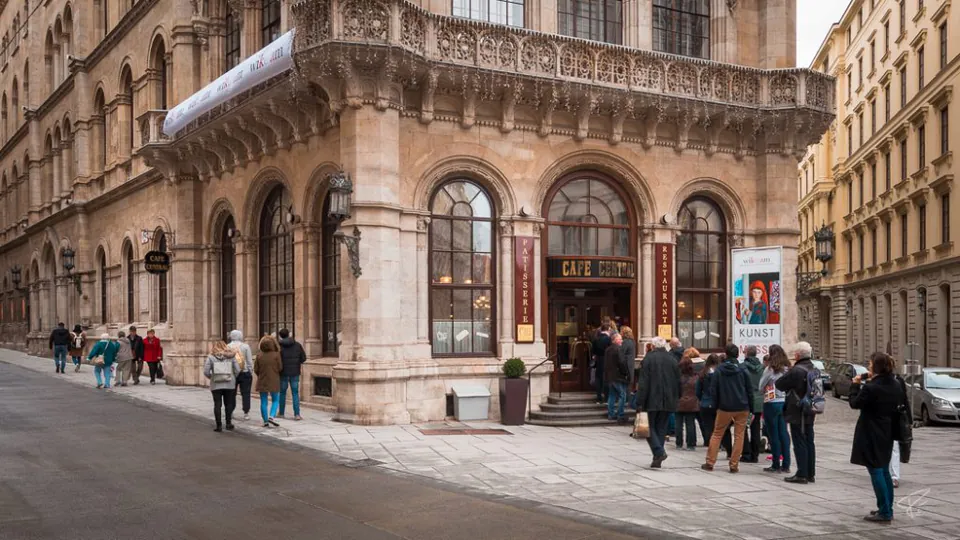
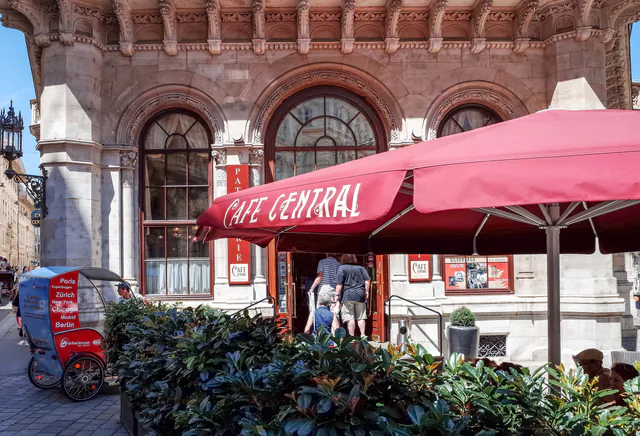
To know Vienna, you have to understand the gravity of its cafés. The history reads like a legend. After the 1683 Battle of Vienna, the fleeing Ottoman army left sacks of dark beans. Locals thought it was camel feed, but Johannes Diodato (or Jerzy Franciszek Kulczycki) knew better. He opened one of the city's first coffeehouses. By the 1800s, these spaces became essential public living rooms. Tiny apartments meant people needed a place to think and talk. Writers and philosophers basically lived here. The architecture was built for lingering. Walk into Café Sperl (1880) or the grand Café Central (1876). You'll see soaring vaulted ceilings, crystal chandeliers, and those iconic curved Thonet chairs. UNESCO protected this in 2011. They called it a place where "time and space are consumed, but only the coffee is found on the bill." It's a social pact. The solitary reader behind a newspaper rack is just as welcome as a loud chess match. You won't see locals hunched over laptops here. Instead, friends talk and couples split an Apfelstrudel. Whether it's the 1910 Jugendstil style of Café Goldegg or the mid-century cool of Café Prückel, you're sitting in a living museum. It's analog life at its best.
Decoding the Menu: What Coffee to Order
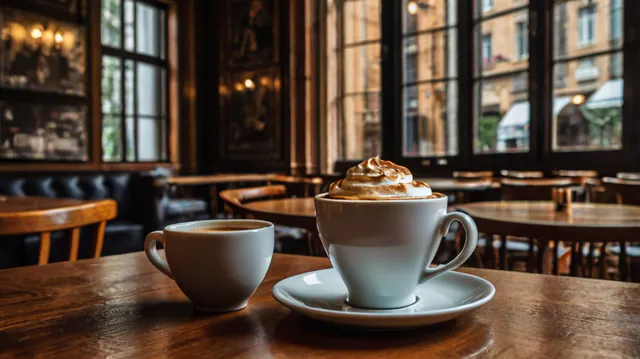
Ordering here can feel like a test. Walk in and ask for "a coffee" and the waiter will likely give you a blank stare. Forget Italian espresso or American lattes. The Wiener Melange is the king of the menu. It's a single espresso lengthened with hot water, topped with steamed milk and foam. It's smooth and pairs perfectly with Sachertorte. Want it black and strong? Ask for a Kleiner Schwarzer (single) or Großer Schwarzer (double). If you want milk on the side, order a Kleiner Brauner. It arrives on a silver tray with a tiny porcelain jug of cream. For something classic, try the Einspänner. Named after 19th-century horse carriages, it's a double espresso in a glass topped with a thick layer of cold whipped cream (Schlagobers). The cream kept the coffee warm and stopped it from spilling while the coachman drove. If you need a kick, the Fiaker adds rum to black coffee. The Maria Theresia uses orange liqueur. Two things are non-negotiable. Your drink will arrive on a silver tray, and it will come with a small glass of tap water. This water is a point of pride. It's Alpine spring water, clean and crisp. If you stay long, the waiter will refill it. That's your signal that you're welcome to stay as long as you like.
Unwritten Rules: Etiquette and Tipping
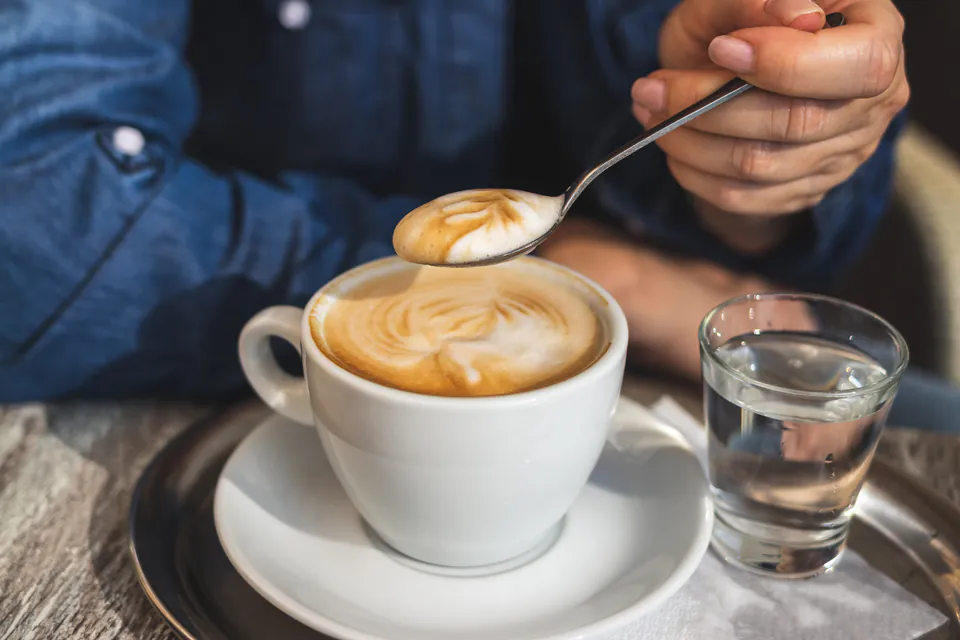
Viennese cafés follow a code. First, ditch the host stand. Unless there's a queue at Café Central or Café Mozart, walk in and pick your own table. If the waiter ignores you for ten minutes, don't sweat it. It's not bad service. They're giving you space. They won't hover and they won't drop the bill until you ask. Catch the waiter's eye or raise a finger to get attention. Don't wave or shout. The waitstaff (Herr Ober) are pros. They wear waistcoats, keep a formal distance, and use a dry, grumpy charm called Schmäh. When you're ready to leave, say "Zahlen, bitte." At spots like Café Jelinek or Café Sperl, bring cash. Some places take cards now, but don't count on it. Tipping is an active choice, not a percentage. Service is already in the price, so 15% is way too much. Just round up. If the bill is €11.20, hand over a €20 note and say "Dreizehn" (€13). The waiter keeps the tip and gives you €7 back. If you're paying by card, tell them the total amount before they punch it into the machine. Never just leave coins on the table. It's considered tacky. Do the transaction face-to-face.
Sweet Companions: Pastries and Light Fare
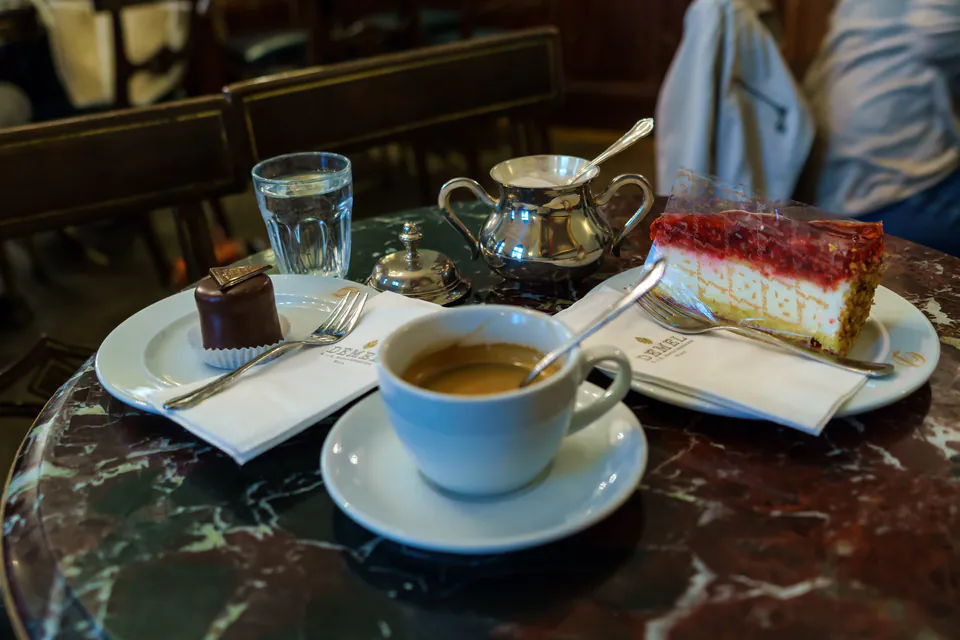
Coffee here needs a partner. Every café has a glass display (Mehlspeis-Vitrine) packed with tarts. The Sachertorte is the star. It's a dense chocolate cake with apricot jam and dark icing. Café Sacher invented it in 1832 and charges over €8.50 a slice, but almost every café does a great version. Then there's Apfelstrudel. It should be warm, sitting in vanilla sauce, with pastry thin enough to read through. But look closer at the menu. Order the Kaiserschmarrn. It's a shredded, caramelized pancake with plum compote (Zwetschkenröster). The Esterházy-Torte offers layers of almond and buttercream. Café Demel's windows show off sugar art that belongs in a gallery. If you're hungry for real food, these places act as restaurants too. Order Sacher Würstel (sausages) with mustard and a Semmel roll for a quick bite. For a full lunch, the beef goulash or a pan-fried Wiener Schnitzel are standard. Expect to pay €15 to €25 for mains. You can start with a morning Melange, move to a schnitzel lunch, and end with a glass of Grüner Veltliner. All at the same table. Nobody will rush you out.
Practical Tips
- 1Master the round-up. Never leave loose change on the table. Tell the waiter the total (round up 5-10%) as you pay. If it's €8.20, say 'Neun' or 'Zehn'.
- 2Carry cash. Famous spots like Café Landtmann take plastic, but gems like Café Sperl or Café Jelinek often don't. Keep €20-€30 on you.
- 3Beat the lines. Skip the 45-minute wait at Café Central. Use the WienMobil app and head to the 4th or 6th districts for Café Goldegg or Café Sperl.
- 4Say 'Zahlen, bitte'. Waiters won't bring the check unless you ask. Catch their eye and tell them you're ready to pay.
- 5Ditch the laptop. These are analog spaces for talk and newspapers. Typing for hours is poor form and kills the Gemütlichkeit vibe.
- 6Respect the water. That small glass of tap water cleanses your palate. If the waiter refills it, you're welcome to stay longer.
- 7Seat yourself. Don't wait by the door. Walk in, find a table, hang your coat on the brass rack, and sit down.
- 8Expect the Schmäh. If your waiter seems aloof or grumpy, it's theater. It's a local brand of dry humor. Don't take it personally.
Where to Eat
Bitzinger Augustinerkeller
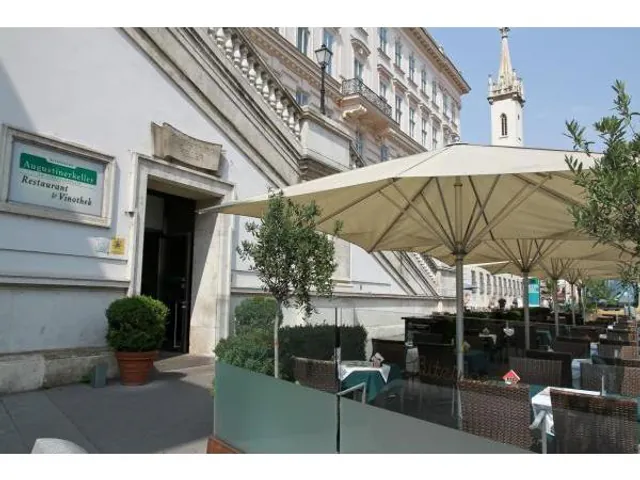
Forget the sterile museum cafes. Duck beneath the Albertina in Vienna's 1st district to find the Bitzinger Augustinerkeller, a massive subterranean cellar that
Brandauer Schlossbräu
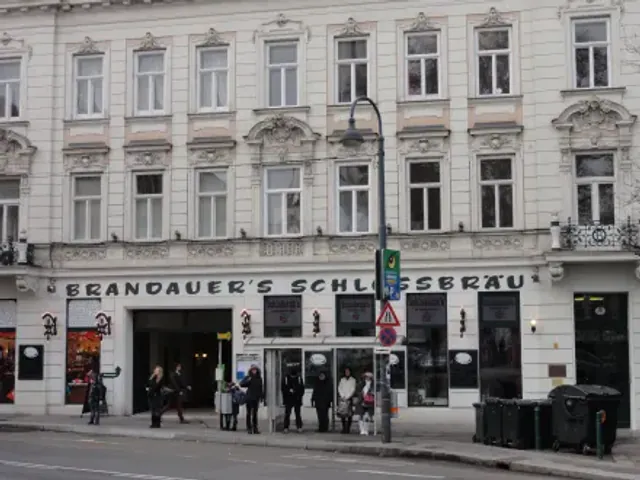
Don't settle for the overpriced tourist traps surrounding Schönbrunn Palace. Walk a few minutes to Am Platz 5 and duck into Brandauer Schlossbräu instead. This
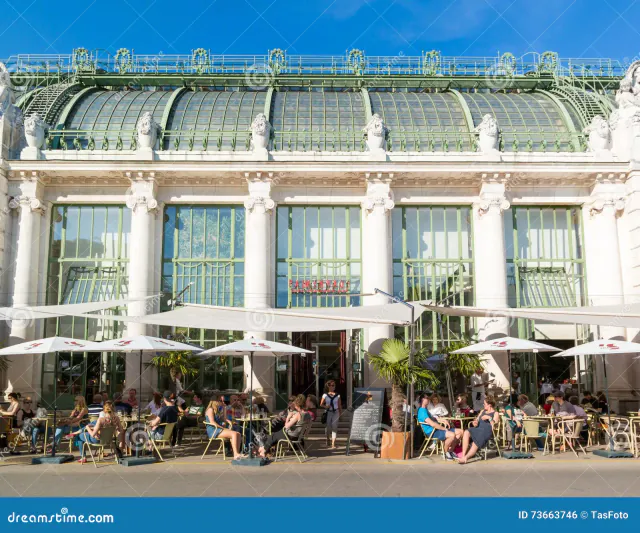
Brasserie Palmenhaus
Drop into the Burggarten and you cannot miss it. Brasserie Palmenhaus is a massive 19th-century glasshouse built for Emperor Franz Joseph I. It is easily one of
Frequently Asked Questions
What is a Wiener Melange?
Do I have to tip in Vienna?
What is the oldest coffeehouse in Vienna?
Can I work on my laptop in a Viennese coffeehouse?
Is it rude if the waiter ignores me?
What does a slice of Sachertorte cost?
Related Guides
- Vienna Classical Music & Opera Guide: Insider Tips & Hidden Harmonies
- Vienna Espionage & Cold War History Guide
- Vienna Jewish Heritage Guide: Tracing a Profound Cultural Legacy
- The Perfect 24 Hours in Vienna: An Insider's 1-Day Itinerary
- The Ultimate 3-Day Vienna Itinerary: Imperial Grandeur to Hidden Heurigen
- Beyond the Ringstrasse: The Ultimate 5-Day Vienna Itinerary for Deep Explorers
- Vienna Accessible Travel Guide: Navigating the 2025 Access City Award Winner
- Vienna Airport to City Center: The Complete Local's Guide
Tags
Places in Vienna
Related attractions, hotels, and more.