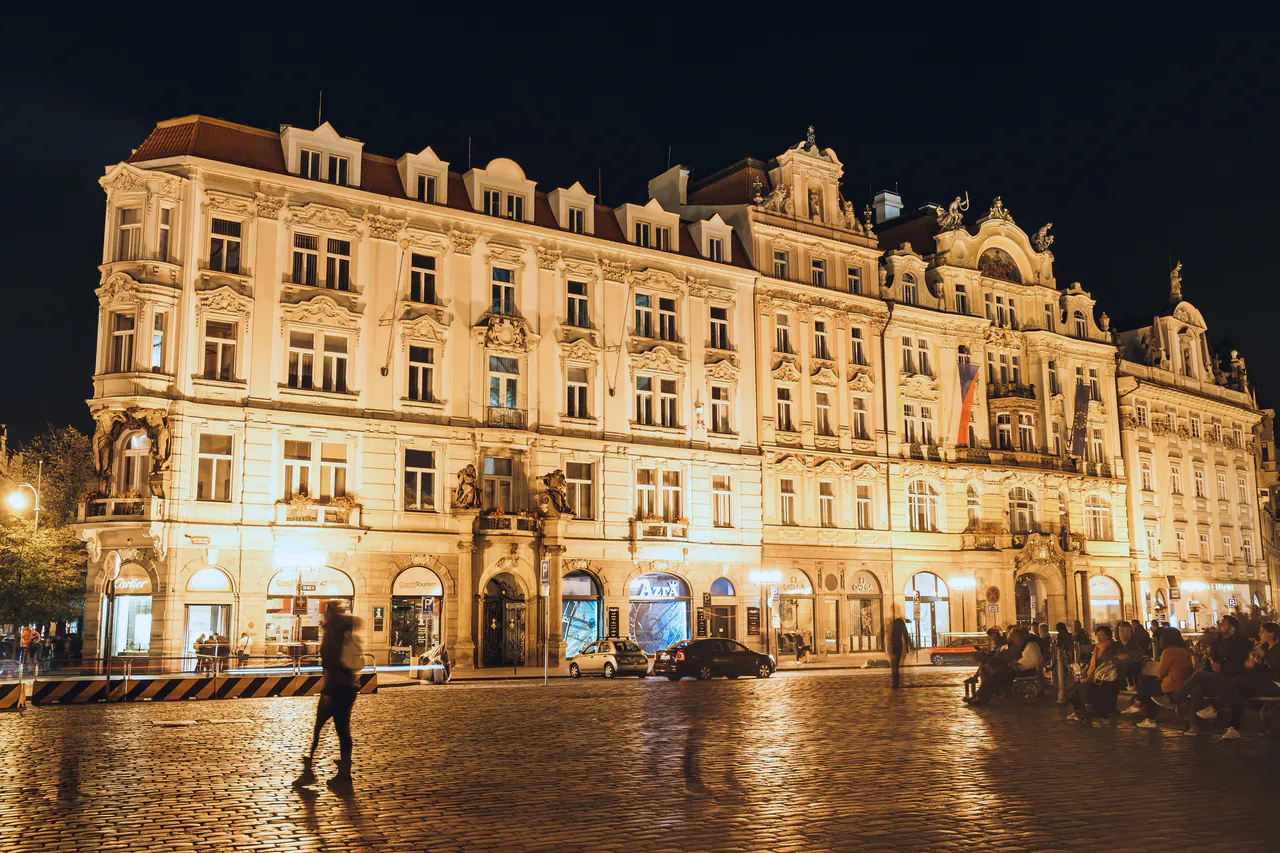
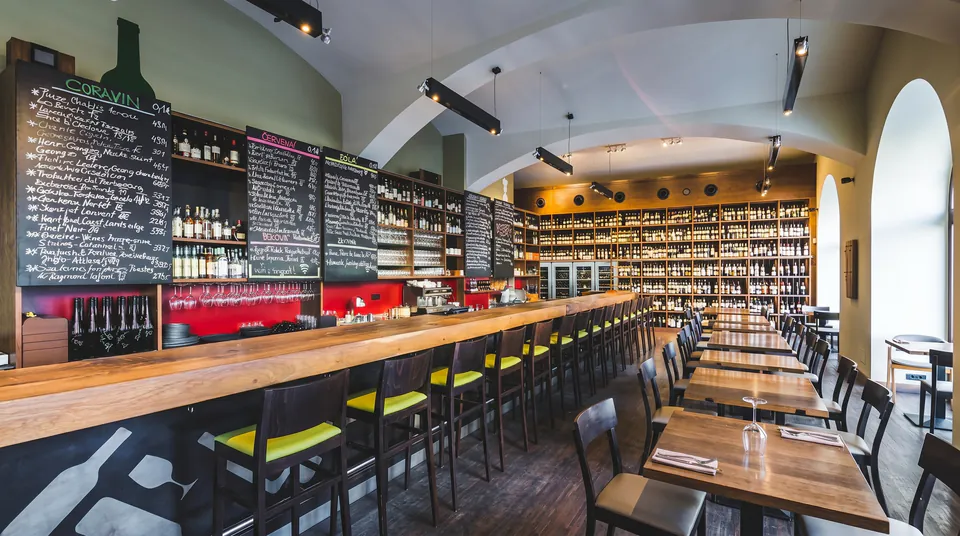
You’re in Prague, so you’re probably here for the beer. Most people are. But Vinograf Senovážné in New Town proves there’s more to the city than cheap pilsner. It’s a massive, sleek space where the walls hold over 700 bottles. This isn’t just a bar. It’s a crash course in the Czech wine comeback. You’ll see local Moravian bottles sitting right next to the best from around the world. It looks expensive, but it stays grounded.
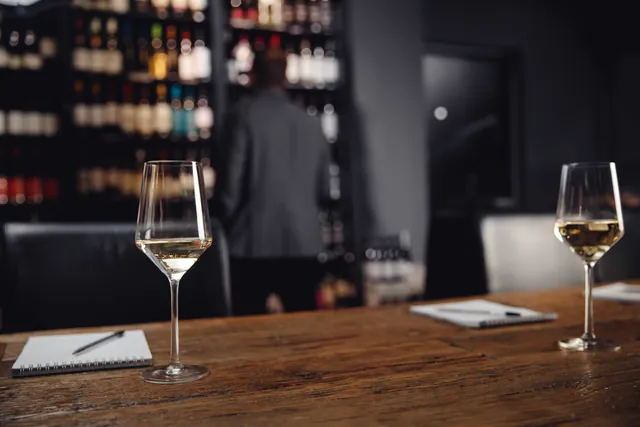
Forget paper lists. You get a digital tablet to find your drink. Pick your region or grape profile. It’s fast. They use the Coravin system here too. This technology lets you try 50 high-end wines by the glass without buying the whole bottle. You can taste what indie legends like Milan Nestarec or Dobrá Vinice are doing for about six euros. The sommeliers actually know their stuff. They'll walk you through a glass of Pálava or Frankovka without the attitude. They’ll even help you find a snack from the kitchen, like local cheese or venison.
Grab a seat by the floor-to-ceiling windows. You can watch the red trams rattle through the square while you sip. It works for a quick afternoon glass or a full dinner. There’s an espresso bar and a shop if you want to take a bottle home. Don’t skip the outdoor patio in summer. Order some local cheese and settle in. It’s the best spot in the city to see why Czech wine is finally getting the respect it deserves. Worth every forint.
The Historical Tapestry of Bohemian and Moravian Viticulture
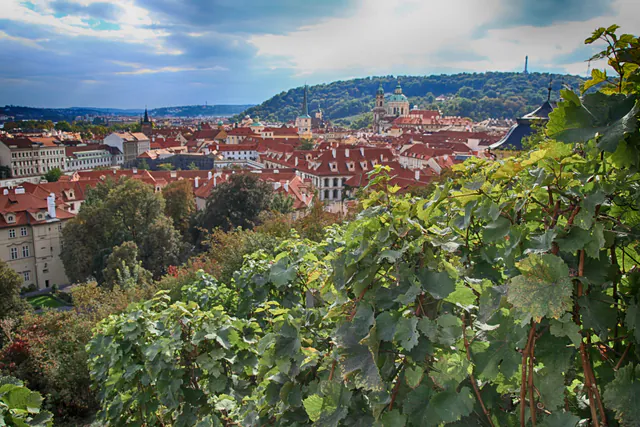
Wine isn’t new here. Romans were pruning vines in southern Moravia back in the 2nd century. Archaeologists found their actual pruning knives near Pasohlávky. These were left behind by the 10th Legion. But Charles IV really got things moving in the 14th century. In 1358, he ordered vineyards to be planted on every south-facing hill near Prague. He brought in French vines and turned the capital into a 'City of Wine.' Then came the communists in 1948. They took over the vineyards and picked volume over taste. Quality tanked for decades. It took the 1989 Velvet Revolution to fix the mess. Now, the country has nearly 20,000 hectares of vines. Vinograf is the result of that hard-won renaissance.
Terroir and Typicity: Decoding Indigenous Grape Varietals
Moravia does the heavy lifting. It produces 96% of the country's wine. Bohemia handles the rest. You'll hear names like Znojmo or Mikulov. Other key regions include Velké Pavlovice and Slovácko. These spots have the limestone and loess soils that make the wine pop. The cool climate keeps the acidity sharp. Try the Pálava. It's a local grape that’s aromatic and spicy. Or grab a Veltlínské zelené if you want something crisp with a bit of white pepper. The reds are catching up too. Svatovavřinecké has a bright plum flavor. But Frankovka is the star. It’s dark, peppery, and stays interesting. Ask for a glass grown in magnesium-rich soil. It tastes like the earth itself.
The Natural Wine Movement and Prague’s Evolving Vinotéka Culture
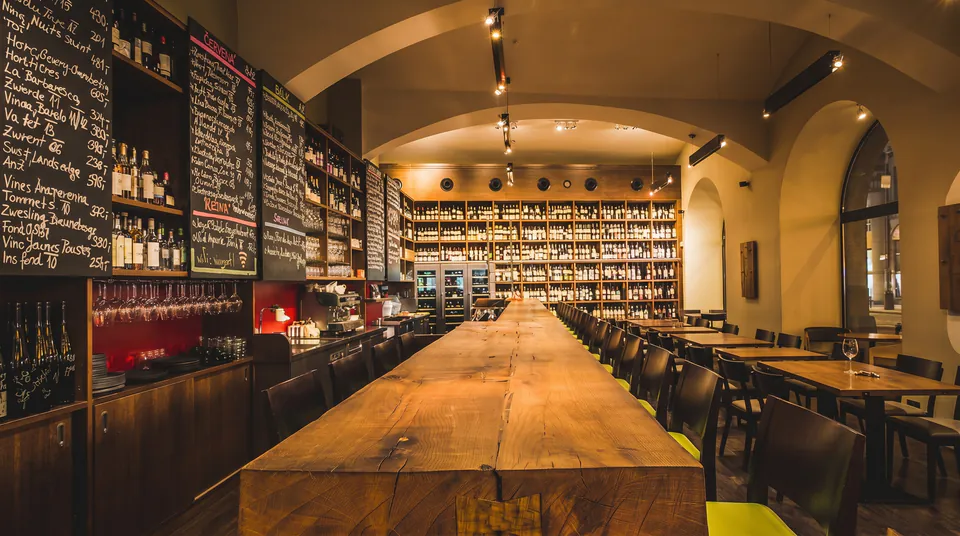
Prague isn’t stuck in dusty cellars anymore. Modern wine bars like Vinograf are the new standard. They mix old-school service with a clean, sharp look. Natural wine is the big trend here. Look for the 'Autentisté' label. These winemakers skip the chemicals and use wild yeast instead. They don't use herbicides. The wine is often unfiltered and a bit cloudy. It tastes like the actual ground it grew in. Vinograf pours a lot of this stuff. If you want more, head to Veltlin in Karlín or Autentista in the Old Town. They all show up for the Prague Drinks Wine festival. It’s a major scene that draws people from all over Europe.
Gastronomic Synergy: Culinary Pairings and Economics
You don’t have to live on fried cheese. The kitchen here focuses on Mediterranean flavors that actually work with wine. They still use Czech ingredients, though. Order the veal tartare with black truffles. It’s a perfect match for a skin-contact orange wine. Or go for the venison loin. Pair it with an aged Moravian Frankovka to cut through the meat. It’s worth it. Keep an eye on your budget. Beer is dirt cheap in Prague, but good wine costs more. Expect to pay 90 to 150 CZK for a glass. Rare bottles can top 1,500 CZK. That’s still a bargain compared to prices in London or Paris. You get what you pay for.
实用建议
- 1周四、周五和周六晚间光临,请务必提前预订。
- 2建议点一份 degustační set,体验来自 Moravian 不同子产区的迥异风味。
- 3与其买一整瓶中档酒,不如将预算用于通过 Coravin 系统单点几杯珍稀佳酿。
- 4第一次干杯时,请保持目光接触并说 'Na zdraví',以避免失礼。
- 5在刷卡前,直接告诉服务员您想支付的总金额(包含 10% 的小费)。
- 6您可以让侍酒师根据您平时喜好的国际葡萄酒口味,为您推荐当地产的 Moravian 对应酒款。
美食推荐
Agave 餐厅
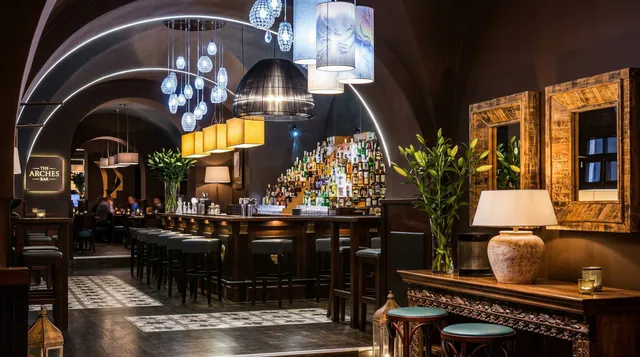
你会发现 Agave Restaurant Prague 坐落在 Masná street,隐匿在 Staré Město 蜿蜒的小巷中。它与室外的哥特式石墙形成了鲜明对比。推门而入,Bohemian 的寒意瞬间消散。烤辣椒和慢炖猪肉的香味扑面而来。这里感觉就像 Mexico City 的一个高端隐匿处。这不是你印象中
Alriso Risotteria Italiana
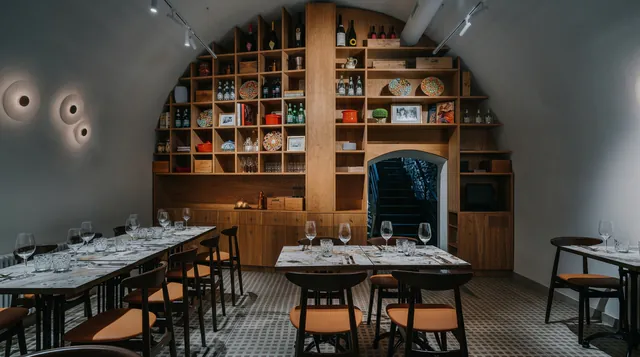
您会在 Betlémské náměstí 的鹅卵石街道旁发现 Alriso Risotteria Italiana Prague。这是一个专业的美食去处。它避开了常见的旅游陷阱,专注于严谨的地中海烹饪。这不仅仅是一家普通的意面店,更是一处避风港。虽然地处 Old Town 的中心,却显得格外幽静。这里充满了纯正的 I
Beefhouse 烧烤酒吧
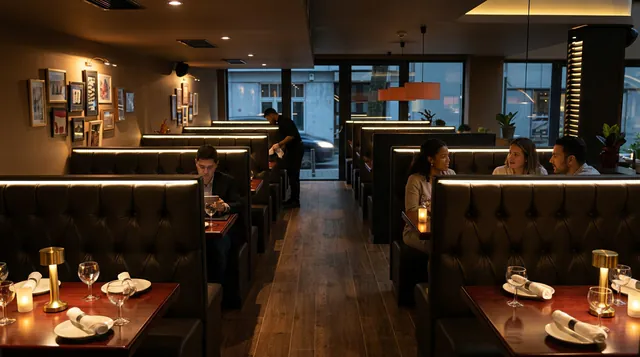
Prague 的美食界曾经充斥着厚重的团子和单调的酒吧食物。但现在不同了,这座城市已经成为了全球美食界的重要一员。你会发现 Beefhouse Grill & Bar 隐藏在 Petrská čtvrť,这是 New Town 的一个安静角落,感觉远离了 Old Town 的喧嚣。对于任何对牛排有追求的人来说,这里都是
常见问题
晚间光临需要预订吗?
这里一杯典型的 Moravian 葡萄酒多少钱?
可以不买整瓶就品尝到高端年份酒吗?
如果我想买一瓶带回家怎么办?
入口适合轮椅使用者吗?
一年中体验当地葡萄酒文化的最佳时间是什么时候?
相关指南
- U Kunštátů – Craft Beer Bar & Garden
- Prague Dining Etiquette, Tipping, and Historic Hospitality
- Lokál Dlouhááá
- The Definitive Guide to Prague Nightlife
- The Plant-Based Paradigm: Prague's Vegetarian & Vegan Dining Guide
- The Ultimate 1-Day Prague Itinerary: Navigating the Royal Route and Historic Centre
- Strategic 72-Hour Prague Itinerary
- Ultimate 5-Day Prague Itinerary
餐厅搜索
按菜系、价格等条件筛选餐厅。
立即体验