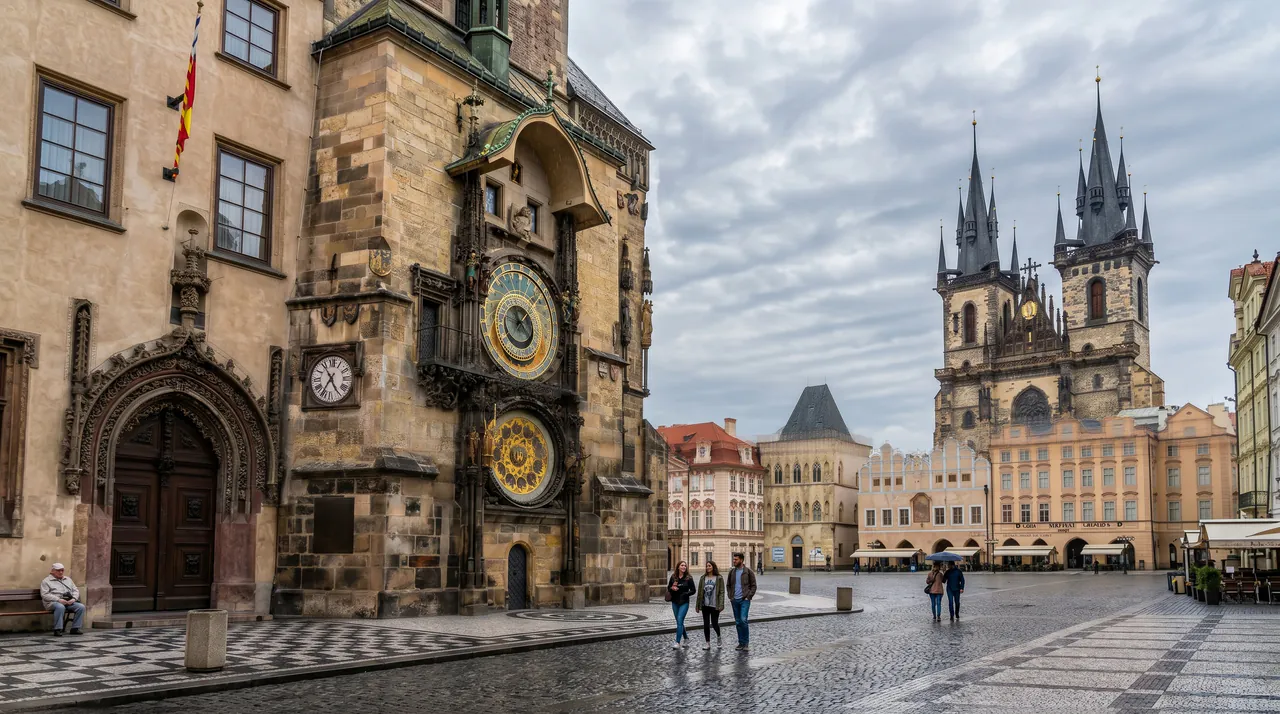
Go to Staroměstská radnice. It's the Old Town Hall. You'll find it right on Old Town Square. It’s the perfect place to start your trip. This isn't just one building. It’s a cluster of medieval houses joined together over 700 years. The city started buying them in the 1300s and just kept adding more. Visit the Prague City Tourism office on the ground floor first. Use it to get your bearings and start your navigation of the Bohemian capital.
The history goes deep here. You’ll find Romanesque stone vaults from the 1100s buried in the basement. Walk upstairs through Gothic and Renaissance council rooms. Then head to the 1300s stone tower. It was the highest spot in the city back in the middle ages. Climb it. You’ll see the red rooftops and the Vltava River spreading out below. It’s a view that hasn't changed much in centuries.
Look for the Pražský orloj on the south wall. That’s the Astronomical Clock. It’s a medieval engineering marvel. It still runs the square with its hourly apostle show. Inside, the building tells the story of the Czech National Revival. That’s the 1800s movement that saved the Czech language. It was nearly lost under Habsburg rule. You'll feel that history in the council chambers. It provides the right context for the local culture and the local tongue.
This is a stop for everyone. Architects and history fans will love the layers of stone. But go even if you just want to talk to people. The visitor center is the best place to practice your Czech. The staff speak multiple languages and they are patient. They’ll help you with those tough alveolar trills before you head out into the city. You’ll leave with more than a ticket and a physical map. You’ll have the cultural tools to actually navigate the country. It’s about building competence, not just seeing sights.
The Pragmatics of Czech Politeness and Formal Etiquette
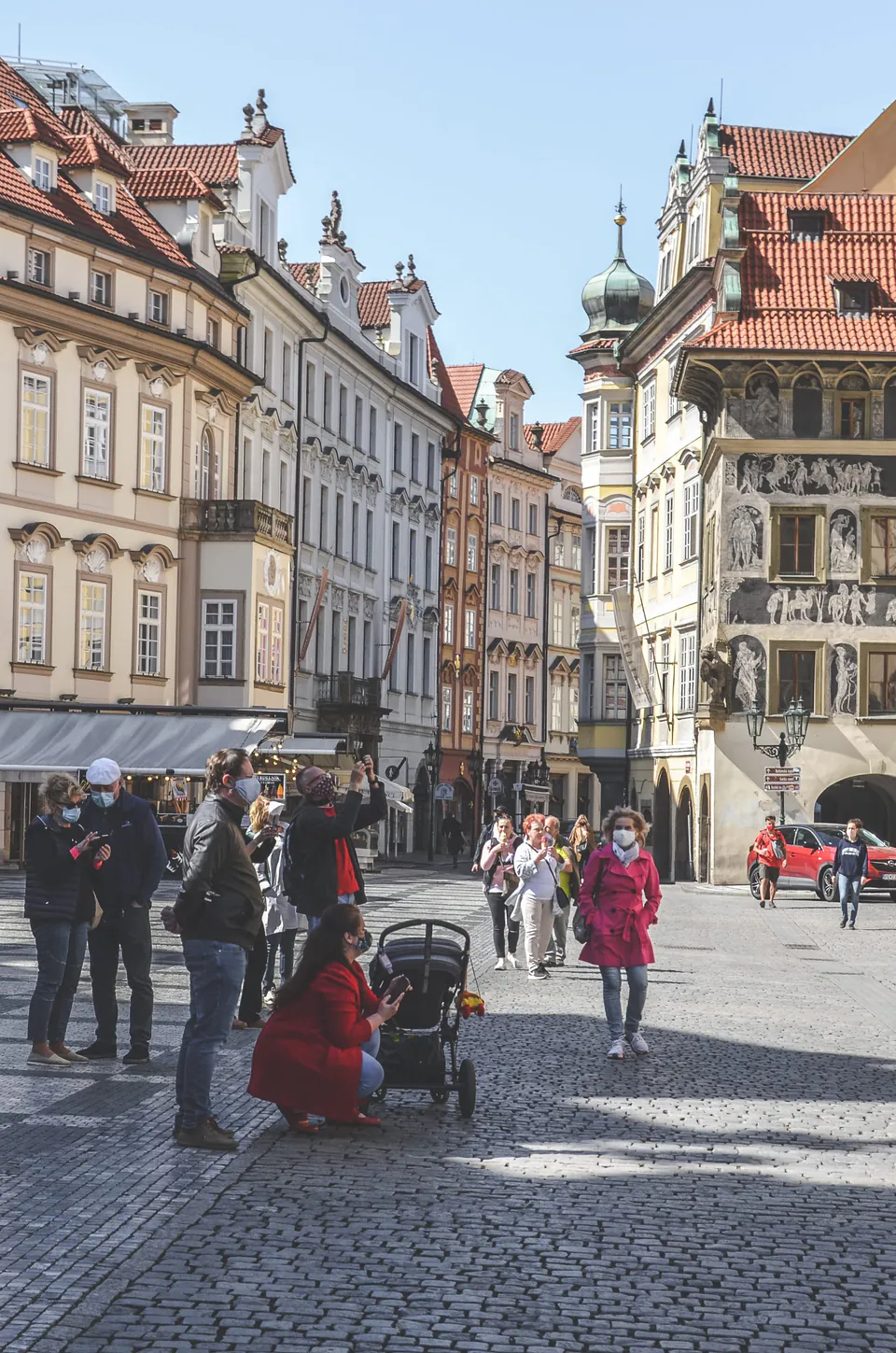
Get the etiquette right. It matters here. Czechs use two versions of "you." Use Vy for everyone you don't know well. Use it for waiters. Use it for shopkeepers. Use it for anyone older than you. It’s the formal way. Only use ty with close friends, family, or kids. Using ty too early feels like an insult. Don't do it. Politeness goes a long way. But it has to be the right kind of polite.
Start every interaction with Dobrý den. It means good day. Say it when you walk into a shop, a cafe, or a pub. If you don't, people will think you're rude. Shake hands firmly and make eye contact. Don't get too close to people in public. Czechs like their personal space. And remember the golden rule for homes. Take your shoes off at the door. Every single time. It's the standard. You’ll see everyone doing it.
Don't confuse a serious face for being mean. Czechs aren't big on fake smiles for strangers. They value being real. If someone isn't grinning at you, they aren't angry. They’re just being authentic. When you eat out, wait for the host to start. Keep your hands on the table. No elbows. Clean your plate. It shows you liked the food. It's a simple way to show respect.
Essential Linguistic Repertoire for Urban Navigation and Gastronomy
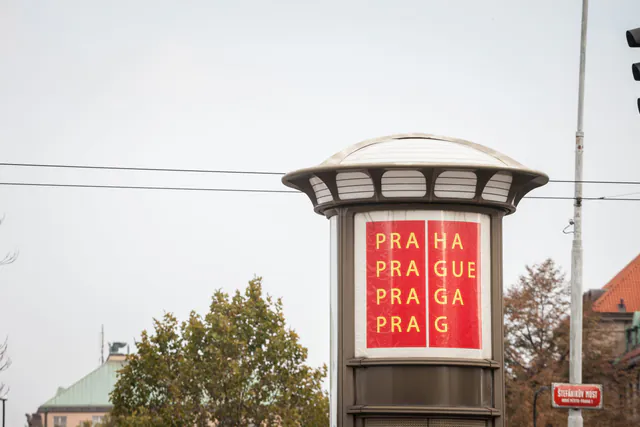
Pick up the basics. It makes life easier. Use Dobrý den during the day. Switch to Dobré ráno in the morning. Use Dobrý večer at night. Say Na shledanou when you leave. But the most important word is Prosím. It means please. It also means you're welcome. It can even mean "here you go" or "pardon?" Use it constantly. Pair it with Děkuji for thank you. It establishes an immediate baseline of respect.
You'll use your Czech most in the pubs. A waiter will ask Co si dáte? That means "What will you have?" Answer with Já si dám... then name your order. If you want two small beers, say Dvakrát malé pivo, prosím. Need another? Say Ještě jedno, prosím. If you're ordering juice, they measure by the deciliter. Ask for tři deci for a 0.3-liter glass. When you're done, just say Zaplatím. That signals you’re ready for the bill.
Learn how to find your way. Ask Kde je... to find the stanice metra (metro station), lékárna (pharmacy), or nemocnice (hospital). Younger people in the center speak English well. But if you head to the outskirts, you’ll need these phrases. Knowing vlevo (left), vpravo (right), and rovně (straight) keeps you moving through the urban flow. Don't just be a tourist. Be a guest.
Phonological Nuances and the Challenge of the Alveolar Trill
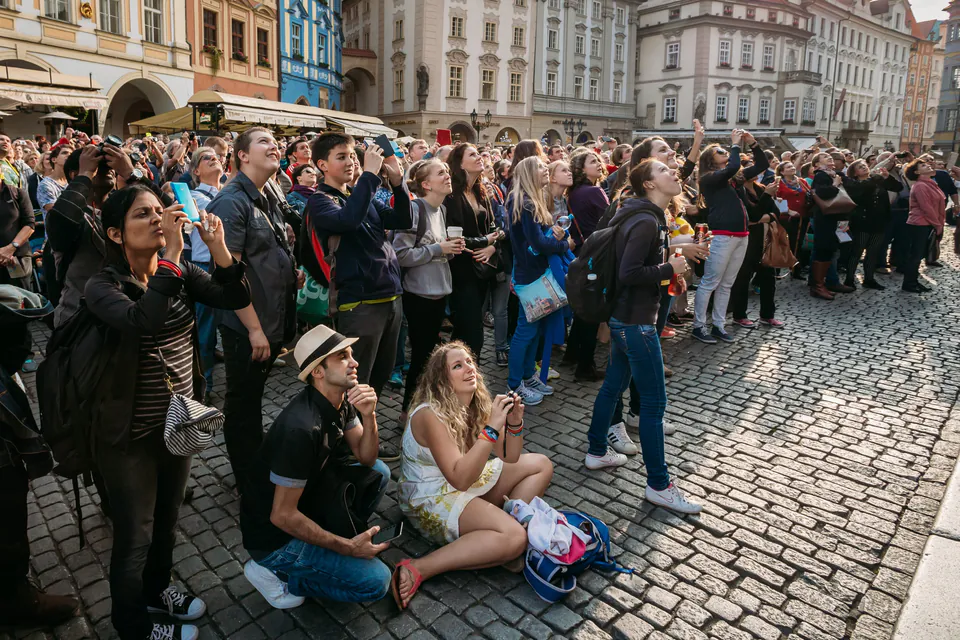
Czech looks hard but it’s logical. It’s a phonetic language. You say it exactly how it’s written. Just watch the vowels. Short ones are quick. Long ones have an accent mark like á or é. Hold those for twice as long. It changes the meaning of the word. Don't rush them. The system is differentiated by these strict values. It takes practice to hear the difference.
Then there's the ř. It’s the sound that breaks most travelers. It’s a rolled "r" mixed with a "zh" sound, like the middle of the word "vision." You have to vibrate your tongue and buzz at the same time. It’s tough. Even native speakers struggle as kids. It's a unique part of the local speech. You won't find it in many other places.
Try this trick. Roll a normal "r" first. While your tongue is vibrating, push your teeth together. Force the air out through the gap. That creates the buzz you need. It won't be perfect. That’s fine. Locals know it’s the hardest sound in the language. They’ll appreciate the effort. Just trying it opens doors and dismantles barriers.
The Historical Context of the Language and Digital Learning

Czech is alive today because of the národní obrození. That was the 1800s National Revival. After the Battle of White Mountain in 1620, the Habsburgs tried to force everyone to speak German. Czech almost died out. But scholars like Josef Dobrovský and Josef Jungmann fought back. They wrote the grammars. They compiled the dictionaries. They brought the language back to the cities. It paved the way for the National Theatre and a new country.
Get a head start with an app. Duolingo or Busuu work for the basics. They're good for memorizing words. If you want to nail the pronunciation, try Pimsleur. It’s all about listening. Use uTalk for specific travel phrases. Or try Mondly. It uses speech recognition to tell you if you're getting that ř right. Use these tools before you land. It makes the transition to real conversation much smoother.
Take what you learn into the real world. Get away from the pirate-themed candy shops and the tourist traps in the square. Don't buy food sold by weight on the street. Go to a local pub in Vyšehrad. Order your beer in Czech. That’s how you honor the history. Keep the language moving. It's the best way to see the real Prague.
实用建议
- 1在第一个运营小时(周二至周日 09:00 到 10:00)购买门票,即可享受优惠票价。
- 2进入票务大厅后,请立即登记具体的 Medieval Underground 游览时段,因为导览团每 1.5 到 2 小时才出发一次。
- 3请仅从内部的官方旅游信息中心获取导向资料,以免向街头小贩支付过高的费用。
- 4请核实第三方旅游套餐是否明确包含内部及地下区域的导览,而不仅仅是基础的登塔权限。
- 5请避开广场附近按重量计价的食品摊贩,以及挂着海盗旗帜、价格虚高的奇趣糖果店。
- 6进入商店和餐厅时,请立即用 'Dobrý den' 向工作人员打招呼,以遵守当地严格的礼貌规范。
美食推荐
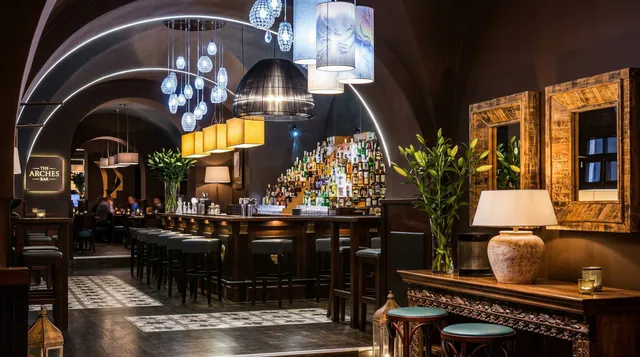
Agave 餐厅
你会发现 Agave Restaurant Prague 坐落在 Masná street,隐匿在 Staré Město 蜿蜒的小巷中。它与室外的哥特式石墙形成了鲜明对比。推门而入,Bohemian 的寒意瞬间消散。烤辣椒和慢炖猪肉的香味扑面而来。这里感觉就像 Mexico City 的一个高端隐匿处。这不是你印象中
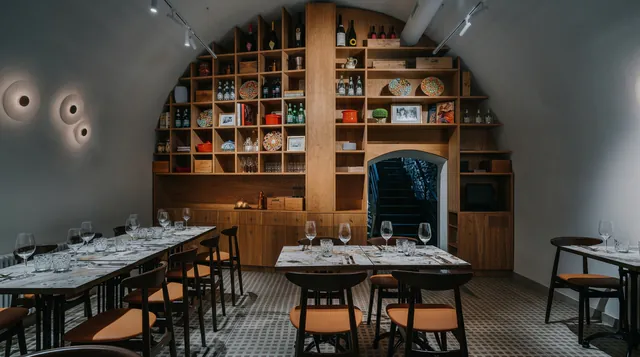
Alriso Risotteria Italiana
您会在 Betlémské náměstí 的鹅卵石街道旁发现 Alriso Risotteria Italiana Prague。这是一个专业的美食去处。它避开了常见的旅游陷阱,专注于严谨的地中海烹饪。这不仅仅是一家普通的意面店,更是一处避风港。虽然地处 Old Town 的中心,却显得格外幽静。这里充满了纯正的 I
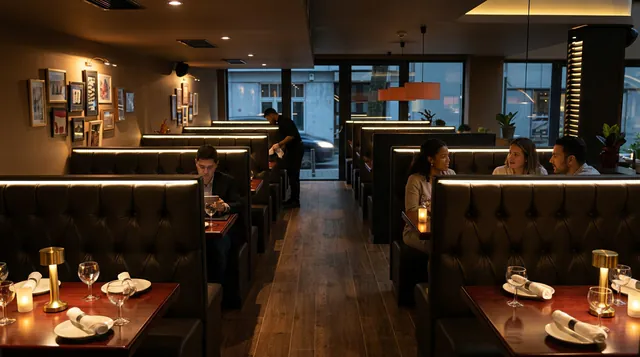
Beefhouse 烧烤酒吧
Prague 的美食界曾经充斥着厚重的团子和单调的酒吧食物。但现在不同了,这座城市已经成为了全球美食界的重要一员。你会发现 Beefhouse Grill & Bar 隐藏在 Petrská čtvrť,这是 New Town 的一个安静角落,感觉远离了 Old Town 的喧嚣。对于任何对牛排有追求的人来说,这里都是
常见问题
进入 Old Town Hall 及其地下区域的费用是多少?
一年中的什么时候是探索该建筑群并避开拥挤人群的最佳时机?
轮椅使用者在参观该历史建筑群前应做哪些准备?
在夏季高峰月份,如何避开漫长的塔楼电梯排队?
站在哪里可以最清楚地听到 Astronomical Clock 的声音?
与游客中心的工作人员沟通时的正确礼仪是什么?
相关指南
- Accessible Travel Guide to Prague: Old Town Hall & Beyond
- Prague Budget Travel & Old Town Hall Expert Guide 2026
- Emergency Contacts & Services in Prague: A Comprehensive Healthcare and Security Guide
- Prague Border Survival Guide: Visas, EES Biometrics, and Entry Requirements for 2026
- The Definitive Guide to Healthcare & Pharmacies in Prague
- Comprehensive Internet and Mobile Connectivity Guide: Prague
- Luggage Storage Infrastructure and Urban Mobility Logistics in Prague
- Czech National Bank Visitor Centre
旅行预算计算器
几秒钟内即可获得您的 Budapest 之行真实费用估算。
立即体验