The Golden Age of Travel: A Senior's Guide to Budapest
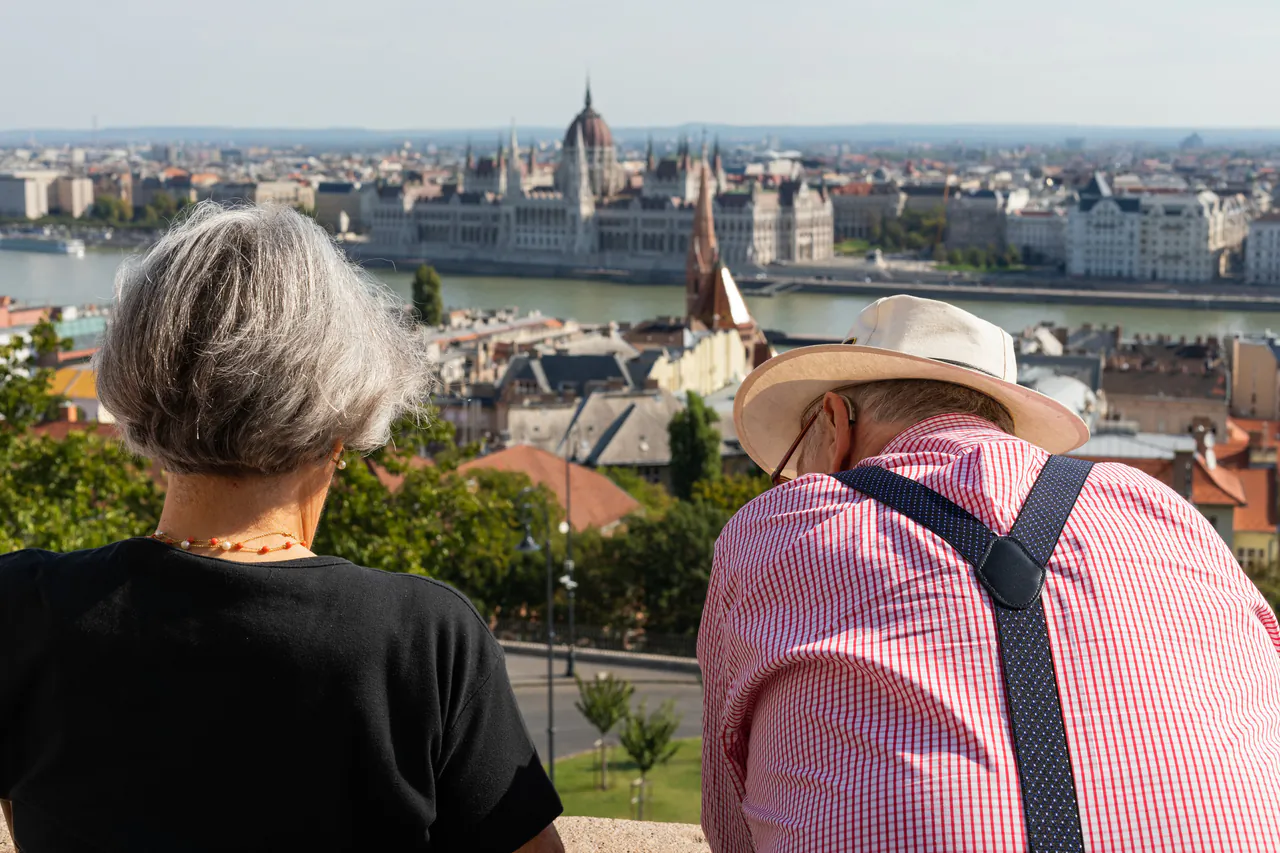
Budapest often gets tagged as the “Paris of the East,” but forget the clichés. For the traveler who prefers a deliberate pace over a frantic sprint, this city offers something better: a rhythm that actually makes sense. You aren't forced into marathon treks here. Instead, you have two distinct worlds, hilly, regal Buda and flat, walkable Pest, knit together by a transit system that treats seniors like royalty. Taking the waters at a thermal bath isn't a tourist gimmick; it’s a daily social ritual for local retirees. You’re invited to join. But don't just wing it. The Danube riverbanks are easy strolls, yet the medieval cobbles of the Castle District will punish your knees if you aren't careful. With the iconic Gellért Baths closed for a long-term overhaul, the spa scene has shifted. This guide cuts the fluff. You'll learn how to milk the free-travel perks for those over 65, find the quietest tables for a proper dinner, and navigate the city with zero stress.
Photos
The Golden Ticket: Public Transport & Accessibility
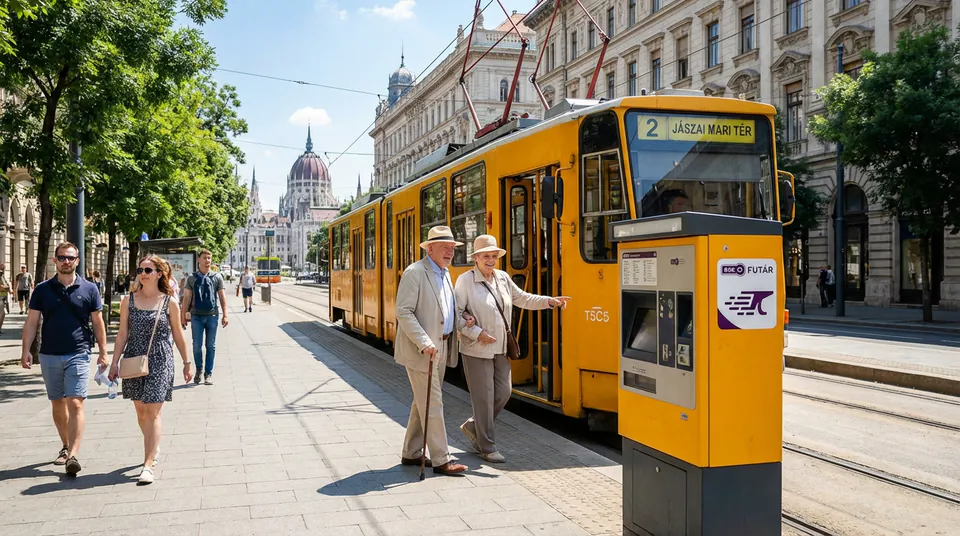
Here’s the best-kept secret in Central Europe: Budapest wants you to move for free. As of 2024, the rules changed. If you’re 65 or older, you don’t pay a forint for the BKK network. It doesn't matter if you're from Boston or Berlin; nationality is irrelevant. Trams, metros, trolleybuses, and even the 100E Airport Express are all yours. Don't bother with ticket machines or senior passes. Just keep your passport or a valid photo ID handy for the inspectors. But watch your step on the lines. The M1 Millennium Underground is a nostalgic trip, but it's all stairs. Stick to the M4 green line for total accessibility and modern elevators. On the street, look for Trams 4 and 6. These low-floor Combino models are level with the platform, making boarding easy. Avoid the older, yellow Tatra trams unless you're prepared for a steep climb up the metal steps.
Choosing Your Base: Flat Pest vs. Hilly Buda
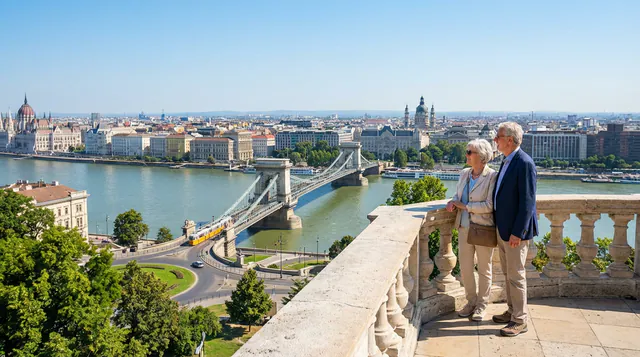
The Danube is a physical divide that dictates how much you’ll sweat. For most seniors, Pest is the smart play. Stay in District V (Belváros) or the riverside pocket of District XIII (Újlipótváros). It’s flat land. You can wander from Parliament to the Great Market Hall without hitting an incline. Plus, you’re near Tram 2, which offers a rolling tour of the riverfront for the price of a seat. If you need top-tier accessibility, the Kempinski and InterContinental are solid bets. Buda is different. It’s quiet, green, and vertical. The Castle District is stunning, but the stones are slick and uneven when it rains. If you must stay near Matthias Church, book the Hilton Budapest, it has the elevators you'll need. When you’re on the Buda side, use the blue “Castle Buses” (routes 16, 16A, and 116). These minibuses are low-floor and do the climbing for you.
The Spa Situation: Where to Soak Now
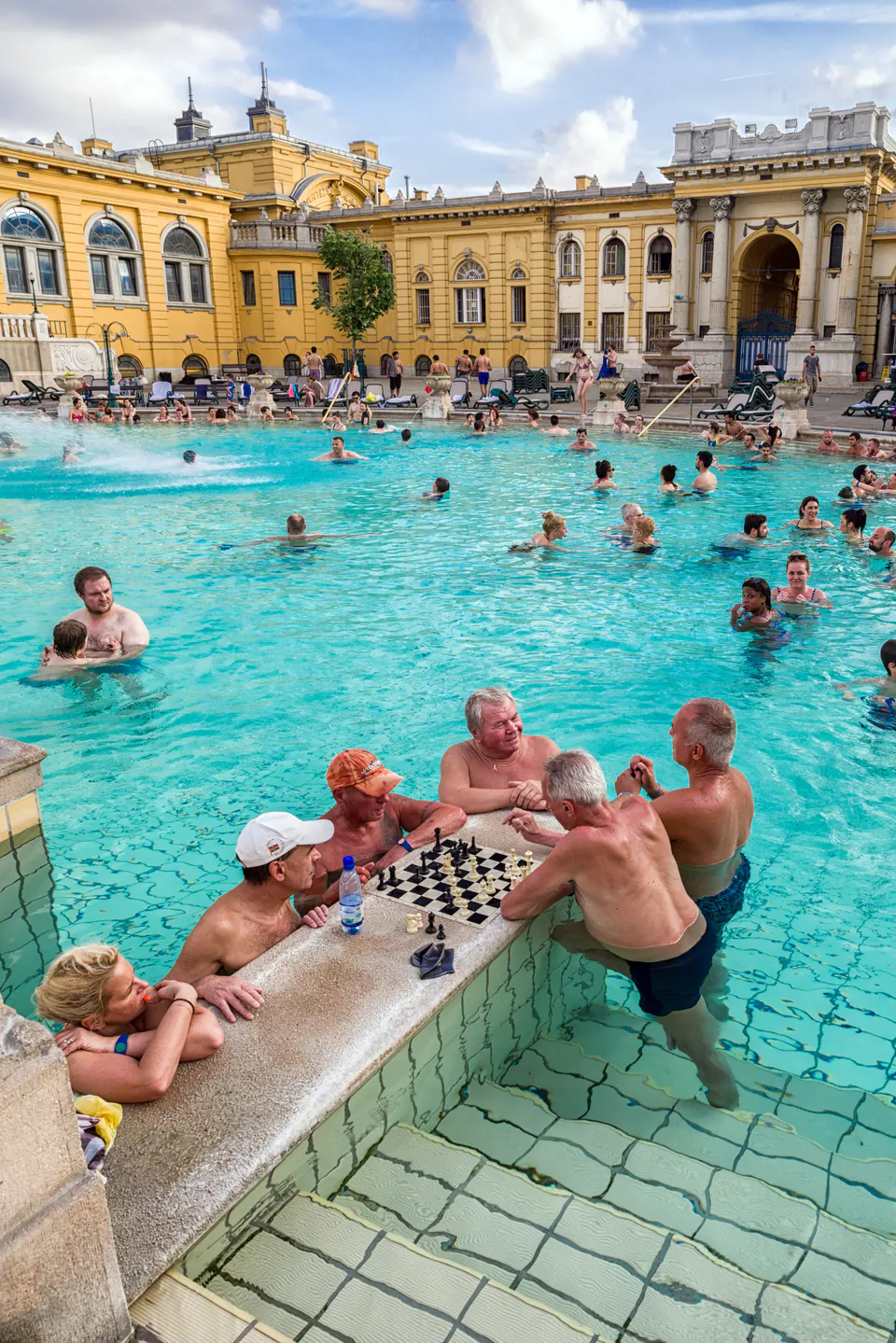
For years, the Gellért was the senior gold standard. But it’s shut for renovations until at least 2028, so change your plans. Széchenyi is the famous one, but it’s often a zoo. If you go, call that morning to see if the lifts are actually working. Better yet, skip the crowds and head to Paskál Thermal Bath in District XIV. It’s modern, fully accessible, and blissfully quiet. You won't find stag parties here. Instead, you'll find geothermal pools and a swim-up bar shared with local grandmothers. Pesterzsébeti Bath is another winner. It was recently redone with high accessibility standards and features a rare iodine-salt water section. These are the spots where you’ll see the real Budapest: people soaking, chatting, and taking their health seriously.
Dining Like a Local: Sunday Lunches and Coffee Houses
Hungarian food is heavy, honest, and built for a long lunch. For a meal that feels like an event, get a table at Rosenstein Vendégló near Keleti station. It’s a family affair where Tibor Rosenstein or his son will likely say hello. The matzo ball soup is a religious experience and the veal stew is tender enough to eat with a spoon. It’s tucked away from the noise, so you can actually hear your companions. When you need a caffeine hit, skip the massive line at New York Café. Go to Central Grand Café on Károlyi utca instead. You get the high ceilings, live piano, and velvet booths without the tourist circus. It’s the perfect place to linger over Eszterházy cake for two hours. For a cheap, high-quality meal, look for “napi menü” (daily menu) signs. Gettó Gulyás in the Jewish Quarter does a stellar two-course lunch that won't break the bank.
Mastering the Sights: The 'Low-Impact' Itinerary
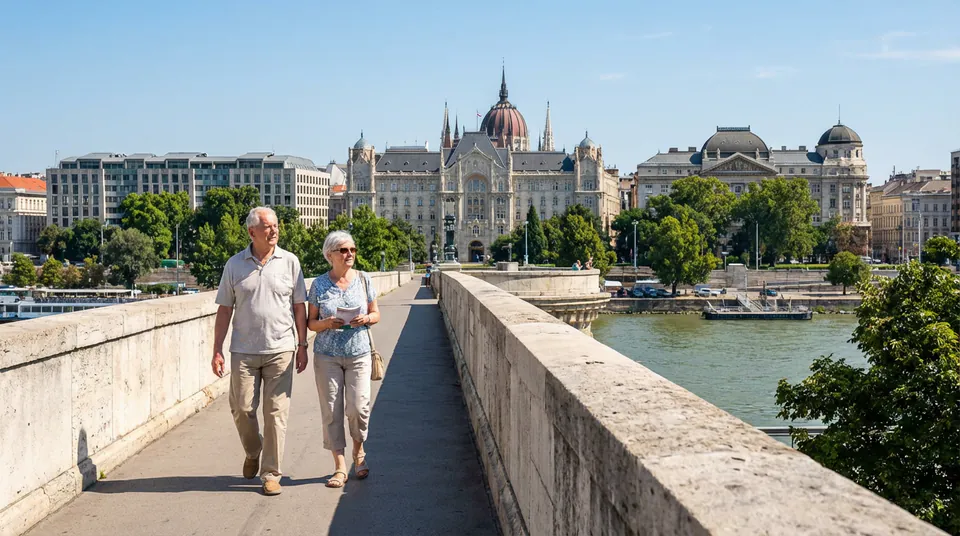
Don't kill your legs hiking up Gellért Hill. Catch Tram 2 along the Pest bank. It’s one of the best rail journeys on earth, gliding past the Parliament and the Chain Bridge while you sit comfortably. If you want to see inside Parliament, book your tour weeks out. The building is accessible with ramps, but security is slow. Give yourself 20 minutes to get through. At the Castle, skip the walk. Take the Sikló funicular from Clark Ádám Square. It's a few extra forints, but the view is worth it and your knees will thank you. Or just hop on Bus 16 from Deák Ferenc tér; it drops you right in the heart of the old town. Once you're up there, the ground is flat. Use the elevators in the Hungarian National Gallery to see the art. To get back down, use the lifts at Várkert Bazár. It’s a graceful way to reach the river without a single step.
Practical Tips
- 1Free Transit 65+: If you're 65 or older, buses, trams, and the metro are free. Just carry your passport or ID. Inspectors are strict, so don't leave it in the hotel safe.
- 2Airport Transfer: The 100E Airport Express won't cost you a penny if you're over 65. Walk past the ticket machines and show your ID to the driver.
- 324/7 Pharmacy: Need a prescription filled at 2 AM? Teréz Patika at Teréz körút 41 is open all night and sits right near the Oktogon.
- 4Taxi Apps: Don't flag cars on the street. Use the Bolt or Főtaxi apps to avoid the “tourist tax.” Főtaxi is the only reliable choice at the airport stand.
- 5Museum Logic: Transport is free for all seniors, but museum discounts (usually 50% off) are often for EU/EEA citizens only. Always ask, but be ready to pay the full rate.
- 6Gellért Closure: The Gellért Baths are closed until 2028. If a street tout tries to sell you a ticket, walk away.
- 7Market Hall Elevators: The Great Market Hall has brutal stairs. Look for the glass elevators on the sides to reach the souvenir stalls or the basement supermarket.
Top Attractions
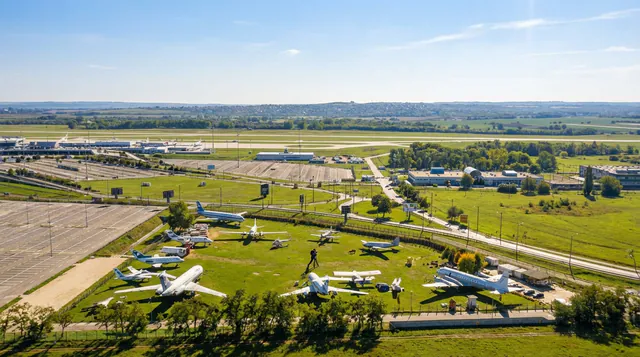
Aeropark Budapest
Parked right by Terminal 2B at Ferenc Liszt International Airport, Aeropark Budapest is a hands-on graveyard of Soviet aviation that’s actually alive. Forget ve
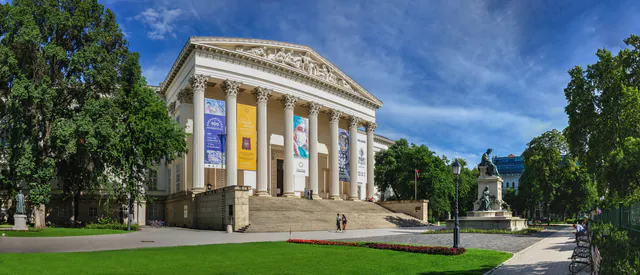
Hungarian National Museum
You can't miss the Hungarian National Museum. It sits on Múzeum körút in the 8th district, looking exactly like a Greek temple dropped into the center of Budape
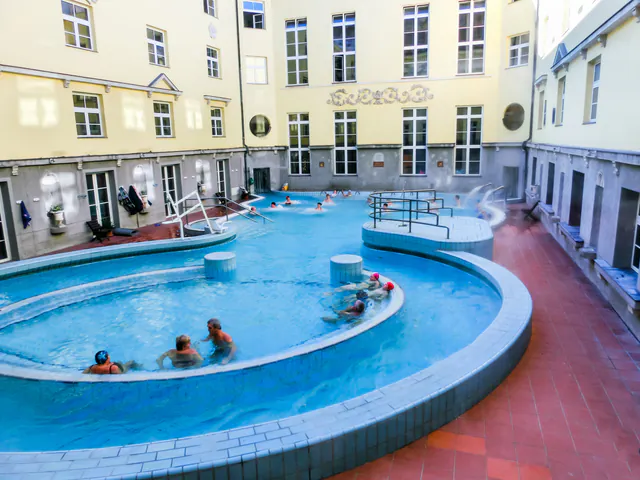
Lukács Thermal Bath and Swimming Pool
Don't come here for the gold leaf of the Gellért or the postcard crowds of Széchenyi. You come to Lukács (Szent Lukács Gyógyfürdő) for the real thing. Tucked in
Frequently Asked Questions
Is public transport really free for non-EU seniors in Budapest?
Is Budapest safe for older travelers?
Are the thermal baths wheelchair accessible?
Can I drink the tap water in Budapest?
Do people speak English in Budapest?
When is the best time to visit for seniors?
Related Guides
- Budapest Without Barriers: An Accessible Guide to the Pearl of the Danube
- The Budapest Card: The Ultimate Local's Guide to Value & Validity
- Budapest on a Budget: How to Experience the Pearl of the Danube Without Breaking the Bank
- Emergency Contacts & Services in Budapest: A Local's Safety Net
- Navigating the Red Tape: A Local’s Guide to Entering Hungary
- Navigating Healthcare & Pharmacies in Budapest: A Local’s Field Guide
- Staying Connected in Budapest: The Ultimate Internet & SIM Card Guide
- Speaking Magyar: A Traveler’s Survival Guide to the Language of Budapest
Trip Budget Calculator
Get a realistic cost estimate for your {city} trip in seconds.
Try itTags
Places in Budapest
Related attractions, hotels, and more.