Navigating Healthcare & Pharmacies in Budapest: A Local’s Field Guide
Getting sick on the road is a nightmare, but Budapest puts you in capable hands. Hungary has a long history of medical grit, Semmelweis, the man who figured out antiseptics, was a local. But the system is a split reality. You have the public side, which is free for EU citizens but looks like a Cold War relic, and a private sector that feels like a boutique hotel. Whether you need an open pharmacy budapest for a midnight migraine or need to navigate the new 1830 hotline, you need to know the protocol. This guide cuts through the bureaucracy to keep you moving.
Photos
The Tale of Two Systems: Public vs. Private
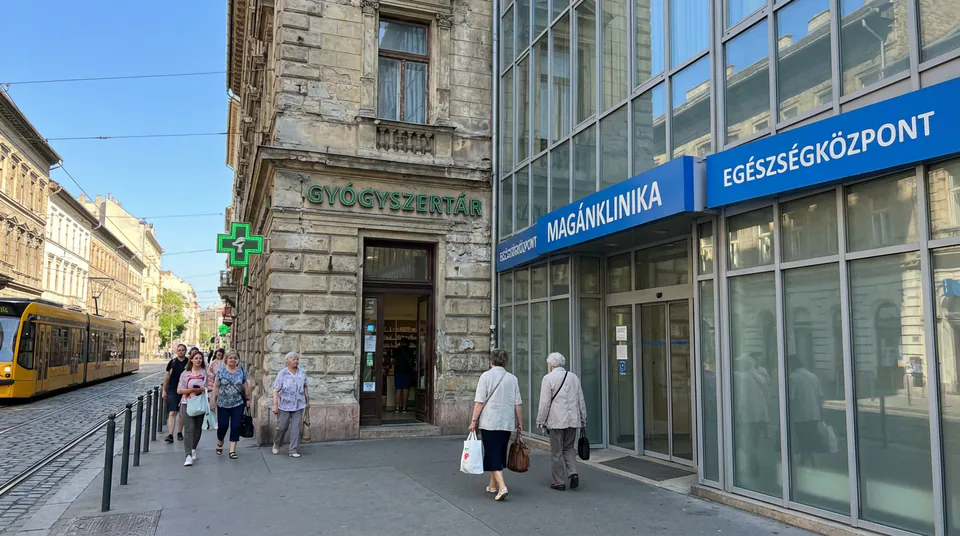
Healthcare here is a study in contrasts. On one side, the state-run hospitals. If you have a European Health Insurance Card (EHIC), emergency care is free or dirt cheap. But manage your expectations. While the doctors are elite, the buildings are tired. Peeling paint and chaotic waiting rooms are the norm. Finding English-speaking nurses is a coin toss. The Honvédkórház in District XIII is the big trauma center; they'll save your life, but don't expect a mint on your pillow. Then there is the private sector. Clinics like FirstMed, Swiss Clinic, and Medicover thrive on expats. You pay for speed and English fluency. A consultation costs 30,000 to 50,000 HUF (about €75–€125). It is efficient, modern, and worth every forint for short-term visitors.
Calling for Help: The 112 and 1830 Dilemma
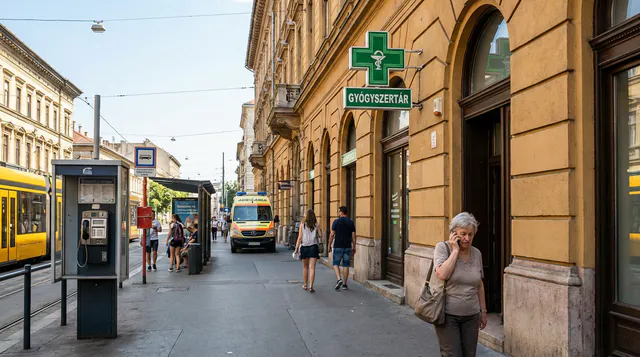
In late 2024, Budapest revamped its emergency response. You must know which number to punch. For life-threatening stuff, heart attacks or major accidents, stick to 112. Operators usually speak English and dispatch the Mentő (ambulance) fast. But for urgent issues that aren't fatal, like a high fever or stitches, dial 1830. This is the new on-call service designed to keep the ER from clogging up. They might send a mobile unit to your door or point you to a night clinic. Be warned: English proficiency on the 1830 line is less certain than 112. If the situation feels truly critical, don't overthink it. Just call 112.
Deciphering the Pharmacy (Gyógyszertár)
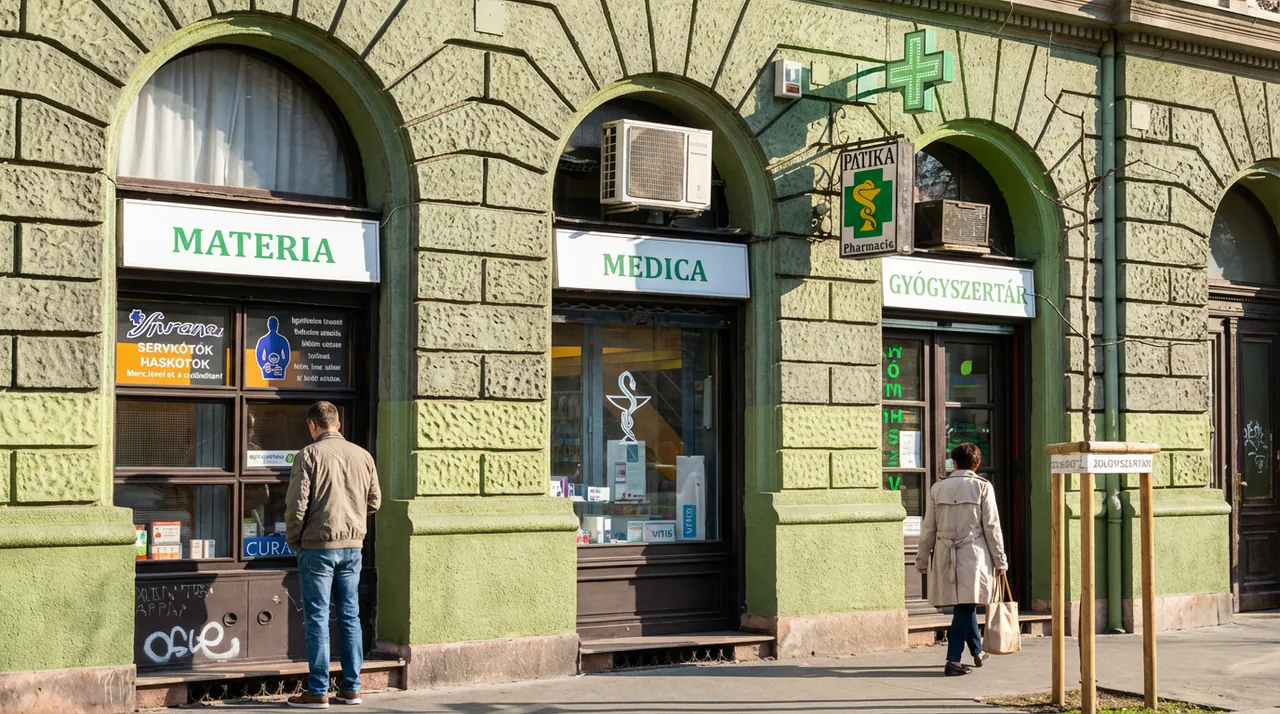
Look for the neon green cross and the word Gyógyszertár or Patika. Don't expect to browse the aisles. Almost everything, even basic aspirin, stays behind the glass. You have to talk to the pharmacist. Luckily, they are highly trained and often speak decent English in the V, VI, and VII districts. Looking for an English speaking pharmacy budapest? Most downtown spots fit the bill. Rules are tight. You won't talk your way into antibiotics without a local prescription. But you can grab Algopyrin (Metamizole) over the counter. It is a local staple for pain that works wonders. If you have a script from home, bring the paper copy; digital EU ones work, but paper is still king here.
Night Pharmacies: The Window Service
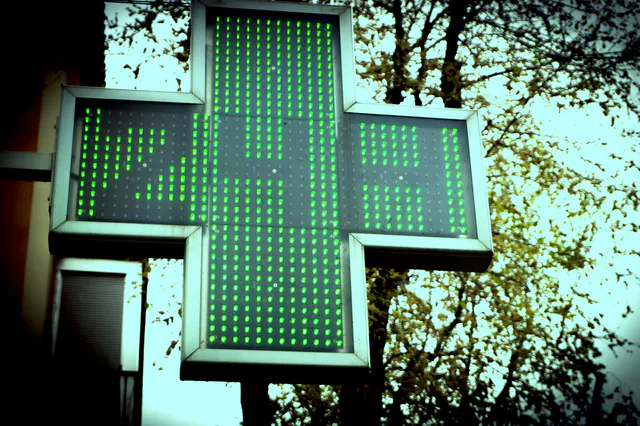
Most shops shut by 8:00 PM and stay closed on Sundays. If you need a 24 hour pharmacy budapest at 2:00 AM, head to Teréz Patika at Teréz körút 41. It’s right near Oktogon and never closes. The experience is specific. You don't walk in. You find the small service window on the side and ring the bell. A pharmacist will eventually appear at the hatch. Expect a small surcharge of 300-500 HUF for the late-night service. It is a tiny price for relief. They usually take cards, but keep a 2,000 HUF note handy just in case the tech fails. And if you're curious about history, skip the modern counter and visit the Golden Eagle Pharmacy Museum Budapest later.
Water, Teeth, and Ticks: Specific Local Risks
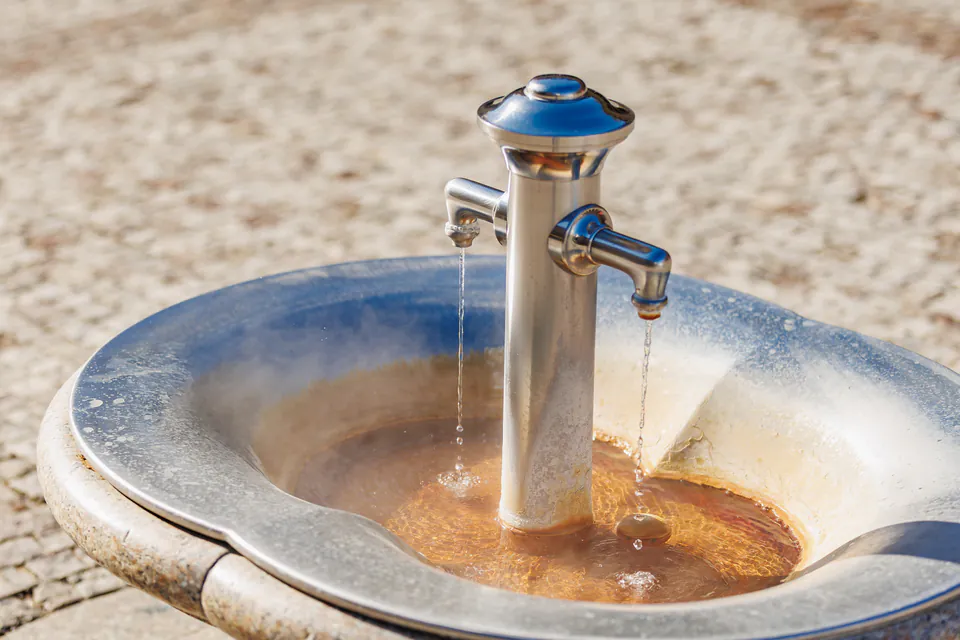
Stop buying bottled water. Budapest tap water is cold, mineral-rich, and perfectly safe. If you must buy bottles, learn the code. Pink caps mean still water. Blue caps mean sparkling. Get it wrong and you'll be disappointed at the first sip. If you chip a tooth, you're in luck. Hungary is a dental tourism powerhouse. Spots like Kreativ Dental or Helvetic Clinics offer top-tier work for a fraction of London prices. One warning: if you hike the Buda Hills or Normafa, watch for ticks (kullancs). They carry Lyme disease here. Wear long socks. If you get bit, duck into a downtown pharmacy budapest for a 'kullancskiszedő', a specialized removal tool.
Practical Tips
- 1Dial 1830 for urgent medical issues on weekends or after 4 PM. It’s the new shortcut to an on-duty doctor.
- 2Go to Teréz Patika at District VI, Teréz körút 41 for a reliable 24/7 budapest pharmacy. Ring the night bell.
- 3Forget about buying antibiotics over the counter. It won't happen. You need a doctor’s prescription.
- 4Budget 30,000–50,000 HUF for private clinics like FirstMed. It’s expensive but saves hours of waiting.
- 5Memorize the caps: Pink is still, Blue is sparkling. Tap water is better and free.
- 6Check for ticks after visiting Normafa. Grab a removal tool at any BENU pharmacy budapest if you find one.
- 7Always ask for a 'Számla' (official invoice). Your insurance company will ignore your claim without it.
- 8Don't hail a random taxi for the ER. Use the Bolt app or have your hotel call Főtaxi to ensure you aren't overcharged.
Tours & Experiences
Book popular tours in Budapest
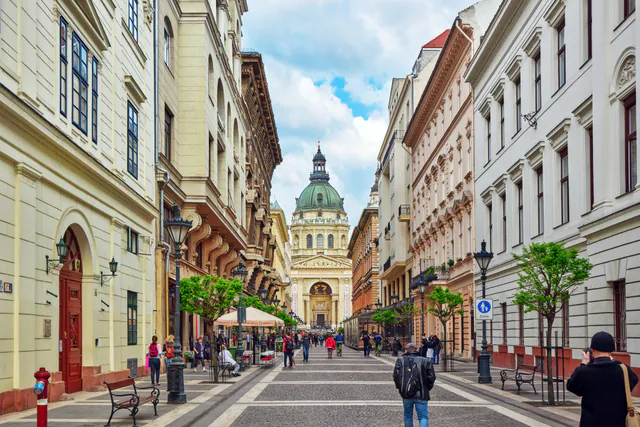
Budapest City Landmarks Walking Tour in 2 Hours
Nail the basics of Pest on this sharp, two-hour sweep through District V. It is the best walking tour of Budapest for travelers who hate wasting time. You will

IKONO Budapest: Interactive Immersive Art Experience
Ditch the crowded cobblestones of Váci utca for something weirder. IKONO Budapest isn't your typical hushed gallery where you stare at a canvas from three feet

MonsteRoller E-Scooter Rental in Budapest
Ditch the hiking boots and skip the packed tour buses. A MonsteRoller e-scooter rental is the sharpest way to take the Hungarian capital. These aren't flimsy pl
Frequently Asked Questions
Can I buy antibiotics over the counter in Budapest?
Is healthcare free in Budapest for tourists?
Do doctors in Budapest speak English?
Is tap water safe to drink in Budapest?
What is the emergency ambulance number?
Where can I find a doctor on the weekend?
Related Guides
- Budapest Without Barriers: An Accessible Guide to the Pearl of the Danube
- The Budapest Card: The Ultimate Local's Guide to Value & Validity
- Budapest on a Budget: How to Experience the Pearl of the Danube Without Breaking the Bank
- Emergency Contacts & Services in Budapest: A Local's Safety Net
- Navigating the Red Tape: A Local’s Guide to Entering Hungary
- Staying Connected in Budapest: The Ultimate Internet & SIM Card Guide
- Speaking Magyar: A Traveler’s Survival Guide to the Language of Budapest
- Drop the Weight: The Ultimate Guide to Luggage Storage in Budapest
Trip Budget Calculator
Get a realistic cost estimate for your {city} trip in seconds.
Try itTags
Places in Budapest
Related attractions, hotels, and more.