
Speaking Magyar: A Traveler’s Survival Guide to the Language of Budapest
Land in Budapest and you'll quickly realize you aren't in Kansas anymore, or any recognizable Slavic or Germanic neighbor. Hungarian (Magyar) is a linguistic island, a Finno-Ugric anomaly that sounds more like a rhythmic, vowel-heavy secret code than a European tongue. It is notoriously complex. But don't let the daunting grammar scare you off. While the city is cosmopolitan and English is common in the inner districts, Hungarians are fiercely proud of their unique speech. Learning a few Hungarian phrases for tourists isn't just a polite gesture; it is the fastest way to turn a transactional encounter into a genuine connection. You don't need fluency. You just need enough street-smart lingo to order your pörkölt, navigate the metro, and avoid the social landmines of local etiquette.
The Hungarian Enigma: What to Expect
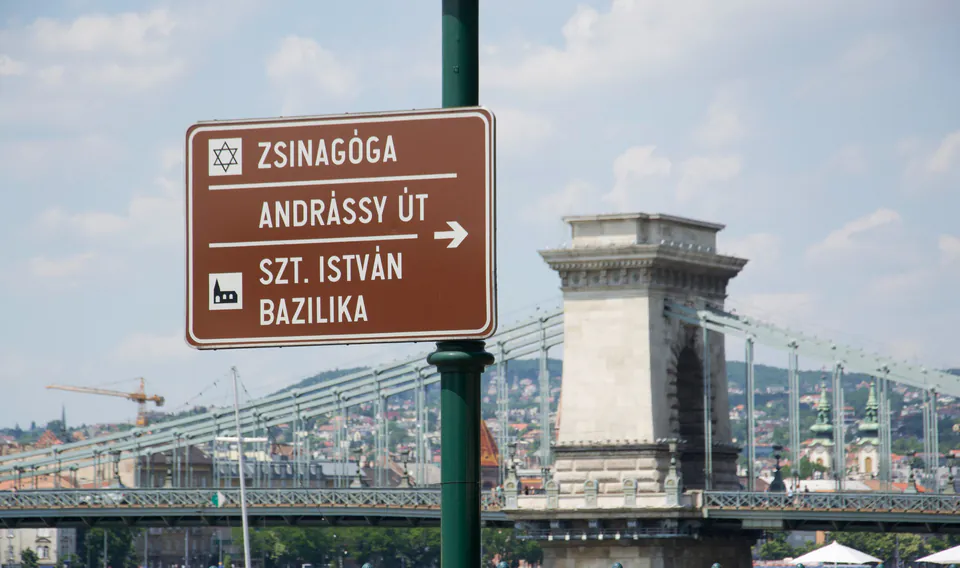
Linguists call Hungarian a superpower; travelers usually call it a headache. Unlike its neighbors, Magyar didn't grow from Latin or Germanic roots. It arrived from the Ural Mountains over a millennium ago with a logic all its own. It is agglutinative. That means instead of separate prepositions, they glue suffixes onto the ends of words like LEGO bricks. This creates those mile-long words you'll see on street signs. But here is the secret: it's phonetic. Once you grasp that 'sz' sounds like 's' and 's' sounds like 'sh,' you can pronounce almost anything. Always stress the first syllable. Hard. It gives the language a percussive, melodic beat. In District V or the Jewish Quarter, you'll get by fine with English. But head to Lehel Csarnok market or a suburban kifőzde and your English safety net vanishes instantly. That’s where the real Budapest begins.
The Magic Words: Greetings & Politeness
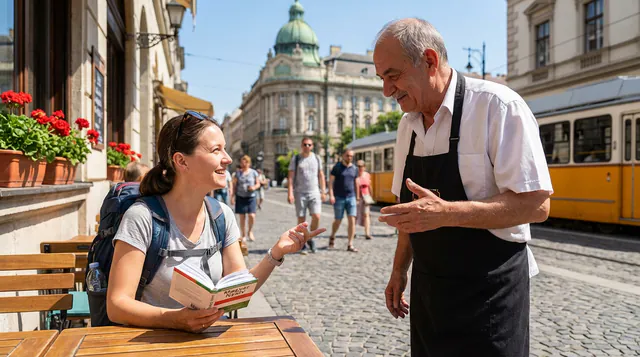
Master two words: Szia and Köszönöm. Szia (pronounced 'see-ya') is your multi-tool. It means hello and goodbye. Use it in bars, cafes, or with anyone your age. If you're addressing a group, say Sziasztok. It sounds exactly like the English 'see ya,' making it the easiest win you'll get. But don't get too casual with the elderly. When you duck into a small pharmacy or a boutique, use Jó napot (good day). It's the proper way to show respect. When leaving, the formal Viszontlátásra is a mouthful, so just snap off a quick Viszlát instead. Then there is Köszönöm (kuh-sur-nurm) for thank you. Want to be extra? Add szépen to the end. You'll hear Szívesen (you're welcome) or Nincs mit (it's nothing) in return. It’s direct, efficient, and avoids the flowery fluff of other languages.
Dining Decoder: Cheers, Beers, and Tipping
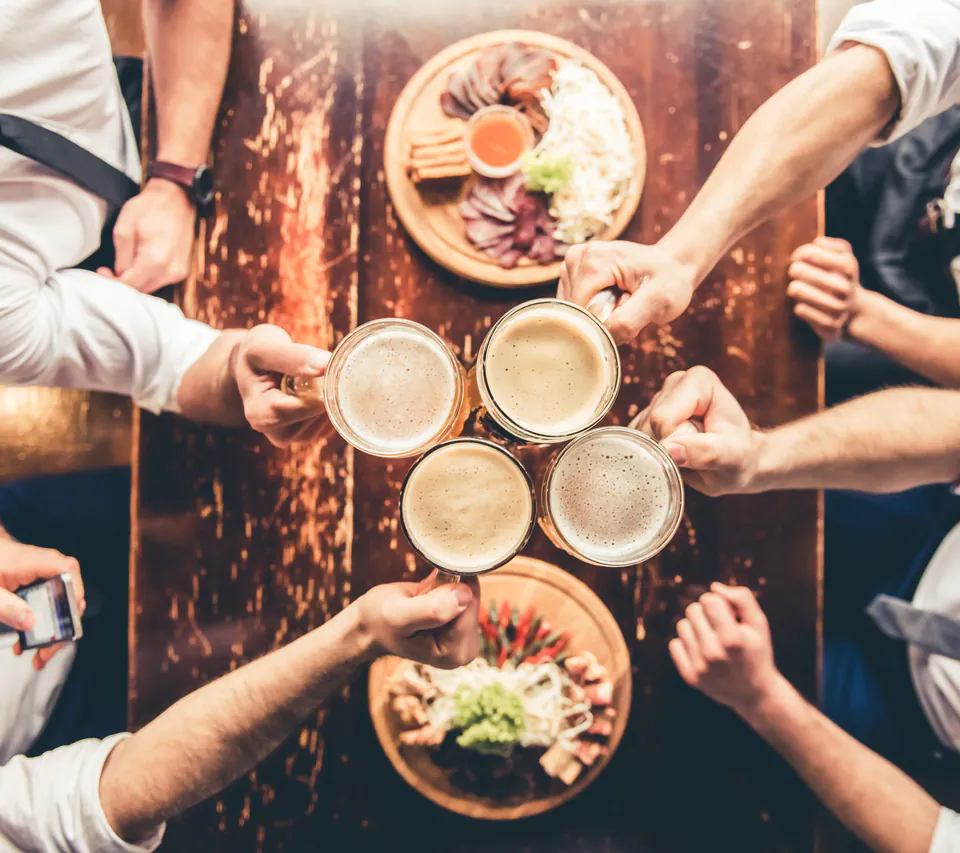
Eating here involves a few historical quirks. First rule: don't clink your beer glasses. Legend says Austrian generals clinked mugs while executing Hungarian martyrs in 1849, and the grudge remains. A silent nod is the move. Wine and pálinka? Clink away. Just say Egészségedre (egg-ace-shay-ged-re). It means 'to your health' and is worth every forint of effort. For food, know that Gulyás is a soup, not a thick stew. If you want the hearty meat dish, order Pörkölt. When ordering water, pink caps (Mentes) are still and blue caps (Szénsavas) are sparkling. Tipping is the real trap. In most spots, if you hand over cash and say Köszönöm, you're telling the waiter to keep the change. If you want your change back, stay silent until the money is in your hand. Or just tell them the total you want to pay, tip included, before they process the transaction.
Getting Around: The Language of Transit
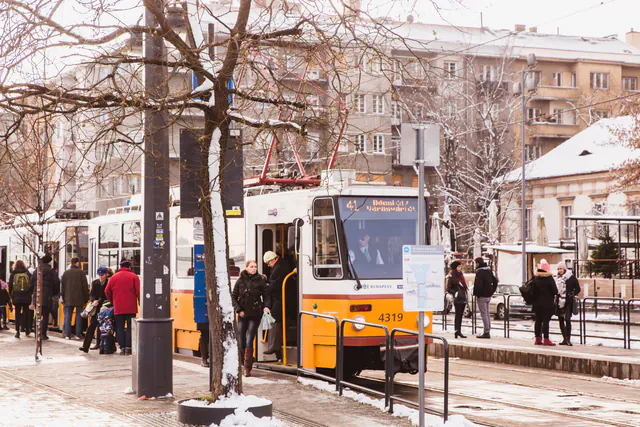
Budapest transport is brilliant, but the announcements are a blur of vowels. On the 4 or 6 tram, listen for 'A következő megálló.' That’s your cue that the next stop is coming up. If the voice says 'Végállomás,' get off, you’ve hit the end of the line. The word that saves you from a 12,000 HUF fine is Érvényesítés (validation). Punch your paper ticket in the orange boxes or scan the QR code via the BudapestGO app the second you board. Inspectors don't care if you're a confused visitor. If you get lost, ask 'Hol van...?' (Where is...?). Finding the metro or a restroom is easy enough. Street names like Bajcsy-Zsilinszky út are tongue-twisters, so just point to your phone and ask 'Hol van ez?' (Where is this?). And watch for 'Tilos' on signs. It means forbidden. Ignore it and you'll likely get a sharp lecture from a local grandmother.
Slang & The 'False Friend' Trap
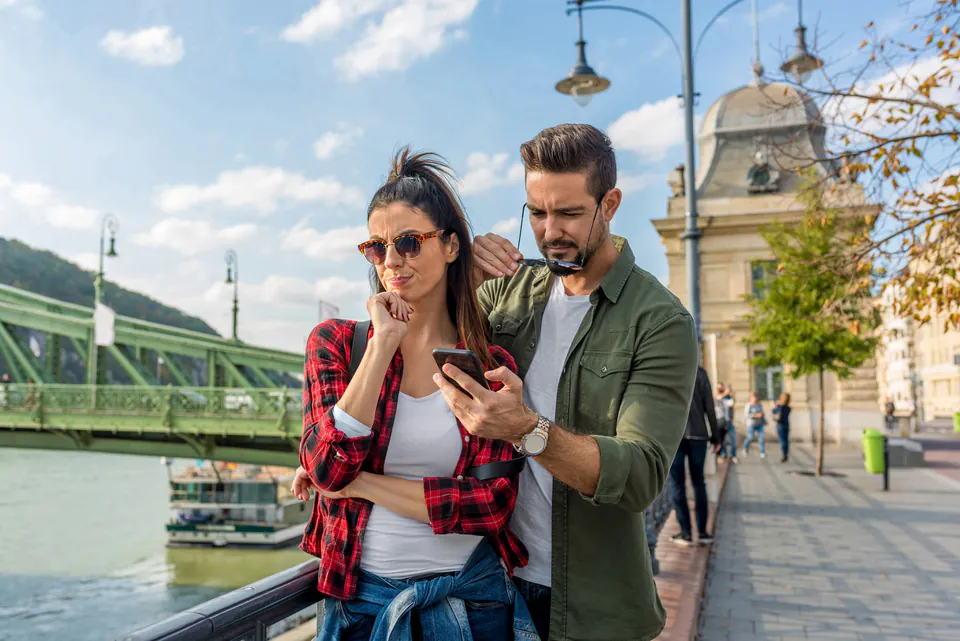
Hungarian has some 'false friends' that might make you jump. The casual word for a peck on the cheek is Puszi. It sounds exactly like a common English slur, but it’s totally innocent. You'll hear grandmas shouting it to kids or friends saying it as they hang up the phone. Don't panic; it's just a kiss. To sound like a local, use Tök jó (tuhk yoh) when something is great. It literally translates to 'pumpkin good,' but it’s the local way of saying 'awesome.' Need to agree? Say Persze (of course) or Rendben (okay). If you bump into someone on a crowded Wesselényi utca sidewalk, a quick Bocsi (botch-y) is the casual 'sorry' you need. It’s short, punchy, and makes you sound less like a tourist and more like a savvy temporary resident.
Practical Tips
- 1The 'Thank You' Trap: Only say 'Köszönöm' when paying if you want the waiter to keep the change. If you need change back, stay silent until the transaction is finished.
- 2Greeting Etiquette: Always say 'Jó napot!' when entering small shops or elevators. Ignoring people is considered rude here. Say 'Viszlát' when you leave.
- 3Surname First: Hungarians put family names before given names. On a street like 'Kossuth Lajos utca,' Lajos is the first name. Keep this in mind for restaurant bookings.
- 4Beer Clinking: Skip the clink with beer mugs. It’s a 170-year-old protest against the Habsburgs. Stick to a simple glass raise and eye contact.
- 5Digital Tickets: Download the 'BudapestGO' app. It handles English perfectly and lets you skip the confusing paper ticket machines entirely.
- 6District Logic: Addresses use Roman numerals for districts. District V is the center; District VII is for nightlife. Learn your Roman numerals to stay oriented.
- 7Bag Fees: Cashiers will ask 'Táskát kér?' (Want a bag?). They aren't free. Say 'Nem' if you have your own, or expect a small charge on your bill.
Tours & Experiences
Book popular tours in Budapest
Top Attractions
Aeropark Budapest
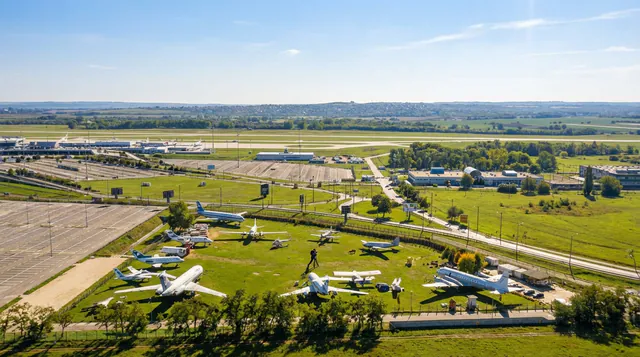
Parked right by Terminal 2B at Ferenc Liszt International Airport, Aeropark Budapest is a hands-on graveyard of Soviet aviation that’s actually alive. Forget ve
Bingo Bar Crawl
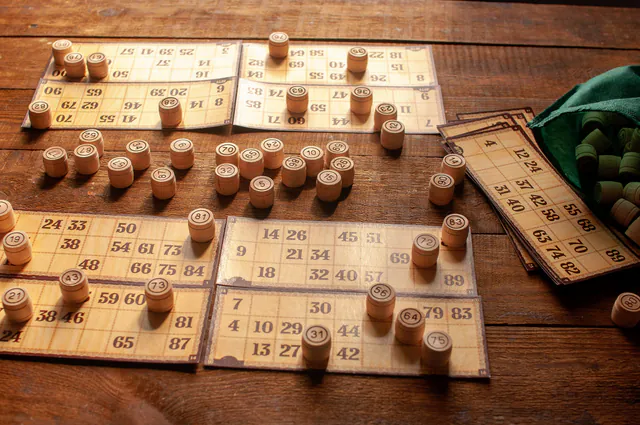
Budapest's nightlife is legendary, but the Bingo Bar Crawl turns a standard night out into a competitive sport. Forget passive pub tours where you follow a flag

Budapest Boat Party
The Budapest Boat Party is a loud, unapologetic collision of two worlds. On one side, you have the quiet, UNESCO-protected grandeur of the Danube. On the other,
Frequently Asked Questions
Do people speak English in Budapest?
How do you say cheers in Hungarian?
Is Hungarian the hardest language to learn?
What is the best app for translation in Budapest?
Why do Hungarians say 'Szia' for both hello and goodbye?
What is the currency in Budapest?
Related Guides
- Budapest Without Barriers: An Accessible Guide to the Pearl of the Danube
- The Budapest Card: The Ultimate Local's Guide to Value & Validity
- Budapest on a Budget: How to Experience the Pearl of the Danube Without Breaking the Bank
- Emergency Contacts & Services in Budapest: A Local's Safety Net
- Navigating the Red Tape: A Local’s Guide to Entering Hungary
- Navigating Healthcare & Pharmacies in Budapest: A Local’s Field Guide
- Staying Connected in Budapest: The Ultimate Internet & SIM Card Guide
- Drop the Weight: The Ultimate Guide to Luggage Storage in Budapest
Trip Budget Calculator
Get a realistic cost estimate for your {city} trip in seconds.
Try itTags
Places in Budapest
Related attractions, hotels, and more.