Hungarian National Museum
Museum
About the Experience
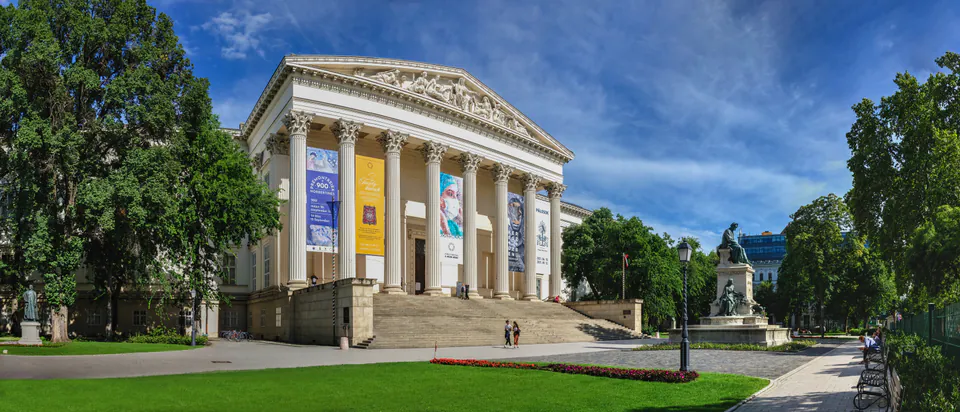
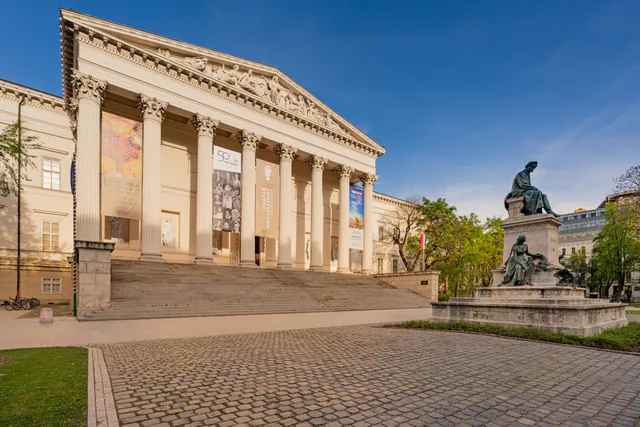
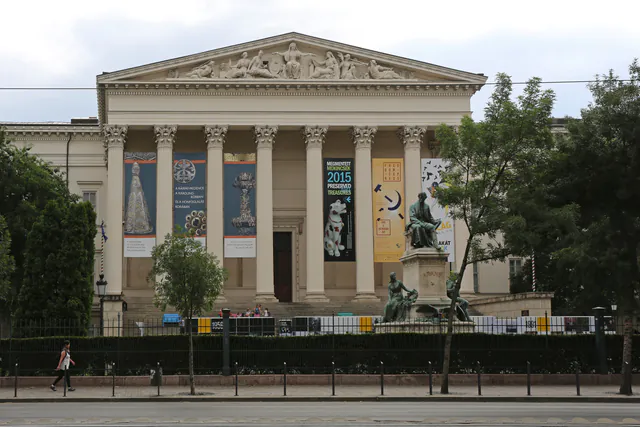
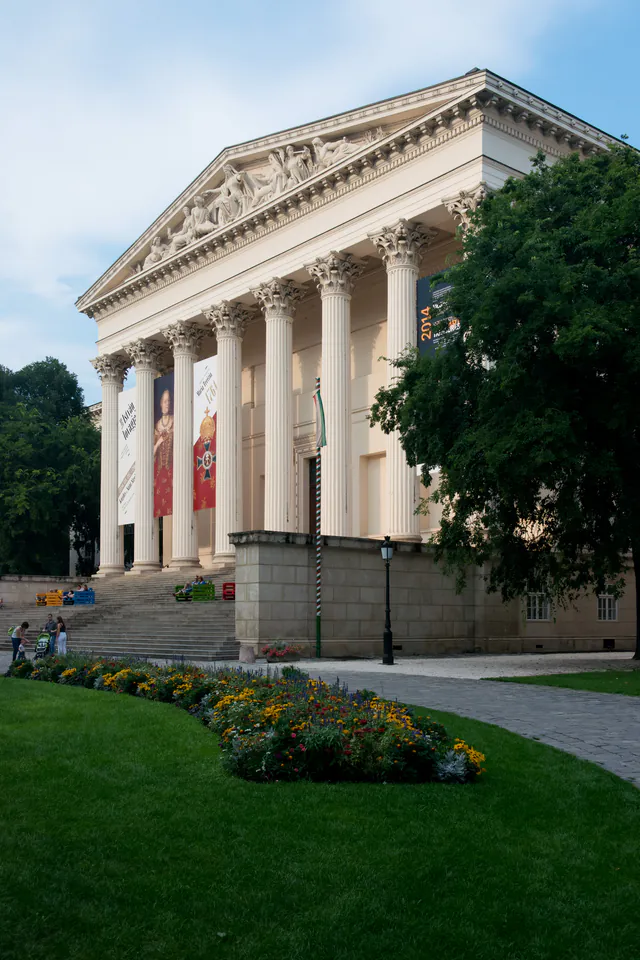
You can't miss the Hungarian National Museum. It sits on Múzeum körút in the 8th district, looking exactly like a Greek temple dropped into the center of Budapest. This Neoclassical giant, designed by Mihály Pollack in 1802, is the country's oldest public museum and a heavy-hitter for national pride. Its massive front porch and triangle-topped columns overlook a garden that serves as a rare, quiet pocket of green in a loud city. Inside, you'll walk through the entire history of the Carpathian Basin. It starts with prehistory and ends with the fall of Communism in 1990. Don't just rush to the galleries. Stop at the grand staircase to see the frescoes by Károly Lotz and Mór Than. They set a serious tone for the centuries of Roman armor, Ottoman weapons, and Habsburg finery waiting upstairs. The Seuso Treasure, a haul of late Roman silver, is the big draw here along with the 1,000-year-old Coronation Mantle. It’s a dense, unapologetic look at how Hungary became Hungary.
Photos
History & Significance
Count Ferenc Széchényi started the whole thing in 1802. He handed over his personal stash of books and coins to the nation, and the rest is history. The building you see today went up between 1837 and 1847. It didn't take long to become a political lightning rod. On March 15, 1848, the poet Sándor Petőfi stood on these very steps and recited his 'National Song,' kickstarting the revolution against the Habsburgs. The place has seen its share of trouble since. It took hits during World War II and the 1956 Uprising, but it always gets patched back up. The latest win? Getting the Seuso Treasure back on Hungarian soil in 2014 and 2017 after decades in the hands of private collectors and smugglers.
The Collections
The layout is a chronological march through time. You start in the 'On the East-West Frontier' section. It covers the Paleolithic era right up to the Magyar Conquest in 896 AD. Expect plenty of Roman artifacts and gold from the Avar period. From there, you'll weave through medieval swords, Turkish armor, and royal coins. The 19th and 20th-century sections are the real gut-punch. They house personal items from Hungarian revolutionaries and relics from the grim decades of the communist era. Look for the Broadwood piano. It was played by both Beethoven and Franz Liszt. It's a rare, beautiful survivor in a collection that doesn't shy away from the wars and uprisings that defined the modern Hungarian spirit.
Must-See Exhibits
Two things are mandatory here. First, find the Hungarian Coronation Mantle. It’s a heavy piece of Byzantine silk embroidery from 1031. King St. Stephen and Queen Gisela commissioned it, and it's the only original bit of coronation gear kept in this building (the crown is over at Parliament). The gold thread work is still sharp after ten centuries. Second, track down the Seuso Treasure. This is a 4th-century haul of fourteen massive silver vessels and a copper cauldron. The detail on the plates is incredible. Think mythological scenes and Roman high life. It has a wild backstory, too. It was smuggled out of the country and sold on the black market before Hungary finally bought it back and brought it home for good.
The Building
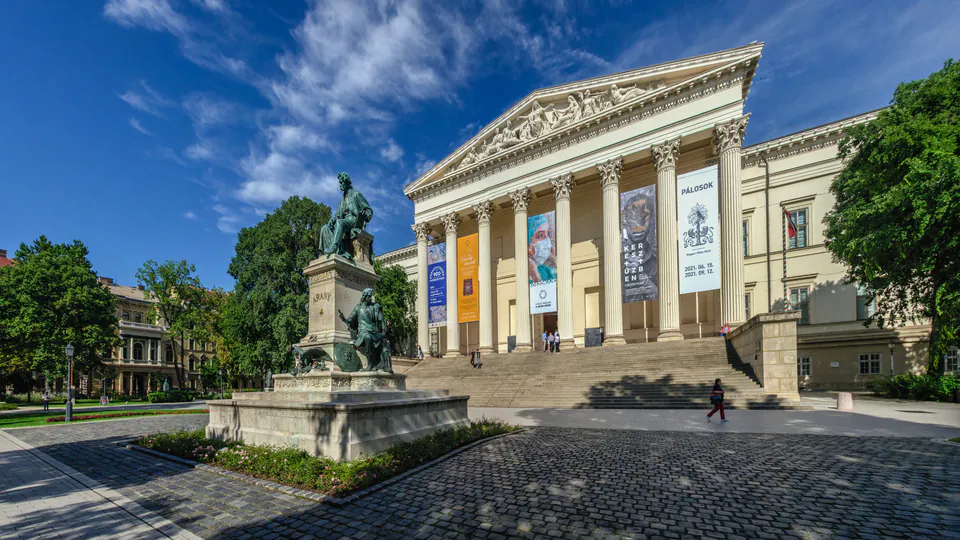
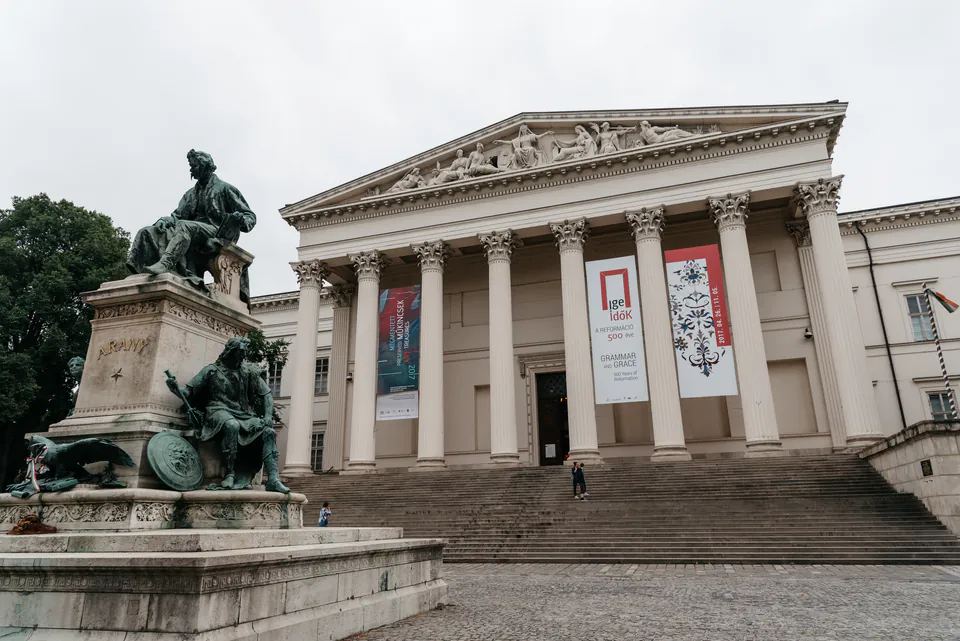
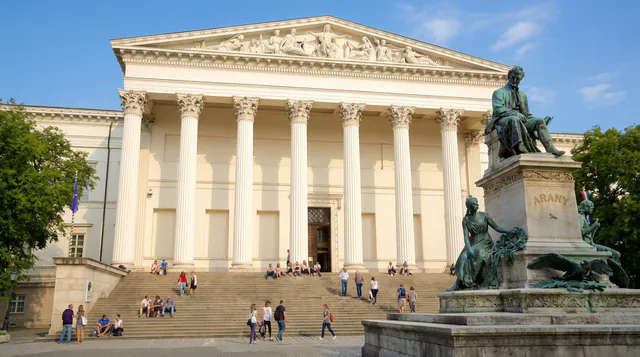
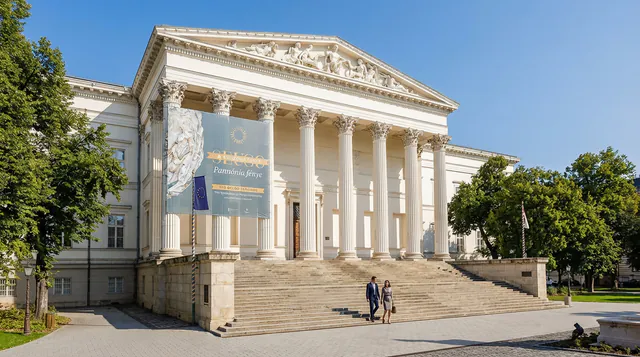
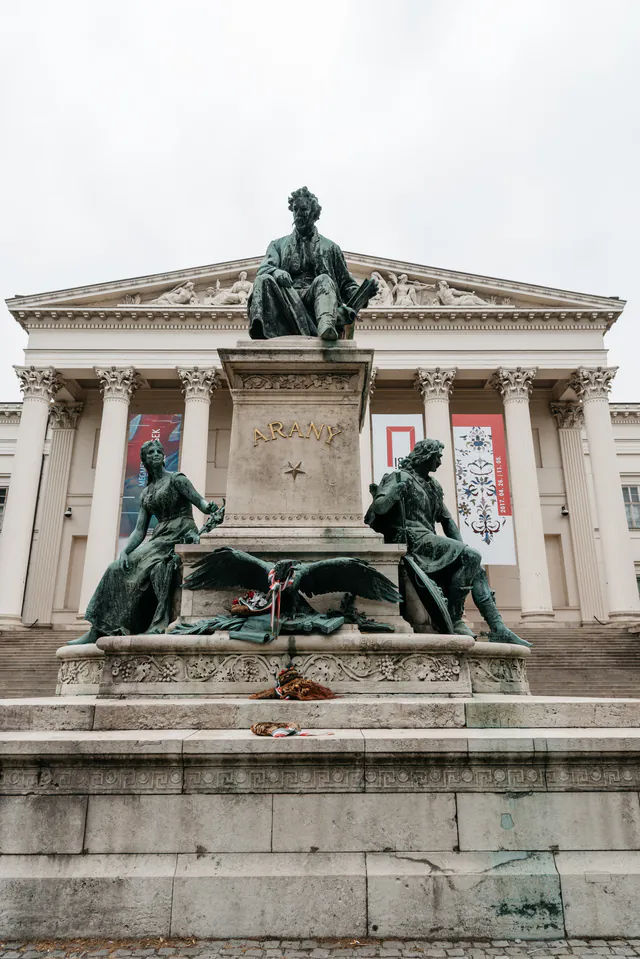
Mihály Pollack knew what he was doing when he finished this in 1847. It’s easily the best Neoclassical work in the country. The front is all about power. Eight Corinthian columns hold up a massive pediment where a figure of Pannonia sits between Science and Art. But the real show is the vestibule. The grand staircase is a 19th-century masterpiece. Károly Lotz and Mór Than painted the ceilings in 1875 with scenes from local legends. It's meant to impress you before you even see a single artifact. Outside, the garden acts as a buffer against the 8th district's noise. It’s dotted with statues of Hungarian thinkers and serves as the main stage for national holiday speeches. Worth every forint.
Tours & Experiences Nearby
Top-rated tours and experiences starting near Hungarian National Museum.
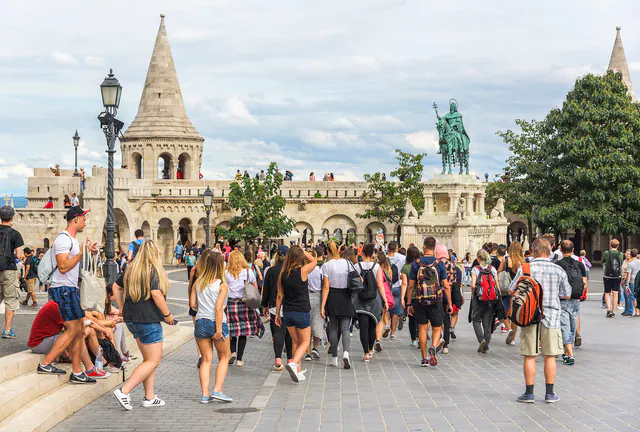 walking tour
 wine tasting
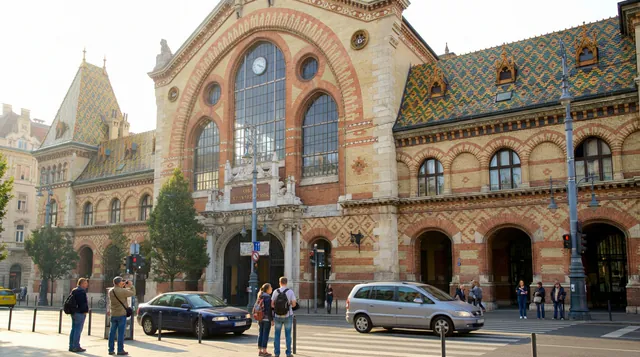 cooking class
 food tour
Essential Visitor Tips
The Múzeumkert garden is a local favorite. Grab a coffee, find a bench near the statues of Hungarian writers, and take five.
Walk up the main exterior steps. This is where the 1848 Revolution sparked. It's the most patriotic patch of pavement in the city.
Check the website before you go. The Coronation Mantle and Seuso Treasure halls are closed for renovations from December 2025 until Spring 2026.
Timing is everything. You can get into the permanent exhibits for zero forints on March 15, August 20, and October 23.
Best Time to Visit
"Get there on a Tuesday or Wednesday morning. You'll beat the school groups and have the Roman silver to yourself."
Nearby Hotels
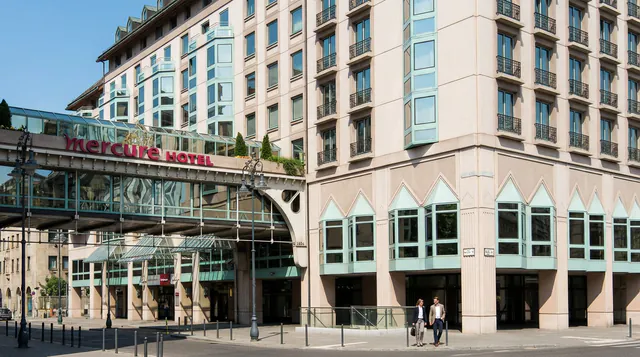
2 min walk (164m)
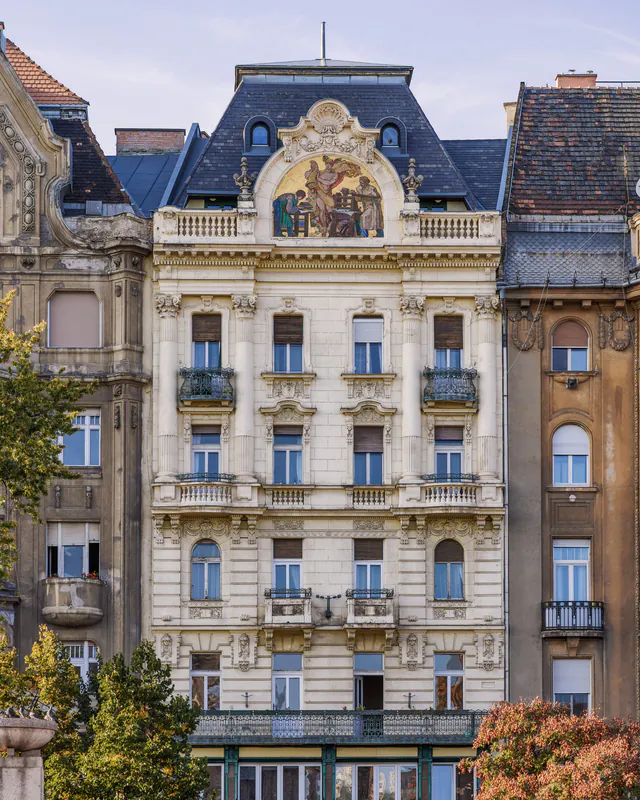
Iconic architectural bridge connecting two building wings over the street · Indoor swimming pool and sauna facilities, a rarity in the city center
Price From €110/night
3 min walk (256m)
11 individually artist-designed rooms — no two alike · Members' club atmosphere with honesty bar and art salon
Price From €130/night

3 min walk (278m)
Located directly on Ráday utca, Budapest’s famous dining and café street · Private inner garden terrace providing a quiet urban oasis
Price From €80/night
Nearby Restaurants
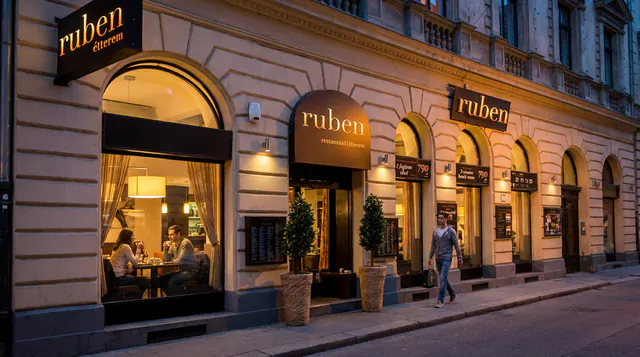
Ruben Restaurant
Hungarian Casual • Moderate
You'll find Ruben Restaurant tucked away on Magyar utca in District V, just a fe...
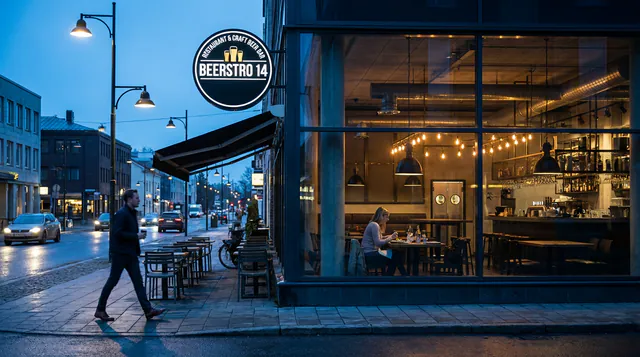
Beerstro 14
International Casual • Upscale
Just a short walk from the quiet Károlyi Garden in District 5, Beerstro 14 manag...
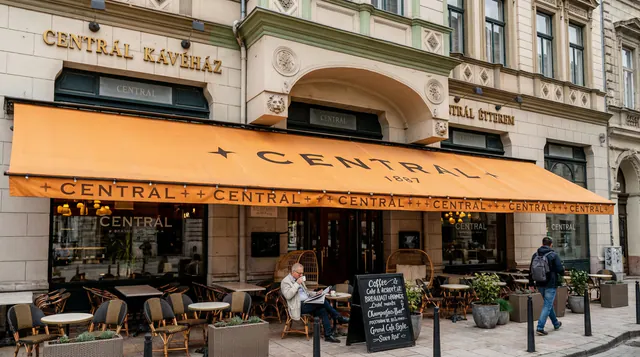
Central Cafe and Restaurant 1887
Hungarian Café • Moderate
Walking into Central Cafe and Restaurant 1887 feels like stepping onto a film se...
Frequently Asked Questions
How do I get to the Hungarian National Museum by public transport?
Are there good places to eat near the Hungarian National Museum?
Is photography allowed inside the Hungarian National Museum?
What are the must-see exhibits at the Hungarian National Museum?
Can I bring a backpack into the Hungarian National Museum?
What other attractions are near the Hungarian National Museum?
Why is the Hungarian National Museum building famous?
Is the Hungarian National Museum garden open to the public?
What are the opening hours of Hungarian National Museum?
How much does it cost to visit Hungarian National Museum?
How long should I spend at Hungarian National Museum?
Is Hungarian National Museum wheelchair accessible?
Quick Facts
Find Hotels Nearby

The Neighborhood
District VIII: Józsefváros
Read Guide