Memento Park
Museum
About the Experience
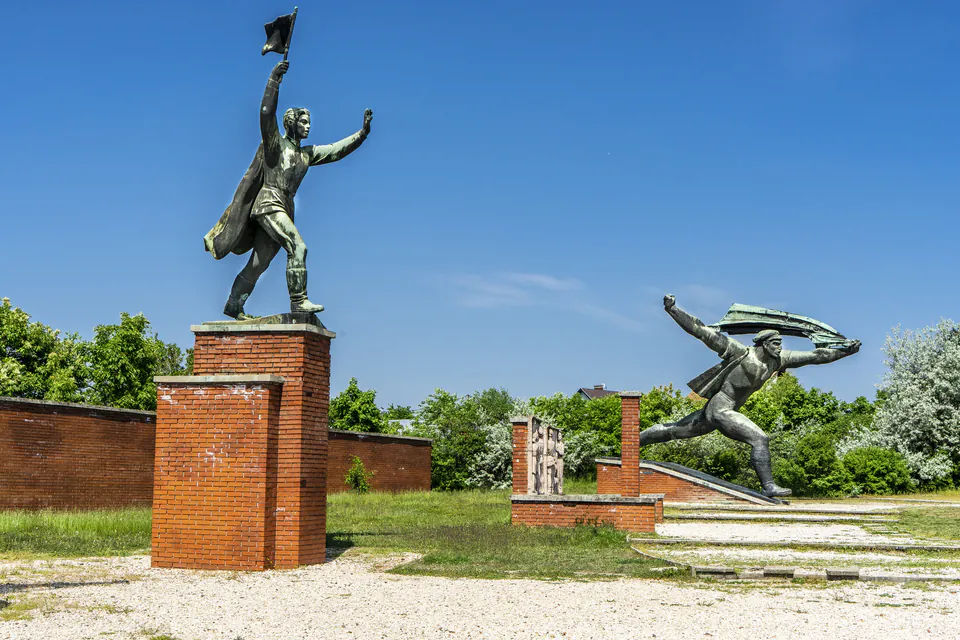
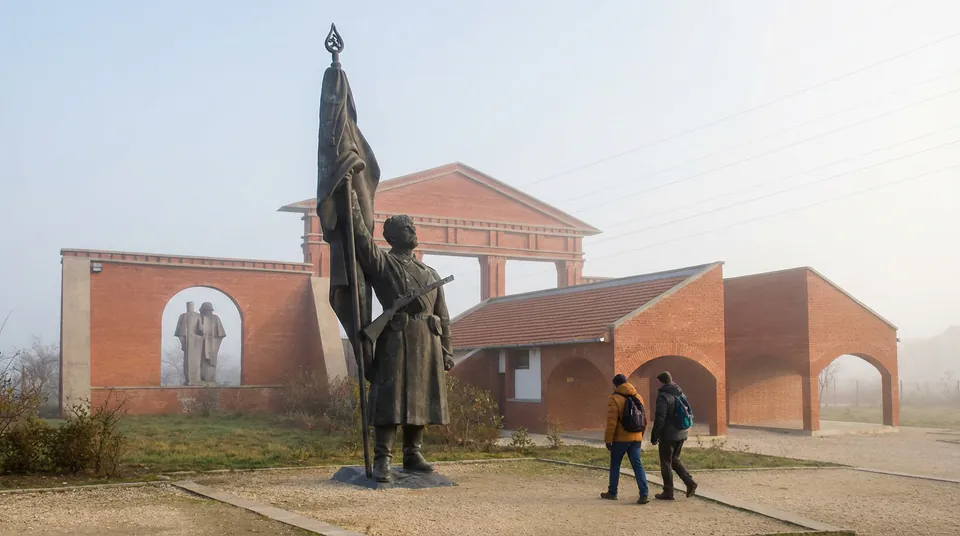
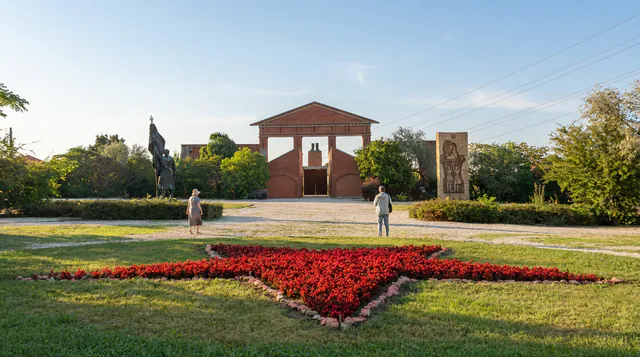
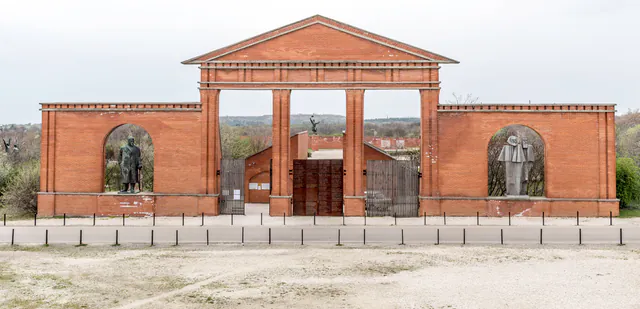
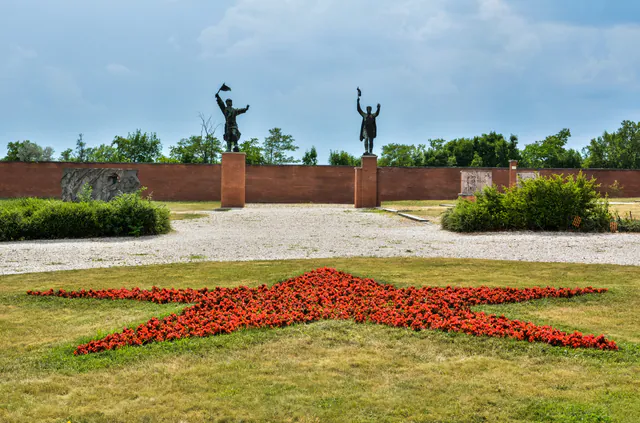
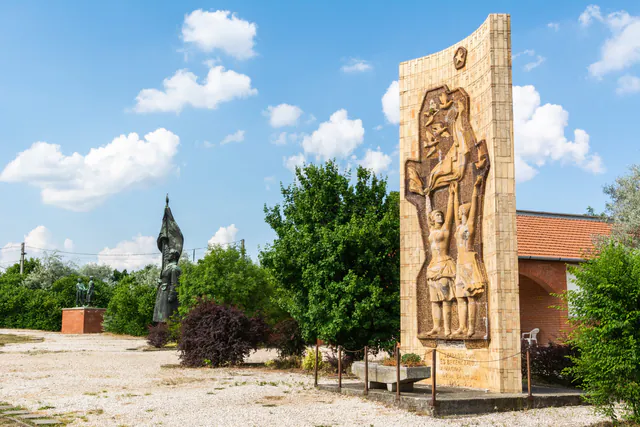
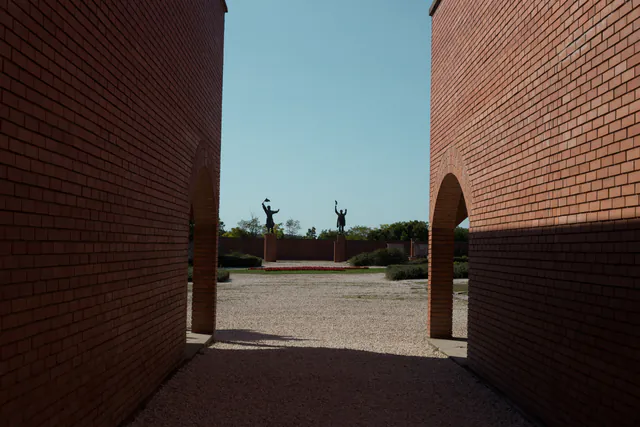
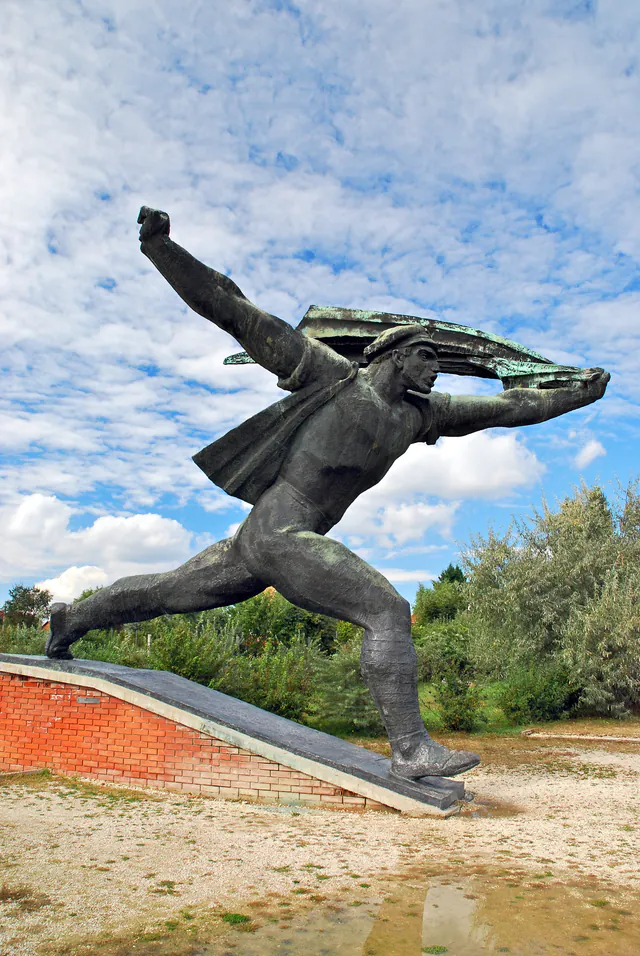
Head to the dusty edge of the city, away from the gold-leafed Parliament and the neon glow of the Jewish Quarter, and you'll find a graveyard for giants. Budapest Memento Park is where 42 massive propaganda statues went to die after the Iron Curtain fell. Instead of melting down these symbols of the Soviet era, the city hauled them to a plot in the 22nd district. It isn't a shrine to the past. It's a calculated look at how tyranny uses scale to make you feel small. You'll walk among bronze behemoths, some towering six meters high, that once loomed over every major square. The air here is quiet, save for the wind and the occasional bird. It's a surreal place where heroic workers with bulging muscles and stone-faced leaders are frozen in a permanent ideological sprint. Architect Ákos Eleőd designed this space to let democracy frame dictatorship. He succeeded. It avoids being a communist theme park while keeping the absurdity of the era front and center. If you want a raw, unpolished look at the Cold War, this is it.
Photos
History & Significance
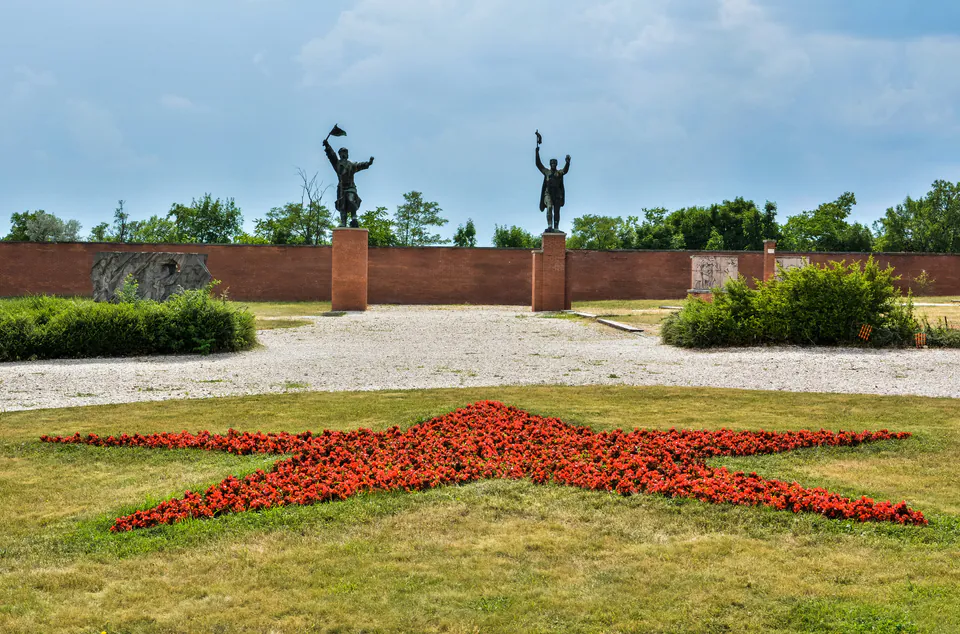
When the regime crumbled in 1989, Hungary had a problem. Public squares were cluttered with bronze Lenins and heroic soldiers that nobody wanted. Most people wanted to take a sledgehammer to them. Instead, the city held a design competition in 1991 to create a final resting place for these relics. Ákos Eleőd won with a plan that treated the statues as historical documents rather than idols. The park opened its gates on June 29, 1993. The timing was deliberate. It marked exactly two years since the last Soviet soldier left Hungarian soil. Today, the collection holds 42 pieces salvaged from the capital between 1945 and 1989. It has since grown to include Witness Square and a dedicated exhibition center. It stands as a physical reminder that no ideology, no matter how heavy the bronze, lasts forever.
The Collections
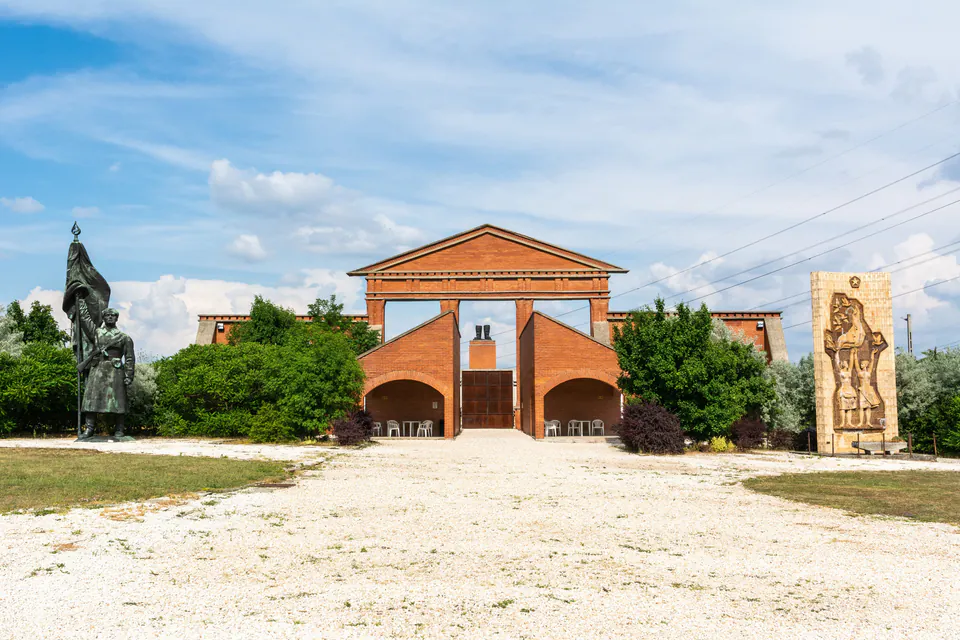
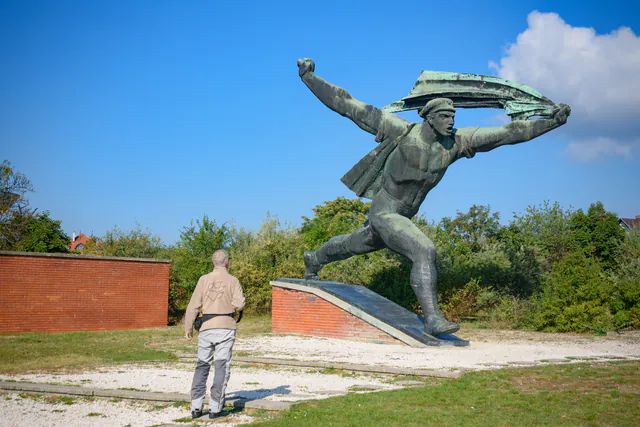
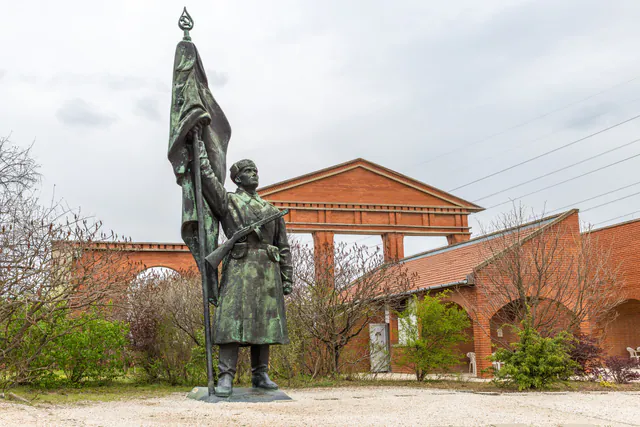
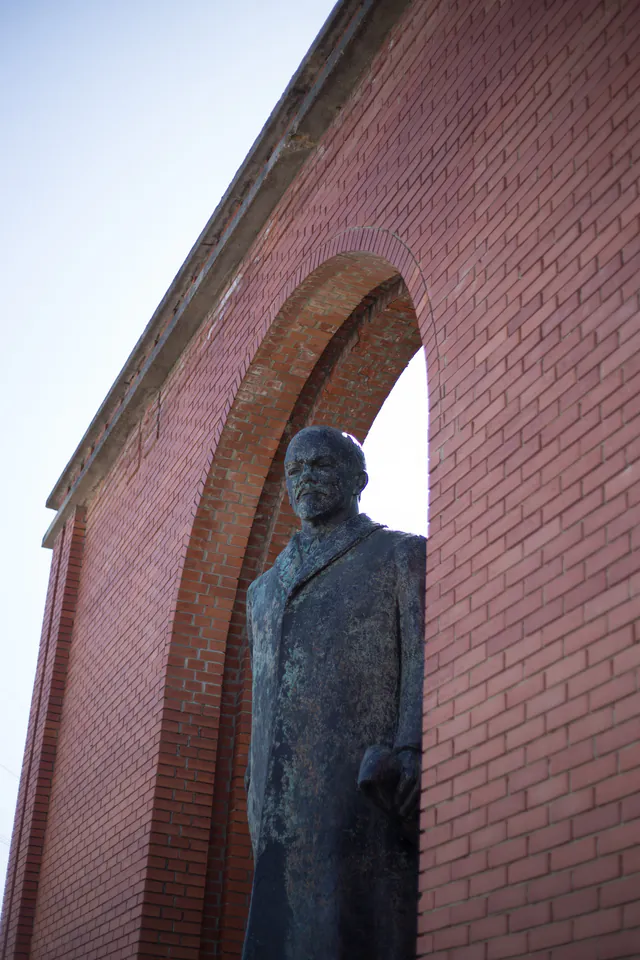
The heart of the site is the Statue Park. Its paths form a figure-eight loop to mirror the never-ending parades of the communist era. You'll find the heavy hitters of the Labor Movement here, including a cubist Marx and Engels and plenty of Lenins. Keep an eye out for the Republic of Councils Monument. It's a massive, charging sailor based on a 1919 poster. Seeing these pieces at eye level is jarring. They were meant to sit on high pedestals to intimidate the masses. Down here, you can see the weld marks and the weathering. The layout groups them into 'Endless Parades' of personalities and concepts. Look for the repetition. Clenched fists, waving flags, and heavy-handed peace doves are everywhere. Don't miss the Monument to Hungarian-Soviet Friendship. It shows a worker shaking hands with a Soviet soldier, but it looks more like a hostage situation than a greeting. These statues aren't polished or maintained to perfection. They're aging. And that is the point. They are the leftovers of a dream that didn't pan out.
Must-See Exhibits
Before you even enter, check out Witness Square for Stalin’s Boots. During the 1956 Revolution, a mob sawed a massive Stalin statue off at the shins and dragged him through the streets. Only the bronze boots stayed on the plinth. This recreation sits on a grandstand designed to look like the original reviewing stand where party elites stood. You can walk up there yourself and look out over the park. It's a strange view. Next, head into the barracks for a film called 'The Life of an Agent.' It’s a real training montage used by the secret police. You'll see exactly how they bugged rooms and followed people. It’s practical, chilling, and occasionally ridiculous. For a bit of hands-on history, hop into the Trabant 601 parked on-site. It was the quintessential Eastern Bloc car. Sitting inside the cramped, plastic-feeling interior tells you more about socialist engineering than any textbook could. These items ground the experience. They bridge the gap between the giant, abstract statues and the actual reality of living in Budapest before 1989.
Essential Visitor Tips
Skip the taxi and use the metro. To figure out how to get to Memento Park Budapest, take Metro 4 to Kelenföld vasútállomás, then hop on bus 101E, 101B, or 150. The 101E gets you there in about 12 minutes.
Grab the guidebook at the register. The statues don't have plaques (on purpose), so you'll need the booklet to know why that 'Running Soldier' is important or who Béla Kun actually was.
Don't miss the boots. The massive bronze footwear on the grandstand outside the main gate is a replica of what was left after revolutionaries toppled Stalin in 1956.
Watch the secret police film. Head to the barracks cinema to see 'The Life of an Agent.' It’s subtitled and shows the bizarre, real-world methods used to spy on citizens.
Sit in the Trabant. It’s parked near the entrance and makes for a classic photo, but it also gives you a feel for the flimsy reality of Soviet-era car design.
Best Time to Visit
"Go on a clear morning in May or September. You'll get sharp light for photos and avoid the midday sun, which can be brutal since the park has almost no shade."