The Ultimate Local’s Guide to Budapest’s Thermal Baths
Budapest doesn’t just have spas; it lives in them. The city sits on a geological goldmine of 100+ thermal springs, pumping millions of liters of mineral-rich water to the surface every single day. For locals, taking the waters isn't some rare luxury. It’s a weekly ritual, a social club, and a cure for a rough night out. You’ll see everything from steam-shrouded chess matches at Széchenyi to the quiet, vaulted Ottoman chambers of Veli Bej. The bathing culture here is deep and varied. But navigating it can be a headache if you don't know the ropes. Ticketing systems are confusing, and the scene is changing fast. The Art Nouveau Gellért Bath is shut until 2028 for major work, while Rudas has finally ditched its rigid gender-only schedules. Whether you want to soak in architectural history or find the best thermal baths in Budapest for a hangover cure, this guide cuts the fluff and gives you the ground truth.
Photos
The Grand Dame: Széchenyi Thermal Bath
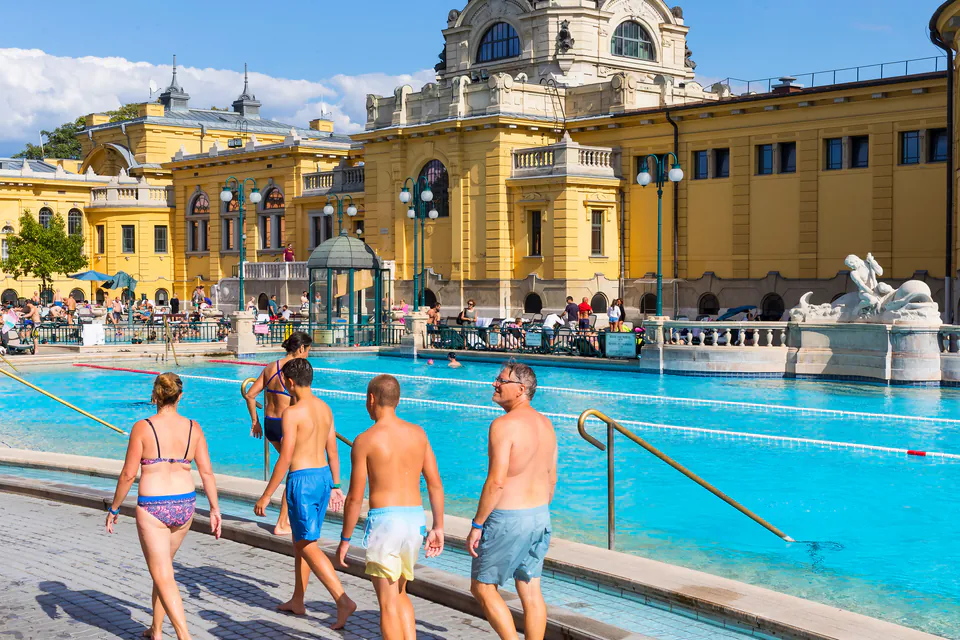
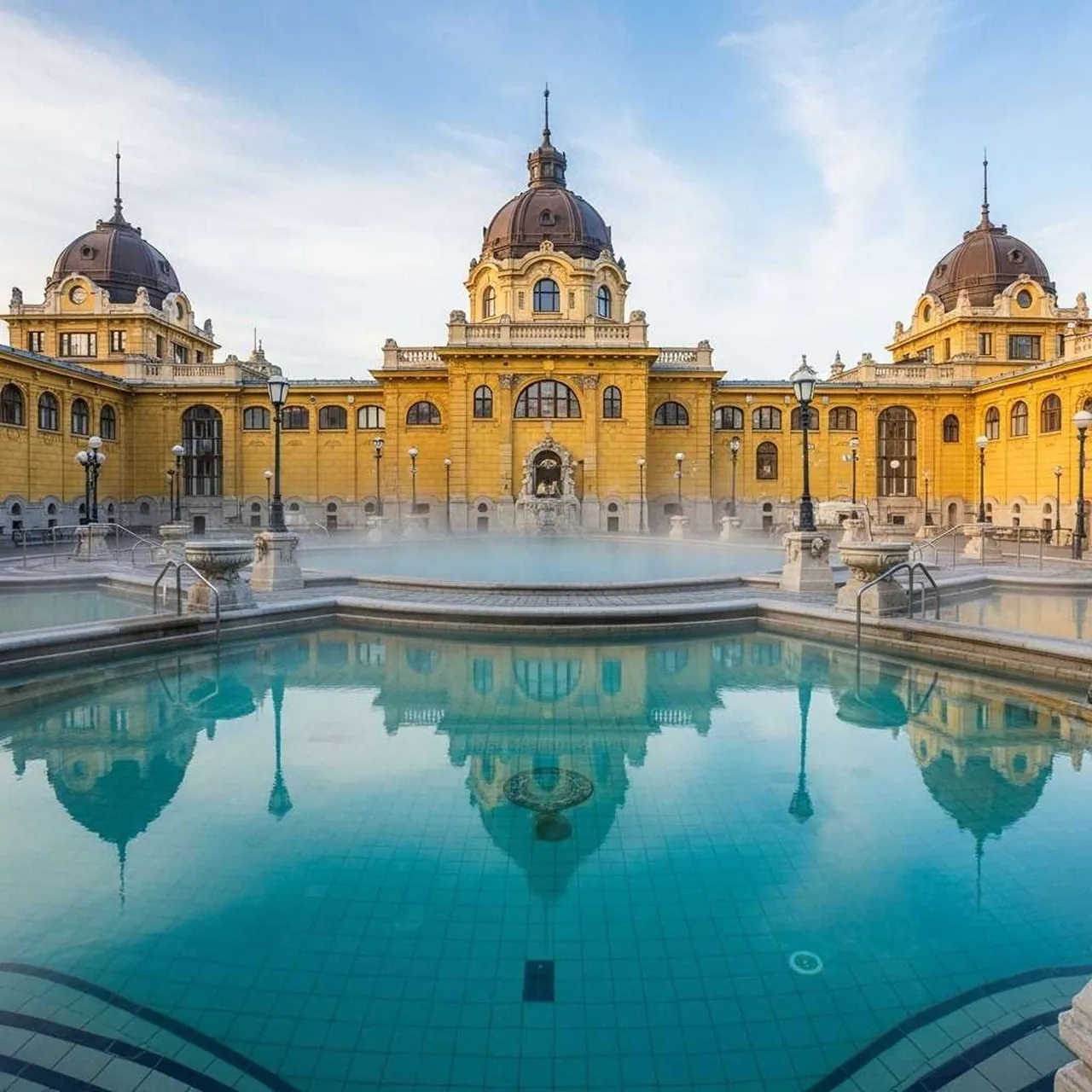
If you only hit one spot, it’s likely the Széchenyi thermal baths Budapest is famous for. This massive Neo-Baroque yellow palace in City Park is Europe’s largest medicinal bath. Walking into the outdoor courtyard on a freezing Tuesday morning is a trip. You’ll see thick steam rising from turquoise water against a bright yellow backdrop while locals play chess waist-deep in 38°C heat. It isn't a quiet sanctuary. It’s a grand aquatic town square. Inside, the place is a labyrinth of 15 pools and steam rooms. Some smell of sulfur; others are purely for relaxing. It’s crowded and loud, so don't come here to meditate. Arrive at 7:00 AM to beat the tour bus rush and watch the sunrise with the regulars. Forget the pricey "Fast Track" online tickets if you're early; a standard locker entry works fine. And definitely don't skip the outdoor whirlpool, it’s pure, stupid fun.
The Ottoman Survivor: Rudas Thermal Bath
Rudas is a moody, 16th-century dive into the city's Turkish past. While Széchenyi is a loud imperial party, Rudas is all about the atmosphere. The heart of the place is an octagonal pool under a 500-year-old stone dome. Shafts of light hit the steam through tiny colored glass holes in the ceiling. It’s mystical. The water here is heavy on sulphates and famously therapeutic. You can even drink it at the on-site hall to fix stomach issues, but be warned: it smells like rotten eggs. Rules have changed here lately. Since the Gellért thermal baths in Budapest closed for repairs, Rudas updated its schedule. Mornings (6:00 AM to 11:00 AM) are still mostly segregated: men-only on Monday, Wednesday, Thursday, and Friday; women-only on Tuesday. After 11:00 AM and all through the weekend, it’s co-ed. This is great for couples who want the historic Turkish vibe together. Go to the rooftop tub at sunset. You won't find a better view of the Danube and Parliament anywhere else.
The Locals’ Sanctuary: Lukács & Veli Bej
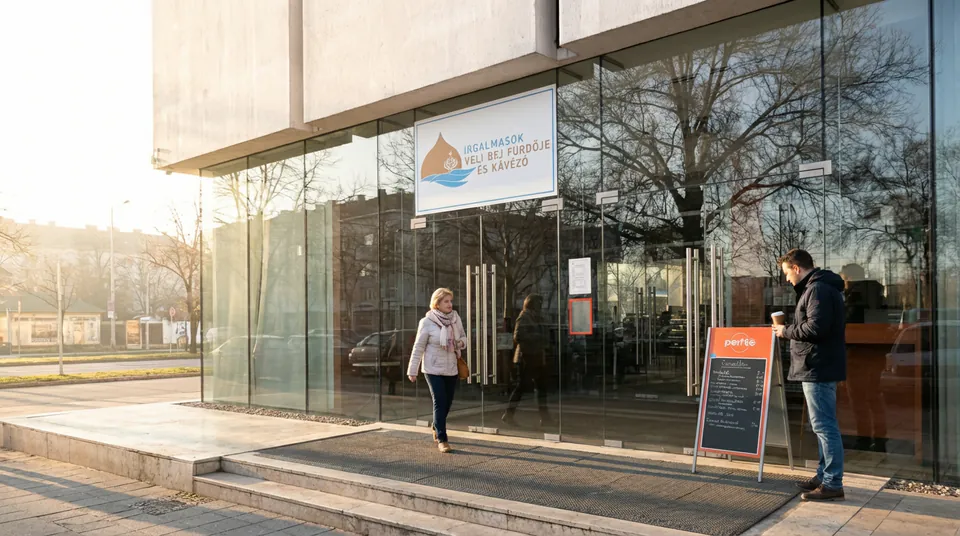
Cross the river to the Buda side if you want to dodge the Instagram crowds. St. Lukács is the intellectual’s choice. It lacks the gold-leaf flash of the big baths, but it’s the real deal. Check the marble plaques in the courtyard thanking the water for "miraculous cures." It’s a hospital bath, full of people actually treating joint pain, and it’s much cheaper than the tourist traps. If you have a Budapest Card, you get in for free. Just down the street is Veli Bej, the city’s best secret. Tucked inside a modern hospital, this Ottoman-era gem is small, clean, and quiet. The central pool is surrounded by four smaller thermal plunges. It’s orderly and calm. Perfect for a rainy evening when you want to disappear. Just remember they shut for a break between 12 PM and 3 PM, so don't show up at lunchtime expecting a soak.
Summer Vibes and Winter Magic: Palatinus
Most people think Palatinus is just a summer water park. On Margaret Island, it’s a massive complex of slides and wave pools that gets packed from June to September. It’s great for families, but the real pro move is visiting in January. Budapest thermal baths in winter are special, and Palatinus is the best-kept secret of the season. While Széchenyi is packed like a sardine tin, Palatinus is often empty. Floating in a steaming outdoor pool while snow falls on the surrounding trees is world-class. It’s also the most budget-friendly option in the city. The indoor section is small but modern, with great saunas. Most thermal water in the city is restricted for kids under 14, but Palatinus has specific pools that are safe for younger travelers. If you have kids in tow, come here.
Navigating Bath Etiquette: The Unspoken Rules
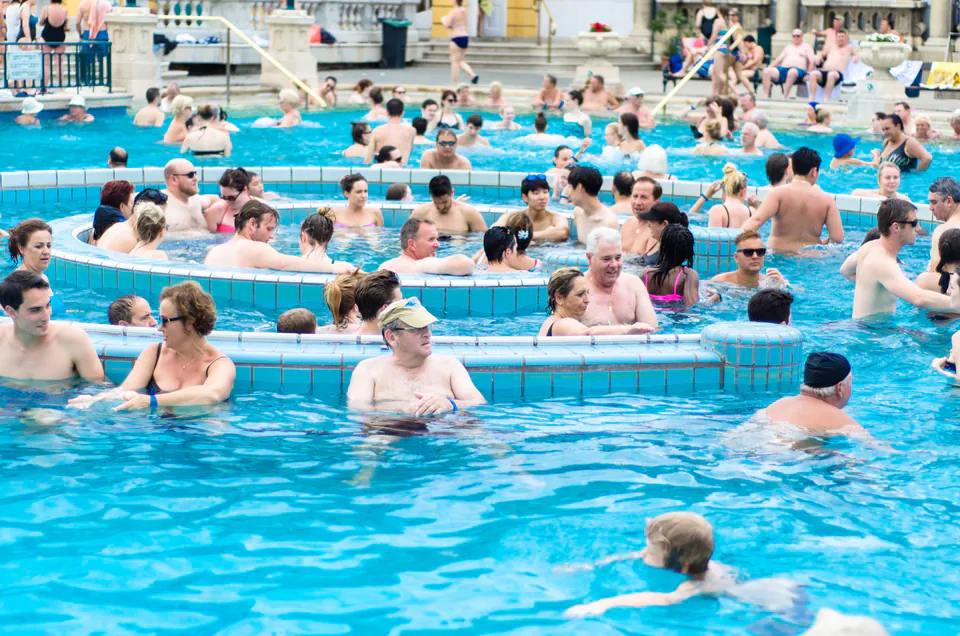
Hungarian baths have rules that aren't always obvious. First: bring your own slippers. It’s mandatory for hygiene. If you don't have them, you'll be forced to buy a pair of cheap plastic ones for a high price. Second: the shower is not optional. Scrub down before you get in the water or prepare for a lecture from a local. Keep it quiet. While the outdoor pools are for chatting, the indoor thermal basins are for silence. Loud talk gets you glares. Also, know your pools. If you want to swim laps in the cooler rectangular pools, you must wear a swim cap. If you don't, a lifeguard will blow a whistle at you within seconds. Nudity is mostly gone in the co-ed areas, but in the single-sex mornings at Rudas, you’ll see the traditional 'apron', it covers the front but leaves the back open. It’s a local quirk. Don't stare.
Night Bathing and The Sparty Phenomenon
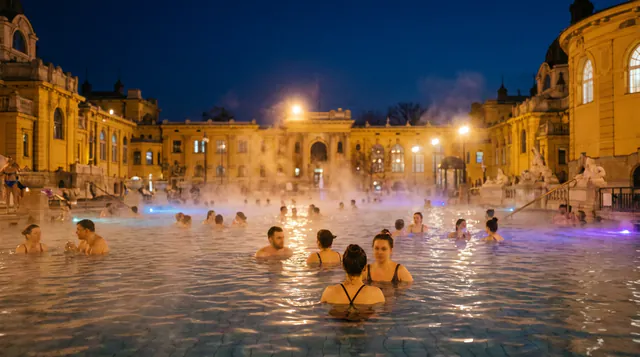
After dark, the thermal baths of Budapest offer two very different nights. Every Saturday, Széchenyi hosts a "Sparty." Think lasers, DJs, and bars in a 100-year-old courtyard. It’s a loud, booze-filled electronic dance party for the backpacker crowd. It’s a wild experience, but don't expect a wellness retreat. For something more grown-up, hit Rudas on Friday or Saturday nights. From 10:00 PM to 3:00 AM, the bath stays open for a chill-out session. No raves here. Just a quiet, romantic vibe with city lights reflecting off the Danube. You need a specific night ticket, which is pricier than the day pass, but it’s worth it. Sitting in that rooftop hot tub at 1:00 AM is one of those "only in Budapest" moments you'll actually remember.
Practical Tips
- 1Bring your own flip-flops: They’re mandatory. Buying them at Széchenyi or Rudas will set you back 4,000–6,000 HUF, which is a total ripoff.
- 2Ditch the cabin: A locker ticket is cheaper and does the job. You’ll get a wristband to lock up your gear. Only pay for a cabin if you’re desperate for a private changing room.
- 3Check the Rudas clock: As of 2026, Rudas is co-ed from 11:00 AM to 8:00 PM daily and all weekend. Early morning (6:00 AM – 11:00 AM) is still single-sex for the traditionalists.
- 4Forget Gellért and Király: Don't believe old blogs. Gellért is closed for renovation until 2028 and Király is shuttered indefinitely. Go to Rudas or Lukács instead.
- 5Pack a towel: Renting is a nightmare. It usually involves huge deposits and long queues. A light microfiber towel in your bag saves time and money.
- 6Flash the Budapest Card at Lukács: Entry to St. Lukács is free with the card, and you'll get 20% off at the other major thermal baths and spa Budapest locations.
- 7Drink water: These pools are hot, up to 42°C. You'll dehydrate fast. Bring a bottle and use the refill fountains; don't wait until you feel dizzy.
- 8Mind the age limit: Most thermal pools aren't recommended for kids under 14 because of the mineral content and heat. Palatinus is your best bet for a family-friendly soak.
- 9Check the website: Maintenance happens. Outdoor sections at Széchenyi or the Veli Bej plunges close occasionally for cleaning. Check the official Budapest Spas site before you walk over.
Top Attractions
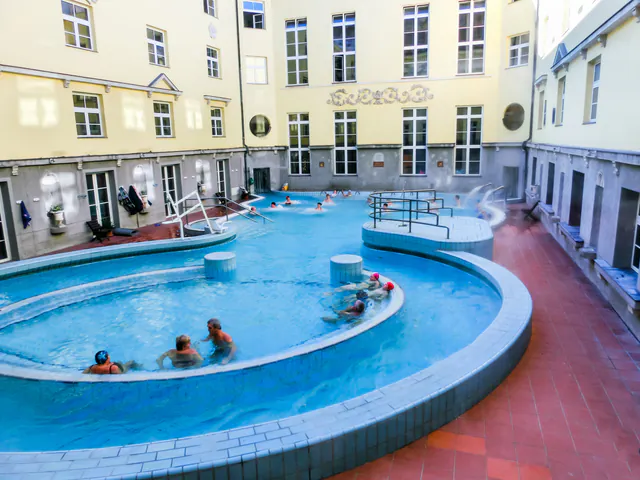
Lukács Thermal Bath and Swimming Pool
Don't come here for the gold leaf of the Gellért or the postcard crowds of Széchenyi. You come to Lukács (Szent Lukács Gyógyfürdő) for the real thing. Tucked in
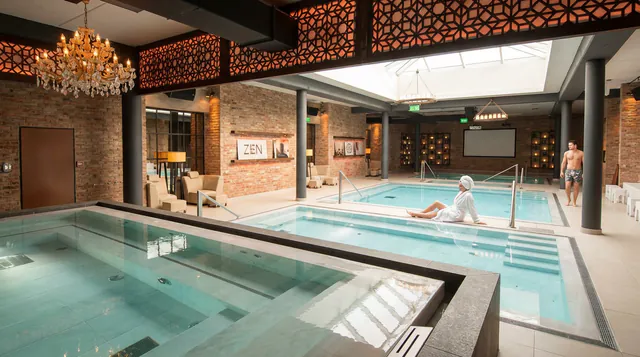
Mandala Day Spa
Forget the rowdy crowds and peeling paint of the city's grand Turkish leftovers. Mandala Day Spa Budapest is a different animal entirely. Tucked into a quiet co
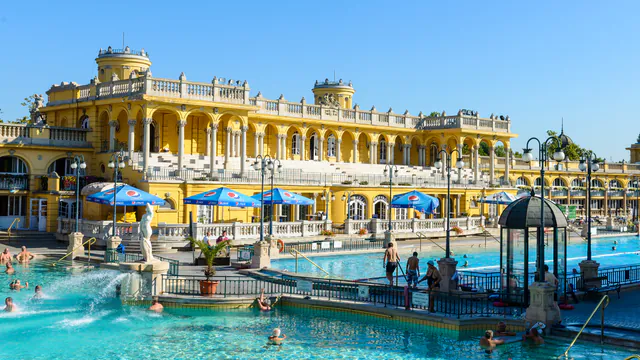
Széchenyi Thermal Bath
Walking into the budapest széchenyi thermal bath feels more like crashing a Neo-Baroque pool party in a Hapsburg palace than visiting a spa. Its canary-yellow w
Frequently Asked Questions
Are the thermal baths in Budapest co-ed?
Do I need to book tickets in advance?
Can I rent a towel and swimsuit at the baths?
How much does a bath ticket cost in 2026?
Is it safe to bring valuables?
Why is the Gellért Bath closed?
Related Guides
- The Definitive Guide to Danube River Cruises in Budapest
- Beyond the Capital: The Ultimate Guide to Day Trips from Budapest
- Ruins and Revelry: The Ultimate Local Guide to Budapest’s Ruin Bars
- Budapest in 24 Hours: A Tale of Two Cities
- The Perfect 3 Days in Budapest: A Local's Guide to Thermal Baths, Ruin Bars, and Imperial Grandeur
- Budapest in 5 Days: The Ultimate Local's Guide to the Pearl of the Danube
- Budapest Without Barriers: An Accessible Guide to the Pearl of the Danube
- Budapest Airport to City Center: The Local’s Guide to Arriving Smoothly
Thermal Baths Comparison
Six baths, six personalities. Find the one that fits yours.
Try itTags
Places in Budapest
Related attractions, hotels, and more.