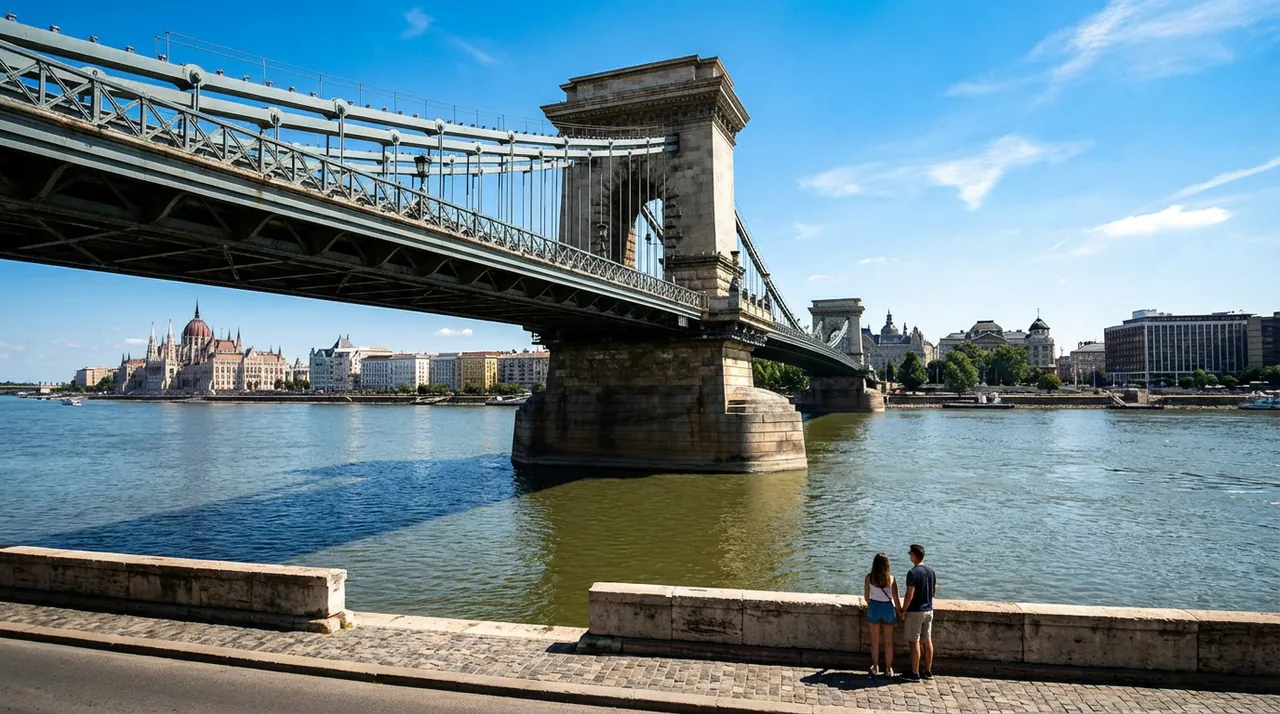
Budapest Without Barriers: An Accessible Guide to the Pearl of the Danube
Budapest is a tale of two banks separated by the Danube: flat, wide-boulevarded Pest and the steep, limestone cliffs of Buda. For travelers on wheels, this split personality means constant choice. You can glide through 19th-century grandeur or wrestle with medieval fortification. The city isn't perfect, but a massive recent overhaul has fixed many old sins. We're talking new elevators on the deep M3 line and low-floor trams that actually meet the platform. Don't believe every outdated blog; navigating the Hungarian capital is doable if you know where the curb cuts fail and which thermal baths actually have working lifts. This is how you roll through the city without the guesswork.
Navigating the Divide: Buda Hills vs. Pest Flats
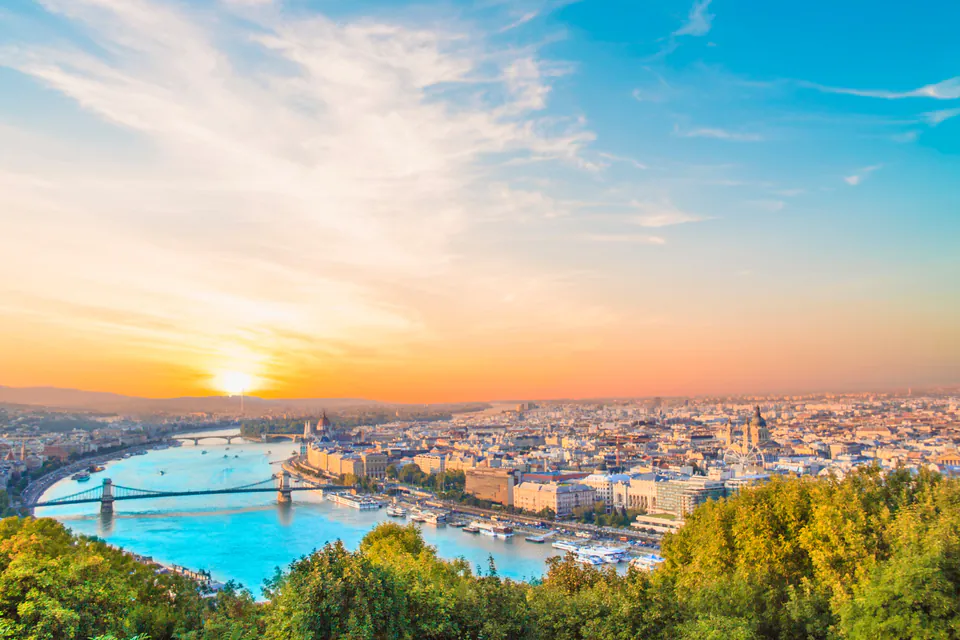
Pest is your best friend. It’s flat, logic-driven, and easy on the battery. Start at the Opera House and roll down Andrássy út toward Heroes’ Square. The pavement is mostly smooth asphalt or tight-knit stone. But watch yourself in the 7th District. The Jewish Quarter is legendary for high curbs and missing ramps. If you want views, hit the Dunakorzó promenade. It’s a straight, unobstructed shot along the river with a clear look at Parliament lit up gold across the water. Buda is a different beast. It’s vertical and moody. The Castle District looks great but the jagged cobblestones will rattle your teeth. Skip the climb. Take the Budavári Sikló funicular or a dedicated castle bus. Once you’re at the top, look for the smooth paved runners on Tárnok utca. They’re a lifesaver for navigating the historic mess.
Mastering the BKK: Public Transport
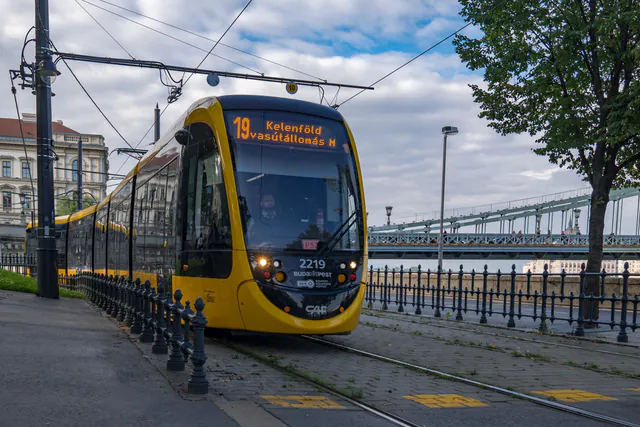
BKK transit is a wild mix of space-age tech and Soviet-era relics. The M4 Metro (Green Line) is the gold standard. Every station has a wide, fast elevator. It’s the easiest way to hit Keleti Station or the Great Market Hall. Then there’s the M3 (Blue Line). After years of construction, it’s finally fully accessible. Look for the inclined elevators at Kálvin tér, they slide down beside the escalators like something out of a sci-fi flick. On the street, stick to the yellow No. 4 and 6 trams. They run 24/7 along the Grand Boulevard and use low-floor Siemens cars. No steps. Just roll on. But avoid the M1 Yellow Line. It’s a UNESCO relic with nothing but stairs. For everything else, the blue bus fleet is almost entirely low-floor. Drivers will flip the manual ramp if you give them a wave. Use the BudapestGO app. It has a 'wheelchair' toggle that actually works.
The Thermal Bath Dilemma: Where to Soak
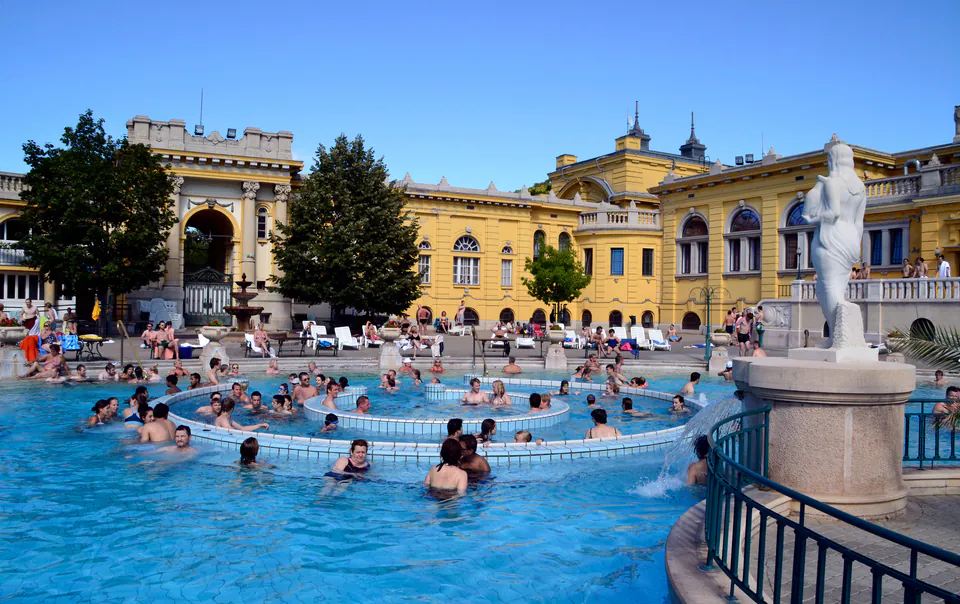
Thermal water is the whole point of being here. But for wheelchair users, it’s often a headache. First, forget the Gellért Baths; they’re closed until 2028. Széchenyi is the big name, but the pool hoists are a gamble. They break. Often. You don't want to pay 10,000 HUF just to sit on the tiles and watch people swim. Go to Paskál Thermal Bath in the 14th District instead. It isn’t a Neo-Baroque palace, but it works. Because it’s modern, accessibility was part of the blueprint. You get functioning pool lifts, wide changing rooms, and steamy outdoor water. It’s where the locals go. No crowds, no broken equipment, and no stairs to fight.
Accessible Sightseeing Highlights
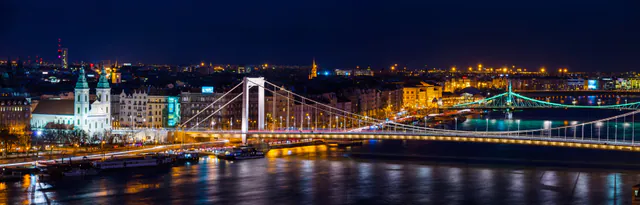
The Hungarian Parliament is a Gothic monster that actually treats mobility seriously. The Visitor Center has a specific entrance for chairs and elevators that go straight to the Crown Jewels. If you’re heading to St. Stephen’s Basilica, don't waste time at the front steps. Go around the right side near the treasury to find the lift. For the river, book Legenda City Cruises at Dock 7. Their 'Duna Bella' boat is the one you want. It’s glass-walled and level with the dock. Most other boats have steep, narrow gangways that are a total 'no.' Up in the castle, Matthias Church has a solid ramp. The Hungarian National Gallery is also good, though you’ll likely need to flag a guard to operate the service elevators for you.
Dining and Nightlife: Beyond the Ruin Bars
Most ruin bars are a nightmare of spiral stairs and rotting wood. Don't bother. If you want that gritty-chic look without the obstacles, head to Mazel Tov. It’s in the Jewish Quarter, it’s gorgeous, and the floors are completely flat. They have a proper accessible bathroom too. Book ahead or you won't get in. For a fancy night, Robinson Restaurant sits on the City Park lake. It’s fully accessible and feels like an island escape. In the center, Kiosk on Március 15. tér has massive ceilings and a great terrace for watching the Danube. One warning: Buda Castle cafés are tiny and usually have a big stone step. Eat at the museum cafés or the Hilton up there, they have the space you need.
Practical Tips
- 1Ride for Free: Wheelchair users and one helper ride all BKK buses, trams, and metros for free. No ticket needed. Just carry your disability ID or parking placard.
- 2The 65+ Rule: If you are over 65, transport is free. Period. Just show your passport or ID card with your birth date if an inspector asks.
- 3Airport Moves: Grab the 100E Airport Express for 2,200 HUF. It’s low-floor and stops at Deák Ferenc tér. For a van with a ramp, call Paratrans, don't rely on the taxi rank.
- 4Bathroom Strategy: Public toilets are a disaster. Head for malls like Westend or Allee. Better yet, roll into the lobby of the Kempinski or Marriott. They're professional and won't turn you away.
- 5The Hill Hack: Don't cram onto Bus 16 at Deák tér. Take the M2 metro to Széll Kálmán tér and catch the 16A. It’s a shorter, flatter route that stays on the ridge.
- 6Skip the Yellow Line: The M1 (Millennium Underground) is all stairs. Use the 105 or 210 buses instead. They follow the same path along Andrássy but actually have ramps.
Top Attractions
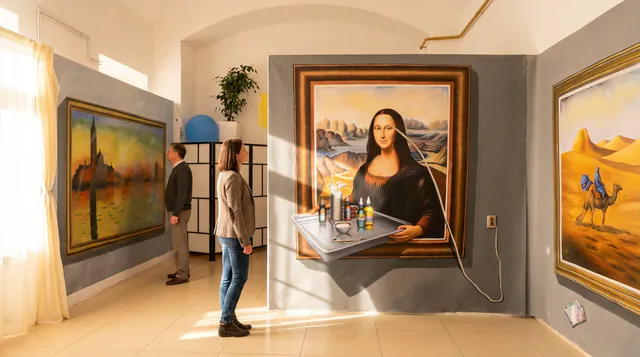
3D Gallery Budapest
Drop the hushed tones of the Hungarian National Museum for something louder. You'll find 3D Gallery Budapest right off Bajcsy-Zsilinszky út near the Basilica, b
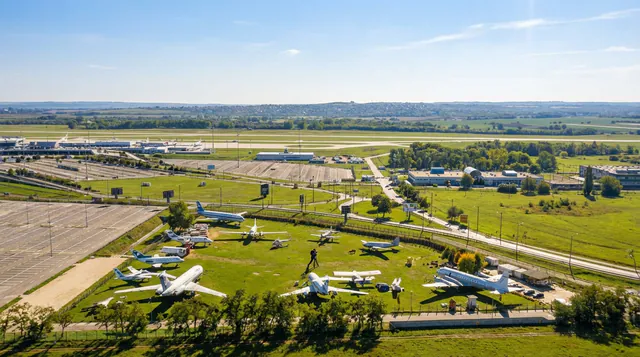
Aeropark Budapest
Parked right by Terminal 2B at Ferenc Liszt International Airport, Aeropark Budapest is a hands-on graveyard of Soviet aviation that’s actually alive. Forget ve
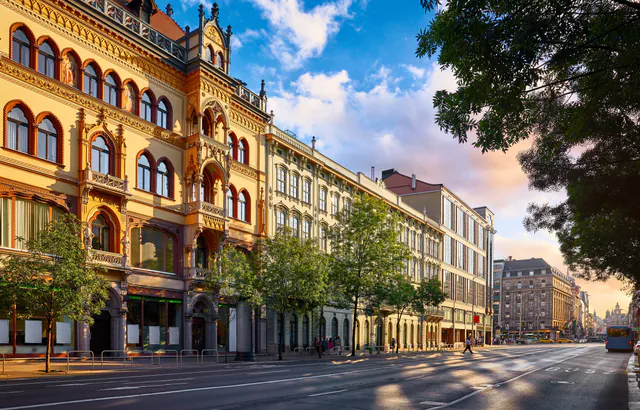
Andrássy Avenue
Call it the Budapest version of the Champs-Élysées if you must, but Andrássy Avenue has a grit and elegance all its own. This 2.5-kilometer stretch is the archi
Frequently Asked Questions
Is the Budapest Parliament building wheelchair accessible?
Are the thermal baths in Budapest wheelchair accessible?
Can I rent a wheelchair or scooter in Budapest?
Are the ruin bars accessible?
Is the Great Market Hall accessible?
How do I get up to Buda Castle in a wheelchair?
Related Guides
- The Budapest Card: The Ultimate Local's Guide to Value & Validity
- Budapest on a Budget: How to Experience the Pearl of the Danube Without Breaking the Bank
- Emergency Contacts & Services in Budapest: A Local's Safety Net
- Navigating the Red Tape: A Local’s Guide to Entering Hungary
- Navigating Healthcare & Pharmacies in Budapest: A Local’s Field Guide
- Staying Connected in Budapest: The Ultimate Internet & SIM Card Guide
- Speaking Magyar: A Traveler’s Survival Guide to the Language of Budapest
- Drop the Weight: The Ultimate Guide to Luggage Storage in Budapest
Trip Budget Calculator
Get a realistic cost estimate for your {city} trip in seconds.
Try it