
Navigating the Red Tape: A Local’s Guide to Entering Hungary
Budapest mixes Hapsburg glory with a raw, industrial edge. But before you can grab a spritz on the Danube or sweat out a hangover at Széchenyi, you have to get past the border guards. I have watched the rules here shift from the easygoing pre-pandemic era to a much tighter Schengen reality. Whether you are landing at Ferihegy (the name locals still use for the airport) or crossing the land border from Serbia, you need a plan. This guide cuts the bureaucracy to tell you what to show at the gate, what to pack, and how to avoid the rookie traps that keep travelers in queues while we are already ordering goulash.
Photos
The Schengen Reality: Passports & The 90/180 Rule
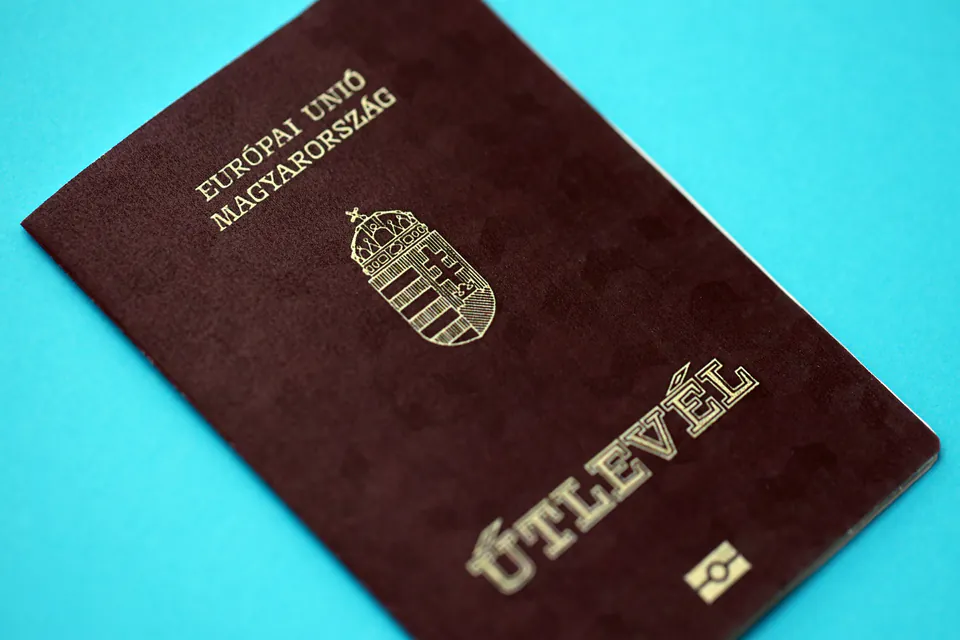
Coming from the US, UK, or Australia? You are in the Schengen Area now. For most, this means travel is visa-free for 90 days in any 180-day window. Don't let the math trip you up. It is a rolling window, so any days spent in Italy or France count against your time in Hungary. If you fly in from Munich or Paris, you will likely just walk off the plane at Terminal 2A to baggage claim. But keep your papers handy. Authorities love a good spot check on trains arriving from Vienna.
Hungary is strict about the 10-year rule. Your passport must have been issued within the last decade on the day you land. I have seen people turned away because their passport was 10 years and one month old. It also needs three months of validity left after your planned exit date. Don't push your luck. Border guards at Terminal 2B are efficient, but they aren't exactly known for their flexibility regarding document expiration. Check the hungary tourist visa requirements for your specific nationality before you book.
Arriving at Budapest Airport (BUD): What to Expect
Ferihegy is a tale of two terminals. 2A is for Schengen flights. 2B handles everyone else, including the UK and US. If you land at 2B, get ready for passport control. In July, these lines can take an hour. E-gates work for EU and Swiss citizens, but UK travelers usually have to wait for a manual stamp.
Once you hit the Arrivals Hall, ignore the 'Interchange' booths. Their exchange rates are basically legal robbery. You will lose 20% compared to the real rate. Use an OTP or Erste Bank ATM instead. Or just use your phone. Budapest is a contactless city. For the ride into town, ignore the guys whispering about taxis near the exit. Use the Bolt app or walk to the official Főtaxi stand outside. Uber is back too, working with Főtaxi, so the app is live again. If you are just passing through, check the hungary transit visa requirements to ensure you can actually leave the terminal.
The Future is (Almost) Here: EES and ETIAS
You might have seen scary headlines about new digital borders. Here is the reality. The Entry/Exit System (EES) will eventually replace stamps with facial scans and fingerprints. Kiosks are popping up at the airport now, but the full rollout likely won't hit until late 2025. Your first entry after it launches will be slow. Very slow.
Then there is ETIAS. It isn't a visa, but a pre-travel authorization like the US ESTA. You do not need this yet. It is currently slated for 2026 or 2027. It will cost €7 and last three years. If a website tries to sell you one today for a trip next month, they are scamming you. For now, just focus on standard schengen visa requirements hungary if you aren't from a visa-exempt country.
Customs: Alcohol, Tobacco, and Medication
We have plenty of Pálinka and Unicum here, so don't waste suitcase space bringing spirits in. If you must, the limit is one liter of hard liquor or two liters of fortified wine. Tobacco is where they get you. You can bring 200 cigarettes by air, but if you drive in from Serbia, that limit drops to just 40 cigarettes. Two packs. That is it. Customs officers at the Röszke border crossing will check your trunk, and the fines hurt.
Medication is the serious part. Hungary treats ADHD meds and strong painkillers as controlled substances. Coming from the Schengen zone? Get a certificate from your doctor. If you are coming from outside the EU, carry a clear doctor’s note in English and keep everything in the original bottles. I have never had an issue with a stray ibuprofen, but loose, unlabeled pills are a fast track to a very long afternoon in a windowless airport room.
Digital Nomads: The White Card

Budapest is a magnet for remote workers, but you can't just do 'visa runs' forever. If you want to stay, look into the White Card. This is the hungary d visa requirements for digital nomads. It gives you one year in the city if you work for a company outside Hungary.
You need to show you earn at least €2,000 a month, though aim for €3,000 to be safe. Keep in mind that the White Card is a solo deal. You can't bring a spouse or kids on your permit. They have to apply on their own merits. It involves a mountain of paperwork and proof of health insurance, but it is the only legal way to call Budapest home for a year without getting a local job.
Practical Tips
- 1Skip the 'Interchange' kiosks at the airport. Their rates are criminal. Use the OTP or Erste ATMs for a fair deal.
- 2Take the 100E bus for 2,200 HUF. Don't bother with the ticket machines; just tap your card on the yellow Pay&Go terminal on the bus.
- 3Carry your passport. Hungarian law requires you to have a physical photo ID on you at all times. A scan on your phone won't cut it.
- 4Validate your ticket. Metro inspectors are famously cold-blooded. If you don't punch your paper ticket, you will be paying a 12,000 HUF fine.
- 5Spot a flashing green cross? That is a Gyógyszertár (pharmacy). Basic meds like ibuprofen are behind the counter, so you have to ask for them.
- 6Use the Bolt app. Hailing a random car on the street is a gamble you will lose. Apps ensure you pay the regulated city rate.
- 7Don't worry when your Airbnb host asks for a passport photo. They are legally required to log your data with the national tourism board.
Top Attractions
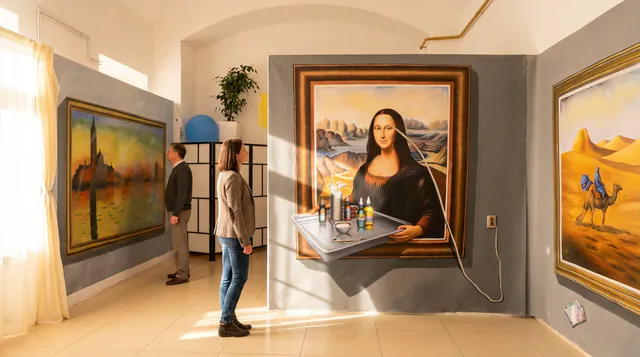
3D Gallery Budapest
Drop the hushed tones of the Hungarian National Museum for something louder. You'll find 3D Gallery Budapest right off Bajcsy-Zsilinszky út near the Basilica, b
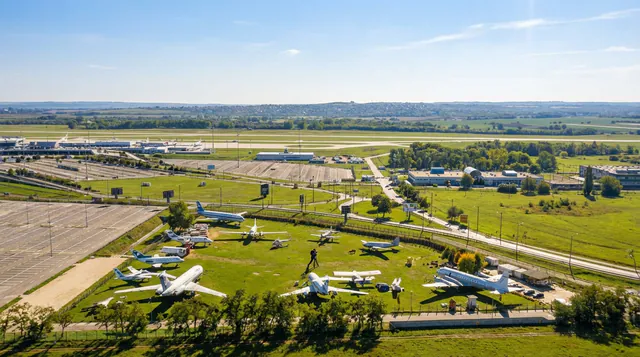
Aeropark Budapest
Parked right by Terminal 2B at Ferenc Liszt International Airport, Aeropark Budapest is a hands-on graveyard of Soviet aviation that’s actually alive. Forget ve
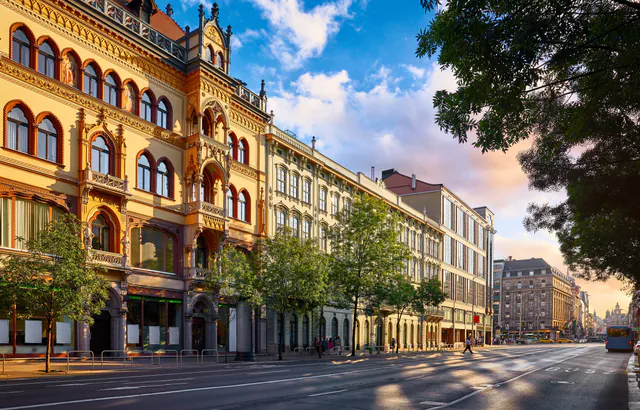
Andrássy Avenue
Call it the Budapest version of the Champs-Élysées if you must, but Andrássy Avenue has a grit and elegance all its own. This 2.5-kilometer stretch is the archi
Frequently Asked Questions
Do I need a visa for a short trip to Budapest from the UK?
Is Uber available in Budapest?
Can I drink tap water in Budapest?
What happens if I overstay my 90 days in Schengen?
How much is the bus from Budapest Airport to the city center?
Related Guides
- Budapest Without Barriers: An Accessible Guide to the Pearl of the Danube
- The Budapest Card: The Ultimate Local's Guide to Value & Validity
- Budapest on a Budget: How to Experience the Pearl of the Danube Without Breaking the Bank
- Emergency Contacts & Services in Budapest: A Local's Safety Net
- Navigating Healthcare & Pharmacies in Budapest: A Local’s Field Guide
- Staying Connected in Budapest: The Ultimate Internet & SIM Card Guide
- Speaking Magyar: A Traveler’s Survival Guide to the Language of Budapest
- Drop the Weight: The Ultimate Guide to Luggage Storage in Budapest
Trip Budget Calculator
Get a realistic cost estimate for your {city} trip in seconds.
Try it