City and Wine
Landmark
About the Experience
Ditch the urban grit for a afternoon in the Etyek-Buda wine region. It is often called the vineyard of Budapest, but the vibe is pure countryside. You will trade massive tourist traps for family estates where limestone cliffs and rolling hills dictate the pace. Here, the winemakers themselves pull the corks and pour the glass. It is a world of crisp whites and traditional Swabian cellars carved into the rock. You aren't just looking at barrels. You're sitting at long wooden tables, tucking into a pot of bogrács goulash or local hams while the sun sets over the vines. Etyek is famous for Sauvignon Blanc and the grapes that fuel Hungary's Törley sparkling wines. It's a chance to slow down. Grab a glass and find a spot in a candlelit cellar. This is the real deal.
Photos
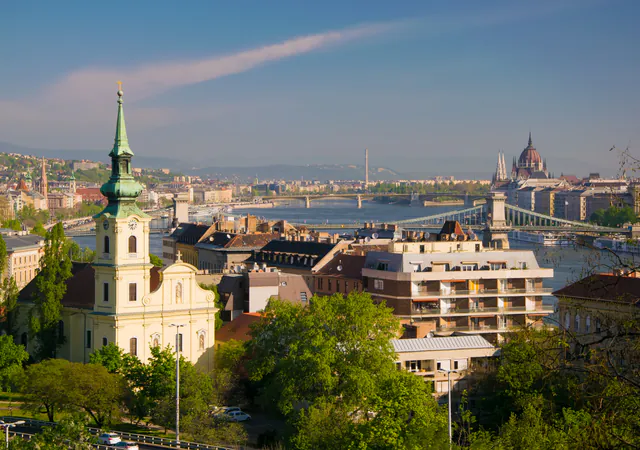
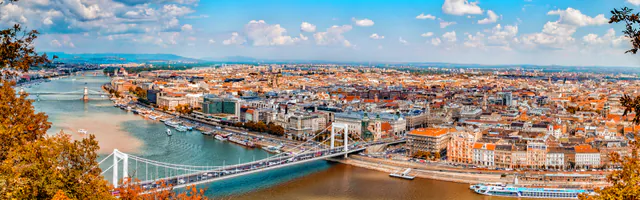
History & Significance
Winemaking here goes back to the Romans, but the local look is thanks to 18th-century Swabian settlers. After the Ottomans left, Maria Theresa invited German farmers to move in. They built the stone press houses and deep, cool cellars you see today. By the 1800s, Etyek was the engine room for the sparkling wine industry in Budafok. Things got rough in the 20th century. Wars and communist-era quotas almost killed the craft. But the 1990s saw a massive comeback. A new generation took back their family land and focused on quality over bulk. Edina and Tamás started City and Wine to bridge the gap between these small producers and curious travelers. It is a living history you can actually taste.
The Surrounding Area
Etyek sits 30 kilometers west of the capital, but it feels like a different planet. The geography is all wind-swept plateaus and limestone soil. This keeps the acidity high, which is why the wine here rivals the Champagne region in France. You'll see rows of vines stretching across gentle slopes as soon as you hit the village. It's a quiet place. But it's also home to Korda Studios, a massive film hub where big-budget movies get made. The real heart is the Pincesor. These cellar rows are lined with whitewashed houses that hide massive underground networks. Walk the streets for a lungful of fresh air and a view of the Buda Hills. And don't stop at the wine. The area produces incredible local cheeses and syrups that show up on every tasting platter. It's the perfect sensory reset.
The Architecture
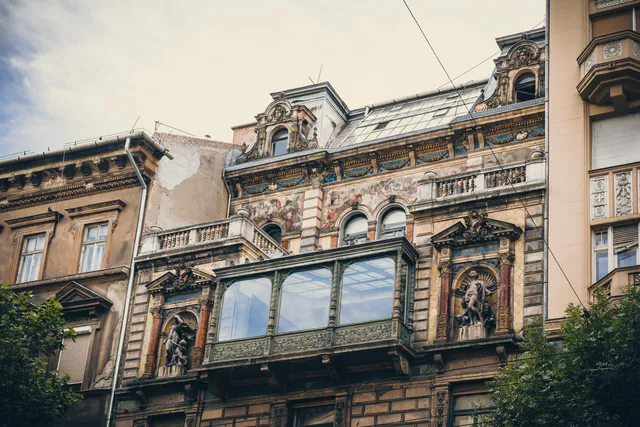
The buildings tell the story of the Swabian farmers who settled here. Look for the press houses. These small, white or yellow buildings with red roofs are the gateway to the underground. Farmers used the top floor to crush grapes and sent the juice down into the earth to age. The cellars themselves are hand-carved into porous limestone. They don't need AC. The temperature stays perfect naturally. You might even see a layer of noble mold on the walls. Don't be grossed out. It regulates humidity and means the wine is happy. Everything here is functional and humble. Forget the marble halls of Bordeaux. These are intimate spaces with heavy beams and open fireplaces. You'll feel like a guest in a private home, not a number in a tasting room. It's architecture built for community.
Visiting the Interior
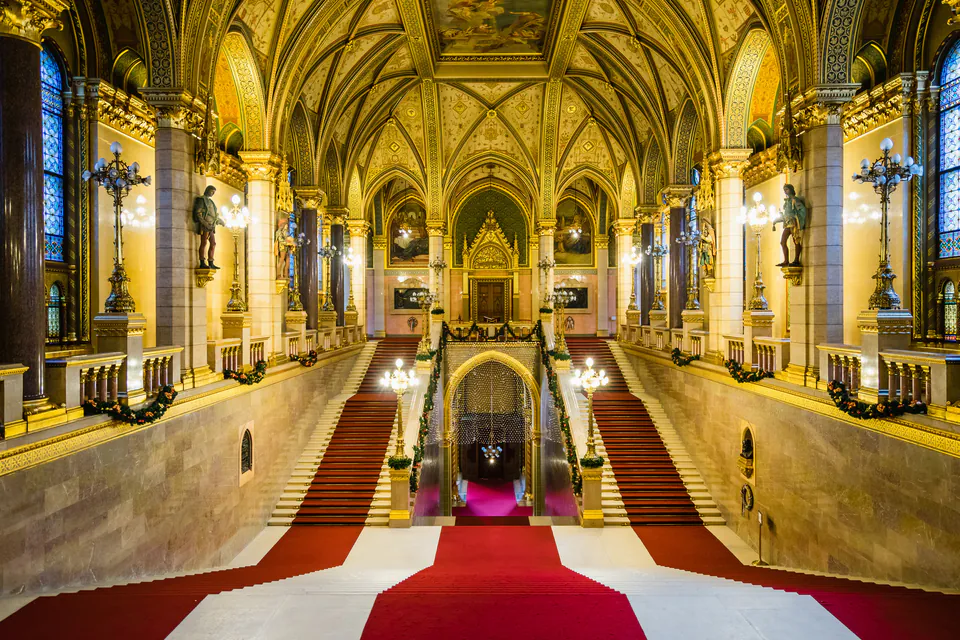
Step inside and the world goes quiet. The interiors are all about the rustic aesthetic. Think wrought-iron lamps and old black-and-white photos of grandfathers tending the vines. It's unpretentious and focused on the drink in your hand. The cellar walk is the main event. You'll head down narrow stairs into the cool dark. The air smells like oak and damp earth. In some spots, you'll see a lopó. That's a traditional glass thief used to suck wine straight out of the barrel. It's a great way to taste the vintage before it hits the bottle. Meals usually happen upstairs or out on the terrace. The goal is simple: keep your plate full and your glass topped up. Whether the room is 200 years old or a modern glass-walled space, the vibe remains the same. This is Hungarian hospitality at its most relaxed. It's better than any new york city wine and food festival tickets because there's no velvet rope here.
Essential Visitor Tips
Dress for the chill. Even if it's 30°C outside, those limestone cellars hover around 12°C. Bring a sweater or you'll be shivering before the second pour.
Carry HUF for bottles. Most family wineries aren't set up for fancy card readers. If you want to take a bottle home, cash is king.
Eat a big breakfast. Country hospitality is real and the pours are heavy. Don't show up on an empty stomach because the tasting usually starts way before the goulash hits the table.
Ask for pezsgő. This is Hungary's sparkling wine capital. Ask your host if they've got anything made with the traditional method open. It's their pride and joy.
Best Time to Visit
"Go between May and September. The vineyards are lush and the weather is perfect for a terrace lunch. September harvest is the peak, but it's also the busiest."