Linguistic Immersion and Heritage at the Old Town Hall
Écrit par
Nils Johansson | Fondateur
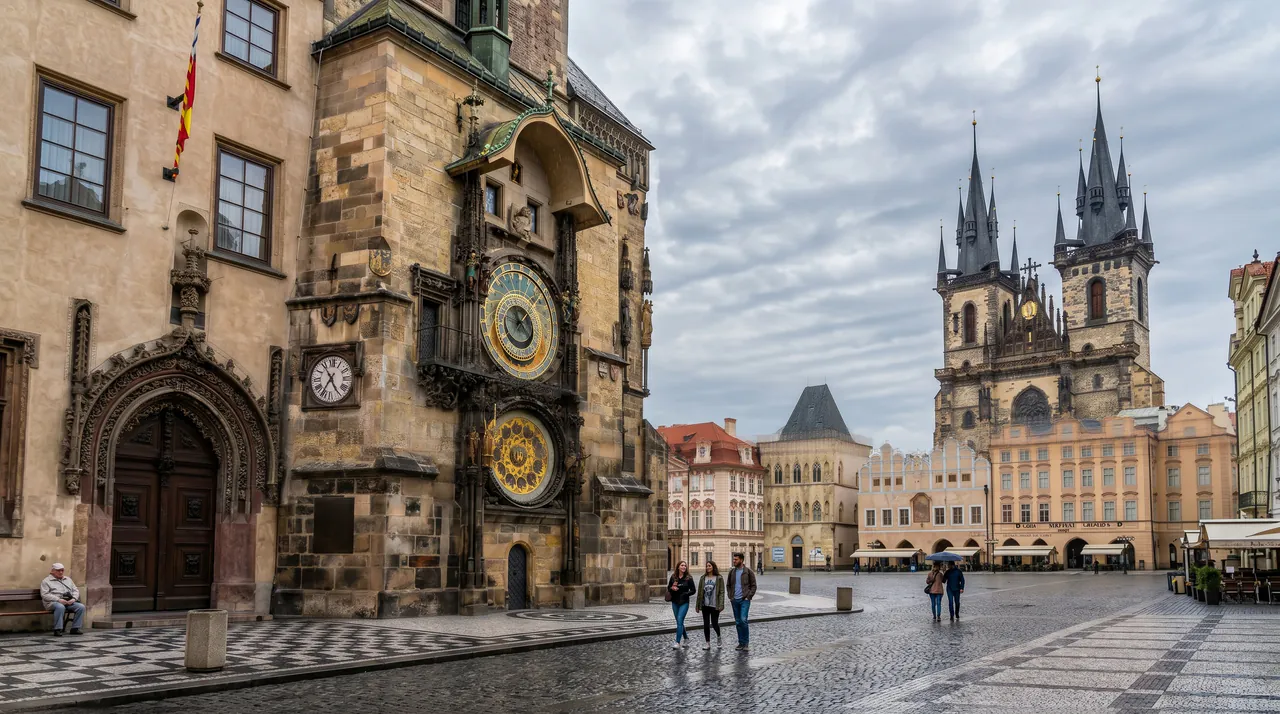
Go to Staroměstská radnice. It's the Old Town Hall. You'll find it right on Old Town Square. It’s the perfect place to start your trip. This isn't just one building. It’s a cluster of medieval houses joined together over 700 years. The city started buying them in the 1300s and just kept adding more. Visit the Prague City Tourism office on the ground floor first. Use it to get your bearings and start your navigation of the Bohemian capital.
The history goes deep here. You’ll find Romanesque stone vaults from the 1100s buried in the basement. Walk upstairs through Gothic and Renaissance council rooms. Then head to the 1300s stone tower. It was the highest spot in the city back in the middle ages. Climb it. You’ll see the red rooftops and the Vltava River spreading out below. It’s a view that hasn't changed much in centuries.
Look for the Pražský orloj on the south wall. That’s the Astronomical Clock. It’s a medieval engineering marvel. It still runs the square with its hourly apostle show. Inside, the building tells the story of the Czech National Revival. That’s the 1800s movement that saved the Czech language. It was nearly lost under Habsburg rule. You'll feel that history in the council chambers. It provides the right context for the local culture and the local tongue.
This is a stop for everyone. Architects and history fans will love the layers of stone. But go even if you just want to talk to people. The visitor center is the best place to practice your Czech. The staff speak multiple languages and they are patient. They’ll help you with those tough alveolar trills before you head out into the city. You’ll leave with more than a ticket and a physical map. You’ll have the cultural tools to actually navigate the country. It’s about building competence, not just seeing sights.
The Pragmatics of Czech Politeness and Formal Etiquette
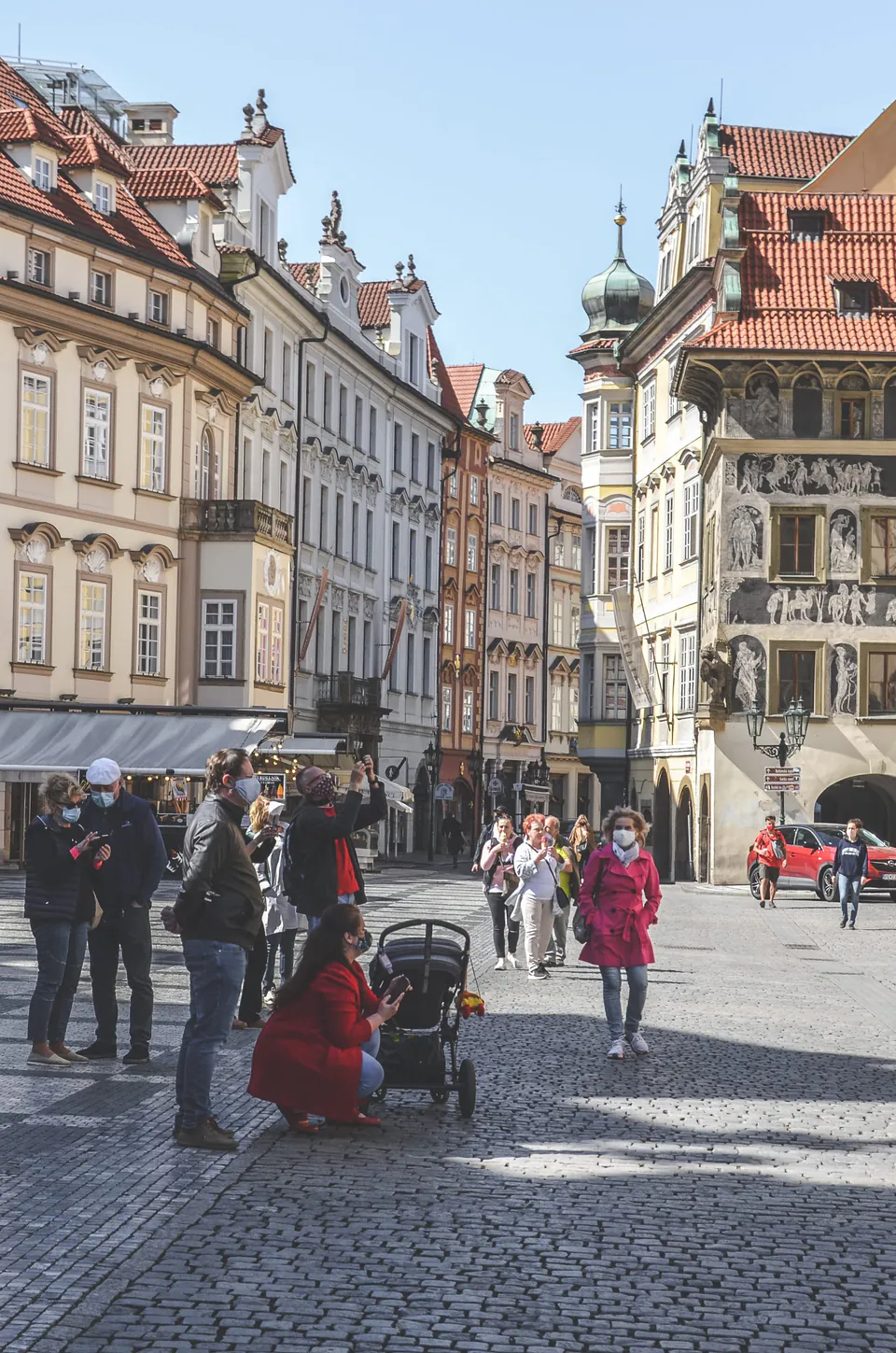
Get the etiquette right. It matters here. Czechs use two versions of "you." Use Vy for everyone you don't know well. Use it for waiters. Use it for shopkeepers. Use it for anyone older than you. It’s the formal way. Only use ty with close friends, family, or kids. Using ty too early feels like an insult. Don't do it. Politeness goes a long way. But it has to be the right kind of polite.
Start every interaction with Dobrý den. It means good day. Say it when you walk into a shop, a cafe, or a pub. If you don't, people will think you're rude. Shake hands firmly and make eye contact. Don't get too close to people in public. Czechs like their personal space. And remember the golden rule for homes. Take your shoes off at the door. Every single time. It's the standard. You’ll see everyone doing it.
Don't confuse a serious face for being mean. Czechs aren't big on fake smiles for strangers. They value being real. If someone isn't grinning at you, they aren't angry. They’re just being authentic. When you eat out, wait for the host to start. Keep your hands on the table. No elbows. Clean your plate. It shows you liked the food. It's a simple way to show respect.
Essential Linguistic Repertoire for Urban Navigation and Gastronomy
Pick up the basics. It makes life easier. Use Dobrý den during the day. Switch to Dobré ráno in the morning. Use Dobrý večer at night. Say Na shledanou when you leave. But the most important word is Prosím. It means please. It also means you're welcome. It can even mean "here you go" or "pardon?" Use it constantly. Pair it with Děkuji for thank you. It establishes an immediate baseline of respect.
You'll use your Czech most in the pubs. A waiter will ask Co si dáte? That means "What will you have?" Answer with Já si dám... then name your order. If you want two small beers, say Dvakrát malé pivo, prosím. Need another? Say Ještě jedno, prosím. If you're ordering juice, they measure by the deciliter. Ask for tři deci for a 0.3-liter glass. When you're done, just say Zaplatím. That signals you’re ready for the bill.
Learn how to find your way. Ask Kde je... to find the stanice metra (metro station), lékárna (pharmacy), or nemocnice (hospital). Younger people in the center speak English well. But if you head to the outskirts, you’ll need these phrases. Knowing vlevo (left), vpravo (right), and rovně (straight) keeps you moving through the urban flow. Don't just be a tourist. Be a guest.
Phonological Nuances and the Challenge of the Alveolar Trill
Czech looks hard but it’s logical. It’s a phonetic language. You say it exactly how it’s written. Just watch the vowels. Short ones are quick. Long ones have an accent mark like á or é. Hold those for twice as long. It changes the meaning of the word. Don't rush them. The system is differentiated by these strict values. It takes practice to hear the difference.
Then there's the ř. It’s the sound that breaks most travelers. It’s a rolled "r" mixed with a "zh" sound, like the middle of the word "vision." You have to vibrate your tongue and buzz at the same time. It’s tough. Even native speakers struggle as kids. It's a unique part of the local speech. You won't find it in many other places.
Try this trick. Roll a normal "r" first. While your tongue is vibrating, push your teeth together. Force the air out through the gap. That creates the buzz you need. It won't be perfect. That’s fine. Locals know it’s the hardest sound in the language. They’ll appreciate the effort. Just trying it opens doors and dismantles barriers.
The Historical Context of the Language and Digital Learning

Czech is alive today because of the národní obrození. That was the 1800s National Revival. After the Battle of White Mountain in 1620, the Habsburgs tried to force everyone to speak German. Czech almost died out. But scholars like Josef Dobrovský and Josef Jungmann fought back. They wrote the grammars. They compiled the dictionaries. They brought the language back to the cities. It paved the way for the National Theatre and a new country.
Get a head start with an app. Duolingo or Busuu work for the basics. They're good for memorizing words. If you want to nail the pronunciation, try Pimsleur. It’s all about listening. Use uTalk for specific travel phrases. Or try Mondly. It uses speech recognition to tell you if you're getting that ř right. Use these tools before you land. It makes the transition to real conversation much smoother.
Take what you learn into the real world. Get away from the pirate-themed candy shops and the tourist traps in the square. Don't buy food sold by weight on the street. Go to a local pub in Vyšehrad. Order your beer in Czech. That’s how you honor the history. Keep the language moving. It's the best way to see the real Prague.
Conseils pratiques
- 1Achetez vos billets pendant la première heure d'ouverture (de 09:00 à 10:00, du mardi au dimanche) pour bénéficier d'un tarif d'entrée réduit.
- 2Inscrivez-vous pour un créneau horaire spécifique aux Medieval Underground dès votre entrée dans le hall de billetterie, car les visites ne partent que toutes les 1.5 à 2 heures.
- 3Procurez-vous vos documents d'orientation exclusivement au centre d'information touristique officiel à l'intérieur pour éviter de surpayer les vendeurs de rue.
- 4Vérifiez que les forfaits touristiques tiers incluent explicitement les visites guidées des intérieurs et des souterrains, plutôt qu'un simple accès à la tour.
- 5Évitez les vendeurs à proximité de la place proposant de la nourriture vendue au poids et les magasins de bonbons de fantaisie affichant des bannières de pirates.
- 6Saluez immédiatement le personnel des boutiques et restaurants d'un 'Dobrý den' en entrant pour respecter les normes de politesse locales strictes.
Où manger
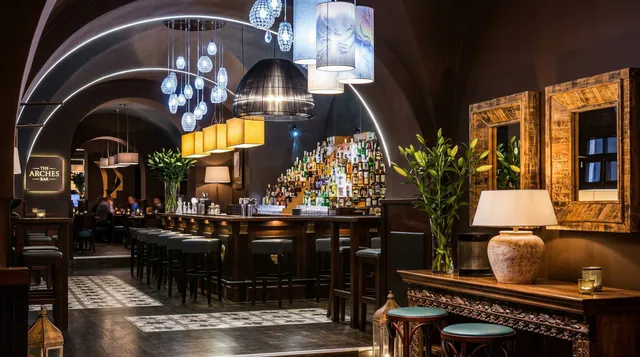
Restaurant Agave
Vous trouverez l'Agave Restaurant Prague sur la rue Masná, niché dans les ruelles sinueuses de Staré Město. C'est un contraste saisissant avec la pierre gothiqu
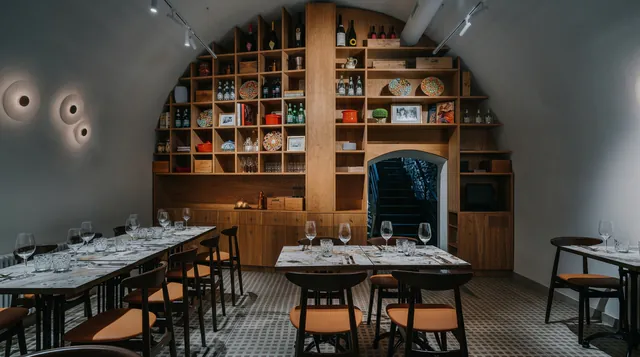
Alriso Risotteria Italiana
Vous trouverez Alriso Risotteria Italiana Prague sur les pavés de Betlémské náměstí. C'est un lieu spécialisé qui délaisse les habituels pièges à touristes pour
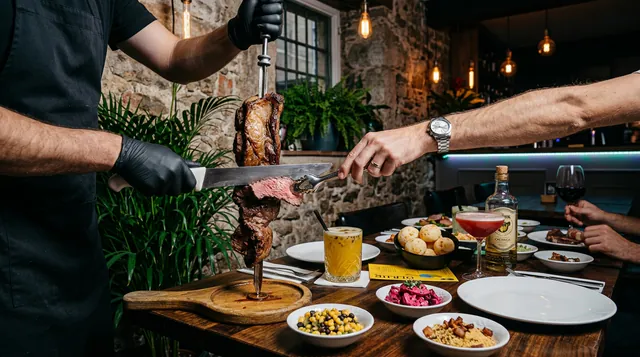
Brasileiro U Zelené žáby
Vous trouverez cet endroit à quelques pas de Old Town Square. C'est là que l'histoire de la Prague du XIVe siècle rencontre l'énergie brute d'une churrascaria d
Questions fréquentes
Combien coûte l'entrée à l'Old Town Hall et à ses souterrains ?
Quel est le meilleur moment de l'année pour explorer le complexe sans la foule ?
Comment les personnes en fauteuil roulant doivent-elles préparer leur visite du complexe historique ?
Comment puis-je éviter les files d'attente importantes pour l'ascenseur de la tour pendant les mois d'été ?
Quel est le meilleur endroit pour bien entendre l'Astronomical Clock ?
Quelle est la manière appropriée de s'adresser au personnel du centre d'accueil ?
Guides connexes
- Accessible Travel Guide to Prague: Old Town Hall & Beyond
- Prague Budget Travel & Old Town Hall Expert Guide 2026
- Emergency Contacts & Services in Prague: A Comprehensive Healthcare and Security Guide
- Prague Border Survival Guide: Visas, EES Biometrics, and Entry Requirements for 2026
- The Definitive Guide to Healthcare & Pharmacies in Prague
- Comprehensive Internet and Mobile Connectivity Guide: Prague
- Luggage Storage Infrastructure and Urban Mobility Logistics in Prague
- Czech National Bank Visitor Centre
Calculateur de budget voyage
Obtenez une estimation réaliste pour votre voyage à Budapest en quelques secondes.
EssayerÉtiquettes
Lieux à Prague
Attractions, hôtels et plus encore.