Emergency Contacts & Services in Prague: A Comprehensive Healthcare and Security Guide
Écrit par
Nils Johansson | Fondateur
Motol University Hospital (Fakultní nemocnice v Motole) functions like a self-contained medical city in Prague 5. It is a massive complex. This is the heavy hitter of Czech healthcare. It's the largest hospital in the country and stands as one of the most advanced campuses in Europe. Since it's the teaching base for the Second Faculty of Medicine at Charles University, the clinical care is top-tier. For an international visitor, the Foreign and Private Patient Department (Oddělení péče o samoplátce) is the key. Don't waste time in the public triage areas where language barriers might delay your care. This department provides English-speaking coordinators to manage everything from your initial intake to insurance checks. They make a confusing system feel surprisingly straightforward. Everything you need is available on-site. Motol offers routine checks and major surgeries. High-end pediatric care is a specialty here too. This self-sufficiency is a lifesaver. You won't be shuffled between different hospitals across Prague during a crisis. They even offer better rooms and tailored meals if you have to stay overnight. Good trip planning means knowing where to go when things go wrong. If you have a life-threatening injury, you'll be rushed straight to the resuscitation bays. For urgent issues that can't wait until you fly home, Motol is the destination. EU citizens should carry their European Health Insurance Card (EHIC). It simplifies the paperwork and gives you peace of mind while walking the streets of the capital.
The Pre-Hospital Emergency Medical Care Apparatus and Dispatch Logistics
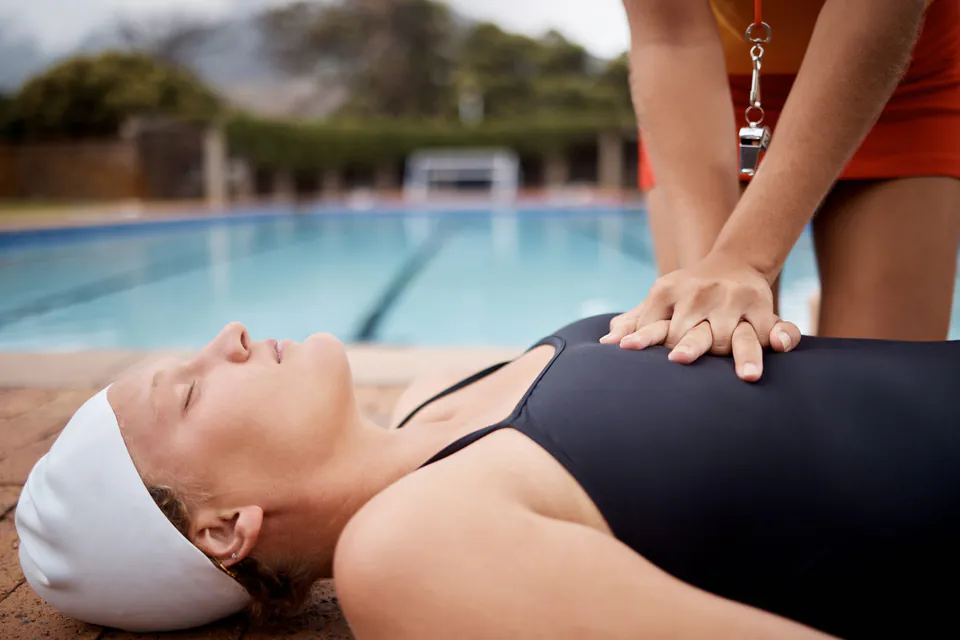
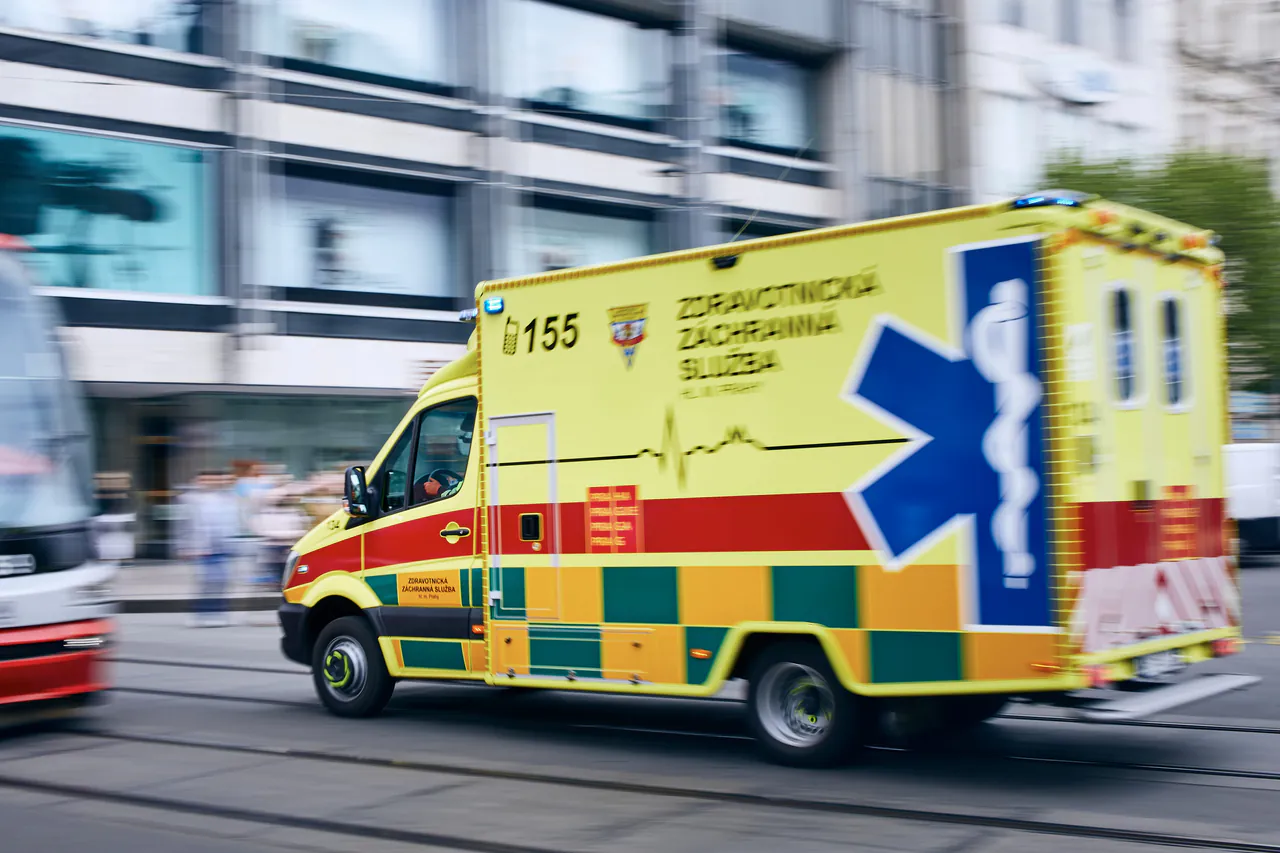
Prague’s emergency response is a sharp logistical machine run by the ZZS HMP. They handle more than 255,000 calls every year. Dialing 155 gets you directly to medical dispatch. But if you don't speak Czech, dial 112 instead. That puts you in touch with English-speaking operators. They coordinate police and fire crews. Medical responses are handled through the same hub. The city uses a Rendezvous System. This involves standard ambulances and doctor-led Rapid Response Vehicles (RRV). Both units meet at the scene of a crisis. The doctor stabilizes you. Then the paramedics take you to the hospital. It's efficient and saves time. A physician is usually at your side within 15 minutes anywhere in the city. For major disasters, they deploy the GOLEM mobile command unit. It's a massive vehicle built for mass casualty events. It shows how much they have adapted to urban emergencies over the decades.
Comprehensive Medical Facilities and the Expatriate Safety Net
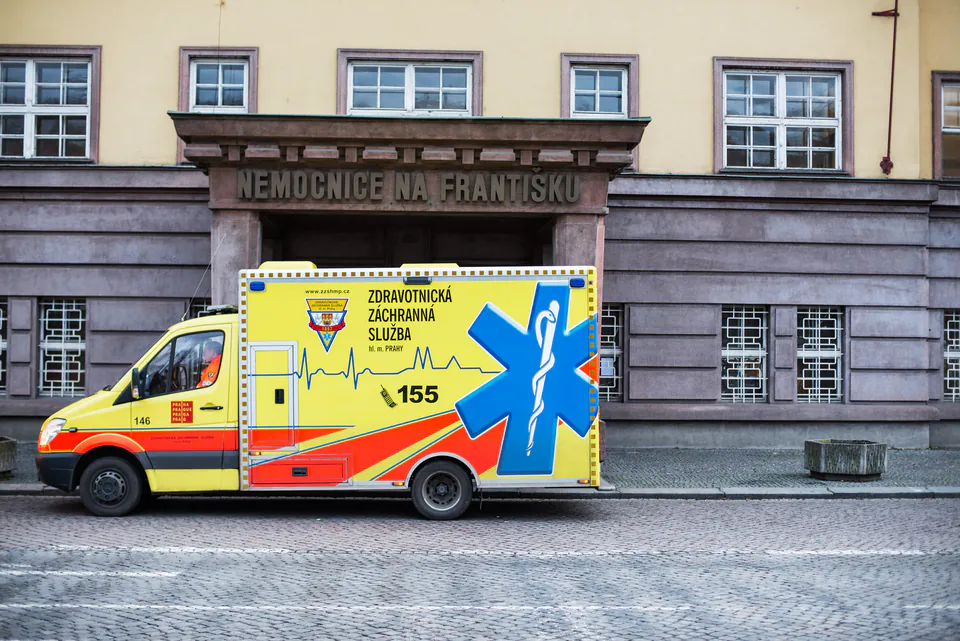
Motol is the anchor for travelers. They use a strict triage system called ESI. This means your wait time depends on how sick you are. Expect to wait between two and five hours. If you don't have local insurance, you'll pay an upfront fee of 5,000 CZK for an exam. Na Homolce in Prague 5 is another great option for foreigners. They have a dedicated department for expats. Other reliable spots include Na Bulovce in Prague 8 or Na Františku in the historic center. If you need psychiatric help, Bohnice Psychiatric Hospital offers 24/7 assistance. For high-end outpatient care, try Canadian Medical in Prague 6. Their staff speaks perfect English. They also have a 24-hour call center. This layered system ensures you can get treatment for anything from a kid's fever to a complex disorder. It meets the highest European standards.
Tourist Law Enforcement, Security Protocols, and Architectural Heritage
Prague has specialized police for tourists. The main station is at Jungmannovo náměstí 9. It was built to help foreign victims of crime. They have English interpreters available 24 hours a day. Go there to file an incident report. You'll need that document to make a claim with your travel insurance. The station sits inside the Mottlův dům. This is a neo-Baroque building from 1905 with Art Nouveau touches. Seeing police officers working inside a historical landmark is typical for Prague. If you want to see more, visit the Czech Police Museum in Nové Město. It traces law enforcement from 1918 through the Cold War. For a more somber experience, go to Petschek Palace. It was the Gestapo headquarters during the war. It serves as a stark reminder of the city's 20th-century history.
Acute Dental Care and the Pharmaceutical Night Window Infrastructure
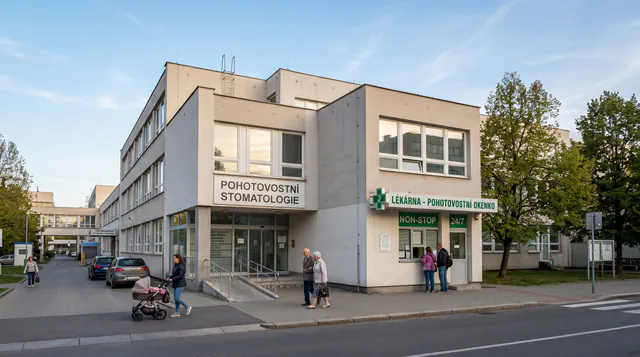
Dental care is handled separately in Prague. Most big trauma centers like Motol don't have walk-in dental surgeons. If your tooth hurts, go to the municipal clinic at Spálená 12. They open from 19:00 to 07:00 on weekdays and stay open all weekend. You must pay a 1,000 CZK surcharge at the door. That covers pain relief and stabilization. You will need a regular dentist for a permanent filling later. Pharmacies (Lékárna) have strict rules too. Most close by 19:00. After that, you'll need a 24-hour pharmacy that uses a night window protocol. You talk to the pharmacist through a small glass window. You can find these at Belgická 37 in Prague 2 or Vítězné náměstí in Prague 6. Motol also has its own pharmacy that never closes. You can fill your prescription there immediately after you're discharged.
Conseils pratiques
- 1Gardez sur vous des copies physiques ou numériques de votre passeport et de vos attestations d'assurance voyage.
- 2Appelez une ambulance officielle plutôt que d'utiliser des applications de VTC pour toute urgence vitale suspectée.
- 3Lisez le code d'identification à 6 chiffres apposé sur le lampadaire le plus proche si vous devez indiquer votre position exacte aux répartiteurs.
- 4Signalez tout vol mineur à un poste de police touristique dédié dans les 24 heures pour obtenir le numéro de dossier obligatoire pour vos démarches d'assurance.
- 5Notez vos symptômes et vos médicaments actuels dans une application de traduction avant de vous présenter au guichet de triage de l'hôpital.
- 6Recherchez les pharmacies avec un « guichet de nuit » éclairé et sonnez pour acheter des médicaments après 19:00.
Questions fréquentes
Quel numéro appeler pour une ambulance si je ne parle pas tchèque ?
Combien coûte une visite à l'hôpital si je n'ai pas d'assurance publique locale ?
Où aller au milieu de la nuit en cas de forte rage de dents ?
Quel est le meilleur moment pour se rendre à l'hôpital pour des problèmes urgents mais non vitaux ?
Quels documents dois-je présenter pour éviter de payer d'importantes cautions en espèces ?
Quel est le temps d'attente habituel dans un service d'urgence spécialisé à Prague ?
Guides connexes
- Accessible Travel Guide to Prague: Old Town Hall & Beyond
- Prague Budget Travel & Old Town Hall Expert Guide 2026
- Prague Border Survival Guide: Visas, EES Biometrics, and Entry Requirements for 2026
- The Definitive Guide to Healthcare & Pharmacies in Prague
- Comprehensive Internet and Mobile Connectivity Guide: Prague
- Linguistic Immersion and Heritage at the Old Town Hall
- Luggage Storage Infrastructure and Urban Mobility Logistics in Prague
- Czech National Bank Visitor Centre
Calculateur de budget voyage
Obtenez une estimation réaliste pour votre voyage à Budapest en quelques secondes.
EssayerÉtiquettes
Explorer Prague
Découvrez des attractions, hôtels et plus encore.