Underground Budapest: A Local's Guide to the Metro
The Budapest metro system isn't just a way to dodge traffic. It is a time machine. You'll rattle along in toy-like carriages on the oldest subway in continental Europe, then drop into brutalist hubs from the Soviet era. Every line tells a different story. It is the city's lifeline, but it's famously ruthless if you forget to validate your ticket. Navigating the four main metro lines in Budapest lets you zip between the Buda hills and Pest's bars in minutes. It is fast. It is efficient. But it has quirks. You'll need to master the paper ticket system and keep an eye out for the inspectors. Whether you're aiming for the Széchenyi Baths or catching an airport connection, here is how to ride like you live here.
The Yellow Line (M1): A Ride Through History
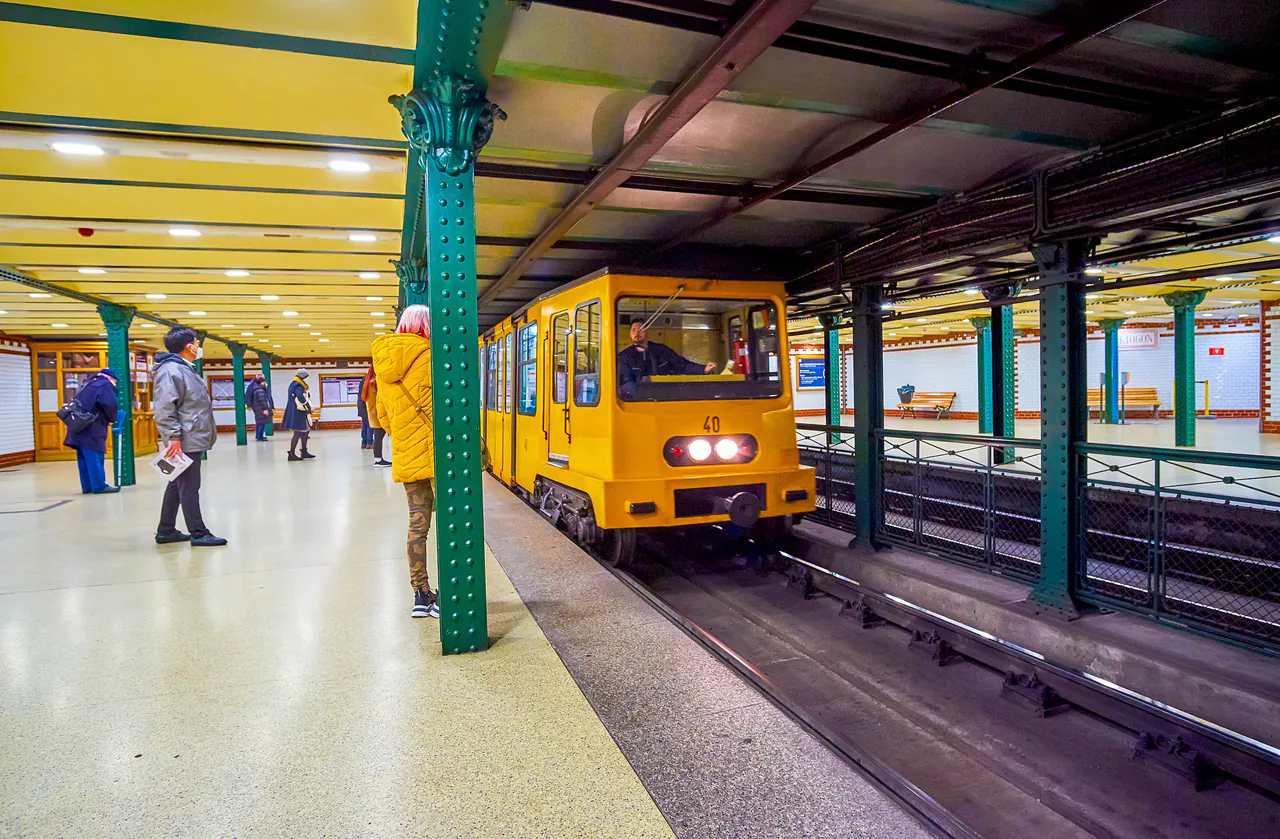
If you only take one trip, make it the M1. Locals call it the Kisföldalatti, or the Little Underground. It opened in 1896 and still feels like a 19th-century film set. You'll find elegant wrought-iron railings at the entrance and stations clad in creamy Zsolnay tiles. The trains are tiny. They're yellow, loud, and run just a few meters under Andrássy Avenue. Unlike the deep Soviet lines, you can actually hear the cars above you. Catch it at Vörösmarty tér to reach City Park. It's the best way to see the Opera House and Heroes' Square. But don't expect luxury. In July, these carriages are basically mobile saunas. There's no AC, just open windows and a warm breeze. Still, m1 metro budapest is a classic experience. Worth every forint.
The Deep Lines: M2 and M3
The Red (M2) and Blue (M3) lines are a different breed. These were built for speed and volume during the socialist years. M2 dives deep under the Danube to link Buda and Pest. The escalators here are famously fast. Don't hesitate. Step on and hold the rail while locals calmly read their phones during the long descent. Use this line for Parliament at Kossuth Lajos tér or to reach the castle side via Batthyány tér. Then there's the budapest m3 metro. This is the city's workhorse. It runs North-South on the Pest side and finally finished a massive overhaul in May 2023. The old rusted Soviet cars are gone. Now it's crisp, modern, and air-conditioned. It is also your best bet for the airport connection via the 200E bus at Kőbánya-Kispest. Fast and functional.
The Future is Green: The M4
The Green Line (M4) is the newest addition to the budapest metro system. It opened in 2014 and looks like a sci-fi set. Think raw concrete beams and massive, cathedral-style spaces. It's a photographer's dream. The stations at Szent Gellért tér and Fővám tér feature psychedelic mosaics that look like digital glitches. And since the trains are fully automated and driverless, you can sit at the very front. You'll get a warp-speed view of the tunnel lights as you fly toward Keleti Railway Station. It's also the most accessible line by far. Every metro station budapest built for the M4 has an elevator. If you have a stroller or a heavy suitcase, this is your best friend.
Tickets, Validation, and the dreaded Inspectors
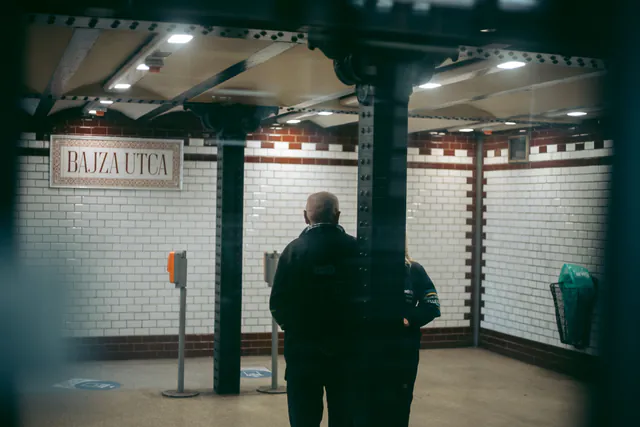
Don't mess with the ticket rules. You won't find many turnstiles, but the purple-armband inspectors are everywhere. They're strict and they've heard every excuse. A budapest metro ticket costs 500 HUF as of mid-2025. Don't buy singles one by one. Buy a block of 10 for 4,500 HUF instead. Even better, grab a 72-hour travel card for 5,750 HUF. You won't have to worry about punch machines every time you board. You can find these at the violet BKK machines or on the BudapestGO app. If you go the paper route, you must validate it immediately at the orange boxes. Forget this and you'll get slapped with a 12,000 HUF fine on the spot. No exceptions for confused visitors.
Practical Tips
- 1Get the BudapestGO app. Buy your passes digitally and scan the QR codes to validate. It beats waiting at a machine.
- 2Punch your paper tickets. Use the orange or yellow machines before you hit the platform. No stamp means a fine.
- 3Pay attention to the 100E bus. The airport shuttle requires a specific 2,500 HUF ticket. Your standard pass won't work here.
- 4Keep right on escalators. Locals treat this like a highway. Stand on the right and leave the left for people in a rush.
- 5EU seniors travel free. If you are over 65, just carry your ID. You don't need a ticket for any line.
- 6One ticket covers the whole metro trip. You can switch between M1, M2, M3, and M4 without using a second ticket.
- 7Skip street taxis. If the metro is shut, use Bolt or Főtaxi apps. You'll avoid the 'tourist' price hikes.
- 8Snag the front seat on M4. It’s driverless, so you get a clear view of the tunnel rushing toward you.
Top Attractions
Hungarian National Museum
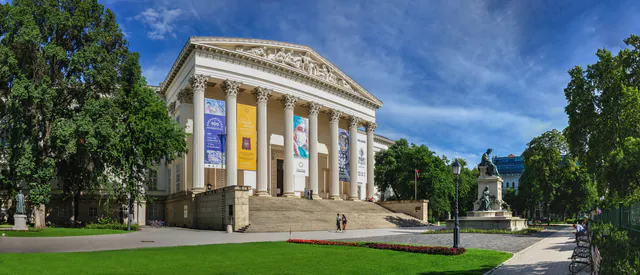
You can't miss the Hungarian National Museum. It sits on Múzeum körút in the 8th district, looking exactly like a Greek temple dropped into the center of Budape
Lukács Thermal Bath and Swimming Pool
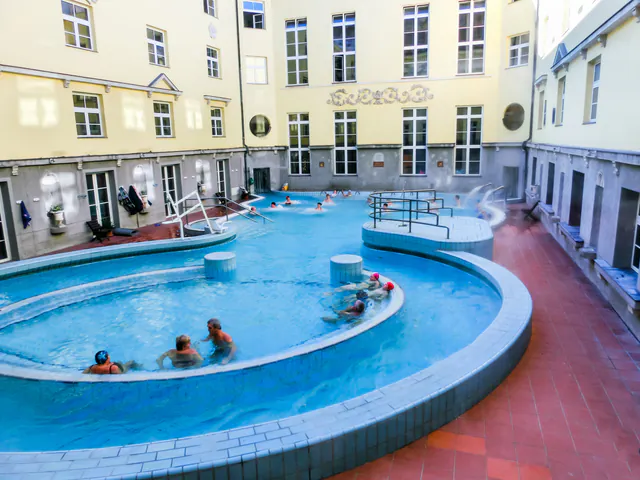
Don't come here for the gold leaf of the Gellért or the postcard crowds of Széchenyi. You come to Lukács (Szent Lukács Gyógyfürdő) for the real thing. Tucked in
Memento Park
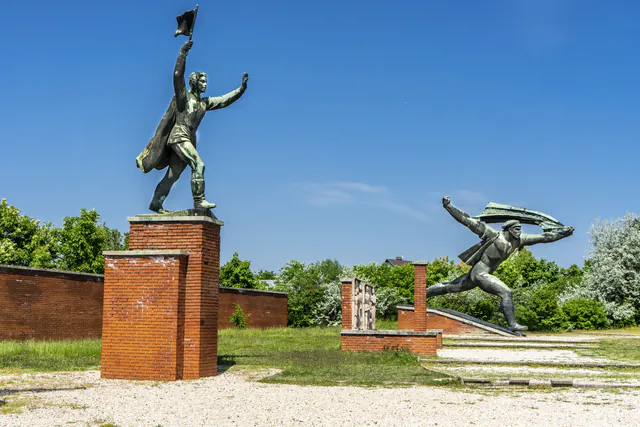
Head to the dusty edge of the city, away from the gold-leafed Parliament and the neon glow of the Jewish Quarter, and you'll find a graveyard for giants. Budape
Frequently Asked Questions
Can I use Euros to buy metro tickets?
Is the Budapest metro safe at night?
Do I need to validate my ticket when I change metro lines?
Is the metro wheelchair accessible?
How do I get to the airport using the metro?
Related Guides
- Budapest Airport to City Center: The Local’s Guide to Arriving Smoothly
- Mastering the Blue Fleet: An Insider’s Guide to Budapest Buses
- Budapest After Dark: The Ultimate Night Transport Guide
- Navigating Budapest: A Local’s Guide to Trams, Metros, and Buses
- Navigating the Yellow Sea: The Complete Guide to Taxis and Rideshare in Budapest
- Navigating Budapest: The Ultimate Guide to Tickets, Passes & The Budapest Card
- Riding the Yellow Rails: The Ultimate Guide to Budapest's Trams
- Budapest in 24 Hours: A Tale of Two Cities
Currency Cheat Sheet
Quick EUR to HUF reference for everyday Budapest spending.
Try itTags
Places in Budapest
Related attractions, hotels, and more.