Navigating Budapest: A Local’s Guide to Trams, Metros, and Buses
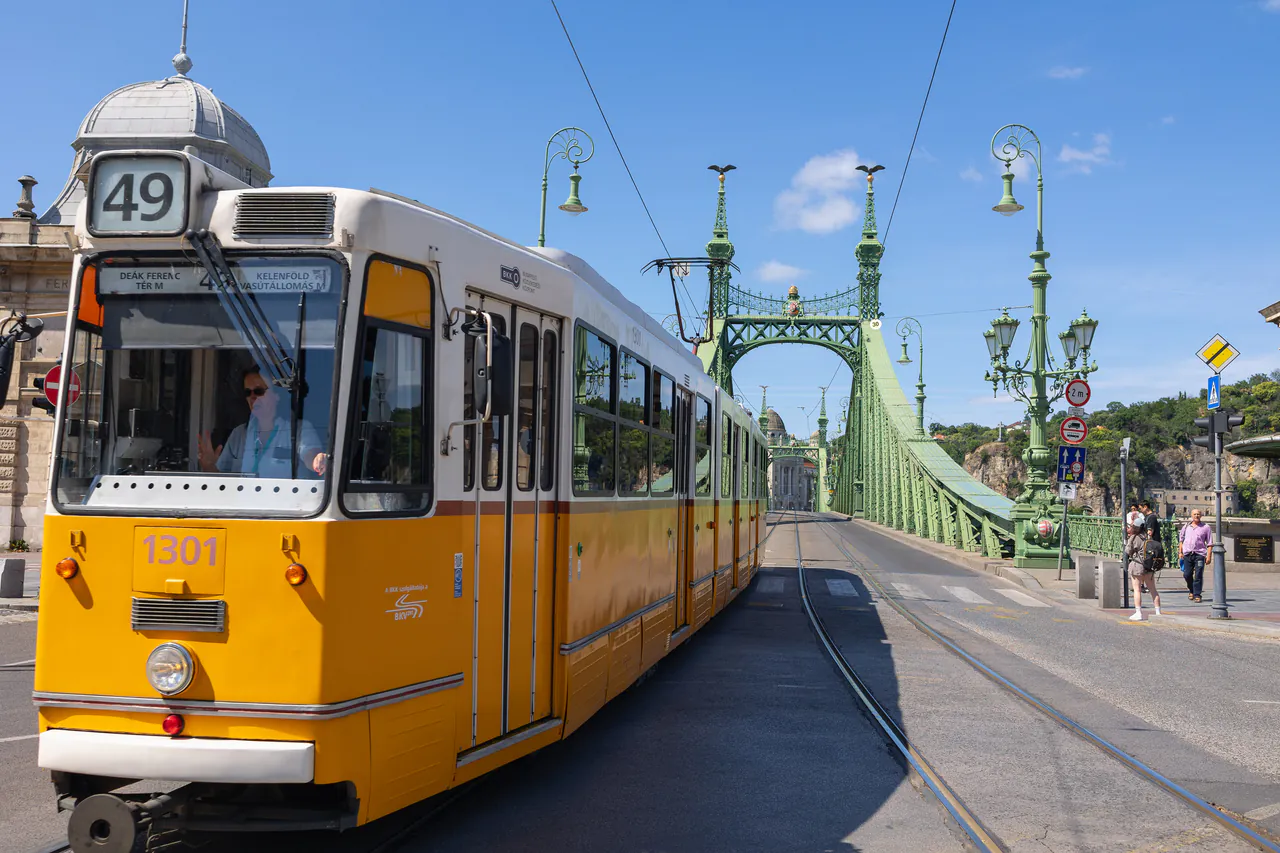
Budapest’s BKK network isn't just for getting from A to B. It’s the city's pulse. Yellow trams skim the Danube while the continent’s oldest subway rattles beneath the streets. You’ll find it more atmospheric than most European transit. Forget the hidden, grime-streaked metros of Paris or London. Here, the ride is the sightseeing, connecting the craggy heights of historic Buda to the flat, frantic energy of Pest.
But don't just wing it. Ticket inspectors are legendary for their lack of a sense of humor. The mix of high-tech apps and Soviet-era paper punchers can trip you up fast. Master the BudapestGO app, learn which tram lines beat a tour bus, and you’ll move through the city like a local. It’s cheap, reliable, and runs 24/7. This is how you navigate the Grand Boulevard and the red trolleybus routes without looking like a lost tourist.
Photos
The Metro Network: From Historic Charm to Modern Speed
Budapest's metro is a split personality. Start with the M1 (Yellow Line), or the “Kisföldalatti.” It opened in 1896 and feels like a period piece. Think white and brown tiles, tiny rattling carriages, and stations that look like film sets. It’s shallow. You’ll hear the rumble from the sidewalk and reach the platform in ten steps. Get off at Opera or Hősök tere to stand right in the thick of the grandeur.
Then there’s the heavy lifting. The M2 (Red) and M3 (Blue) dive deep under the river to bridge the Buda-Pest divide. The M3 is the gritty workhorse you'll need for airport transfers. But the M4 (Green) is the real standout. It’s a concrete brutalist dream. Szent Gellért tér features massive mosaic swirls that make it feel more like an underground gallery than a train stop. Fast, efficient, and vital. Just remember: validate before you hit the escalator or scan that QR code at the entrance. No excuses.
The Yellow Trams: Sightseeing on a Budget
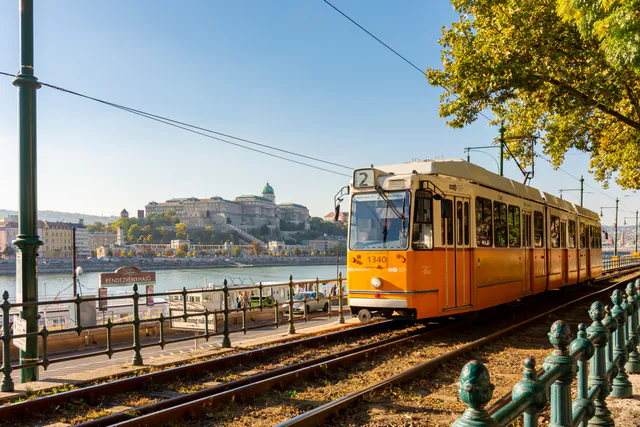
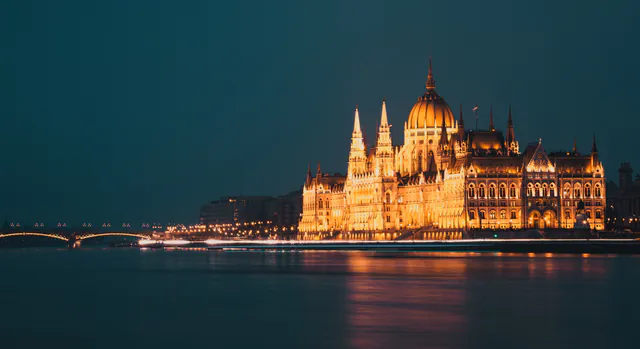
Take the metro for speed, but take the trams for the soul of the city. Tram 2 is the heavy hitter here. It tracks the Pest side of the Danube, giving you a front-row seat to the Castle District and the Parliament building. It costs 450 HUF. That’s a fraction of what those tourist boats charge for the same view. Snag a window seat on the river side and ride from Jászai Mari tér to the National Theatre at sunset. Worth every forint.
For the city's backbone, hop on the 4 or 6. Known as the “Négyes-Hatos,” these yellow giants run the Grand Boulevard 24 hours a day. They link Oktogon, Blaha Lujza tér, and Nyugati. They are the longest trams on earth and they’re always packed. Use them to bounce between ruin bars or grab a 2 AM gyro. If you’re over in Buda, Trams 19 and 41 offer a quieter crawl past the Gellért Baths. You won't find a better angle for a photo of Parliament across the water.
Buses and Trolleys: Filling the Gaps
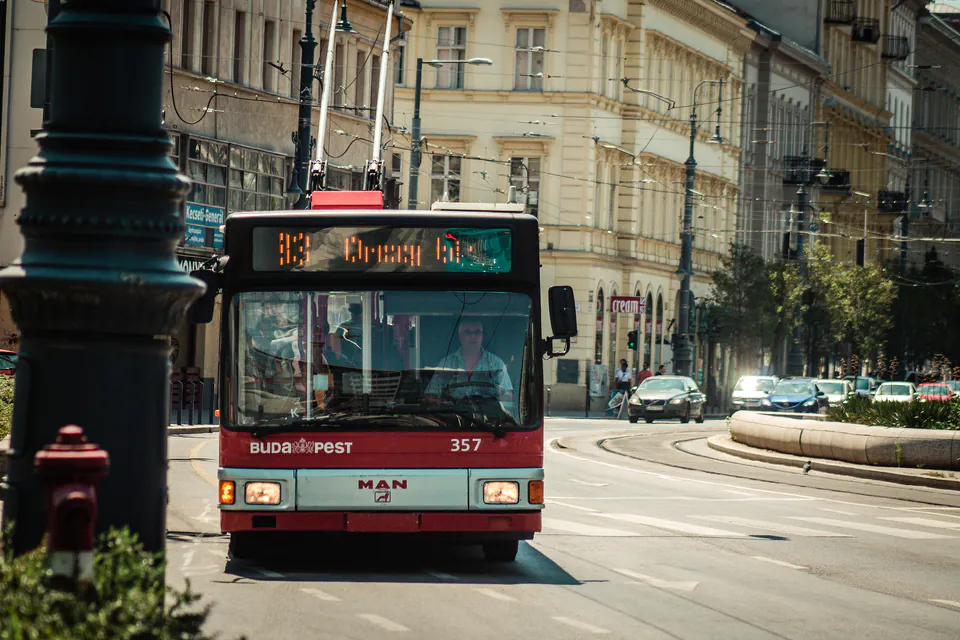
When the tracks stop, the blue buses take over. These reach the steep Buda hills where the metro can't go. Grab the 16 from Deák Ferenc tér to climb the cobbles into the Castle District. It’s a tight squeeze through the old gates and drops you right at Fisherman’s Bastion. If you’re in Pest, watch for the red trolleybuses. Fun fact: their numbers start at 70 because the first line launched on Stalin’s 70th birthday in 1949. The name stuck.
Getting to the airport means choosing between the 100E and 200E. The 100E is the Airport Express. It’s a straight shot to Deák Ferenc tér in 40 minutes. You’ll need a specific 2,200 HUF ticket for this one, standard passes won't work. If you’re pinching pennies and have a 72-hour pass, take the 200E to the Kőbánya-Kispest M3 station. It’s slower and less fancy, but it’s essentially free with your travel card. Your call.
Tickets, Apps, and Avoiding Fines
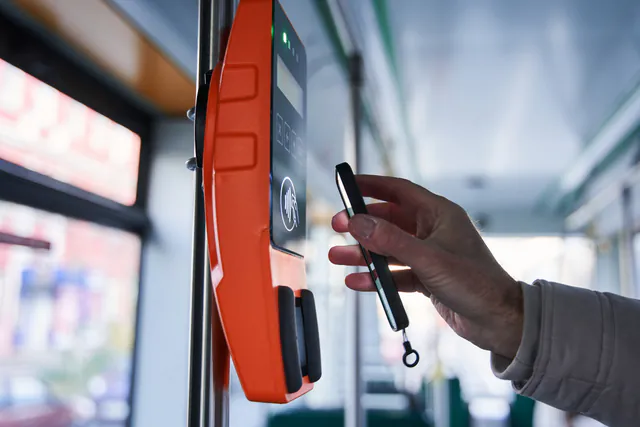
Don't wrestle with old ticket machines. Download the BudapestGO app instead. It’s the only way to live. Use it to buy digital passes and map your routes in real time. Buy a 24-hour or 72-hour travel card. A 72-hour pass runs 5,500 HUF (roughly €14) and covers everything but the 100E and the funicular. It’s the easiest way to avoid the validation headache.
Validation is where they catch you. If you’re using paper, punch it the second you board or before hitting the metro platform. Look for the red or orange boxes. If you’re digital, scan the QR code sticker by the door before the vehicle moves. You’ll see an animation on your screen. Show that to the inspectors, they wear armbands and they don't care if you're a confused visitor. An on-the-spot fine is 12,000 HUF. Pay for your ticket. It's cheaper than the fine.
Night Service: The City That Never Sleeps
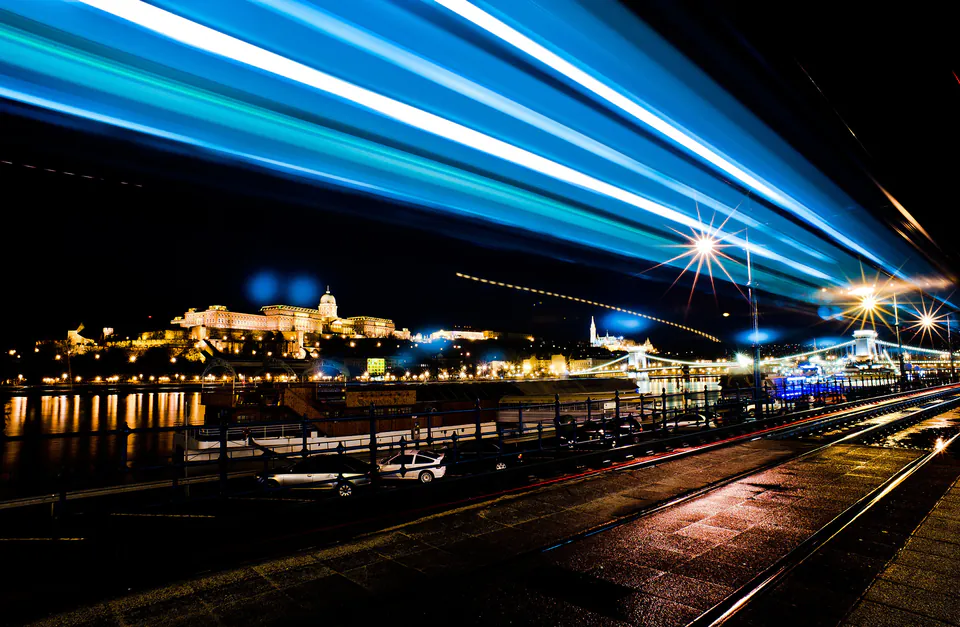
Budapest doesn't strand you when the bars close. The night network is stellar. The 4/6 tram runs all night long, every 10 or 15 minutes. It’s the main artery for the party crowd leaving Király utca. It can get loud, but it’s safe. Just part of the local experience.
For everywhere else, look for night buses marked with a '9,' like the 907 or 979. They usually converge at Astoria or Deák Ferenc tér every half hour. Check your BudapestGO app because the night maps look nothing like the day ones. Be sharp at hubs like Blaha Lujza tér in the dead of night, but don't worry about extra costs. Your standard travel pass covers every night bus and tram in the system. No surcharges here.
Practical Tips
- 1Use the 100E for seamless airport transfers. The Airport Express costs 2,200 HUF (~€5.50) and hits Deák Ferenc tér 24/7. Tap your card on the Pay&GO reader or use the app.
- 2Seniors 65+ travel for free. If you’re an EU or non-EU citizen (including US and UK) aged 65 or over, your passport is your ticket. Just show it to inspectors.
- 3Front-door boarding policies. On many buses, you must board at the front and show your pass to the driver. Look for the "Első ajtós felszállás" sign on the bus or timetable.
- 4Ride the MOL Bubi bikes. These neon green bikes are perfect for short hops. A monthly pass is a steal at 1,000 HUF and gives you 30 minutes of free riding per trip.
- 5Validate digital tickets before boarding. Scan the QR code at the door or metro entrance to get the animation. A screenshot of your ticket is useless and will get you fined.
- 6Avoid the taxi freelancers. Only use cars with big company logos like Bolt or Főtaxi. Street-hailers without branding will rip you off. Use the apps instead.
Tours & Experiences
Book popular tours in Budapest
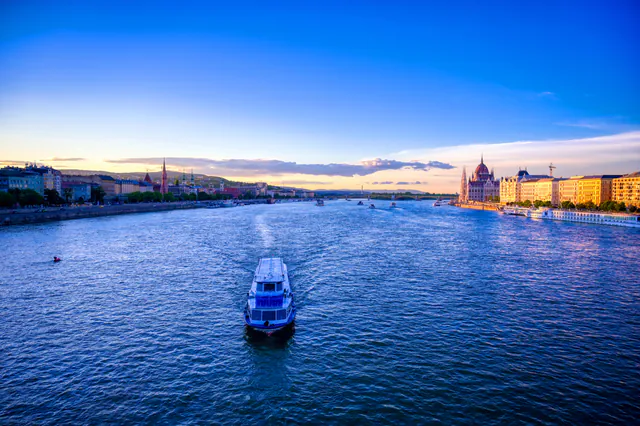
Budapest River Cruise with Tokaj Frizzante & Audio Guide
See the best of the Hungarian capital from the water on this 60-minute river Danube cruise Budapest staple. You'll cast off from Dock 10 near the Elizabeth Brid
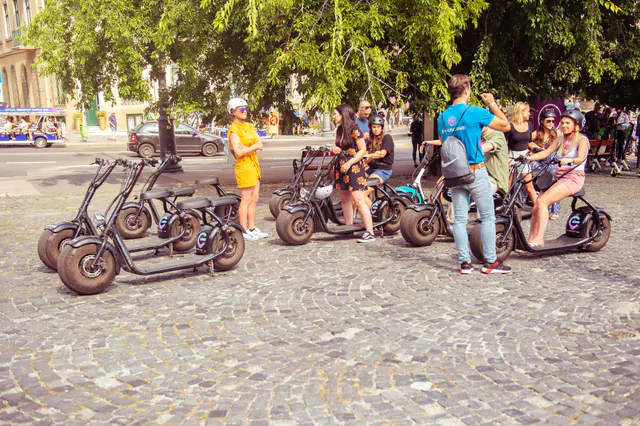
MonsteRoller E-Scooter Rental in Budapest
Ditch the hiking boots and skip the packed tour buses. A MonsteRoller e-scooter rental is the sharpest way to take the Hungarian capital. These aren't flimsy pl
Top Attractions

Aeropark Budapest
Parked right by Terminal 2B at Ferenc Liszt International Airport, Aeropark Budapest is a hands-on graveyard of Soviet aviation that’s actually alive. Forget ve
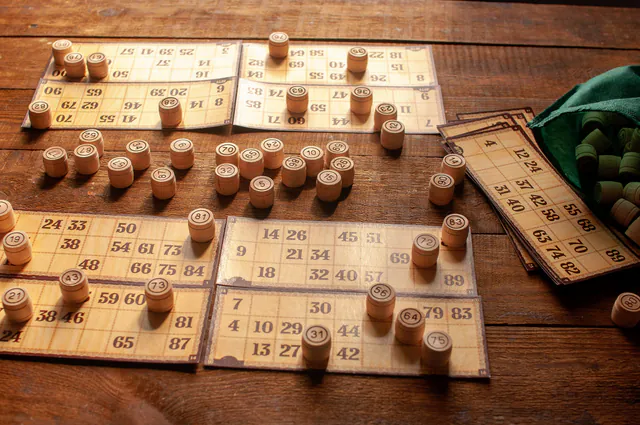
Bingo Bar Crawl
Budapest's nightlife is legendary, but the Bingo Bar Crawl turns a standard night out into a competitive sport. Forget passive pub tours where you follow a flag
Budapest Boat Party
The Budapest Boat Party is a loud, unapologetic collision of two worlds. On one side, you have the quiet, UNESCO-protected grandeur of the Danube. On the other,
Frequently Asked Questions
Does Uber work in Budapest?
Is the Budapest Card worth it for transport?
Do I need to validate my ticket every time I transfer?
How do I get from the airport to the city center at night?
Can I pay with Euros on the bus?
Related Guides
- Budapest Airport to City Center: The Local’s Guide to Arriving Smoothly
- Mastering the Blue Fleet: An Insider’s Guide to Budapest Buses
- Underground Budapest: A Local's Guide to the Metro
- Budapest After Dark: The Ultimate Night Transport Guide
- Navigating the Yellow Sea: The Complete Guide to Taxis and Rideshare in Budapest
- Navigating Budapest: The Ultimate Guide to Tickets, Passes & The Budapest Card
- Riding the Yellow Rails: The Ultimate Guide to Budapest's Trams
- Budapest in 24 Hours: A Tale of Two Cities
Currency Cheat Sheet
Quick EUR to HUF reference for everyday Budapest spending.
Try itTags
Places in Budapest
Related attractions, hotels, and more.