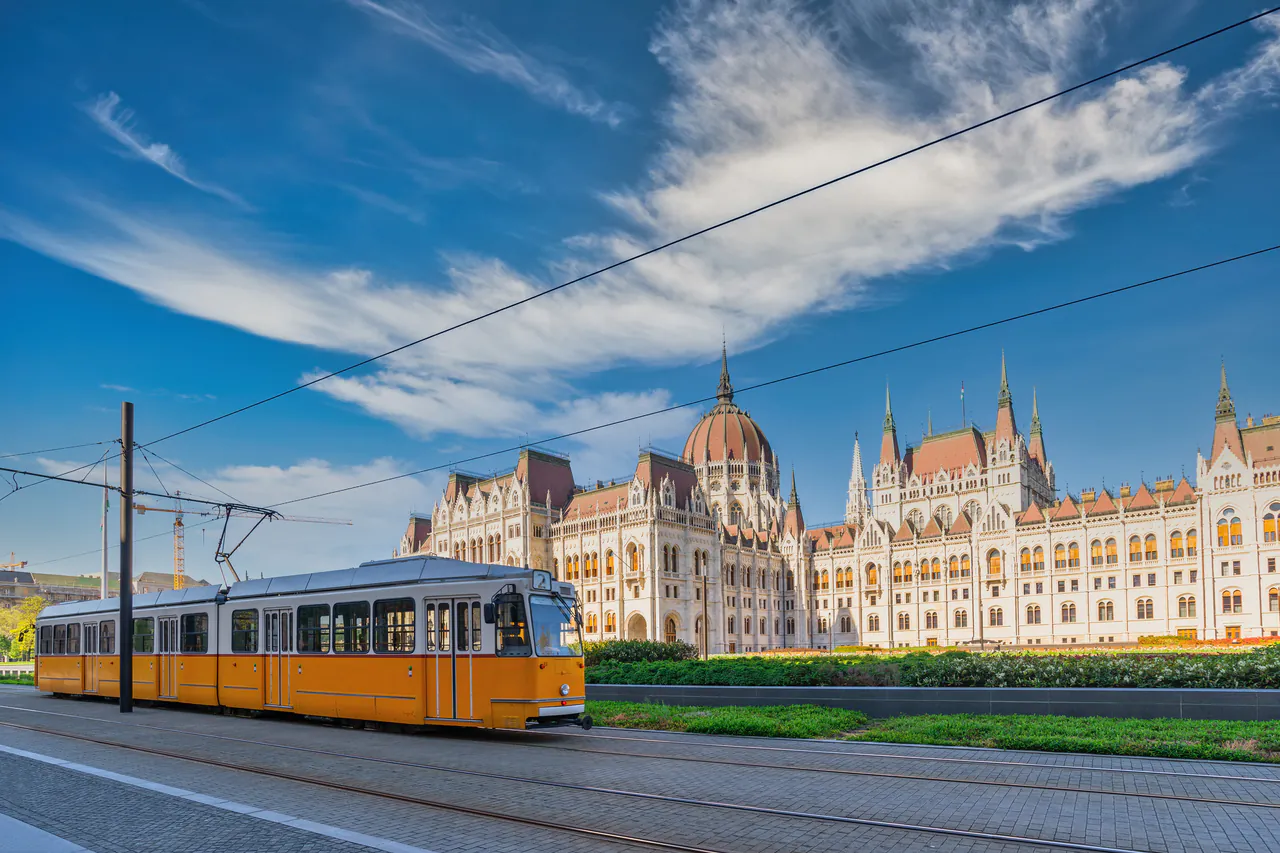
Riding the Yellow Rails: The Ultimate Guide to Budapest's Trams
In Budapest, the yellow trams aren't just for commuting. They're a defining piece of the city's soul, offering a clattering, front-row seat to some of Europe’s finest architecture. With over 30 Budapest tram lines threading through the Buda hills and across the Pest boulevards, these carriages are your most practical tool for exploration. You'll find a mix of vintage Tatra cars with open windows and sleek, air-conditioned Siemens models. Forget the dark tunnels of the metro. The 'villamos' (tram) keeps you above ground where the action is. Use this guide to master the tram routes Budapest locals rely on, from the scenic river loops to the late-night workhorses.
Photos
The Yellow Lifeblood of Budapest
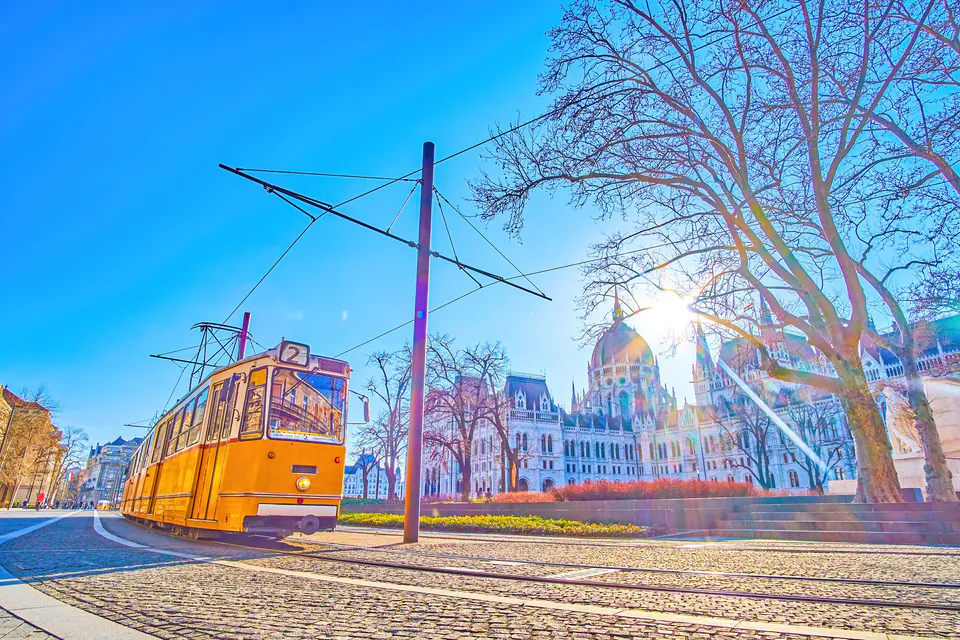
The Budapest tram system is a sprawling, 100-mile-plus web of steel. To locals, these yellow cars are as vital as the Parliament dome. You'll ride everything from the massive, low-floor Siemens Combinos to boxy, 1980s-era Ganz vehicles that rumble with nostalgic charm. Navigation is dead simple. The network follows the city's concentric rings and riverbanks, keeping you connected to the urban energy. It’s faster than walking but far cheaper than a tour bus. Whether you're heading to a ruin bar in the Jewish Quarter or a soak at a thermal bath, a yellow tram is usually less than three minutes away. Don't overthink it. Just hop on and watch the city unfold.
The World's Most Beautiful Commute: Tram 2
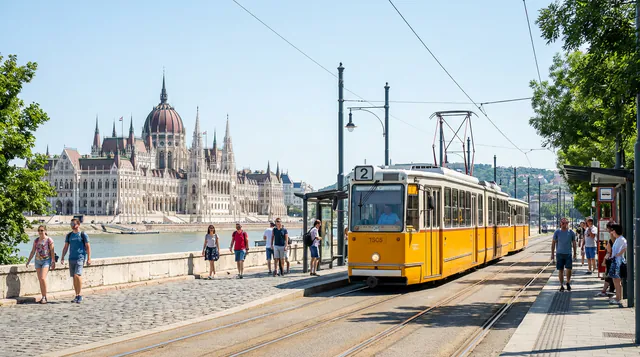
If you only have time for one ride, make it Budapest tram 2. This isn't hyperbole, National Geographic frequently ranks it among the world’s most beautiful transit routes. It hugs the Pest embankment, offering a cinematic sweep of the Danube for the price of a standard 450 HUF ticket. Start at Jászai Mari tér and grab a seat on the river side. You’ll roll right past the Neo-Gothic spires of Parliament and gain a perfect view of Buda Castle across the water. Skip the $20 tourist cruises. Take this line at sunset when the Chain Bridge and Fisherman’s Bastion light up gold. It’s the smartest sightseeing deal in the capital.
Buda's Riverside Romance: Lines 19 & 41
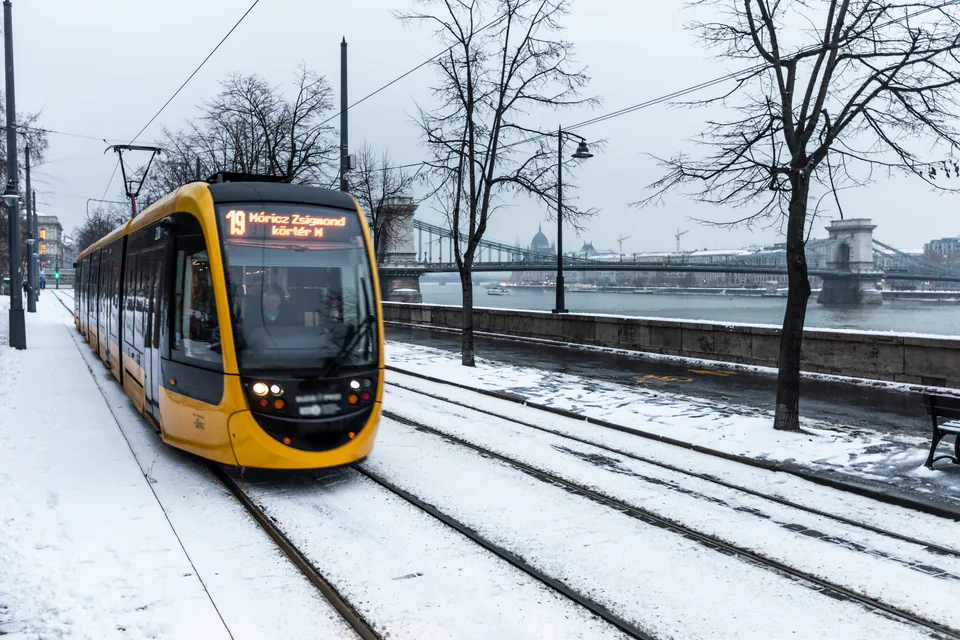
While everyone flocks to the Pest side, the savvy move is crossing the river to catch the tram 19 Budapest route. This line, along with its sibling, the 41, parallels the Danube on the Buda bank. It offers the best wide-angle view of the Parliament building you’ll ever get. The route starts north at Batthyány tér, winds under the Chain Bridge, and passes the ornate Várkert Bazár. It’s leafy, intimate, and feels miles away from the Pest crowds. Use these lines to jump between the Rudas Baths and the Gellért Hotel. If you stay on the 41, you'll head into quiet, green residential pockets that most tourists never see.
The Pulse of the Grand Boulevard: Trams 4 & 6
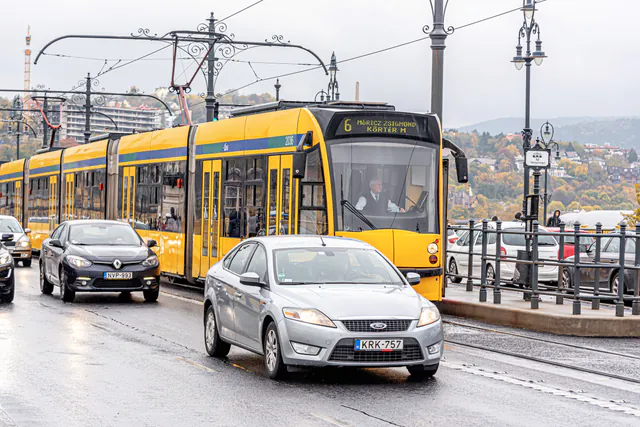
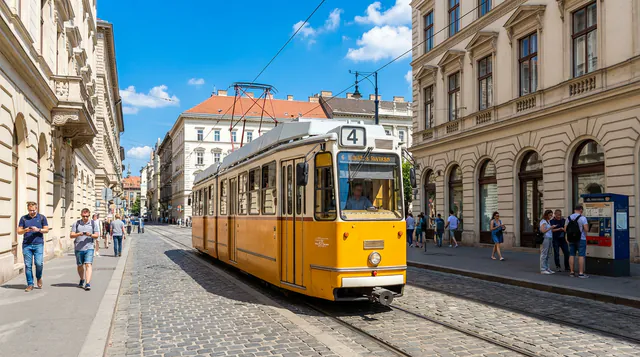
The tram 6 Budapest route is the city’s 24-hour heartbeat. Along with Tram 4, it serves the Nagykörút (Grand Boulevard), forming Europe’s busiest tram corridor. These yellow giants are 54 meters long, some of the world's longest, and they need every inch to handle the students, commuters, and midnight revelers. It’s the essential link to the ruin bars at Wesselényi utca. Reliability is incredible. During the day, you’ll rarely wait more than two minutes. But be sharp. Because these lines are always packed, they're a magnet for pickpockets. Zip your bags, hold the handrails, and enjoy the chaotic, high-speed energy of the inner city.
Into the Hills: The Cogwheel Railway (Tram 60)
Trade the city grit for the forest on Tram 60. Locally called the 'Fogaskerekű,' this cogwheel railway departs from Városmajor and grinds its way up the Svábhegy hills. It uses a toothed rack rail to tackle the steep incline, passing quiet villas and thick woods. Your standard Budapest tram tickets work here, but the vibe is strictly recreational. You'll share space with mountain bikers and families heading to the Children’s Railway. It’s a peaceful, mechanical climb that ends at Széchenyi-hegy. Go in winter if there’s snow. The whole hillside turns into a sledding park, and the ride up feels like a trip into a vintage postcard.
Navigating the Network: Tickets, Apps & Etiquette
Budapest inspectors are legendary for their lack of leniency. Don't gamble. A single ticket costs 450 HUF, but a 10-ticket block for 4,000 HUF is better value. Use the BudapestGO app to handle everything on your phone. If you go digital, you must scan the QR code by the door as you board to activate your ride. For paper, punch it into the orange machines immediately. No excuses. On the older Ganz cars, you’ll need to pull a lever; on modern ones, hit the button. Always give up your seat for the elderly, it’s not a suggestion, it's the local law of the land. Hang on tight, too. Drivers here don't tap the brakes; they stand on them.
Practical Tips
- 1Grab a 10-pack: Buying a block of 10 tickets (4,000 HUF) saves you cash. Share them with friends, just validate one per person.
- 2Get BudapestGO: Download the official BKK app. It’s the easiest way to check the budapest tram map and buy digital passes on the fly.
- 3Validate or pay: Inspectors wear armbands and don't take pity. Punch your paper ticket or scan the digital QR code the second you board.
- 4Ride the 6 at 3 AM: Tram 6 runs all night along the Grand Boulevard. It’s the safest, cheapest way back from the District VII bars.
- 5Hit the button: Doors on the Siemens and CAF trams don't open themselves. Push the glowing button or you'll miss your stop.
- 6The 450 HUF Cruise: Skip the expensive boat tours. Trams 2 and 19 offer the same Danube views for a fraction of the cost.
- 7Dodge the rush: Avoid the 4 and 6 lines between 8:00 AM and 5:00 PM if you're hauling luggage. It's a squeeze.
- 8Airport strategy: Trams don't serve the airport. Take the 100E shuttle from Deák Ferenc tér instead.
Tours & Experiences
Book popular tours in Budapest

Budapest: 1-Hour Highlights Cruise with Welcome Drink
See Budapest from its best side: the water. This 1-hour river danube cruise budapest is a straightforward, low-pressure alternative to those stuffy guided tours
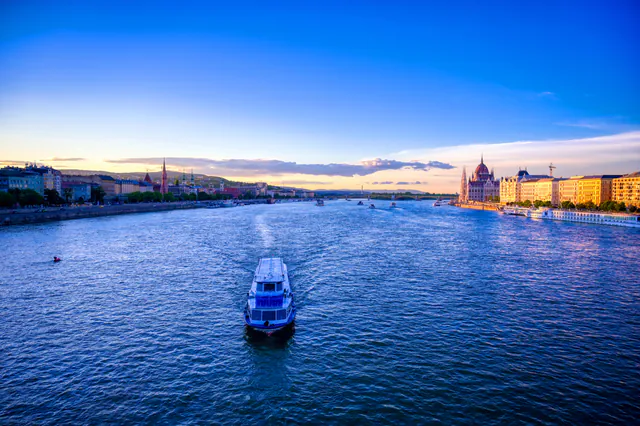
Budapest River Cruise with Tokaj Frizzante & Audio Guide
See the best of the Hungarian capital from the water on this 60-minute river Danube cruise Budapest staple. You'll cast off from Dock 10 near the Elizabeth Brid
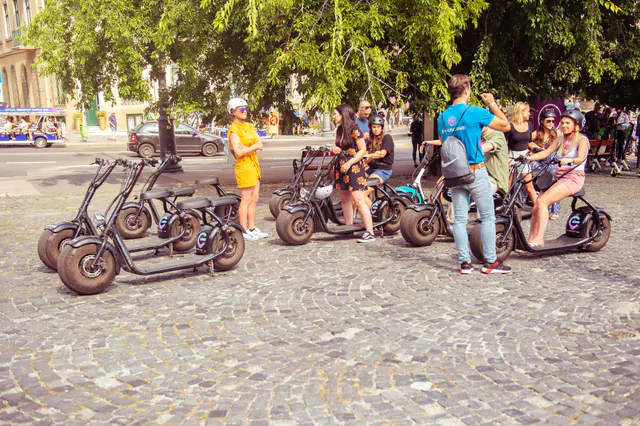
MonsteRoller E-Scooter Rental in Budapest
Ditch the hiking boots and skip the packed tour buses. A MonsteRoller e-scooter rental is the sharpest way to take the Hungarian capital. These aren't flimsy pl
Top Attractions

Aeropark Budapest
Parked right by Terminal 2B at Ferenc Liszt International Airport, Aeropark Budapest is a hands-on graveyard of Soviet aviation that’s actually alive. Forget ve
Bingo Bar Crawl
Budapest's nightlife is legendary, but the Bingo Bar Crawl turns a standard night out into a competitive sport. Forget passive pub tours where you follow a flag

Budapest Boat Party
The Budapest Boat Party is a loud, unapologetic collision of two worlds. On one side, you have the quiet, UNESCO-protected grandeur of the Danube. On the other,
Frequently Asked Questions
How much does a tram ticket cost in Budapest?
Can I pay with a credit card on the tram?
Do trams run 24 hours in Budapest?
How do I validate my tram ticket?
Is the Budapest Card worth it for trams?
Are dogs allowed on Budapest trams?
Related Guides
- Budapest Airport to City Center: The Local’s Guide to Arriving Smoothly
- Mastering the Blue Fleet: An Insider’s Guide to Budapest Buses
- Underground Budapest: A Local's Guide to the Metro
- Budapest After Dark: The Ultimate Night Transport Guide
- Navigating Budapest: A Local’s Guide to Trams, Metros, and Buses
- Navigating the Yellow Sea: The Complete Guide to Taxis and Rideshare in Budapest
- Navigating Budapest: The Ultimate Guide to Tickets, Passes & The Budapest Card
- Budapest in 24 Hours: A Tale of Two Cities
Currency Cheat Sheet
Quick EUR to HUF reference for everyday Budapest spending.
Try itTags
Places in Budapest
Related attractions, hotels, and more.