Danube River
Landmark
About the Experience
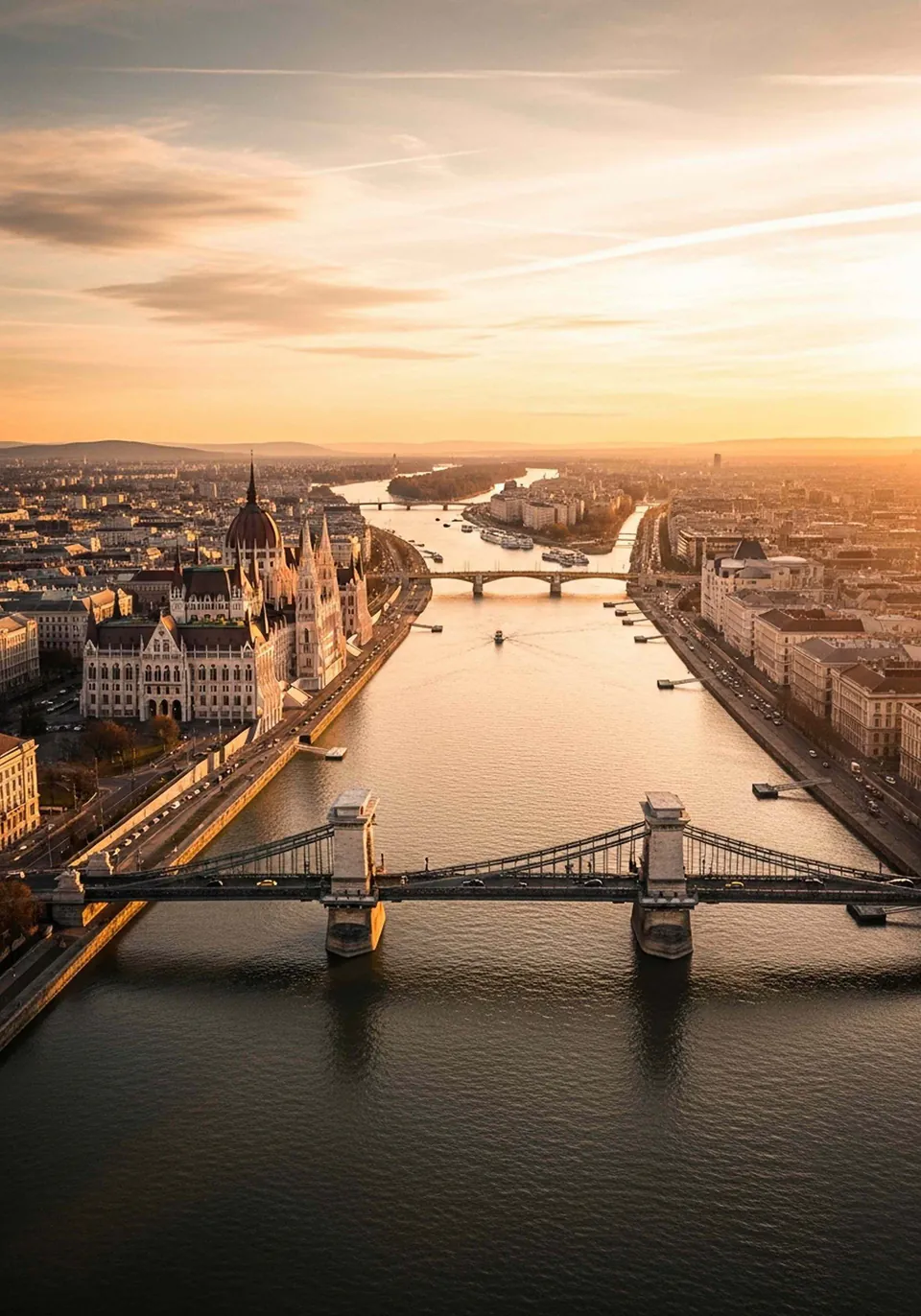
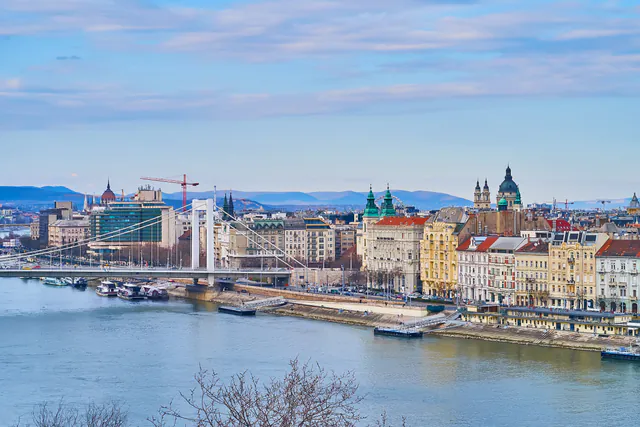
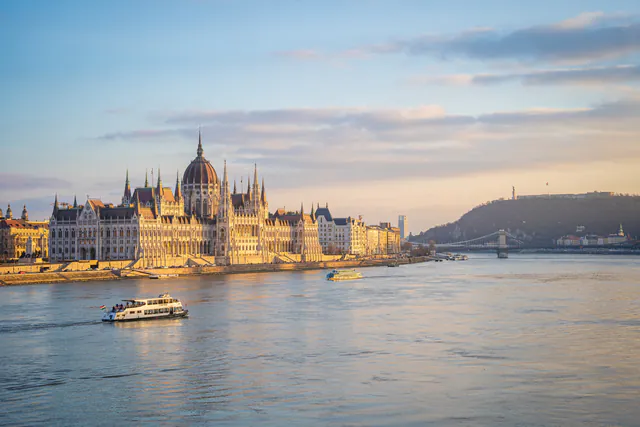
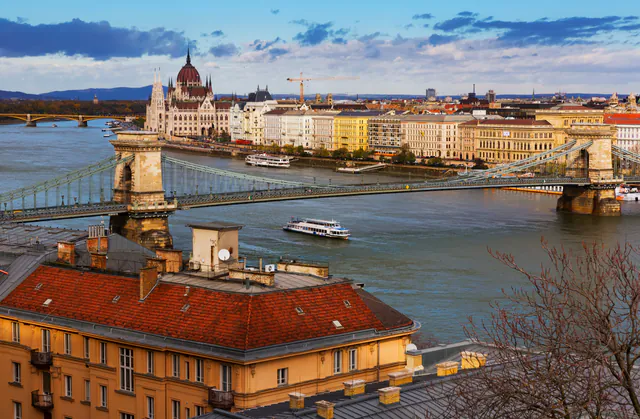
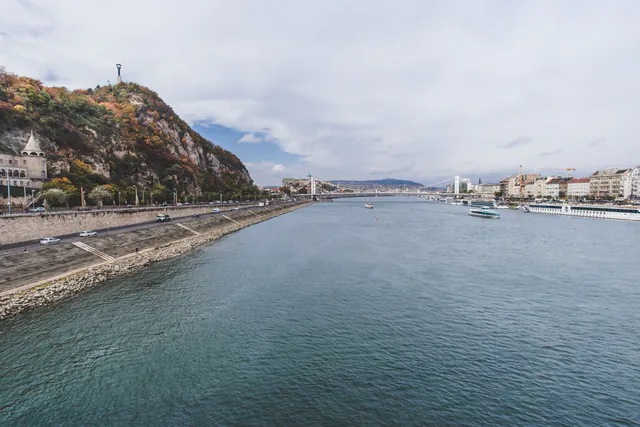
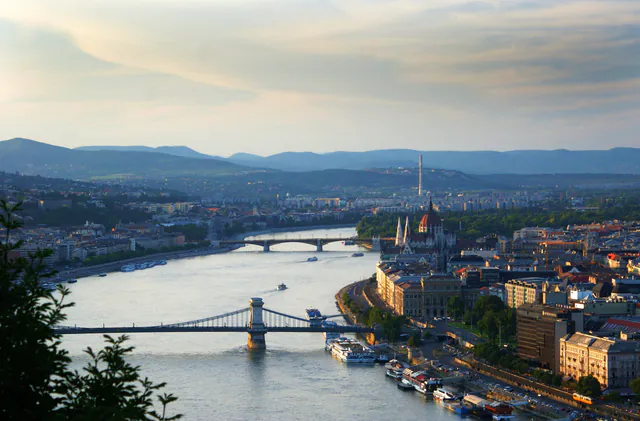
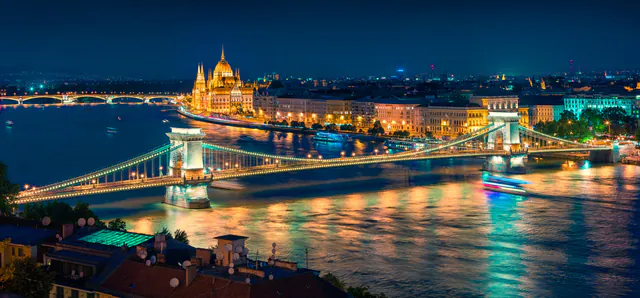
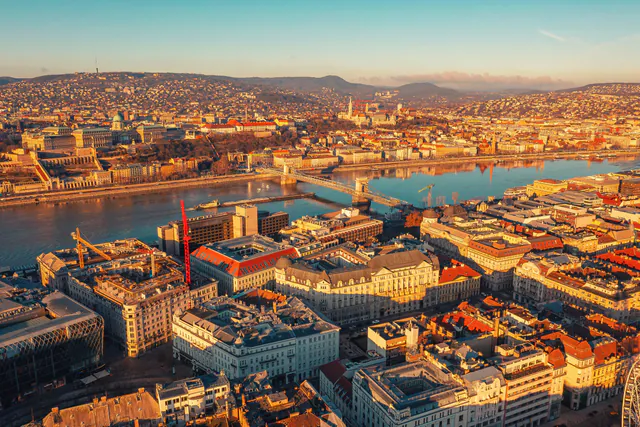
The Danube isn't just a river. It's the reason Budapest exists. This massive waterway slices the city into two distinct personalities: the rugged, hilly Buda and the flat, fast-paced Pest. You'll find one of Europe's most cinematic urban landscapes here. It's so impressive that UNESCO slapped a World Heritage tag on these banks back in 1987. Walk the embankments to see Hungary's timeline in stone. You've got the medieval bulk of Buda Castle on one side and the sharp, neo-Gothic needles of the Parliament building on the other. Both reflect perfectly on the water. By day, it's a working river. You'll see cargo barges and yellow water taxis jostling for space. The Pest side's Dunakorzó promenade stays packed with locals and travelers. But wait for dark. That's when the 'Pearl of the Danube' moniker actually makes sense. The city's lighting turns the Chain and Liberty bridges into glowing gold necklaces across the black water. It's the best free show in town.
Photos
History & Significance
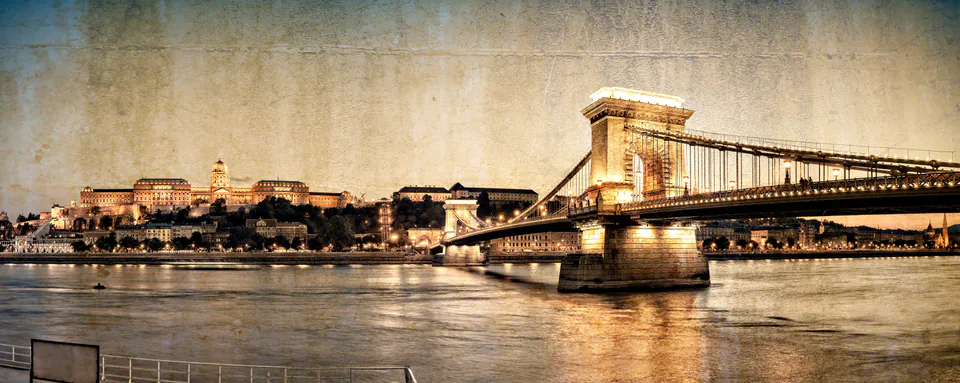
Budapest and the Danube River have a long, complicated relationship. To the Romans, this was the 'limes' or the edge of the known world. They built Aquincum in northern Buda to keep the barbarians on the other side. For centuries, the river was a wall you could only cross by ferry. That changed in 1849. Count István Széchenyi pushed for the first permanent crossing, the Széchenyi Chain Bridge. It finally fused Buda and Pest into one city in 1873. But the 20th century was brutal. Retreating German troops blew up every single bridge in 1945. It took years of grit to rebuild the skyline you see today. Now, the river connects rather than divides, acting as the city's grandest stage.
The Panorama
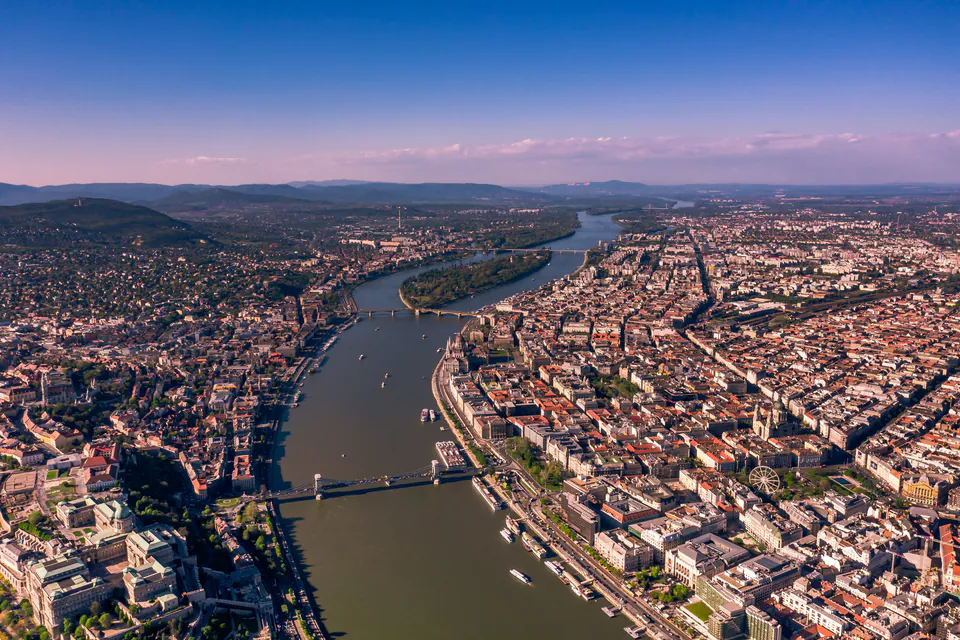
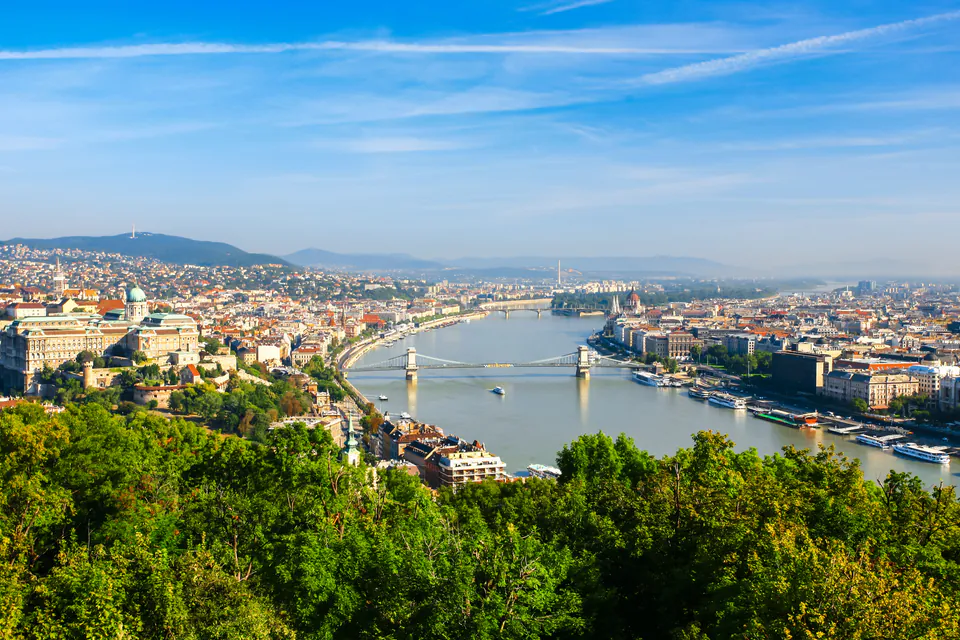
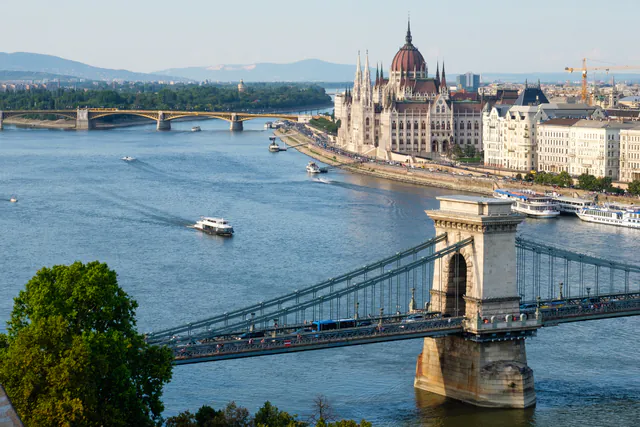
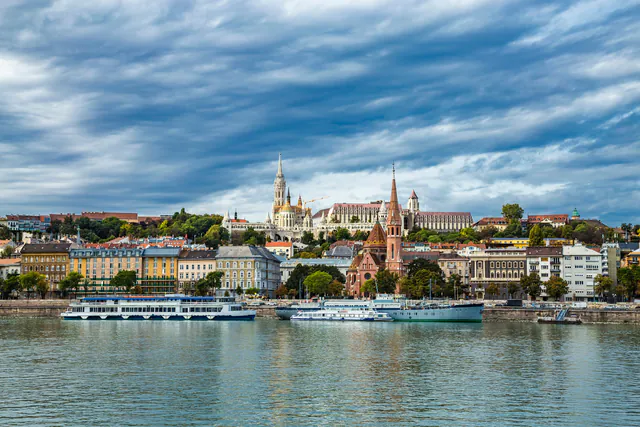
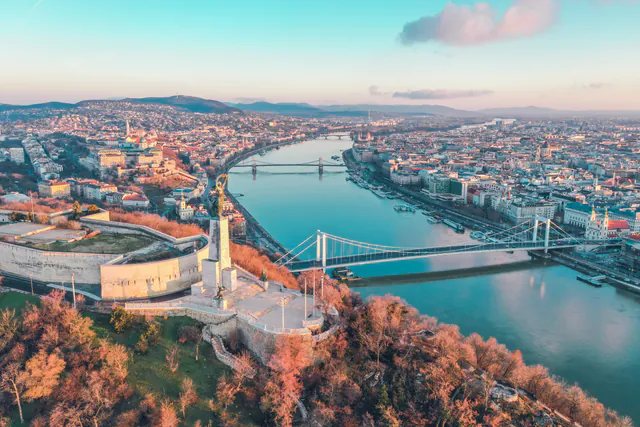
Forget subtle. The Budapest riverfront is pure architectural drama. On the west bank, the Buda Hills climb straight out of the water. They're topped by the Royal Palace and the spiked, white towers of Fisherman's Bastion. Further south, the limestone cliffs of Gellért Hill dominate the view. It's a steep hike up, but you'll get the classic postcard shot of the river's curve from the Citadel. The Pest side is the flat, grand counterpoint. The Hungarian Parliament Building rules this bank. It's the third largest in the world and looks like a gothic cathedral on steroids. You'll also find the Pesti Vigadó concert hall and some of the best Budapest hotels on the Danube River here. The bridges tie it all together. The Chain Bridge is the heavy hitter with its stone lions. But don't ignore the green, Art Nouveau metalwork of the Liberty Bridge. On summer weekends, locals often colonize its lanes for picnics. It's the best spot to feel the river's pulse.
Combining Your Visit
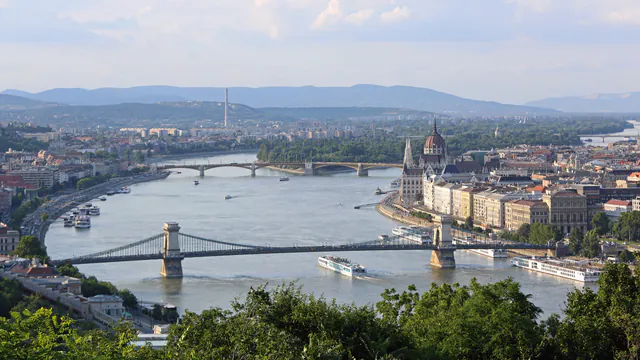
Don't just stare at the water from the shore. You need to get on it. For the full effect, book one of the many Danube river cruises in Budapest. You've got options. Some are basic sightseeing laps, others are full-blown dinner parties with live music. A Budapest danube river sightseeing night cruise is the one to beat because the illumination is world-class. Seeing the Parliament lit up gold from the waterline is a mandatory experience. If you're on a budget, skip the private boats and grab a ticket for Tram 2. It rattles along the Pest embankment past the 'Shoes on the Danube' memorial. It's one of the prettiest public transit rides on the planet. For a breather, head to Margaret Island. This green sliver sits right in the middle of the river between Margaret and Árpád bridges. It's 2.5 kilometers of jogging paths and thermal ruins. It's where the city noise finally stops and the river takes over.
Tours & Experiences Nearby
Top-rated tours and experiences starting near Danube River.
 walking tour
 walking tour
 river cruise
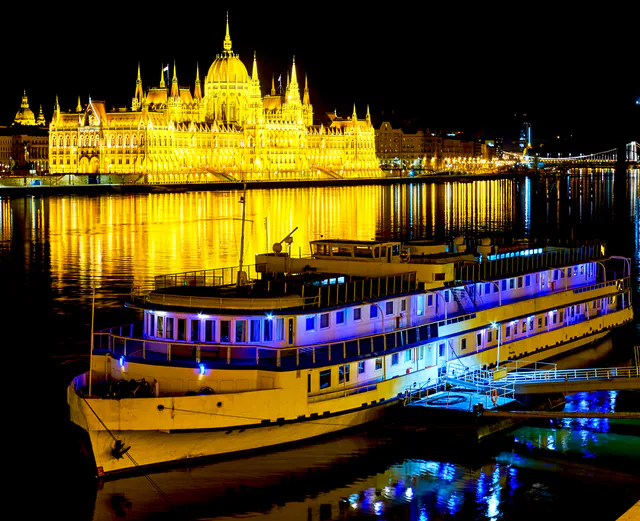 river cruise
Essential Visitor Tips
- Ride Tram 2
It costs the same as a standard bus ticket but offers a million-dollar view of the Buda Castle and Parliament.
- Time the Sunset
Get to the Pest promenade 30 minutes early. You want to see the 'Blue Hour' when the city lights first kick in.
- Find the Shoes
Walk north from the Chain Bridge to the 'Shoes on the Danube Bank.' It's a quiet, heavy memorial to WWII victims.
- Picnic on the Bridge
On warm summer weekends, the Liberty Bridge often closes to cars. Grab a bottle of wine and join the locals on the green spans.
- Middle Bridge View
Take the 4 or 6 tram to the middle of Margaret Bridge. The view looking south at the Parliament is the city's best angle.
Best Time to Visit
"May, June, and September are the sweet spots. You'll get clear skies and a breeze that isn't biting. Always time your walk for sunset to see the lights flicker on."
Nearby Hotels

25m
Home to the 'Gastronomic Quarter' featuring the first Nobu restaurant in Central Europe · Kempinski The Spa offering signature HungaryMud® treatments and a heated indoor pool
Price From €260/night
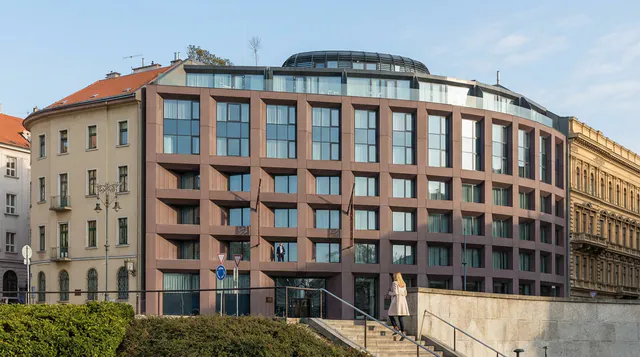
1 min walk (60m)
Exclusive adults-friendly policy (14+) ensuring a mature atmosphere · Leo Rooftop Bar with 360-degree views of the Chain Bridge and Castle
Price From €285/night
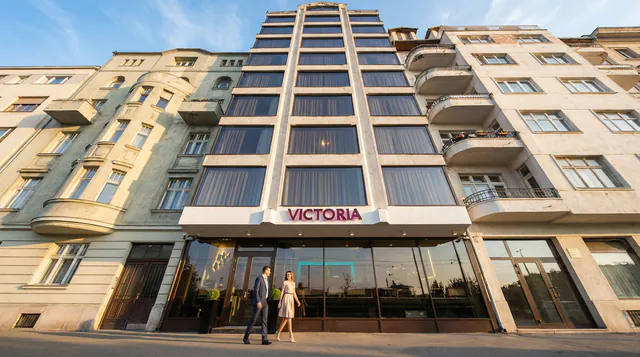
5 min walk (401m)
Floor-to-ceiling panoramic windows in every room · Restored 19th-century Jenő Hubay Music Hall onsite
Price From €200/night
Nearby Restaurants
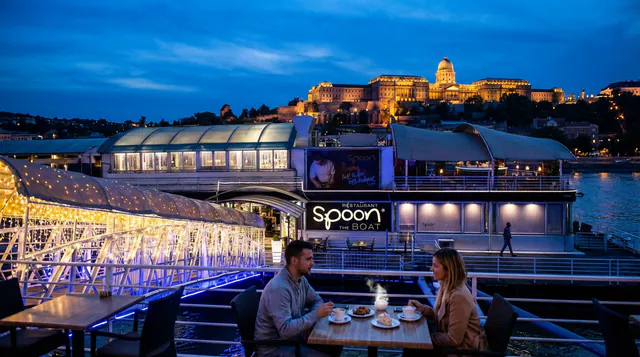
Spoon The Boat
Fusion Fine Dining • Upscale
Parked permanently at the base of the Chain Bridge, Spoon The Boat gives you the...
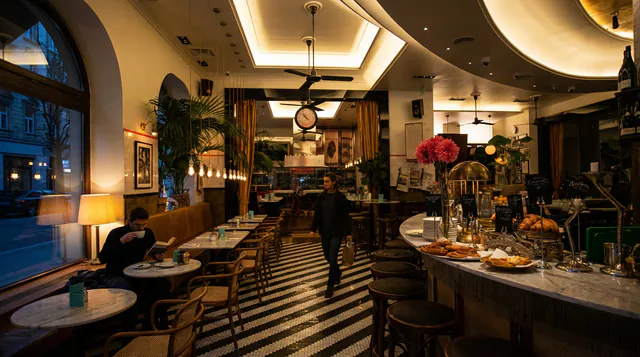
Déryné
Hungarian Bistro • Upscale
Perched on Krisztina tér in the quiet curve of Buda Castle, Déryné isn't just a ...
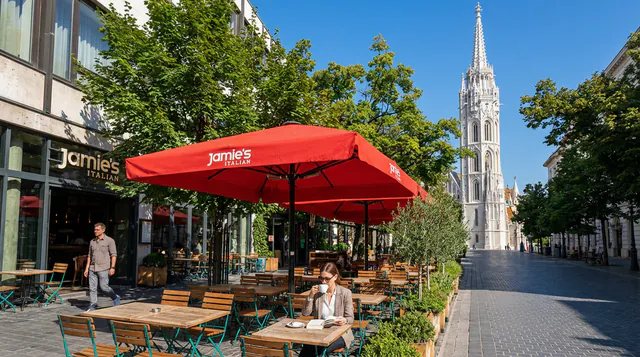
Jamie Oliver's Italian Buda Castle
Italian Casual • Moderate
Drop the overpriced tourist menus. Jamie Oliver’s Italian sits on the cobbleston...
Frequently Asked Questions
When is the best time of year to visit the Danube River?
Where are the best photography spots along the Danube River?
What major landmarks can I see from the banks of the Danube River?
How do I get to the Danube River using public transport?
Are there good places to eat near the Danube River?
What should I wear when visiting the Danube River?
Why is the Danube River important to the history of Budapest?
Can I combine a walk along the Danube River with other activities?
What are the opening hours of Danube River?
How much does it cost to visit Danube River?
How long should I spend at Danube River?
Is Danube River wheelchair accessible?
Quick Facts
The Neighborhood
District V: Belváros-Lipótváros
Read Guide