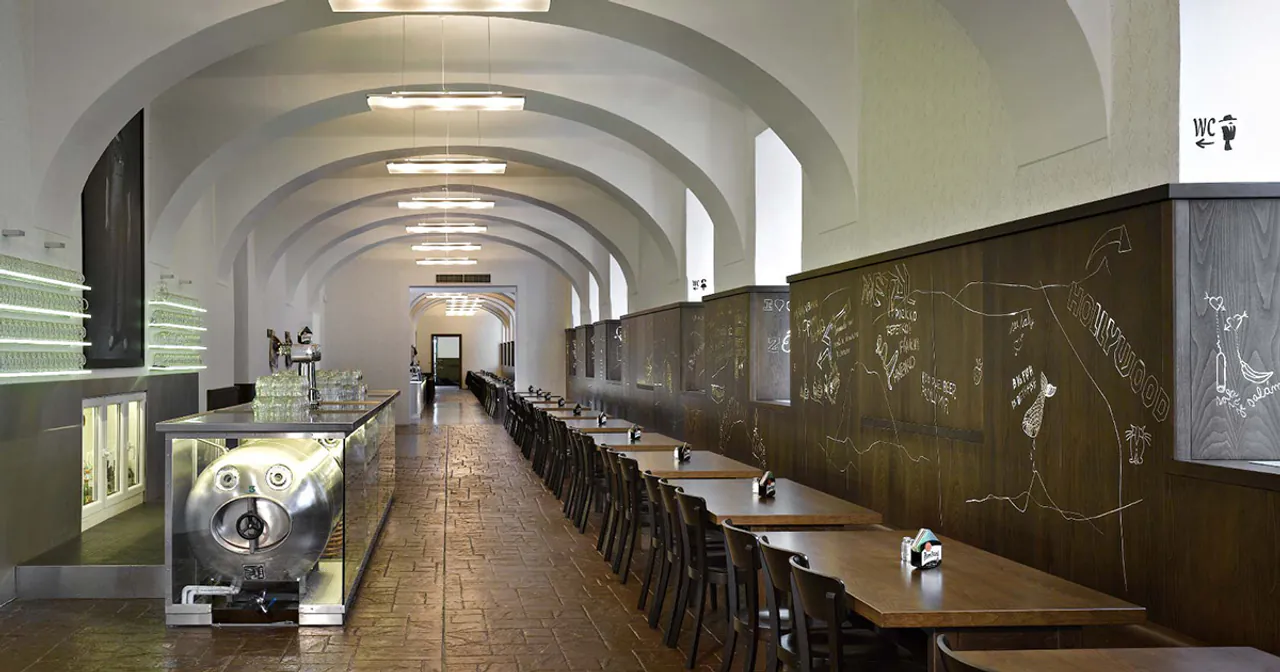
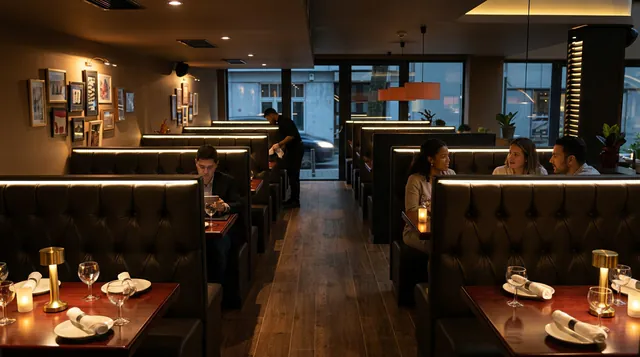
Walk into Lokál Dlouhááá and you'll immediately see why it's a Prague legend. At nearly 70 meters long, this isn't just a pub. It's a massive, industrial hallway dedicated to the art of the Czech beer hall. You won't find faux-historic clutter here. Just long wooden tables and minimalist lights. There are 1,300 people a day drinking tank beer and eating like their grandmothers taught them. It gets loud. It gets crowded. It's exactly where you want to be on a Tuesday night in Old Town.
The kitchen doesn't play games. There's no powdered gravy or cheap substitutes. They source meat from their own butcher, focusing on heritage breeds like Fleckvieh cattle and Přeštice pigs. You can taste the effort in the goulash. They don't cheat with flour to thicken it. Instead, they let it reduce slowly until it's deep and rich. Even the dumplings have that proper yellow hue from real egg yolks. It’s honest cooking for people who actually like to eat.
You’ll likely end up elbow-to-elbow with a local office worker or a group of students. Grab a seat at one of the shared tables. The language barrier usually disappears after a few rounds of Pilsner. It’s the raw, unfiltered social hub of the city. Forget the tourist traps with their overpriced menus. This is the real deal.
The Foundations of Czech Gastronomy: Soups, Starters, and the Charcuterie Tradition
Start with the soup. It's the backbone of any Czech meal. Order the Kulajda if you want a creamy mix of wild mushrooms and potatoes with plenty of dill. If you're feeling hungrier, go for the Zelňačka. It’s a thick sauerkraut soup packed with smoked meat. After that, look at the charcuterie. The Pražská šunka comes with a sharp, whipped horseradish that’ll clear your sinuses. You should also try the Utopenec (pickled sausage) and the Tlačenka (head cheese).
The meat quality is better than any standard pub. That's because the owners run their own butchery called Amaso. They use heritage Přeštice pigs to make sure everything from the ham to the sausages tastes like it should. It’s the same high-end meat you’d find at Kantýna or Naše Maso but served in a loud, rowdy beer hall.
The Imperial Legacy: Svíčková and the Evolution of Central European Guláš
The main courses are a crash course in the old Austro-Hungarian Empire. The heavy hitter is Svíčková na smetaně. You get tender beef swimming in a thick sauce of puréed root vegetables and heavy cream. It comes with a dollop of cranberry compote and bread dumplings to soak up every drop. It's a dish that shows how Bavarian and French styles eventually landed on Czech plates.
Then there’s the goulash. Don't expect the thin Hungarian version. Czech guláš is a thick, meat-heavy stew built to stand up to a bitter Pilsner. They use a spicier paprika and skip the flour entirely. The kitchen thickens the sauce the hard way through a long, slow reduction. It’s a massive, savory punch of flavor that hasn't changed in decades.
The Architecture of Bohemian Beer Culture and the Ambiente Vision
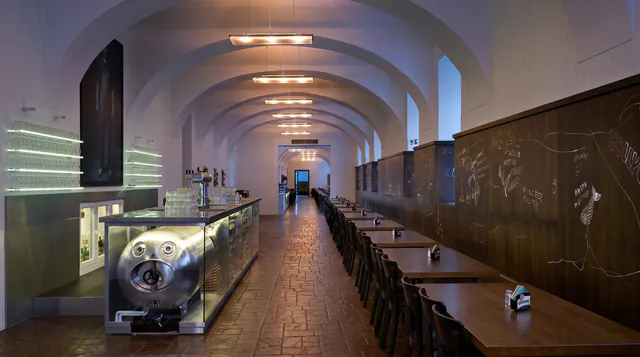
Everything here revolves around the beer taps. Forget standard kegs. Lokál uses a massive tank system to store unpasteurized Pilsner Urquell. Look up and you'll see the custom cooling pipes running along the ceiling. They keep the beer at a steady temperature until it hits your glass. It’s as fresh as it gets without visiting the brewery in Plzeň.
The bartenders take their pours seriously. Ask for a 'hladinka' for a standard beer with a thick head of foam. Or try a 'mlíko' (milk) pour if you want a glass of sweet, creamy micro-foam. It’s all part of the plan to bring back the quality of the traditional Czech pub. They’ve managed to ditch the bad habits of the socialist era and focus on great ingredients and a solid social vibe.
Dicas Práticas
- 1Reserve sua mesa com vários dias de antecedência se planeja jantar nos horários de pico à noite.
- 2Visite entre 2:30 PM e 4:30 PM em uma terça ou quarta-feira para evitar as multidões avassaladoras.
- 3Peça pratos frios de açougue, como o Prague ham com raiz-forte batida, antes de passar para os pratos quentes e pesados.
- 4Diga ao atendente o valor total do pagamento, incluindo a gorjeta de 10%, antes que ele aproxime o seu cartão de crédito.
- 5Demonstre sua disposição de ficar em pé perto da área das torneiras se chegar sem reserva e quiser um serviço mais rápido.
- 6Olhe para o teto para observar o sistema personalizado de tubos transparentes que mantém gelada a cerveja de tanque não pasteurizada.
Onde comer
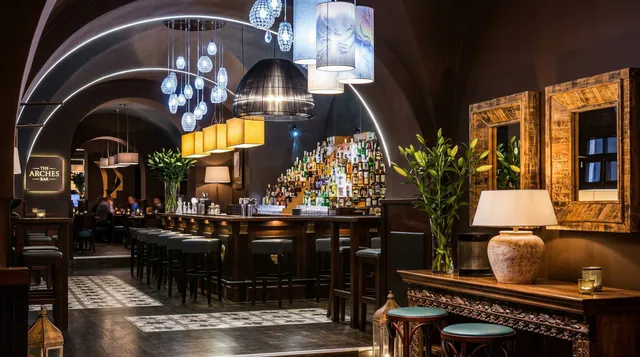
Restaurante Agave
Você encontrará o Agave Restaurant Prague na rua Masná, escondido nos becos sinuosos de Staré Město. É um contraste nítido com a pedra gótica do lado de fora. A
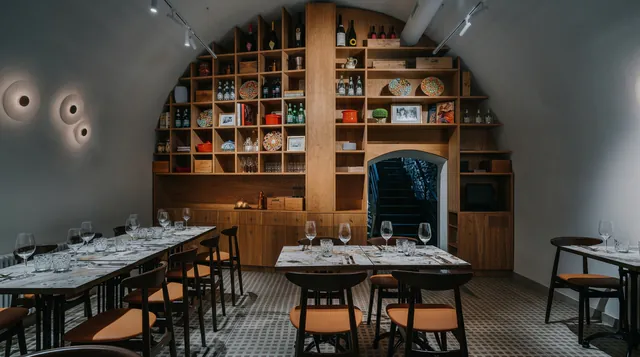
Alriso Risoteria Italiana
Você encontrará o Alriso Risotteria Italiana Prague bem nos paralelepípedos da Betlémské náměstí. É um local especializado que troca as armadilhas turísticas co
Beefhouse Grill & Bar
A cena gastronômica de Prague costumava ser repleta de dumplings pesados e comida de pub tradicional. Não mais. Agora, a cidade é uma referência global. Você en
Perguntas Frequentes
Quanto devo esperar gastar em uma refeição completa aqui?
Consigo uma mesa se não tiver feito reserva?
O restaurante é facilmente acessível para visitantes que utilizam cadeiras de rodas?
Como funciona a gorjeta ao pagar a conta com cartão de crédito?
Meu grupo terá uma área de refeição privativa apenas para nós?
O que é o serviço de cerveja 'mlíko' e devo pedi-lo?
Guias Relacionados
- U Kunštátů – Craft Beer Bar & Garden
- Prague Dining Etiquette, Tipping, and Historic Hospitality
- The Definitive Guide to Prague Nightlife
- The Plant-Based Paradigm: Prague's Vegetarian & Vegan Dining Guide
- Vinograf Senovážné
- The Ultimate 1-Day Prague Itinerary: Navigating the Royal Route and Historic Centre
- Strategic 72-Hour Prague Itinerary
- Ultimate 5-Day Prague Itinerary
Buscador de Restaurantes
Filtre restaurantes por tipo de cozinha, preço e muito mais.
ExperimenteTags
Lugares em Prague
Atrações, hotéis e muito mais relacionados.
Socialist-Era Gastronomy and the Engineering of Smažený Sýr
Smažený sýr is the ultimate Czech comfort food. It started as a cheap alternative to veal schnitzel but became a national staple in the 1960s. Back then, the state pushed ready-made meals like fried Edam to get more people into the workforce. Most places serve a rubbery, frozen version. Not here.
At Lokál, they treat fried cheese with respect. They use a precise triple-coating technique to keep the molten center from leaking out in the fryer. You get it with a side of buttered potatoes and a bowl of house-made tartar sauce. It’s the best version of this nostalgic vegetarian classic you’ll find in the city. Skip the street food stalls and eat it here instead.