Strategic 72-Hour Prague Itinerary
Escrito por
Nils Johansson | Fundador
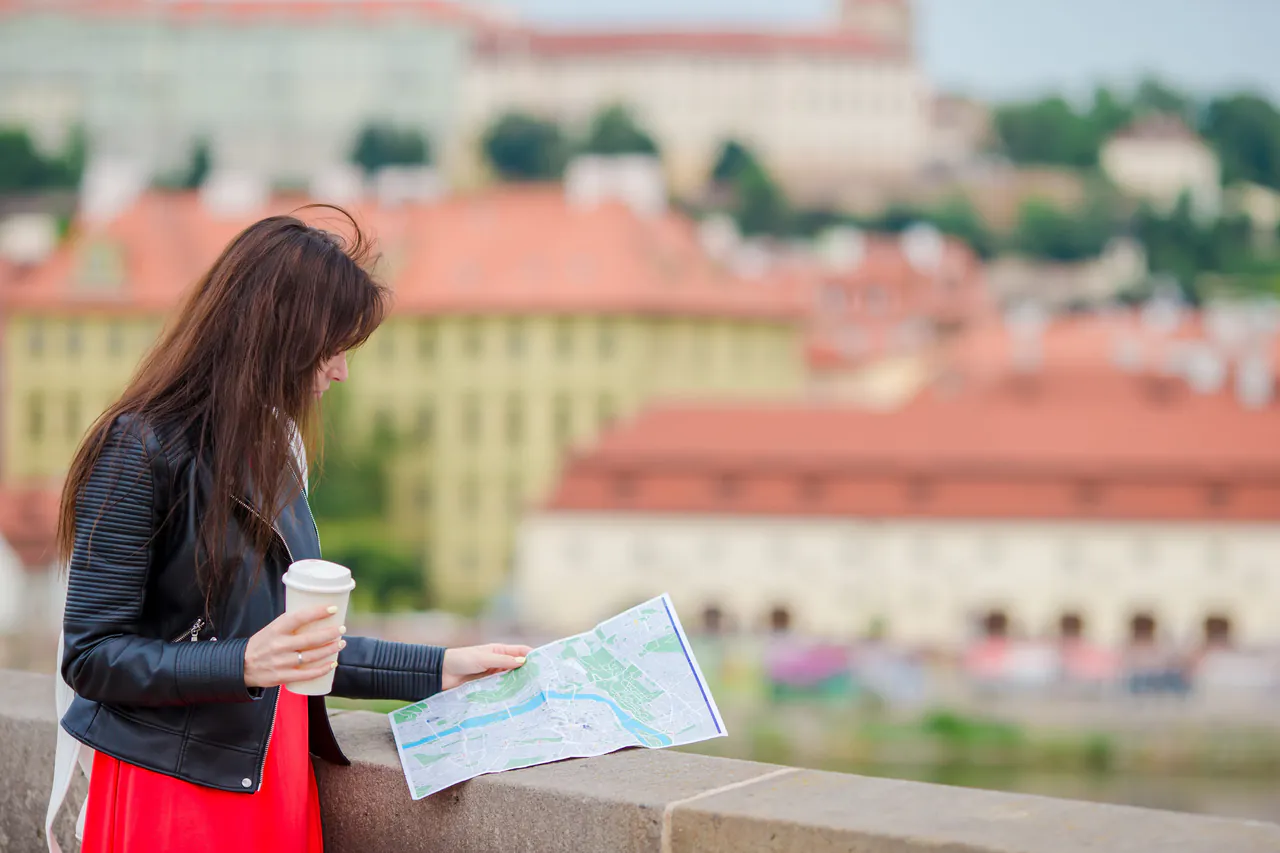
You don't visit Prague to tick boxes. You come to walk. The city is a thicket of Romanesque cellars and Gothic spires that feel more like a film set than a functioning capital. It’s loud. It’s heavy. It can feel deeply moody when the clouds roll in. You'll spend your days crossing the Vltava River, moving between Baroque palaces and sharp Cubist corners. Forget the sanitized tourist tracks. Instead, get out early when the mist hangs over the water and the bridges are empty. That’s when you’ll feel the ghosts of Kafka and Dvořák.
It’s a serious workout for your legs. The hills are steep and the cobblestone pavements are notoriously uneven. But every exhausting climb pays off with a view of red-tiled roofs and golden domes. You shouldn't waste your energy in the commercial squares at noon. That’s when the crowds are at their thickest and the magic starts to thin out. Use that time to push into the periphery. Head to the art hubs in Holešovice or the old ramparts at Vyšehrad. These spots reward you with a version of the city that hasn't been polished for postcards. Prague demands your stamina, but it compensates you at every intersection with a detail you’ll never forget. It’s a place for people who want to understand the history, not just take a photo of it.
Fotos
The Staré Město and Josefov Heritage Corridor
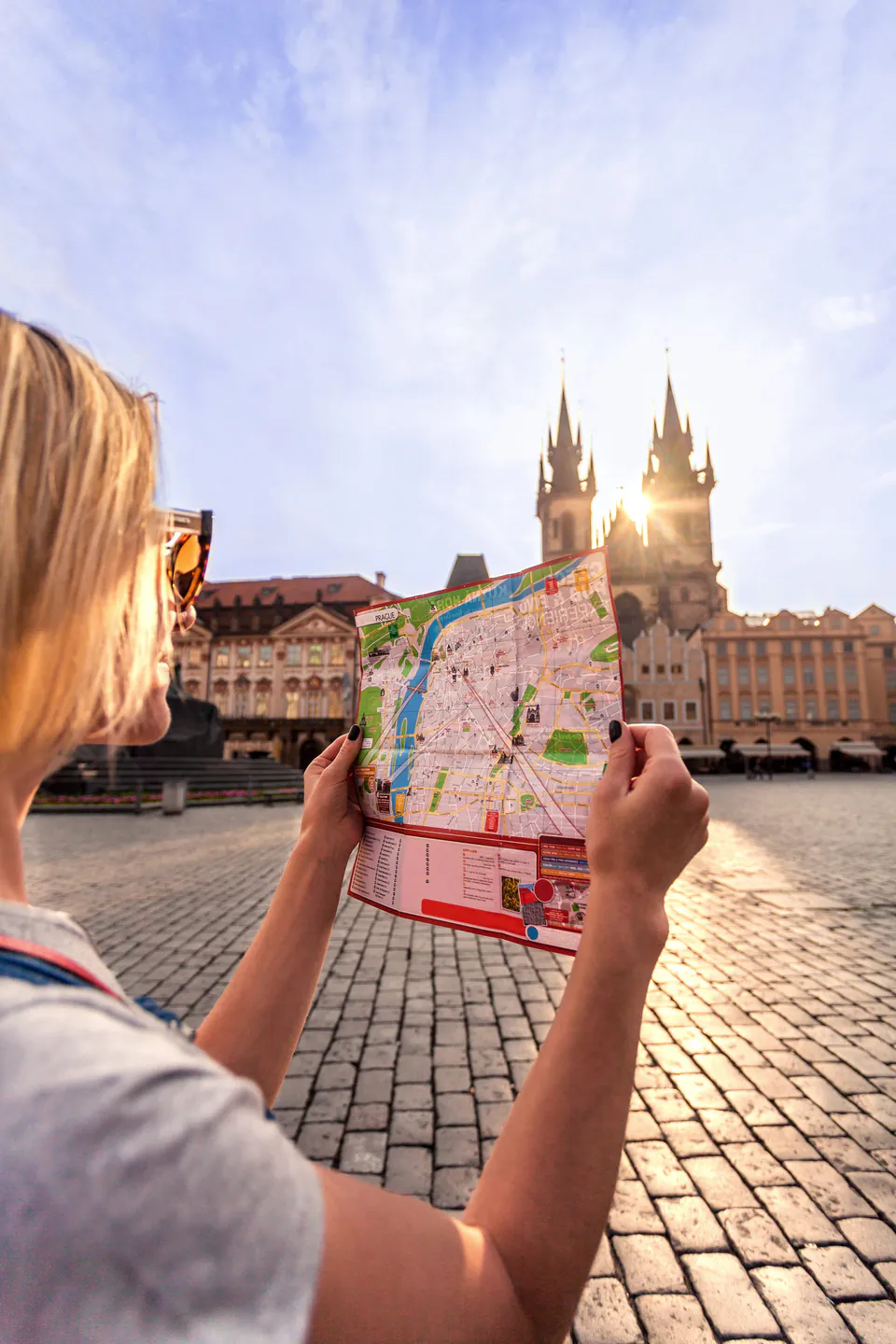
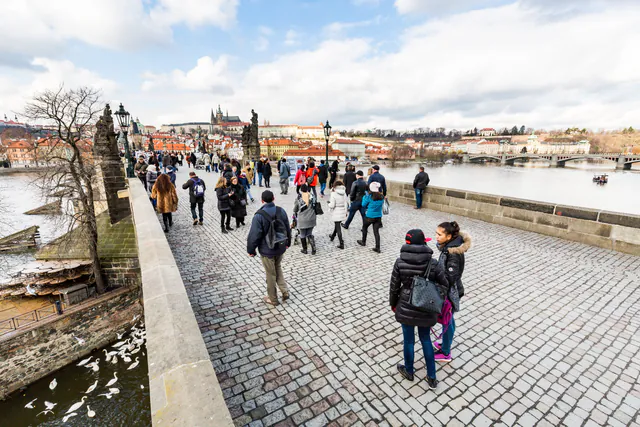
Start your first 24 hours at dawn on Charles Bridge. It’s the only way to beat the crushing crowds that arrive by 09:00 AM. Once the mist clears, walk to Old Town Square for the Astronomical Clock. Look up at the dark Týn Church spires. The Jewish Quarter is right next door. It’s home to the oldest active synagogue in Europe and a haunting cemetery. Buy your tickets for the Spanish Synagogue in advance. You'll want time here to actually think. In the afternoon, walk south along the river toward Náplavka. This is where the locals hang out. You can't miss the Dancing House. It looks like it’s melting. End the day at Café Louvre or Café Slavia. They’ve been serving coffee and history since the First Republic.
Hradčany, Malá Strana, and Imperial Architecture
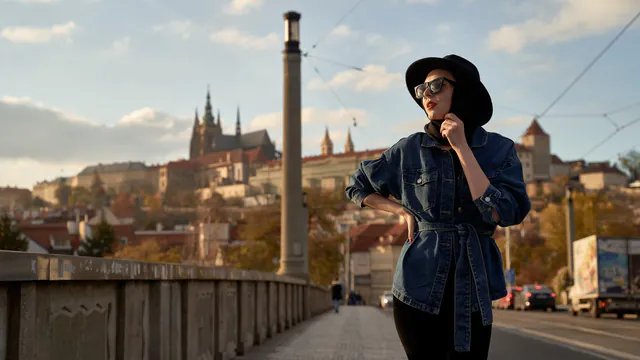
Day two is for the heights. Head up to the Castle District. Prague Castle is massive. It’s a mix of palaces and churches that takes hours to see. St. Vitus Cathedral is the centerpiece. Get the 'Circuit B' ticket. It covers the Old Royal Palace and the tiny houses of Golden Lane. Then walk down into Malá Strana. It’s full of red-tiled roofs and quiet gardens. Duck into the Vrtba Garden. It’s a masterclass in Baroque design with some of the best views in the city. Find a quiet square near St. Nicholas Church. Later, take the funicular up Petřín Hill. There’s a lookout tower there that looks like a mini Eiffel Tower. Climb it at sunset. You’ll see why they call this the City of a Hundred Spires.
Vyšehrad, Urban Parks, and the Modern Czech Renaissance

Leave the tourist center behind on your final day. Start at Vyšehrad. It’s a fortress on a cliff and the mythological birthplace of the city. It’s much quieter than the main castle. Walk the ramparts and visit the cemetery. You'll find the graves of famous Czechs like Dvořák here. Next, head to Holešovice. It’s an old industrial area turned art hub. Check out Vnitroblock. It’s a gritty, creative space that shows you what modern Prague is about. It’s a sharp contrast to the medieval core. Finish your trip at Letná Park. The views of the river bridges are unbeatable. Grab a beer at the Letná beer garden. Sit with the locals and watch the sun go down over the Old Town.
2026 Urban Developments, Culture, and the Culinary Scene
Prague in 2026 is changing. New infrastructure like the Dvorecký Bridge now connects Smíchov and Podolí. It’s a great spot for public art. The Müller Villa is open again with better digital guides. Don't miss the Museum of Prague. It just finished a huge renovation and is free for all of 2026. The Langweil model is still the star of the show. The food scene is also evolving. You'll find great third-wave coffee in almost every neighborhood now. For a classic experience, go to Café Savoy. It feels like 1920. If you’re on a budget, eat at Havelská Koruna. It’s a traditional canteen where the food is cheap and honest.
Dicas Práticas
- 1Baixe o aplicativo móvel oficial 'PID Lítačka' antes de sua viagem para comprar bilhetes de transporte digitais com desconto e evitar a armadilha da validação analógica.
- 2Explore a Charles Bridge e a Old Town Square antes das 08:00 AM para uma experiência tranquila e fotogênica antes do início do turismo de massa.
- 3Recuse a Conversão Dinâmica de Moeda (DCC) em caixas eletrônicos ou terminais de varejo e sempre escolha ser cobrado na moeda local, a Czech Koruna.
- 4Questione se cestas de pães não solicitadas ou garrafas de água premium colocadas na sua mesa são cortesia para evitar taxas extras na conta.
- 5Mantenha itens de alto valor protegidos em uma doleira escondida, especialmente ao transitar pela Charles Bridge, Old Town Square ou o Tram 22.
- 6Evite locais de grande movimento em Prague 1 que exijam pagamento estritamente em dinheiro, pois costumam estar associados a práticas abusivas.
Principais atrações
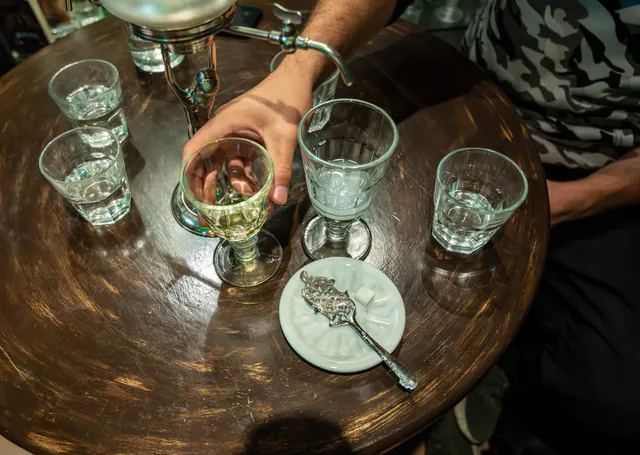
Absintherie Jilská
Fuja das armadilhas cheias de neon que vendem bebidas falsas para despedidas de solteiro. Você encontrará a Absintherie Jilská em uma rua tranquila na Old Town.
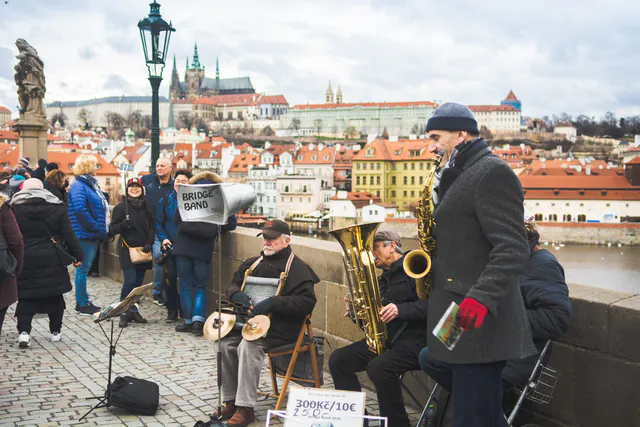
Alternative Prague Tours
Se você está cansado daquela vibe de "Disneyland" em Old Town, saia do centro. O núcleo histórico de Praga é bonito, mas também é uma armadilha comercial. A Alt
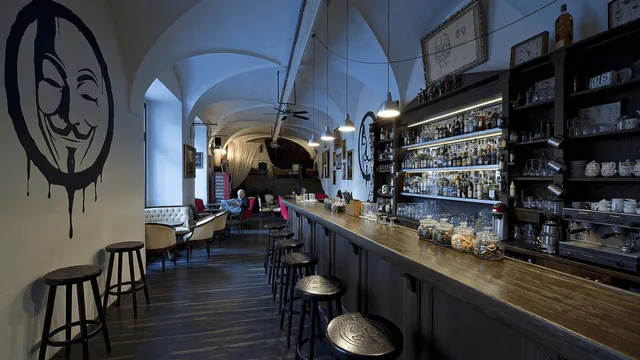
AnonymouS Bar
Esqueça as armadilhas turísticas comuns e as lagers superfaturadas. O AnonymouS Bar é um esconderijo sombrio e de alto conceito, escondido nas entranhas de Star
Perguntas Frequentes
Quanto devo reservar no orçamento diário para uma viagem de nível médio a Prague?
Qual é a melhor época do ano para realizar este roteiro de 72 horas?
É necessário comprar os ingressos para o Prague Castle antes de chegar?
Quais são as consequências de esquecer de validar um bilhete de transporte de papel?
Quão acessível é este roteiro para viajantes com mobilidade reduzida?
Onde posso encontrar uma experiência local autêntica longe do centro histórico lotado?
Guias Relacionados
- The Ultimate 1-Day Prague Itinerary: Navigating the Royal Route and Historic Centre
- Ultimate 5-Day Prague Itinerary
- Prague Budget Guide: Old Town Hall & Local Itineraries
- The Ultimate Family-Friendly Itinerary in Prague: Conquering Petřín Hill and Beyond
- Romantic Prague: An Exhaustive Itinerary Through Petřín Hill and Malá Strana
- Accessible Travel Guide to Prague: Old Town Hall & Beyond
- Václav Havel Airport Prague Guide
- Staroměstská radnice and the Comprehensive Prague Autumn Travel Guide
Planejador de Dia
Escolha seus interesses. Nós montamos o seu dia.
ExperimenteTags
Lugares em Prague
Atrações, hotéis e muito mais relacionados.