Prague Weather Guide: Climatological Dynamics & Seasonal Strategies
Écrit par
Nils Johansson | Fondateur
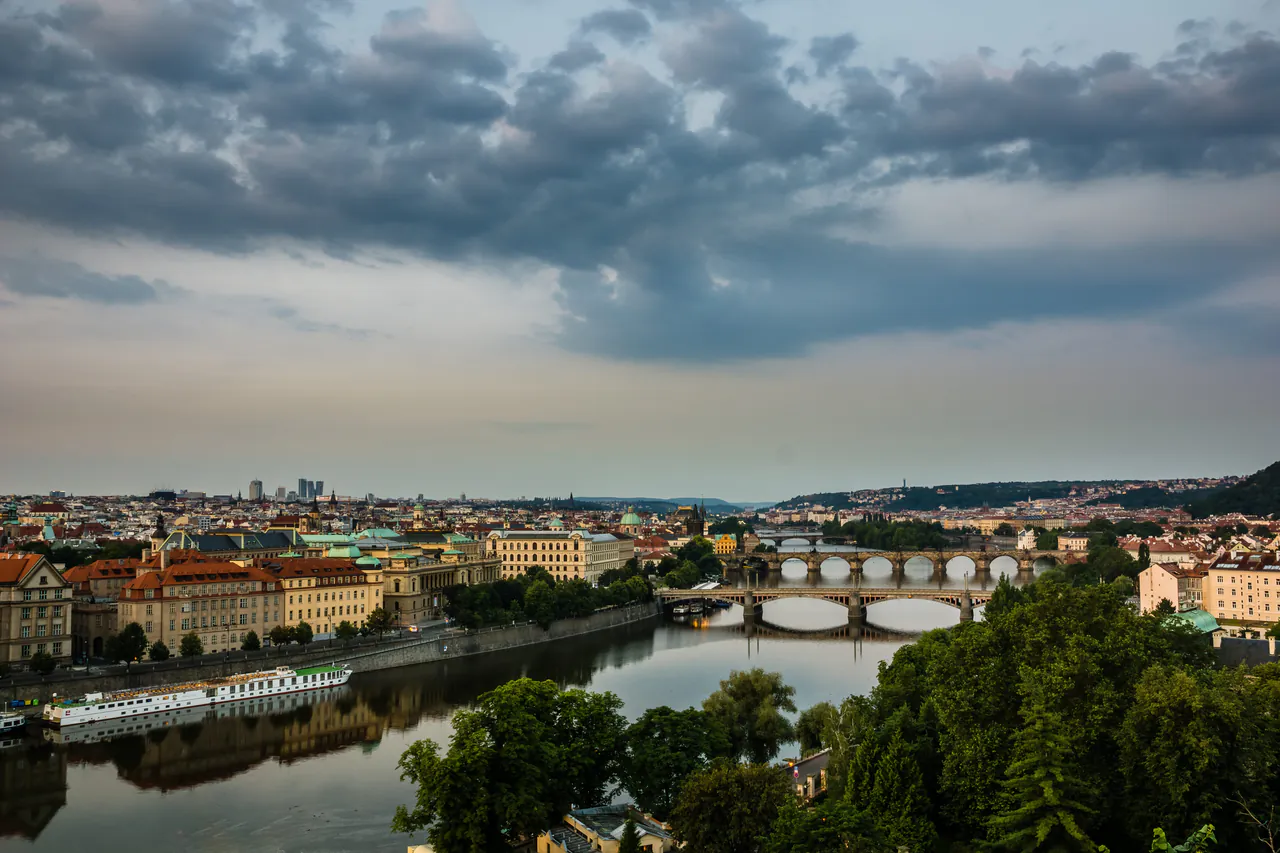
Prague sits in a shallow basin split by the Vltava River. You'll deal with a classic Central European climate here. Expect sharp seasons. One month, you're shivering through thick fog beneath Gothic spires. The next, you're nursing a cold pilsner in a shaded beer garden. Weather runs this city. It dictates the rhythm of the streets. In January, nights bottom out at -3°C. It's cold. But by May, the gloom breaks for cherry blossoms on Petřín Hill. June brings 16 hours of daylight. Watch for the afternoon storms. They hit hard and fast. Autumn is better. You get golden light, vineyard harvests, and fewer crowds. Walking is the only way to see the UNESCO core. But these are ancient cobblestones. They get slick in the rain. Pack solid waterproof shoes. Don't compromise on the soles. Whether you're here for the history or the beer, check the forecast first. It makes or breaks the trip. Strategic planning pays off here. Winter rates are low, but the wind bites. Summer is beautiful but packed. Pick your poison.
Photos
Climatological Rhythms: The Seasonal Anatomy of Prague
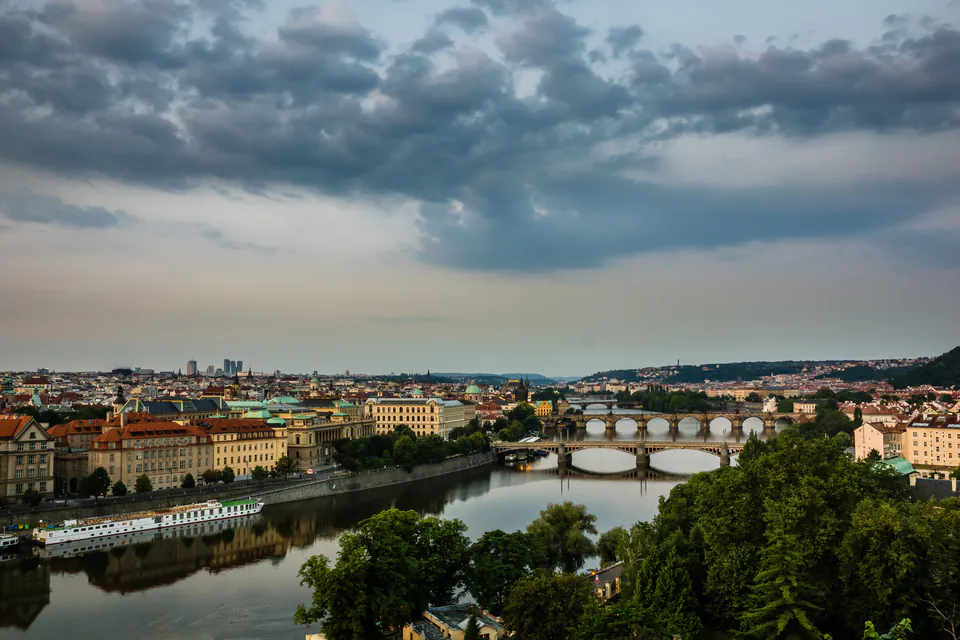
You need to plan for shifts. Prague doesn't do steady. Spring starts in March, but it's basically still winter then. By May, things heat up to 18°C. But don't get comfortable. May is actually the wettest month of the year with 69mm of rain. Carry a coat. Summer is when everyone shows up. It hits 25°C regularly. You'll have light until 21:00. It's great for long walks. But the storms are fierce. June averages ten days of rain. Most of it comes in heavy afternoon bursts. Then there's winter. January is the worst of it. Nights hit -3°C and days rarely pass 2°C. Pack your heaviest coat. Thermal insulation isn't optional. You'll need it when the damp wind comes off the Vltava.
Meteorological History: The Clementinum Legacy and Hydrological Resilience
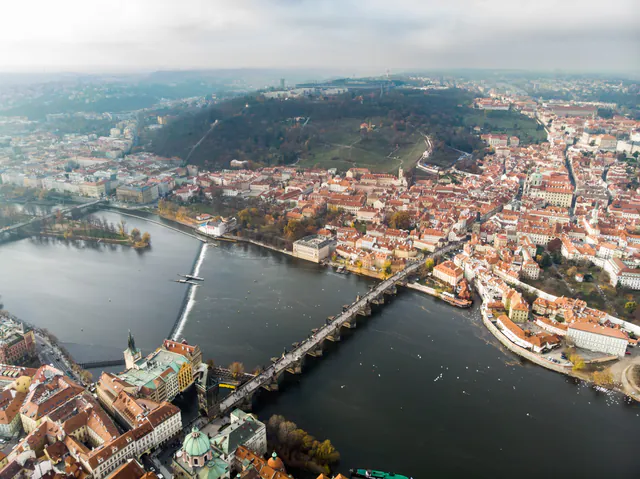
They've watched the sky here for a long time. The Clementinum has tracked weather since 1752. It’s one of the oldest records on earth. These logs show things are heating up. For instance, 2018 was the hottest year ever recorded in Prague. It beat records held for centuries. The river is the bigger threat. In August 2002, a massive flood wrecked the Karlín district. They had to move 50,000 people out fast. It was a disaster. Now, the city has 19 kilometers of defenses. They use clever mobile barriers in the center. This keeps the views clear but keeps the water out. It's smart engineering. They can put them up in hours based on river models. It keeps the history safe.
The Cultural Calendar: Aligning Travel with Seasonal Festivities
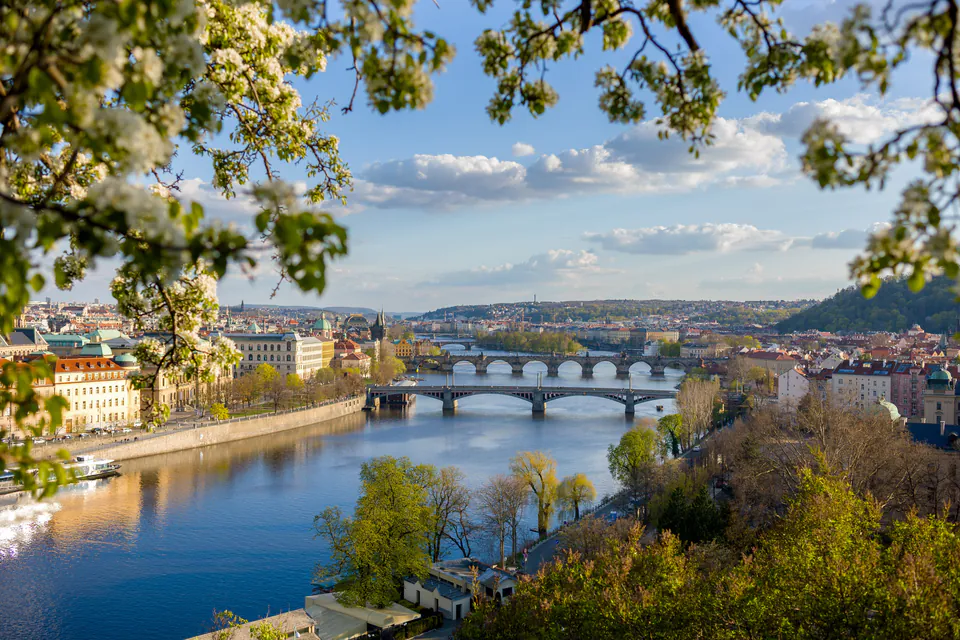
Time your trip right. Spring kicks off with Easter Markets in Old Town Square. You'll see hand-painted eggs and local street food. It's a good time to try woven willow whips. Then May brings the Prague Spring music festival. It’s the city's big cultural moment for classical fans. When the heat drops, the wine comes out. September is for Vinobraní. That's the harvest festival season. Go find some burčák (young wine) and listen to folk music. If you come in winter, it's all about the Christmas Markets. The air is freezing. But a cup of svařák (hot mulled wine) fixes that. Grab some roasted chestnuts and keep moving. The atmosphere is worth the cold.
Economic Seasonality: Strategic Budgeting and Accessibility Dynamics
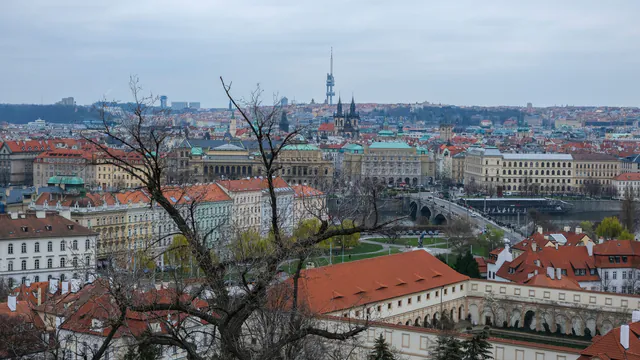
Summer is expensive. From June to August, prices skyrocket. Book your room two months early or you'll pay a premium. If you're on a budget, look for university dorms. They open up for cheap in the summer months. It's a smart move for backpackers. Winter is the real bargain. Come between January and March to save big. Prices drop by 40% compared to summer peaks. It’s cold, but your wallet will thank you. Get a Prague Visitor Pass if the weather turns. It gets you into museums and onto the heated trams. Use the transport to stay warm. It’s a solid value play. You'll see the same spires for a fraction of the cost.
Conseils pratiques
- 1Achetez un pass de transport en commun de 72 heures pour 330 CZK afin d'éviter les longues marches fatigantes lors de conditions météorologiques saisonnières extrêmes.
- 2Prévoyez les explorations extérieures ardues, comme la montée raide vers Prague Castle, tôt le matin pendant les mois de pointe de l'été.
- 3Privilégiez des chaussures imperméables à semelles épaisses plutôt que des choix esthétiques pour naviguer en toute sécurité sur les pavés glissants et inégaux.
- 4Habillez-vous avec des couches faciles à enlever pour gérer confortablement les changements brusques de température entre les intérieurs historiques chauffés et les rues glaciales de l'hiver.
- 5Montez à la Old Town Hall Tower ou aux tours de Charles Bridge pour prendre vos meilleures photos et échapper à la foule dense de touristes au niveau de la rue.
- 6Recherchez des hébergements en dortoirs universitaires en juillet et août pour bénéficier de tarifs d'été économiques commençant à seulement 550 CZK par nuit.
Incontournables
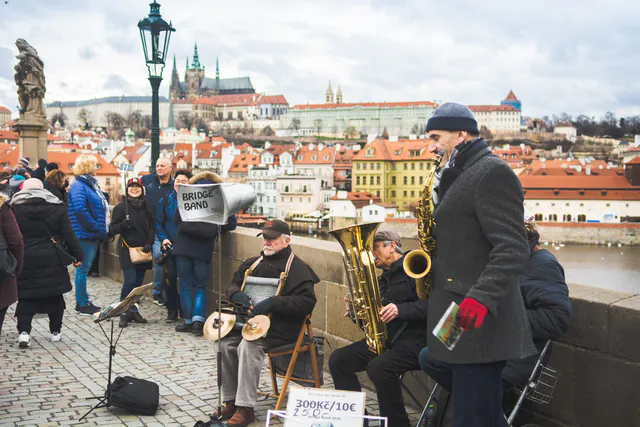
Alternative Prague Tours
Si l'ambiance "Disneyland" de Old Town vous fatigue, quittez le centre. Le cœur historique de Prague est joli, mais c'est aussi un piège commercial. Alternative
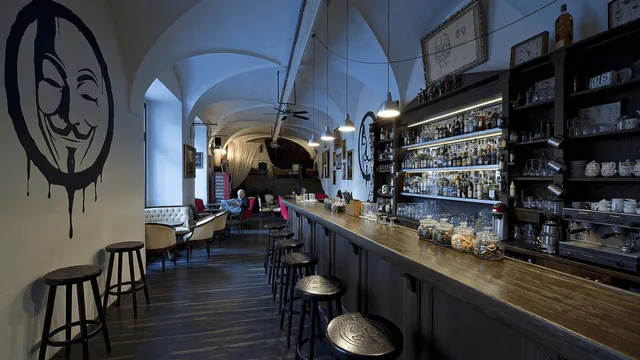
AnonymouS Bar
Oubliez les pièges à touristes habituels et les bières blondes hors de prix. L'AnonymouS Bar est un repaire sombre et hautement conceptuel niché au cœur de Star
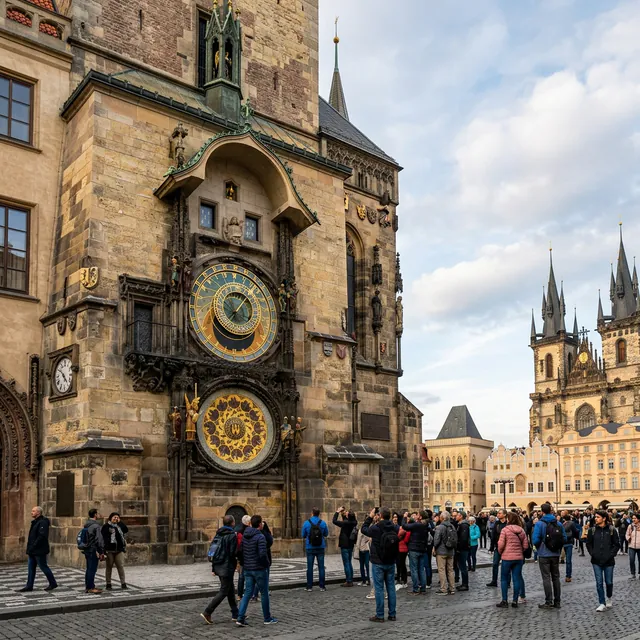
Horloge Astronomique de Prague
Laissez tomber votre téléphone. Le temps s'écoule différemment sur Staroměstské náměstí. L'Orloj bat la mesure depuis 1410 sans jamais faillir. Fixé à l'Old Tow
Questions fréquentes
Quel est le meilleur moment de l'année pour visiter Prague pour profiter d'une météo clémente et d'une affluence modérée ?
Combien coûte généralement l'hébergement pendant la haute saison estivale par rapport à la basse saison hivernale ?
Que dois-je faire si une forte inversion thermique hivernale piège le smog au-dessus de la ville ?
Le Prague Visitor Pass complet est-il un bon investissement si je voyage pendant les mois chauds de l'été ?
Les rues pavées historiques sont-elles sûres et accessibles pour les visiteurs à mobilité réduite ?
Où puis-je trouver un soulagement immédiat face à l'effet d'îlot de chaleur urbain intense lors d'une canicule en juillet ?
Guides connexes
- Accessible Travel Guide to Prague: Old Town Hall & Beyond
- Prague Budget Travel & Old Town Hall Expert Guide 2026
- Emergency Contacts & Services in Prague: A Comprehensive Healthcare and Security Guide
- Prague Border Survival Guide: Visas, EES Biometrics, and Entry Requirements for 2026
- The Definitive Guide to Healthcare & Pharmacies in Prague
- Comprehensive Internet and Mobile Connectivity Guide: Prague
- Linguistic Immersion and Heritage at the Old Town Hall
- Luggage Storage Infrastructure and Urban Mobility Logistics in Prague
Calculateur de budget voyage
Obtenez une estimation réaliste pour votre voyage à Budapest en quelques secondes.
EssayerÉtiquettes
Lieux à Prague
Attractions, hôtels et plus encore.